
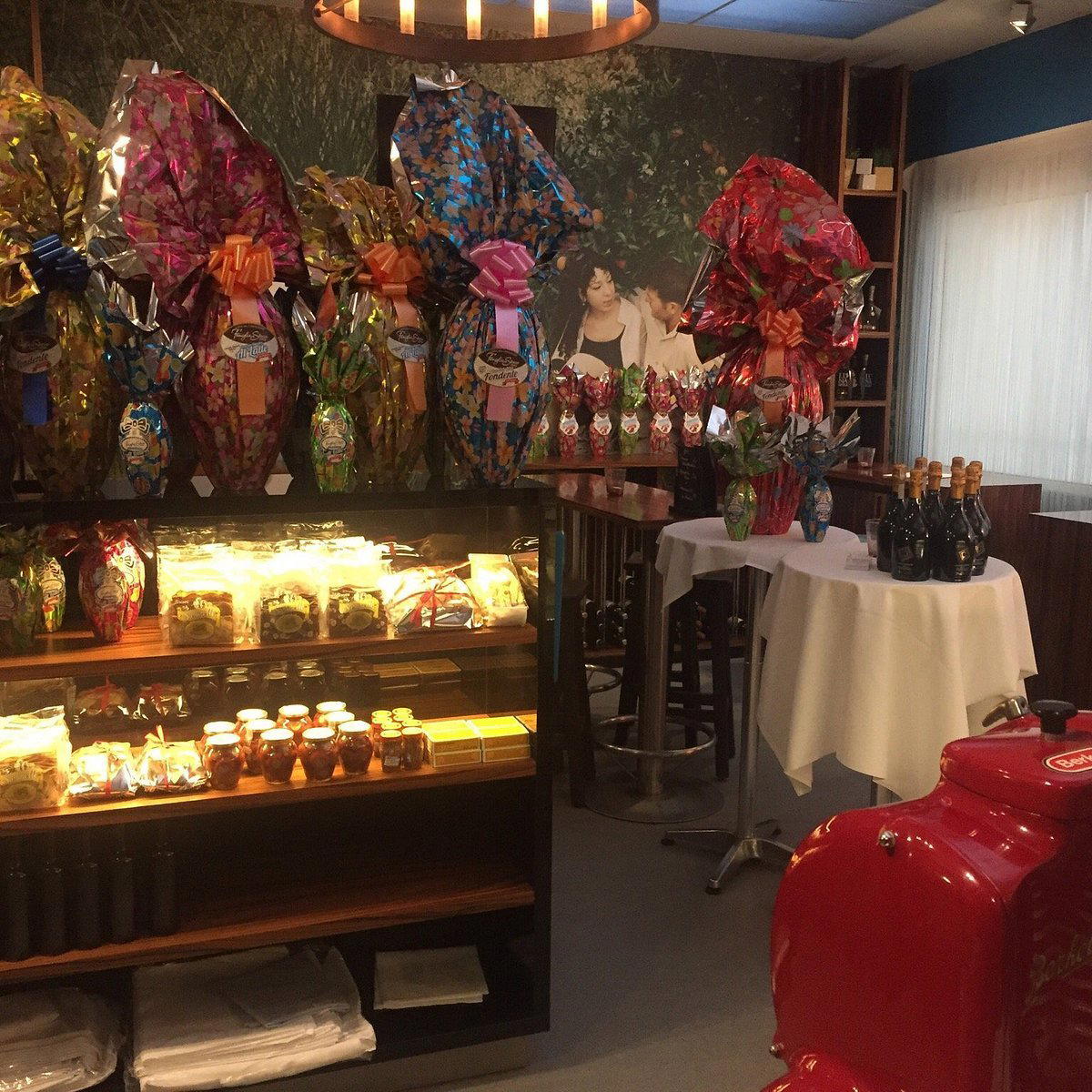
Colono Wien serves Spanish tapas bar and gourmet shop fare with an extensive wine list, quiet room, and casual dress code for dinner at Landstraßer Hauptstraße 6 in Vienna.
Pearl is the En Primeur Club membership app — saves, bookings, and concierge access live there. Same editors, same standards.
- Address
- Landstraßer Hauptstraße 6, 1030 Wien, Austria
- Phone
- +436609362437
- Website
- colonowien.at
- Directions
- Get directions
 Saves & bookings on Pearl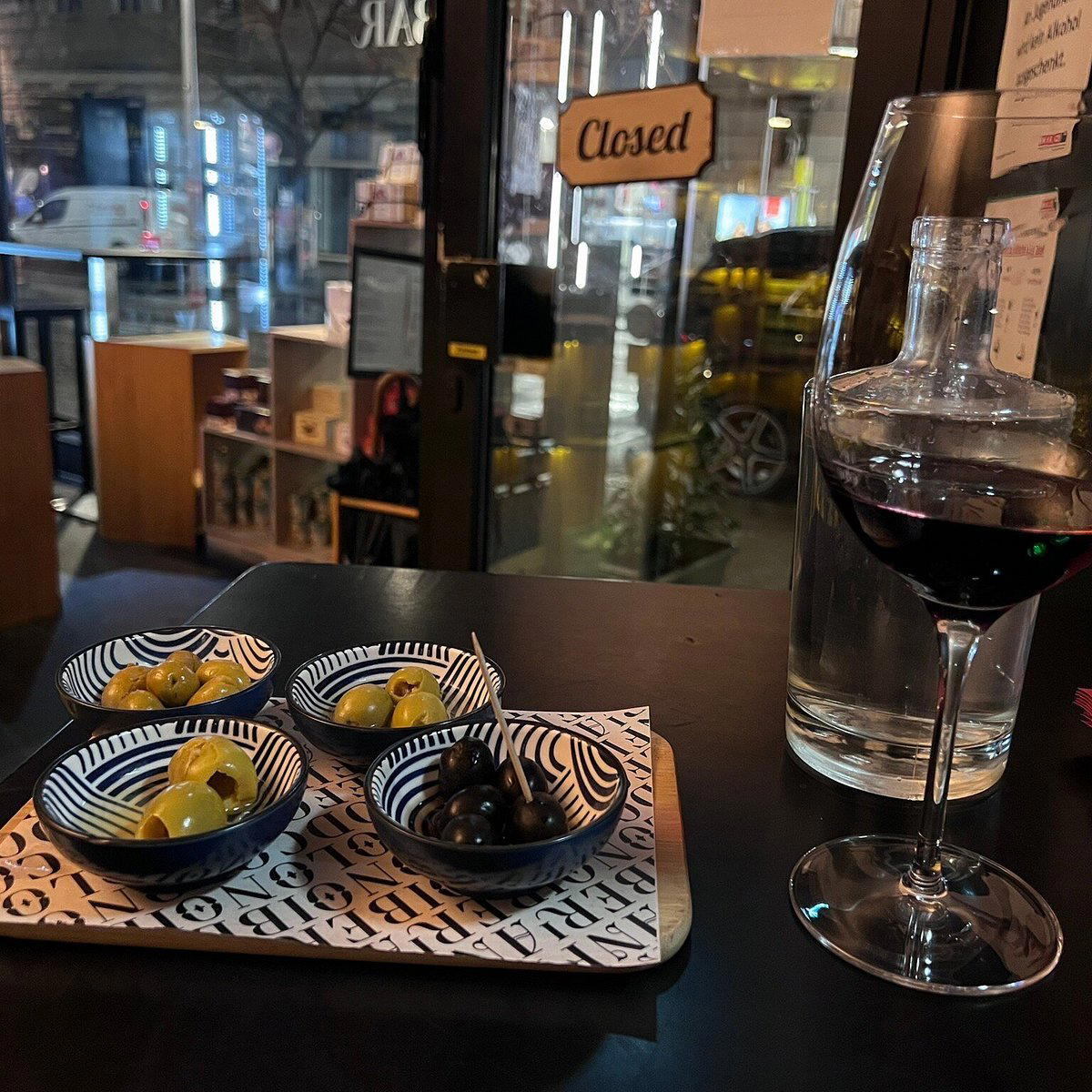
Landstraße and the Sourcing Question
The third district sits east of the Ringstrasse, where Vienna's restaurant density thins and the crowd shifts from tourists toward residents and professionals. Landstraße runs long and practical, a main artery lined with apartment blocks, pharmacies, and the occasional wine bar. It is not the postcard version of Vienna. That context matters when assessing Colono Wien, at Landstraßer Hauptstraße 6, because a restaurant in this part of the city does not coast on foot traffic or proximity to the Kunsthistorisches Museum. It earns its clientele on substance.
Vienna's premium dining scene has, over the past decade, divided into two clear registers. The first is the grand-room tier: places like Steirereck im Stadtpark and Amador, where the room itself is part of the proposition and the price reflects both kitchen ambition and setting. The second is a quieter cohort of neighborhood-anchored restaurants, less visible on the international circuit, where the cooking carries the full weight of the argument. Colono Wien operates in that second category, on a street that rewards knowing where to look.
The Ingredient Logic Behind Kolonialwaren
The word "Colono" signals something specific. It references the colonial-era tradition of Kolonialwarenhändler, the central European specialty grocers who imported coffee, spices, dried goods, and preserved foods from distant supply chains. That heritage sits at an uncomfortable intersection of culinary history: on one side, the genuine excitement of flavors that arrived in Vienna through trade; on the other, the extraction economics that made those supply lines possible.
What contemporary kitchens in Austria's alpine-adjacent urban context have done with this tension is instructive. Restaurants like Döllerer in Golling an der Salzach and Kräuterreich by Vitus Winkler in Sankt Veit im Pongau have built menus around Austrian alpine sourcing as a philosophy rather than a marketing point, using the Salzkammergut and mountain farms to define flavor before technique. The ingredient-sourcing question, in other words, is not incidental to how serious Austrian restaurants position themselves, it is increasingly the central editorial argument on the plate.
Colono Wien draws on a different ingredient logic from the farmers-market orthodoxy that governs much of the city's contemporary fine dining. The name alone suggests an openness to spice routes, preserved goods, and flavors that do not originate in Lower Austria.
The Vienna comparable set
To place Colono Wien accurately, it helps to map the competition. Vienna's upper-tier restaurant market clusters around a handful of addresses: Konstantin Filippou works a precise modern European line with Greek-inflected sourcing, while Mraz & Sohn represents the more progressive, experimental end of modern Austrian cooking. Doubek sits in a different register again, with a stronger emphasis on Austrian wine culture as the organizing principle of the experience.
The restaurant's address in the third district places it outside the first-district concentration of that comparable set, which has practical implications for how it operates. Walk-in discovery is less likely; the clientele self-selects as intentional. That dynamic tends to reward restaurants that have a clear point of view, because diners who cross the canal or leave the inner city do so with a specific reason.
For Austrian dining that operates with regional sourcing as a primary argument, the rural counterparts are worth knowing: Obauer in Werfen, Taubenkobel in Schützen am Gebirge, and Landhaus Bacher in Mautern an der Donau each run ingredient-driven programs anchored to their specific geography. The urban version of that argument, which the restaurant appears to be making, requires different solutions: supplier relationships substituting for on-site gardens, and a menu that translates agricultural specificity into a city context.
How It Compares: A Planning Reference
| Venue | District | Price Tier | Style Signal |
|---|---|---|---|
| The restaurant | 3rd (Landstraße) | Not confirmed | Ingredient-led, colonial pantry references |
| Steirereck im Stadtpark | 3rd (Stadtpark) | €€€€ | Creative Austrian, grand room |
| Konstantin Filippou | 1st | €€€€ | Modern European, sourcing-led |
| Mraz & Sohn | 20th | €€€€ | Modern Austrian, progressive |
The third district connection is notable: Steirereck is also technically in the 3rd, though it reads as a Ringstrasse-adjacent destination. The restaurant's position further along Landstraßer Hauptstraße puts it in a different urban experience, closer to the residential grain of the district.
The Broader Austrian Fine Dining Context
Austria's fine dining scene is more geographically distributed than most visitors assume. The weight of serious kitchens sits outside Vienna: Stüva in Ischgl, Gourmetrestaurant Tannenhof in Sankt Anton am Arlberg, and Schwarzer Adler in Hall in Tirol anchor Tyrolean fine dining, while Ois in Neufelden and Restaurant 141 by Joachim Jaud in Mieming represent the regional-Austria model where proximity to producers is a structural advantage. The restaurant's name positions it in a different part of that conversation, one interested in the full span of the tradeable pantry rather than strict localism.
For anyone building an Austrian itinerary or a Vienna dining week, the guide maps the city's options across price tier and style.
Planning a Visit
The restaurant is located at Landstraßer Hauptstraße 6, 1030 Wien. The U3 line stops at Rochusgasse, roughly a five-minute walk. The third district is compact enough to combine a dinner here with a pre-meal walk through the Stadtpark or along the canal. The restaurant is recommended for reservations. Hours are Mon: 10 AM to 11 PM, Tue: 10 AM to 11 PM, Wed: 10 AM to 11 PM, Thu: 10 AM to 11 PM, Fri: 10 AM to 12 AM, Sat: 10 AM to 12 AM, and Sun: Closed.
Comparable Options
Comparable venues nearby, for context on price, style, and recognition.
| Venue | Cuisine | Price | Notes |
|---|---|---|---|
| Colono WienThis venue — the venue you are viewing | Spanish Tapas Bar & Gourmet Shop | $$ | Not listed |
| Rioja Tapas y más | Spanish Tapas and Wine Bar | $$ | Josefstadt |
| Taberna de la Mancha | Spanish Tapas | $$ | Josefstadt |
| Lieblingsfisch | Fresh Seafood Deli & Bistro | $$ | Praterstern Wien Nord |
| Bodega Marqués | Modern Spanish Tapas | $$$ | Stephansdom |
| Südländer | Mediterranean Bistro (Italian, Spanish, Dalmatian) | $$ | Wieden |
Recognition history
Dated appearances from independent guides and award organizations, with the underlying list record or original source where available.
Falstaff Wine Bar - 87 Falstaff Points
Falstaff
Continue exploring
More in Vienna
Restaurants in Vienna
Browse all →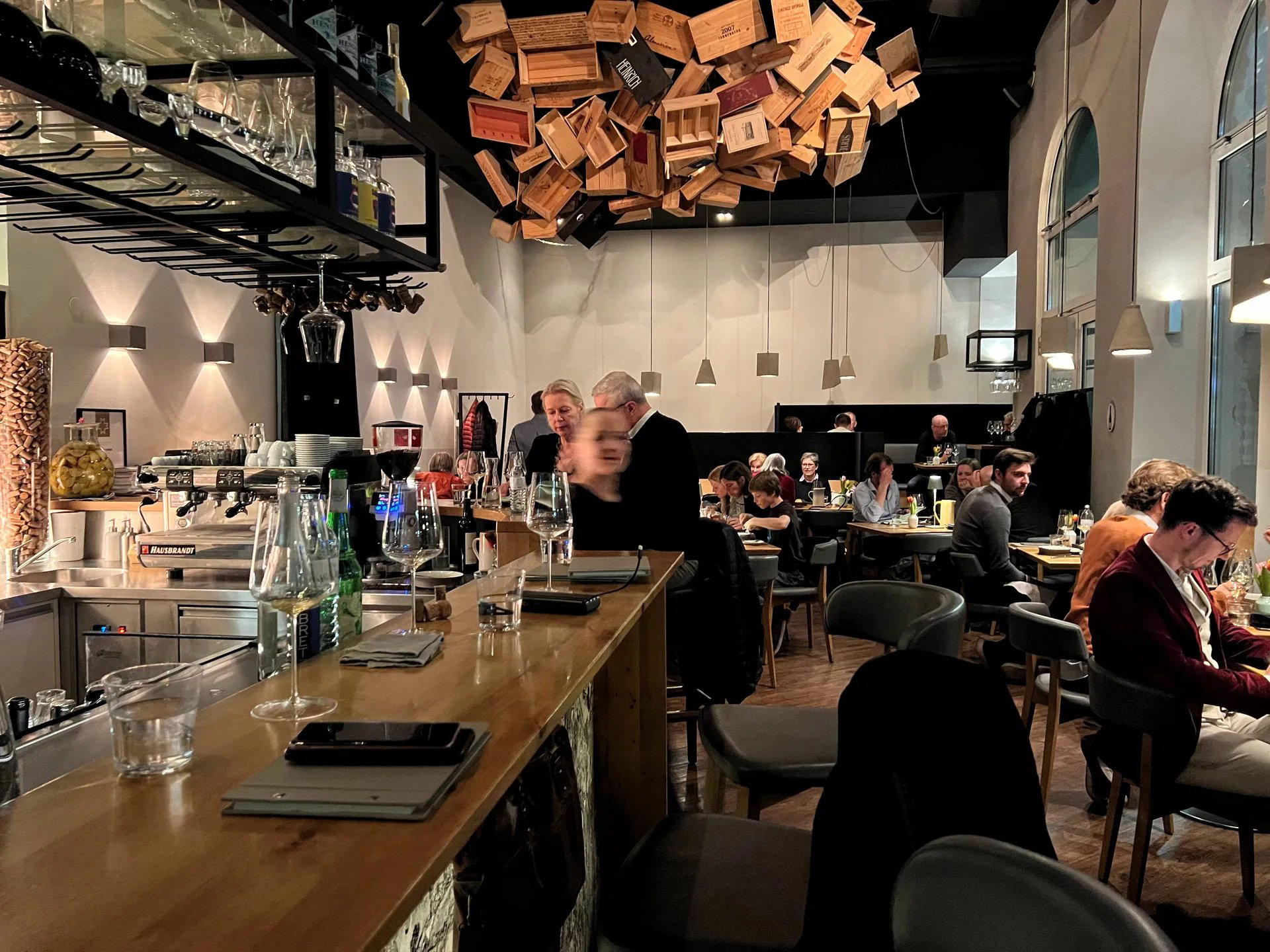
Bars in Vienna
Browse all →
Hotels in Vienna
Browse all →
At a Glance
- Cozy
- Trendy
- Casual Hangout
- Date Night
- Extensive Wine List
Current opening hours
- Monday
- 10 AM–11 PM
- Tuesday
- 10 AM–11 PM
- Wednesday
- 10 AM–11 PM
- Thursday
- 10 AM–11 PM
- Friday
- 10 AM–12 AM
- Saturday
- 10 AM–12 AM
- Sunday
- Closed
Hours can change for holidays and private events. Last verified .
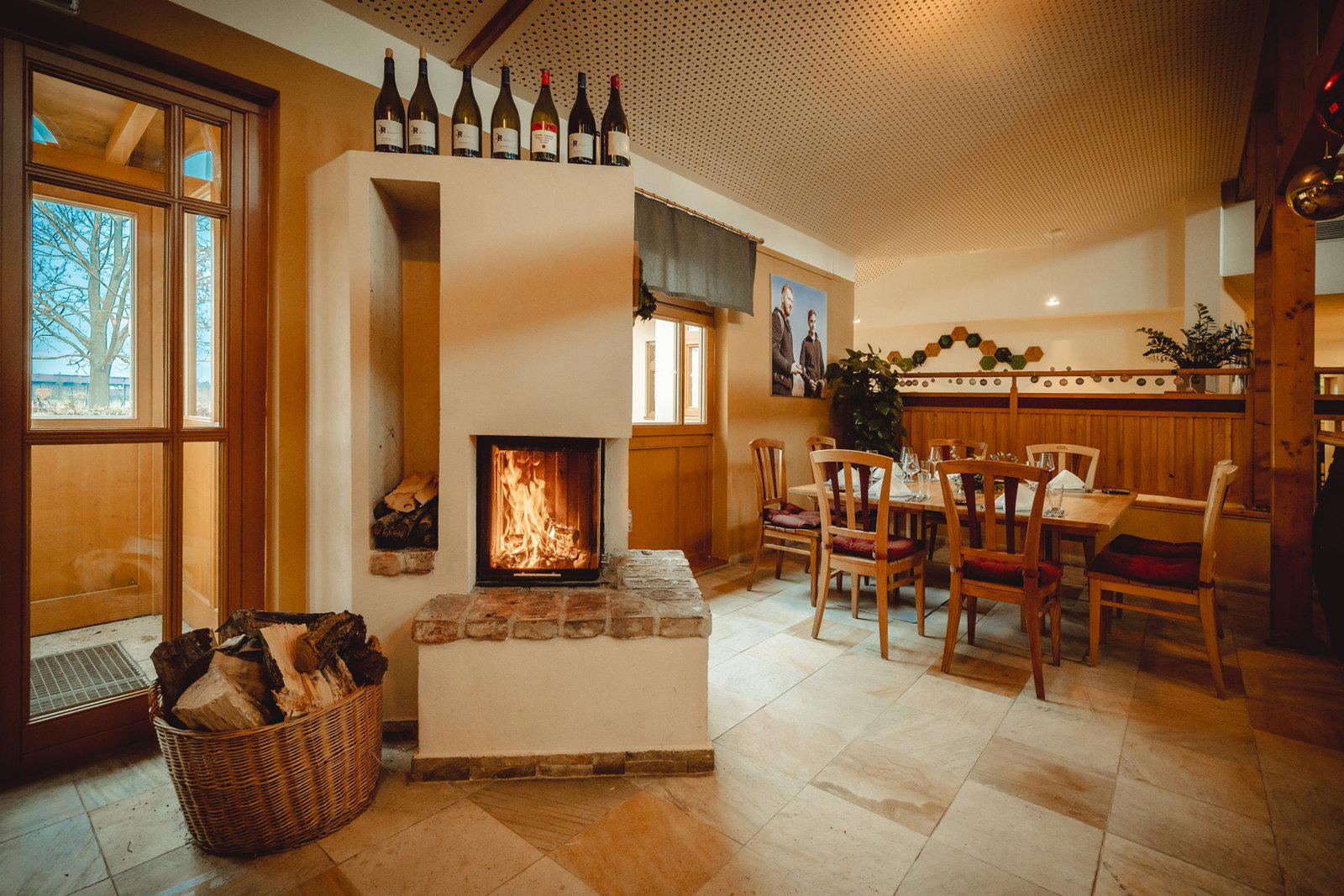
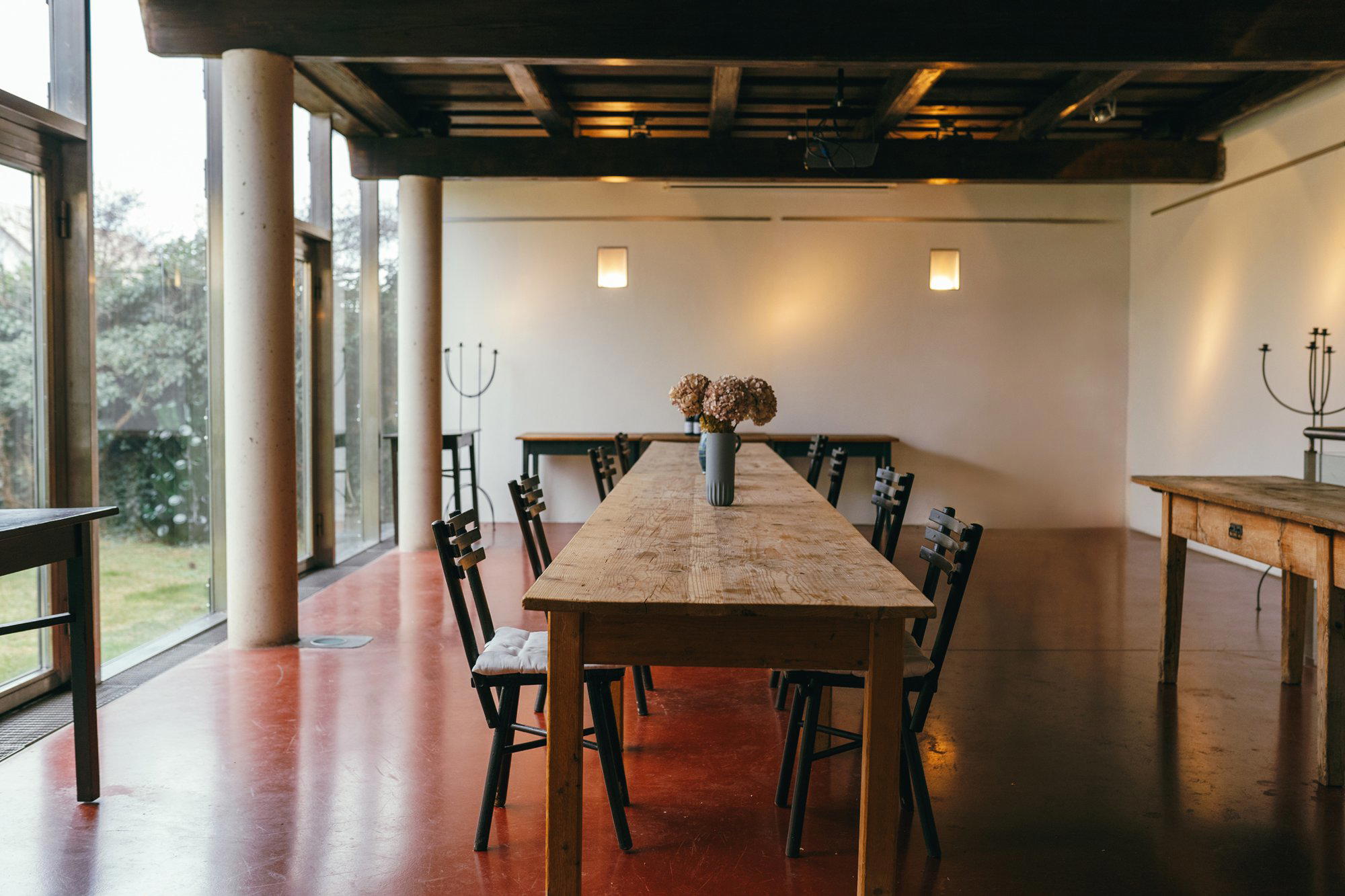
Cozy tapas bar atmosphere with high bar tables, quiet setting ideal for enjoying wine and small plates.