Paco occupies a narrow address on Nußdorfer Strasse in Vienna's 9th district, sitting at a different register from the city's formal tasting-menu circuit. The surrounding Alsergrund neighbourhood positions it within a dining tier that prizes accessibility over ceremony, offering an alternative to the €€€€ creative houses that define Vienna's upper bracket.
Pearl is the En Primeur Club membership app — saves, bookings, and concierge access live there. Same editors, same standards.
- Address
- Nußdorfer Str. 7, 1090 Wien, Austria
- Phone
- +434318903785
- Website
- pacorestaurant.at
- Directions
- Get directions
 Saves & bookings on Pearl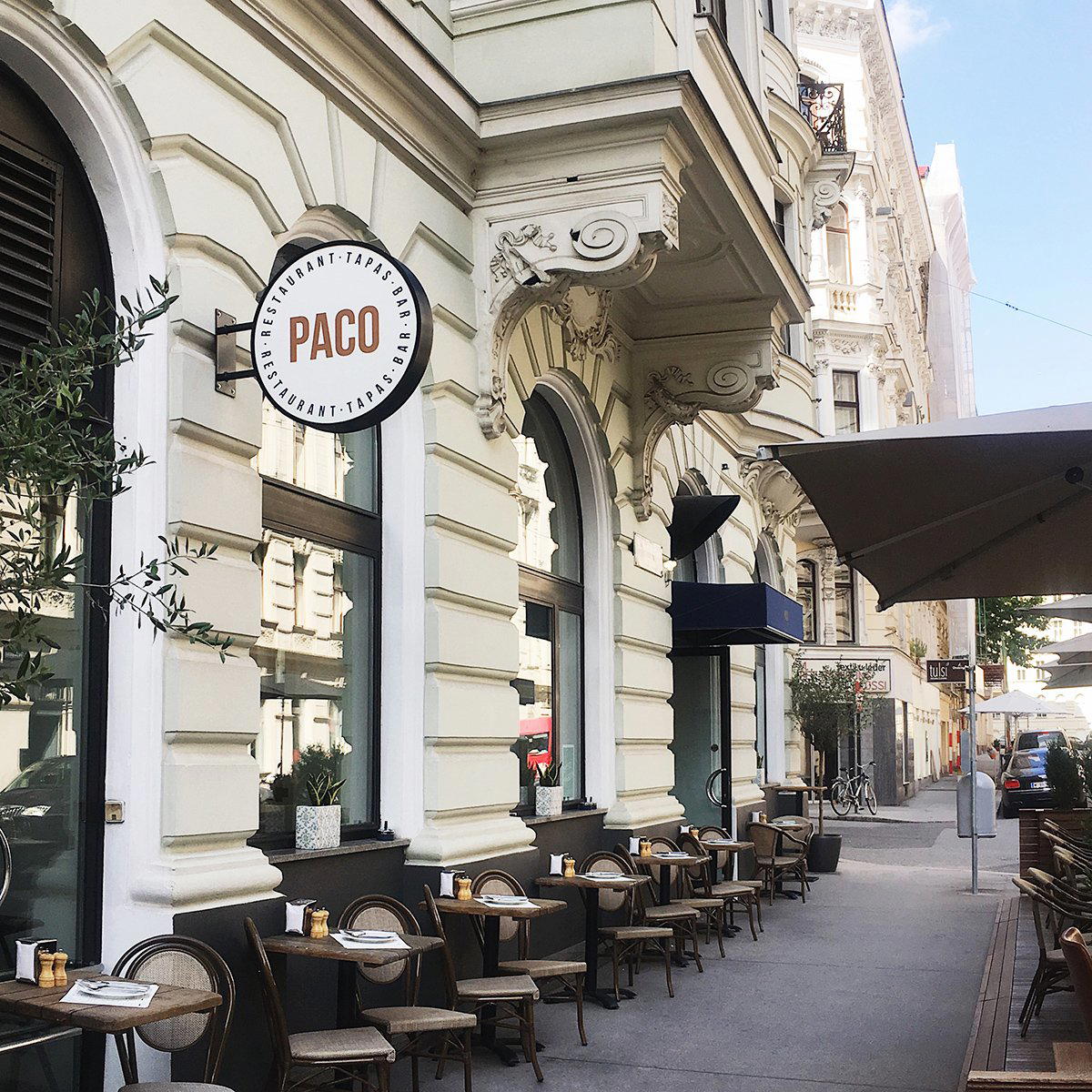
Alsergrund and the Question of What Vienna Dining Can Be
The 9th district does not announce itself the way Vienna's first does. Nußdorfer Strasse is a working thoroughfare, trams, corner grocers, the occasional wine bar spilling onto pavement, and the restaurants along it operate in a register quite different from the white-tablecloth formality that defines much of the city's reviewed dining. Paco, at number 7, sits inside that neighbourhood logic. It is worth understanding what that positioning means before considering the venue itself, because the 9th's dining character is distinct from the Inner Stadt circuit.
Steirereck im Stadtpark and Mraz & Sohn anchor the creative end of the Austrian canon; Konstantin Filippou and Amador sit in the modern European bracket, operating at €€€€ price points with tasting menus that demand advance planning. Paco sits in a more casual bracket. Its address in Alsergrund places it in a different conversation, one about neighbourhood hospitality, accessible pricing, and the kind of repeat-visit relationship that formal tasting counters rarely build.
Sourcing as Practice, Not Marketing
Across Vienna's more considered mid-tier restaurants, sourcing has become less of a talking point and more of a baseline expectation. The generation of venues that emerged in the past decade in districts like the 9th, the 7th, and the 17th have generally absorbed the logic of shorter supply chains without necessarily broadcasting it. That pattern reflects a broader Austrian tendency: the country's geography, proximity to alpine farming, Pannonian viticulture, and Danube valley market gardening, makes regional sourcing structurally easier than in many European capitals, so it appears less as an ethical statement and more as a culinary default.
That regional sourcing tradition connects outward to Austria's broader restaurant scene. Landhaus Bacher in Mautern an der Donau has built its identity around Wachau valley produce for decades; Kräuterreich by Vitus Winkler in Sankt Veit im Pongau operates around alpine herb cultivation with a specificity that few urban restaurants can replicate. The urban Viennese version is less dramatic, no named farms on the menu, no kitchen gardens, but the underlying preference for Austrian produce over imported alternatives shapes what ends up on the plate at neighbourhood restaurants across the city.
Where Paco Sits in the Vienna Neighbourhood Format
The neighbourhood restaurant format in Vienna has its own conventions. Cover charges are low or absent. Wine lists lean toward Grüner Veltliner, Blaufränkisch, and Zweigelt from producers within a two-hour radius. Menus change with market availability rather than seasonal branding cycles. The dining room is typically compact, Nußdorfer Strasse addresses rarely run to large footprints, and the pace follows the room rather than a timed sequence.
What distinguishes the better operators in this format is not spectacle but consistency: the same kitchen logic applied across multiple services per week, building a regular clientele that returns because the quality-to-cost ratio holds. Doubek represents another version of this format elsewhere in the city. The venues are not comparable in style, but they occupy similar positions relative to the formal dining tier above them.
For context on how Vienna's neighbourhood format differs from its counterparts in other cities: the Austrian capital has historically maintained a stronger beisl tradition than most, the beisl being a Viennese inn-restaurant hybrid that privileges regulars over visitors and depth of offering over breadth. Modern neighbourhood restaurants like those on Nußdorfer Strasse descend from that tradition even when the menu reads nothing like schnitzel or Tafelspitz. The preference for intimacy, a contained menu, and an unhurried atmosphere carries through.
The Sustainability Dimension in Urban Viennese Dining
Vienna's approach to environmental responsibility in restaurants tends to manifest through operational decisions rather than front-of-house storytelling. Waste reduction at the mid-tier level typically looks like smaller menus with higher ingredient utilisation, daily specials driven by what needs moving from the walk-in, and a preference for whole-animal or whole-vegetable cooking over premium cuts. These are not marketing positions; they are kitchen economics that happen to align with reduced waste.
The broader Austrian hospitality sector has engaged with these practices at scale. Regional destinations like Obauer in Werfen and Döllerer in Golling an der Salzach have developed sourcing relationships that extend into fermentation, preservation, and nose-to-tail cooking as genuine culinary commitments rather than trend responses. Urban neighbourhood restaurants operate at a different scale, but the underlying preference for low-waste, high-utilisation kitchens is consistent across the category. At venues like Ois in Neufelden, that commitment extends into the architecture of the dining experience itself. For Vienna's 9th district, the expression is quieter but present in the same structural choices.
Comparing the Planning Picture
Understanding how Paco sits logistically relative to Vienna's wider dining options helps clarify what kind of visit it suits.
| Venue | Tier | Booking Horizon | Format |
|---|---|---|---|
| Paco | Neighbourhood mid-tier | Walk-in or short notice likely | À la carte / compact menu |
| Steirereck im Stadtpark | €€€€ creative | Weeks to months ahead | Tasting menu |
| Konstantin Filippou | €€€€ modern European | Several weeks ahead | Tasting menu |
| Mraz & Sohn | €€€€ modern Austrian | Several weeks ahead | Tasting menu |
The planning implications are practical: if the formal tasting-menu tier is the target, book well ahead regardless of which venue you choose. If Paco is the target, the 9th district neighbourhood format typically allows more flexibility, which suits travellers building a mixed itinerary across Vienna's dining spectrum.
For those extending into Austria's wider restaurant scene, Ikarus in Salzburg, Griggeler Stuba in Lech, Gourmetrestaurant Tannenhof in Sankt Anton am Arlberg, and Schwarzer Adler in Hall in Tirol each represent regional expressions of the Austrian culinary tradition at formal levels. Restaurant 141 by Joachim Jaud in Mieming occupies a mid-tier position in Tyrol roughly analogous to what Paco occupies in Vienna's 9th district. For international reference points in creative and modern cuisine, Le Bernardin in New York City and Atomix in New York City illustrate how the tasting-menu format at the formal end operates in a different city context.
Cost Snapshot
Comparable venues nearby, for context on price, style, and recognition.
| Venue | Cuisine | Price |
|---|---|---|
| PacoThis venue — the venue you are viewing | Alsergrund, Authentic Spanish Tapas | $$$ |
| PACO Ribera | Donauturm, Authentic Spanish Tapas | $$$ |
| Rioja Tapas y más | Josefstadt, Spanish Tapas and Wine Bar | $$ |
| Bodega Marqués | Stephansdom, Modern Spanish Tapas | $$$ |
| Salonplafond | Staatsoper, Modern Austrian | $$$ |
| BODULO | Dornbach, Dalmatian Seafood | $$$ |
Continue exploring
More in Vienna
Restaurants in Vienna
Browse all →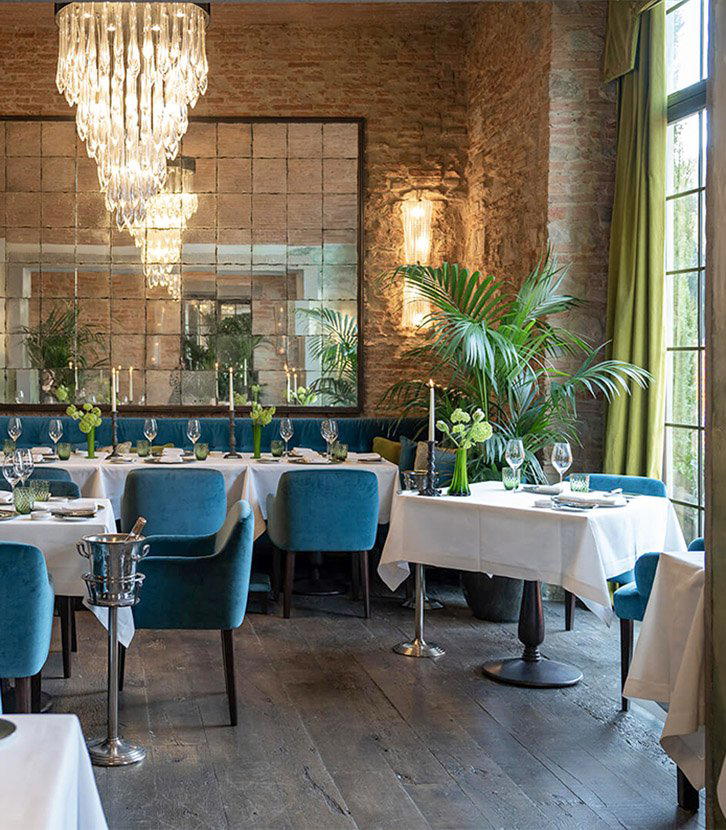
Bars in Vienna
Browse all →
Hotels in Vienna
Browse all →
At a Glance
- Trendy
- Cozy
- Lively
- Date Night
- Casual Hangout
- After Work
- Open Kitchen
- Extensive Wine List
Current opening hours
- Monday
- Closed
- Tuesday
- 5:30 PM–12 AM
- Wednesday
- 5:30 PM–12 AM
- Thursday
- 5:30 PM–12 AM
- Friday
- 5:30 PM–12 AM
- Saturday
- 5:30 PM–12 AM
- Sunday
- Closed
Hours can change for holidays and private events. Last verified .
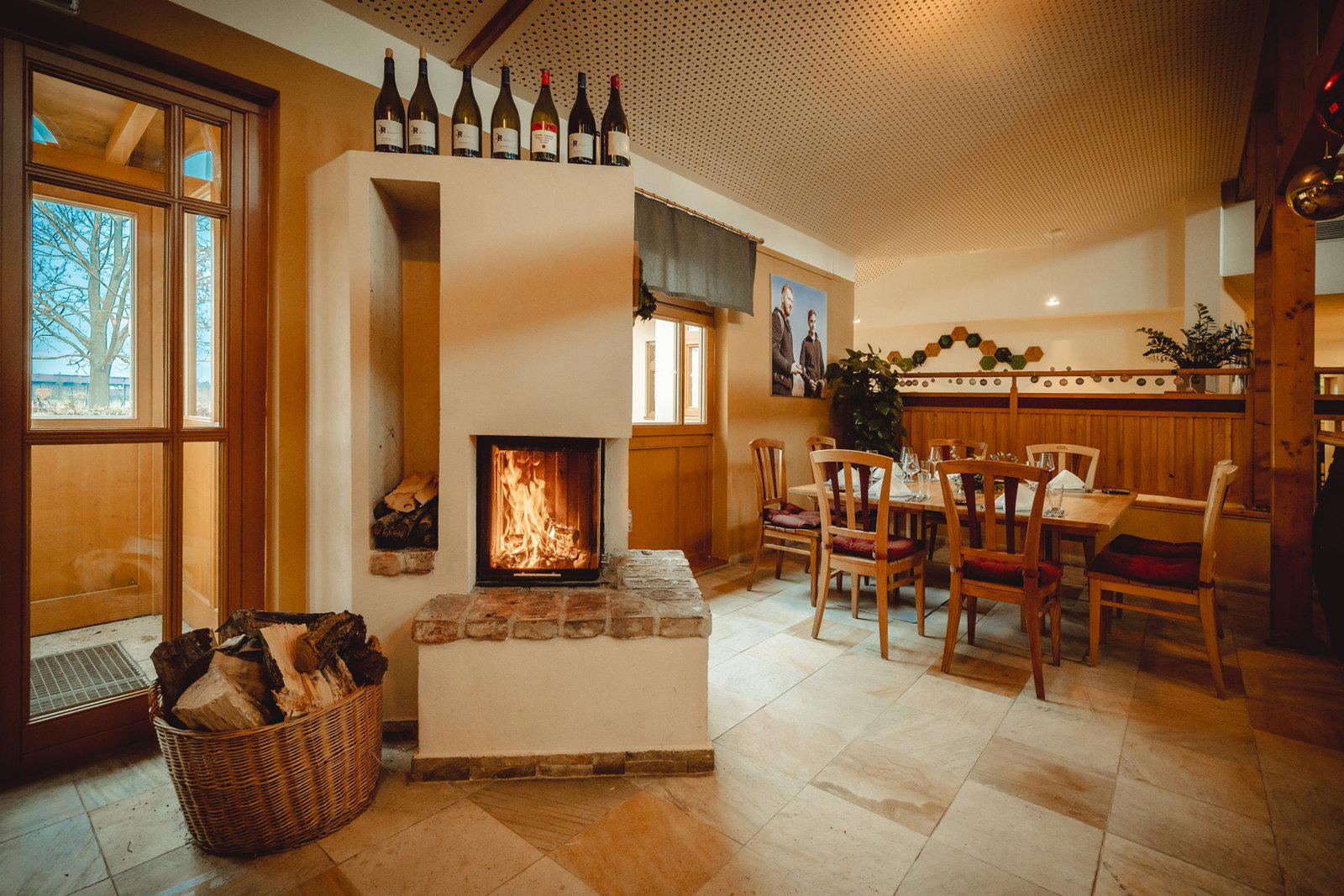
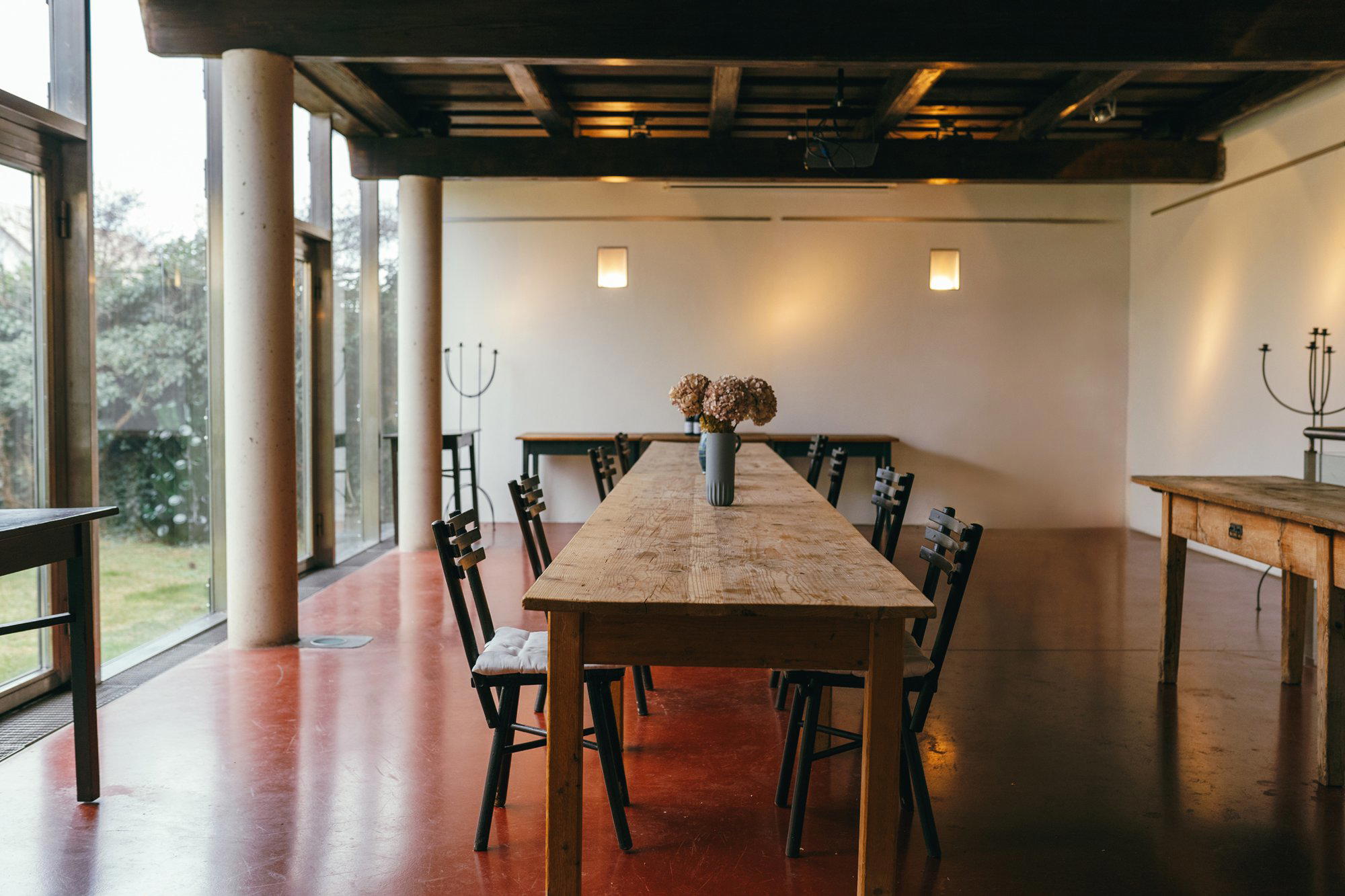
Warm Spanish flair with cozy atmosphere well-suited for sharing tapas and drinks in the heart of the 9th district.