PACO Ribera occupies an address in Vienna's Donau City district, a quarter better known for corporate towers than restaurant tables. That geographic tension is part of its identity: a Spanish-inflected dining room operating at some remove from the historic inner city's established fine-dining corridor, asking guests to cross the Danube for a meal rather than default to the First District's well-worn circuit.
Pearl is the En Primeur Club membership app — saves, bookings, and concierge access live there. Same editors, same standards.
- Address
- Donau-City-Straße 13E, 1220 Wien, Austria
- Phone
- +436766421472
- Website
- pacoribera.at
- Directions
- Get directions
 Saves & bookings on Pearl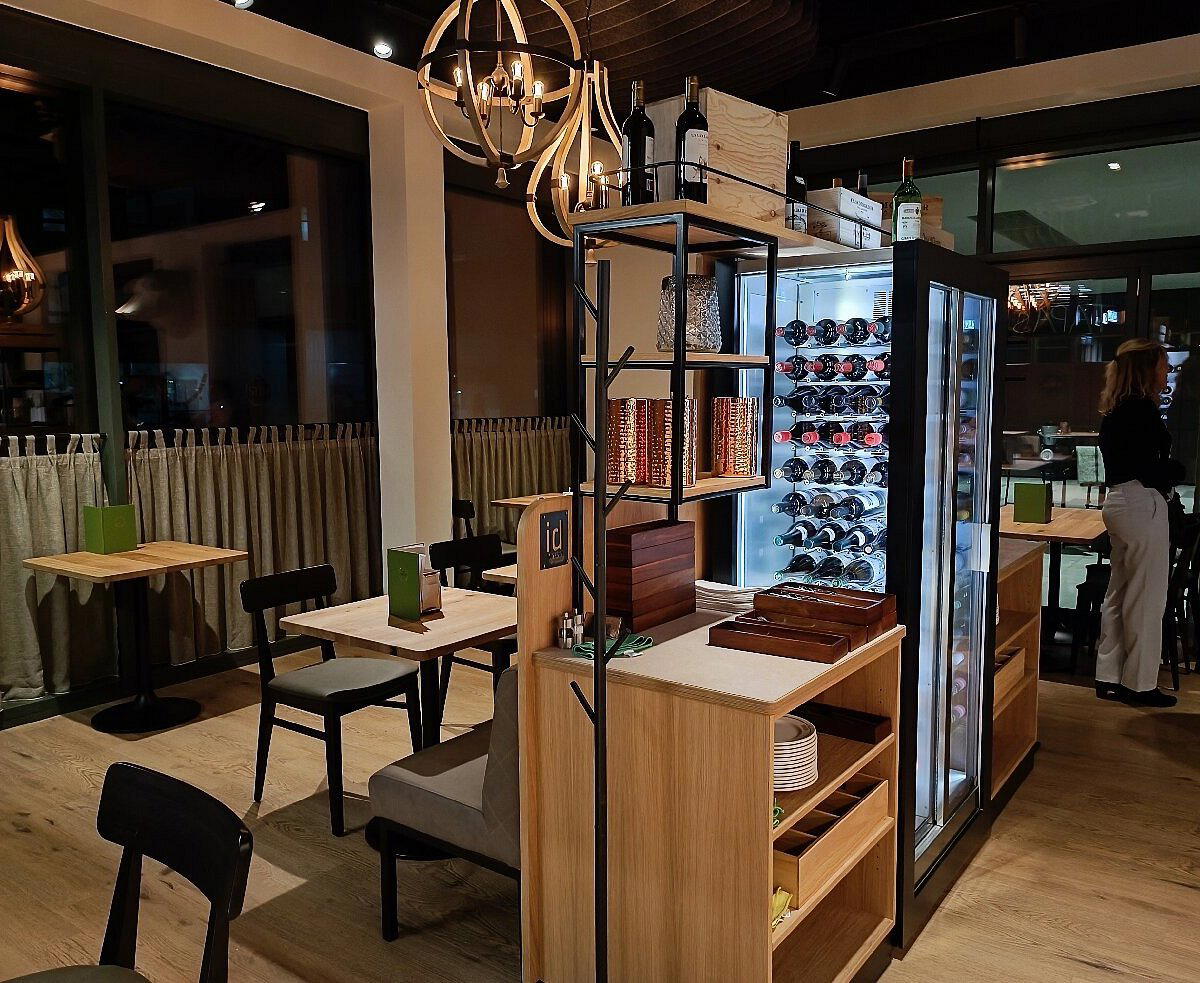
Dining Beyond the Ring: Vienna's 22nd District and the Question of Where Fine Dining Goes Next
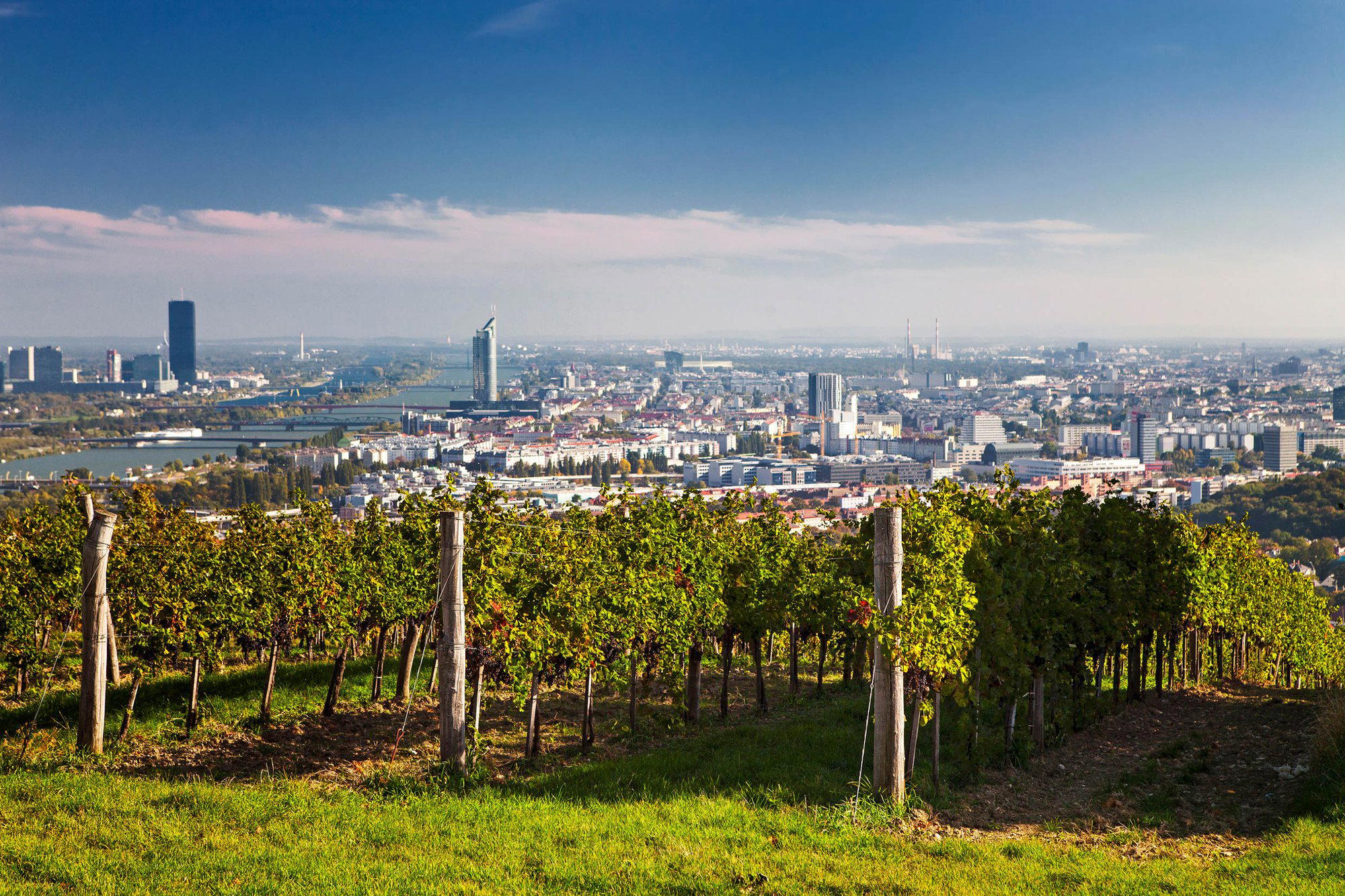
Vienna's serious restaurant conversation has long been anchored inside or close to the Ringstrasse. The First and Third Districts hold the addresses that collect Michelin stars and press coverage: Steirereck im Stadtpark in the Stadtpark, Konstantin Filippou a short walk from the Opera, Amador and Mraz & Sohn each staking territory in their respective neighbourhoods. PACO Ribera at Donau-City-Straße 13E, 1220 Wien, sits apart from all of them, in the 22nd District's Donau City, a planned business quarter on the left bank of the Danube anchored by the Vienna International Centre and glass-tower offices. The address raises an immediate question that shapes how the restaurant is understood: what does it mean for a Spanish-accented restaurant to plant itself in Vienna's most deliberately modern, least historically weighted district?
The answer has shifted over time. Donau City began accumulating restaurants as its office population grew, but the early wave prioritised convenience over ambition. A venue pitching itself at a higher register in this postcode has always been making a statement about its intended audience, one that skews toward international professionals, conference visitors, and residents of the district's apartment towers rather than the culinary tourists working through the inner city's established itinerary. That positioning carries both constraint and opportunity: less competition from neighbouring fine-dining rooms, but also less of the ambient prestige that proximity to an established dining corridor provides.
The Name, the Reference, and What It Signals
The name PACO Ribera combines a Spanish given name with a word that means riverbank in Spanish and Portuguese, a compound that points simultaneously toward Iberian culinary tradition and toward the restaurant's literal position beside the Danube. Whether that reading is intended or incidental, it frames a set of expectations that Spanish cuisine in Vienna, a city with no particular historical relationship to the Iberian pantry, carries unusual interpretive weight.
Spanish fine dining has undergone significant international re-evaluation over the past two decades, moving from the avant-garde molecular reference points of the early 2000s toward a broader appreciation of regional Spanish cooking, wine culture, and produce-centred technique. A Vienna restaurant operating in this register is positioning against a European rather than purely local frame of reference. The comparison is not Viennese Beisl tradition or even the Austrian creative kitchens like Doubek, but the Spanish-influenced dining that has spread across European capitals over the past decade, from London to Amsterdam to Berlin.
Evolution in a District Built for Reinvention
Donau City itself is a district defined by successive reinvention. The area was largely undeveloped until the 1990s, when Vienna's EXPO bid and subsequent planning work created the framework for a new business district. The DC Tower, completed in 2013, marked the quarter's arrival as a genuinely metropolitan address. Restaurants in the area have followed the district's own arc: early iterations aimed at the lunch trade and hotel guests, later arrivals more willing to make an evening destination case.
For a restaurant named PACO Ribera, the evolution question matters because Spanish cuisine itself has been in continuous reinvention. The generation of cooks trained in the Basque Country and Catalonia who shaped the international image of Spanish food through the 1990s and 2000s has given way to a wider map, with Galician seafood, Castilian roasting traditions, and Andalusian coastal cooking all accumulating serious international attention. A Vienna interpretation of Spanish cuisine operating today has access to a richer, more regionally differentiated reference set than the same project would have had fifteen years ago. The ribera reference in the name may gesture toward Ribera del Duero wine culture, toward the riverside geography, or simply toward an aesthetic sensibility, but in any of those readings it suggests a kitchen thinking about Spanish food with some specificity rather than as a generic category.
Austria's own fine-dining circuit provides useful comparison points for understanding where a restaurant like PACO Ribera fits in the national hierarchy. Outside Vienna, the country's serious kitchens tend toward alpine and rural settings: Döllerer in Golling an der Salzach, Obauer in Werfen, Griggeler Stuba in Lech, Gourmetrestaurant Tannenhof in Sankt Anton am Arlberg, and Kräuterreich by Vitus Winkler in Sankt Veit im Pongau are all in smaller markets where the kitchen is often the primary reason to visit. Ikarus in Salzburg and Landhaus Bacher in Mautern an der Donau operate in different competitive dynamics again. Compared to those contexts, a Vienna restaurant in the 22nd District is playing in a larger, more anonymous market where visibility requires active cultivation.
International comparisons shift the frame further. At Le Bernardin in New York City, a French technique operating inside a specific culinary tradition in a large international city has produced one of the longest-sustained records in fine dining. At Atomix in New York City, a Korean culinary framework has been used to build a restaurant that operates entirely outside its cuisine's country of origin but with full seriousness. The pattern these examples illustrate is consistent: restaurants working with a cuisine that is not native to their city succeed when they commit to the reference set rather than softening it for local palatability.
Planning a Visit: Practical Context
The district is a functional rather than atmospheric approach, arriving through office plazas rather than historic streets. Guests arriving from the inner city should allow transit time accordingly.
| Venue | Location | Cuisine Register | Price Tier |
|---|---|---|---|
| The restaurant | 22nd District, Donau City | Spanish-accented | not listed |
| Steirereck im Stadtpark | 3rd District, Stadtpark | Creative Austrian | €€€€ |
| Konstantin Filippou | 1st District | Modern European | €€€€ |
| Mraz & Sohn | 20th District | Modern Austrian, Creative | €€€€ |
| Ois in Neufelden | Upper Austria | Regional Creative | Variable |
| Schwarzer Adler, Hall in Tirol | Tyrol | Regional | Variable |
| Restaurant 141 by Joachim Jaud | Mieming, Tyrol | Creative | Variable |
Cuisine Lens
Comparable venues nearby, for context on price, style, and recognition.
| Venue | Cuisine | Price | Notes |
|---|---|---|---|
| PACO RiberaThis venue — the venue you are viewing | Authentic Spanish Tapas | $$$ | Not listed |
| Bouvier | Modern French-American Bistro | $$$ | Staatsoper |
| Paco | Authentic Spanish Tapas | $$$ | Alsergrund |
| Lobo y Luna | Modern Spanish Tapas | $$ | Mariahilf |
| Soulmate | Fusion Cocktails & Fine Dining | $$$ | Neubau |
| Cucina Alchimia | Italian-Austrian Fusion | $$$ | Ober-St.-Veit |
Continue exploring
More in Vienna
Restaurants in Vienna
Browse all →
Bars in Vienna
Browse all →
Hotels in Vienna
Browse all →
At a Glance
- Cozy
- Modern
- Casual Hangout
- Date Night
- Open Kitchen
- Extensive Wine List
Current opening hours
- Monday
- 11:30 AM–11 PM
- Tuesday
- 11:30 AM–11 PM
- Wednesday
- 11:30 AM–11 PM
- Thursday
- 11:30 AM–11 PM
- Friday
- 11:30 AM–11 PM
- Saturday
- 11:30 AM–11 PM
- Sunday
- Closed
Hours can change for holidays and private events. Last verified .
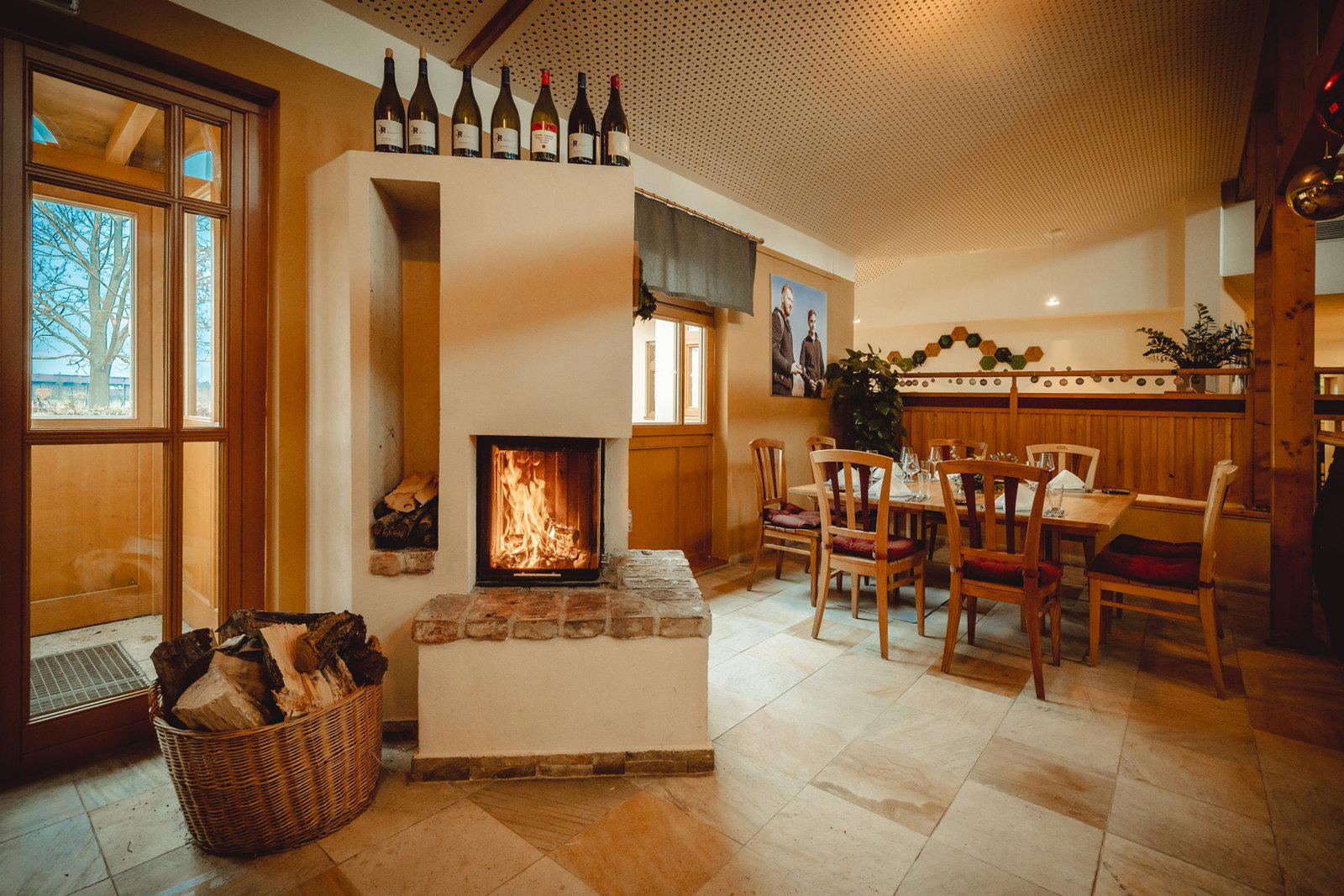
Cozy atmosphere with fitting music and friendly service, featuring an open kitchen for an engaging dining experience.