Our verdict
The wine list and provisions sit inside the same editorial frame, making it a useful stop for those who want to drink seriously and eat well without crossing into formal restaurant territory.

Pearl is the En Primeur Club membership app — saves, bookings, and concierge access live there. Same editors, same standards.
- Address
- Kosovska 15, Novi Sad 21000, Serbia
- Phone
- +381216572720
- Hours
- Daily 12–11 PM
- Website
- project72.rs
- Directions
- Get directions
- Booking
- Book on the venue's website
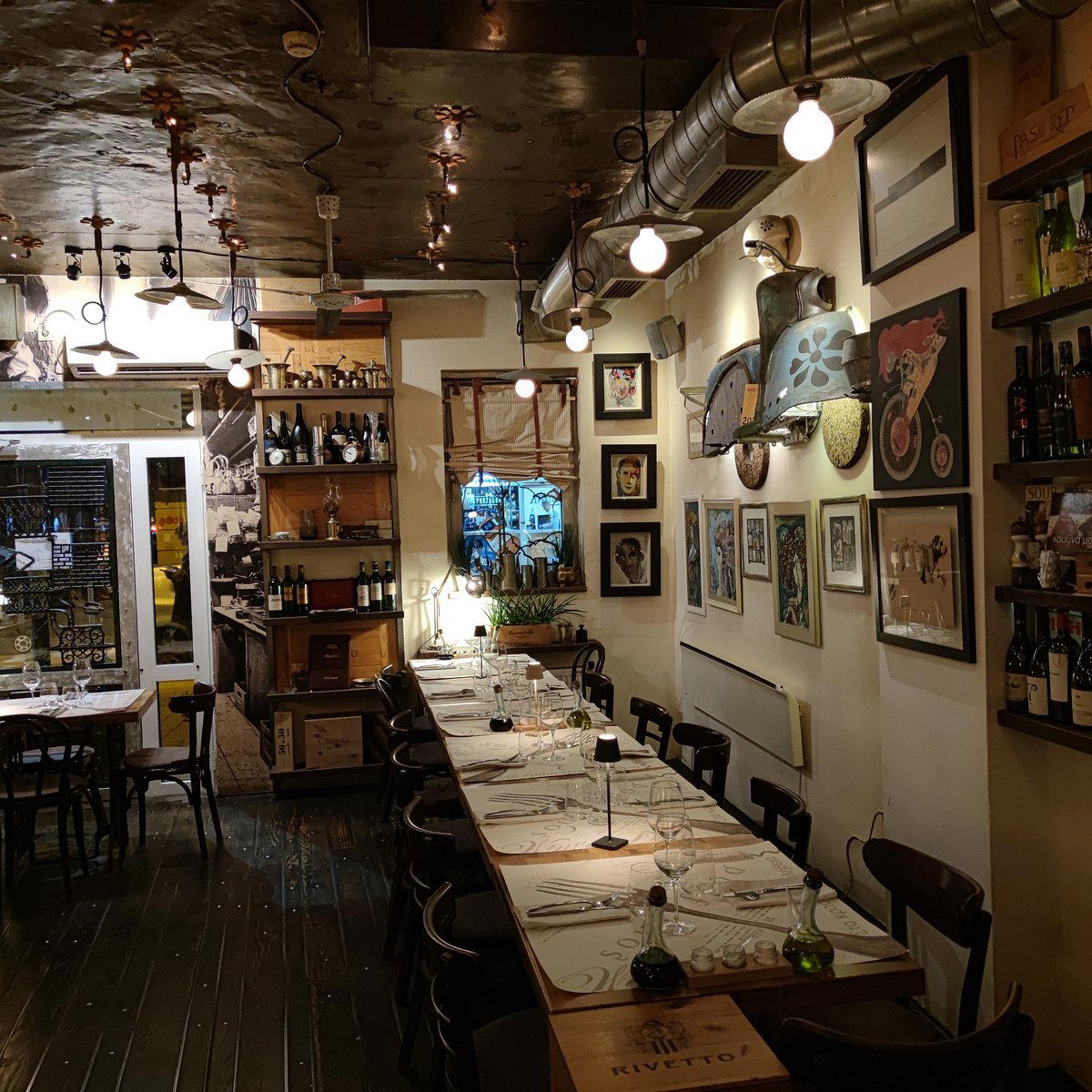
The format itself carries editorial weight. In cities like Belgrade, a similar model appears at Langouste, where the sourcing provenance of seafood and wine drives the offering. In Novi Sad, the deli-wine hybrid is still a relatively compact niche. For context on the broader dining range in the city, see our full Novi Sad restaurants guide.
The Sourcing Logic Behind a Wine and Deli Format
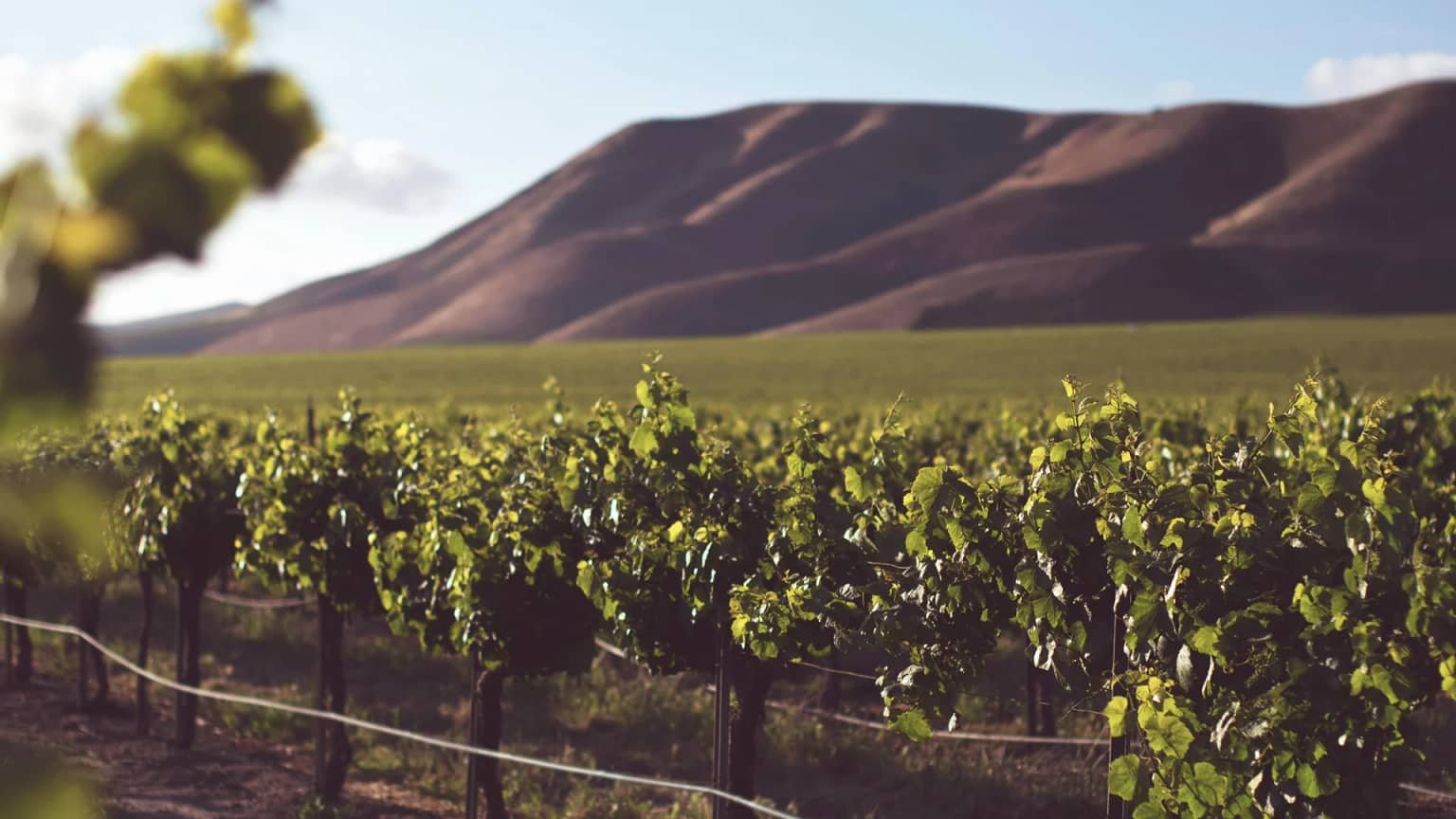
The wine-and-deli model, wherever it appears, rests on a particular premise: that the provenance of ingredients and bottles is itself a form of curation. In this format, the deli counter functions as evidence rather than afterthought. Charcuterie, cheese, preserved goods, and accompanying small plates are selected on the same criteria as the wine list — regional identity, producer traceability, and the argument that where something comes from shapes how it tastes alongside everything else on the counter. The country's wine regions, particularly Fruška Gora just west of Novi Sad, have been developing a more refined identity over the past decade, with producers increasingly working with indigenous varieties like Tamjanika and Prokupac alongside international plantings. A wine-and-deli format in Novi Sad has natural access to this regional supply chain, and the format rewards venues that make that connection explicit on the shelf and on the plate.
The deli side of the equation draws on a comparable regional tradition. Vojvodina, the autonomous province in which Novi Sad sits, has a long history of cured meat and dairy production shaped by its Central European and Balkan crosscurrents. A well-sourced deli counter in this city has material to work with that a comparable venue in a Western European capital might struggle to match at the same price point — provided the selection is disciplined and the provenance is actually tracked rather than implied.
How This Sits in Novi Sad's Current Eating Scene
Novi Sad's restaurant scene has been broadening its range noticeably since the city held European Capital of Culture status in 2022. The effect on hospitality has been layered: more format experimentation, more venues oriented toward visitors with international reference points, and a gradual shift in what locals expect from a mid-range eating and drinking experience. The wine-and-deli model lands in that shift precisely because it is format-fluid, it works for a quick glass and a board of provisions, for a longer seated dinner, or for taking bottles home.
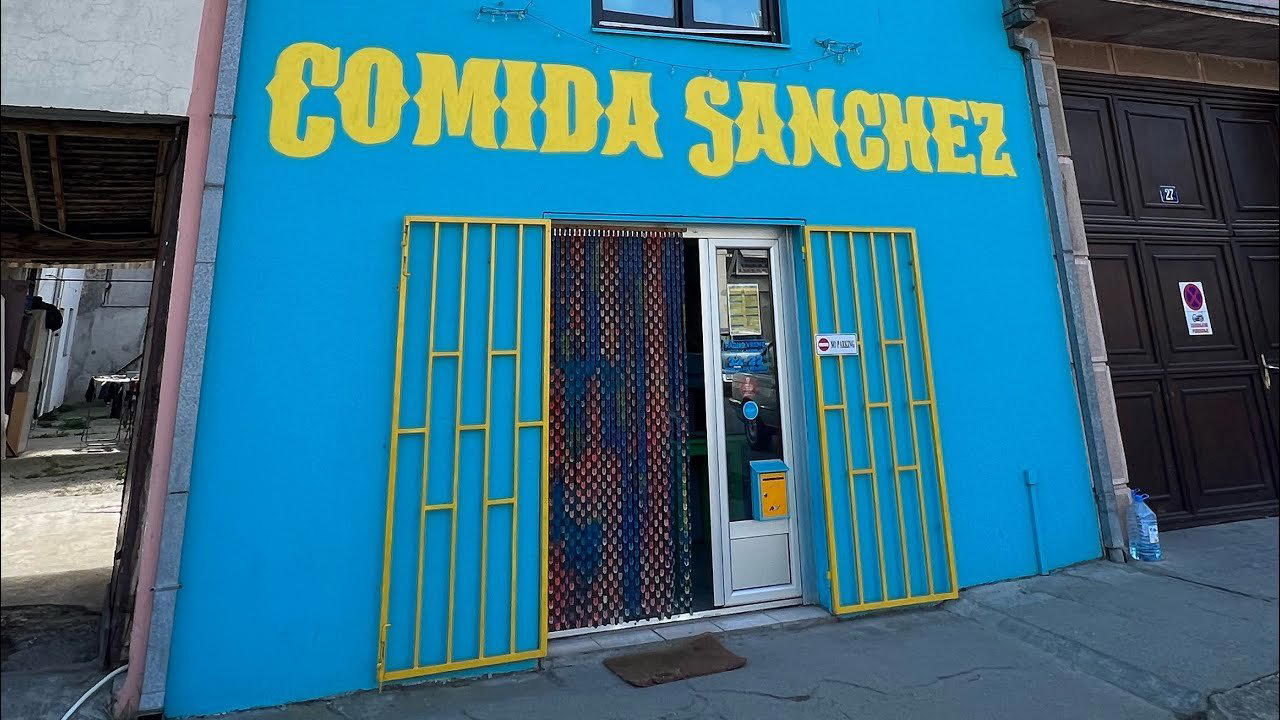
Among venues in central Novi Sad, Project 72 occupies a different register from full-service restaurants in the area. CUBO and Ananda operate in a more structured dining format, while Caffe Pizzeria Big Blue anchors the casual end. Comida Sanchez brings a different geographic sourcing reference altogether. FISH&ZELENIŠ pulls toward a seasonal-produce approach that overlaps with the sourcing logic of the deli format without the retail wine dimension.
The deli-wine hybrid sits between these poles. It does not require the commitment of a reservation-led dinner, and it does not default to the beer-and-pizza model that still dominates casual eating in much of the city. What it offers instead is a considered selection of things to drink and things to eat, with the sourcing provenance doing the editorial work that a conventional menu hierarchy would otherwise provide. Venues oriented around local and regional sourcing are appearing across the country, from ETNO PODRUM BRKA in Nis and Etno Kuća Dinar in Vrsac to Etno Restoran Fijaker in Sombor and ETNO KOMPLEKS NIŠAVSKA DOLINA in Pirot, all of which foreground regional produce as the central argument. The difference at a wine-and-deli format is that the retail element is integral: the sourcing claim is testable because you can buy the bottle or the product and take it home, not only consume it at the table.
This retail-hospitality hybrid is a more European reference point than a Balkan one, it echoes the wine bar and épicerie formats of Paris or the enoteca-with-kitchen model that runs through northern Italy. That the format is finding its footing in Vojvodina, a region shaped partly by Austro-Hungarian administrative and culinary history, is not incidental.enprimeurclub.com/restaurants/carda-zlatna-kruna-apatin-restaurant">ČARDA ZLATNA KRUNA in Apatin, Borkovac in Ruma, Gallery Caffe & Restaurant in Cacak, and Aleksandar Gold in Uzice each show how regional sourcing gets expressed differently depending on format and geography. And for reference points at the international end of what rigorous sourcing can produce in a fine-dining context, Le Bernardin in New York City and Atomix in New York City demonstrate how provenance-first thinking plays at the highest price tiers. The wine-and-deli format is well-suited to an early evening visit, the combination of retail browsing and seated consumption means it works at a pace that most formal restaurants cannot accommodate. The format suggests it operates on a walk-in basis, as most deli-wine hybrids in this tier do, but this has not been verified. Fish & Zeleniš is a useful cross-reference for another Novi Sad venue where the sourcing argument is central to the visit.
Frequently asked questions
Is Project 72 Wine & Deli suitable for children?
The wine-and-deli format at Kosovska 15 is oriented around bottles, provisions, and grazing plates for adults. Nothing in the venue's concept excludes children outright, but the experience is built around wine selection and deli sourcing rather than a family dining menu. Parents with older children who eat broadly should be fine; it is not a destination for younger kids.
What kind of setting is Project 72 Wine & Deli?
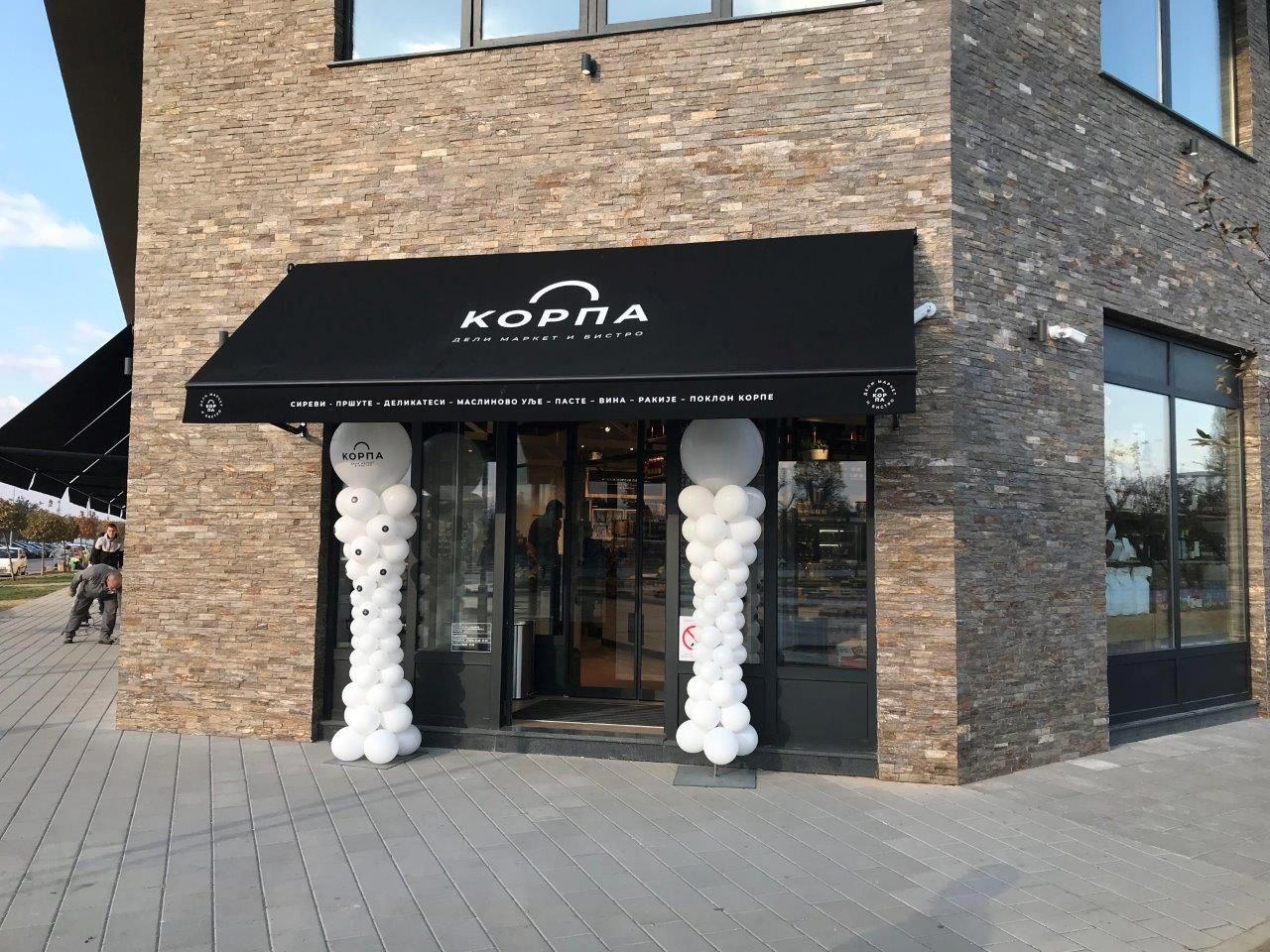
Project 72 occupies a central Novi Sad address on Kosovska Street, a block-dense stretch close to the main pedestrian zone. The wine-and-deli format suggests an informal counter-and-shelf environment where bottles share space with packaged and prepared provisions — closer to a Parisian cave à manger than a sit-down restaurant. Expect a neighbourhood-scale room rather than a large dining hall.
What's the signature dish at Project 72 Wine & Deli?
Project 72 operates as a wine and deli rather than a kitchen-led restaurant, so the offer centres on curated provisions and bottles rather than a single plated dish. The defining experience is the pairing of sourced deli goods with wines selected for the same provenance logic. Specific items on the counter will vary with availability and season.
Does Project 72 Wine & Deli focus on Serbian and regional wines, or does it stock international labels?
The wine-and-deli model, particularly in a city like Novi Sad that gained significant cultural attention following its 2022 European Capital of Culture designation, has tended to favour local and regional producers as a point of difference from standard bottle shops. Serbia's wine regions — including Fruška Gora, which sits immediately north of the city — give a venue at Kosovska 15 obvious sourcing material.
How It Stacks Up
Comparable venues nearby, for context on price, style, and recognition.
| Venue | Cuisine | Price | Notes |
|---|---|---|---|
| PROJECT 72 WINE&DELIThis venue — the venue you are viewing | Modern Serbian Fusion | $20–30 | Not listed |
| SOKAČE | Traditional Serbian Grill | $10–20 | City Centre (Pap Pavla Street) |
| FISH&ZELENIÅ | Modern Japanese-Serbian Fusion | $30–50 | Stari Grad |
| Konoba Riba Ribi Grize Rep | Mediterranean Seafood | $20–30 | Bulevar cara Lazara |
| Tri Petice | French-Asian Fusion with Serbian Influences | $20–30 | Rotkvarija |
| Kafe Restoran Maša | International Fusion with House-Made Desserts | $10–20 | Stari Grad |
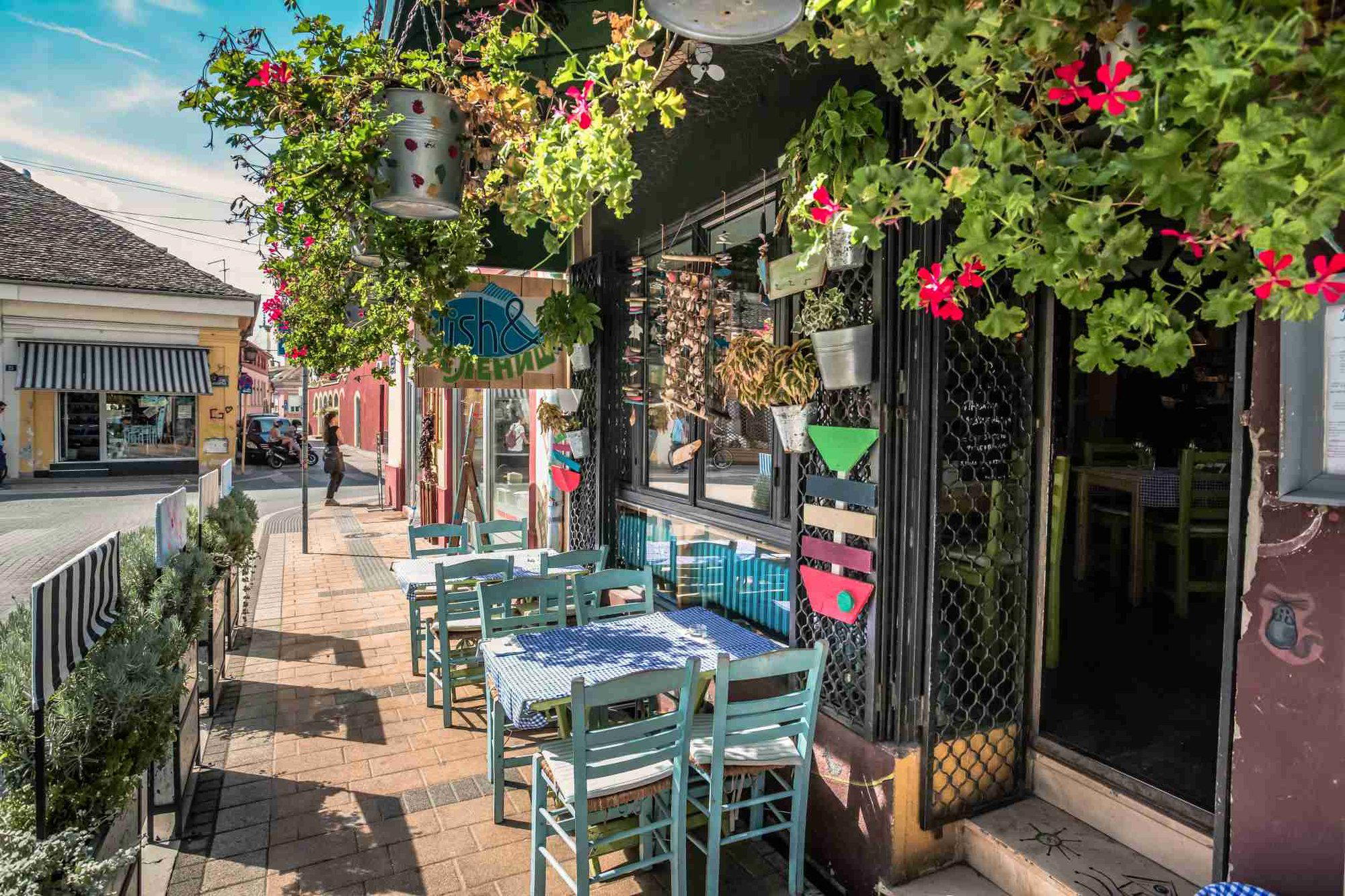
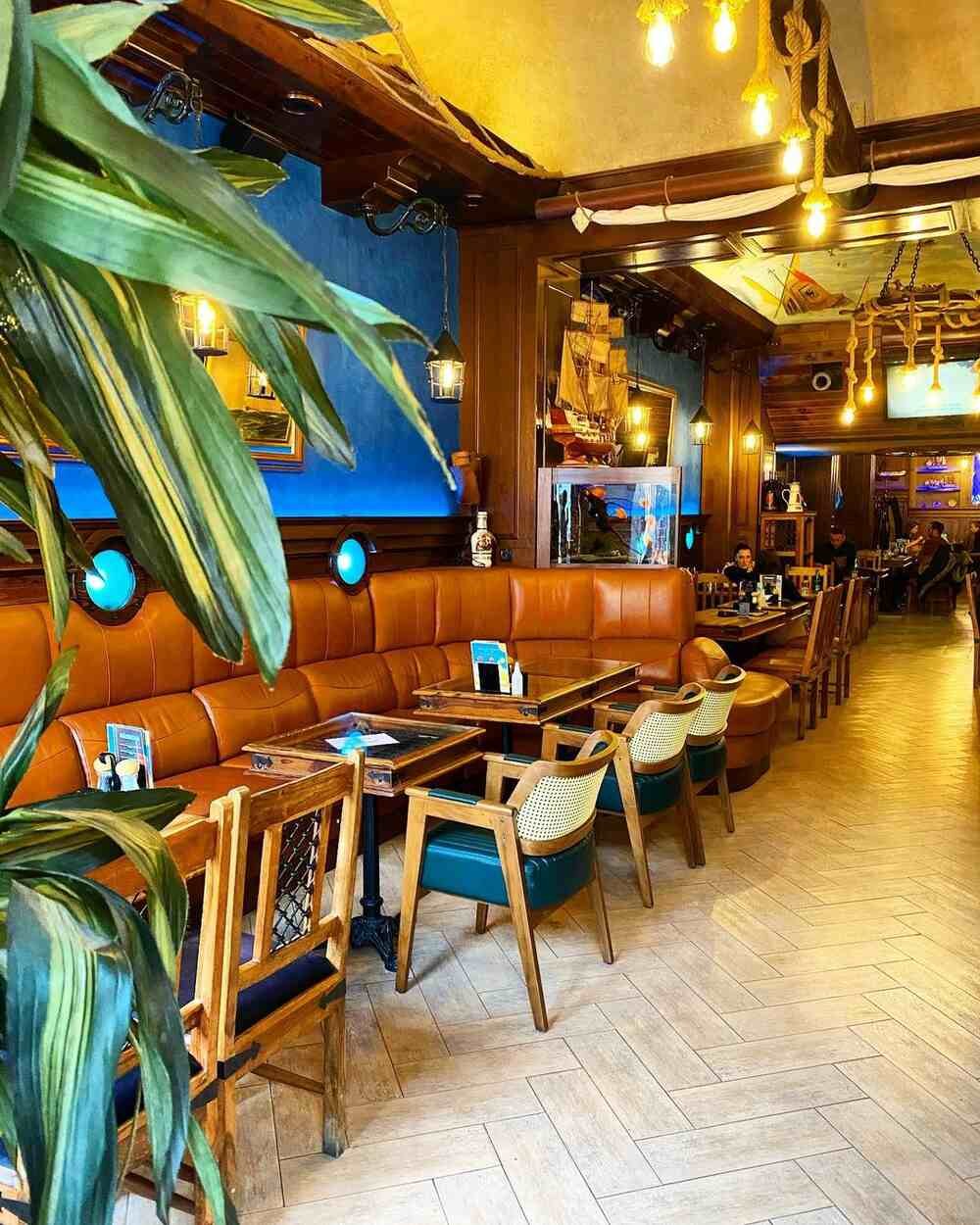
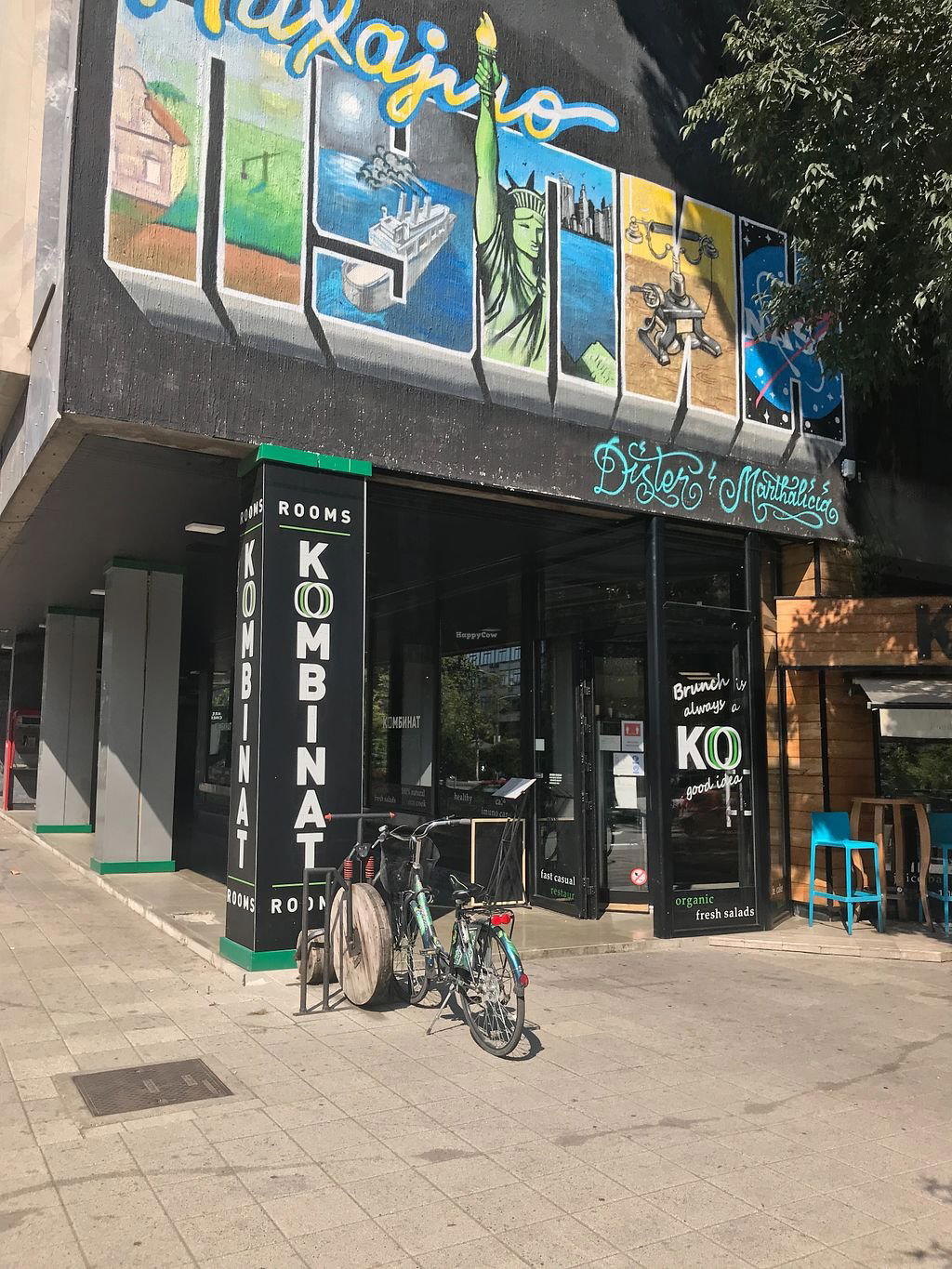

PROJECT 72 WINE&DELI
The wine
- Wine program
- Exceptional wine program
- Extensive wine list
Details
- Cozy
- Modern
- Intimate
- Sophisticated
- Date Night
- Special Occasion
- Wine Cellar
- Extensive Wine List
- Local Sourcing
- A La Carte
- Wine
- Vegetarian Friendly
- Vegan Options
- Gluten Free Options
Current opening hours
- Monday
- 12–11 PM
- Tuesday
- 12–11 PM
- Wednesday
- 12–11 PM
- Thursday
- 12–11 PM
- Friday
- 12–11 PM
- Saturday
- 12–11 PM
- Sunday
- 12–11 PM
Hours can change for holidays and private events. Last verified .
Warm, intimate atmosphere blending rustic charm with modern design in a small space with just nine tables.