On a quiet residential street in central Novi Sad, CUBO occupies a position in the city's dining scene where neighbourhood character and considered cooking converge. The address on Strumička 16 places it away from the main tourist circuit, signalling a room that earns its following from locals rather than passing foot traffic. For visitors working through Novi Sad's better tables, it belongs on the shortlist alongside peers like Ananda and Comida Sanchez.
Pearl is the En Primeur Club membership app — saves, bookings, and concierge access live there. Same editors, same standards.
- Address
- Strumička 16, Novi Sad, Serbia
- Phone
- +38121421721
- Website
- cubonovisad.rs
- Directions
- Get directions
 Saves & bookings on Pearl
A Street That Sets Expectations
Strumička is not a street that announces itself. Running through a residential pocket of central Novi Sad, it carries none of the pedestrian theatre of the Dunavska corridor or the café density of the streets immediately below the Petrovaradin Fortress. That context matters when reading CUBO. In a city where the dining conversation has increasingly moved away from tourist-facing terraces toward addresses that function primarily for residents, a location on Strumička 16 is a quiet signal about who the room is designed for and how it expects to be found.
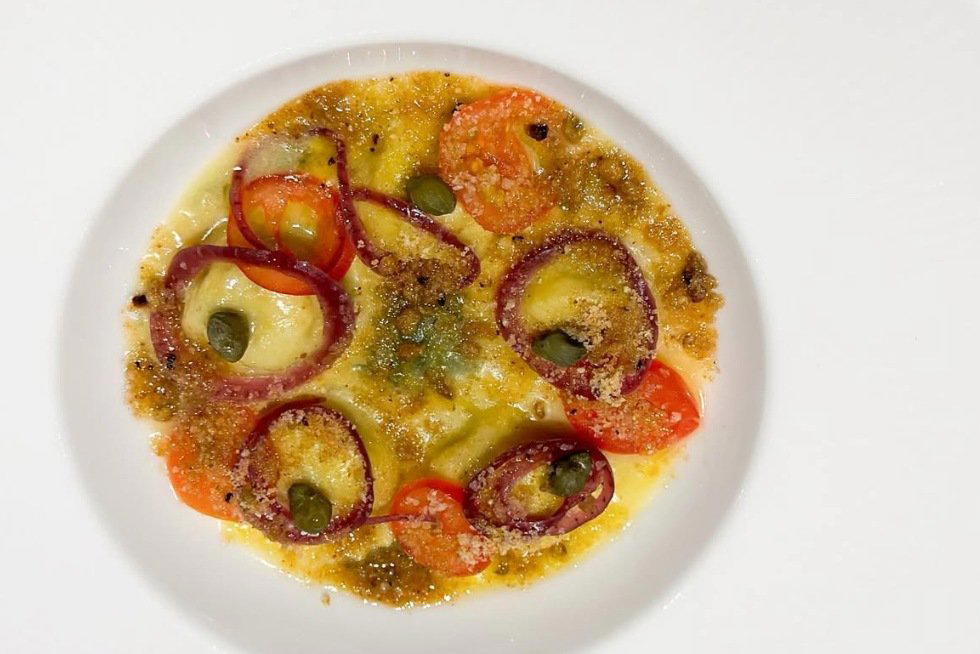
Novi Sad has developed a restaurant culture that is worth taking seriously on its own terms, separate from the Belgrade shadow it sometimes operates under. The city's better tables, including Ananda, Jasmin a Maslina, and FISH&ZELENIÅ, have built followings through consistency and neighbourhood loyalty rather than through awards infrastructure. CUBO sits within that pattern: an address that locals return to rather than one that depends on discovery traffic from visitors. CUBO is a restaurant in Novi Sad serving Modern Mediterranean Bistro cooking, with reservations recommended and an average price of about $25 per person.
What the Location Tells You About the Experience
Arriving at a restaurant that sits off the main circuit in a mid-sized European city is itself an act of intention. You are not walking past and stepping in. You have looked it up, noted the address, and made a decision. That pre-arrival friction tends to select for a certain kind of diner, and the rooms that attract them tend to operate differently from high-footfall alternatives. They are quieter, the staff-to-table ratio tends to hold steadier, and the cooking does not need to perform for an audience that has stumbled in without context.
This is broadly true of Novi Sad's residential-neighbourhood dining tier, which has grown alongside the city's emergence as a cultural destination, particularly since its designation as a European Capital of Culture in 2022. That moment brought infrastructure investment and visitor attention, but the restaurants that benefited most durably were those already embedded in the city's daily rhythms rather than those assembled quickly to capture event traffic. CUBO's address places it in the former category.
CUBO in the Context of Novi Sad's Dining Scene
Novi Sad's restaurant range has widened considerably over the past decade. The city now holds addresses that span casual pizza and Mediterranean-adjacent cooking, represented by places like Caffe Pizzeria Big Blue and Comida Sanchez, through to more considered formats. The peer group that CUBO operates within is defined less by cuisine type and more by a shared orientation toward the local diner: rooms where the menu changes with what is available, where the wine list reflects Serbian producers alongside regional imports, and where the atmosphere is set by regulars rather than by interior design decisions made with press photography in mind.
That positioning carries a practical implication for visitors. The restaurants in this tier are generally bookable, but they do not always maintain English-language online reservation systems at the sophistication level of, say, Langouste in Belgrade. Calling ahead or arriving with flexibility built into the evening is a reasonable approach. Strumička 16 is findable on standard mapping applications, and the central Novi Sad location means it sits within walking distance of most accommodation in the old town area.
The Wider Serbian Restaurant Pattern
CUBO's neighbourhood-anchored model connects to a broader pattern visible across Serbian cities outside Belgrade. In Ruma, Borkovac operates in a similar relationship to its local community. In Sombor, Etno Restoran Fijaker holds a comparable position. Even in smaller centres like Pirot, Cafe Boem demonstrates the same logic: consistent quality, a room built around return visits, and a location that is not optimised for passing trade. This is a category of Serbian hospitality that does not map neatly onto the framework visitors might carry from Western European city dining, where Michelin stars and 50 Best placements structure the hierarchy. The signals here are different: longevity, local reputation, and the observable fact that the room fills with people who live nearby.
Vojvodina's food culture, which frames Novi Sad's cooking, draws on the region's Central European and Pannonian influences, distinct from the grilled-meat centrism of southern Serbian cooking. The proximity to Hungarian, Romanian, and Croatian culinary traditions has historically produced a cuisine more varied in technique and ingredient range than Serbia's national reputation might suggest. Restaurants like Fleur de Sel in Novi Slankamen and Aleksandar Gold in Uzice illustrate different regional expressions of this, and CUBO's position in Novi Sad places it within reach of ingredients and producers that reflect the Vojvodina agricultural basin.
Internationally, the neighbourhood-anchored format that CUBO exemplifies has precedent in formats as different as Lazy Bear in San Francisco, which built its reputation before its physical address existed, and the rigour of places like Le Bernardin in New York City, where consistency over decades is the primary credential. The scale and ambition differ enormously, but the underlying logic of earning a room's reputation through the people who come back rather than the people who come once is shared.
Planning a Visit
CUBO is located at Strumička 16 in central Novi Sad, within the walkable core of the city. Reservations are recommended, so contacting the venue directly is the practical approach. Visitors also exploring the broader Serbian restaurant scene beyond Novi Sad might note addresses in Nis, including ETNO PODRUM BRKA, or in Apatin, where ČARDA ZLATNA KRUNA represents the Danube-adjacent dining tradition. For Pancevo, Burrito Madre Big Pančevo and Etno Kuća Dinar in Vrsac offer further regional contrast.
The Quick Read
Comparable venues nearby, for context on price, style, and recognition.
| Venue | Cuisine | Price | Notes |
|---|---|---|---|
| CUBOThis venue — the venue you are viewing | Not listed | $$$ | Not listed |
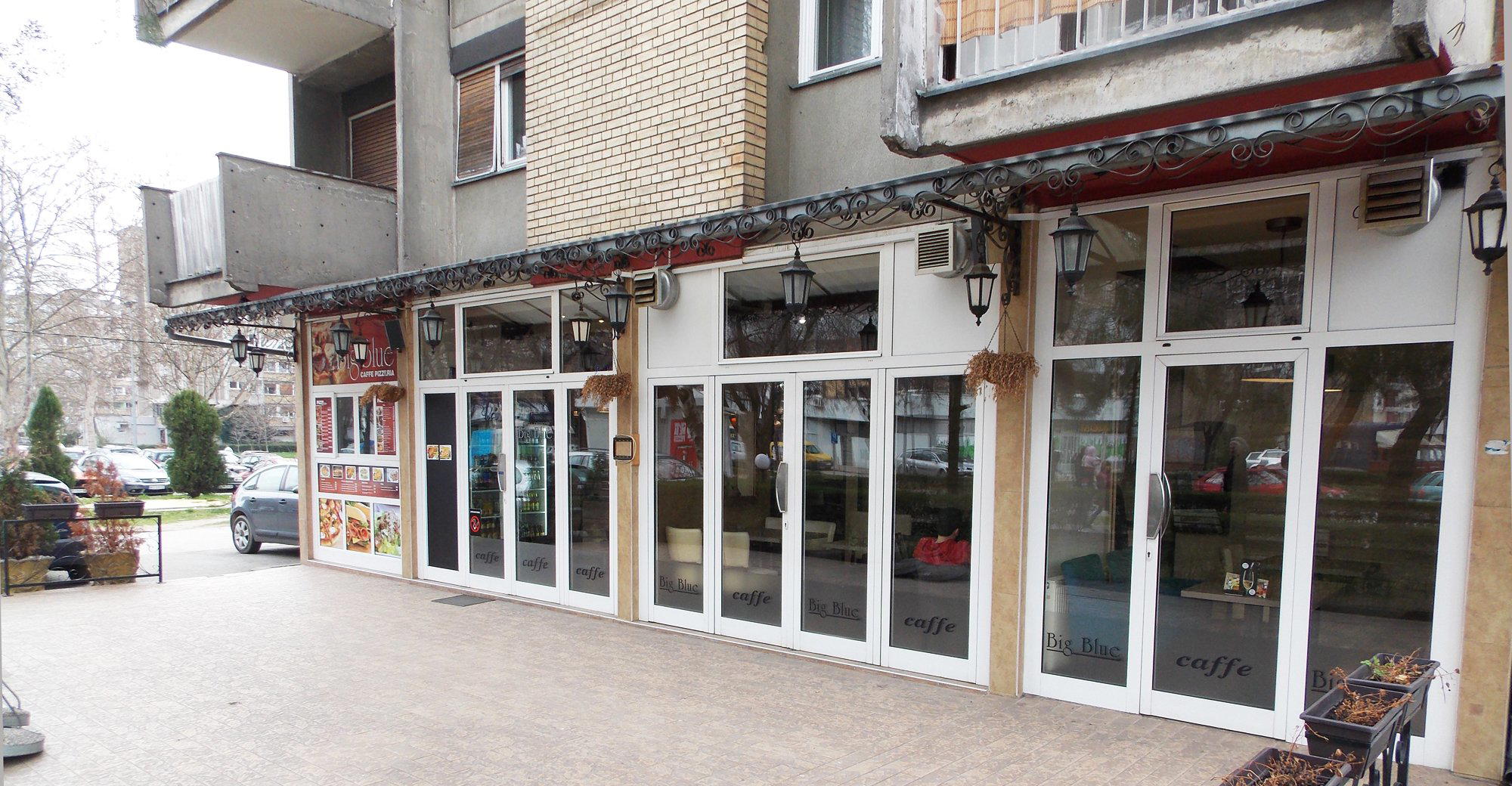
| Caffe Pizzeria Big Blue | Promenada, Italian Pizzeria | $$ | Not listed |
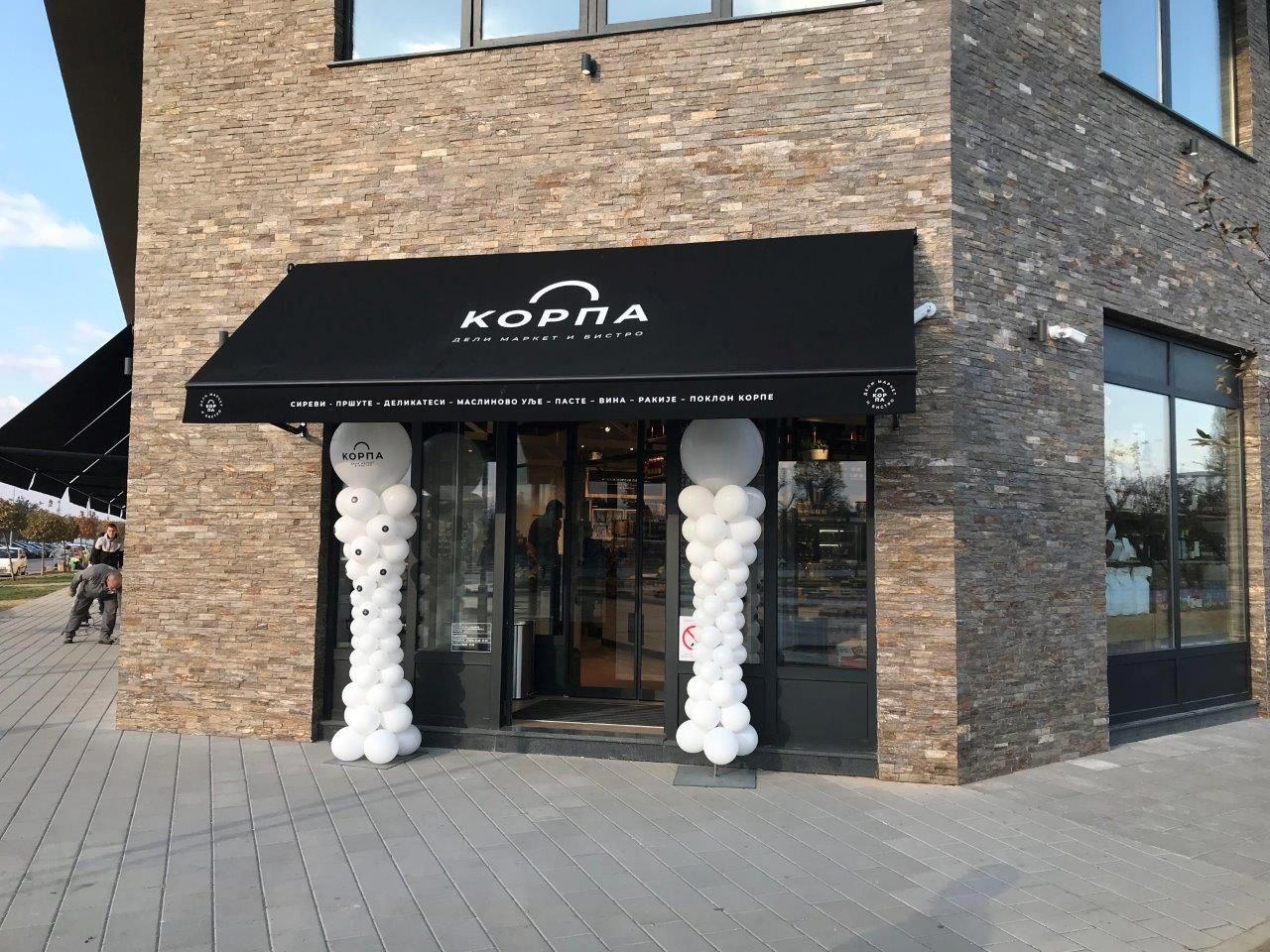
| Korpa Deli Bistro | Not listed | $$ | :null, Modern European Bistro & Steakhouse |
| Pivnica Gusan | Not listed | $$ | City Center, Traditional Serbian Beer Pub |
| Krivina | Sremska, Mediterranean Wine Bar | $$ | Not listed |
| Piknik | Ribarsko Ostrvo, Serbian-European | $$ | Not listed |
At a Glance
- Modern
- Scenic
- Cozy
- Sophisticated
- Family
- Business Dinner
- Group Dining
- Celebration
- Private Event
- Brunch
- Live Music
- Garden
- Terrace
- Design Destination
- Standalone
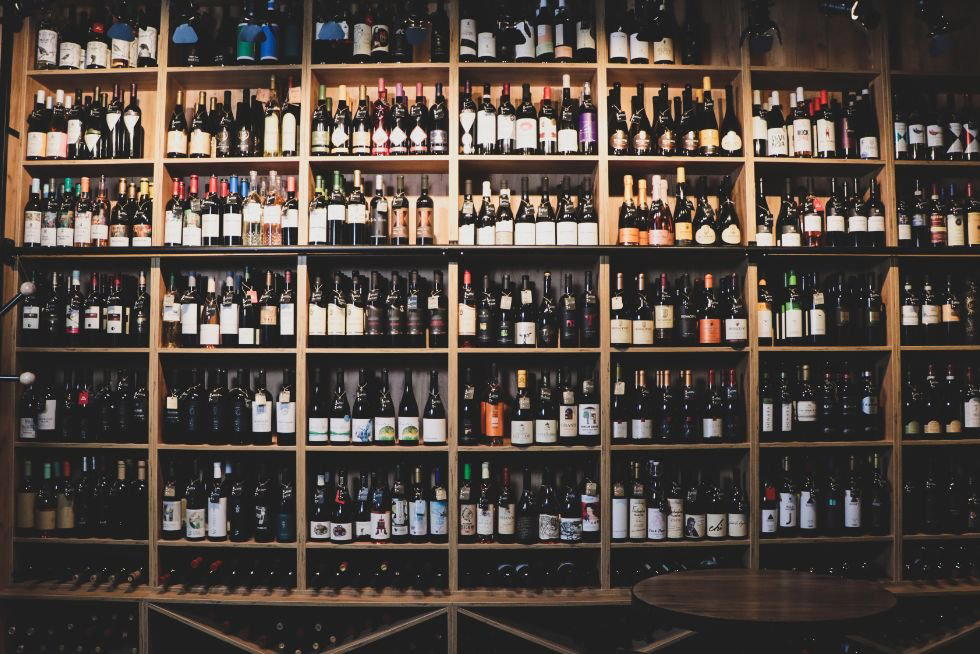
- Extensive Wine List
- Local Sourcing
- Waterfront
- Garden
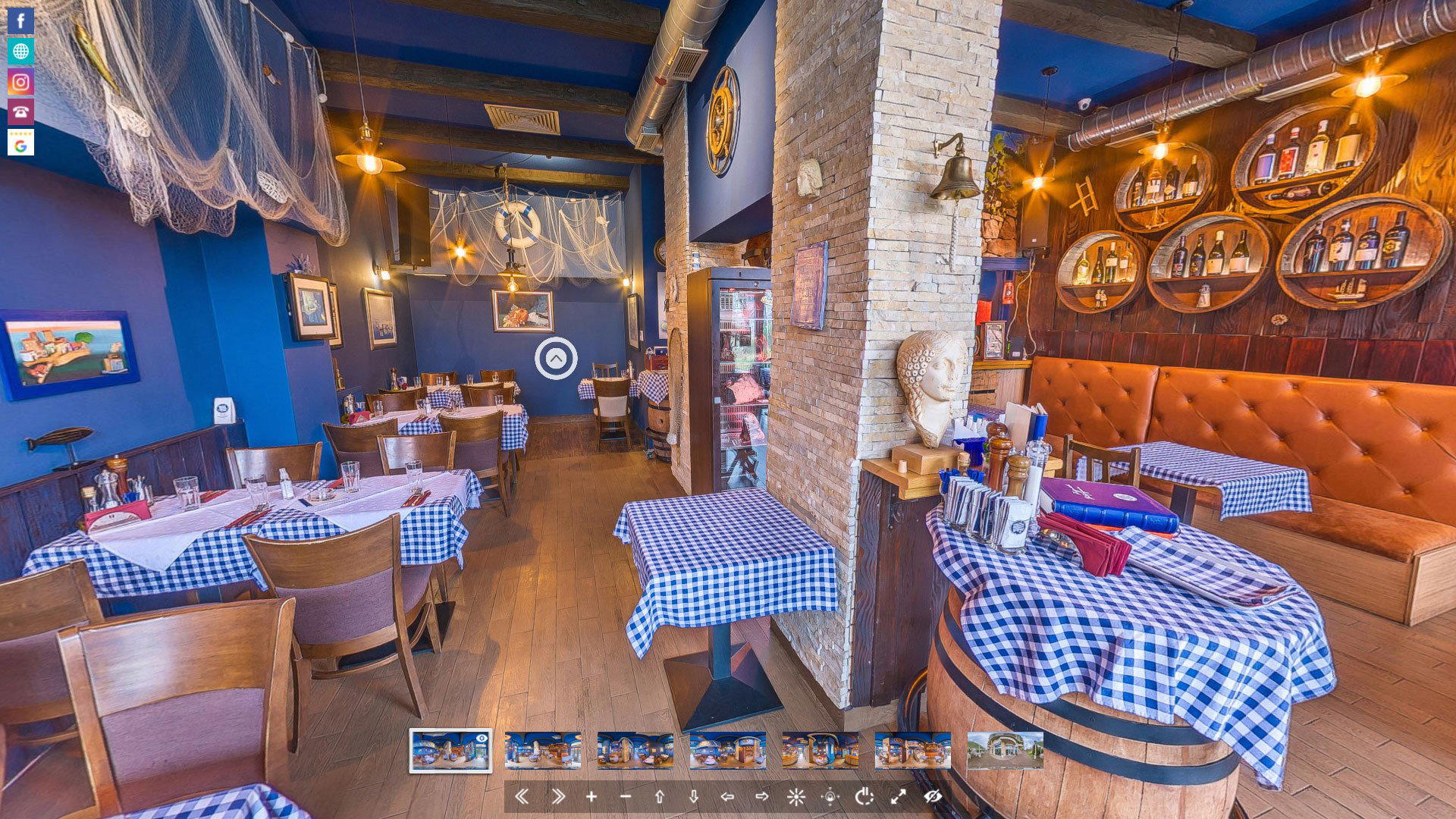
Modern, relaxed, and garden-forward, with a quiet escape feel near the Danube; the concept also emphasizes live music and a polished interior.