Our verdict
On a quiet Novi Sad side street, FISH&ZELENIKA builds its menu around the structural contrast its name announces: fish and greens, protein and plant, in a city whose dining culture has historically leaned toward grilled meat and heavy sauces. The address on Skerlićeva puts it a short walk from the city centre, making it an accessible detour for those already mapping the neighbourhood's restaurants.

Pearl is the En Primeur Club membership app — saves, bookings, and concierge access live there. Same editors, same standards.
- Address
- Skerlićeva 2, Novi Sad 21000, Serbia
- Phone
- +38162258452
- Website
- i-host.gr
- Directions
- Get directions
- Booking
- Book on the venue's website
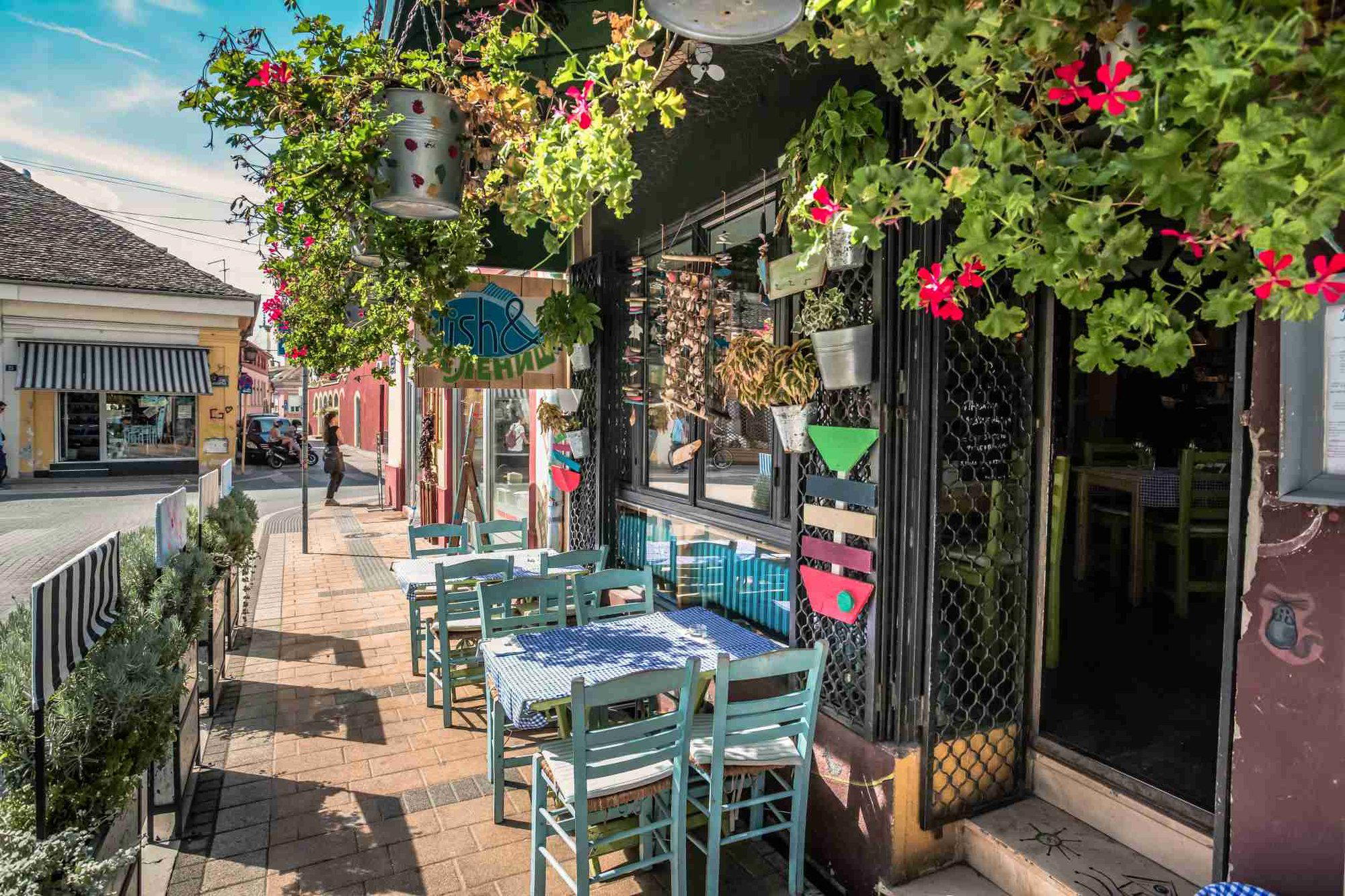
The menu
What to order
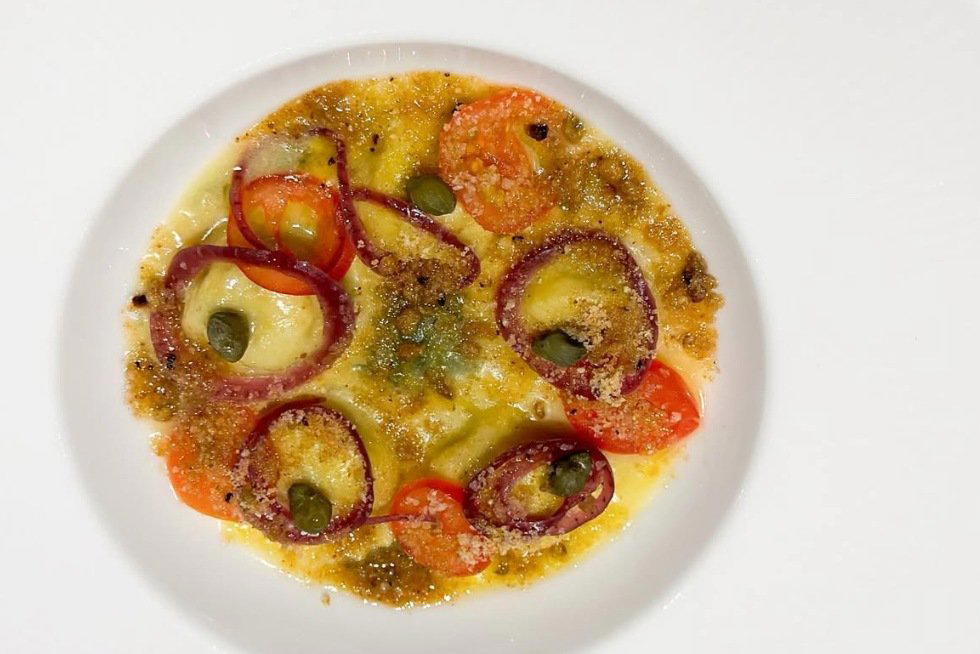
- Fresh fish sashimi with local herbs
- Zelena risotto with truffles
What the Name Tells You Before You Sit Down
In Serbian restaurant culture, the menu is often the last thing that differentiates one dining room from another. Grilled meats, slow-cooked stews, seasonal vegetables treated as accompaniments — the conventional vocabulary runs deep and wide. FISH&ZELENIKA;, at Skerlićeva 2 in Novi Sad, announces its departure from that pattern in its name alone. Fish. Greens. Two categories placed in structural opposition, which is itself an editorial act: the kitchen is telling you, before you order, that both halves of the menu carry equal weight.
That architectural choice matters more than it might seem in a mid-sized Serbian city that has been building its restaurant identity quickly over the past decade. Novi Sad's dining scene has added range — venues like Ananda, Comida Sanchez, and CUBO each occupy distinct positions in the city's expanding offer, but serious fish-forward cooking has remained underrepresented relative to what the Danube's geography might suggest. A restaurant that structures its entire identity around aquatic and vegetable preparation is, by local standards, an editorial statement as much as a business decision.
Menu Architecture as the Argument
The way a kitchen divides its menu reveals what it actually believes. At FISH&ZELENIKA;, the pairing of fish and greens suggests a kitchen organised around complement rather than contrast, flavours that build on each other rather than compete. In the broader European tradition, fish-and-vegetable menus tend to prioritise technique over weight: steaming, curing, marinating, and charring rather than braising or frying. Whether that framework applies here in its stricter form is leading assessed in person, but the structural signal is clear enough to draw a provisional comparison.
Consider what menus built around this logic look like at their more developed end: Le Bernardin in New York City has spent decades arguing that fish deserves the same technical rigour as meat, building a kitchen culture entirely around that premise. Lazy Bear in San Francisco takes a different approach, experience-forward, format-driven, but shares the underlying conviction that a menu's architecture should communicate intent before a single dish arrives. FISH&ZELENIKA; operates at a different scale and in a very different culinary market, but the act of naming around a dual structure puts it in the same conceptual category: kitchens that use the menu itself as a position statement.
Closer to home, the fish restaurant tradition in Serbia's northern region has historically centred on riverine species, carp, catfish, and pike, prepared in paprika-heavy čorba brodets or grilled over open flame. The čarda format, still operating along the Danube at places like ČARDA ZLATNA KRUNA in Apatin, anchors that tradition geographically and aesthetically. FISH&ZELENIKA;'s address, a city-centre side street rather than a riverbank terrace, and its paired-category naming suggest a different proposition: fish reimagined for an urban dining room rather than inherited from a riverside vernacular.
Skerlićeva and the Neighbourhood Context
The venue sits on Skerlićeva, a residential-scale street in Novi Sad's central grid, within walking distance of the pedestrian areas that define the city's evening movement. That positioning is typical of how Novi Sad's more focused restaurants have chosen to locate themselves: away from the highest-footfall zones, on streets where rents support a more considered operation. Jasmin a Maslina and Caffe Pizzeria Big Blue both demonstrate how Novi Sad restaurants occupy neighbourhood positions that give them a local anchor without relying on tourist throughput.
For visitors approaching the city with a dining itinerary in mind, the Skerlićeva address is navigable on foot from the main pedestrian zone, which means FISH&ZELENIKA; fits into the same evening circuit as several other addresses covered in our full Novi Sad restaurants guide. The Serbian dining rhythm skews later, dinner services typically animate between 7pm and 10pm, so arriving earlier in the window generally offers more flexibility in seating.
FISH&ZELENIKA; in the Wider Serbian Dining Context
Novi Sad has positioned itself as Serbia's second culinary city, a claim with genuine backing: the density of independent restaurants relative to population is higher here than in most comparable Serbian cities, and the range of cuisines represented has widened considerably since the city hosted European Capital of Culture events that brought sustained international attention. Against that backdrop, fish-focused restaurants occupy a specific gap.
The stronger Serbian fish-restaurant tradition lives outside the city centres. Fleur de Sel in Novi Slankamen occupies the more rural, destination-dining segment. Langouste in Belgrade addresses a metropolitan audience with expectations shaped by European travel. FISH&ZELENIKA;'s city-centre Novi Sad position sits between those poles, accessible enough for a regular evening out, but specific enough in its menu focus to function as a destination for those who have sought it out deliberately.
That deliberate-search dynamic characterises a growing tier of Serbian restaurants. Places like Borkovac in Ruma, Aleksandar Gold in Uzice, and Etno Restoran Fijaker in Sombor each draw from beyond their immediate catchment because they offer something regionally specific rather than generically complete. A fish-and-greens restaurant in Novi Sad is operating on a similar logic: the constraint is the point.
Planning a Visit
FISH&ZELENIKA; is at Skerlićeva 2, Novi Sad 21000. Novi Sad is compact enough that dropping by to confirm availability for the same evening is a practical option from most central accommodation. Those pairing the visit with a broader Serbian itinerary will find that combining Novi Sad with stops at ETNO PODRUM BRKA in Nis, Cafe Boem in Pirot, Etno Kuća Dinar in Vrsac, or Burrito Madre Big Pančevo in Pancevo covers a range of regional registers worth experiencing across the country.
Frequently asked questions
How do I find FISH&ZELENIÅ?
FISH&ZELENI;Å is located at Skerlićeva 2, Novi Sad 21000, Serbia, Novi Sad.
What's the must-try dish at FISH&ZELENIKA?
Confirmed menu data for FISH&ZELENIKA; is not publicly listed, so naming a single dish with confidence isn't possible here. What the restaurant's name does signal structurally is that both the fish preparations and the vegetable side of the menu are given equal billing — a deliberate editorial choice that sets expectations before you sit down. At Skerlićeva 2, the format itself suggests that ordering across both categories is the point.
How hard is it to get a table at FISH&ZELENIÅ?
Reservations are recommended for FISH&ZELENI;Å in Novi Sad. Confirm current policy via the venue's official channels.
What's the standout thing about FISH&ZELENIÅ?
FISH&ZELENI;Å is best approached by focusing on the core concept and signature offerings.
Recognition Snapshot
| Venue | Cuisine | Price |
|---|---|---|
| FISH&ZELENIÅThis venue — the venue you are viewing | Modern Japanese-Serbian Fusion | $30–50 |
| Ananda | Vegan Serbian-Western | Not listed |
| Caffe Pizzeria Big Blue | Italian Pizzeria | $10–20 |
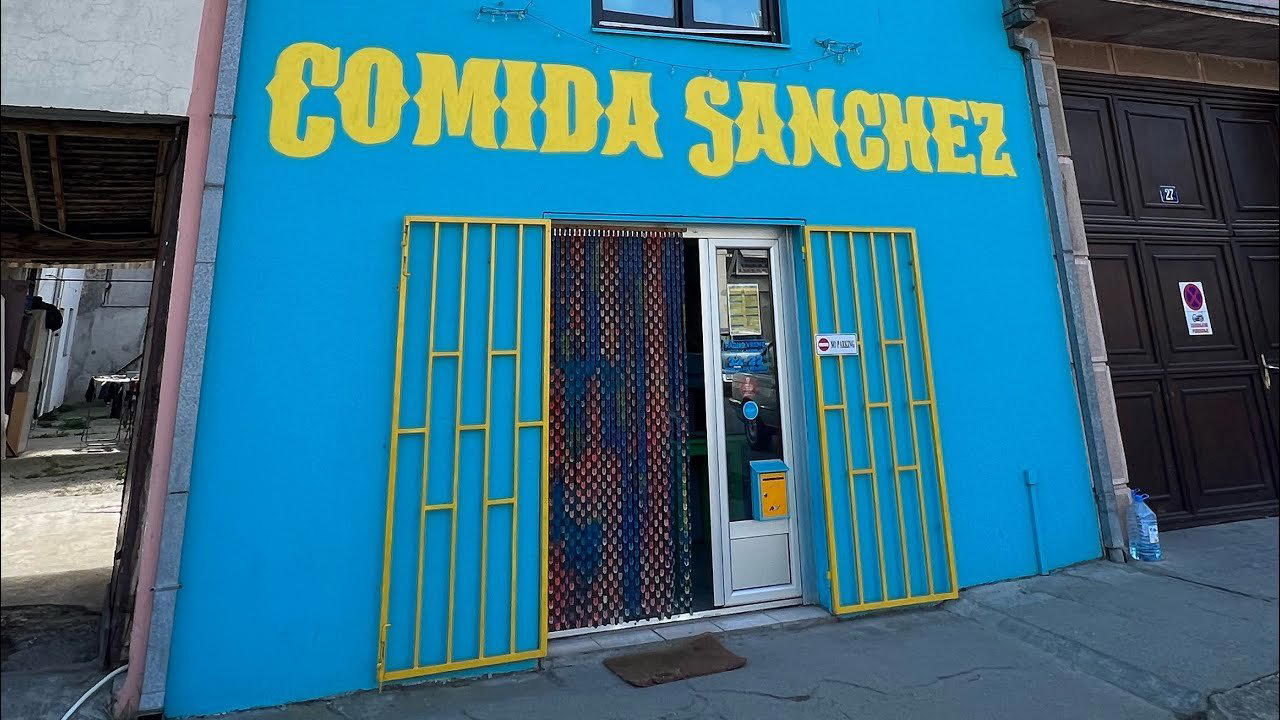
| Comida Sanchez | Authentic Mexican Street Food | $10–20 |
| CUBO | Modern European / International | $20–30 |
| Jasmin a Maslina | Modern Balkan Fusion Fine Dining | Not listed |

Details
- Modern
- Trendy
- Intimate
- Date Night
- Special Occasion
- Business Dinner
- Open Kitchen
- Craft Cocktails
- Local Sourcing
- A La Carte
- Small Plates
- Craft Cocktails
- Natural Wine
- Vegetarian Friendly
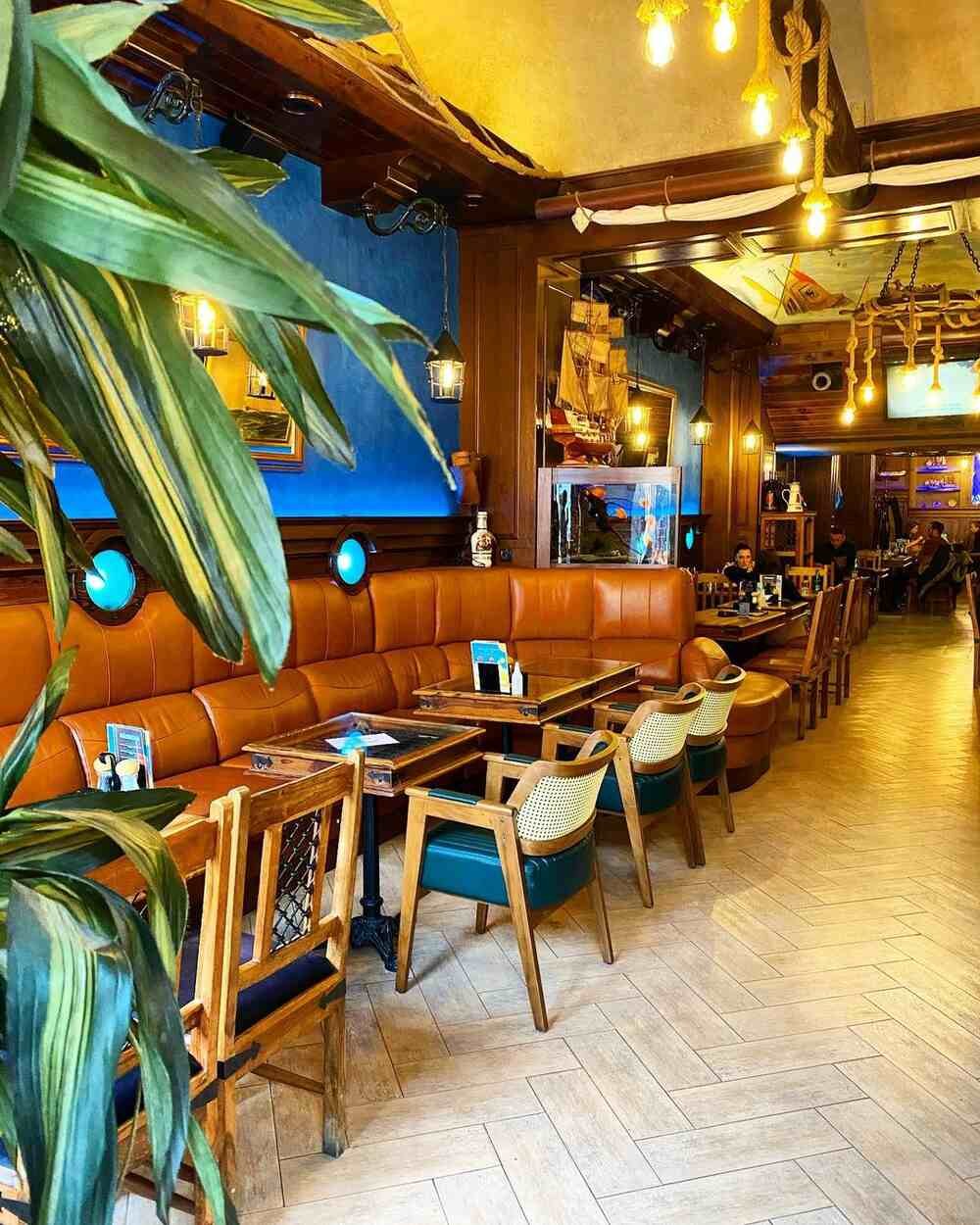
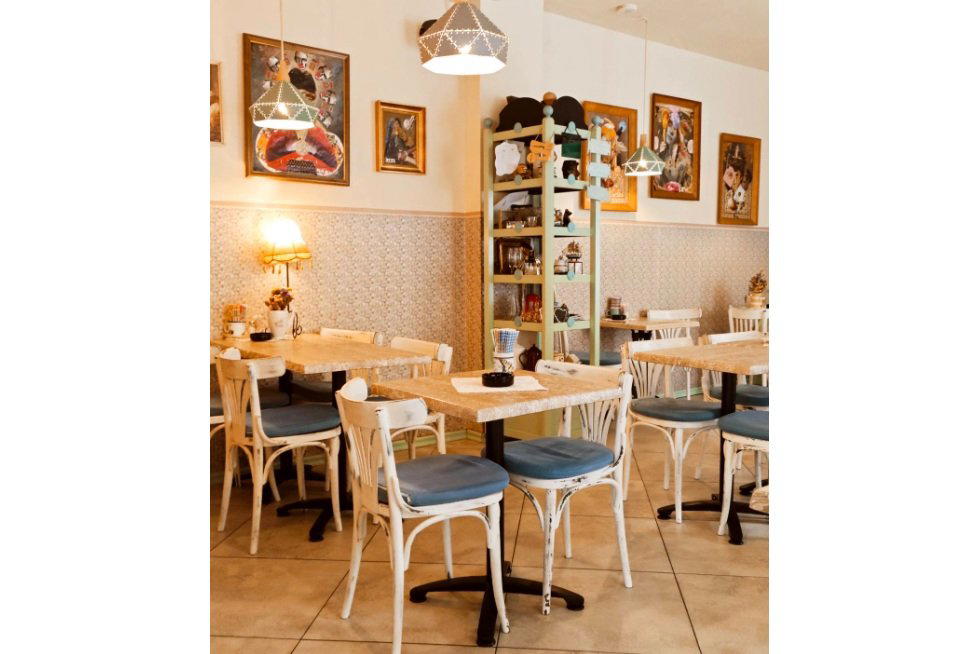
Soft lighting with sleek modern decor creating an elegant yet relaxed atmosphere.