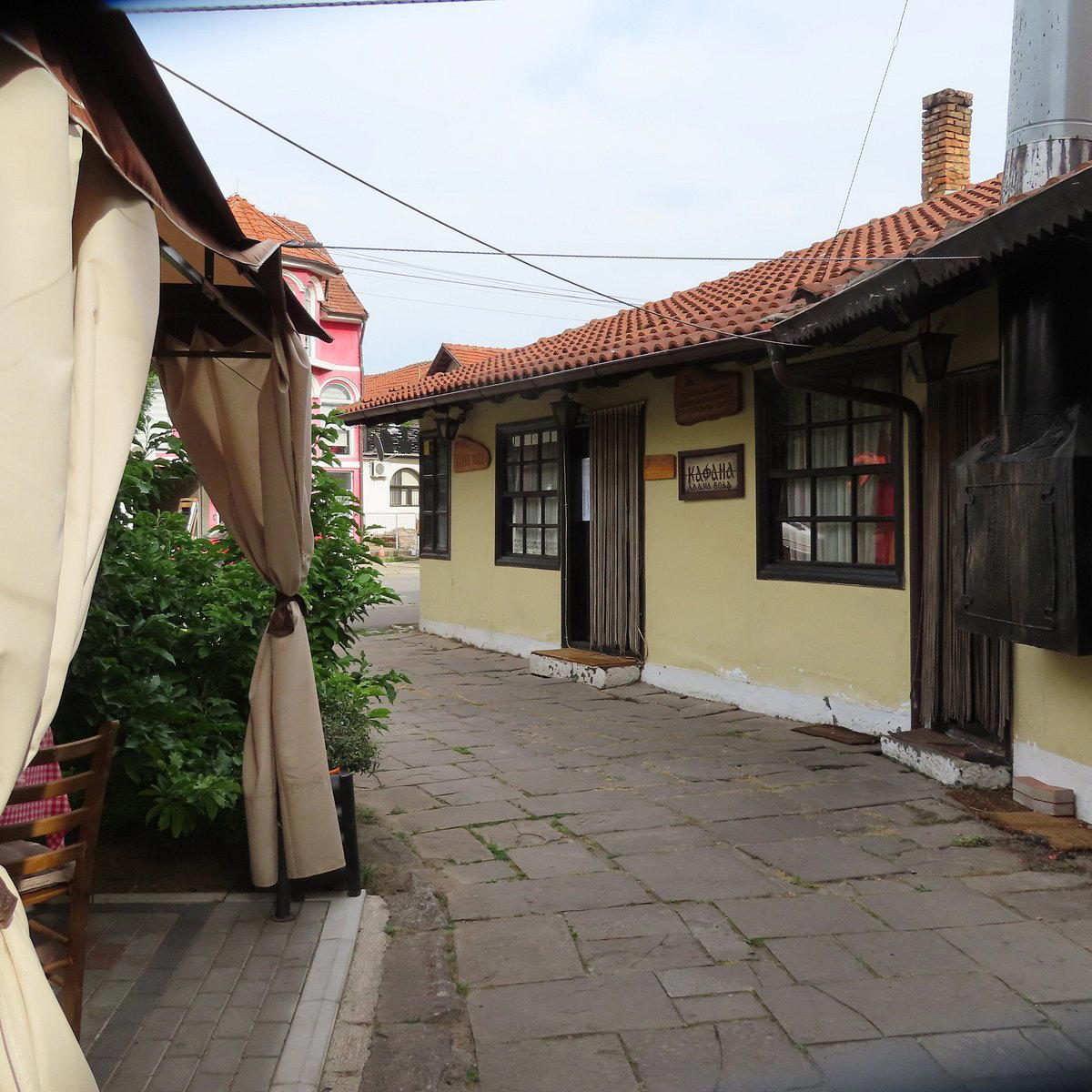
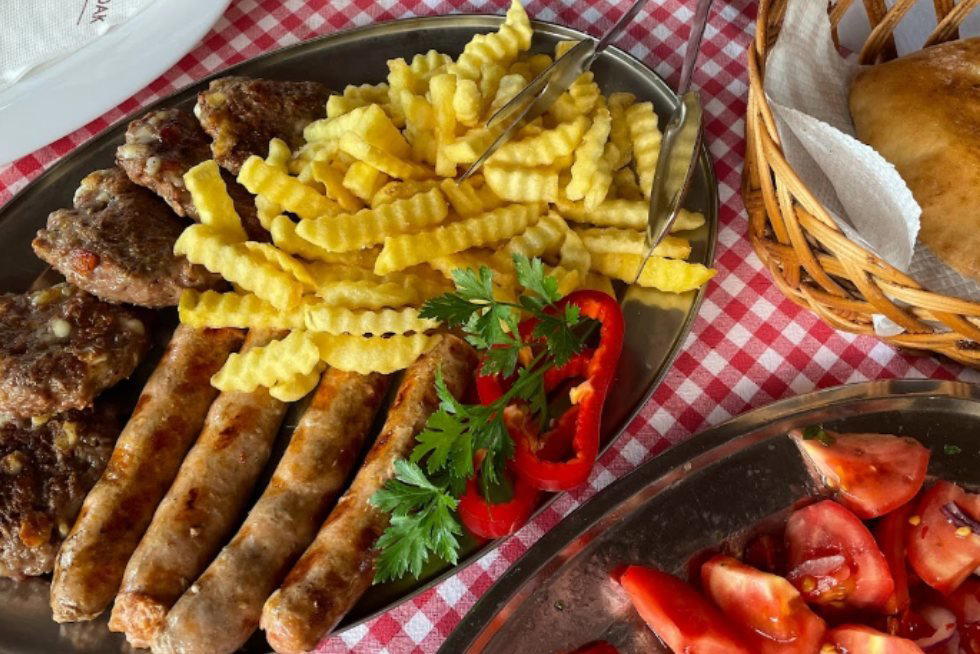
ETNO KOMPLEKS NIŠAVSKA DOLINA serves Traditional Serbian Pirot Cuisine in a historic building with a terrace, an extensive wine list, and garden views.
Pearl is the En Primeur Club membership app — saves, bookings, and concierge access live there. Same editors, same standards.
- Address
- Srpskih Vladara, Pirot, Serbia
- Phone
- +381693346400
- Website
- nisavskadolina.com
- Directions
- Get directions
 Saves & bookings on Pearl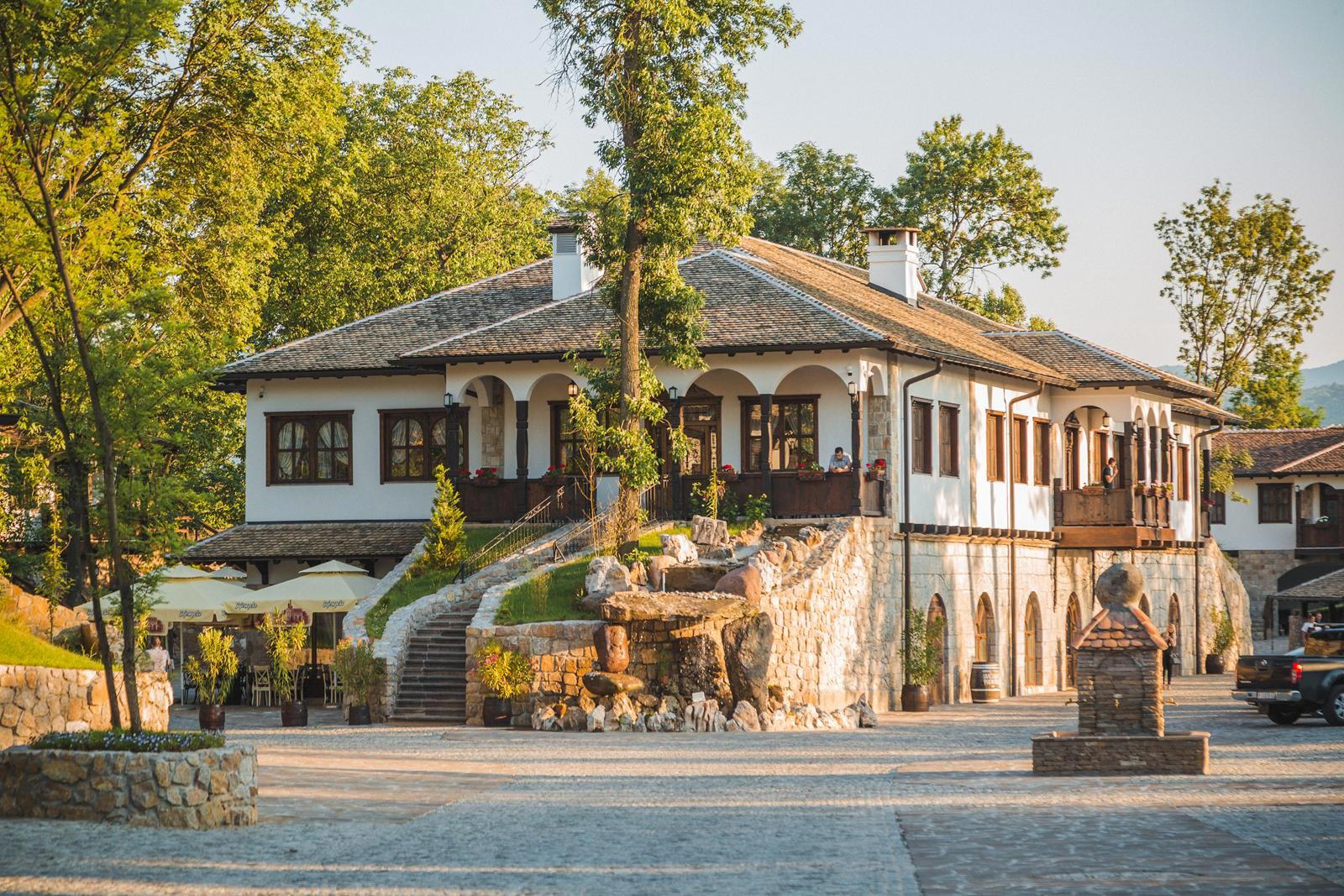
Where the Nišava Valley Meets the Table
ETNO KOMPLEKS NIŠAVSKA DOLINA is a restaurant in Pirot, Serbia, serving Traditional Serbian Pirot Cuisine at a casual, recommended venue in the Nišava river valley. The town's position in the Nišava river valley, close to the Bulgarian border, has shaped a regional identity distinct from the more widely promoted traditions of Vojvodina or central Serbia. The food here draws on Ottoman-era techniques, Balkan pastoral economies, and a preservation culture that kept fermentation, curing, and open-fire cookery alive well into the modern era. Etno kompleks establishments of the kind found on Srpskih Vladara represent a particular response to that heritage: a format that anchors contemporary hospitality in the physical and culinary vocabulary of rural southeastern Serbia.
The etno complex format has spread across Serbia over the past two decades as a reaction to the homogenizing pull of urban restaurant culture. Rather than isolating traditional food as museum-piece folklore, these spaces fold it into a living dining context, using period architecture, regional materials, and locally sourced produce to place the meal inside a coherent cultural argument. In Pirot, that argument has particular weight. The town's carpet-weaving tradition, its Orthodox ecclesiastical heritage, and the specific geography of the Nišava corridor give local etno hospitality a regional specificity that differentiates it from similar formats in, say, Sombor or Vrsac. Travelers who have visited Etno Restoran Fijaker in Sombor or Etno Kuća Dinar in Vrsac will find Pirot's interpretation carries a harder southeastern edge, less Austro-Hungarian influence, more Ottoman and Byzantine residue.
The Cultural Architecture of Southeastern Serbian Hospitality
To understand what an etno complex in Pirot is actually doing, it helps to understand the domestic architecture it draws from. The traditional Pirot house, like others in this part of the Balkans, organized life around interior courtyards and raised wooden structures that provided insulation in winter and shade in summer. Communal eating was central to that architecture: long tables, collective preparation, meals that extended across hours rather than courses. The etno complex format translates these spatial habits into a hospitality setting. The physical environment is the first message the venue sends before a single dish arrives.
Pirot's position in the broader Serbian dining scene is relevant context. The town sits roughly 50 kilometers from Niš, the country's third-largest city and a more established stop on Serbia's independent travel circuit. Travelers combining Pirot with Niš should note that ETNO PODRUM BRKA in Niš offers a useful urban comparison point: the Niš version of the etno format tends toward higher volume and a more tourist-facing presentation, while Pirot's equivalent operates within a smaller, more locally oriented economy.
Regional Food Traditions in the Nišava Corridor
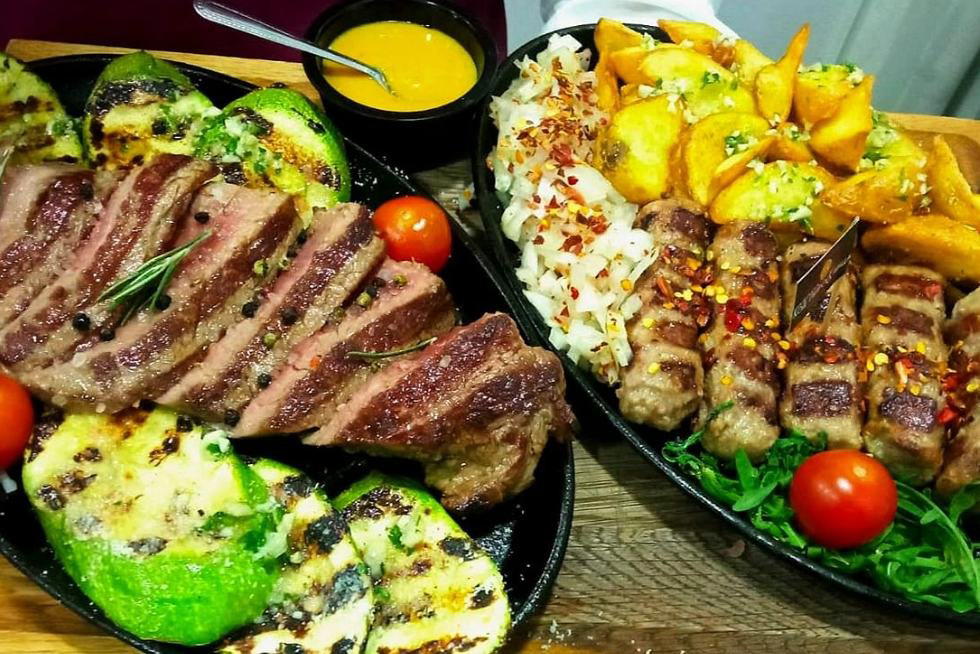
The food of southeastern Serbia is built around a few durable pillars: lamb and pork raised on mountain pasture, dried and fermented vegetables that carry the summer harvest through winter, white cheeses pressed in the style common across the Balkans, and cornmeal preparations that predate the widespread adoption of wheat. Pirot's specific contribution to that tradition includes the pirotski kačkavalj, a hard sheep's milk cheese with protected geographical indication status, and a roasting tradition that runs through the region's kafana culture. Visitors already familiar with the etno dining circuit elsewhere in Serbia, whether through Borkovac in Ruma or the more urban register of Langouste in Belgrade, will find the southeastern idiom significantly more austere: fewer concessions to contemporary plating, a stronger emphasis on preservation techniques, and a flavor profile shaped by altitude and cold winters rather than Pannonian plainland abundance.
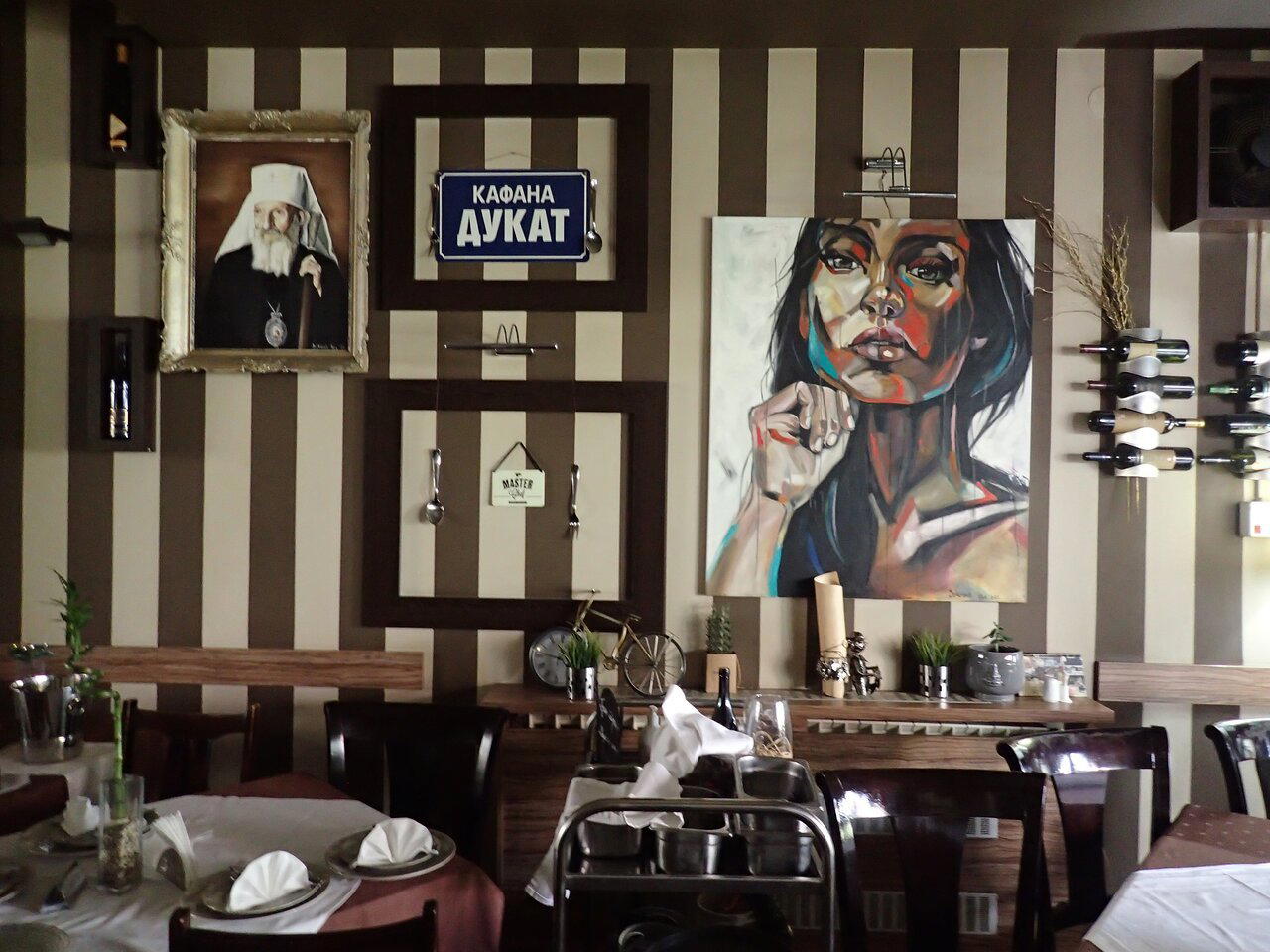
Within Pirot itself, the dining scene is small but organized around a recognizable set of formats. The kafana remains the social backbone, and venues like KAFANA DUKAT and KOD PIROĆANCA represent the more traditional end of that spectrum. KRČMA LADNA VODA and Vitina Iža both operate in territory adjacent to the etno complex register, each anchoring its offer in outdoor setting and regional produce. Cafe Boem sits closer to the café-bar format. The etno complex on Srpskih Vladara occupies its own position in this ecology: wider in scope than a kafana, more explicitly heritage-oriented than a krčma, and calibrated for visitors who want a structured encounter with regional culture rather than a quick meal.
Who Eats Here and How to Plan
The etno complex format in Serbia typically attracts a mix of domestic tourists, diaspora visitors returning to reconnect with rural traditions, and a smaller number of international travelers following the country's emerging heritage tourism circuit. In Pirot specifically, that mix skews strongly local and regional, which tends to keep the experience more grounded than the more tourist-heavy etno venues found in larger cities. Weekends draw larger groups, often for extended family gatherings or celebrations; midweek visits will generally be quieter and better suited to travelers who want to absorb the environment without the social pressure of a full dining room.
Planning a visit to Pirot warrants a broader itinerary consideration. The town is accessible by road and rail from Niš, and its position on the E80 corridor makes it a logical stop between Belgrade and Sofia. Travelers building a longer Serbia circuit might usefully compare the regional diversity of the etno format by pairing this visit with Aleksandar Gold in Uzice to the west, or with Ananda in Novi Sad for an entirely different register of Serbian hospitality. For a complete picture of what Pirot's dining scene currently offers, the full Pirot restaurants guide provides additional options across formats and price points.
Reservations are recommended, and the venue is open daily from 7 AM to 11 PM.
Planning Your Visit
Pirot is approximately 290 kilometers southeast of Belgrade and roughly 50 kilometers east of Niš, making it a practical add-on to a Niš-centered itinerary rather than a standalone destination for most international visitors. The Nišava valley is most hospitable from late spring through early autumn; winter visits are possible but the town's appeal as an outdoor and heritage destination peaks in the warmer months. The broader context of Pirot as a town with a documented textile and cheese-making heritage means the area rewards exploratory rather than tightly scheduled travel.
Cost and Credentials
Comparable venues nearby, for context on price, style, and recognition.
| Venue | Cuisine | Price | Notes |
|---|---|---|---|
| ETNO KOMPLEKS NIŠAVSKA DOLINAThis venue — the venue you are viewing | Pirot, Traditional Serbian Pirot Cuisine | $$ | Not listed |
| Краљев Чардак | Pirot, Traditional Serbian Barbecue | $$ | Not listed |
| KAFANA DUKAT | Pazar, Authentic Serbian Kafana | $$ | Not listed |
| KOD PIROĆANCA | Pazar, Traditional Serbian BBQ | $$ | Not listed |
| KRČMA LADNA VODA | Pirot center, Traditional Serbian BBQ | $ | Not listed |
| Cafe Boem | Not listed | $$ | Lava Tolstoja, Serbian Traditional Tavern |
Continue exploring
More in Pirot
At a Glance
- Rustic
- Cozy
- Scenic
- Group Dining
- Celebration
- Family
- Historic Building
- Terrace
- Open Kitchen
- Extensive Wine List
- Local Sourcing
- Garden
Current opening hours
- Monday
- 7 AM–11 PM
- Tuesday
- 7 AM–11 PM
- Wednesday
- 7 AM–11 PM
- Thursday
- 7 AM–11 PM
- Friday
- 7 AM–11 PM
- Saturday
- 7 AM–11 PM
- Sunday
- 7 AM–11 PM
Hours can change for holidays and private events. Last verified .
Charming rustic atmosphere with ethnographic details, cobblestone paths, fireplace, and original Serbian architecture.