Google: 4.5 · 45 reviews
.png)
PRESTAU brings modern Italian cooking to Osaka's Nishiku district under chef Peter Fridén, whose Kobe-based experience shapes a menu built on Hyogo Prefecture ingredients served on Tambayaki flatware. A Michelin Bib Gourmand in 2025 and a Plate recognition in 2024 confirm its position in Osaka's mid-tier European dining scene. The price point sits at ¥¥, making it one of the more accessible routes into serious Italian craft in the city.
 Discover on Pearl
Pearl is the En Primeur Club membership app — saves, bookings, and concierge access live there. Same editors, same standards.
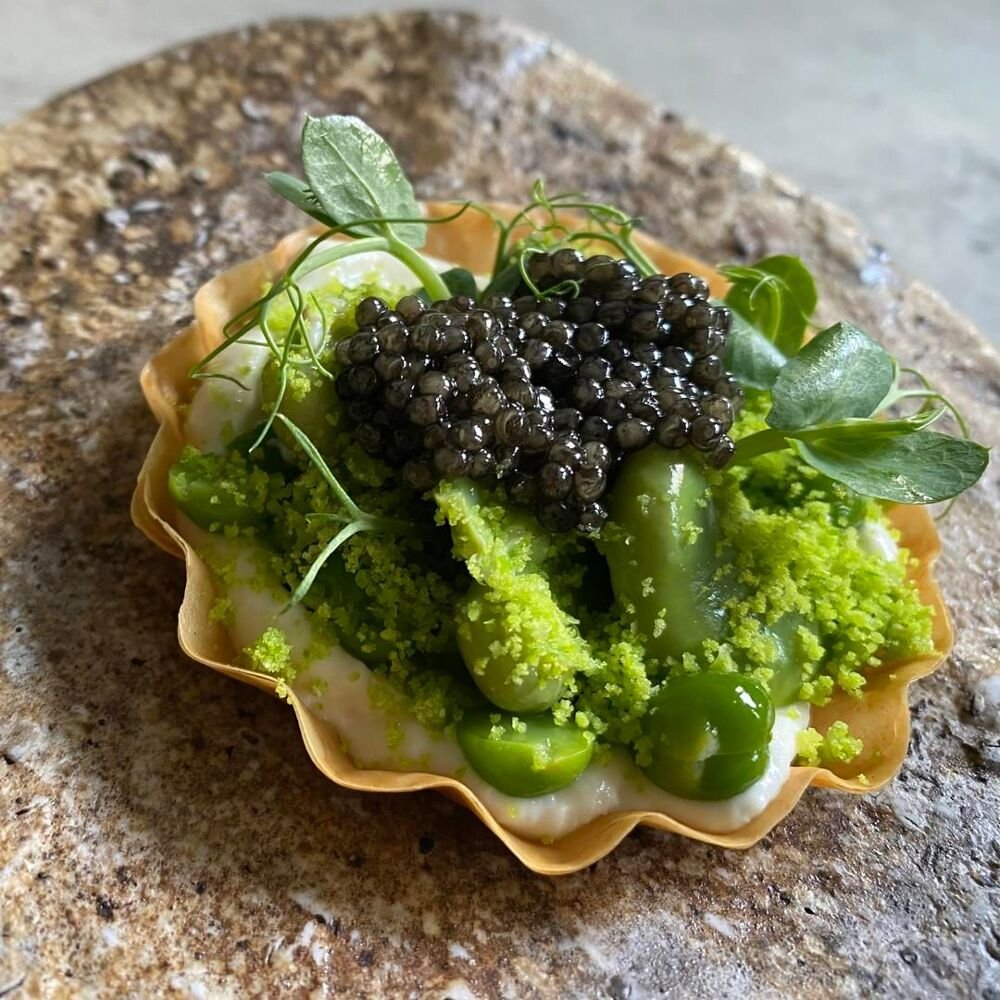
Where Kansai Produce Meets Italian Technique
Osaka's Nishiku ward sits west of the city's busiest tourist corridors, and the dining rooms here reflect that remove. The neighbourhood draws a local professional crowd more than an international one, and the restaurants that sustain themselves tend to rely on repeat diners who expect consistency and considered sourcing over spectacle. PRESTAU, at 2 Chome-17-17 Shinmachi, operates squarely in that register. The room is not flashy by Osaka standards; it earns attention through what arrives at the table rather than how the front door announces itself.
The address places it in a district where Italian restaurants have quietly accumulated over the past decade alongside French and contemporary Japanese rooms. Compared to the ¥¥¥¥ tier occupied by Osaka institutions like HAJIME, La Cime, and Fujiya 1935, PRESTAU's ¥¥ positioning is deliberate. This is modern Italian cooking priced for regular visits, not occasions that require a three-month decision process.
Hyogo as a Sourcing Argument
The editorial case for PRESTAU rests partly on geography. Chef Peter Fridén developed his professional foundation in Kobe, roughly thirty minutes southwest along the Hanshin line, and Kobe's proximity to the agricultural heartland of Hyogo Prefecture is not incidental to how the kitchen operates. Hyogo is among Japan's most varied producing prefectures: Tajima beef originates here, as do a range of coastal fish from Akashi, mountain vegetables from the interior, and rice from the plains around Miki and Kasai. A kitchen that draws from this area has access to supply chains that many Tokyo-based Italian restaurants work considerably harder to reach.
In the broader context of Japan's European dining scene, sourcing from a home prefecture rather than importing European ingredients or aggregating from national distributors represents a specific editorial choice. It signals that the food is shaped by what Kansai's seasons produce, not by what a classical Italian template demands. This approach has become a quiet marker of seriousness in the better mid-tier European rooms across Osaka and Kyoto. cenci in Kyoto operates from a similar premise, using Japanese ingredients filtered through an Italian sensibility. akordu in Nara applies comparable logic to Spanish technique. PRESTAU's Hyogo-first approach places it in recognisable company without replicating either.
The Tambayaki Detail
Serving dishes on Tambayaki flatware is a specific material decision worth noting. Tambayaki is a form of Japanese pottery associated with the Tamba region in Hyogo, one of Japan's six ancient kilns. The pieces tend toward earthy glazes and irregular forms, which in a Western-format restaurant creates a visual and tactile counterpoint to European plating conventions. The choice is not decorative. It grounds the Italian cooking in a regional material culture that has continuity with the sourcing approach: both the produce and the vessels come from the same prefecture. This kind of through-line is harder to construct than it appears and, when executed consistently, makes a dining room feel anchored rather than assembled.
What the Michelin Record Says
PRESTAU received a Michelin Plate in 2024 and stepped up to a Bib Gourmand in 2025. The Bib Gourmand designation is given to restaurants where inspectors find quality cooking at a price point considered favourable relative to the local market. In Tokyo and Osaka, where Michelin coverage is among the densest in the world, a Bib Gourmand carries more competitive freight than the same designation in most European cities; the inspected field is larger and the assessments more granular. Moving from Plate to Bib Gourmand in a single cycle indicates that the kitchen improved its consistency or its value delivery in a way that registered with people eating there repeatedly across different service periods.
For comparison, Osaka's starred restaurants in the French and innovative categories, including HAJIME and La Cime at ¥¥¥¥, occupy a different peer set entirely. Among Italian rooms in the city, il Centrino, La Lucciola, P greco, La casa TOM Curiosa, and YUNiCO provide useful reference points for how the city's Italian dining scene has developed across price bands and styles. PRESTAU's Bib Gourmand places it at the recognised end of that mid-tier cluster.
Internationally, the combination of Japanese regional sourcing and Italian technique has attracted Michelin attention elsewhere. 8 1/2 Otto e Mezzo Bombana in Hong Kong represents the higher-starred end of this Italian-in-Asia conversation, while PRESTAU operates at a price and format point that makes the same conversation accessible without the occasion premium.
How It Fits Into Osaka's Broader Table
Osaka's dining identity is built on density and accessibility. The city has more restaurants per capita than Tokyo by most measures, and the culture of eating out is less formal and more frequent. In that context, European restaurants that position at ¥¥ rather than ¥¥¥¥ and back the price with genuine technique tend to develop loyal local followings faster than destination-focused counterparts that rely on international visitors for covers. PRESTAU's Google rating of 4.5 from 40 reviews is a small sample, but the score suggests the current diner base is satisfied rather than merely curious.
For visitors building a wider Kansai itinerary, PRESTAU fits naturally alongside high-end Japanese rooms like Gion Sasaki in Kyoto without competing for the same dining occasion. It is also a sensible complement to a trip that includes Harutaka in Tokyo or Goh in Fukuoka, where the cooking styles differ entirely but the underlying seriousness is comparable. Further afield in Japan, 1000 in Yokohama and 6 in Okinawa extend the picture of how European-influenced kitchens are performing across different regional markets.
Planning Your Visit
| Detail | PRESTAU | Typical ¥¥¥¥ Osaka peer |
|---|---|---|
| Price tier | ¥¥ | ¥¥¥¥ |
| Michelin recognition | Bib Gourmand (2025) | 1–3 stars |
| Cuisine | Modern Italian | French / Innovative |
| Sourcing emphasis | Hyogo Prefecture | Varies |
| Booking difficulty | Not confirmed | Typically 1–3 months ahead |
The address is 2 Chome-17-17 Shinmachi, Nishi-ku, Osaka 550-0013. Booking method, hours, and dress code are not confirmed in available records; check current availability through Tabelog or direct enquiry. For broader planning, see our full Osaka restaurants guide, our full Osaka hotels guide, our full Osaka bars guide, our full Osaka wineries guide, and our full Osaka experiences guide.
Booking and Cost Snapshot
Comparable options at a glance, pulled from our tracked venues.
| Venue | Price | Awards | Notes |
|---|---|---|---|
| PRESTAU | ¥¥ | Bib Gourmand | This venue |
| HAJIME | ¥¥¥¥ | Michelin 3 Star | French, Innovative, ¥¥¥¥ |
| La Cime | ¥¥¥¥ | Michelin 2 Star | French, ¥¥¥¥ |
| Kashiwaya Osaka Senriyama | ¥¥¥ | Michelin 3 Star | Japanese, ¥¥¥ |
| Taian | ¥¥¥ | Michelin 3 Star | Kaiseki, Japanese, ¥¥¥ |
| Fujiya 1935 | ¥¥¥¥ | Michelin 2 Star | Innovative, ¥¥¥¥ |
Continue exploring
More in Osaka
Restaurants in Osaka
Browse all →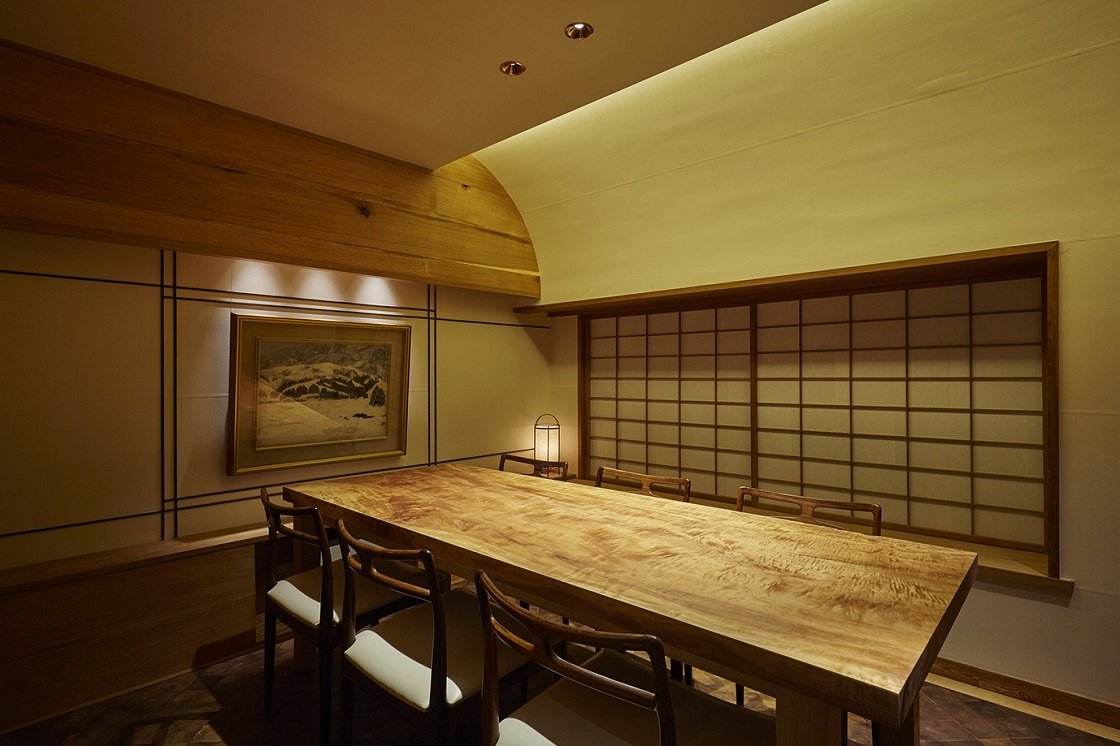
Bars in Osaka
Browse all →
Hotels in Osaka
Browse all →

Wineries in Osaka
Browse all →
At a Glance
- Elegant
- Sophisticated
- Modern
- Intimate
- Hidden Gem
- Date Night
- Special Occasion
- Celebration
- Chefs Counter
- Open Kitchen
- Design Destination
- Sommelier Led
- Sake Program
- Local Sourcing
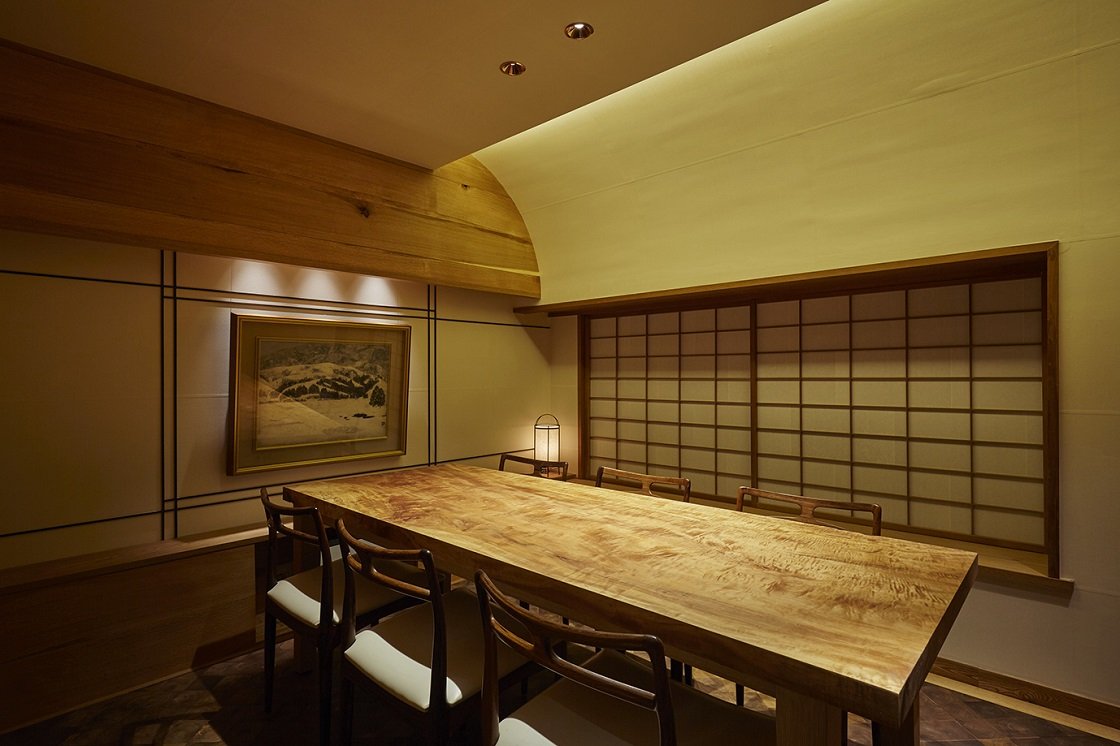
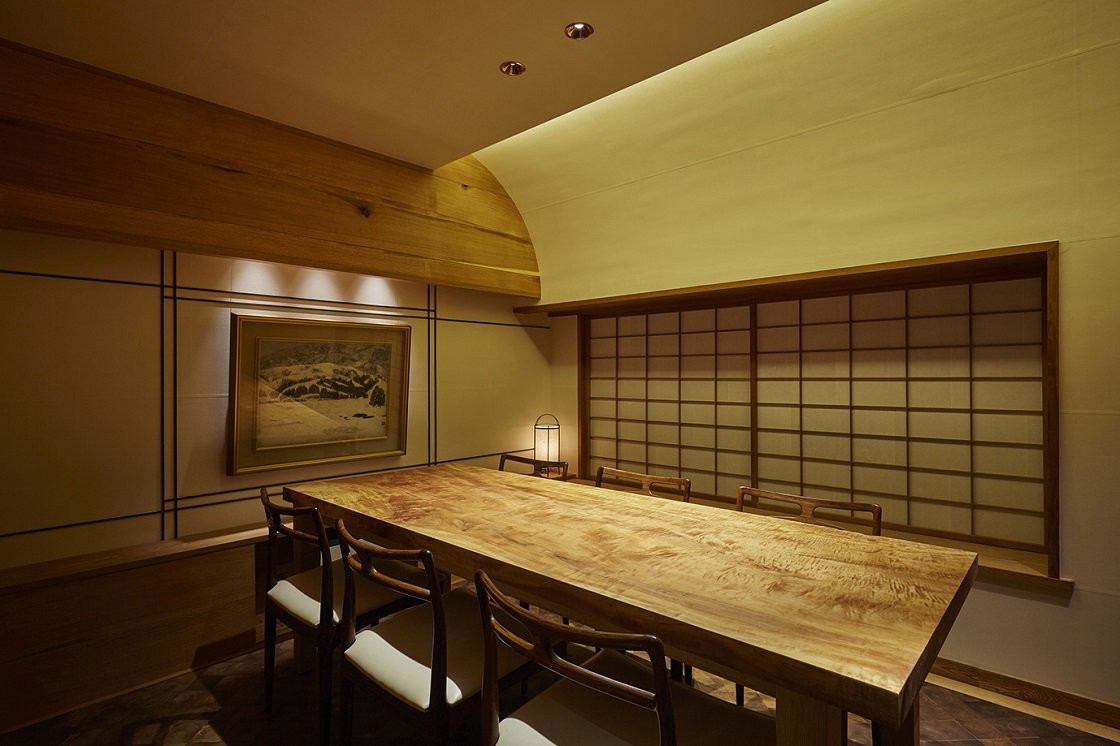
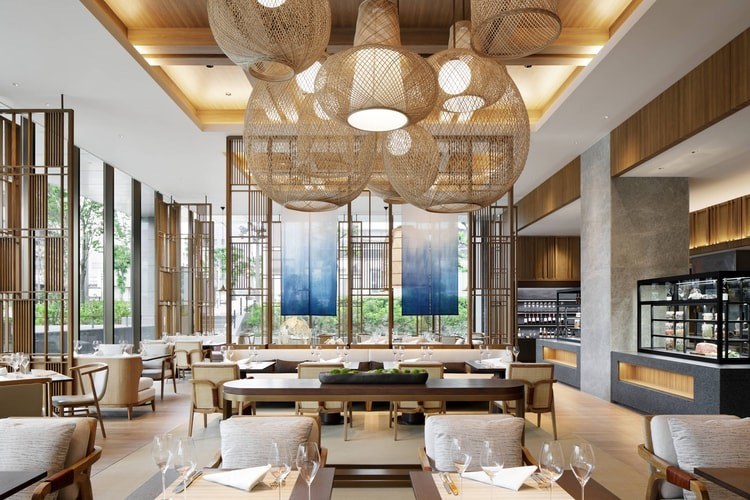
Pale gray-and-white color scheme with dried flowers and washi paper-covered seats; calm, refined, and sophisticated yet relaxing atmosphere designed to let vibrant dishes stand out.