Sperling im Augarten occupies one of Vienna's most storied green settings, the Augarten park in the 2nd district, where centuries of imperial history meet a contemporary dining scene. The restaurant's position at the park's main gate places it within a neighbourhood increasingly defined by creative Austrian cooking, making it a natural reference point for visitors tracing the city's shift away from grand-hotel formality toward more grounded, park-adjacent hospitality.
Pearl is the En Primeur Club membership app — saves, bookings, and concierge access live there. Same editors, same standards.
- Address
- Obere Augartenstraße 1/Haupttor, 1020 Wien, Austria
- Phone
- +436601170278
- Website
- sperling.wien
- Directions
- Get directions
 Saves & bookings on Pearl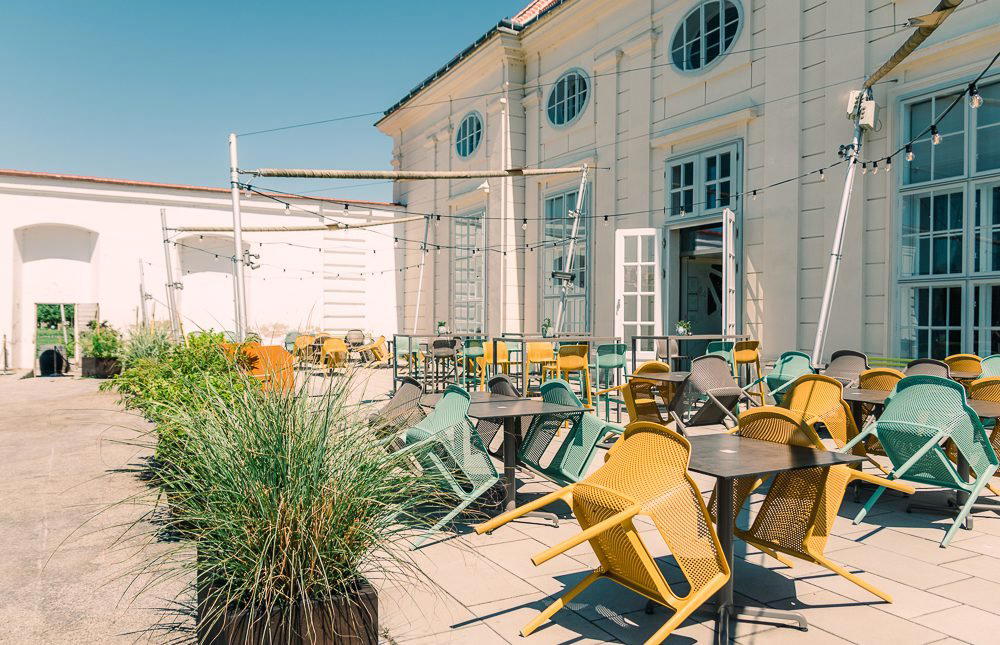
A Park, a Gate, and Two Centuries of Vienna's 2nd District
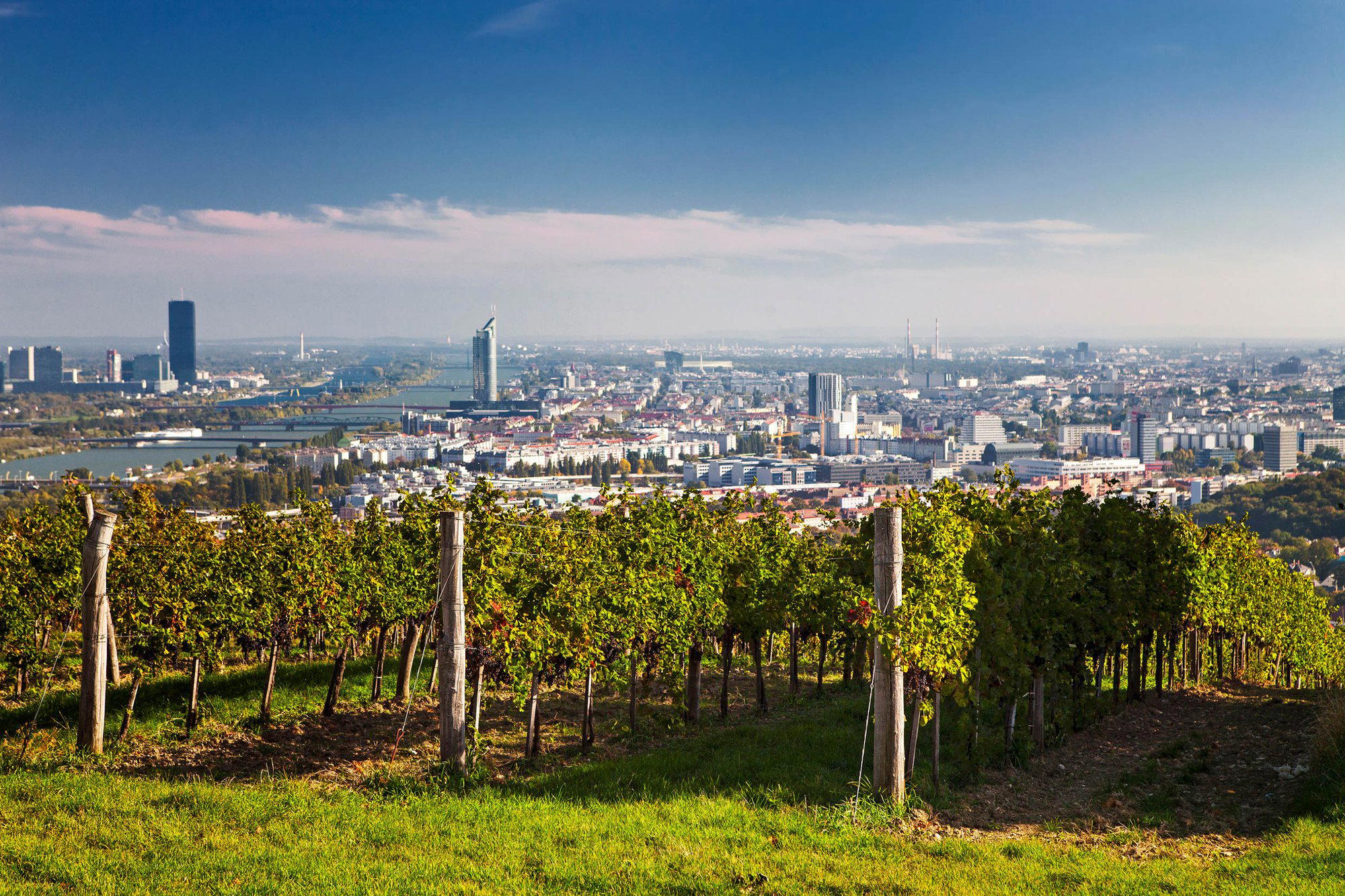
The Augarten is one of the oldest baroque public parks in Europe, opened to the city by Emperor Joseph II in 1775 with a notice that read, in effect, that this pleasure ground was dedicated to all people by their well-wisher. That founding gesture matters because it shaped the character of everything that has followed inside these gates: the Augarten has never been a private enclave. It was always a civic space, and the dining and drinking that has developed around it carries that same sense of accessibility, however refined the execution. Sperling im Augarten, situated at Obere Augartenstraße 1 at the park's main entrance, inherits that civic tradition directly. The address places it at the threshold between the 2nd district's street life and the park's long allées of chestnut trees, a position that shapes the atmosphere before a single dish arrives.
The 2nd District and the Scene It Supports
Vienna's restaurant criticism has, for years, gravitated toward the 1st district and its grand-hotel dining rooms, or toward the inner-ring neighbourhoods where postwar renovation money concentrated. The 2nd district, the Leopoldstadt, has followed a different arc. Once one of the city's most densely populated Jewish quarters before the war, then a zone of heavy industry and transit infrastructure, it has spent the last two decades attracting a generation of operators who prioritise neighbourhood character over proximity to tourist flows. The result is a dining tier that sits below the formal tasting-menu circuit dominated by restaurants like Steirereck im Stadtpark and Amador, but above the purely functional. Sperling occupies exactly that middle register, where the ambition is readable in the sourcing and execution rather than in the ceremony.
The Leopoldstadt's rise is one of the clearer trends in that picture.
What the Menu Structure Reveals
The editorial angle that makes a restaurant readable is not always the headliner dish or the chef's pedigree. Often it is the architecture of the menu itself: what it includes, what it omits, how it sequences choices, and what those decisions signal about the kitchen's relationship to its guests and its city. Vienna's higher-end tasting format, typified by the multi-course progression at Konstantin Filippou or Mraz and Sohn, tends toward high commitment: a fixed sequence, often six to ten courses, with little room for deviation. That format suits a certain kind of evening and a certain kind of guest, but it is not the dominant mode everywhere in Vienna.
Sperling's position in the Augarten setting suggests a different logic. Park-adjacent restaurants across European cities have historically shaped their menus around the rhythms of outdoor life: lighter at midday, more expansive in the early evening when the after-work crowd arrives, and structured to accommodate guests who may have walked or cycled to reach them rather than arrived by taxi from a hotel. The address itself is a strong structural signal. A restaurant at a park gate is in conversation with its surroundings in a way that a basement tasting room or a formal dining floor three flights up is not.
A park-gate restaurant in a civic green space is more plausibly a venue where the menu scales to the season and the daylight. That structural flexibility, if it exists here, would place Sperling in a comparable set closer to Doubek than to the formal dinner-only operations.
Austrian Fine Dining Beyond the Capital
Vienna's creative cooking does not exist in isolation from the country around it. Austria's most acclaimed kitchens have historically been distributed across regions: the Alpine west, the Wachau valley, the Salzburg corridor. Döllerer in Golling an der Salzach works the Alpine pantry with disciplined precision; Obauer in Werfen has sustained a case for regional Austrian produce across decades. In the western Alpine tier, Gourmetrestaurant Tannenhof in Sankt Anton am Arlberg and Griggeler Stuba in Lech serve a luxury ski-town clientele, while Ikarus in Salzburg runs a rotating-guest-chef format that makes it structurally unlike any other Austrian restaurant. Smaller and more personal operations have also emerged: Kräuterreich by Vitus Winkler in Sankt Veit im Pongau builds menus almost entirely around foraged and cultivated herbs; Landhaus Bacher in Mautern an der Donau anchors the Wachau's reputation for serious cooking; Ois in Neufelden and Schwarzer Adler in Hall in Tirol and Restaurant 141 by Joachim Jaud in Mieming each represent the regional approach to serious cooking outside the major centres.
Vienna's contribution to that national conversation has long been the grand dining room: formal, wine-list-heavy, oriented toward an international clientele. What the 2nd district's current generation of restaurants proposes is something more grounded: cooking tied to a neighbourhood rather than a postcode prestige, accessible without being casual in any dismissive sense. Sperling im Augarten's location in this context reads as a deliberate positioning decision, not an accident of real estate.
Visitors comparing Vienna's neighbourhood dining to international reference points might find the closest analogies not in the city's own fine-dining circuit but in the kind of technically assured, atmosphere-conscious restaurants that have defined certain New York scenes: the focused seriousness of a kitchen like Le Bernardin, or the considered sequencing of Atomix, scaled down and relocated to a park gate in the 2nd district.
Know Before You Go
Address: Obere Augartenstraße 1 / Haupttor, 1020 Wien, Austria
District: 2nd district (Leopoldstadt), at the main gate of the Augarten park
Booking: Reservations are recommended, particularly for weekend evenings.
Seasonal Note: Park-adjacent dining in Vienna shifts meaningfully with the season. Outdoor or terrace seating, where available, is typically at its most in-demand from late April through September. Winter visits offer a different, often quieter, atmosphere.
Cuisine and Awards Snapshot
Comparable venues nearby, for context on price, style, and recognition.
| Venue | Cuisine | Price | Notes |
|---|---|---|---|
| Sperling im AugartenThis venue — the venue you are viewing | Modern Austrian with Vegetarian Focus | $$ | Not listed |
| Schlossquadrat | Viennese Beisl & Italian Pizzeria | $$ | Margareten |
| Rhythms | Austrian with International Fusion | $$ | Mariahilf |
| LENZ | Modern Austrian Social Dining | $$$ | Landstrasse |
| The Guesthouse Vienna | Modern Viennese Brasserie | $$ | Innere Stadt |
| Ludwig & Adele | Modern Austrian | $$ | Staatsoper |
At a Glance
- Cozy
- Scenic
- Modern
- Casual Hangout
- Brunch
- Garden
- Courtyard
- Historic Building
- Local Sourcing
- Farm To Table
- Garden
Current opening hours
- Monday
- Closed
- Tuesday
- 9 AM–10 PM
- Wednesday
- 9 AM–10 PM
- Thursday
- 9 AM–10 PM
- Friday
- 9 AM–10 PM
- Saturday
- 9 AM–10 PM
- Sunday
- 9 AM–6 PM
Hours can change for holidays and private events. Last verified .
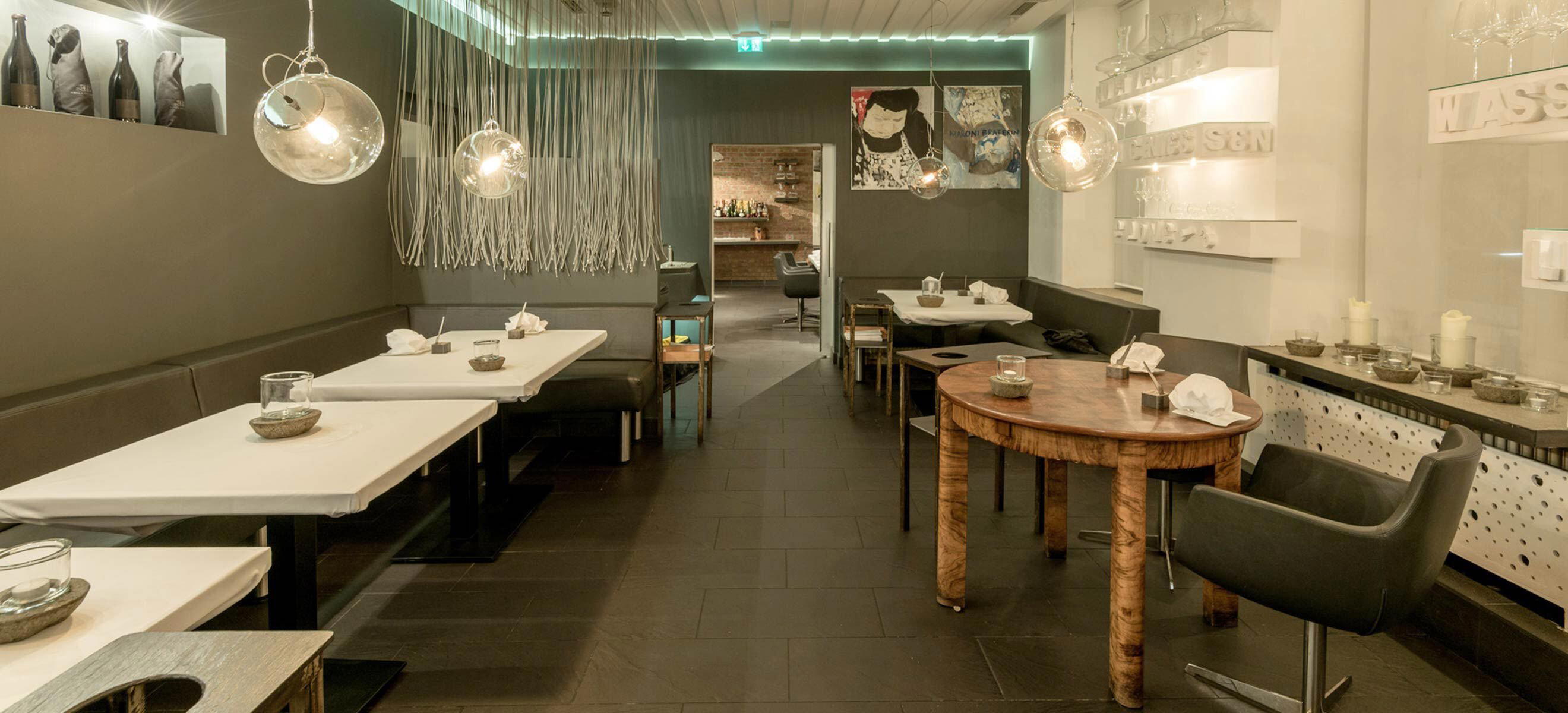
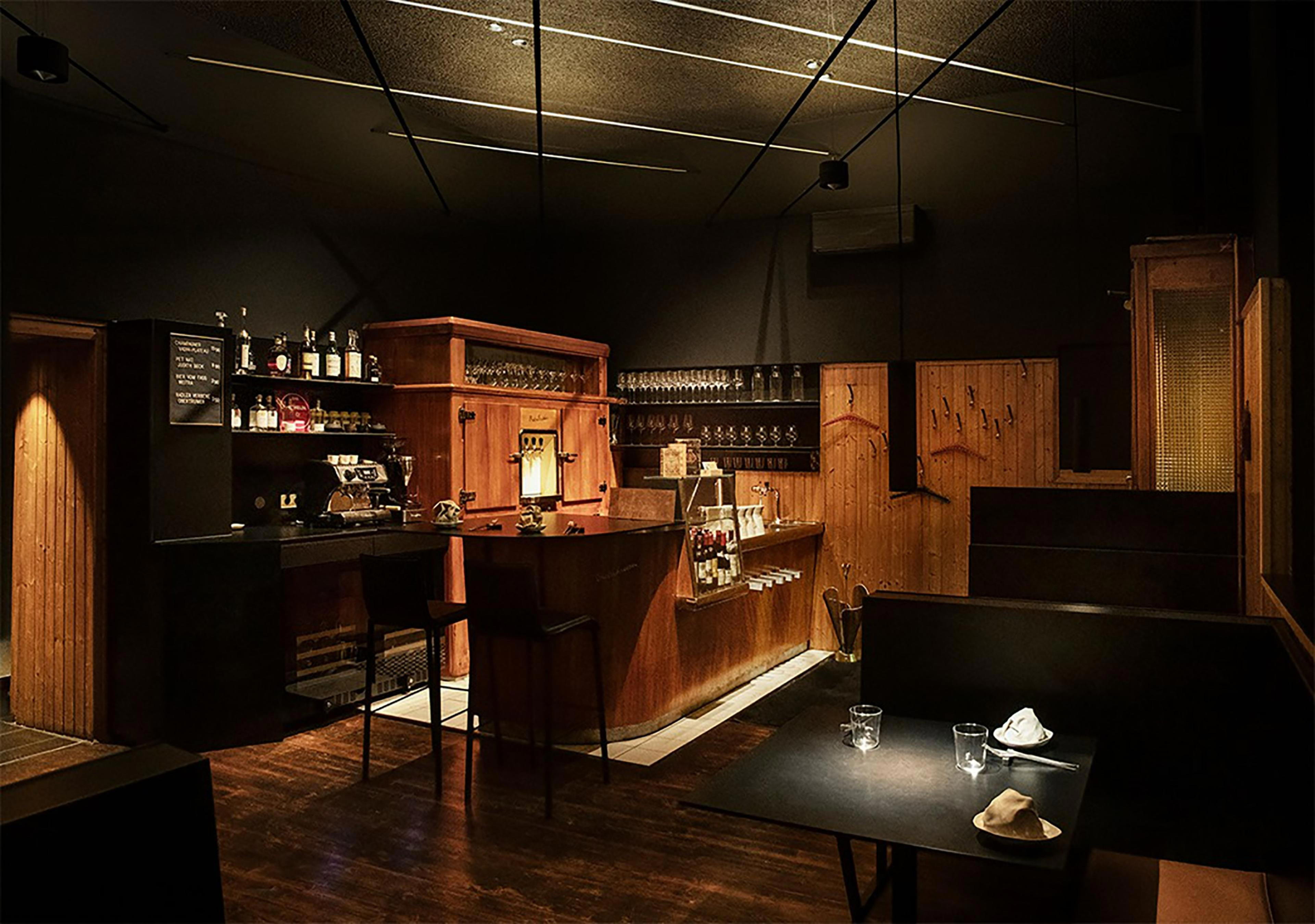
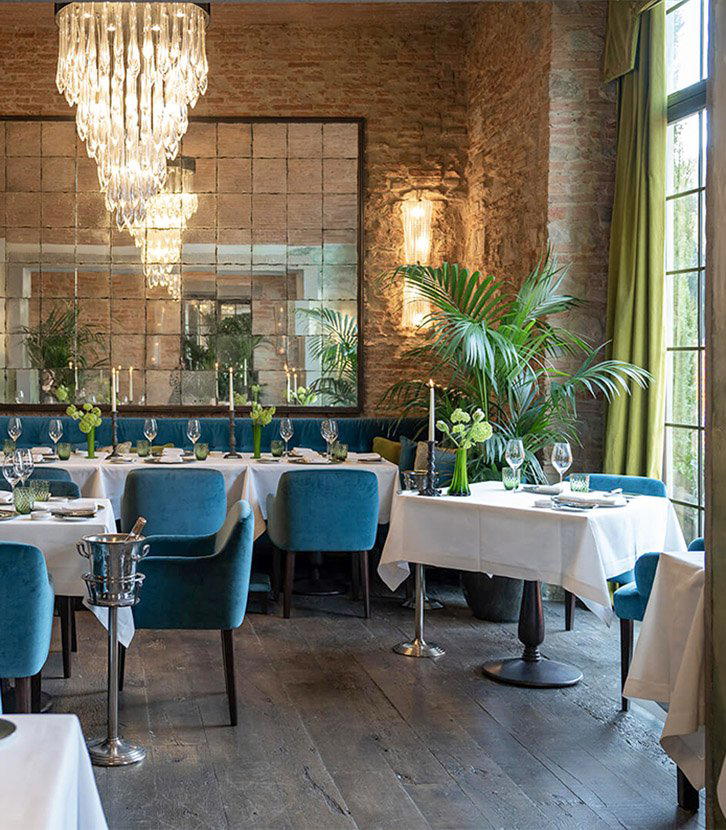
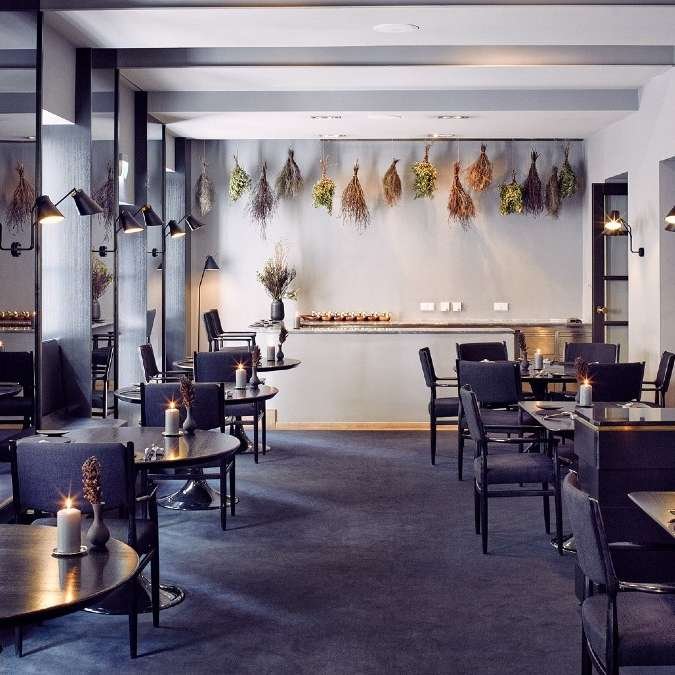
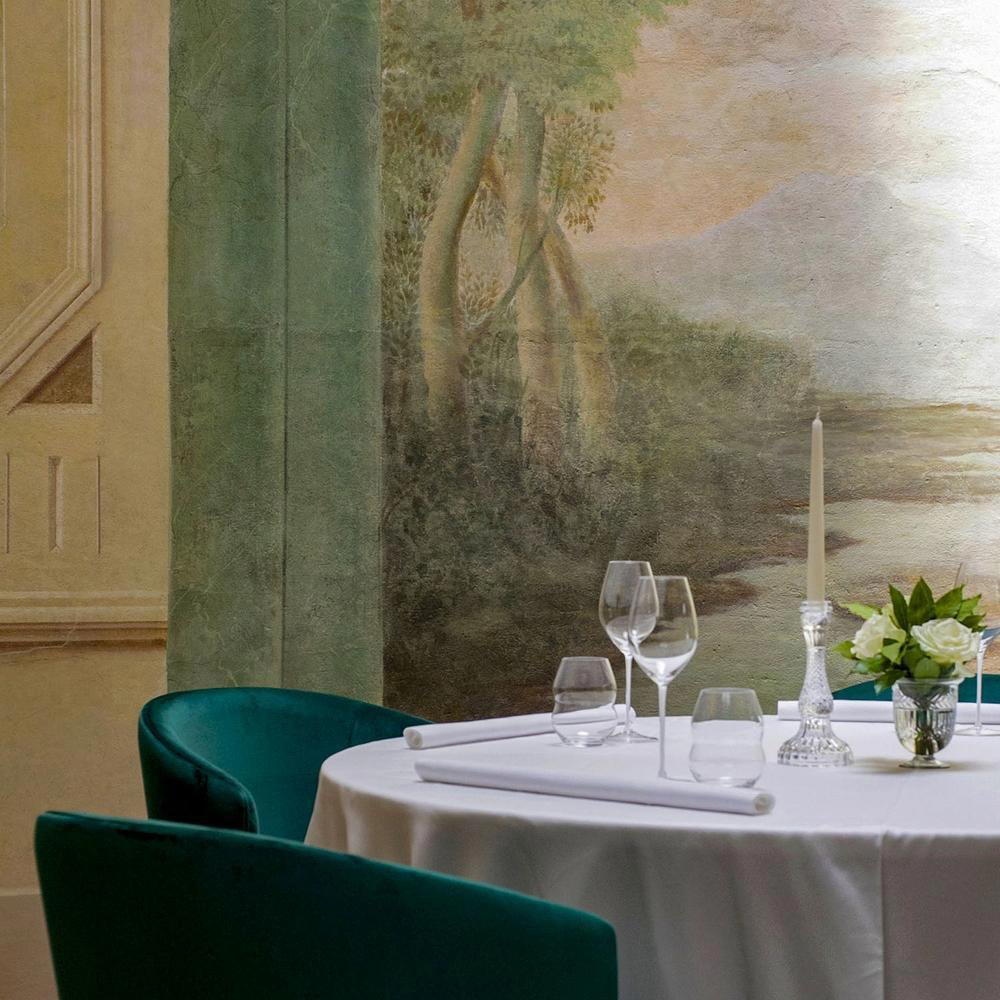
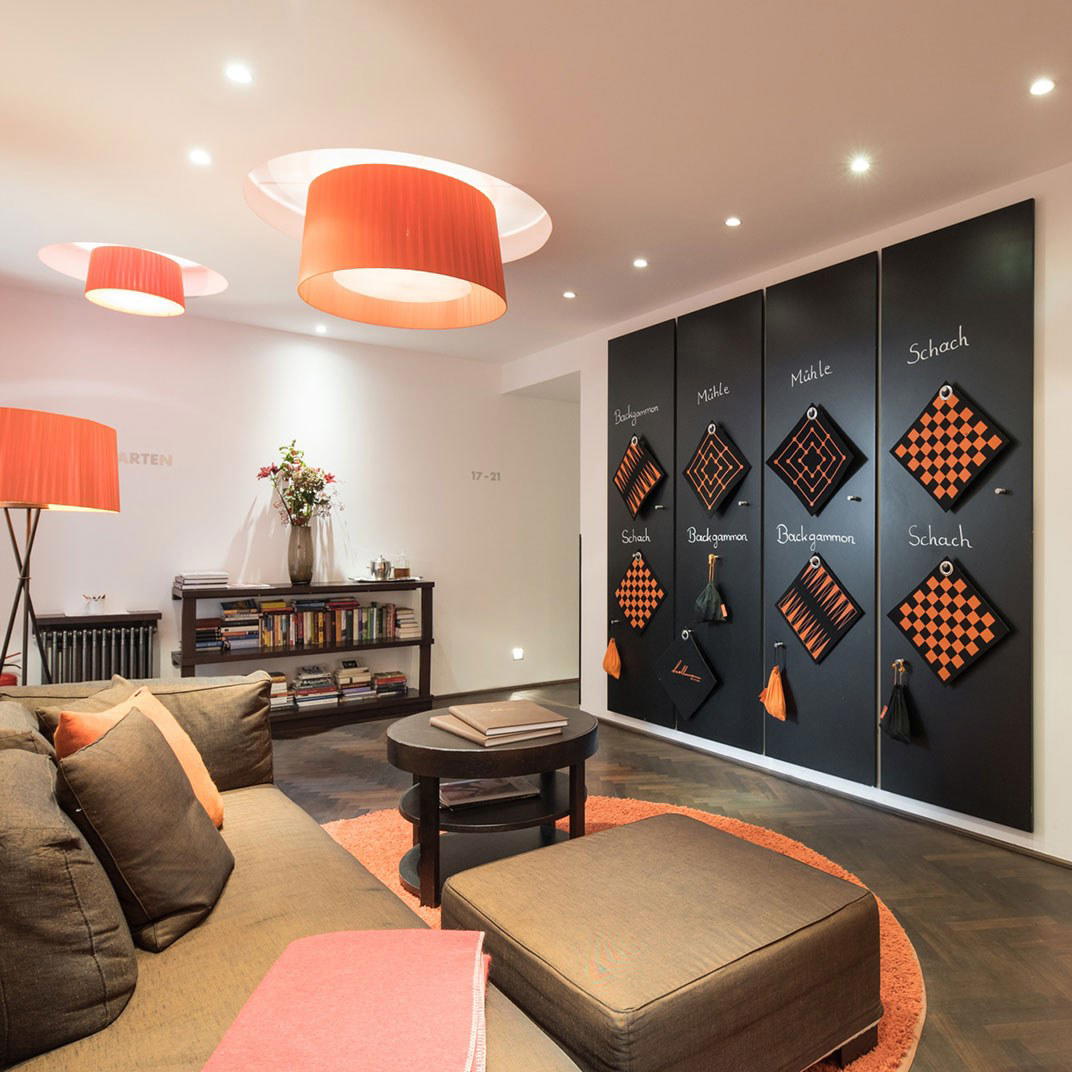
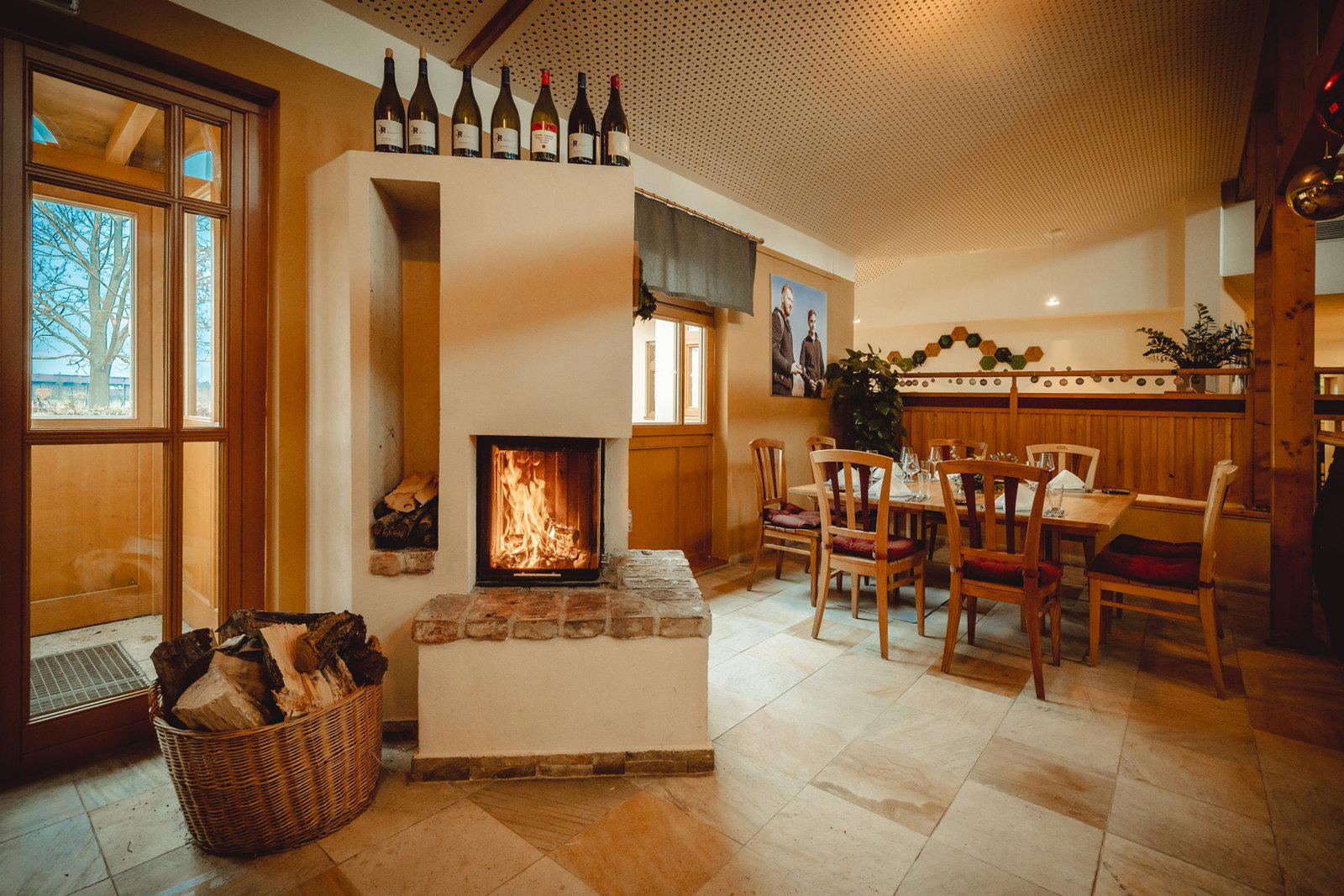
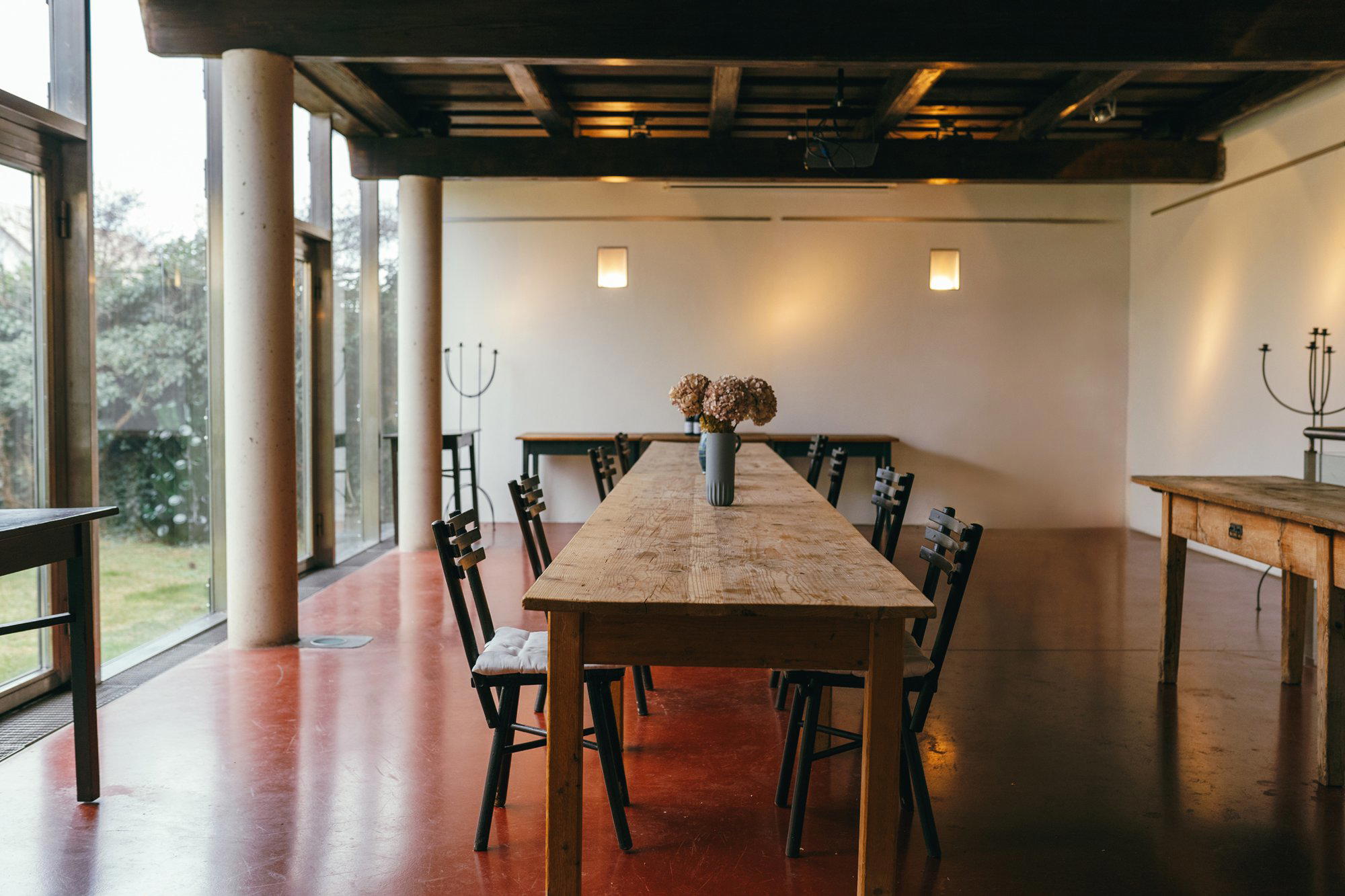
Cozy living room atmosphere with schmucke (charming) interior and delightful garden views.