Kussmaul occupies a listed address in Vienna's first district, where Bäckerstraße cuts through a neighbourhood that has fed and housed the city's intellectual class for centuries. The restaurant sits within a dining scene that places it alongside Vienna's more considered modern Austrian operators, offering a point of entry into the first district's quieter, less tourist-facing side of serious eating.
Pearl is the En Primeur Club membership app — saves, bookings, and concierge access live there. Same editors, same standards.
- Address
- Bäckerstraße 5, 1010 Wien, Austria
- Phone
- +434319581004
- Website
- kussmaul-vienna.com
- Directions
- Get directions
 Saves & bookings on Pearl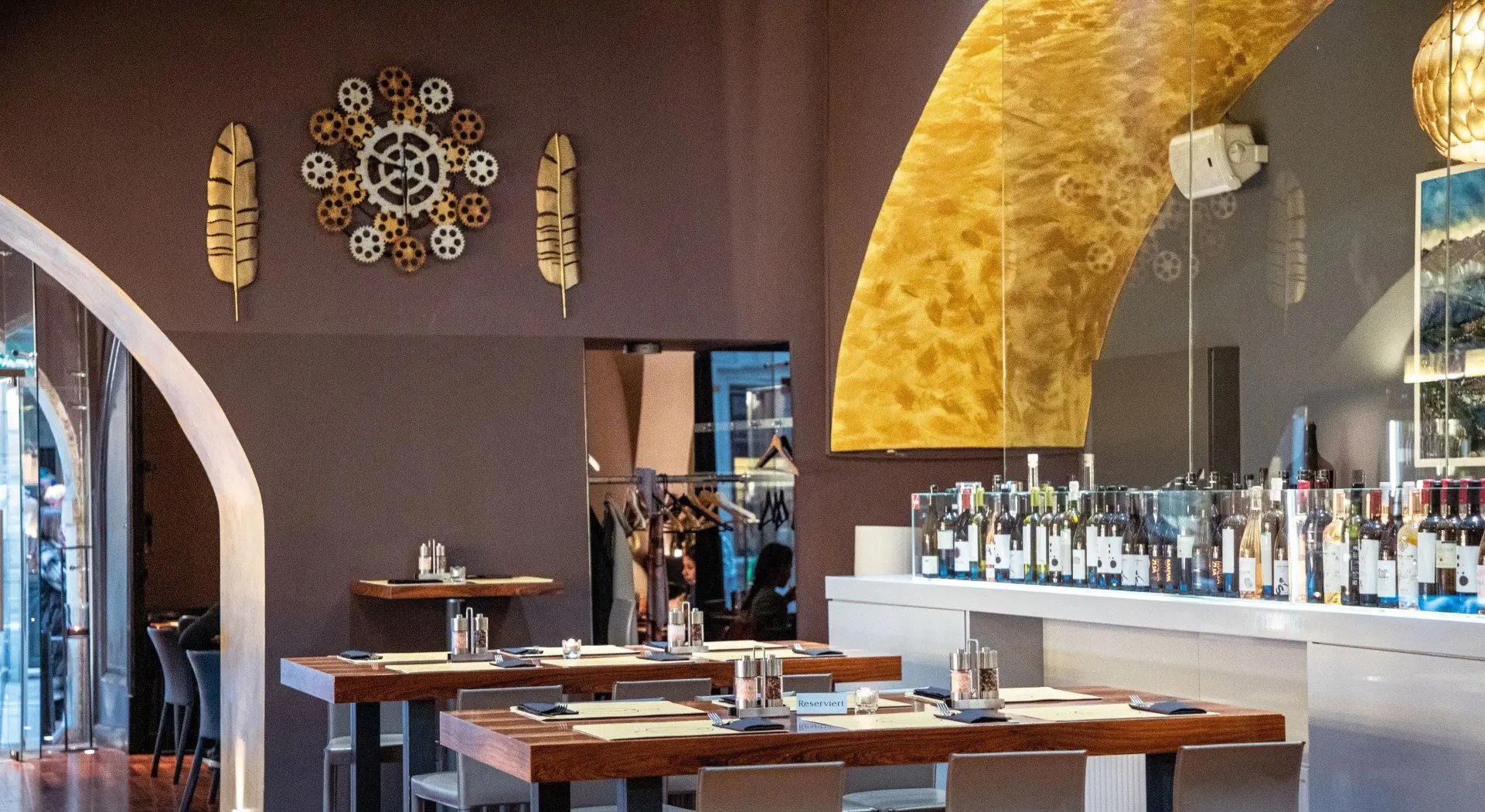
Bäckerstraße and the First District's Quieter Register
Vienna's first district contains multitudes. The Innere Stadt is the city's most visited postal code, yet within it there are streets that function almost entirely for residents, professionals, and the kind of traveller who has already done the cathedral and the Kunsthistorisches and is now asking a different question. Bäckerstraße is one of those streets. Running east from the Jesuitenkirche toward Schönlaterngasse, it carries the administrative and intellectual weight of a neighbourhood that has been continuously inhabited since the medieval period. The buildings are heavy and stone-faced; the ground-floor businesses are not fighting for tourist attention. Kussmaul sits at number five, and its address alone is a positioning statement within the Vienna dining market.
This part of the first district operates at a remove from the Graben-Kohlmarkt axis, where the density of hotel restaurants and international visitors pushes menus toward legibility and price points toward the highest common denominator. The streets around Bäckerstraße demand more from a diner in terms of navigation and intent, and they tend to reward that effort with rooms that are doing something other than serving the overflow from the Ring.
What Menu Architecture Reveals About a Restaurant's Position
In Vienna's current fine-dining conversation, a restaurant's menu structure is often the clearest signal of where it sits in relation to the established order. The city's upper tier, anchored by addresses like Steirereck im Stadtpark and Konstantin Filippou, has largely committed to the long tasting-menu format, where the kitchen controls the sequence and the guest follows. A second, increasingly active tier, which includes operators like Mraz & Sohn and Amador, works variations on that format while building distinct identities around Austrian product sourcing or specific culinary lineages.
Where a restaurant chooses to sit on that spectrum matters. A menu that allows à la carte selection signals a different kind of hospitality contract than one that locks a guest into a chef's sequence. It implies a room that expects repeat visits, a clientele with regulars rather than first-timers, and a kitchen confident that individual dishes can carry the restaurant's argument without the scaffolding of a multi-course narrative.
For comparison, Vienna's Austrian-anchored operators in adjacent neighbourhoods tend to frame their menus around either seasonal market logic or a regional product showcase. Doubek represents one version of this; the broader Austrian fine-dining circuit, from Döllerer in Golling an der Salzach to Obauer in Werfen and Landhaus Bacher in Mautern an der Donau, shows how deeply the country's serious kitchens are invested in place-specific ingredient sourcing as an organising principle. Vienna's first-district restaurants carry that conversation into an urban context, where market access is different and the guest profile skews international.
The First District's Competitive Set
Placing Kussmaul in its competitive context requires understanding what the first district's dining market actually looks like in practice. The neighbourhood contains a wide range of operators, from hotel dining rooms attached to major international brands to small, specialist addresses that have been running for decades without significant marketing infrastructure. The serious addresses here compete not primarily on visibility but on word-of-mouth, reservation depth, and the ability to hold a returning clientele.
Vienna's fine-dining circuit has international reference points. Kitchens like Le Bernardin in New York City or Atomix in New York City illustrate how committed urban fine-dining rooms sustain themselves through a combination of award recognition and a specific, technically defined menu identity. In Vienna, the equivalents are restaurants that have built recognisable culinary signatures: the fish-forward naturalism of Steirereck, the Mediterranean-Austrian tension in Konstantin Filippou's menu, the experimental precision of Ikarus in Salzburg. Within that company, an address on Bäckerstraße in the first district carries the weight of the neighbourhood's expectations alongside whatever the kitchen itself brings.
The Austrian mountain dining circuit, which includes addresses like Griggeler Stuba in Lech, Gourmetrestaurant Tannenhof in Sankt Anton am Arlberg, Schwarzer Adler in Hall in Tirol, and Kräuterreich by Vitus Winkler in Sankt Veit im Pongau, operates in a different register: seasonal, destination-focused, often tied to a hotel context. Vienna's urban addresses are year-round propositions, and they compete on consistency rather than occasion. Ois in Neufelden and Restaurant 141 by Joachim Jaud in Mieming represent the regional Austrian model at its most committed, and the contrast with a first-district Vienna address is instructive: the city version of this conversation trades altitude and isolation for density of cultural context and the pressure of a more sophisticated, more widely travelled diner.
Planning a Visit
Bäckerstraße 5 is inside the first district, walkable from the Stubentor U3 stop and from the central pedestrian zone. The street itself is calm relative to the tourist corridors three blocks west, which makes arrival direct on foot. For a restaurant operating at this address and in this part of the Vienna market, advance reservation is the standard expectation.
Kussmaul, Bäckerstraße 5, 1010 Wien. First district, near Stubentor. Advance reservation recommended.
Cuisine Lens
Comparable venues nearby, for context on price, style, and recognition.
| Venue | Cuisine | Price | Notes |
|---|---|---|---|
| KussmaulThis venue — the venue you are viewing | Modern Austrian | $$$ | Not listed |
| Café Central | Traditional Viennese Café | $$$ | Stephansdom |
| Émile | Modern Austrian Brasserie | $$$ | Inner City |
| LENZ | Modern Austrian Social Dining | $$$ | Landstrasse |
| Schlossquadrat | Viennese Beisl & Italian Pizzeria | $$ | Margareten |
| DAST Restaurant | Modern Austrian Tapas | $$ | Wahring |
At a Glance
- Elegant
- Cozy
- Modern
- Historic
- Date Night
- Casual Hangout
- Historic Building
- Extensive Wine List
- Organic
Current opening hours
- Monday
- 12–11:30 PM
- Tuesday
- 12–11:30 PM
- Wednesday
- 12–11:30 PM
- Thursday
- 12–11:30 PM
- Friday
- 12–11:30 PM
- Saturday
- 12–11:30 PM
- Sunday
- 12–11:30 PM
Hours can change for holidays and private events. Last verified .
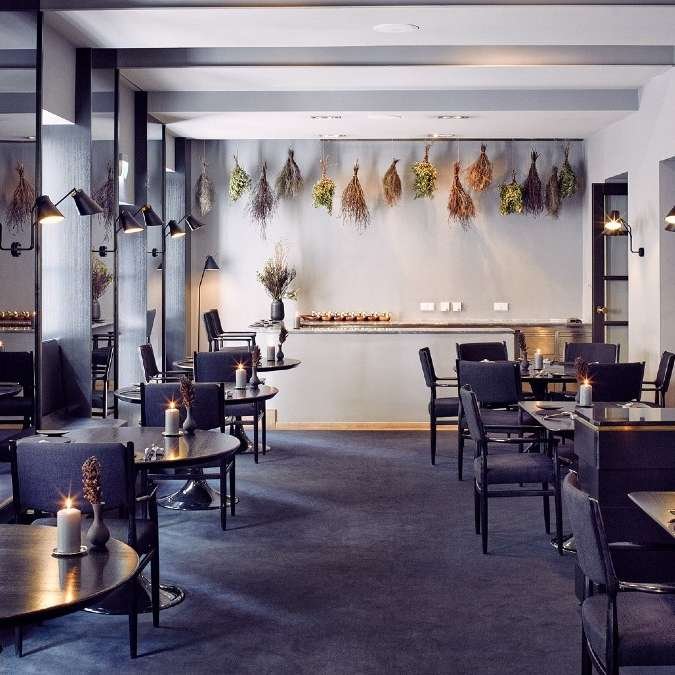
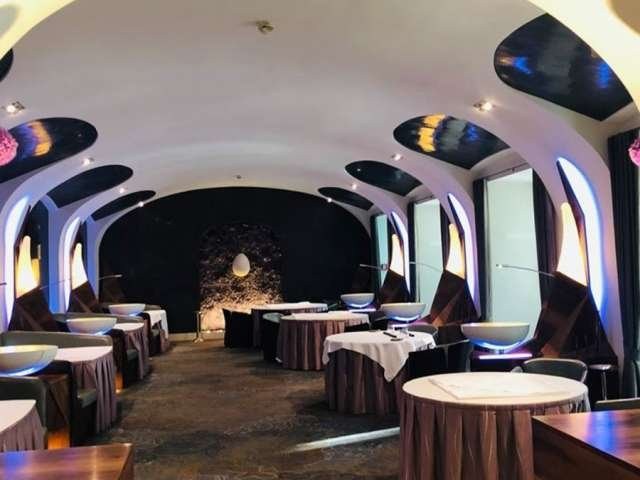
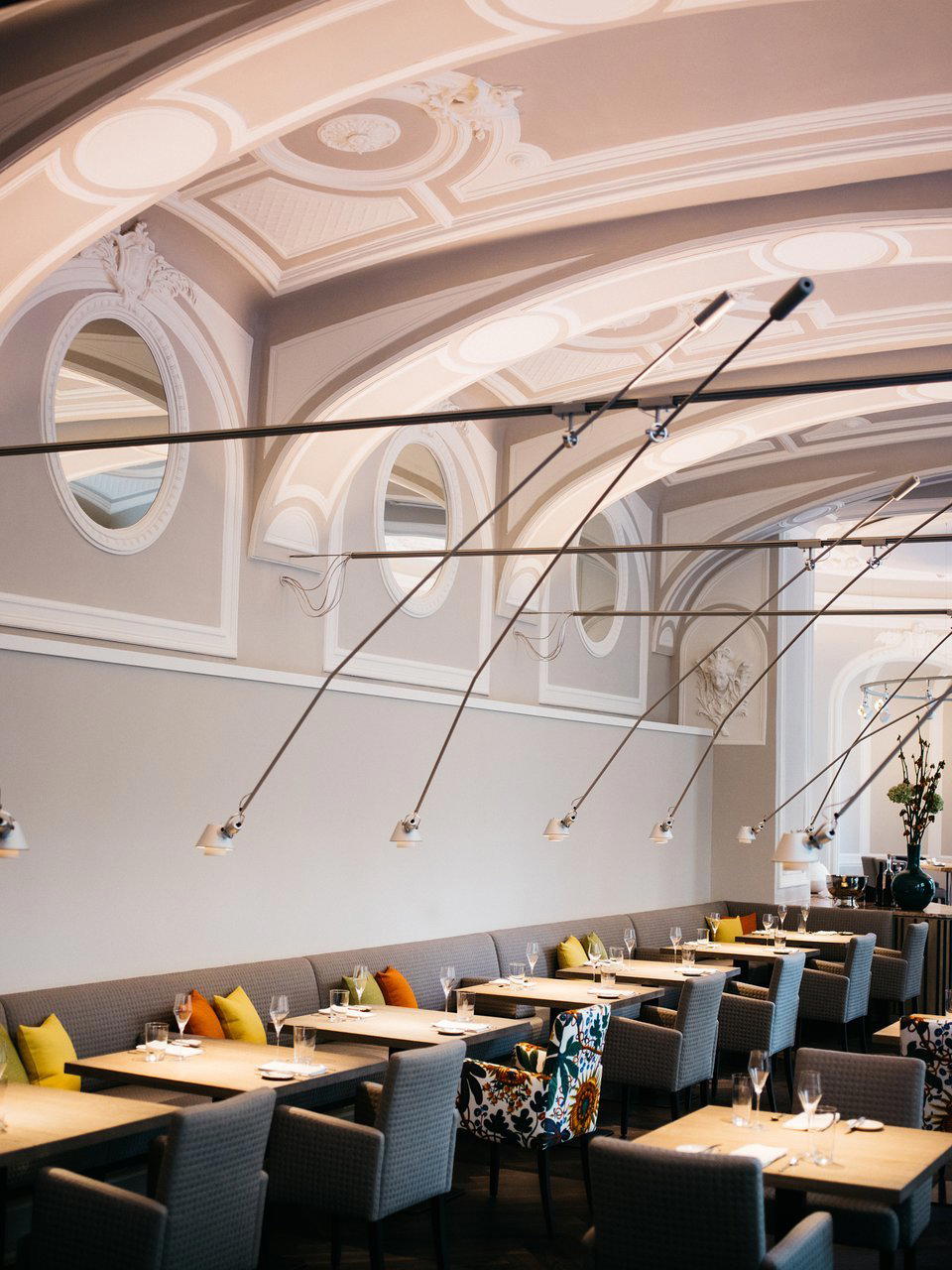
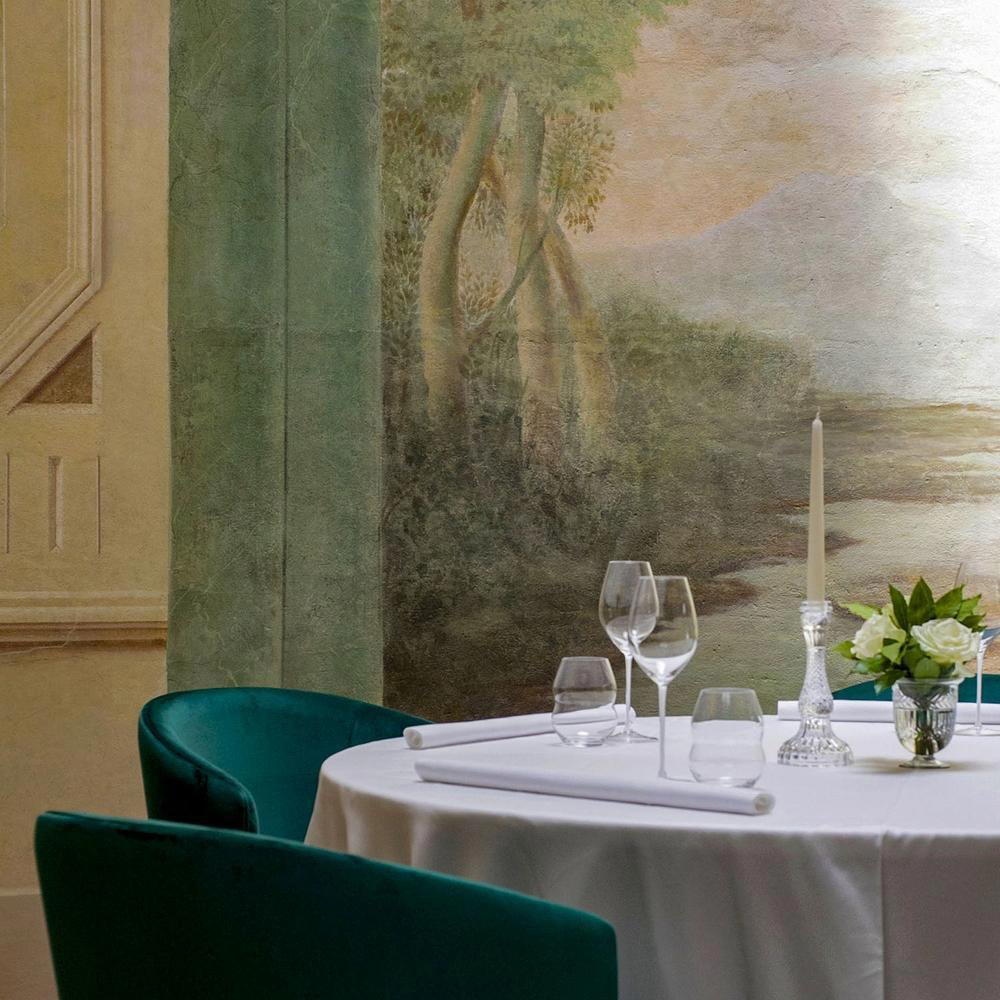
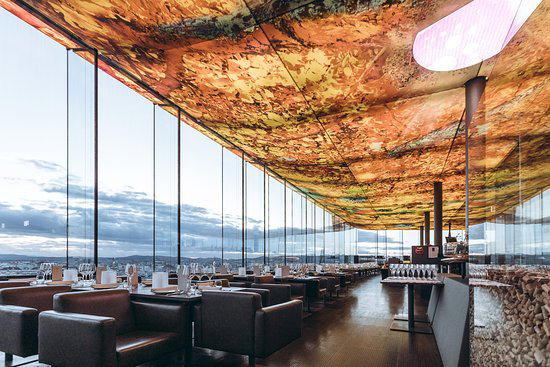
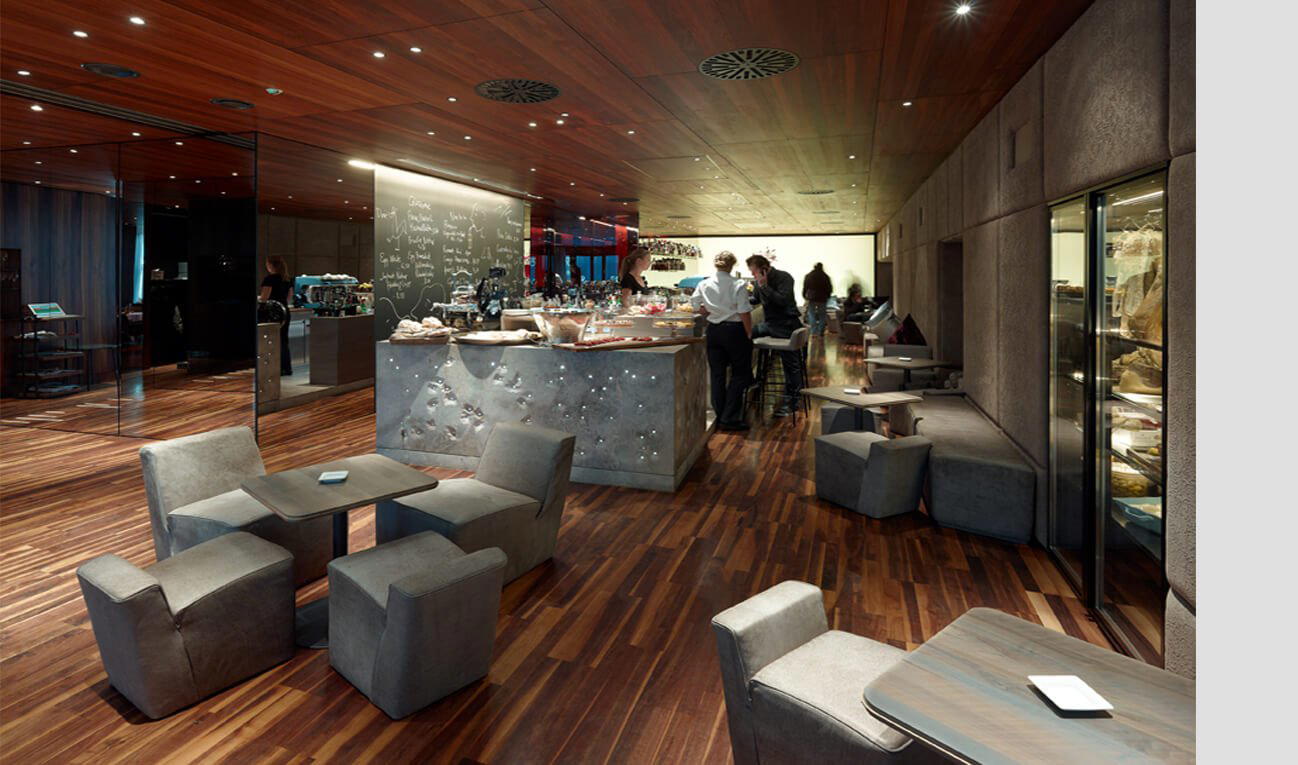
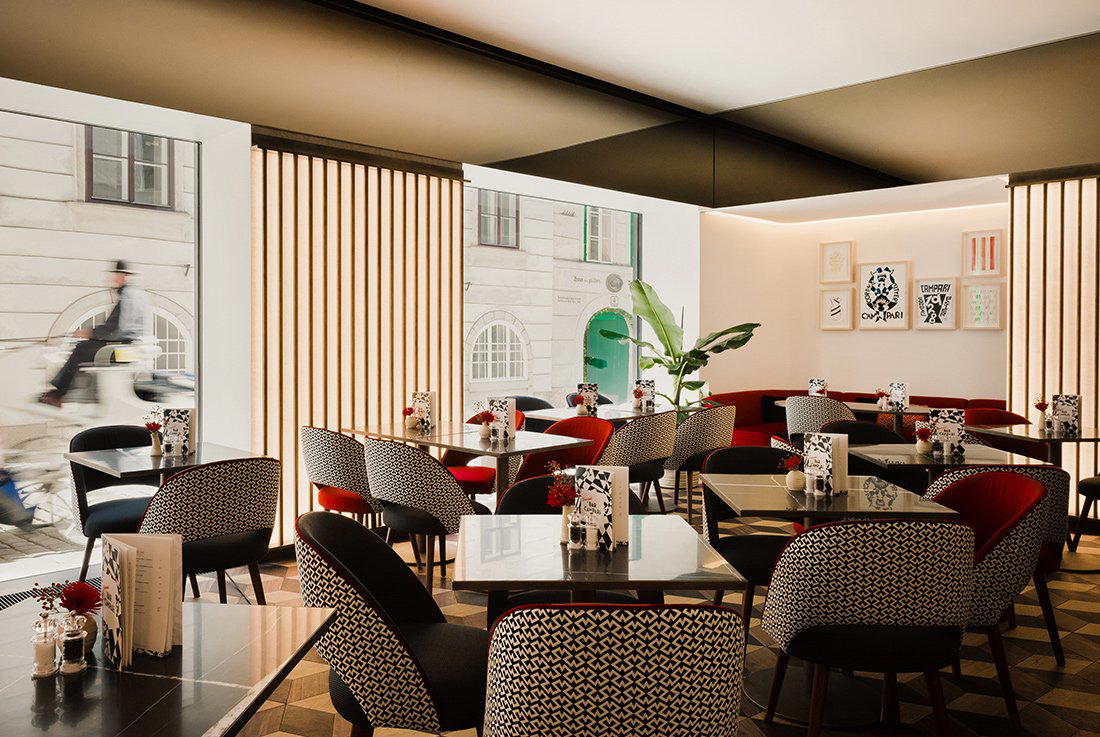
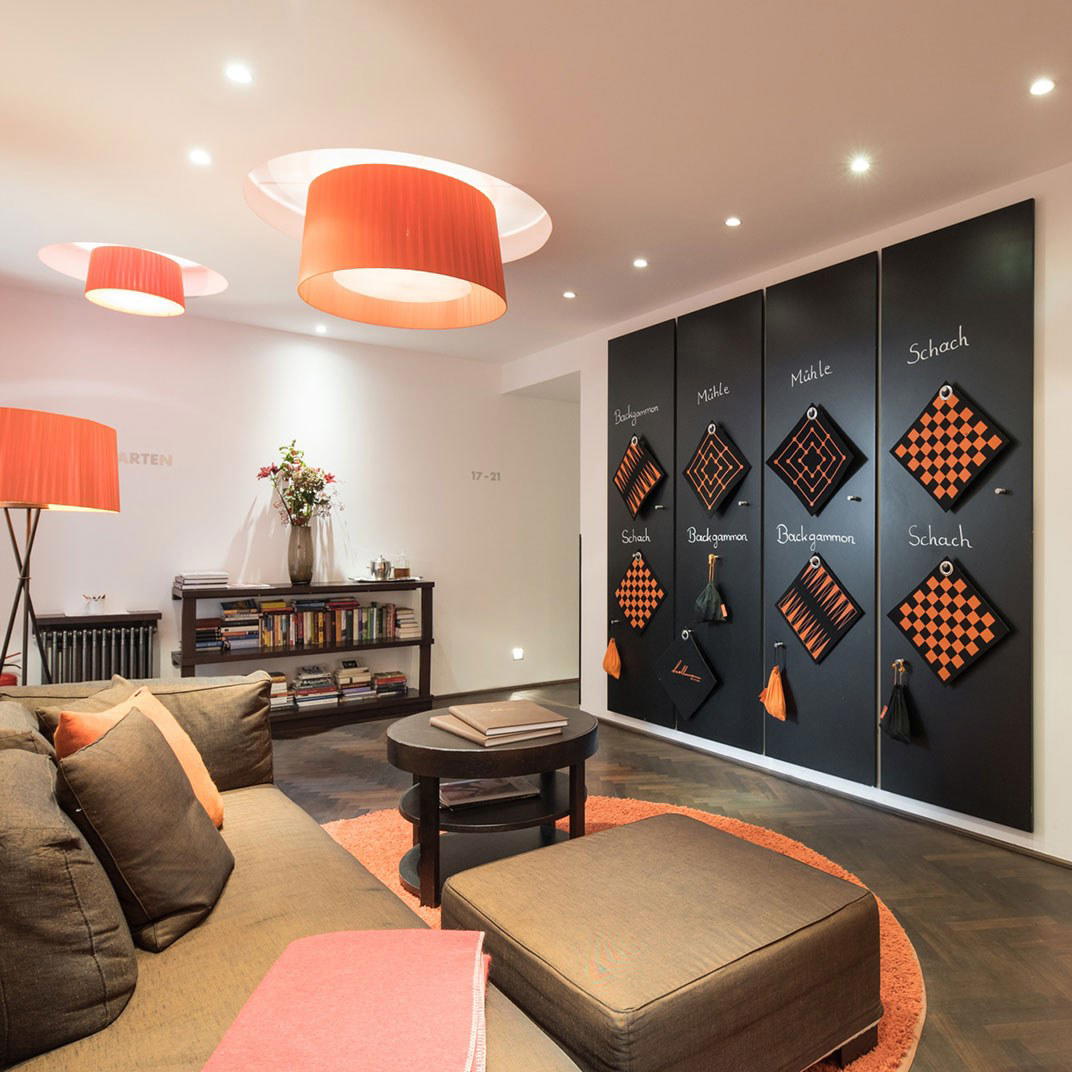
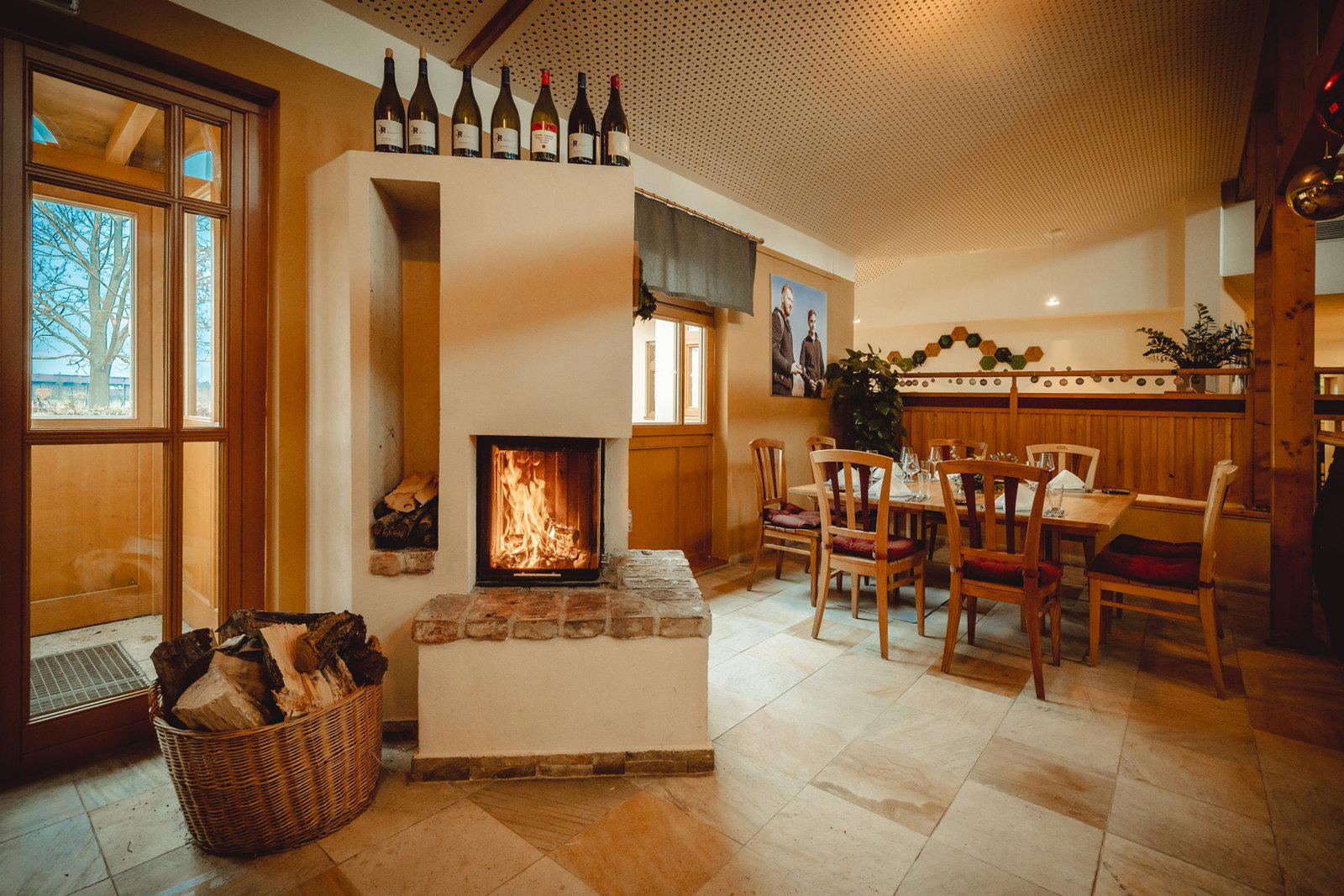
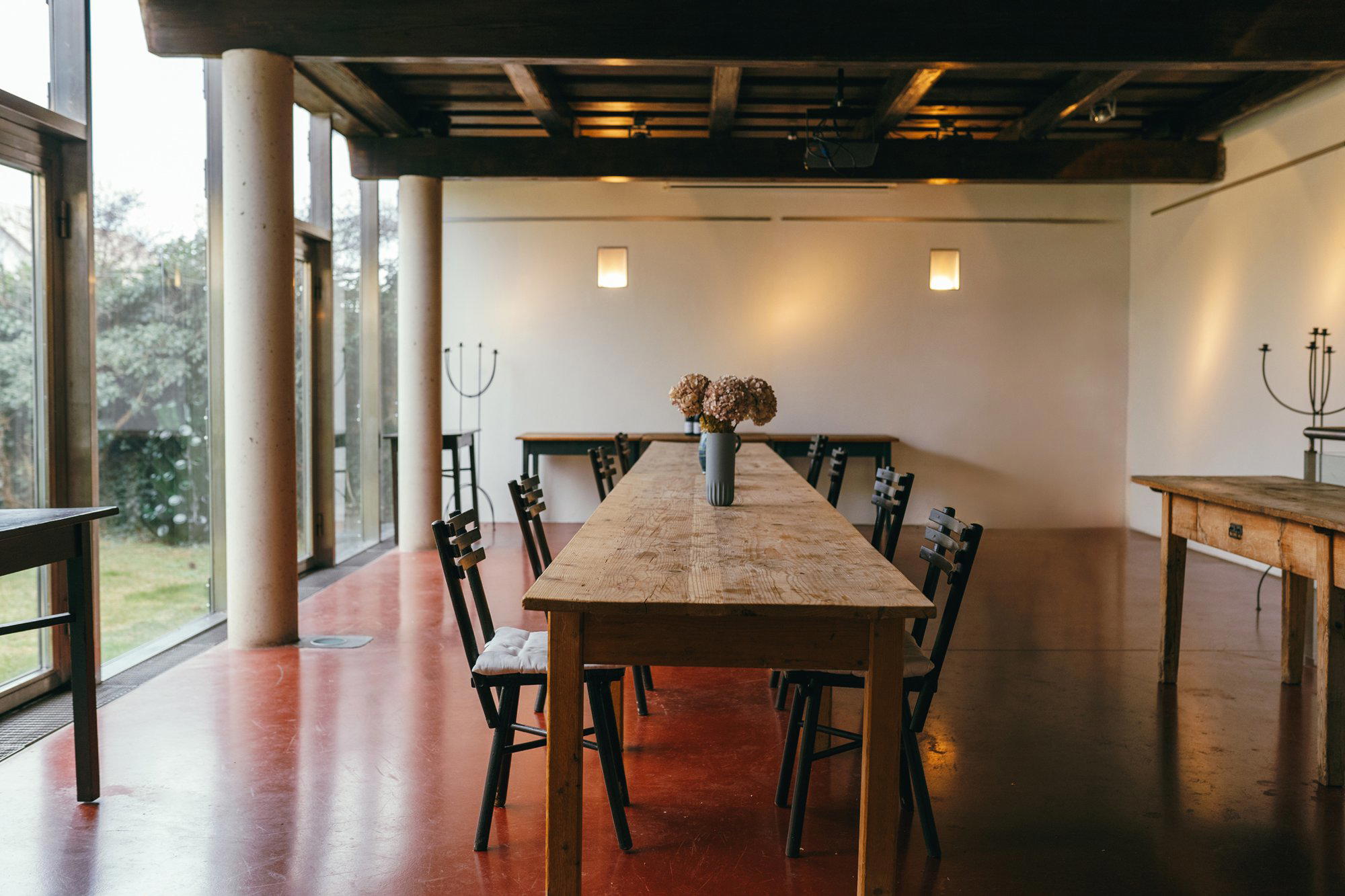
Pleasant casual atmosphere with stylish decor, warm and cozy under dimmed lights in cross-vaulted historical interior.