
Pomme de terre belongs to Tokyo’s quieter bread culture, away from department-store bakery counters and destination pastry salons. In Nishi-Ogikubo, its bagel, Western-style sweets, sandwich, and take-out format place it in a neighbourhood rhythm rather than a luxury dining circuit, with Tabelog Bread TOKYO 100 selections in 2020 and 2022 giving the small shop a measurable signal beyond local affection.
Pearl is the En Primeur Club membership app — saves, bookings, and concierge access live there. Same editors, same standards.
- Address
- 東京都杉並区西荻北4-8-2 ベイハイム西荻第三 101
- Phone
- +81353822611
- Website
- pomme-de-terre.net
 Saves & bookings on Pearl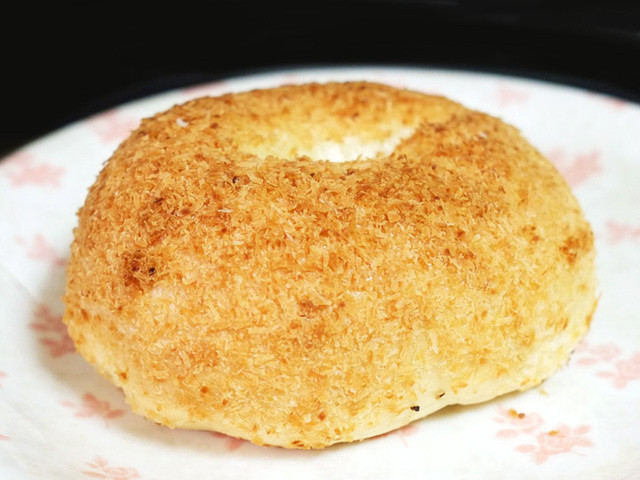
Approaching Nishi-Ogikubo from central Tokyo shifts the tempo before food enters the conversation. The station area is residential, bookish, and low-rise beside the city’s busier dining corridors; its appeal is in small specialist shops that reward detours rather than spectacle. Pomme de terre fits that geography: a take-out bread counter in a part of Tokyo where bakery culture is woven into errands, train transfers, and weekend routines.
Tokyo’s bread scene is often misunderstood by visitors who read the city through sushi counters, ramen queues, and kaiseki rooms. The capital has a deep bakery culture shaped by shokupan, French-influenced pastry, sandwich shops, and the habit of buying bread as a daily object rather than a special-occasion purchase. Bagels occupy a narrower lane. They do not carry the same cultural weight as in New York, nor the visibility of croissants and milk bread in Tokyo department-store basements. That makes a specialist bagel shop in Suginami more revealing than another polished dining-room reservation.
Nishi-Ogikubo's bakery culture rewards the small specialist
Nishi-Ogikubo sits west of the central restaurant grid, and its food identity favours compact, independent formats: ramen shops, curry rooms, cafés, bakeries, and owner-operated counters. The neighbourhood does not need the theatre of Ginza or Aoyama; it is strongest when a place does one category carefully and lets local demand work.
That frames Pomme de terre. Its categories are bagel, Western-style sweets, and sandwich, placing it inside Tokyo’s everyday bread economy rather than the formal restaurant circuit. Tabelog selected it for Bread TOKYO 100 in 2020 and again in 2022, with a 3.73 score attached to the listing. In a city crowded with bakery talent, that recognition matters: it identifies a shop whose reputation travels beyond the station catchment while remaining structurally small.
The comparison set clarifies the point. Sasaki Seimenjo represents Tokyo’s low-price ramen seriousness; TONKATSU KEITA occupies a higher-spend fried-pork bracket; Sennomago speaks to Chinese dining rather than bakery culture; ENTUKO and a tes souhaits! glace et chocolat sit closer on price or dessert-adjacent territory but not format. Pomme de terre is not competing for a long dinner or chef-counter seat. Its pressure comes from Tokyo bakery lists, local repeat custom, and the discipline of a take-out operation where the product must justify the trip without table service.
Bagels in Tokyo sit between daily bread and destination snack
The bagel’s Tokyo life differs from its North American role. Here it often appears as a specialist bakery object: portable, portioned, adaptable to sweet or savoury use, and bought with the same pragmatic pleasure as a sandwich or pastry. That is why the format works in Nishi-Ogikubo. It is not built around a tasting-menu arc or reservation ritual; it belongs to the urban choreography of arriving, choosing, leaving, and carrying something back to the train or home.
This matters for travellers. Tokyo dining itineraries often become overbuilt, with every slot treated as performance. A bread stop in Suginami cuts against that habit. It shows how local quality works outside the luxury tier: modest spend, narrow format, and recognition from a domestic dining platform rather than an international awards circuit. The price band sits below JPY 999, changing the stakes. The decision is not whether to sacrifice an evening reservation, but whether to use a west-side pause to understand another part of the city’s food grammar.
The take-out structure keeps the experience honest. Without a dining room to soften the encounter, the appeal must sit in the baked goods, timing, and reliability of the shop’s rhythm. No smoking, no private rooms, no parking, and no card or electronic payment support create a Tokyo kind of clarity: this is a small-format specialist, not a flexible hospitality machine. Those practical edges are part of the format, and visitors who treat it as a neighbourhood bakery rather than a full-service restaurant will read it correctly.
Where it fits in a Tokyo food itinerary
The restaurant makes the strongest sense paired with a west-side day, not forced into a cross-city checklist. Nishi-Ogikubo has enough independent food and retail texture to justify time on foot, and the shop’s scale suits a short stop rather than a lingering meal. Travellers building a broader Tokyo plan can use it as a counterweight to more formal meals, especially if the itinerary already includes sushi, yakitori, ramen, or hotel dining.
For a wider map of the city’s dining range, start with Our full Tokyo restaurants guide, then compare neighbourhood and format choices: . 鮪と炭火焼き うお炭 秋葉原店 for a seafood-and-grill direction in Akihabara, 12/10 Shinjuku ten for Shinjuku, 124. KAGURAZAKA (Yakitori) for a skewer-led Kagurazaka frame, 2D Cafe for café culture, and 3 Chome no Curry Ya San for curry. Visitors planning beyond restaurants can also cross-reference Our full Tokyo hotels guide, Our full Tokyo bars guide, Our full Tokyo wineries guide, and Our full Tokyo experiences guide.
Its value is calibration, not ceremony. After a few high-intensity meals, a recognised bread specialist shows another side of Tokyo: local, compact, and exacting without grandeur. That is why the address matters. In Nishi-Ogikubo, bakery culture is not decorative to the city’s dining identity; it is one way Tokyo residents measure daily quality.
For travellers extending the comparison across Japan and beyond, EP Club also covers dining in other cities, including -Grilled beef Sukiyaki- KAMAKURA TANUKIAN 鎌倉 たぬき庵 in Kamakura.cafe in Osaka.know in Kumamoto, (Shoku) Vietnam in Kawasaki, [Curry Senmon Ten] Maruyama Kyoju. in Sapporo, [ki:] in Kyoto, Jōdo Saké Bar in Los Angeles, and Onigiri Time in Pasadena. Those links are useful not because they mimic this shop, but because they show how format, price, and neighbourhood shape experience as much as cuisine does.
Same-City Peers
Comparable venues by price and recognition.
| Venue | Cuisine | Price | Notes |
|---|---|---|---|
| Pomme de terreThis venue — the venue you are viewing | Bagel shop and casual bakery cafe | $ | Not listed |
| Seijo Alps | Classic Japanese-European patisserie & café | $ | Setagaya |
| YELLOW COMPANY Ebisu honten | Soup curry | $ | Shibuya |
| The KARI | Japanese curry house | $ | Minato |
| Zopf Curry Pan Senmon Ten Guransuta ten | Curry bread specialty bakery | $ | Chiyoda |
| Fruit Parlour Goto | Seasonal Fruit Parlor & Café | $ | Taitō |
Recognition history
Dated appearances from independent guides and award organizations, with the underlying list record or original source where available.
Tabelog 100 #22 · No. 22
Tabelog · Tabelog 100 - Bread - TOKYO - 2022













At a Glance
- Casual Hangout
- Solo
- Standalone