
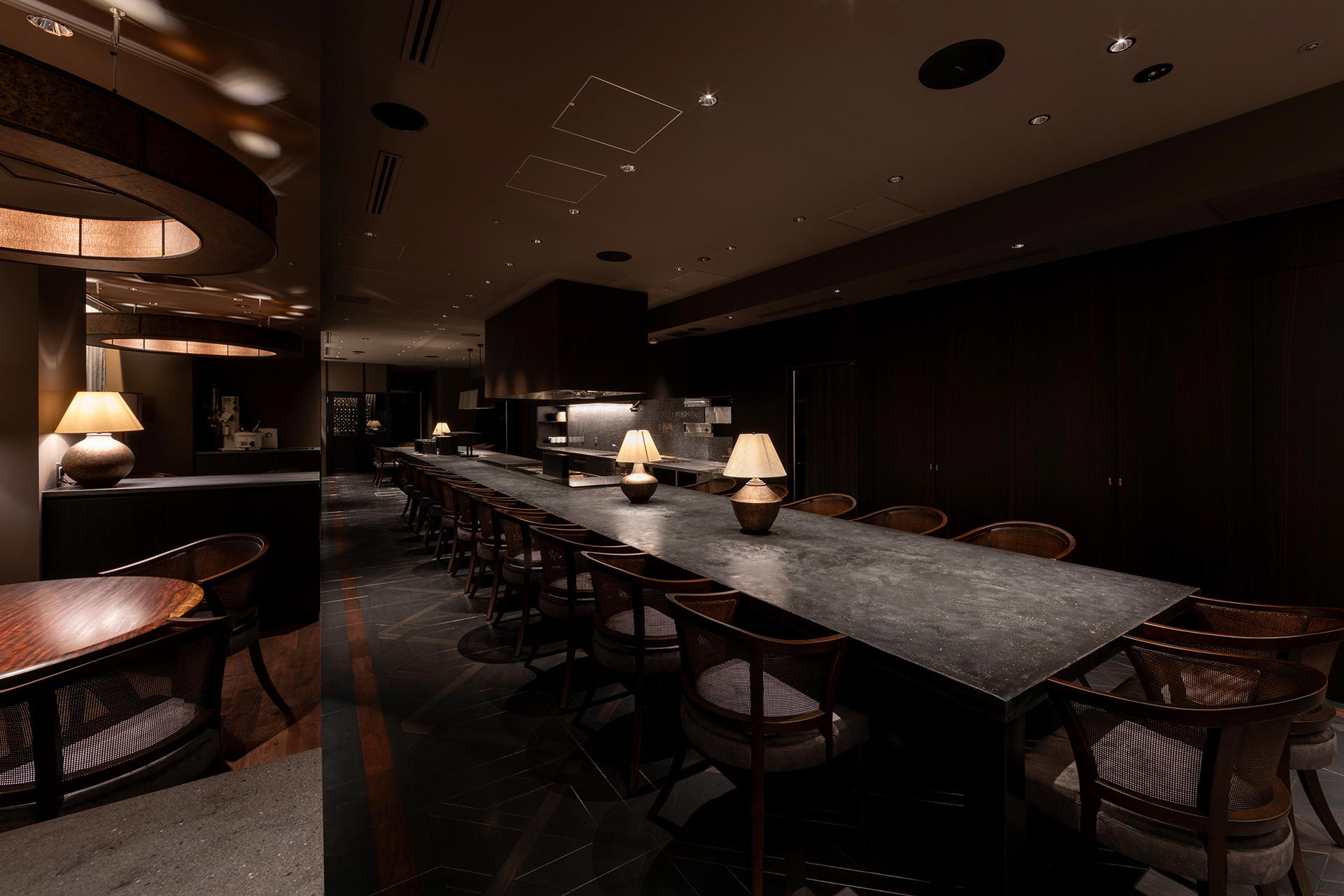
The KARI belongs to Tokyo’s serious curry-counter culture: compact, weekday-focused, and shaped around speed rather than ceremony. Its Tabelog Curry TOKYO 100 selection in 2024, 10-seat counter format, and Shinbashi-Onarimon location place it in the city’s practical lunch tradition rather than the reservation-led fine dining circuit.
Pearl is the En Primeur Club membership app — saves, bookings, and concierge access live there. Same editors, same standards.
- Address
- 東京都港区新橋5-31-7 中村ビル 1F
- Phone
- +81334372526
- Website
- tabelog.com
 Saves & bookings on Pearl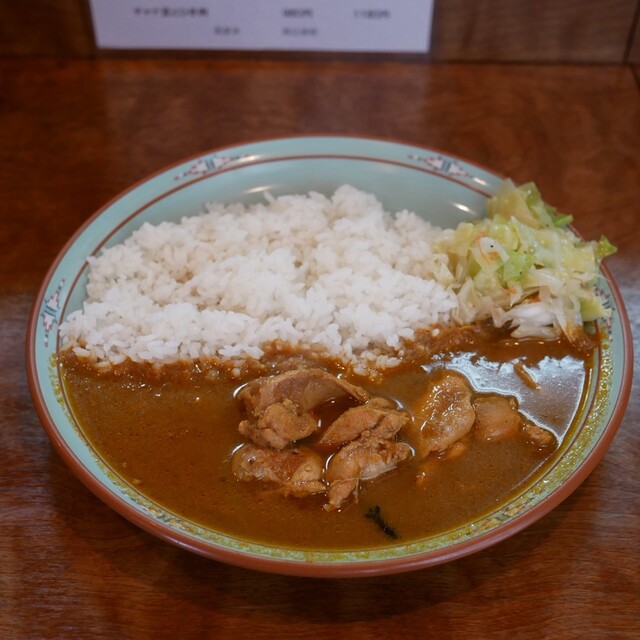
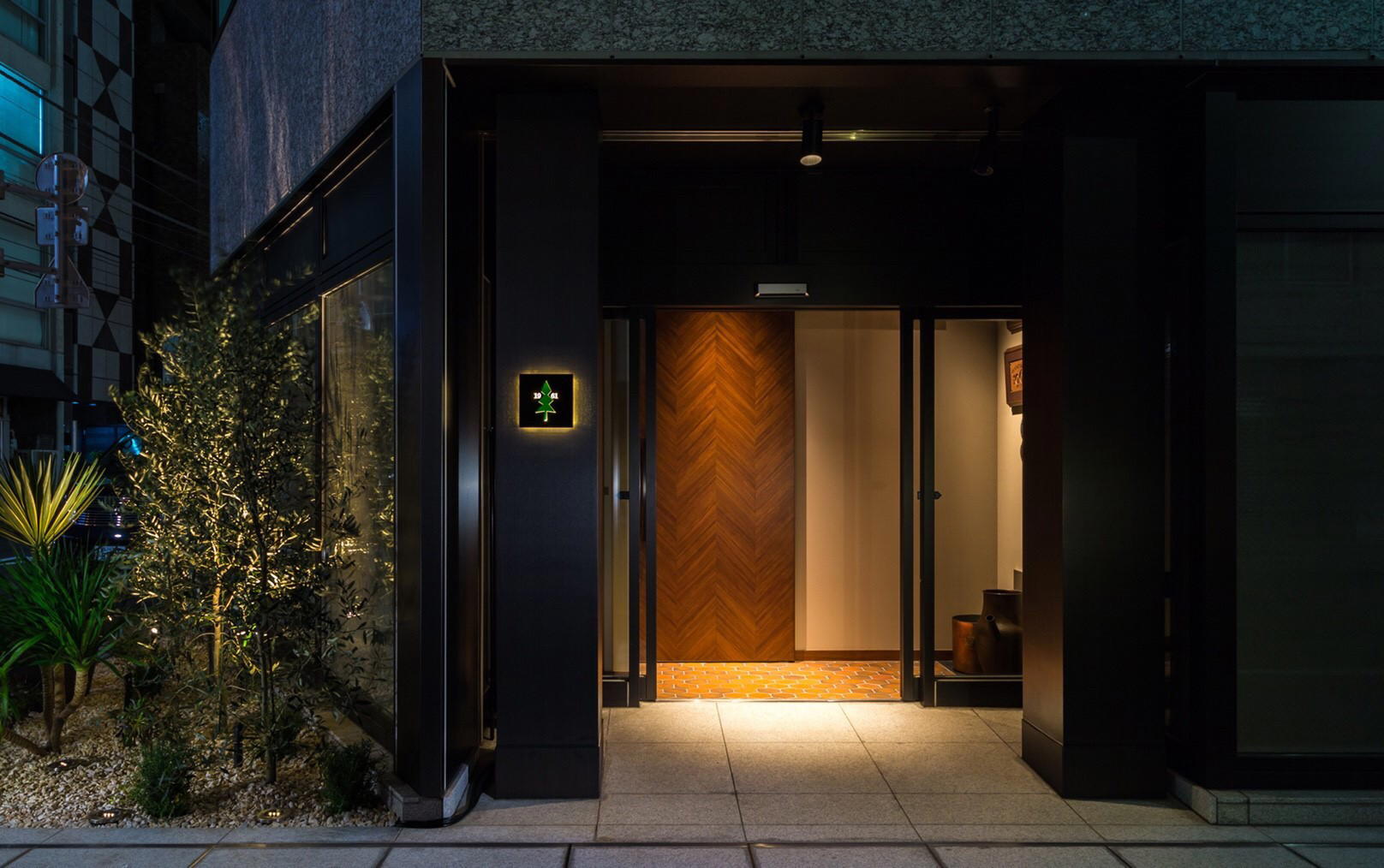
Approaching the Shinbashi side of Minato, Tokyo changes register: office towers, side streets, compact lunch rooms, and the weekday rhythm of people who know exactly where they are going. Curry in this part of the city is not treated as a casual afterthought. It is a timed ritual, usually brief, often counter-based, and judged by repeatability as much as flair. The KARI fits that grammar: a small counter room near Onarimon where the meal is built for focus, not lingering.
Tokyo’s curry culture has several lanes. There are old-school yoshoku rooms, spice-led independents, South Asian specialists, soup curry outliers, and lunch counters that serve a narrow purpose with discipline. The last category is the interesting one here. It asks less from the diner in ceremony and more in timing: arrive within the service window, expect a compact room, order without turning lunch into a performance, and understand that turnover is part of the format. That is not a compromise. In Tokyo, small curry counters often carry the same seriousness that sushi counters apply to sequence and tempura counters apply to pacing.
A 10-seat curry counter in Tokyo's weekday lunch rhythm
The useful way to read this address is through ritual. A 10-seat, counter-only curry restaurant changes the meal before the food arrives. Conversation narrows, decisions are made quickly, and the room’s scale makes hesitation visible. This is the opposite of the broad, multi-course Tokyo dining script seen at French or sushi hybrids such as Tomidokoro, and it is closer in spirit to precision-led single-category dining, the same city logic that makes a tempura specialist such as Tempura Kakiage Yukimura viable on its own terms.
The KARI’s price band sits in the everyday Tokyo curry range rather than the special-occasion tier, but the recognition signals a more competitive field. Tabelog selected it for Curry TOKYO 100 in 2024, and its listed score is 3.77. In a city where curry is both office lunch and obsession, that combination matters: low tariff, small capacity, and category recognition create pressure at peak meal times. The point is not luxury. The point is that Tokyo diners are willing to queue, compress schedules, and accept a narrow format when a counter has earned trust inside a crowded category.
That distinction also separates it from the city’s broader dining spectrum. A meal at 新ばし 星野 or 鮨 和美 belongs to a different cadence, shaped by course progression and reservation culture. Curry counters work by another code: shorter visits, fewer variables, and a direct relationship between the kitchen and the plate. For travellers, that can be more revealing than another long dinner. It shows how Tokyo treats repetition as a form of craft.
What the recognition says about Tokyo curry
Tabelog’s Curry TOKYO 100 list is not a decoration to paste onto a restaurant description. It is a useful map of how crowded and granular the city’s curry scene has become. Selection in 2024 places The KARI within a category where neighbourhood specialists compete against curry shops with different spice traditions, formats, and price positions. For context within EP Club’s Tokyo coverage, 3 Chome no Curry Ya San offers another curry reference point, while broader restaurant planning can start with Our full Tokyo restaurants guide.
The absence of a chef-centred public narrative is also instructive. Tokyo’s curry counters rarely need the cult of personality that surrounds omakase rooms. The credibility comes through the format, the consistency implied by repeat selection, and the diner behaviour it produces. A counter-only setup reduces the meal to essentials: order, eat, clear the seat for the next person. This is dining as a civic habit, not theatre.
That makes it a useful foil to other Tokyo categories. Yakitori at 124. KAGURAZAKA (Yakitori) runs on smoke, skewers, and pacing; 12/10 Shinjuku ten belongs to a different urban register;. 鮪と炭火焼き うお炭 秋葉原店 points toward charcoal and seafood in Akihabara. Curry in Shinbashi is more compressed. The reward is not extended service. It is the clarity of a specialist counter doing one category with enough conviction to draw recognition in a city dense with alternatives.
Planning the meal around the city, not just the counter
The surrounding area helps explain the format. Shinbashi and Onarimon sit inside Tokyo’s working-day geography, where weekday lunch is a serious logistical system. Small restaurants survive by being legible to regulars: limited seats, clear hours, fast turnover, and a payment rhythm that does not slow the room. The practical intelligence is simple: treat this as a weekday curry stop rather than a leisurely dinner plan, and build a nearby backup into the day if the counter is full.
For a wider Tokyo itinerary, the meal pairs better with neighbourhood movement than with a destination-only schedule. Use Our full Tokyo hotels guide for where to sleep, Our full Tokyo bars guide for later drinks, Our full Tokyo experiences guide for cultural planning, and Our full Tokyo wineries guide if the trip extends into Japan’s wine context. Within the broader Japan and Japanese-diaspora map, useful contrasts include -Grilled beef Sukiyaki- KAMAKURA TANUKIAN 鎌倉 たぬき庵 in Kamakura, [ki:] in Kyoto.cafe in Osaka.know in Kumamoto, (Shoku) Vietnam in Kawasaki, and [Curry Senmon Ten] Maruyama Kyoju. in Sapporo. Outside Japan, Jōdo Saké Bar in Los Angeles and Onigiri Time in Pasadena show how Japanese formats translate when removed from Tokyo’s density.
The editorial case is narrow and strong: this is a small Tokyo curry counter with category recognition, modest pricing, and a format that rewards diners who understand the city’s lunch discipline. It belongs on an itinerary not because it offers spectacle, but because it captures a local dining habit with unusual concentration.
Same-City Peers
Comparable venues by cuisine and price in the same metro.
| Venue | Cuisine | Price | Notes |
|---|---|---|---|
| The KARIThis venue — the venue you are viewing | Japanese curry house | $ | Not listed |
| Topca Kanda honten | Japanese & Indian-style Curry House | $ | Chiyoda |
| griotte Bakery cafe | French-influenced bakery café | $ | Meguro |
| YELLOW COMPANY Ebisu honten | Soup curry | $ | Shibuya |
| Nutty’s Caff | British-leaning Coffee Bar / Café | $ | Bunkyō |
| Katane Bakery | Neighborhood bakery & café | $ | Shibuya |
Recognition history
Dated appearances from independent guides and award organizations, with the underlying list record or original source where available.
Tabelog 100 #81 · No. 81
Tabelog · Tabelog 100 - Curry - TOKYO - 2024





At a Glance
- Cozy
- Intimate
- Solo
- After Work
- Casual Hangout
- Standalone
A simple, no-frills house-restaurant style curry shop with a small counter-only setup and non-smoking space, focused on efficient lunch service and bold, spicy curries rather than decor.