
Seijo Alps places the Tokyo cake-and-kissa ritual in a residential Setagaya setting rather than the department-store basement or hotel lounge. Its Tabelog Sweets TOKYO 100 selection in 2023, 52-seat salon format, and take-out counter make it a useful read on how classic Japanese pâtisserie functions as both neighborhood habit and destination sweets stop.
Pearl is the En Primeur Club membership app — saves, bookings, and concierge access live there. Same editors, same standards.
- Address
- 6 Chome-8-1 Seijo, Setagaya City, Tokyo 157-0066, Japan
- Phone
- +81 3-3482-2807
- Website
- shop.cake-cake.net
 Saves & bookings on Pearl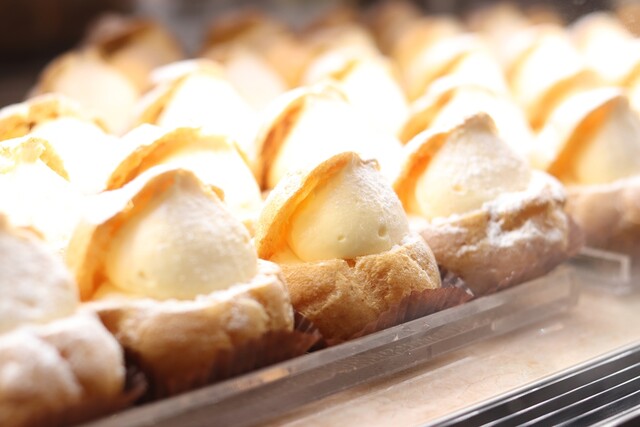
Approaching the Seijo side of Setagaya changes the tempo of Tokyo sweets. The city’s louder dessert addresses often sit in retail basements, station complexes, or fashion districts; here the ritual is quieter: cake chosen carefully, coffee or tea in a salon, and boxes carried back onto the Odakyu Line. That format matters. Tokyo’s cake culture is not only technical pastry, but how a neighborhood uses a pâtisserie as an everyday social room.
Seijo Alps belongs to an older Japanese-European sweets tradition where cake, kissa, and cafe service overlap rather than split into separate genres. Its 2023 selection for Tabelog Sweets TOKYO 100 places it among the city’s recognized sweets addresses, but the stronger signal is the format: a pastry counter with take-out, an attached salon, and enough seating to feel closer to afternoon custom than quick dessert errand. In a city where high-end dining often rewards scarcity, this is another kind of seriousness.
A cake salon in Setagaya, not a dessert counter built for spectacle
Tokyo’s contemporary sweets scene divides into several lanes: precision-led pâtisseries where the display case behaves like a jeweller’s tray, cafe-dessert rooms built around photogenic plates, and old-school kissa hybrids where cake joins coffee, conversation, and neighborhood errands. Seijo Alps sits firmly in the third lane, holding cake, Japanese coffee-shop culture, and cafe use under one roof.
That distinction matters because the Tokyo dessert map can flatten quickly for visitors. A place such as 2D Cafe speaks to the city’s appetite for visual concept rooms, while Seijo’s model is the long-running salon habit: choose from the case, sit without turning the room into a stage, or take a box home. Compared with low-ticket bakery stops such as L'atelier de Plaisir in Tokyo, which sits in a lower listed price band, this occupies a modest but slightly more composed cake-and-cafe tier. Anya, also listed in Tokyo at a similar JPY 1,000 to JPY 1,999 band, gives useful price context, but the draw is less bargain hunting than the persistence of the salon format.
The neighborhood sharpens the point. Setagaya is not Ginza, Aoyama, or Nihonbashi; Seijo carries residential polish rather than central-city theatre. The ritual feels local in a way travelers often miss: families, friends, take-out customers, and salon guests using the same sweets counter for different purposes. Tokyo dining coverage tends to privilege counter seats and reservation wars; cake salons show another side of the city’s food culture, built around repetition and daytime pacing.
The ritual is selection, pause, and carry-home
The Japanese cake-shop ritual is unusually disciplined. The first decision happens at the case, where individual portions do the work that plated desserts do elsewhere. The second is whether to sit or leave with a box. The third is timing: pastry in Tokyo is often part of a planned afternoon rather than an afterthought. Seijo Alps supports that rhythm through salon and take-out service, letting one address function as cafe, sweets shop, and gift stop.
That flexibility explains why the category has lasted. A kissa-adjacent cake salon is not competing directly with tasting-menu restaurants or cocktail bars; it competes with time. The question is whether the room justifies a pause in a city itinerary. The answer is strongest for travelers already reading Tokyo beyond the usual central grid, or anyone who understands that a 1960s-founded pâtisserie in a residential ward can say as much about Tokyo taste as a new omakase counter.
The Tabelog 100 Sweets recognition gives a measurable trust signal without turning the place into an awards chase. It also places the shop in a citywide sweets conversation rather than merely a neighborhood one. Tokyo has deep benches in pastry, bread, wagashi, parfait rooms, and kissaten; recognition in the sweets category matters because the competition is broad and highly specialized. Still, the appeal is not trophy dining. It is the pleasure of a category that rewards pacing, restraint, and repeat use.
How to fit it into a Tokyo food day
Seijo works better as a planned daytime detour than a late-night dining anchor. Pairing it with heavier restaurant reservations misses the point; treat the salon as a break between neighborhoods or as a Setagaya-focused stop before returning toward central Tokyo. For broader planning, Our full Tokyo restaurants guide maps the city’s dining range, from casual curry rooms like 3 Chome no Curry Ya San to grill-led addresses such as . 鮪と炭火焼き うお炭 秋葉原店, yakitori references including 124. KAGURAZAKA (Yakitori), and city-center options such as 12/10 Shinjuku ten.
Travelers building a fuller Tokyo itinerary should treat sweets as its own category, not dessert tacked onto dinner. The same editorial logic applies across the city’s hospitality map: Our full Tokyo hotels guide helps locate the stay, Our full Tokyo bars guide covers the evening shift, Our full Tokyo wineries guide tracks wine-focused addresses, and Our full Tokyo experiences guide supports cultural planning around meals. Seijo Alps fits the quieter middle of that day, when a table, cake case, and cup of coffee carry more value than another reservation badge.
For readers comparing across Japan and beyond, the useful frame is format rather than cuisine label. Cafe culture takes different shapes at.cafe in Osaka.know in Kumamoto, and [ki:] in Kyoto, while casual comfort follows other rules at (Shoku) Vietnam in Kawasaki, [Curry Senmon Ten] Maruyama Kyoju. in Sapporo, and -Grilled beef Sukiyaki- KAMAKURA TANUKIAN 鎌倉 たぬき庵 in Kamakura. Even overseas Japanese-leaning formats, from Jōdo Saké Bar in Los Angeles to Onigiri Time in Pasadena, show how much structure matters: counter, cafe, bar, or take-out window changes the entire meal.
The editorial case for the restaurant is precise. It is not trying to be a central Tokyo statement restaurant, and should not be judged like one. Its value lies in a recognized sweets program, salon-and-take-out format, and Setagaya setting that makes cake feel like daily urban life. For travelers who already understand Tokyo through sushi counters and ramen queues, this is a useful corrective: dessert culture here has its own etiquette, timing, and authority.
The Short List
Comparable venues for context, by category and price tier.
| Venue | Cuisine | Price | Notes |
|---|---|---|---|
| Seijo AlpsThis venue — the venue you are viewing | Not listed | $ | Not listed |
| Antica Gelateria Tamagawa ten | Setagaya, Italian gelato shop | $ | Not listed |
| Pomme de terre | Not listed | $ | Suginami, Bagel shop and casual bakery cafe |
| Dans Dix ans | Kichijoji, Artisan Japanese Bakery | $ | Not listed |
| M Size | Meguro, Neighborhood bakery | $ | Not listed |
| Daily Chico | Nakano, Soft serve ice cream shop | $ | Not listed |
Recognition history
Dated appearances from independent guides and award organizations, with the underlying list record or original source where available.
Tabelog 100 #75 · No. 75
Tabelog · Tabelog 100 - Sweets - TOKYO - 2023














At a Glance
- Classic
- Cozy
- Quiet
- Casual Hangout
- Solo
- Family
- After Work
- Standalone
Current opening hours
- Monday
- 10 AM–6 PM
- Tuesday
- Closed
- Wednesday
- 10 AM–6 PM
- Thursday
- 10 AM–6 PM
- Friday
- 10 AM–6 PM
- Saturday
- 10 AM–6 PM
- Sunday
- 10 AM–6 PM
Hours can change for holidays and private events. Last verified .
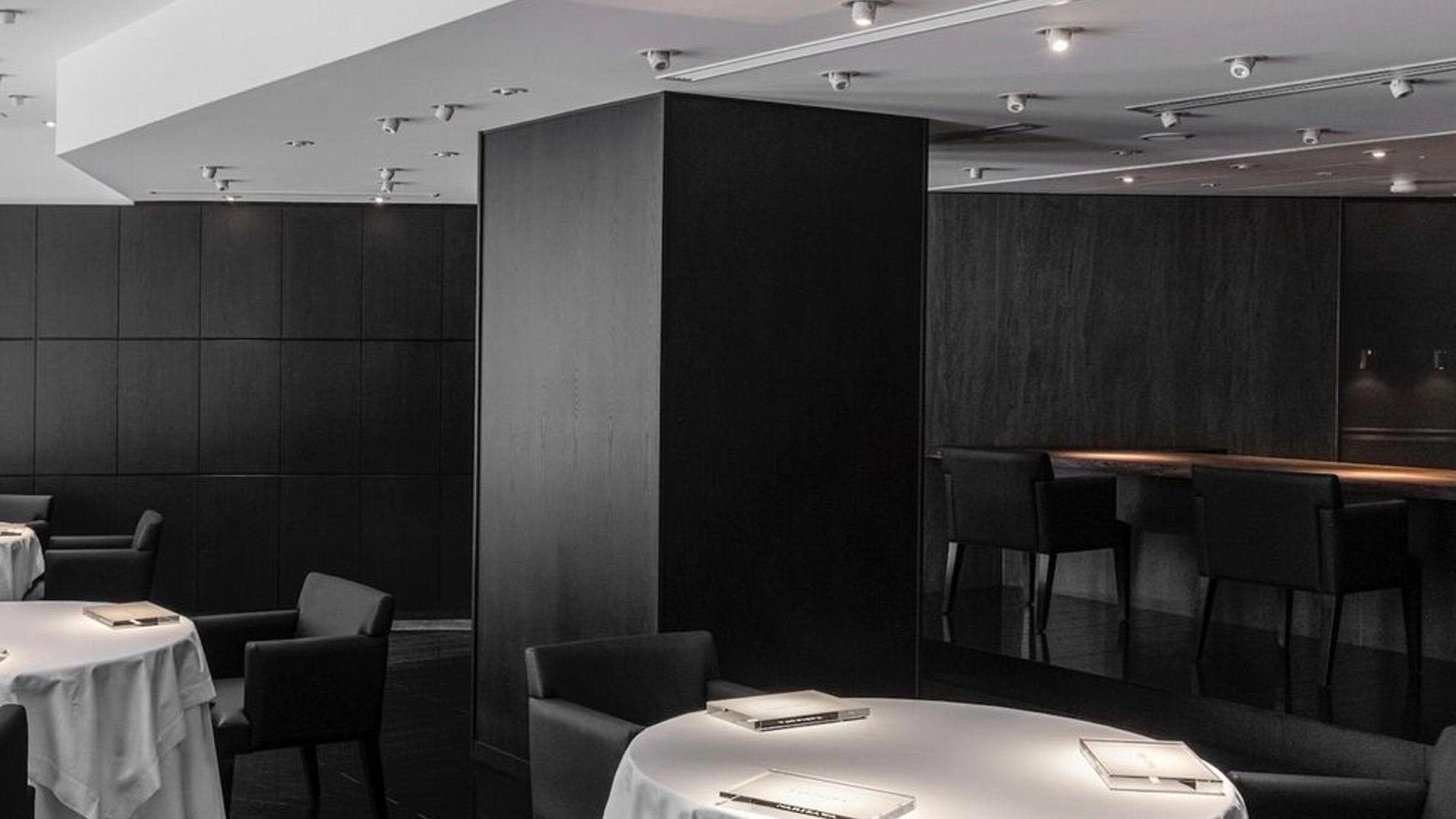
A classic neighborhood cake shop and café with a calm, low-key atmosphere, display cases of traditional sweets, and a relaxed, old-school kissaten-style vibe suited to quiet breaks rather than bustling crowds.