Persian cuisine occupies a distinct niche in Mainz's dining scene, and Kababsara on Kurmainzstraße 48 is one of the few addresses in the city serving it with any seriousness. The kitchen centres on the kabab traditions of Iran, a format that rewards direct ordering decisions and works well for those who want something genuinely different from the Rhine region's German and French-leaning defaults.
Pearl is the En Primeur Club membership app — saves, bookings, and concierge access live there. Same editors, same standards.
- Address
- Kurmainzstraße 48, 55126 Mainz, Germany
- Phone
- +4961316988077
- Directions
- Get directions
 Saves & bookings on Pearl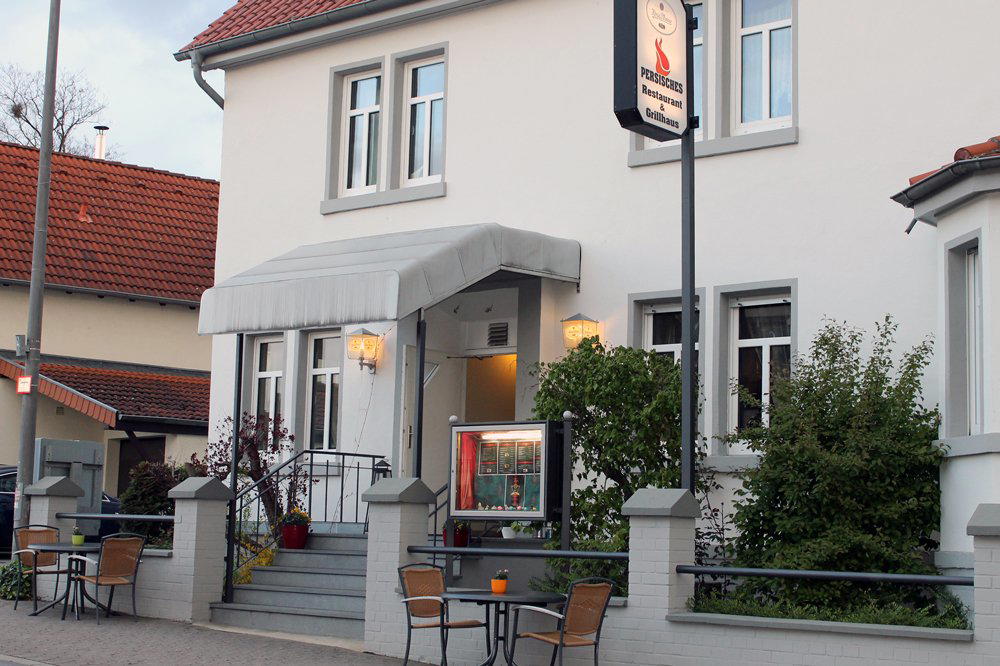
Persian Food in a City That Doesn't Often Serve It
Mainz runs on wine, Riesling in particular, and its restaurant scene reflects that agricultural identity with a strong bias toward classic German cooking, regional farm-to-table formats, and French-influenced fine dining. Kababsara sits in an entirely different register: a Persian kitchen on Kurmainzstraße 48 in the Bretzenheim district, operating in a category that has almost no competition in this city.
That scarcity matters editorially. Persian food is one of the oldest culinary traditions in the world, built on long-cooked stews, saffron, dried limes, pomegranate molasses, and the kind of charcoal-grilled kabab work that predates most European fine-dining conventions by centuries. In Germany's major cities, Persian restaurants cluster in Frankfurt, Berlin, and Cologne, where larger diaspora communities support the cuisine. In Mainz, with a population under 225,000, dedicated Persian kitchens are rare. For visitors or residents who know what they're looking for, that scarcity makes Kababsara's address worth knowing.
The Kabab Format and What It Requires of the Diner
The name itself signals the kitchen's orientation. Kababsara translates roughly as "kabab house" or "place of kababs," and the format is built around grilled meat preparations rather than the stew-heavy dishes like ghormeh sabzi or fesenjan that define Persian home cooking in a different direction. Kabab koobideh, ground lamb or beef seasoned with onion and formed around flat skewers, and kabab barg, thinly sliced and marinated fillet cuts, are the structural anchors of this kind of menu. Saffron rice and grilled tomatoes are the standard accompaniments, and the quality of both reveals a great deal about how seriously the kitchen takes its sourcing.
This is not a cuisine that rewards passive ordering. Knowing the difference between koobideh and barg, understanding that chelo kabab is the rice-and-kabab combination that functions as the national dish of Iran, and recognising that bread service (often lavash or sangak in Persian restaurants) can matter as much as the proteins, these are the things that separate a satisfying meal from an uninformed one. Kababsara's positioning as a specialist kabab house, rather than a broad Persian menu, suggests the kitchen has made a deliberate editorial choice about where to concentrate its effort.
Kurmainzstraße and the Bretzenheim Context
The Bretzenheim district sits southwest of Mainz's historic core, a residential neighbourhood removed from the tourist footprint of the Altstadt. Addresses here are not in competition with the hotel restaurant formats around the city centre, places like ATRIUM Restaurant im Atrium Hotel Mainz, nor are they pitching to the same audience as wine-bar adjacent spots like Bellpepper or Brunfels Restaurant. The draw here is specifically the cuisine, which means the clientele self-selects accordingly. Restaurants in this kind of neighbourhood position tend to survive on local repeat business and word-of-mouth rather than foot traffic or tourist discovery cycles.
Getting to Kurmainzstraße 48 from central Mainz typically takes around fifteen to twenty minutes on foot or a short tram ride southwest. Reservations are recommended. This is a common characteristic of small, owner-operated ethnic restaurants in German cities, where walk-in culture is more prevalent than reservation systems. The practical implication is addressed directly below.
Planning Your Visit: What the Sparse Public Record Means
Hours are Tue to Sat, 5 to 10 PM, and Sun, 12 to 9 PM; Monday is closed. This does not mean the restaurant is difficult to access, it means the visitor needs to do more groundwork before arriving. For travellers comparing Kababsara to the research experience of booking, say, Aqua in Wolfsburg or JAN in Munich, where reservation systems and websites are well-established, the contrast is significant.
The practical approach: visit in person during what are likely standard lunch or dinner service windows, or attempt to locate the restaurant through German business directories or Google Maps for current trading hours. Restaurant closures and adjusted hours are common across the sector, and for a small independent without a digital presence, confirming current operation before making a journey from outside Mainz is worth the extra step. This is not a venue where you book three months ahead like a counter seat at a Michelin-starred address, the challenge is simply confirming it is open on the day you intend to go.
Kababsara sits in an accessible everyday price tier at about $20 per person. For context on what that price tier signals about a dining format: this is neighbourhood-regular territory, not special-occasion territory.
For a broader map of where Kababsara fits within Mainz's dining picture, compare it with the city's fine dining and specialist independent restaurants. Understanding where the category boundaries sit helps calibrate expectations. For international comparison, the omakase format at Atomix in New York City or the seafood precision of Le Bernardin in New York City represents the opposite end of the planning-and-reservation spectrum.
In Context: Similar Options
Comparable venues nearby, for context on price, style, and recognition.
| Venue | Cuisine | Price | Notes |
|---|---|---|---|
| Persisches Restaurant KababsaraThis venue — the venue you are viewing | Authentic Persian | $$ | Not listed |
| ATRIUM Restaurant im Atrium Hotel Mainz | Modern Regional German | $$$ | Mainz-Finthen |
| Il Forno a Legna | Italian Wood-Fired Pizza | $$ | Mainz |
| La Gallerie | Modern European Fine Dining | $$$ | Altstadt |
| Kamin | Flammkuchen Restaurant | $$ | Altstadt |
| Il Mondo GmbH | Authentic Regional Italian | $$$ | Mainz |
Continue exploring
More in Mainz
Restaurants in Mainz
Browse all →
Bars in Mainz
Browse all →


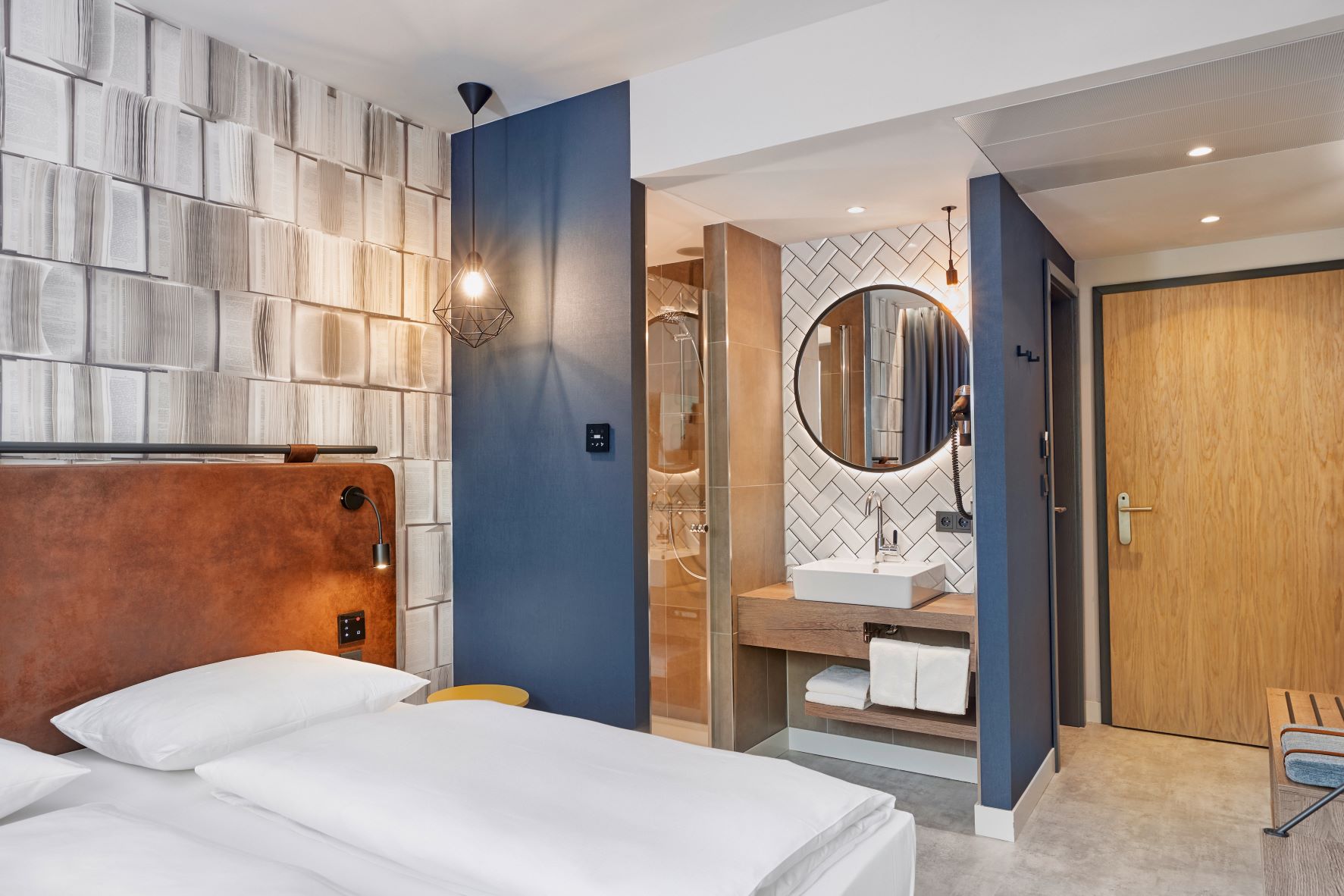
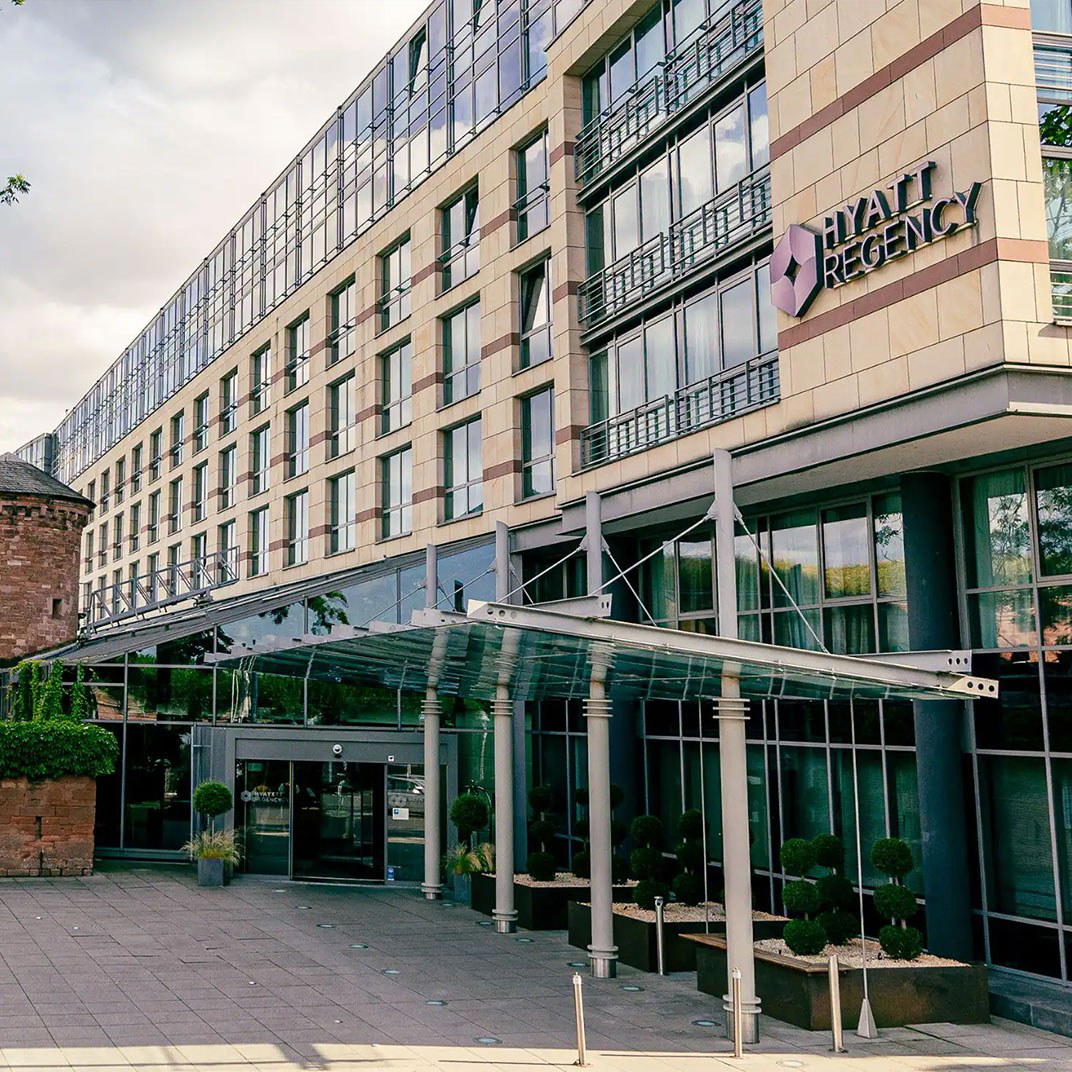
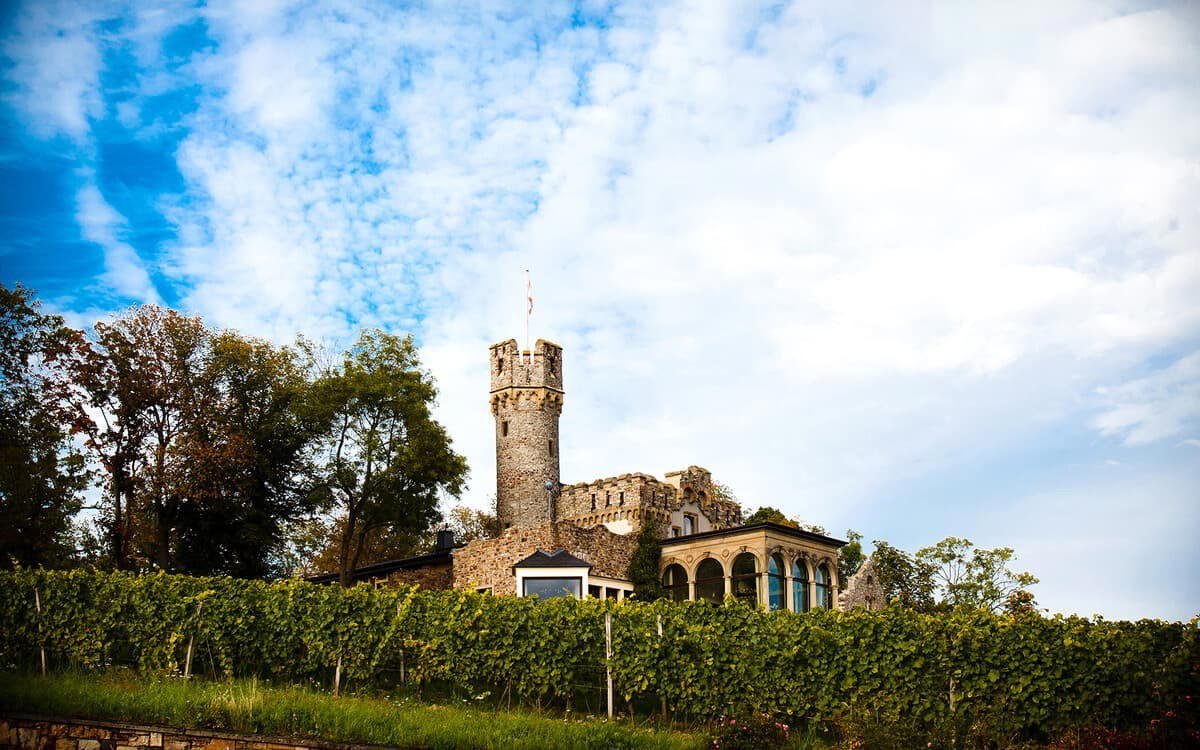
Hotels in Mainz
Browse all →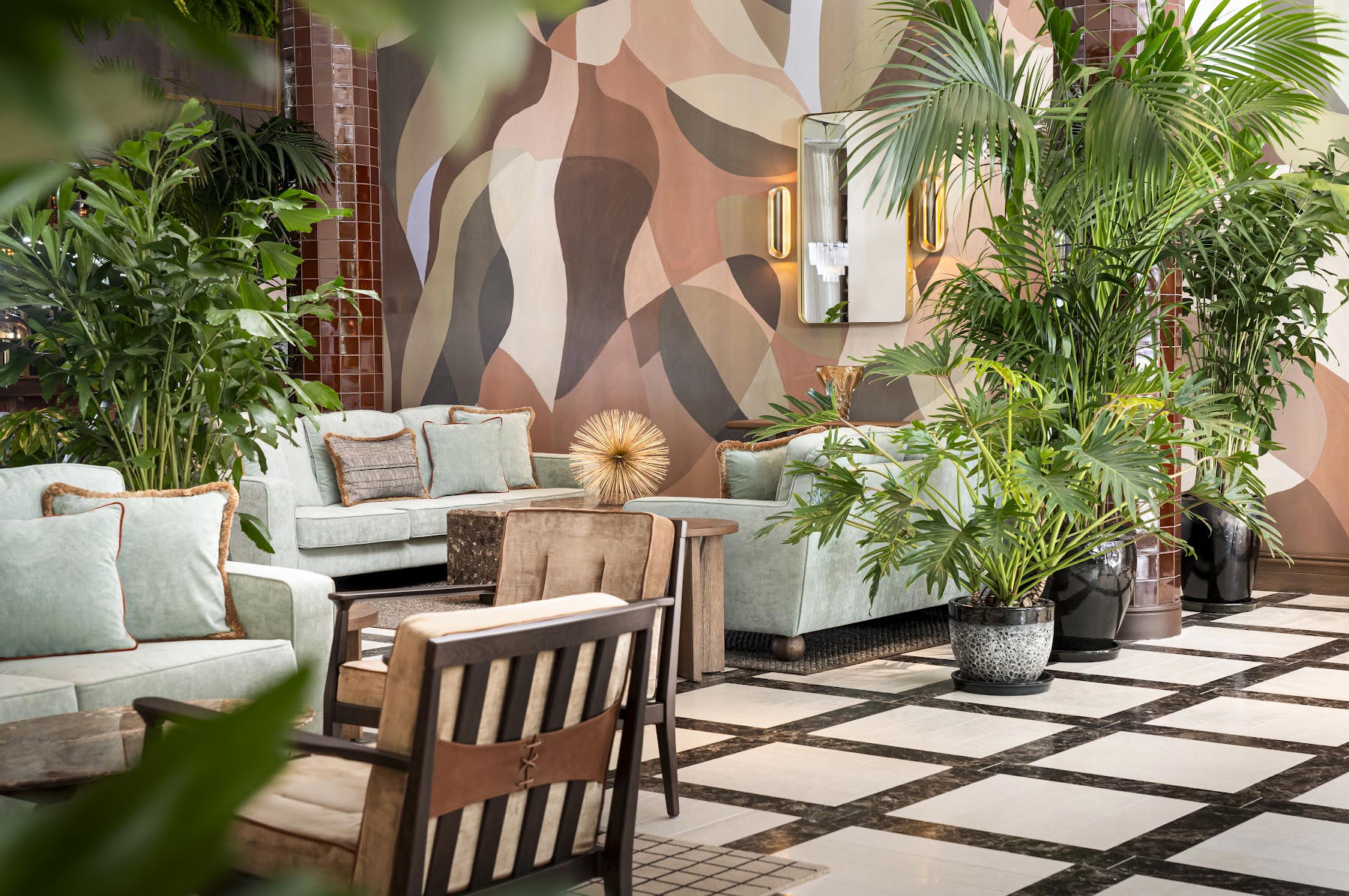
At a Glance
- Cozy
- Family
- Casual Hangout
- Beer Program
Current opening hours
- Monday
- Closed
- Tuesday
- 5–10 PM
- Wednesday
- 5–10 PM
- Thursday
- 5–10 PM
- Friday
- 5–10 PM
- Saturday
- 5–10 PM
- Sunday
- 12–9 PM
Hours can change for holidays and private events. Last verified .
Warm and familial atmosphere as described in guest reviews.