Domdechant Werner’sches Weingut

Falstaff Winery - 3 Stars
One of the Rheingau's most historically rooted estates, Domdechant Werner'sches Weingut sits at Rathausstraße 30 in Hochheim am Main, where the town's limestone and loess soils meet a microclimate shaped by the Main's southern exposure.

Pearl is the En Primeur Club membership app — saves, bookings, and concierge access live there. Same editors, same standards.
- Address
- Rathausstraße 30, 65239 Hochheim am Main
- Phone
- +49 6146 835037
- Website
- domdechantwerner.com
- Directions
- Get directions
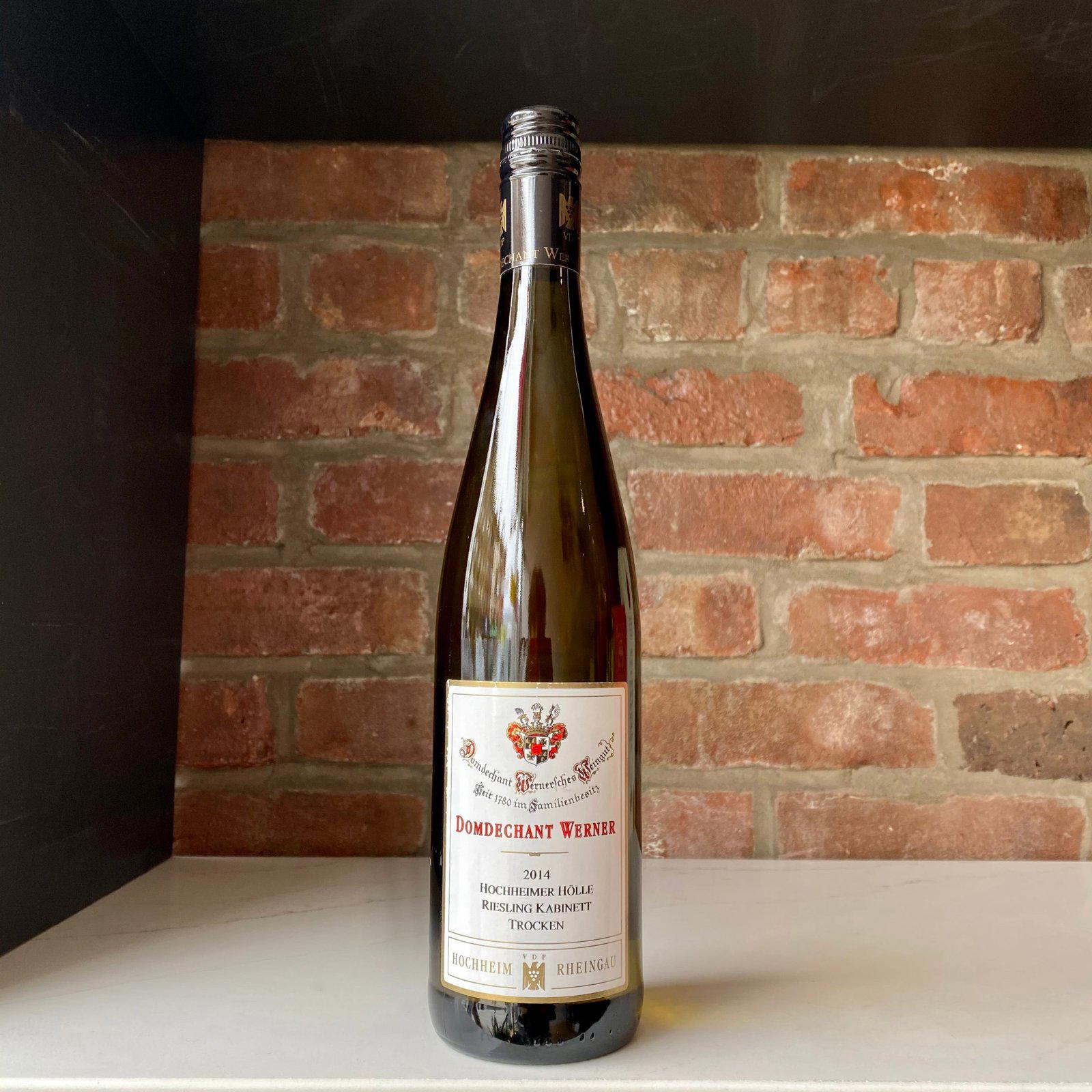
Where the Main Bends and Riesling Takes a Different Shape
Hochheim am Main occupies an unusual position in the Rheingau. The town sits at the far eastern edge of the appellation, where the Rhine's tributary the Main creates a south-facing amphitheatre of slopes quite distinct from the steep riverside terraces at Rüdesheim or the broad plateau vineyards around Oestrich-Winkel. The soils here shift toward limestone and loess, with heavier clay components in the lower plots, producing Rieslings that tend toward a fuller, rounder expression than the mineral austerity associated with the western Rheingau. It is this geological divergence that gives Hochheim its character, and it is the reason estates like Domdechant Werner'sches Weingut, at Rathausstraße 30, have long attracted attention from collectors willing to look past the more famous village names on the wine map.
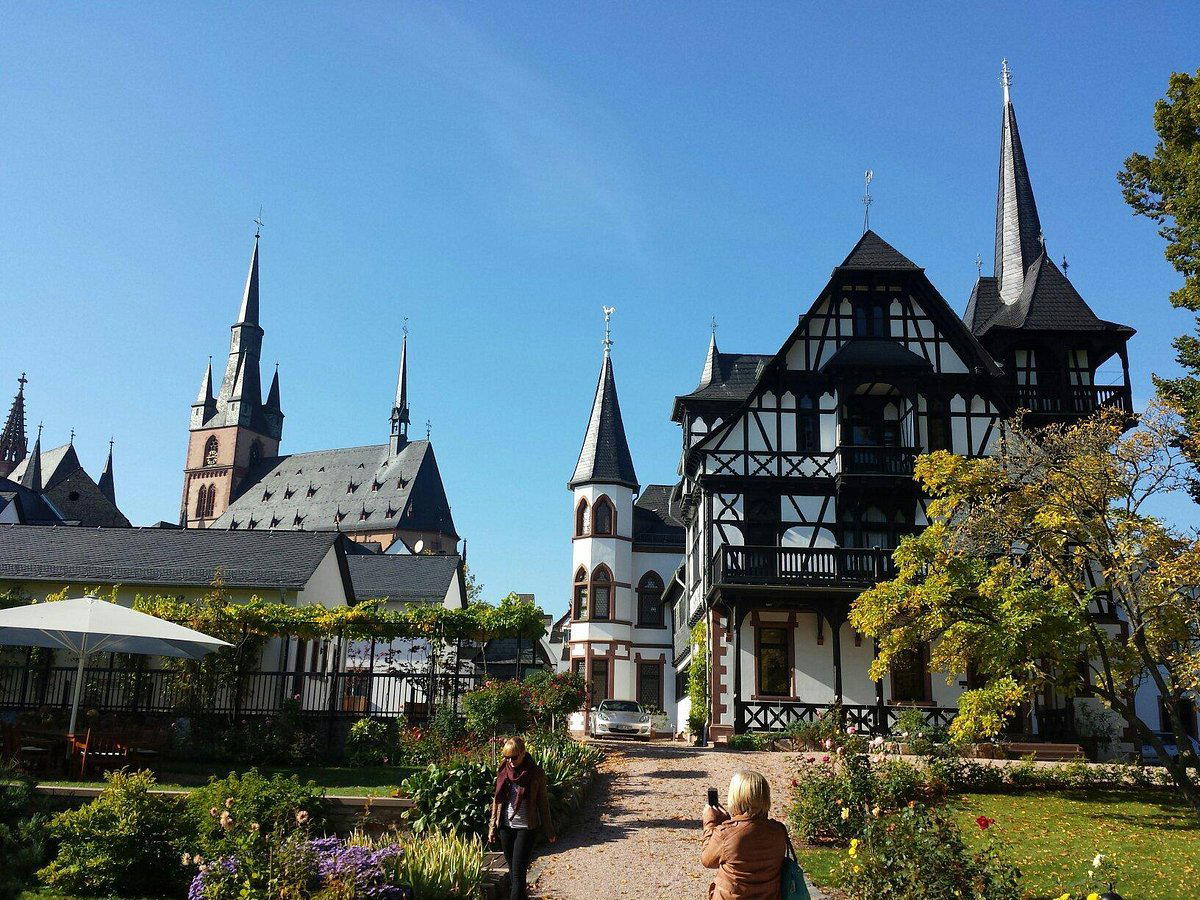
The address itself frames the estate's relationship to the town: set within Hochheim's historic core, the winery occupies a position that reflects the longstanding intertwining of civic and viticultural life in small Rheingau communities. Unlike cellar-door operations built for visitor traffic, this is a working estate whose gravity lies in the vineyard rather than the tasting room aesthetic. That orientation shapes everything about the experience of engaging with these wines.
The Hochheim Terroir Argument, Made in Glass
To understand what Domdechant Werner'sches Weingut is making, it helps to understand what Hochheim's soils are arguing for. The dominant influence is the Main River's moderating effect, which extends the growing season and reduces frost risk relative to higher-elevation Rheingau sites. South and southwest exposures across the prime vineyard parcels mean extended afternoon sun, translating into physiological ripeness even in cooler vintages. The limestone substrates contribute a calcitic tension that prevents the wines from becoming simply fat or phenolic, threading acidity through what might otherwise be heavy fruit.
German Riesling at this quality tier operates in a precise stylistic corridor: the goal is not the bone-dry Alsatian style, nor the residual-sugar-forward Mosel Spätlese, but something in between that the Rheingau has historically claimed as its own register. Estates in this region working the Prädikat system, from Kabinett through Auslese and beyond, are essentially producing a hierarchy of ripeness levels from the same site year after year, and the variation between those tiers tells you more about vintage conditions than almost any single data point. Weingut Künstler, operating from the same town, offers a useful comparative reference point: both estates are working with Hochheim's characteristic terroir, though each interprets that material differently through cellar choices and vineyard selection priorities.
For broader Rheingau context, Weingut Georg Breuer in Rüdesheim am Rhein and Weingut Allendorf in Oestrich-Winkel represent the western Rheingau's approach to Riesling, where slate-influenced soils produce a leaner, more tensile structure. The contrast with Hochheim's limestone-clay profiles is instructive for anyone trying to map regional variation within a single appellation.
Recognition at the 2 Star Prestige Level
In the German fine wine context, that placing signals consistent quality across multiple vintages, not a single standout year. Estates at this tier are typically those whose wines reward cellaring and whose vineyard management reflects a long-term site philosophy rather than short-term yield optimization.
For comparison, Kloster Eberbach in Eltville represents the institutional end of Rheingau wine history, a monastic estate whose influence on the region's viticultural identity stretches back to the Cistercian era. Domdechant Werner'sches Weingut operates from a different but equally significant historical position within the Hochheim sub-zone.
Across German wine regions, the 2 Star Prestige level at this award scheme places the estate in conversation with producers like Weingut A. Christmann in Neustadt an der Weinstraße, Weingut Bassermann-Jordan in Deidesheim, and Weingut Dr. Bürklin-Wolf in Wachenheim an der Weinstraße in the Pfalz, as well as Mosel estates such as Weingut Fritz Haag in Brauneberg, Weingut Clemens Busch in Pünderich, and Weingut Grans-Fassian in Leiwen. These estates collectively define a quality band in German fine wine where regional character and viticultural discipline converge.
Franconian producers such as Weingut Bürgerspital zum Heiligen Geist in Würzburg and biodynamic operators like Weingut Battenfeld-Spanier in Hohen-Sülzen extend the conversation into adjacent regions and methodological approaches, all operating within the same prestige tier.
Planning a Visit to Hochheim
Hochheim am Main is accessible from Frankfurt in under thirty minutes by S-Bahn, making it one of the most logistically direct of the Rheingau wine towns for visitors arriving by air or train. The town sits just outside the Frankfurt city limits, and the combination of short transfer time and genuine viticultural depth makes it a more practical day destination than the western Rheingau villages that require longer rail or road journeys. The estate address at Rathausstraße 30 places it centrally within the town, reachable on foot from the station.
Visits to estates at this level in Germany typically require contact in advance, as production-focused wineries do not generally maintain walk-in tasting room hours. Given that no phone number or website is currently listed in EP Club's database for this property, the most reliable approach is to make contact through the broader Hochheim wine association or regional tourism channels before planning a trip specifically around a cellar visit. The estate's position in the 2025 awards cycle suggests active production and ongoing market engagement, so communication channels likely exist through trade and regional networks.
The Rheingau wine route extends west from Hochheim toward Rüdesheim, and building an itinerary that includes multiple estates across the appellation over two or three days allows for meaningful comparison of how Hochheim's terroir sits within the region's broader stylistic spectrum. Our full Hochheim am Main restaurants guide covers food and drink options in the town for those planning extended visits.
A Quick Peer Check
Comparable venues nearby, for context on price, style, and recognition.
| Venue | Cuisine | Price | Awards | Notes |
|---|---|---|---|---|
| Domdechant Werner’sches WeingutThis venue — the venue you are viewing | Riesling, Spätburgunder | $20–30 | Falstaff Winery - 3 Stars | Not listed |
| Weingut Künstler | Riesling, Spätburgunder | Not listed | Falstaff Winery - 5 Stars | Hochheim am Main |
| Bethel Heights Vineyard | Pinot Noir, Chardonnay | Not listed | Not listed | Eola-Amity Hills |
| Winzergenossenschaft Mayschoss-Altenahr | Pinot Noir, Riesling | $20–30 | Falstaff Winery - 2 Stars | Mayschoß |
| Weingut Dautel | Riesling, Spätburgunder | $20–30 | Falstaff Winery - 5 Stars | Bönnigheim |
| Weingut Allendorf | Riesling, Spätburgunder | $20–30 | Falstaff Winery - 3 Stars | Oestrich-Winkel |
Recognition history
Dated appearances from independent guides and award organizations, with the underlying list record or original source where available.
Falstaff Winery - 3 Stars
Falstaff
Continue exploring
More in Hochheim am Main
Wineries in Hochheim am Main
Browse all →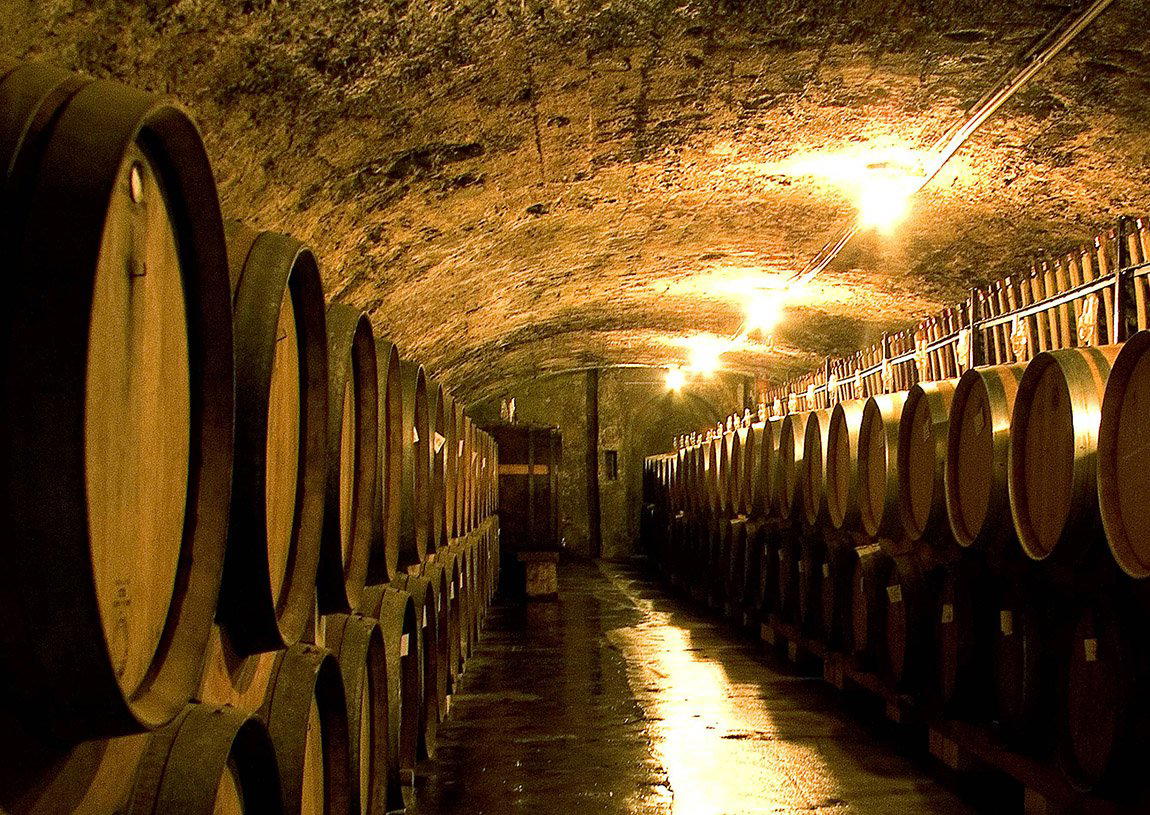
Bars in Hochheim am Main
Browse all →

Restaurants in Hochheim am Main
Browse all →

Details
- Classic
- Elegant
- Scenic
- Wine Education
- Special Occasion
- Vineyard Tour
- Historic Building
- Vineyard
- Riesling
- Spätburgunder
- Still White
- Estate Tasting
- German
- English
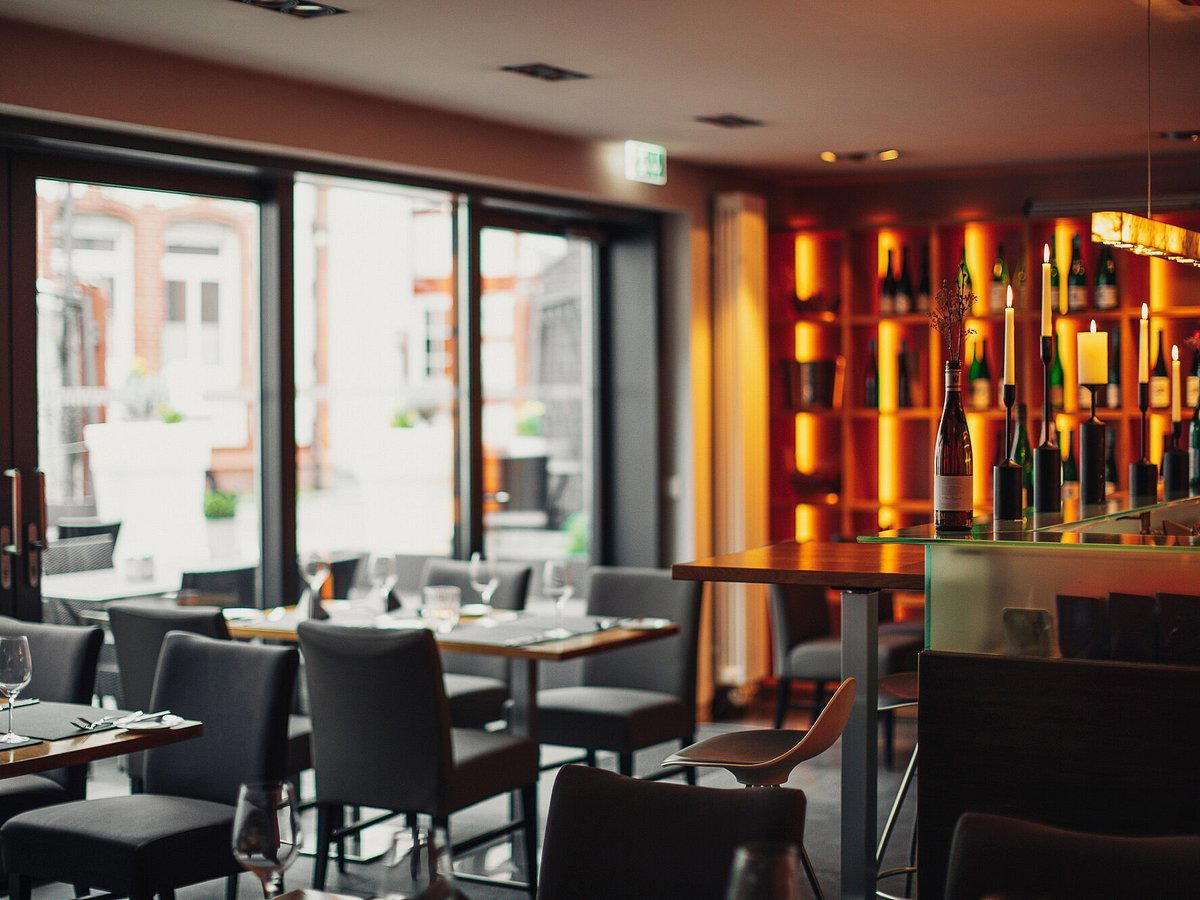
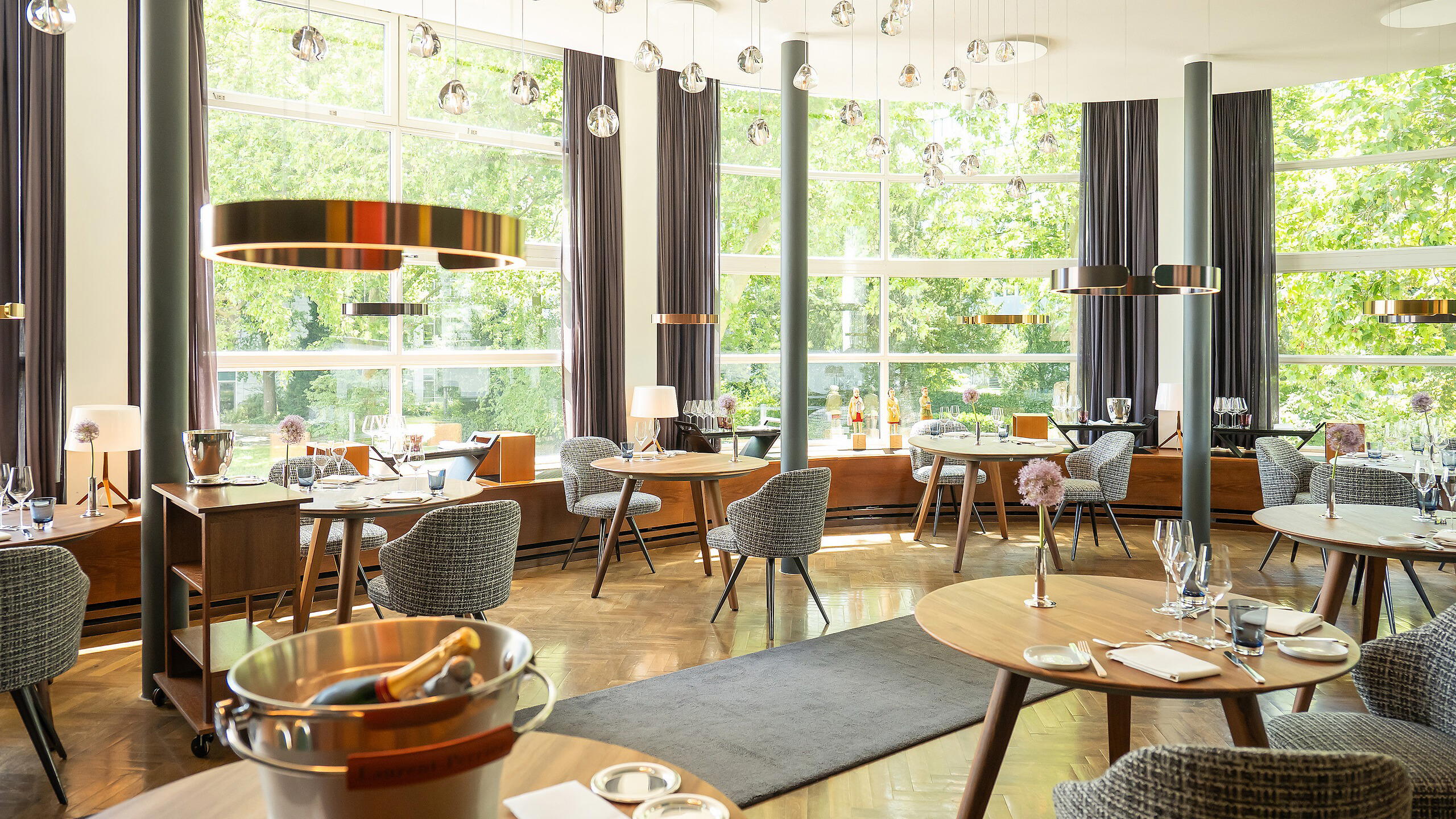
Elegant and classic with a focus on quality Riesling tradition in a historic setting.