
A Michelin Bib Gourmand address in Mainz since at least 2025, Geberts Weinstuben sits on a quiet side street near the Rhine and delivers classic regional cuisine at mid-range prices. Chef Andreas Falkensteiner works with local Rhineland-Palatinate produce to build honest, flavour-forward plates, served in a room that mixes understated elegance with a vine-covered courtyard terrace.
Pearl is the En Primeur Club membership app — saves, bookings, and concierge access live there. Same editors, same standards.
- Address
- Frauenlobstraße 94, 55118 Mainz, Germany
- Phone
- +49 6131 611619
- Website
- geberts-weinstuben.de
- Directions
- Get directions
 Saves & bookings on Pearl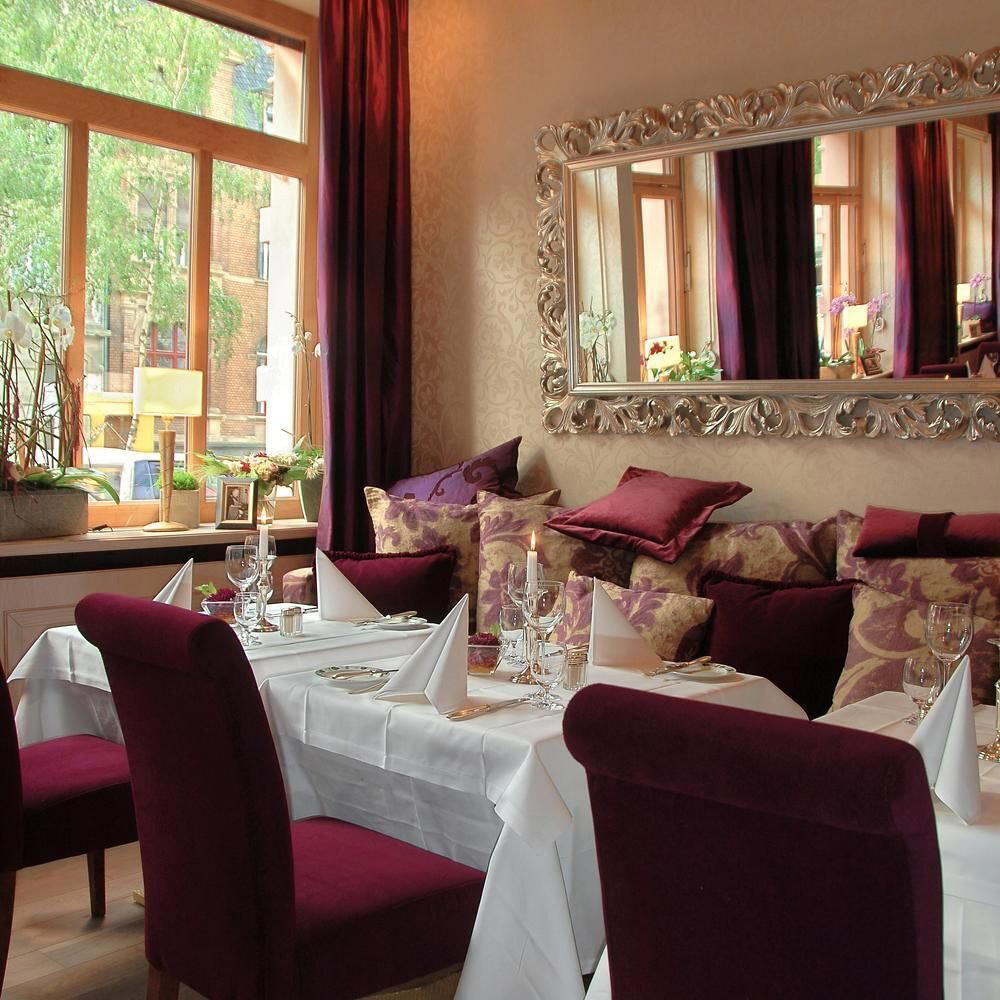
A Side Street, a Courtyard, and the Case for Regional Produce
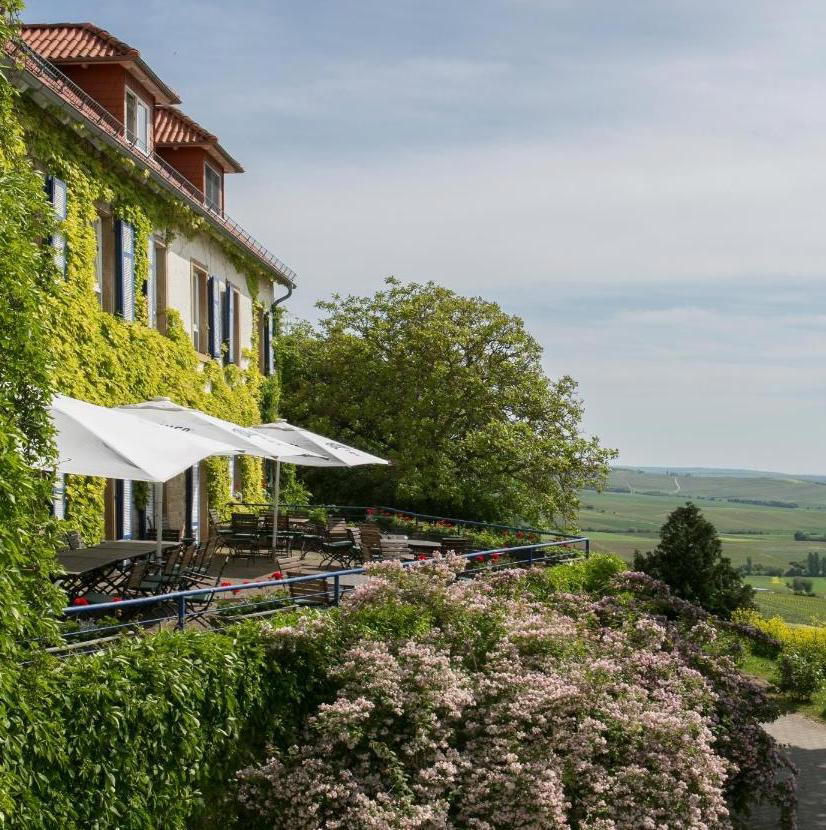
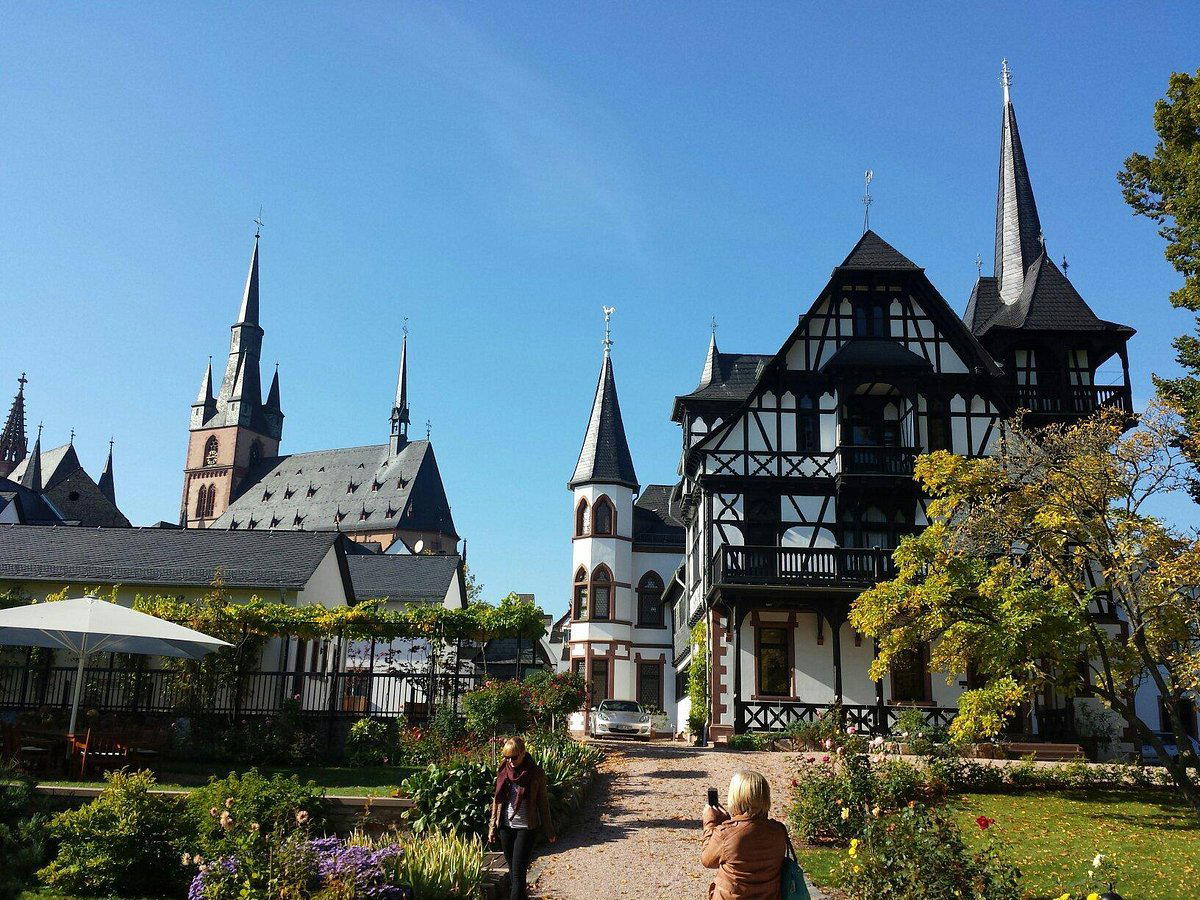
Geberts Weinstuben is a restaurant in Mainz, Germany, with a Michelin Bib Gourmand 2025 and an estimated €€ price tier. Approach Frauenlobstraße on foot and the building gives little away. The street runs quietly off the main drag, a short walk from the Rhine, and Geberts Weinstuben occupies the kind of address that rewards those who pay attention to side streets rather than main squares. The courtyard terrace, shaded by climbing vines, signals something before you even reach the dining room: this is a place that has grown into its surroundings rather than been installed in them.
Inside, the register is one of restrained elegance rather than formal stiffness. The room works as a Weinstube should, carrying the warmth of a wine-tavern tradition while trimming the rough edges that can make the format feel dated. Mainz sits at a confluence of wine culture, where the Rhine and Nahe meet Rheinhessen on the doorstep, and the Weinstube format here carries that geography in its bones.
Why Regional Sourcing Matters in Rhineland-Palatinate
Rhineland-Palatinate is Germany's largest wine-producing state by volume, but its agricultural identity runs wider than viticulture. The region supplies vegetables, livestock, and dairy to a patchwork of restaurants that have spent the past decade making local provenance a structural argument rather than a menu footnote. Geberts Weinstuben sits within that tradition: the kitchen draws on regional produce to construct what Michelin's own 2025 citation frames as cuisine defined by freshness, flavour, and aroma.
That framing matters. Michelin's Bib Gourmand category rewards kitchens that deliver quality at accessible price points. It is a different argument altogether: that careful sourcing and honest cooking can produce plates that carry genuine character without demanding a special-occasion budget.
The logic of regional sourcing in this context is partly about flavour proximity. Produce that travels shorter distances arrives in a different condition than goods sourced across half a continent. In a kitchen working within the classic cuisine register, where technique is applied with more restraint than in modernist formats, the quality of the raw ingredient carries proportionally more weight. When the season shifts in Rhineland-Palatinate, the plate shifts with it. That responsiveness is a feature of the sourcing model, not a branding claim.
Classic Cuisine in a German Context
Classic cuisine in Germany occupies a different register than its French counterpart, though the two have informed each other for generations. The German kitchen historically skews towards substantial preparations, game, fermented elements, and root vegetables, with wine-driven sauces appearing more frequently in Rhine-adjacent restaurants than in regions further north. At the Bib Gourmand tier, the challenge is executing that tradition at a price point (€€ on a four-tier scale) without compressing the kitchen's sourcing and preparation standards.
In Mainz, the comparison set includes farm-to-table address Steins Traube, which operates at the €€€ level with a Michelin star, and the Modern French register of FAVORITE restaurant, which sits at four-tier pricing. The restaurant's position at €€ with a Bib Gourmand award places it in a different lane: wider access, regional identity, and a format that suits both a midweek dinner and a deliberate visit from outside the city. For context on how classic cuisine plays at higher price points elsewhere in Germany, KOMU in Munich and Vendôme in Bergisch Gladbach offer useful reference points, as does Maison Rostang in Paris for the French lineage of the tradition.
Chef Andreas Falkensteiner leads the kitchen, working within the framework that has earned the restaurant its Michelin recognition.
The Weinstube Tradition and What It Asks of a Diner
The Weinstube format carries specific expectations on both sides of the pass. Service tends toward the convivial rather than the ceremonial. Wine by the glass, regional varieties included, typically runs deeper than in a standard restaurant list, reflecting the format's origins as a place to taste and compare rather than simply to drink with food. In Mainz, where Rheinhessen producers sit practically on the city's outskirts, a well-curated Weinstube glass list can function as a regional tasting exercise in its own right.
For a diner arriving from outside the city, the courtyard terrace adds a dimension worth noting. Vine-covered outdoor seating in a German summer operates differently from a rooftop or pavement table. The enclosure creates a specific atmosphere, one that leans toward the unhurried. It is the kind of space that encourages ordering another glass rather than requesting the bill.
Other Mainz options worth considering alongside a visit here: Pankratz for Modern German, and sushi Lounge for a different register entirely.
Planning Your Visit
The restaurant is located at Frauenlobstraße 94, 55118 Mainz, a short walk from the Rhine and reachable on foot from the city centre. The €€ pricing tier makes it accessible for a range of budgets, and the Bib Gourmand recognition means demand holds steadily. Booking ahead is advisable, particularly for terrace seating in warmer months, when the vine-covered courtyard fills consistently.
For those building a wider Germany itinerary around serious eating, EP Club also covers JAN in Munich, CODA Dessert Dining in Berlin, Restaurant Haerlin in Hamburg, and ES:SENZ in Grassau.
Cost Snapshot
Comparable venues nearby, for context on price, style, and recognition.
| Venue | Cuisine | Price | Awards | Notes |
|---|---|---|---|---|
| Geberts WeinstubenThis venue — the venue you are viewing | Classic Cuisine | $$ | Bib Gourmand | Not listed |
| Persisches Restaurant Kababsara | Authentic Persian | $$ | Not listed | Not listed |
| Pankratz | Seasonal Regional German | $$$ | Not listed | Not listed |
| Brunfels Restaurant | Old Town, Modern German | $$$ | Not listed | Not listed |
| Restaurant Steins Traube | Not listed | $$$$ | Not listed | Finthen, Modern French & Asian Fine Dining |
| Il Mondo GmbH | Authentic Regional Italian | $$$ | Not listed | Not listed |
Recognition history
Dated appearances from independent guides and award organizations, with the underlying list record or original source where available.
Michelin Bib Gourmand
Michelin
Michelin Bib Gourmand
Michelin
Michelin Bib Gourmand
Michelin
Continue exploring
More in Mainz
Restaurants in Mainz
Browse all →
Bars in Mainz
Browse all →

Hotels in Mainz
Browse all →
At a Glance
- Cozy
- Classic
- Intimate
- Special Occasion
- Date Night
- Terrace
- Historic Building
- Extensive Wine List
- Local Sourcing
- Vineyard
- Street Scene
Current opening hours
- Monday
- Closed
- Tuesday
- Closed
- Wednesday
- 11:30 AM–2:30 PM, 6 PM–12 AM
- Thursday
- 11:30 AM–2:30 PM, 6 PM–12 AM
- Friday
- 11:30 AM–2:30 PM, 6 PM–12 AM
- Saturday
- 11:30 AM–2:30 PM, 6 PM–12 AM
- Sunday
- 11:30 AM–2:30 PM, 6 PM–12 AM
Hours can change for holidays and private events. Last verified .
Stylish and cosy with pleasant lighting, vine-clad courtyard terrace, and warm family welcome.