Aber occupies a address on Gutleutstraße in Frankfurt's Gutleutviertel, a neighbourhood that has quietly drawn a new generation of bars and restaurants away from the city's more obvious entertainment corridors. The venue sits in a district where industrial heritage and contemporary hospitality coexist, making it a reference point for understanding how Frankfurt's drinking culture is shifting beyond the Sachsenhausen apple-wine circuit.

Pearl is the En Primeur Club membership app, where members save venues, book tables and use the concierge.
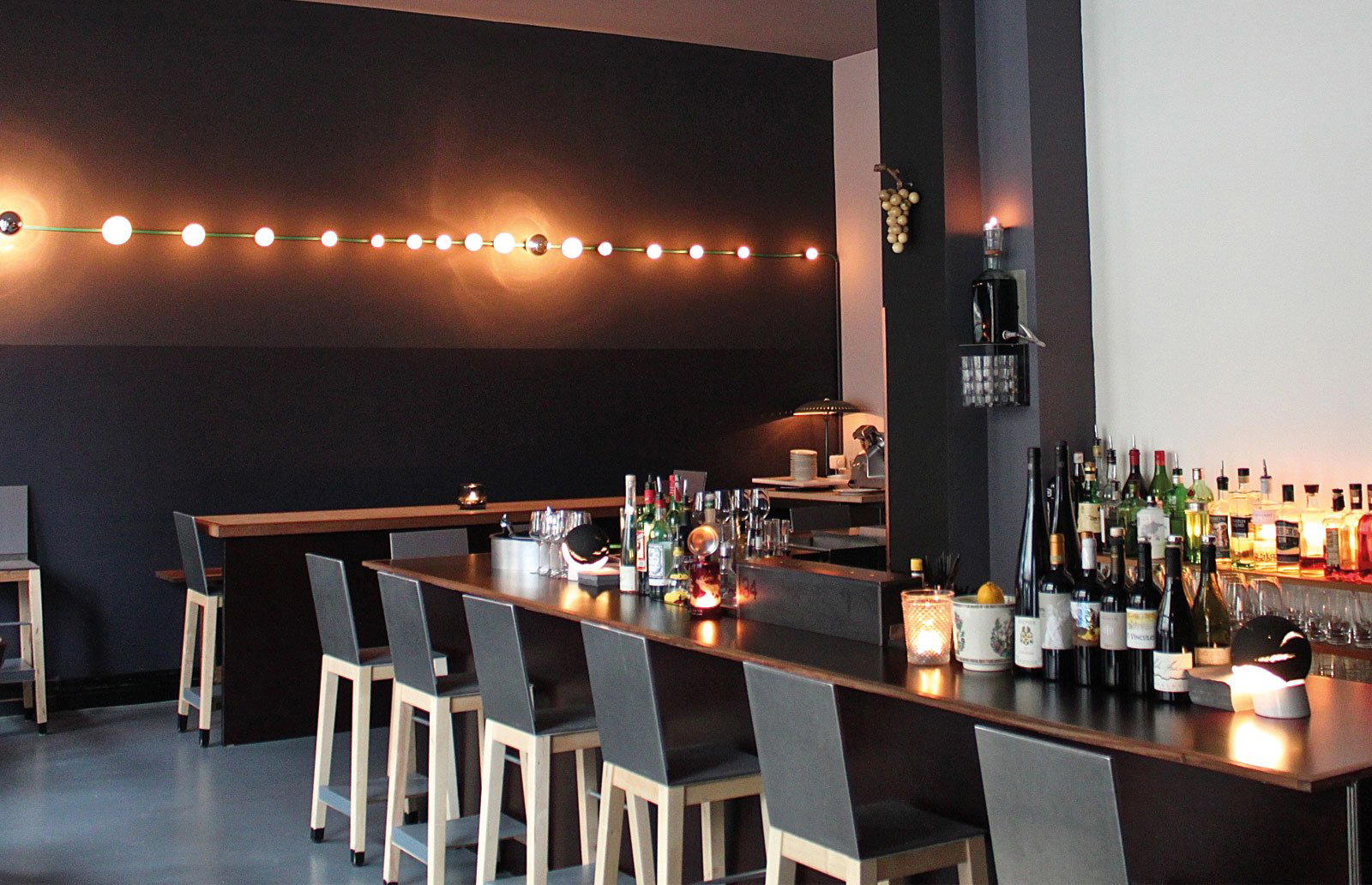
A Street in Transition
Gutleutstraße runs through one of Frankfurt's most quietly recalibrating districts. The Gutleutviertel sits between the main rail terminus and the river, close enough to the financial centre to attract professionals but removed enough from the tourist circuit to have developed its own character. Over the past decade, this corridor has seen a gradual accumulation of independent venues, bars, small restaurants, concept spaces, that collectively signal a shift in where Frankfurt's more considered hospitality is taking root. Aber, at number 17, is part of that pattern.
Frankfurt's bar scene has historically clustered around Sachsenhausen, where the apple-wine taverns (Äppelwoi-Wirtschaften) anchor a tradition that dates back centuries, and around the Innenstadt, where hotel bars and corporate venues serve the banking crowd. The venues that have emerged in transitional neighbourhoods like the Gutleutviertel represent a third stream: independently operated, less visible from the outside, and often more interesting precisely because they are not performing for passing trade. For context on the broader Frankfurt scene, see our full Frankfurt restaurants guide.
The Physical Register
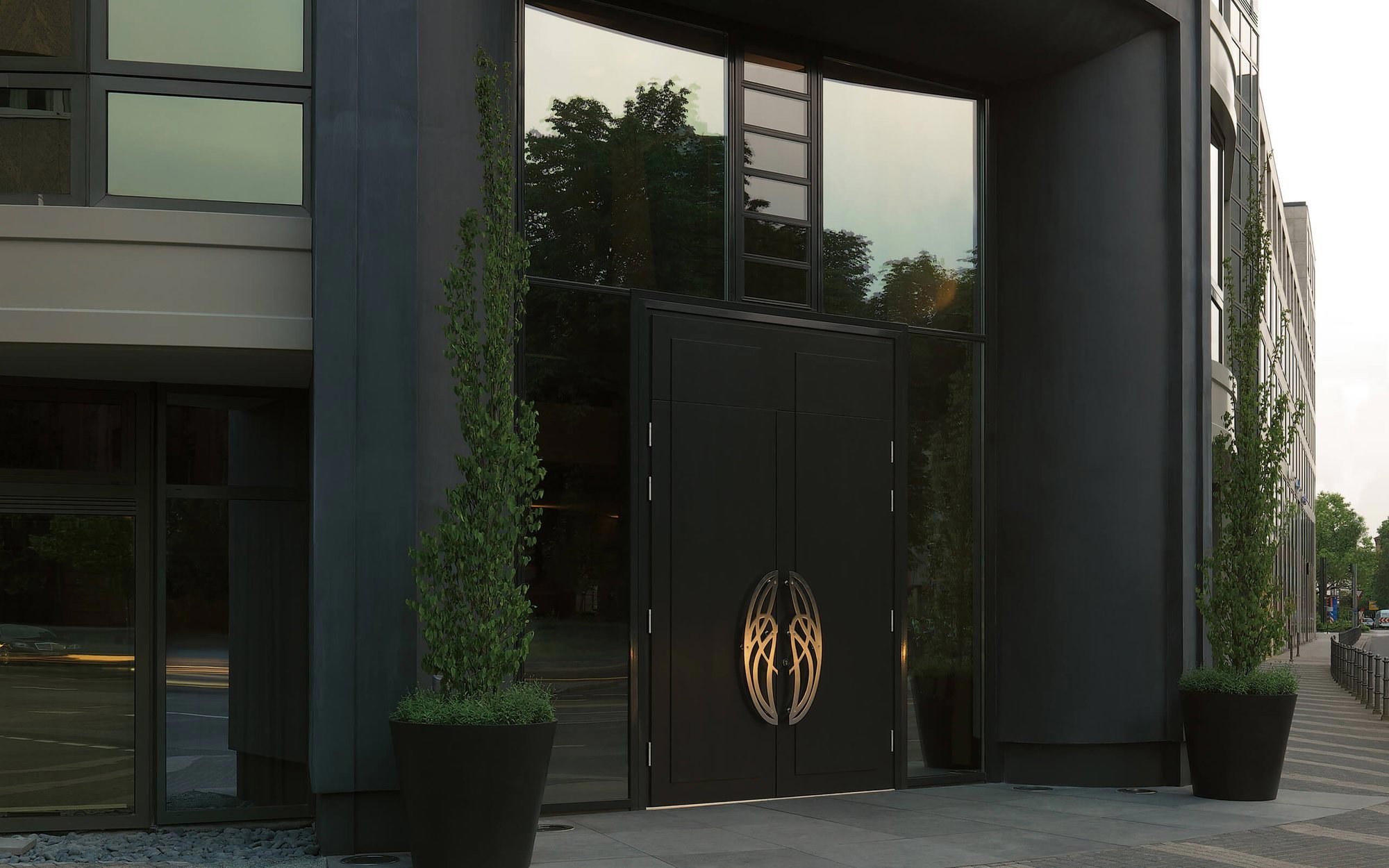
The editorial angle that makes Gutleutstraße addresses like Aber worth examining is not the individual fitout but the street-level grammar that defines them. In a city where much of the premium bar offer sits either behind corporate glass or inside heritage buildings retrofitted for volume, the low-key streetfront of this district communicates something different: that what is inside is not trying to announce itself from the pavement. This is a pattern recognisable in the better bars of Berlin's Mitte fringe or Hamburg's Karoviertel, where the absence of signage theatre is itself a signal.
Frankfurt's comparable venues include Doctor Flotte, which has built a following on the Sachsenhausen side without heavy visibility, and MARGARETE, which operates with a similarly deliberate low profile. The Maxie Eisen on Münchener Straße is perhaps the clearest precedent: a venue in a transitional neighbourhood that became a reference point for the city's bar community through consistency rather than spectacle. The Parlour in Frankfurt on the Main occupies a similar register, prioritising depth of offer over broad visibility.
Atmosphere as Argument
The atmosphere a bar like Aber generates is inseparable from its neighbourhood position. Venues in transitional urban corridors tend to attract a more self-selecting crowd than those on established hospitality streets: guests who have made an active choice to be there rather than arrived by proximity or habit. That selectivity tends to produce a particular room energy, lower noise ceilings, longer stays, a different relationship between staff and regulars. It is the same dynamic that made Buck and Breck in Berlin a reference point for the German bar scene: not location, but the kind of attention a less obvious address demands from both sides of the bar.
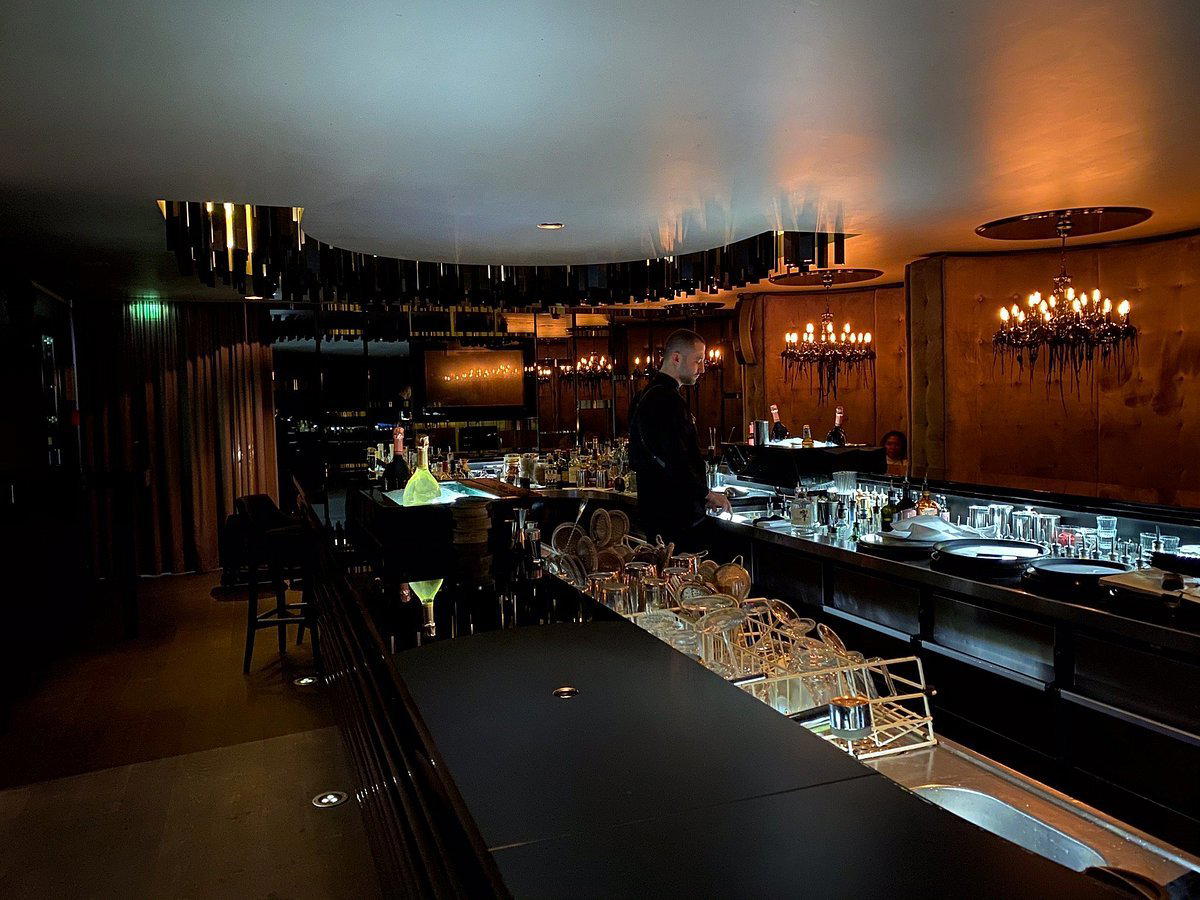
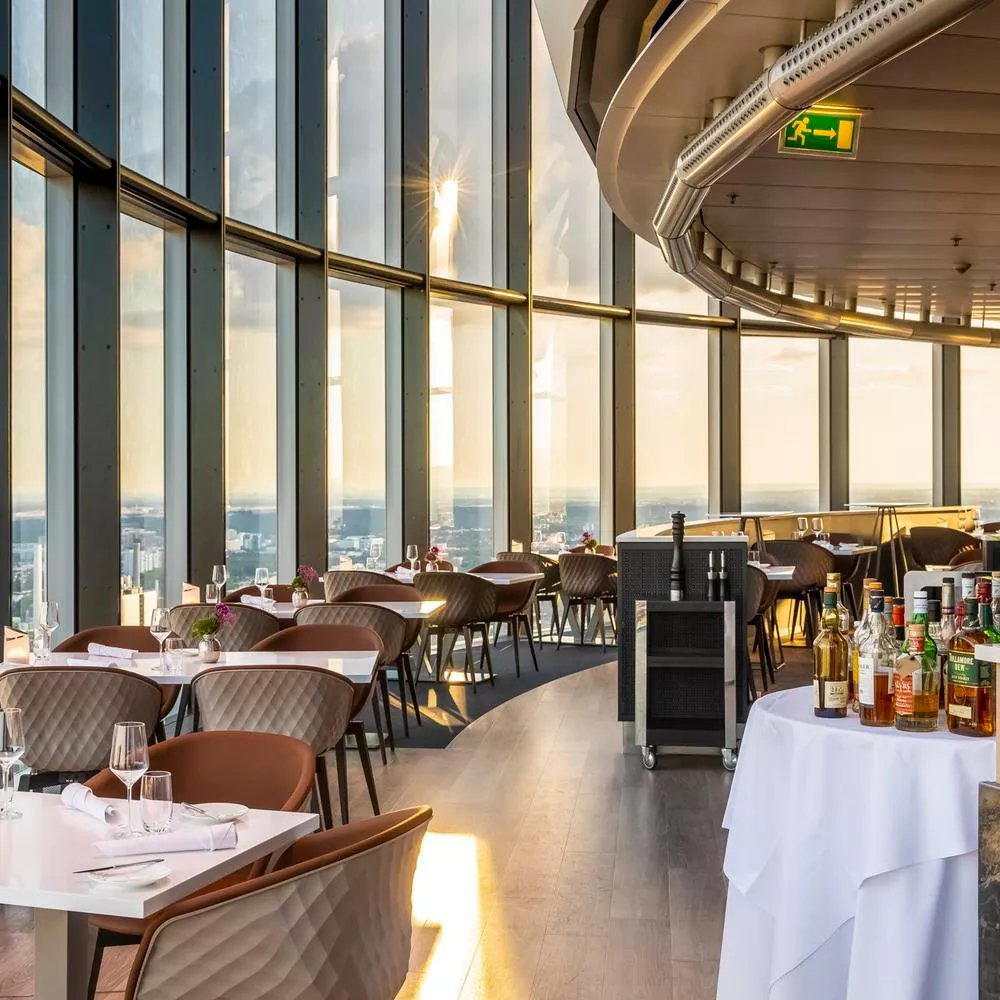
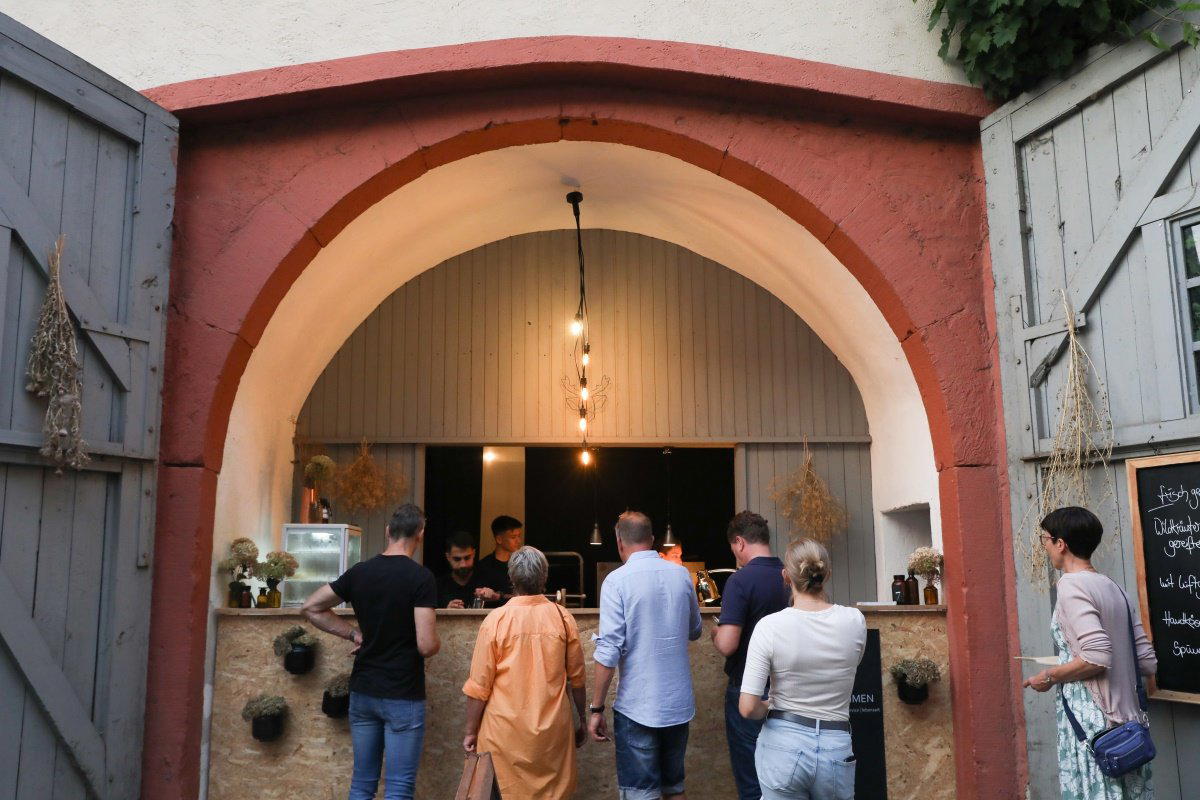
The lighting and spatial logic of bars in this category tend to run counter to the high-volume hospitality model. Where hotel bars like Main Tower Restaurant and Lounge use panoramic glass and architectural scale to generate a sense of occasion, venues in quieter residential-industrial corridors work with compression: lower ceilings, denser seating, materials that absorb rather than reflect. The mood produced is less performative and more convivial, suited to conversation rather than display.
This pattern holds across the German city bar scene. Goldene Bar in Munich built its reputation partly through spatial restraint deployed inside a historically significant room. Le Lion Bar de Paris in Hamburg operates on a similar principle: compressed, deliberate, with a format that resists the instinct to scale up. Bar Trattoria Celentano in Cologne layers Italian hospitality sensibility over a similar spatial economy. The venues that endure in German cities tend to have worked out what their room is actually for and committed to that answer.
Frankfurt in Comparison
Frankfurt occupies a particular position among German drinking cities. It has the financial density to support premium hospitality but has historically lacked the bar culture depth of Berlin, Hamburg, or Munich. The city's identity as a transit hub, Europe's busiest airport, a major rail interchange, means a large proportion of its hospitality spend comes from visitors with limited time rather than locals with developed preferences. That context shapes what kind of venues succeed: the airport-adjacent hotel bar, the steakhouse near the Messe, the wine bar serving the banking lunch crowd.
The venues that operate outside that logic, in neighbourhoods like the Gutleutviertel, are making a different argument about what Frankfurt's hospitality can be. They are not servicing transit demand; they are trying to build something that locals return to. That is a harder commercial proposition in a city with Frankfurt's demographic churn, which makes the venues that manage it, whether Aber or its peers on the scene, worth taking seriously as signals of where the city's bar culture is actually heading.
For reference points beyond Frankfurt, the independent bar model that works in transit-heavy cities tends to share certain features: a specific point of view on what the bar is offering, a format that does not require scale to work, and a location that filters for intent. Uerige in Dusseldorf is a useful comparison from the opposite direction: a venue so embedded in local tradition that it has become self-sustaining, independent of tourist volumes. Bar Leather Apron in Honolulu shows how the same instinct, a deliberate, format-first approach in a city better known for volume hospitality, can generate a serious bar in an unlikely context.
Planning a Visit
Aber is at Gutleutstraße 17, 60329 Frankfurt am Main, within walking distance of Frankfurt Hauptbahnhof. The Gutleutviertel is most easily reached on foot from the central station, roughly ten minutes along Gutleutstraße heading southwest.
Cuisine-First Comparison
Comparable venues nearby, for context on price, style, and recognition.
| Venue | Cuisine | Price | Awards | Notes |
|---|---|---|---|---|
| AberThis venue (the venue you are viewing) | wine_bar | $20–30 | Not listed | Not listed |
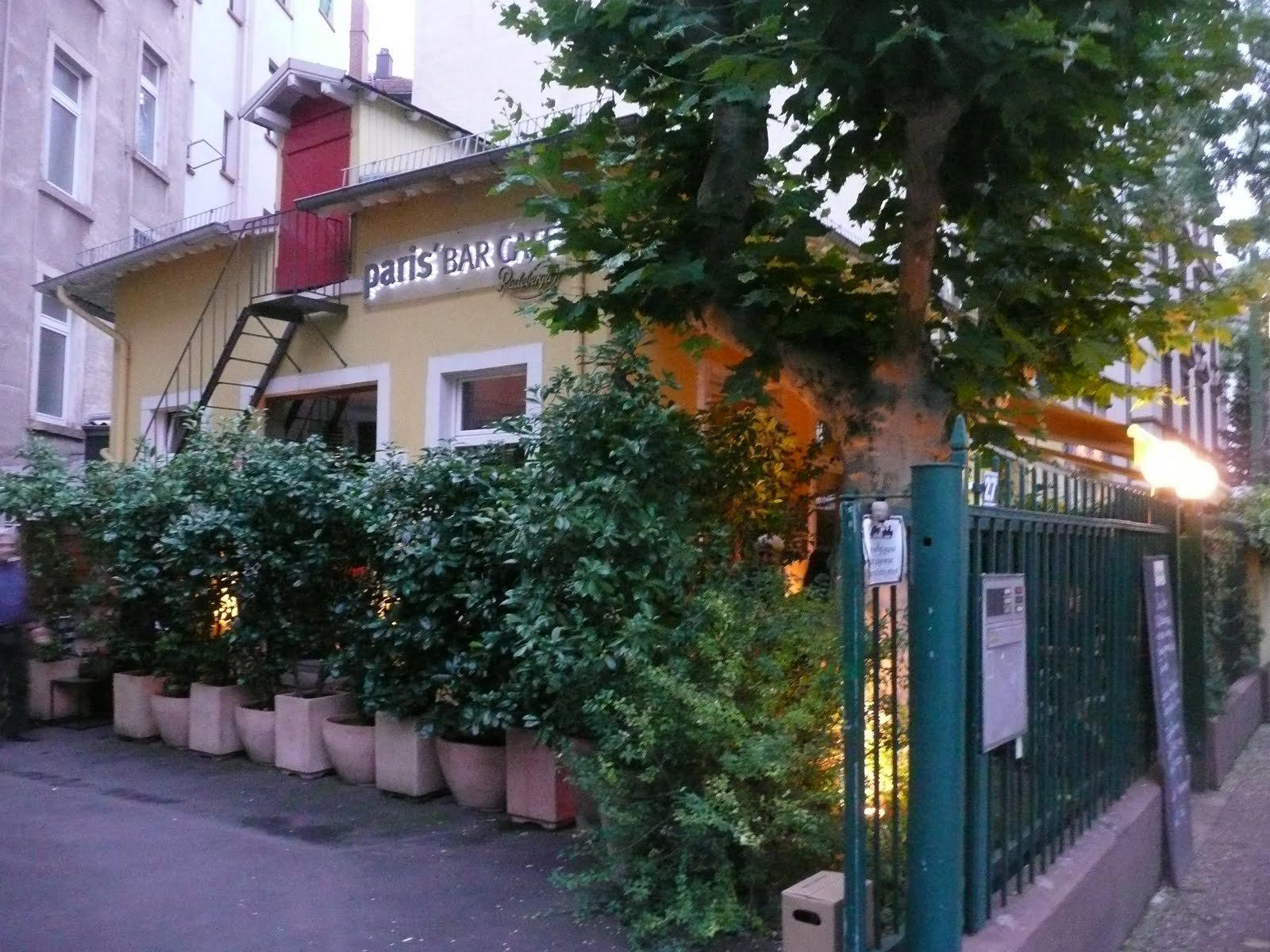
| Paris' Bar | wine_bar | $20–30 | Star Wine List · Falstaff Wine Bar - 91 Falstaff Points | Sachsenhausen |
| Doctor Flotte | pub | $10–20 | Not listed | Goethehaus |
| Mona Lisa Bar | cocktail_bar | $20–30 | Not listed | Roemerberg |
| Walon & Rosetti | cocktail_bar | Not listed | Not listed | Roemerberg |
| Maxie Eisen | lounge | Not listed | Not listed | Roemerberg |
Aber
Featured Guides
Continue exploring
More in Frankfurt
Bars in Frankfurt
All bars in Frankfurt →
Restaurants in Frankfurt
All restaurants in Frankfurt →
Hotels in Frankfurt
All hotels in Frankfurt →

Details
- Trendy
- Modern
- Cozy
- Minimalist
- Date Night
- After Work
- Standalone
- Seated Bar
- Conventional Wine
Current opening hours
- Monday
- Closed
- Tuesday
- 6 PM–1 AM
- Wednesday
- 6 PM–1 AM
- Thursday
- 6 PM–1 AM
- Friday
- 6 PM–1 AM
- Saturday
- 6 PM–1 AM
- Sunday
- Closed
Hours can change for holidays and private events. Hours as of .
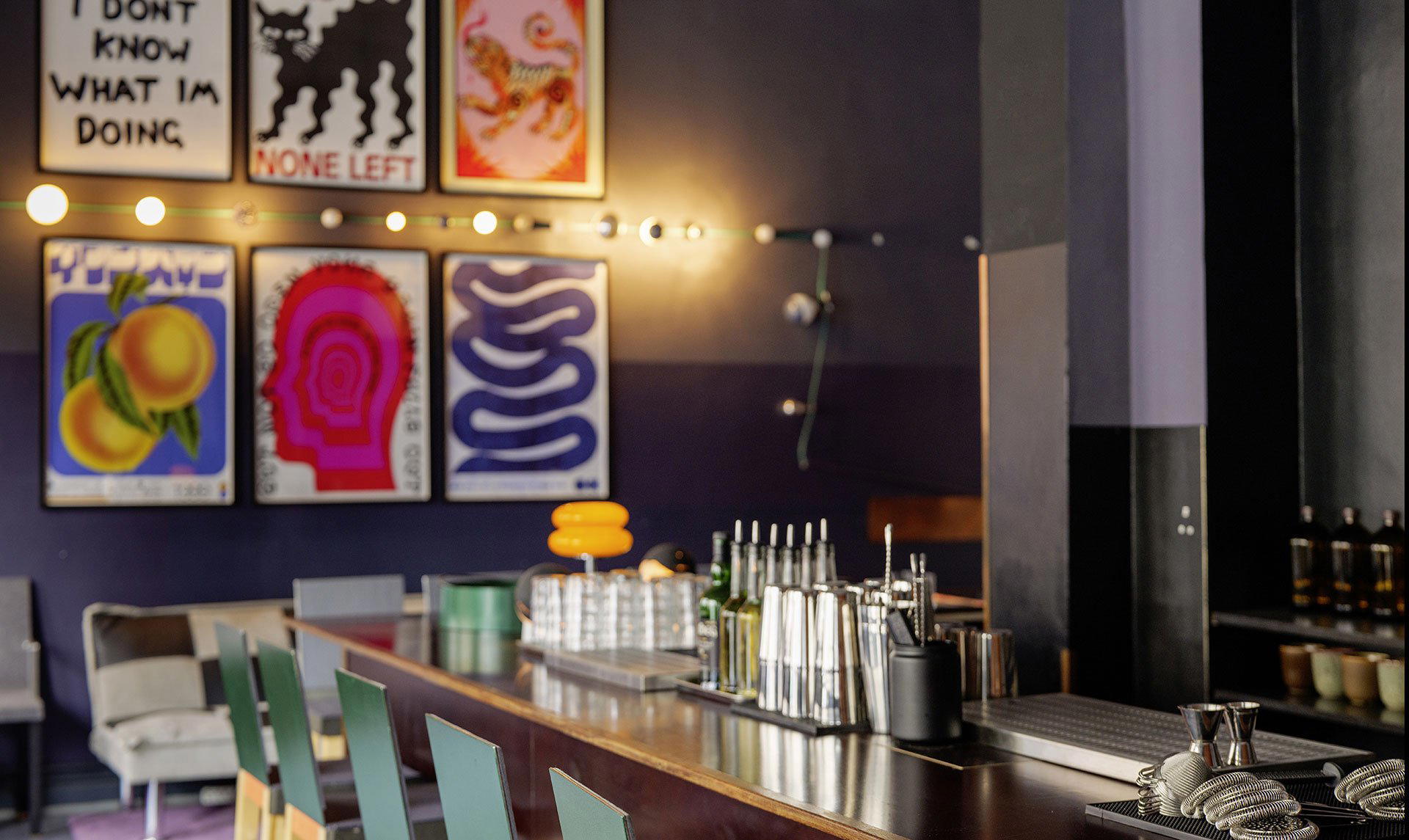
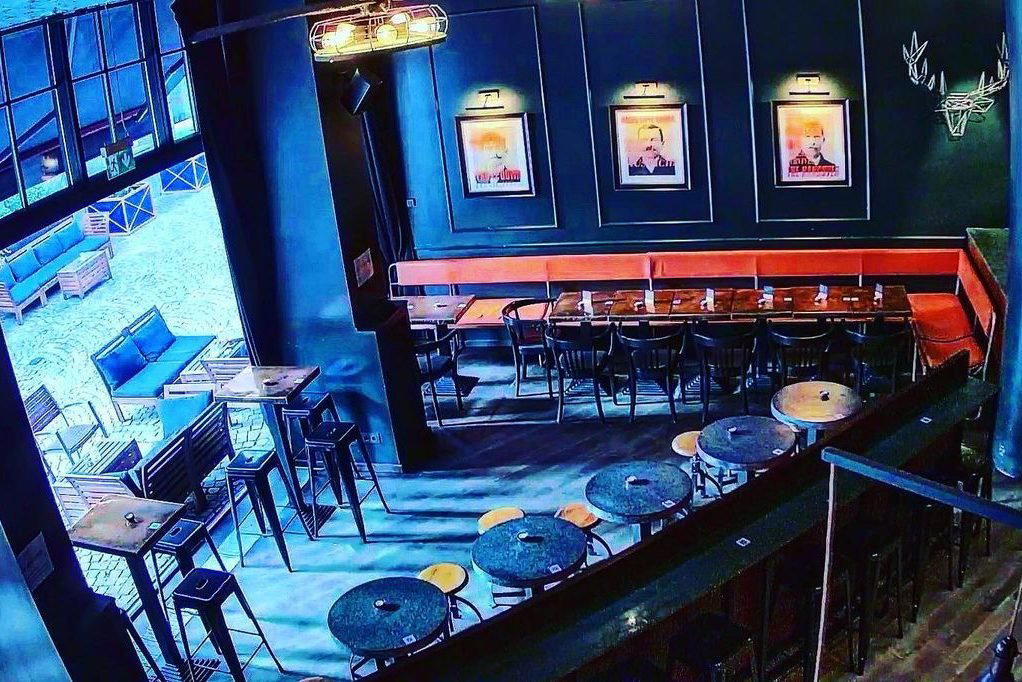
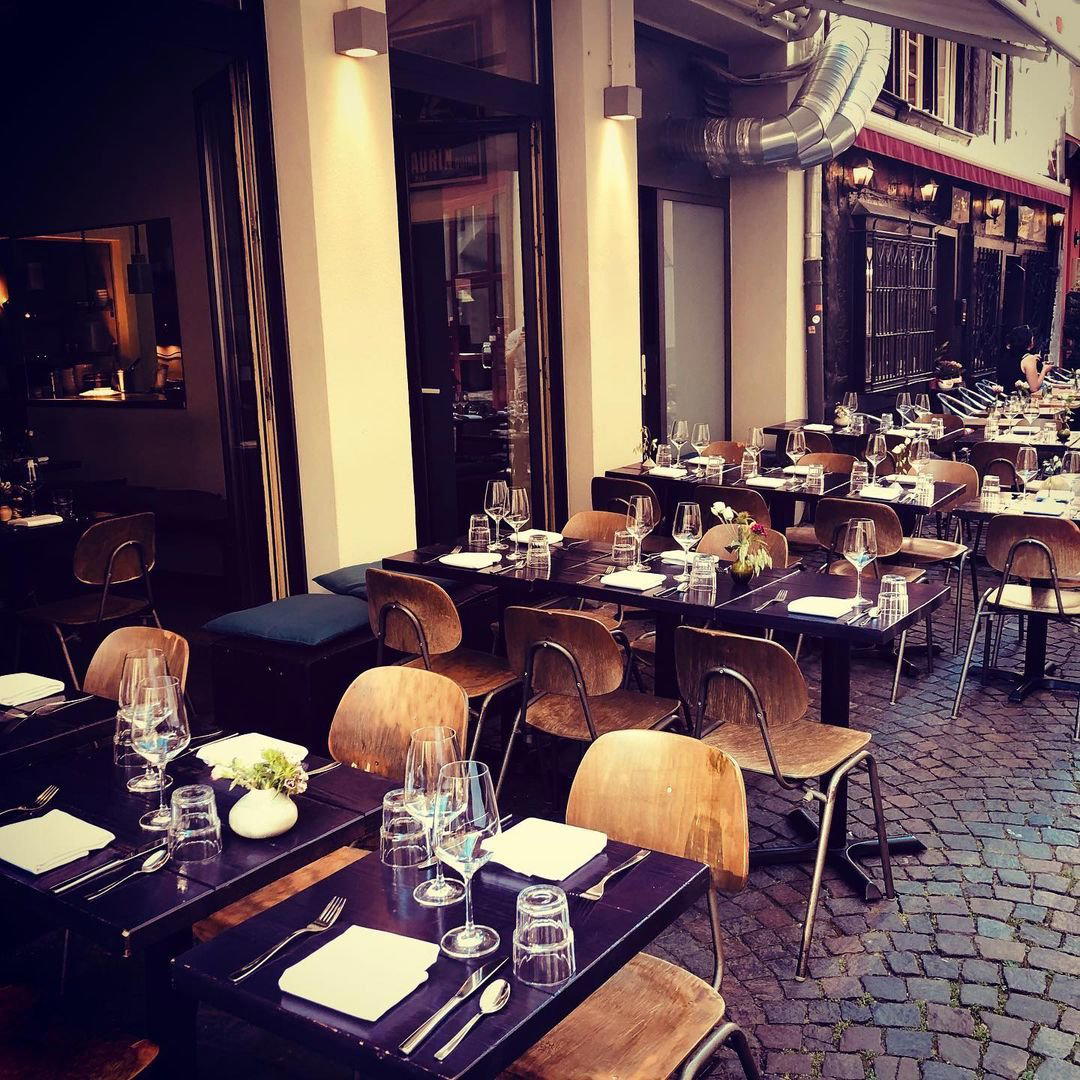
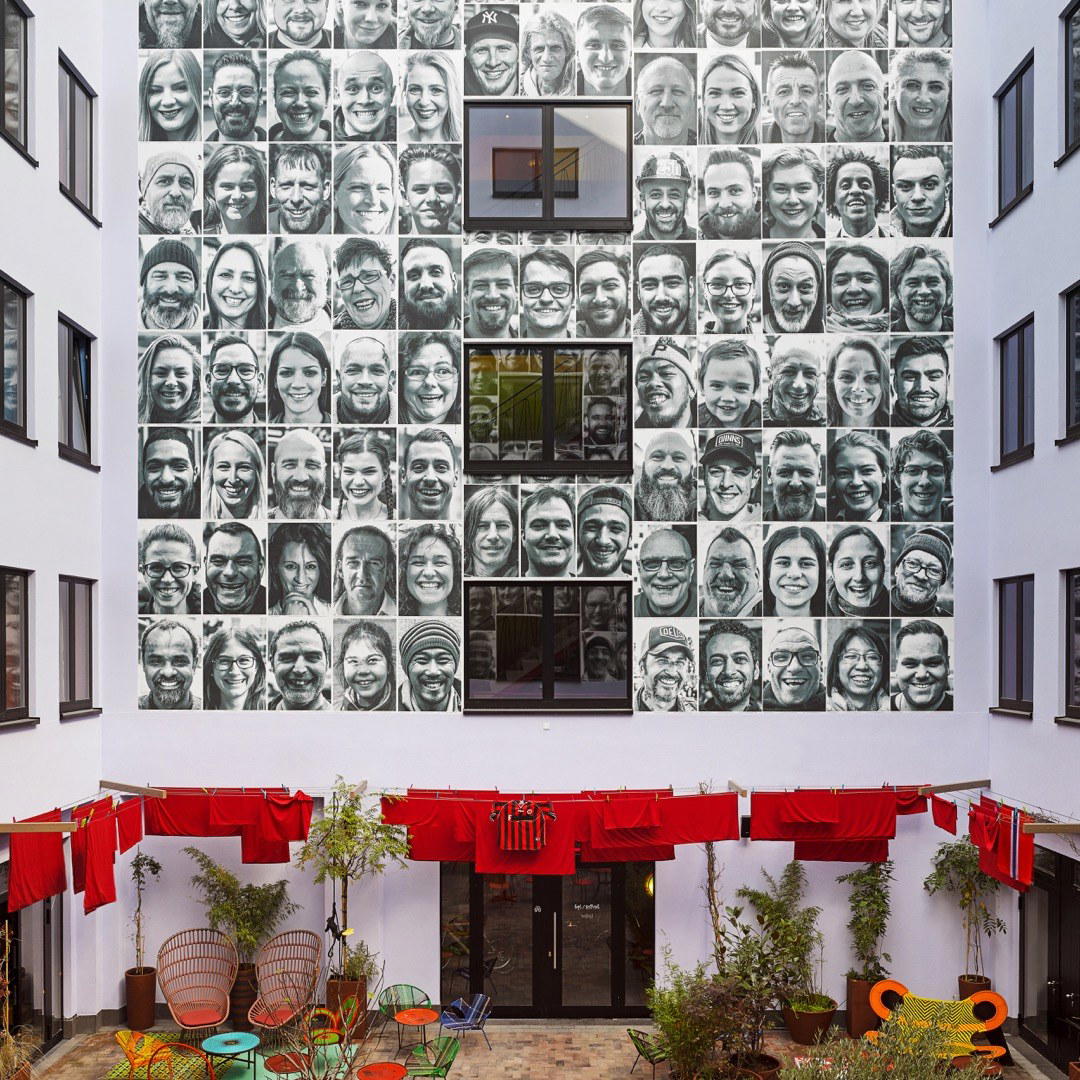
Spartanic and geometric interior that feels homely, described as cosy, stylish, and cool contemporary.