Situated on Flugplatzstraße in the western reaches of Mainz, ATRIUM Restaurant occupies the ground floor of the Atrium Hotel Mainz, positioning it within a city whose dining scene increasingly pulls between traditional Rheinhessen wine-culture eating and a newer wave of ingredient-driven cooking. Precise kitchen details remain unpublished, making a direct reservation inquiry a reliable first step for current menu and pricing information.
Pearl is the En Primeur Club membership app — saves, bookings, and concierge access live there. Same editors, same standards.
- Address
- Flugplatzstraße 44, 55126 Mainz, Germany
- Phone
- +494961314910
- Website
- atrium-mainz.de
- Directions
- Get directions
 Saves & bookings on Pearl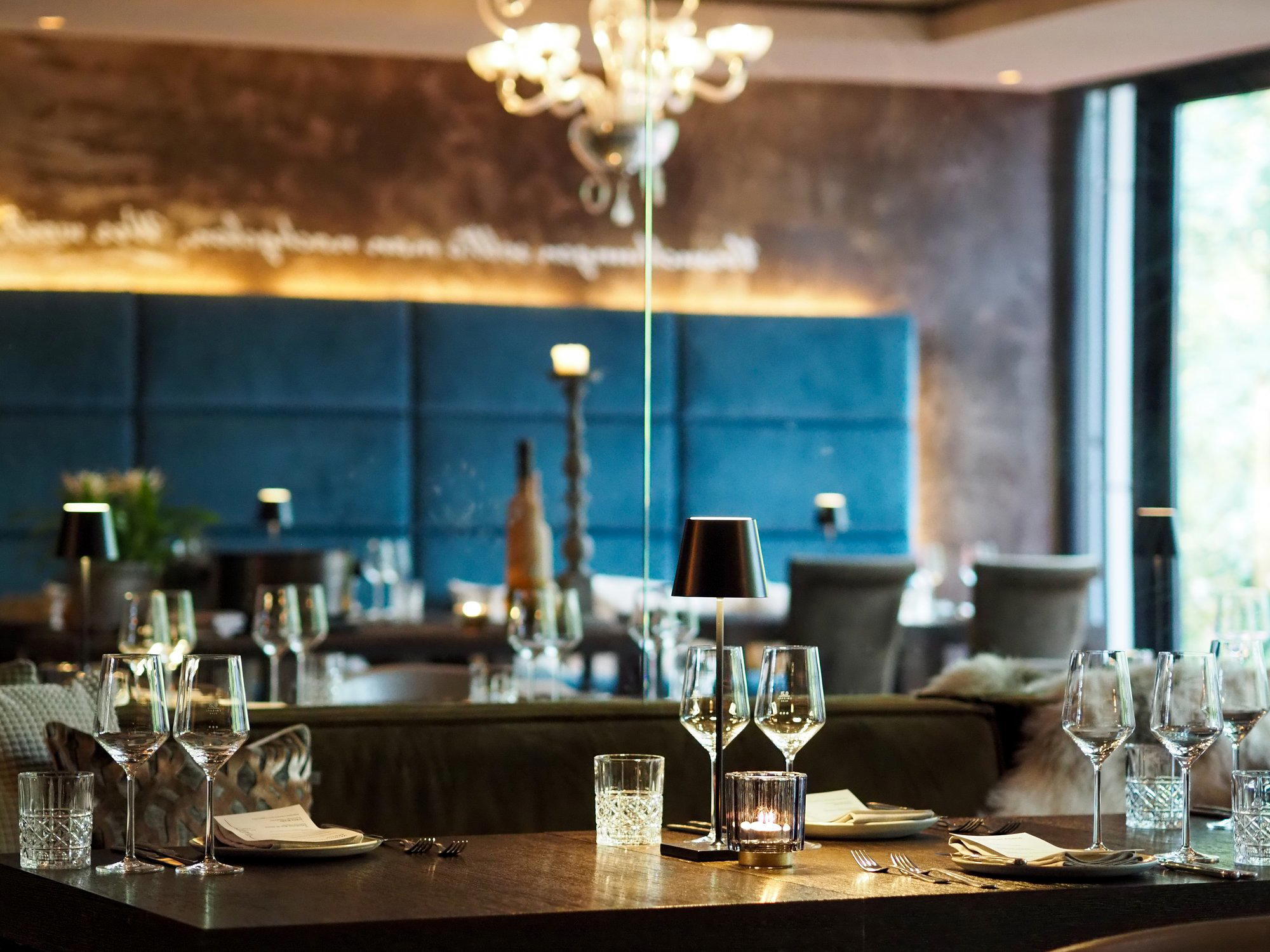
Hotel Dining in Mainz and What It Signals
Hotel restaurants in mid-sized German cities occupy an awkward position in the dining hierarchy. They serve a captive audience of business travellers and conference guests, which historically insulated them from the competitive pressure that sharpens independent kitchens. Over the past decade, that dynamic has shifted in several cities. Properties that once treated their restaurant as an amenity have started investing in kitchen programs that can hold their own against the independent scene. ATRIUM Restaurant at the Atrium Hotel Mainz sits in the more traditional hotel-dining bracket.
The address, Flugplatzstraße 44 in the 55126 postcode, places the restaurant in Mainz-Gonsenheim, west of the old town and closer to the airport fringe than to the wine-bar streets around the Markt. That geography matters for ingredient sourcing: the agricultural hinterland of Rheinhessen, Germany's largest wine-growing region by area, begins almost immediately beyond the city's western edge. Kitchens in this part of Mainz have direct access to producers supplying particularly varied growing terrain in the country, from loess-heavy flatlands yielding strong root vegetables and cereals to basalt and limestone slopes producing the Riesling and Silvaner grapes that define regional viticulture.
Rheinhessen's Larder and Why Geography Sets the Table
The sourcing context for any serious kitchen in Mainz is worth understanding before you book a table. Rheinhessen produces far more than wine. Market gardens around Ingelheim, Oppenheim, and the villages south of Mainz supply asparagus, strawberries, and salad crops across a long growing season. Orchard fruit from the Nahe tributary valley arrives in late summer. River fish, particularly pike-perch and trout, appear on menus across the region in a way that reflects both proximity and tradition rather than any fashionable localism. A kitchen that takes this geography seriously has the raw material to cook with genuine seasonal logic rather than importing ingredients that could be sourced within thirty kilometres.
This is the frame against which ingredient-led restaurant programs in Mainz should be read. The city's most committed kitchens, including Steins Traube, which operates a documented farm-to-table approach at the €€€ tier, have built menus explicitly around Rheinhessen produce and regional wine pairings. At the other end of the register, Geberts Weinstuben works within the classic wine-tavern format at €€, anchoring its food to the kind of regional cooking that has accompanied Rheinhessen wine for generations. ATRIUM Restaurant's position within that competitive map is clear from the record: it is a Modern Regional German restaurant at the €€€ tier. Between those poles, a range of formats competes for the mid-to-upper dining occasion, including Bellpepper, Brunfels Restaurant, and at the premium end, FAVORITE restaurant, which operates a Modern French program at the €€€€ tier.
What Hotel-Embedded Restaurants Often Do Well
In Germany, hotel restaurants attached to business-oriented properties have a functional strength that is easy to underestimate. Their kitchens run on consistent schedules, they are staffed for volume, and they typically maintain a broader menu range than specialist independents. For a traveller arriving from a conference or a late flight, that reliability has real value. The question for an ingredient-sourcing frame is whether the kitchen treats procurement as a daily decision or a logistics function. The answer usually shows up in how seasonal the menu reads and how locally specific the wine list runs.
In a region as wine-saturated as Rheinhessen, a hotel restaurant that defaults to generic European list building is passing up an obvious editorial opportunity. The better hotel programs in the Rhine-Main area treat the wine list as a direct extension of the kitchen's sourcing logic, pairing estate-grown Silvaner and site-specific Riesling with food that reflects the same geography. For comparison, Germany's most decorated hotel dining programs, such as Schwarzwaldstube in Baiersbronn or Vendôme in Bergisch Gladbach, demonstrate that a hotel address is no structural obstacle to serious kitchen ambition. At a less rarefied level, programs like JAN in Munich show how regional ingredient discipline can anchor a hotel-adjacent dining identity without the full apparatus of a Michelin-starred kitchen. Internationally, the contrast is equally instructive: Le Bernardin in New York City and Lazy Bear in San Francisco represent what happens when sourcing philosophy is treated as the foundational design principle of a kitchen, regardless of format.
The Broader German Fine-Dining Context
Germany's serious dining scene has deepened considerably over the past fifteen years, and it extends well beyond the obvious metropolitan centres. Programs like Aqua in Wolfsburg, Victor's Fine Dining by Christian Bau in Perl, ES:SENZ in Grassau, Schanz in Piesport, and Waldhotel Sonnora in Dreis demonstrate that high-level cooking in Germany frequently happens outside the major cities, often in hotel or inn settings that would traditionally signal conservative programming. Restaurant Haerlin in Hamburg and CODA Dessert Dining in Berlin represent a different tier of ambition within urban hotel dining. Against this backdrop, a hotel restaurant in Mainz occupies territory where ambition is entirely plausible, even if the public record for this particular address does not yet confirm it.
Planning a Visit
The Atrium Hotel Mainz is accessible from the city centre by public transport, and the Flugplatzstraße address makes it convenient for travellers arriving via Frankfurt Airport or using the hotel as a base for Rheinhessen wine-country excursions. The restaurant is open Monday through Saturday from 6 to 9 PM and is closed on Sunday. Reservations are recommended. This is not unusual for hotel restaurants of this type, where programming can shift by season or by hotel occupancy, but it does mean that spontaneous visits carry some risk of encountering a limited or event-only service.
For travellers building a Mainz dining itinerary, the city's independent scene provides a more documented set of reference points.
In Context: Similar Options
Comparable venues nearby, for context on price, style, and recognition.
| Venue | Cuisine | Price | Notes |
|---|---|---|---|
| ATRIUM Restaurant im Atrium Hotel MainzThis venue — the venue you are viewing | Modern Regional German | $$$ | Not listed |
| Brunfels Restaurant | Modern German | $$$ | Old Town |
| WILLICHS | Modern Vegan Fine Dining | $$$ | Neustadt |
| Pankratz | Seasonal Regional German | $$$ | Mainz |
| Kamin | Flammkuchen Restaurant | $$ | Altstadt |
| Bellpepper | Modern Regional German with International Influences | $$$ | Mainz city center |
Continue exploring
More in Mainz
Restaurants in Mainz
Browse all →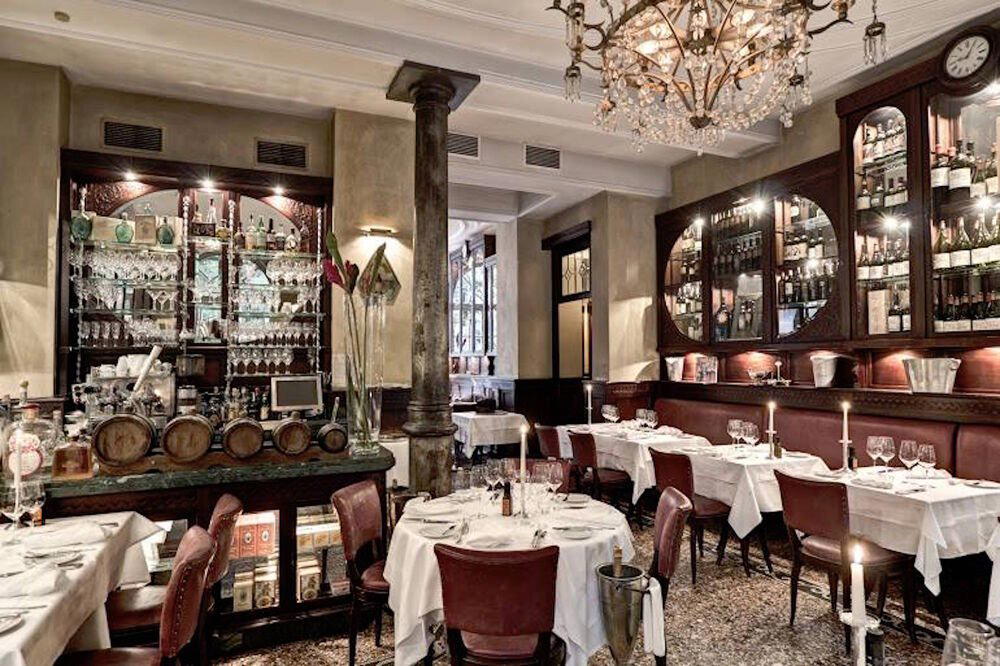
Bars in Mainz
Browse all →


Hotels in Mainz
Browse all →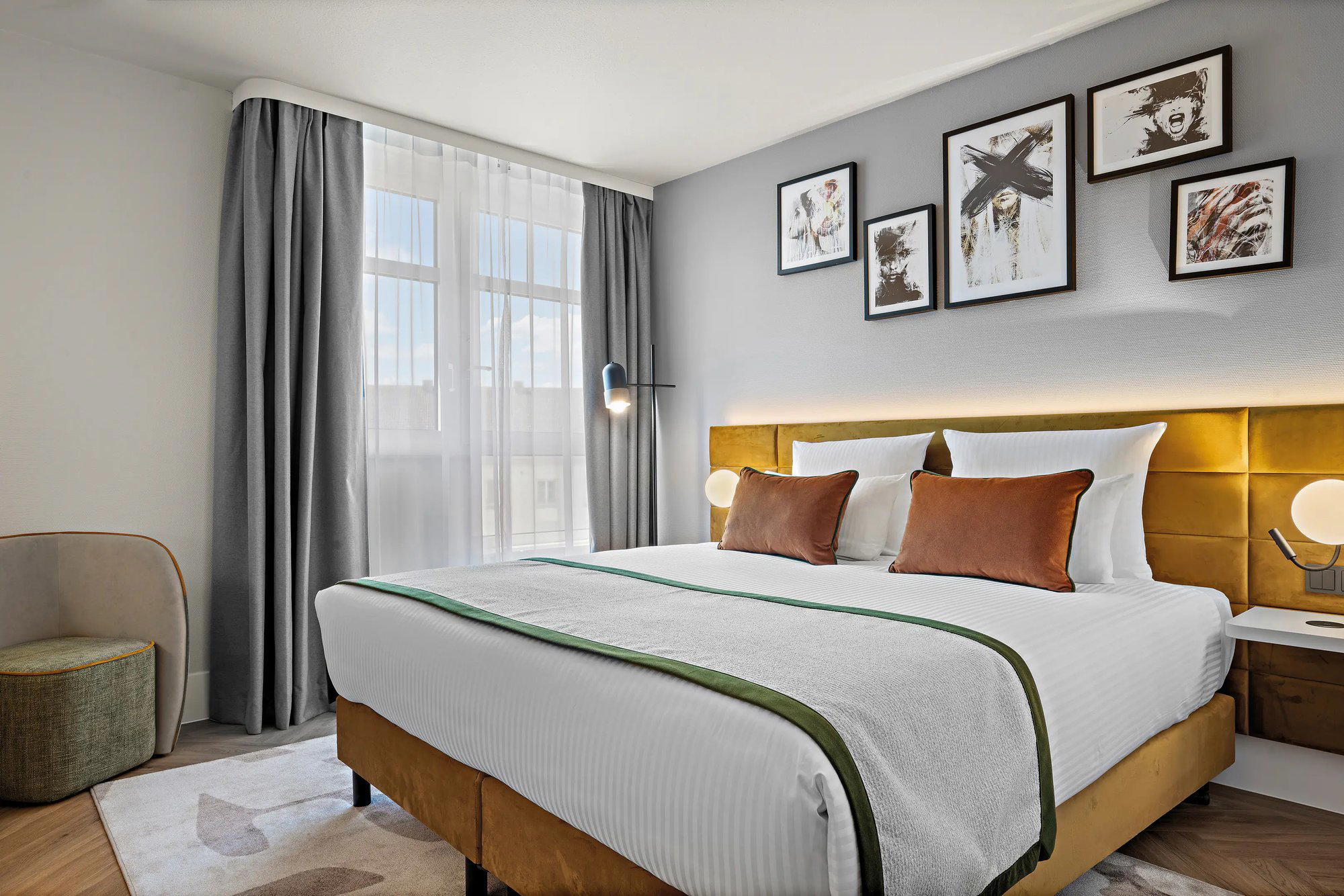
At a Glance
- Elegant
- Cozy
- Sophisticated
- Date Night
- Business Dinner
- Special Occasion
- Hotel Restaurant
- Private Dining
- Extensive Wine List
- Local Sourcing
Current opening hours
- Monday
- 6–9 PM
- Tuesday
- 6–9 PM
- Wednesday
- 6–9 PM
- Thursday
- 6–9 PM
- Friday
- 6–9 PM
- Saturday
- 6–9 PM
- Sunday
- Closed
Hours can change for holidays and private events. Last verified .
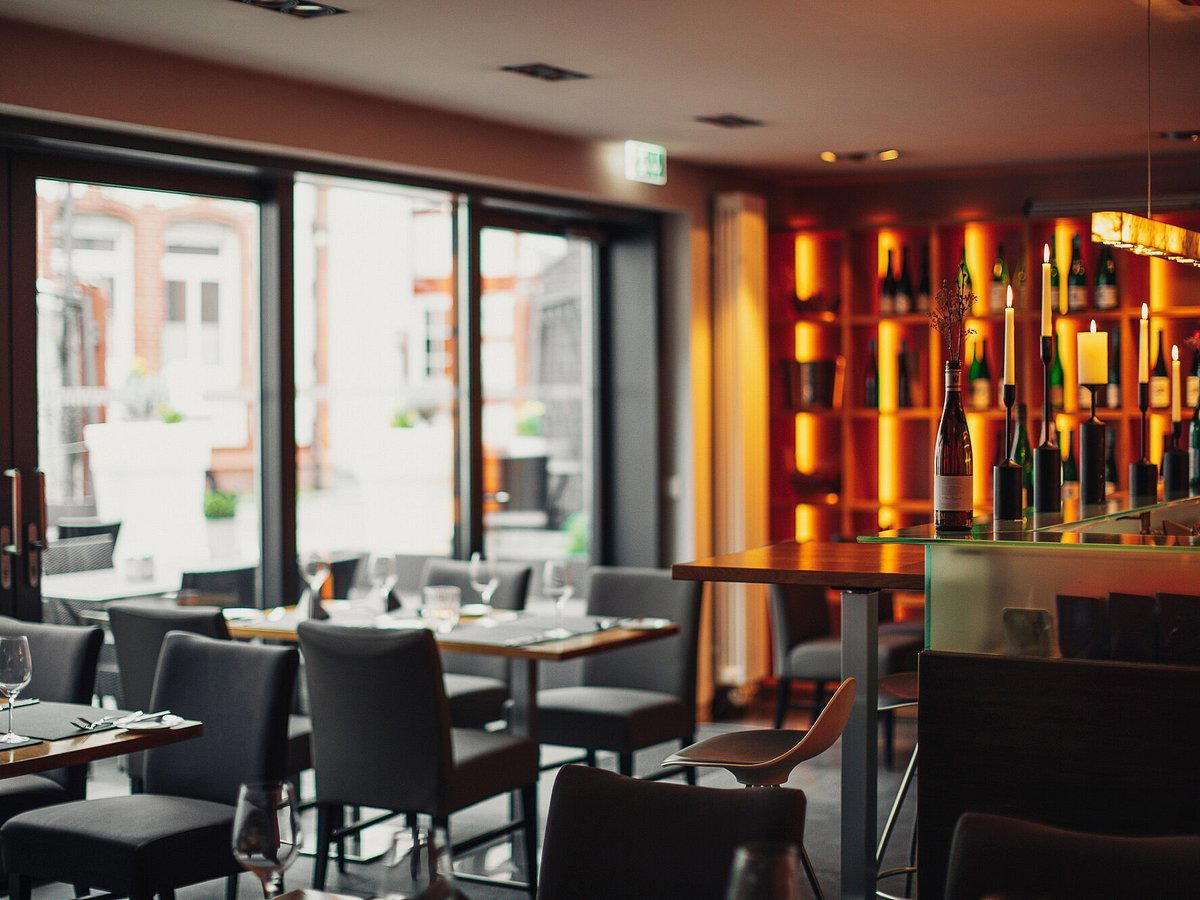
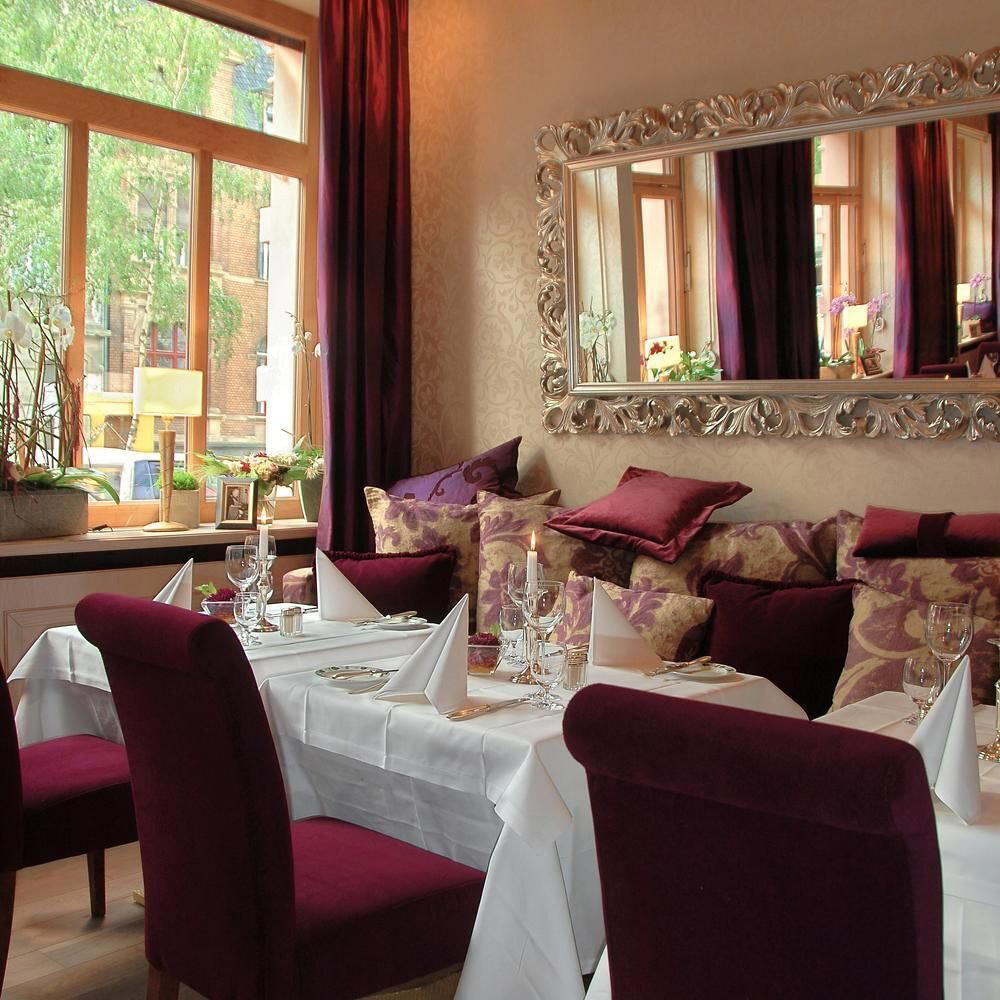
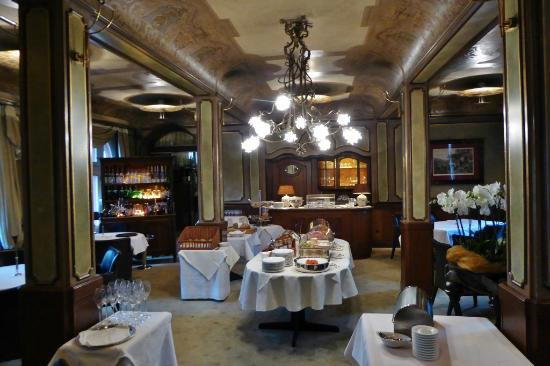
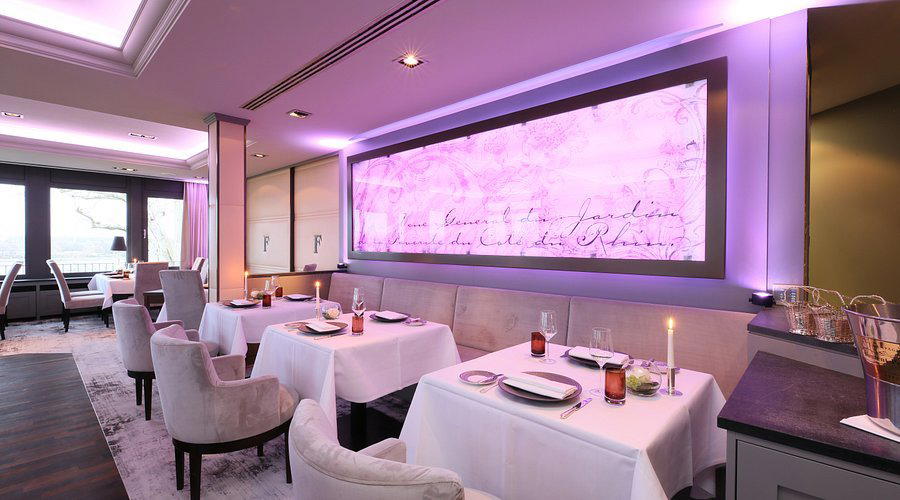
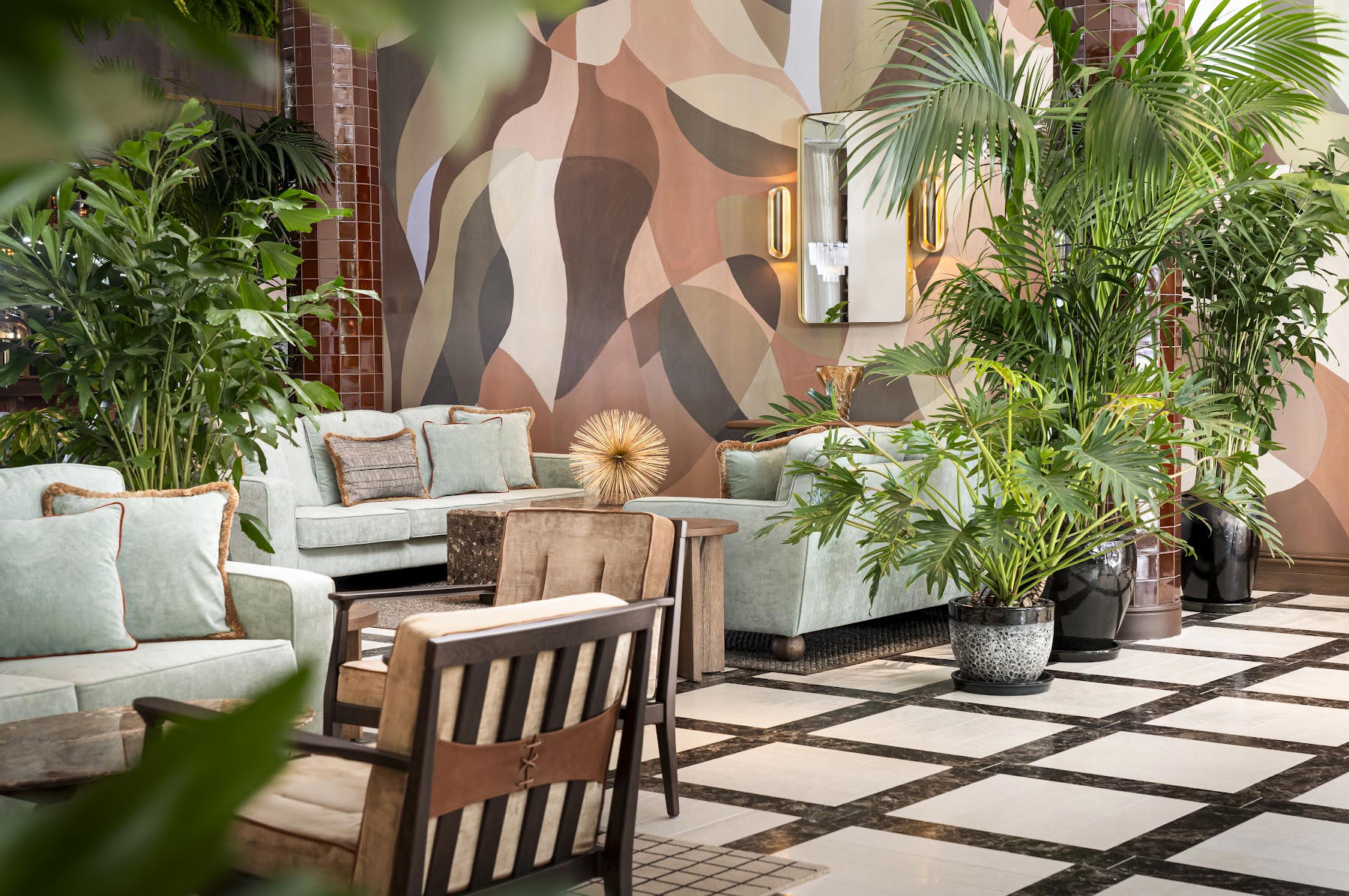
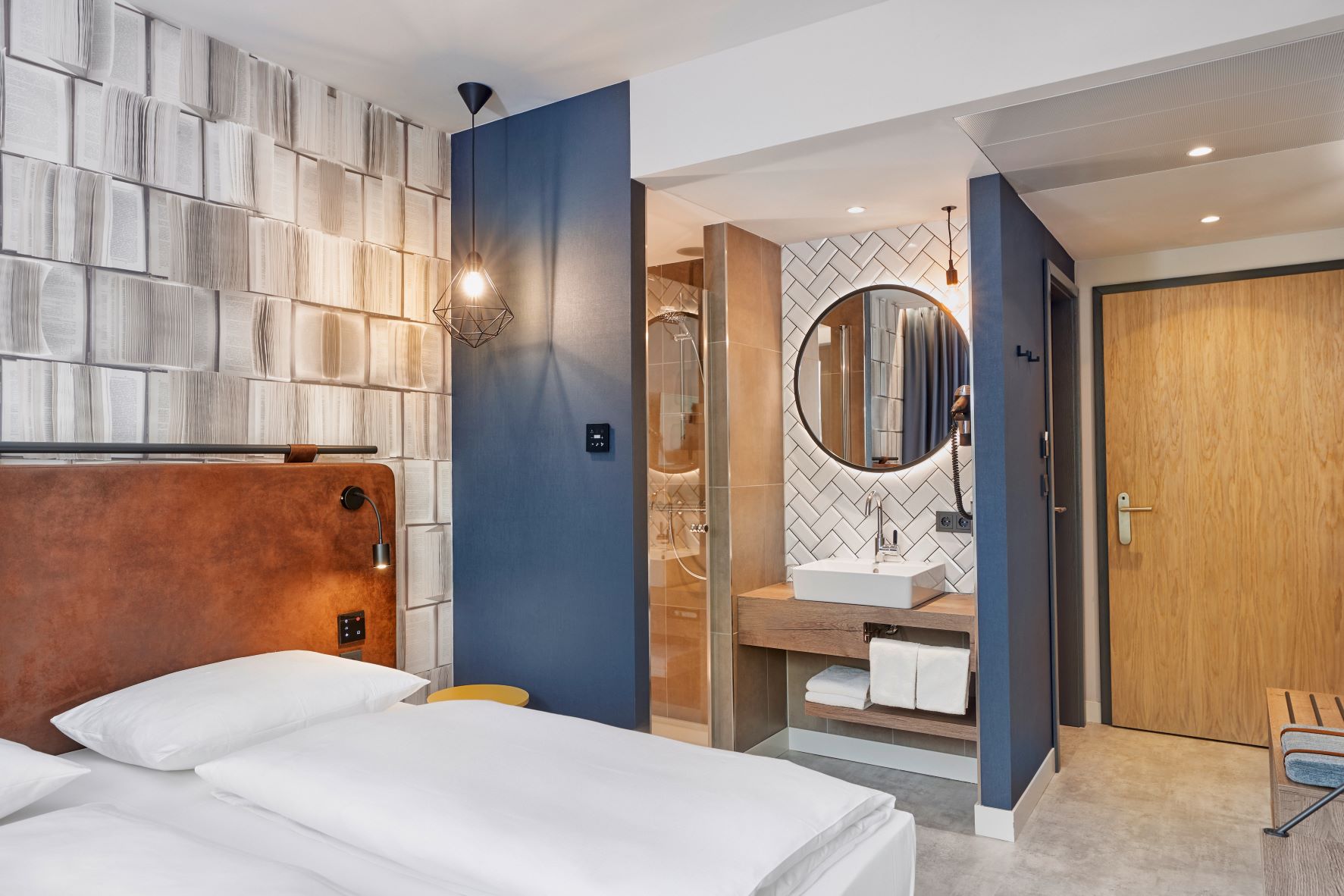
Cozy and stylish atmosphere balancing elegance and warmth with tasteful decor.