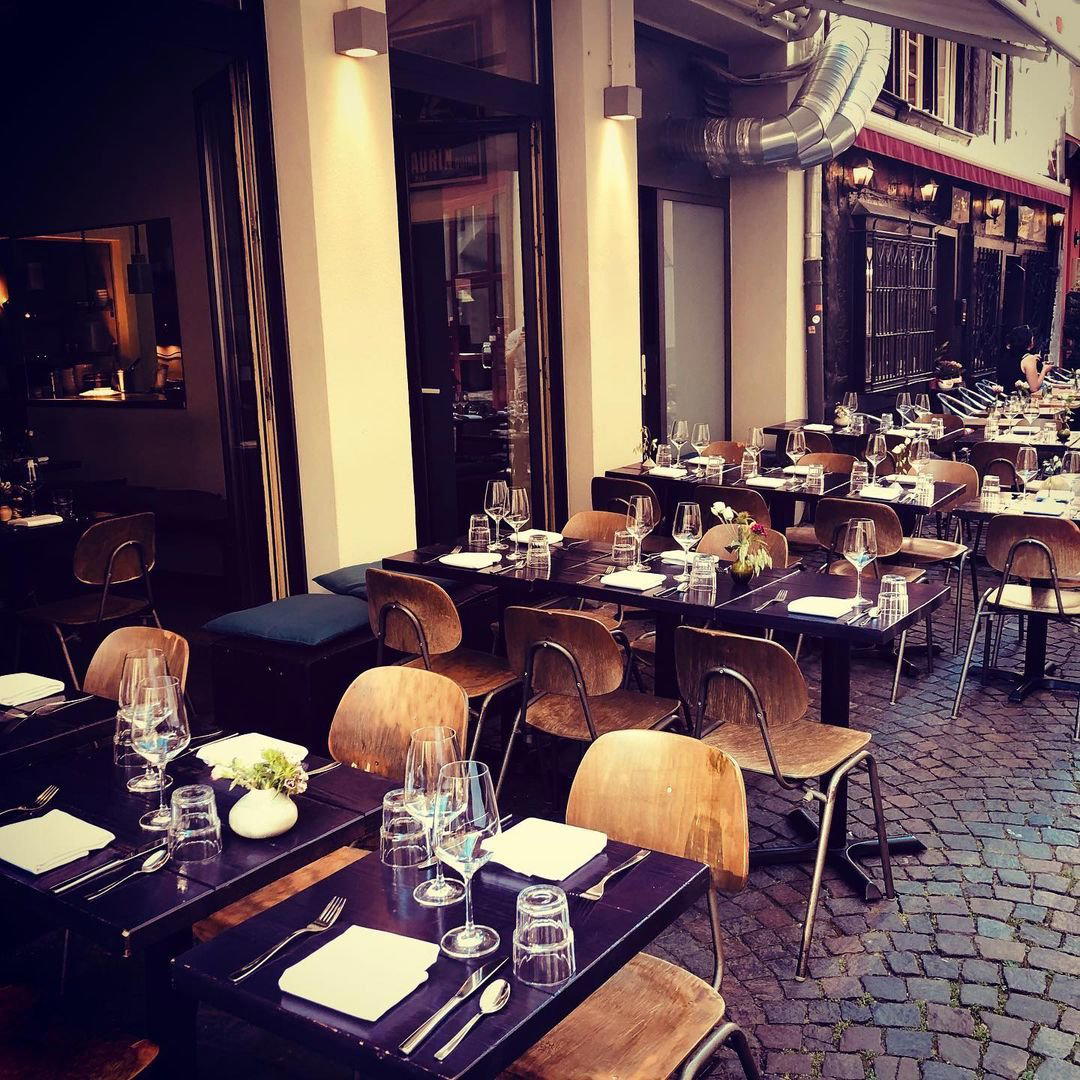
Plank Café-Bar-Studio occupies Elbestraße 15 in Frankfurt's Bahnhofsviertel, operating across three formats under one roof: café, bar, and creative studio space. The hybrid model reflects a broader shift in Frankfurt's independent scene away from single-function venues toward spaces that hold different audiences at different hours. It sits in a neighbourhood where raw character and proximity to the city's financial core produce an unusual social mix.

Pearl is the En Primeur Club membership app — saves, bookings, and concierge access live there. Same editors, same standards.
- Address
- Elbestraße 15, 60329 Frankfurt am Main, Germany
- Phone
- +49 69 26958666
- Hours
- Mon–Thu 10 AM–1 AMFri 10 AM–2 AMSat 11 AM–2 AMSun Closed
- Website
- barplank.de
- Directions
- Get directions
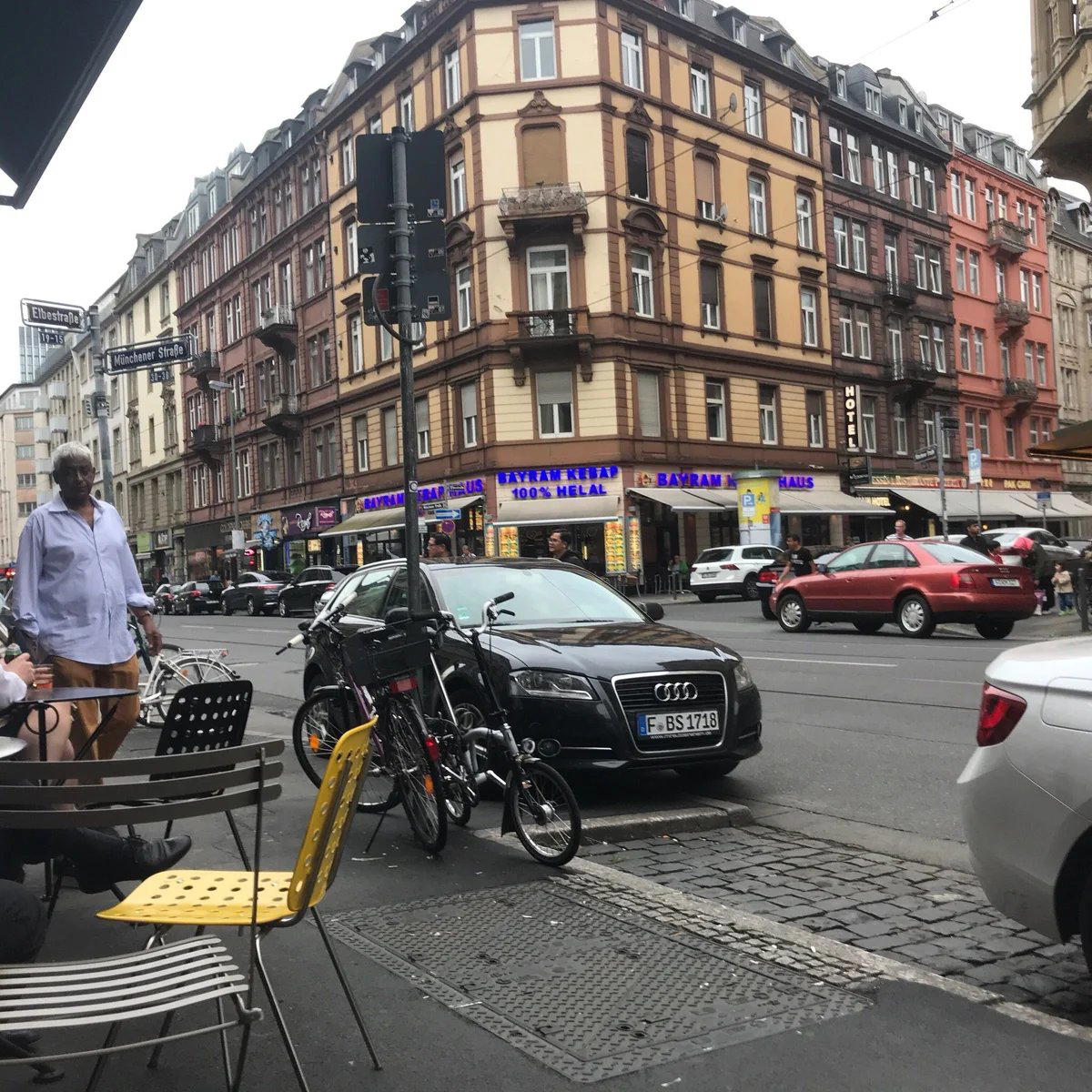
Where Elbestraße Meets the Hybrid Venue Format
Frankfurt's Bahnhofsviertel has long resisted easy categorisation. The district around the central station carries a density that most European financial capitals would consider incongruous: discount shops, late-night bars, independent galleries, and some of the city's more serious drinking establishments packed within a few walkable blocks. That compression is not a flaw in the neighbourhood's identity — it is the identity. Plank Café-Bar-Studio, at Elbestraße 15, belongs to that texture. The address puts it squarely in the zone where Frankfurt's creative and professional populations overlap, and the three-part name signals exactly how the space is positioned: not as a restaurant, not as a cocktail bar in the narrow sense, but as something that shifts register depending on the hour.
The café-bar-studio format has become one of the more interesting structural experiments in European independent hospitality over the past decade. Cities including Berlin, Vienna, and Rotterdam have seen venues use the model as a way to sustain occupancy across a full day, spreading fixed costs across morning coffee, afternoon work sessions, and evening drinking without forcing any single identity on the space. Frankfurt has been slower to adopt it than its northern German counterparts, which makes venues that do commit to the hybrid format more notable by contrast.
The Sourcing Logic Behind a Multi-Format Space
The café-bar-studio model implies something specific about sourcing: when a space operates across multiple formats and a wide daily arc, the provenance and quality of what it puts in front of guests becomes a more visible commitment than in a single-function venue. A cocktail bar can hide behind a narrow, tightly curated spirits list. A café that also serves as a daytime workspace and an evening bar cannot. The coffee programme, the bar inventory, and whatever food or snack offering bridges the hours are all on display simultaneously, and guests cycling through different dayparts will form an opinion of the whole based on each part.
In Frankfurt's independent scene, this pressure tends to produce one of two outcomes: venues that spread thin and deliver adequately across formats, or venues that make deliberate sourcing decisions that hold quality consistent from the first espresso to the last cocktail. The Bahnhofsviertel, with its access to Frankfurt's broader supplier network and proximity to the city's wholesale and import infrastructure, gives venues on streets like Elbestraße a real opportunity to pursue the second path. Whether the emphasis falls on single-origin coffee roasters, regionally specific spirits, or a bar programme built around German producers — the geography supports it.
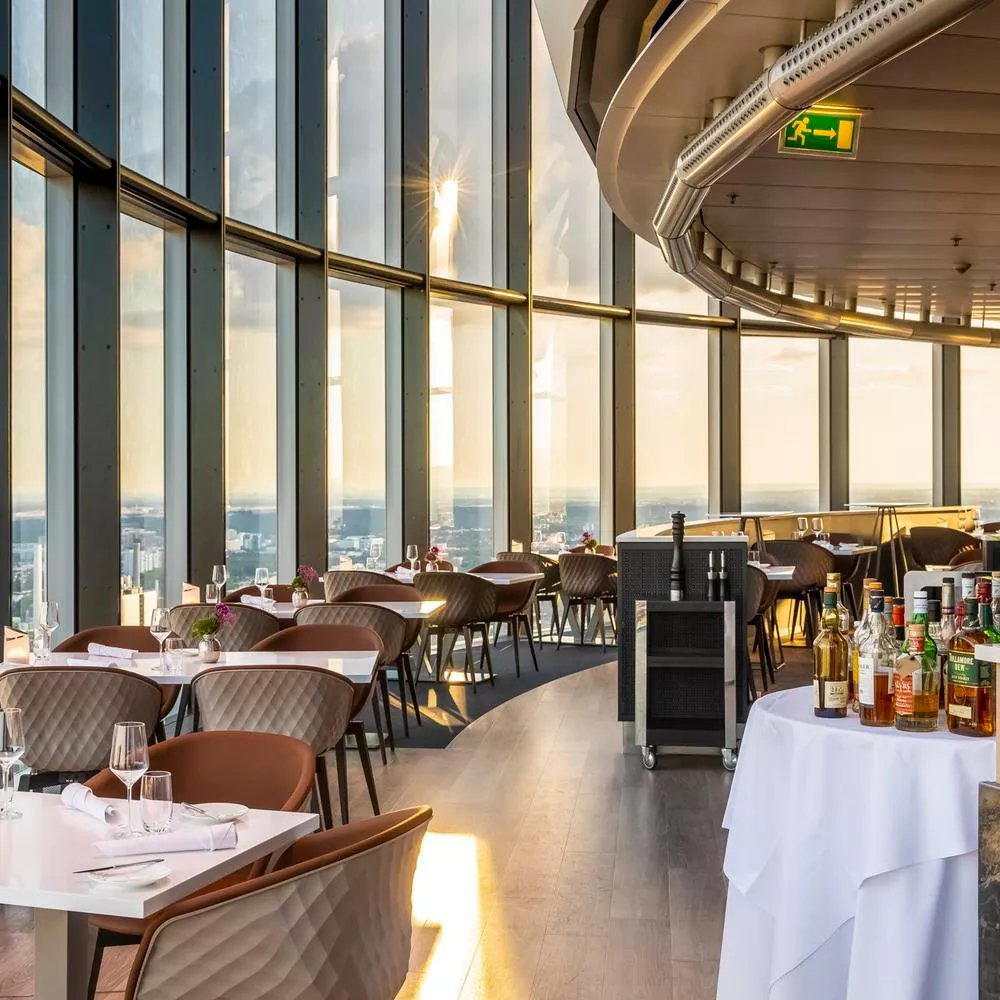
Across Germany's more established bar scenes, the strongest independent venues have converged on sourcing transparency as a differentiator. Buck & Breck in Berlin built its reputation partly on a spirits inventory selected for provenance rather than brand recognition. Le Lion Bar de Paris in Hamburg applies a similarly editorial approach to its cocktail list. In Frankfurt, Aber and Doctor Flotte represent the city's more focused bar-only operations, while Main Tower Restaurant & Lounge occupies the high-altitude, expense-account tier. Plank's positioning as a hybrid space places it in a different competitive bracket from all three, closer to the working creative venue than the destination cocktail bar.
Frankfurt's Independent Bar Scene in 2024
Frankfurt is not Hamburg or Berlin when it comes to bar culture, and the gap is worth understanding rather than dismissing. The city's bar scene has historically tracked its financial calendar: strong weekday occupancy from banking and professional services clients, thinner weekend trade as that population disperses. Independent venues that depend on a more eclectic, neighbourhood-rooted clientele have had to build their audiences against that structural grain. The result is that the venues which survive tend to be specific in their identity and clear about who they are for.
The Bahnhofsviertel has become the main concentration point for that independent identity. MARGARETE and The Parlour in Frankfurt on the Main operate in the same general zone and reflect the breadth of the district's current offer: from technically focused cocktail programmes to spaces with a stronger cultural programming dimension. Plank's studio component points toward the cultural programming end of that spectrum, aligning it with venues in other German cities that have successfully woven creative events into their hospitality offer. Goldene Bar in Munich offers a comparison from within Germany, a space where cultural affiliation and drinks quality reinforce each other rather than competing. In Cologne, Bar Trattoria Celentano has taken a different route by fusing Italian hospitality codes with a bar format, demonstrating how hybrid identity can work when each component has genuine weight. Uerige in Dusseldorf represents the deep-tradition end of the German bar spectrum, a useful counterpoint to newer hybrid models.
How to Approach a Visit
Elbestraße 15 is within easy walking distance of Frankfurt Hauptbahnhof, which makes the venue accessible by S-Bahn and U-Bahn from across the city as well as from out of town. The Bahnhofsviertel is compact enough that a visit can be planned as part of a wider evening across several venues in the district. Because Plank operates as a café and studio during daylight hours, visiting mid-afternoon offers a quieter entry point than the evening bar period, useful for anyone who wants to get a sense of the space before the energy shifts. No booking details are publicly confirmed, but multi-format spaces of this type in Frankfurt typically operate on a walk-in basis during café hours, with the bar period more dependent on capacity and the specific event or programming calendar.
For readers building a broader Frankfurt itinerary, our full Frankfurt restaurants and bars guide maps the city's current offer across neighbourhoods and price points. For an international reference point on the hybrid creative-bar model, Bar Leather Apron in Honolulu demonstrates how a tightly defined identity across multiple service registers can anchor a venue in its city's drinking culture over time.
What Plank Represents in the Wider Picture
Frankfurt's hospitality scene is at a point where the most interesting new venues are defined less by a single strong format and more by how clearly they hold multiple formats together without losing coherence. The café-bar-studio model requires discipline: the coffee has to be as considered as the cocktails, and the studio programming has to attract an audience that feeds back into the bar's identity rather than sitting beside it awkwardly. When that balance works, it produces spaces that feel genuinely embedded in a neighbourhood rather than inserted into it. Elbestraße 15 occupies a stretch of the Bahnhofsviertel where that kind of embeddedness is both possible and necessary, the street does not reward venues that are unclear about what they are.
At-a-Glance Comparison
| Venue | Cuisine | Price | Awards |
|---|---|---|---|
| Plank Café-Bar-StudioThis venue — the venue you are viewing | This venue | $20–30 | Not listed |
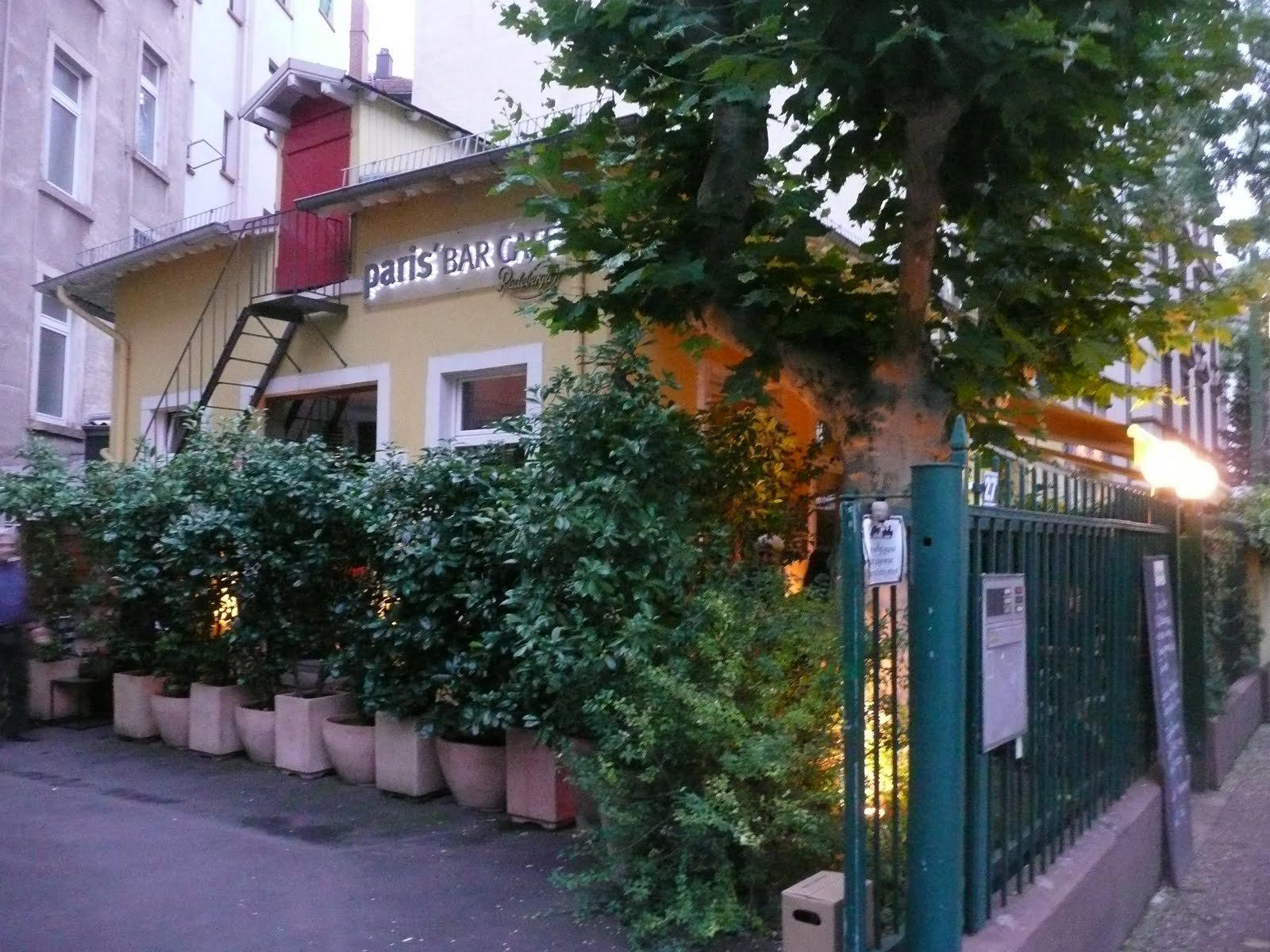
| Paris' Bar | Not listed | $20–30 | Star Wine List · Falstaff Wine Bar - 91 Falstaff Points |
| Mona Lisa Bar | Not listed | $20–30 | Not listed |
| Aber | Not listed | $20–30 | Not listed |
| Doctor Flotte | Not listed | $10–20 | Not listed |
Continue exploring
More in Frankfurt
Bars in Frankfurt
Browse all →

Restaurants in Frankfurt
Browse all →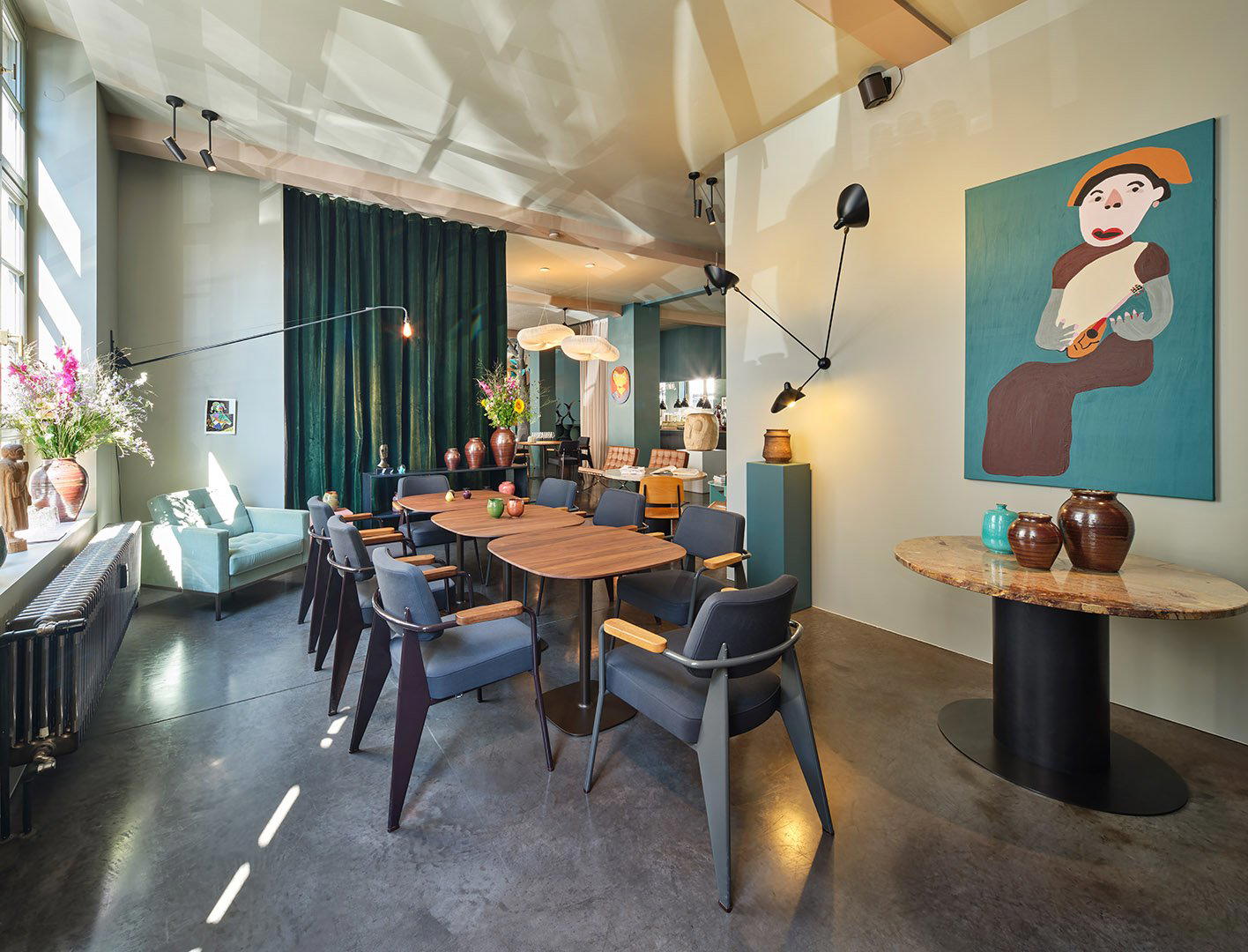
Hotels in Frankfurt
Browse all →

Details
- Trendy
- Modern
- Cozy
- After Work
- Casual Hangout
- Standalone
- Seated Bar
- Craft Cocktails
- Gin
Current opening hours
- Monday
- 10 AM–1 AM
- Tuesday
- 10 AM–1 AM
- Wednesday
- 10 AM–1 AM
- Thursday
- 10 AM–1 AM
- Friday
- 10 AM–2 AM
- Saturday
- 11 AM–2 AM
- Sunday
- Closed
Hours can change for holidays and private events. Last verified .
Nice environment with nice music, minimalist design, striking black walls attracting creatives and hipsters.