
Michelin Plate
Our verdict
Holding a Michelin Plate in both 2024 and 2025, sushi Lounge on Karl-Weiser-Straße brings Japanese precision to Mainz's compact fine-dining scene. For the Rhine-Moselle region, it represents a serious commitment to the craft.

Pearl is the En Primeur Club membership app — saves, bookings, and concierge access live there. Same editors, same standards.
- Address
- Karl-Weiser-Straße 1, 55131 Mainz, Germany
- Phone
- +49 6131 8015477
- Hours
- Mon–Thu 4 PM–1 AMFri–Sat 4 PM–2 AMSun 12 PM–12 AM
- Website
- favorite-mainz.de
- Directions
- Get directions
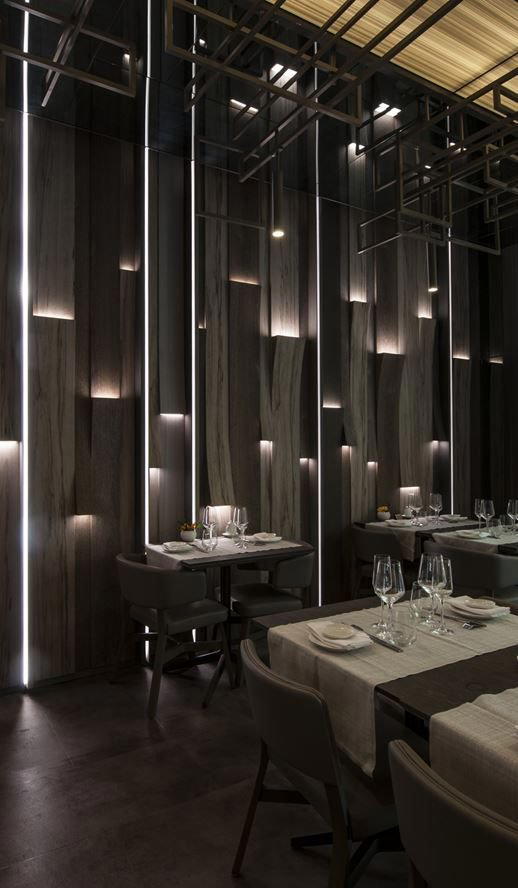
Sushi in Mainz: An Unlikely Address With Consistent Credentials
Mainz is not a city that announces itself as a Japanese dining destination. Its reputation rests on the Rhine, on Rhenish wine culture, on a tight cluster of restaurants — including FAVORITE restaurant at the fine-dining end and Geberts Weinstuben anchoring its classic German tradition — that reflect the city's Central European identity. In a city this size, those numbers carry weight.
The broader context matters here. Germany's sushi scene has matured considerably over the past decade, splitting into three loosely defined tiers: high-volume delivery-and-casual operations, mid-market restaurant formats that treat sushi as one component of a broader Asian menu, and a smaller group of dedicated houses where the discipline and sourcing standards of the kitchen are the primary offer. sushi Lounge occupies that third tier in Mainz, a position that explains both its Michelin recognition and its sustained audience.
Edomae Tradition and the Modern European Interpretation
The central tension in any serious sushi operation outside Japan is the same: how much of the Edomae tradition do you honour, and where do you adapt for local conditions, local palates, and local supply chains? Edomae, the style that evolved in Edo-period Tokyo and gave rise to the omakase format familiar at counters like Harutaka in Tokyo, is built on discipline: specific aging and curing techniques applied to fish sourced from Tokyo Bay, rice seasoned with red vinegar, and a format in which the itamae reads the guest as much as the ingredient. At Sushi Shikon in Hong Kong, three Michelin stars, Japanese chef, Japanese supply chain, that tradition is transplanted almost intact to a foreign city.
Most sushi restaurants in German cities operate somewhere else on that spectrum. The constraints are real: European fish markets, even good ones, do not replicate Tsukiji or Toyosu access. Rice sourcing and vinegar selection are decisions that shape the final product as fundamentally as the fish. A kitchen that takes those decisions seriously, sourcing premium Japanese short-grain varieties, calibrating seasoning, applying proper temperature discipline at the counter, is doing something structurally different from a kitchen that treats sushi as a plating exercise. The Michelin Plate designation, awarded for cooking quality rather than restaurant luxury, suggests sushi Lounge belongs in the former group.
What that means in practice is a menu likely rooted in recognisable nigiri and maki forms but executed with attention to the craft details that differentiate a technically serious kitchen from a competent one. That alignment, critical recognition and sustained public approval, is rarer in the mid-tier than it should be.
Where sushi Lounge Sits in Mainz's Dining Picture
At the €€€ price point, sushi Lounge sits in the same bracket as Steins Traube and occupies the tier just below FAVORITE restaurant, which operates at €€€€. Within that positioning, it represents a different dining proposition entirely: where Mainz's French and German kitchens express the region's agricultural and viticultural identity, sushi Lounge works from a tradition with no local roots, which means every quality signal has to come from the kitchen itself rather than from provenance or terroir story.
That is a harder argument to make in a wine-forward Rhine city, and the fact that sushi Lounge has made it consistently since at least 2024 says something about execution quality. For context, Michelin Plate recognition in Germany is not automatic for any sushi operation; the guide's standards apply regardless of cuisine format, which means the kitchen is being judged against the same cooking-quality threshold as Pankratz or any other Mainz address in the recognition tier. To receive the Plate twice in succession is a consistency signal, not a one-cycle anomaly.
Elsewhere in Germany, sushi has pushed into more ambitious territory, the kaiseki-influenced tasting formats and hyper-precise sourcing programs at addresses in Munich and Hamburg sit at a different level of ambition and price. For comparison, the starred kitchens at JAN in Munich and Restaurant Haerlin in Hamburg show how German fine dining at the leading end operates. sushi Lounge is not competing in that register, but it does not need to: Mainz is not Munich, and the Plate designation positions it accurately within what the city's dining scene can support and sustain.
Planning Your Visit
Karl-Weiser-Straße 1 places sushi Lounge within the 55131 postcode, a short distance from Mainz's central districts. The €€€ pricing bracket suggests a seated meal in the range typical for serious restaurant dining in mid-sized German cities, meaningful but not the barrier it would be at a starred counter. Booking ahead by at least a week is a reasonable baseline, more on weekends. Mainz's wider dining and accommodation picture is covered in our full Mainz restaurants guide, and for those combining the visit with stays in the area, our Mainz hotels guide covers the current options. The city's bar scene and wine access are documented in our Mainz bars guide and our Mainz wineries guide, with cultural programming in our Mainz experiences guide.
Frequently asked questions
Where is sushi Lounge located?
sushi Lounge is located at Karl-Weiser-Straße 1, 55131 Mainz, Germany, Mainz.
How far ahead should I plan for sushi Lounge?
Contacting the venue directly well in advance — particularly for weekend seatings — is advisable given its position as one of Mainz's few credentialed Japanese addresses.
What do critics highlight about sushi Lounge?
Michelin's inspectors awarded sushi Lounge a Plate in both 2024 and 2025, the guide's signal for cooking that meets quality standards without yet reaching star level. That back-to-back recognition in a city not associated with Japanese dining — Mainz's reputation runs toward Rhenish wine culture rather than raw fish — points to a kitchen holding its own against the broader German sushi scene.
Recognition, Side-by-Side
| Venue | Cuisine | Price | Awards | Notes |
|---|---|---|---|---|
| sushi LoungeThis venue — the venue you are viewing | Fine Sushi & Indochine Kitchen | $20–30 | Michelin Plate | Not listed |
| Steins Traube | Modern French Fine Dining with Asian Influences | $100–150 | 1 Michelin Star · Star Wine List | Farm to table |
| Geberts Weinstuben | Classic German with Seasonal Regional Cuisine | $30–50 | Michelin Bib Gourmand | Not listed |
| FAVORITE restaurant | Creative Mediterranean Fine Dining | Not listed | 1 Michelin Star · Star Wine List | Modern French |
| Pankratz | Seasonal Regional German | $50–100 | We're Smart World 2 Radishes | Not listed |
Recognition history
Dated appearances from independent guides and award organizations, with the underlying list record or original source where available.
Michelin Plate
Michelin
Full recognition history (2 entries)
Michelin Plate
Michelin
Continue exploring
More in Mainz
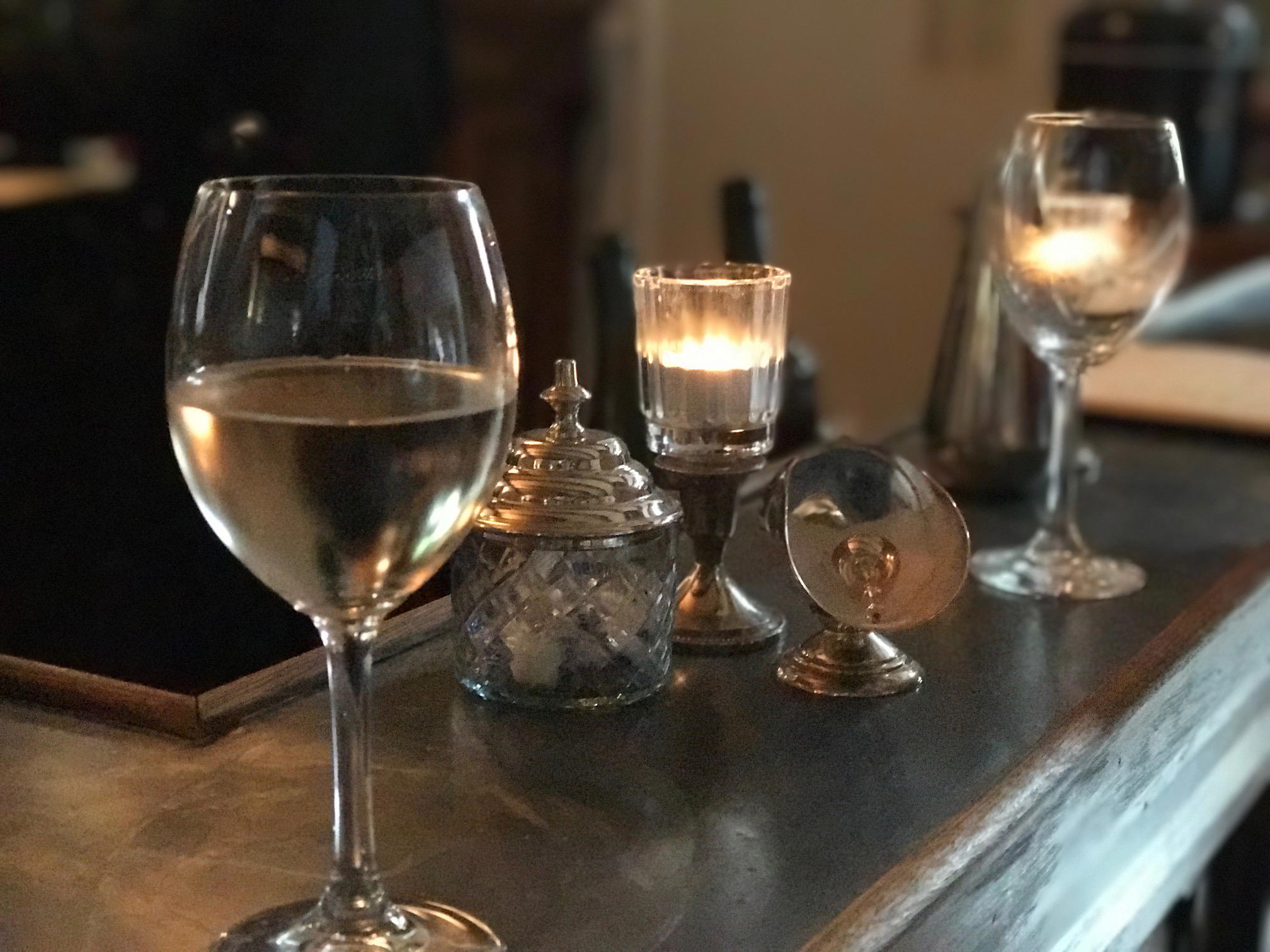
Restaurants in Mainz
Browse all →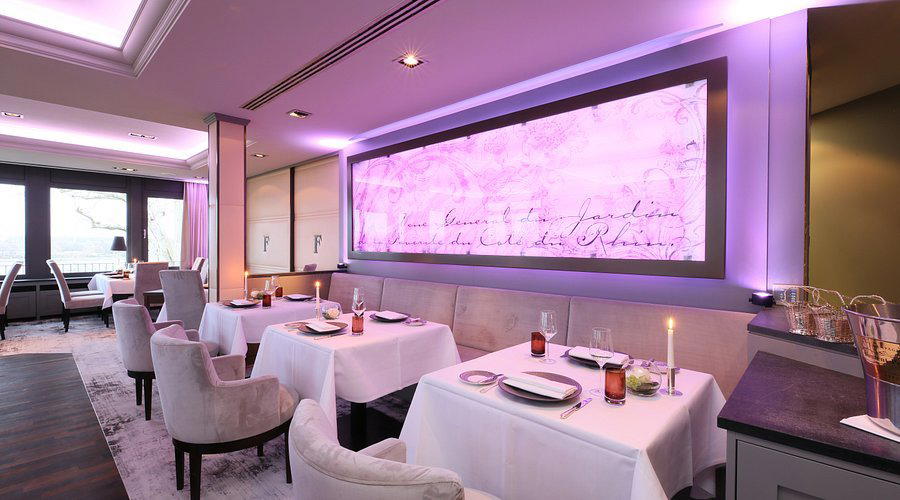
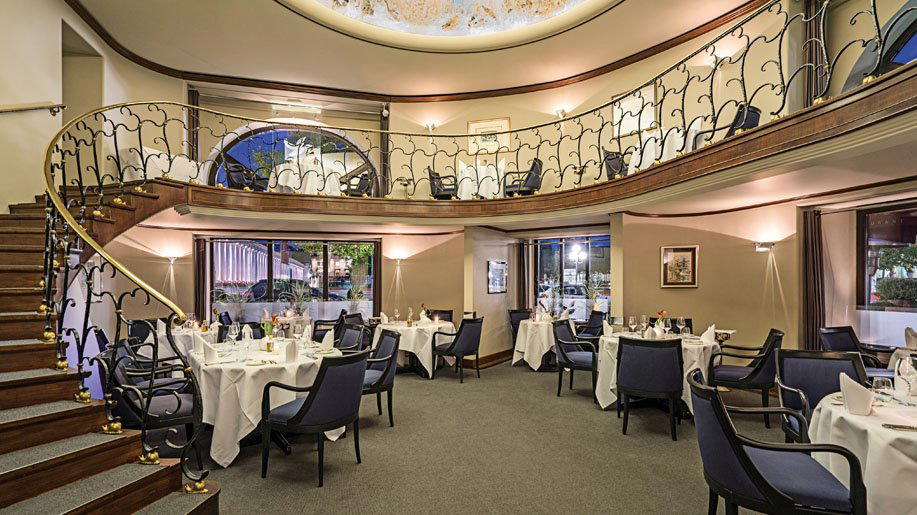
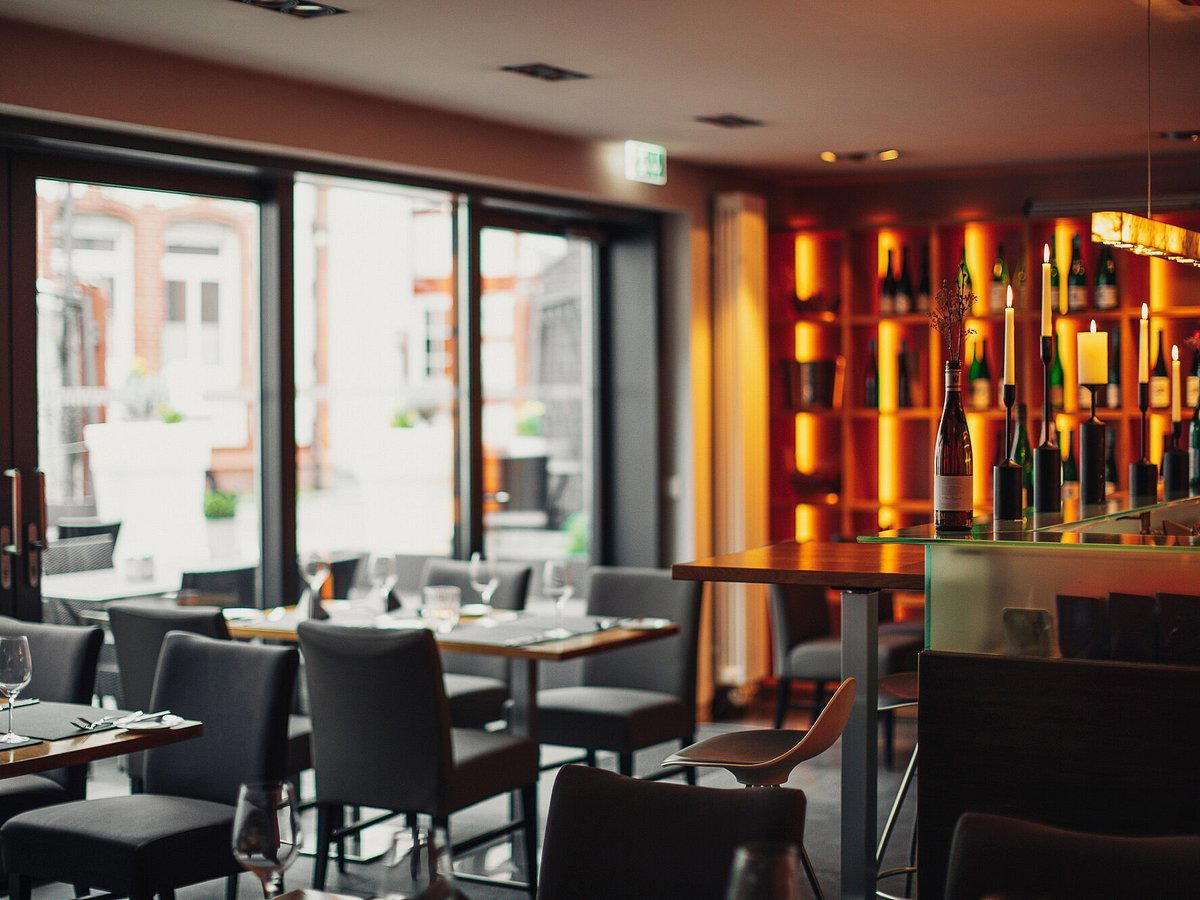
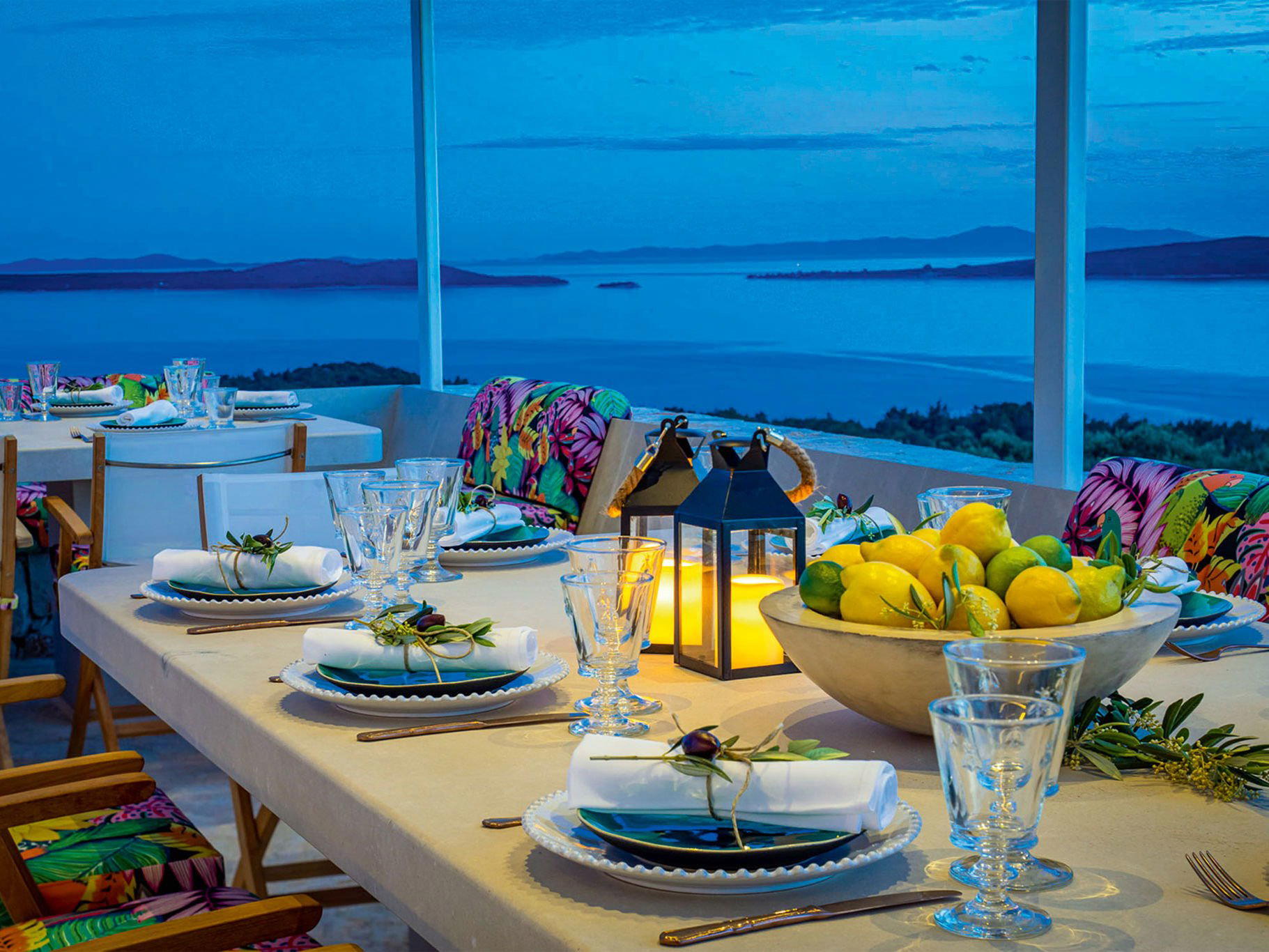
Bars in Mainz
Browse all →

Hotels in Mainz
Browse all →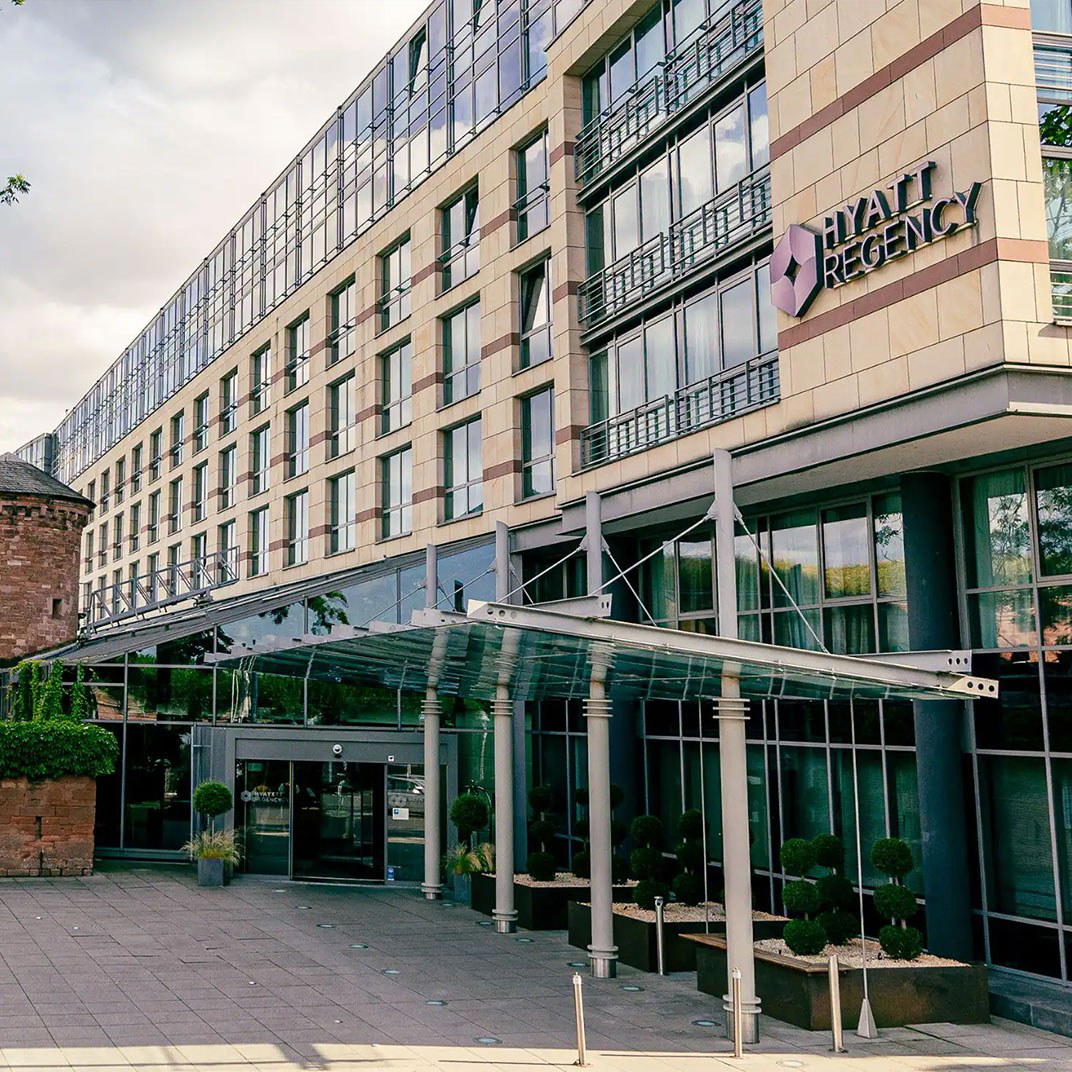
Details
- Cozy
- Trendy
- Modern
- Date Night
- Business Dinner
- Casual Hangout
- Open Kitchen
- Sake Program
- Street Scene
- A La Carte
- Vegetarian Friendly
- Vegan Options
Current opening hours
- Monday
- 4 PM–1 AM
- Tuesday
- 4 PM–1 AM
- Wednesday
- 4 PM–1 AM
- Thursday
- 4 PM–1 AM
- Friday
- 4 PM–2 AM
- Saturday
- 4 PM–2 AM
- Sunday
- 12 PM–12 AM
Hours can change for holidays and private events. Last verified .
Cosy and stylish atmosphere in a historic building, with fresh modern interior and pleasant outdoor seating.