The Dining Ritual in Mainz's Old Town
To understand the rhythm of a meal in this part of Mainz, it helps to know how the city's dining customs differ from Frankfurt's or Wiesbaden's. Mainz eats at a pace shaped by the wine calendar: this is the capital of Rheinhessen, Germany's largest wine-producing region by area, and the culture of sitting across a meal, with a glass of Riesling or Silvaner poured early, refilled slowly, and treated as the thread that stitches courses together, is embedded in how restaurants here tend to operate. Tables are not turned quickly. The meal is understood as the event, not a precursor to something else.
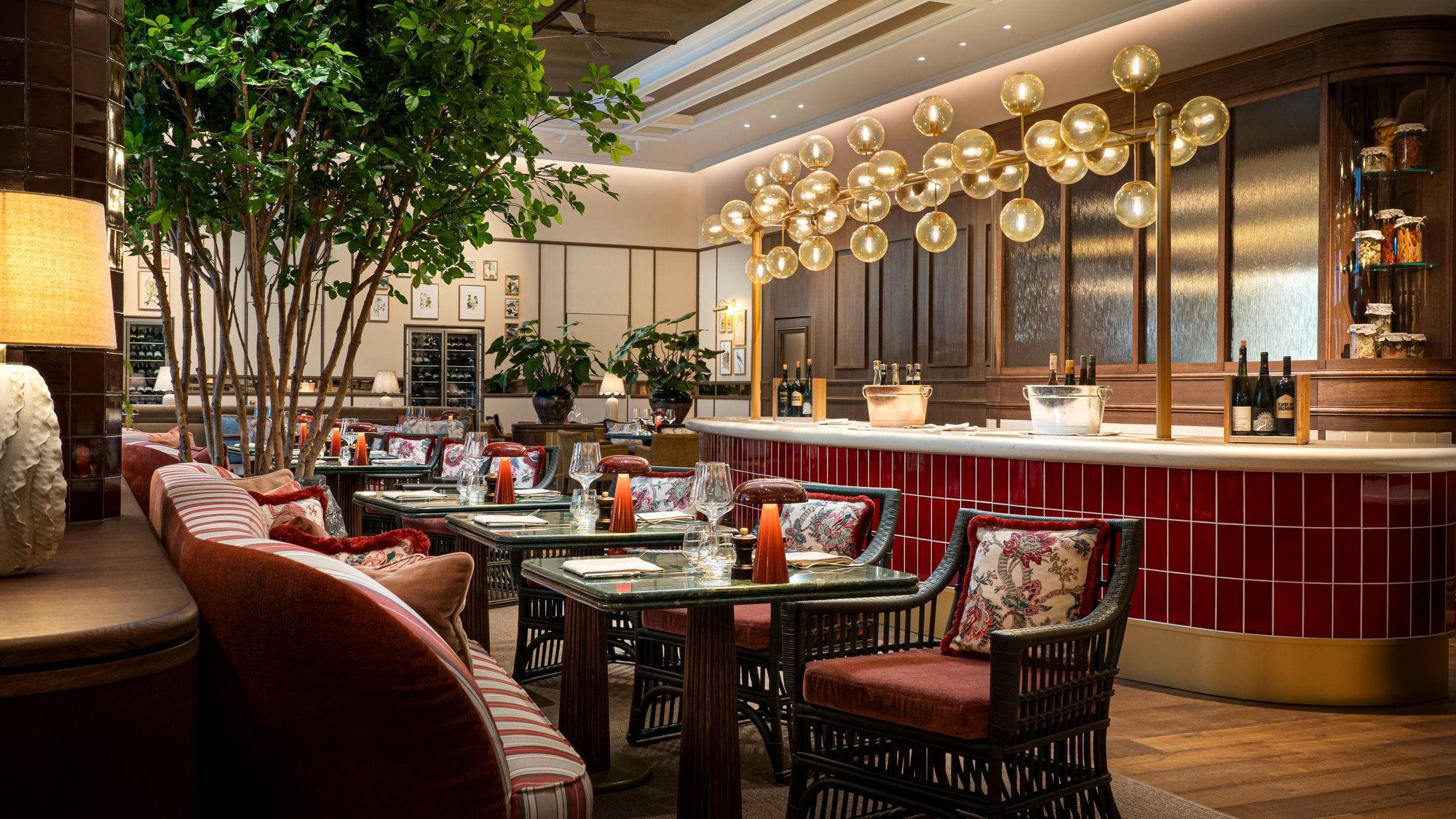
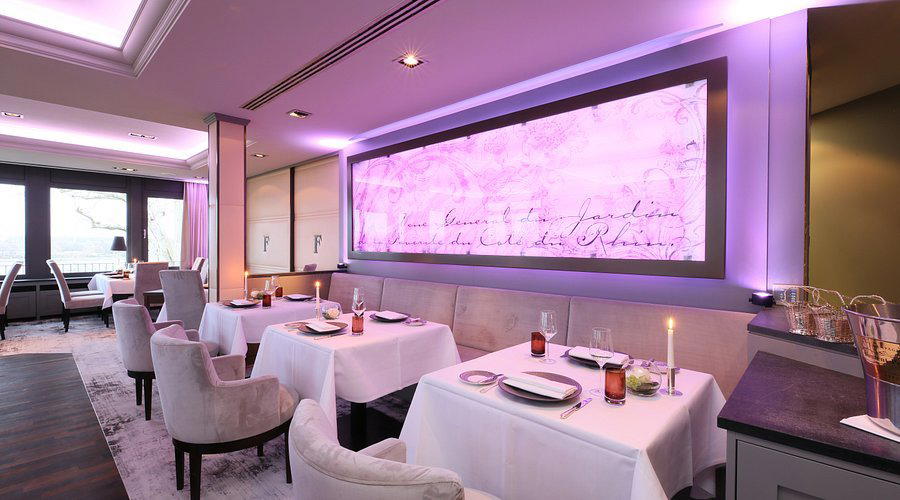
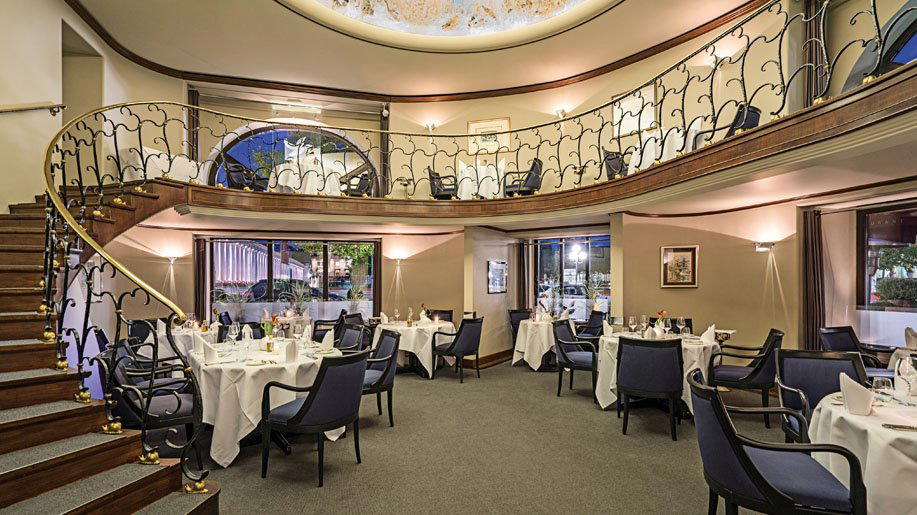
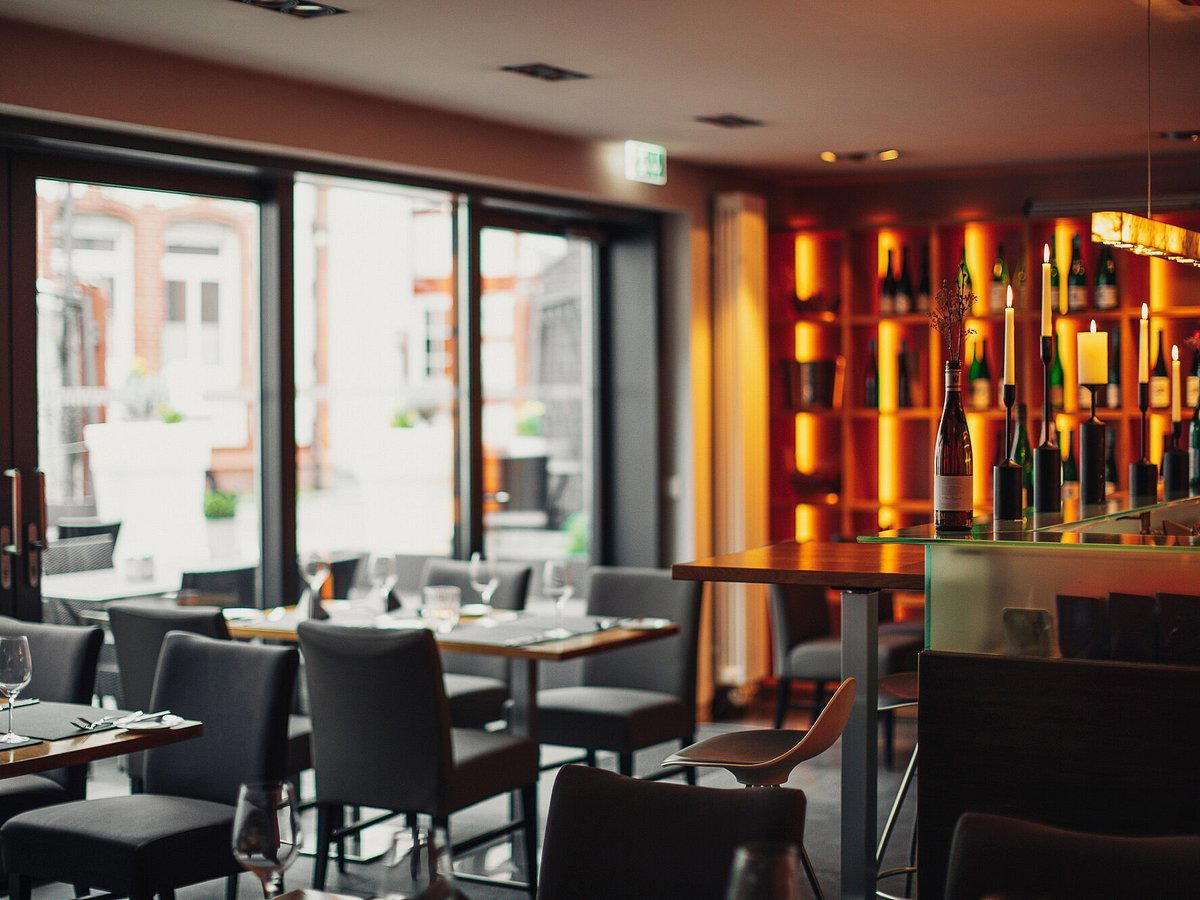
That tradition places certain expectations on any restaurant operating in the Old Town. The ritual of the Weinstuben, where wine and food are co-equal and the pacing is set by the diner rather than the kitchen's throughput, has left a mark on Mainz's hospitality culture that extends beyond the establishments that explicitly carry the Weinstube label. Even at kitchens reaching toward more contemporary formats, a certain unhurried formality in service tends to persist. Guests arriving at Brunfels should bring that expectation: this is a city where the dining experience is measured in hours rather than courses, and where the wine list carries as much weight as the menu itself.
For context on how other Mainz restaurants handle that tradition, Geberts Weinstuben operates in Classic Cuisine territory at the €€ tier, carrying the Weinstube format in its most recognisable form. At the other end of the city's range, FAVORITE restaurant operates as a Modern French kitchen at the €€€€ tier, signalling how far the local scene extends toward contemporary fine dining. Steins Traube, a Farm to Table address at €€€, completes the picture of how the mid-to-upper range of Mainz dining has diversified. Brunfels occupies a position within that spread.
Rheinhessen's Wine Country as Dining Context
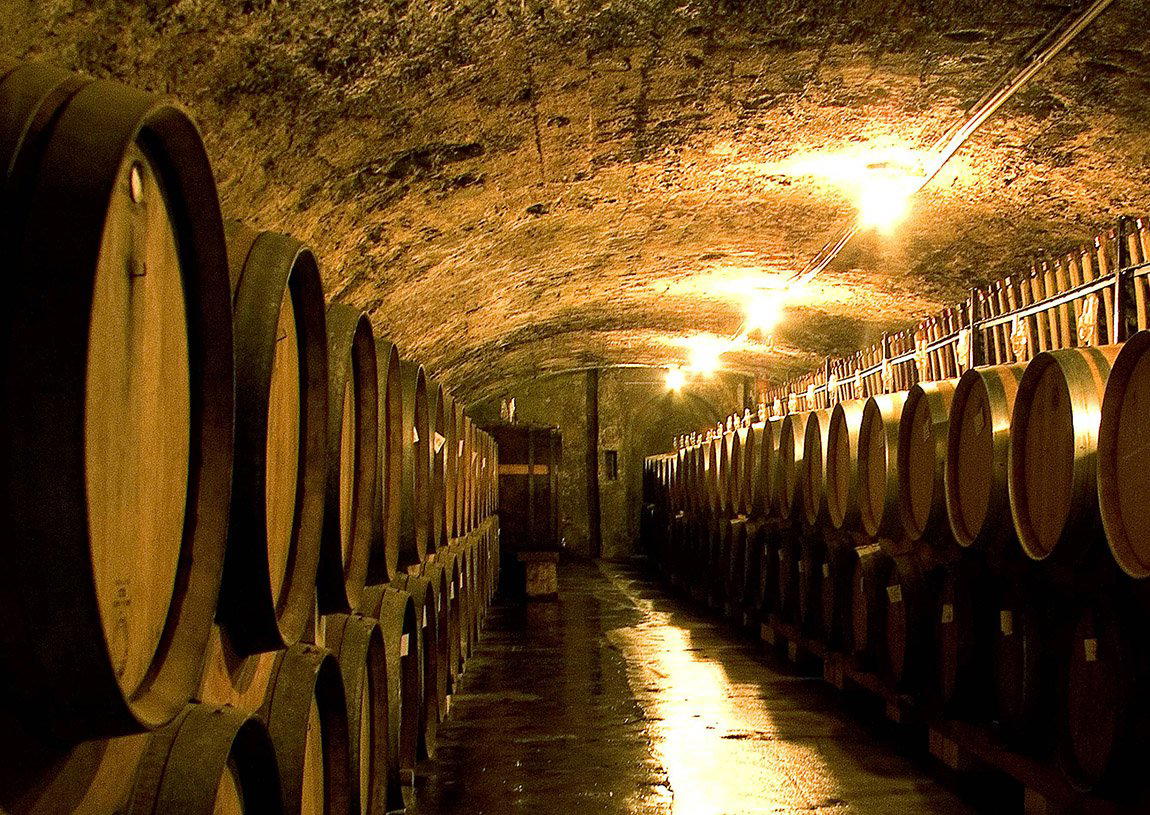
Any restaurant in central Mainz inherits the wine context whether it actively programmes for it or not. Rheinhessen produces roughly a quarter of Germany's total wine output, and the proximity of the vineyards to the city means that the relationship between what's poured and what's plated is treated with a seriousness that differs from cities where wine is simply sourced rather than locally produced. The rolling terrain between Mainz, Bingen, and Alzey generates a range of styles, from the dry Silvaner and Riesling that dominate the better estates to the lighter Dornfelder reds that show up on more casual lists.
That regional depth gives Mainz restaurants a wine list advantage that kitchens in other German cities don't automatically have. The question for any restaurant at Brunfels's Münsterstraße address is how deliberately it programmes that advantage into the meal. The leading Rheinhessen tables treat the local wine as a sequencing tool, moving through styles course by course in the same way that a Burgundy-focused kitchen might build a progression from village to premier to grand cru.
Visitors arriving from elsewhere in Germany's fine dining circuit will note that the Rhineland-Palatinate region more broadly supports some of the country's most discussed addresses outside the major cities. Schanz in Piesport and Waldhotel Sonnora in Dreis operate at the summit end of that regional tier. Mainz itself functions as the region's urban anchor.
Placing Brunfels in the Wider German Dining Conversation
Germany's restaurant scene has shifted significantly over the past decade, with attention concentrating around a set of kitchens that have combined classical technique with regional identity rather than defaulting to French-influenced fine dining templates. Schwarzwaldstube in Baiersbronn, Aqua in Wolfsburg, and Vendôme in Bergisch Gladbach represent the award-weighted tier of that conversation, while addresses like JAN in Munich, CODA Dessert Dining in Berlin, ES:SENZ in Grassau, Victor's Fine Dining by Christian Bau in Perl, and Restaurant Haerlin in Hamburg populate the tier below. For international context, Le Bernardin in New York City and Lazy Bear in San Francisco show how the communal and experiential aspects of dining ritual have developed in comparable city markets abroad.
Mainz has not, to date, produced a kitchen at the level of those nationally recognised addresses, but it supports a range of restaurants that serve a local professional and wine-industry audience with genuine seriousness. That audience tends to be more knowledgeable about wine than about any other single dining variable, which shapes what the better Mainz restaurants prioritise. A table in this city is less likely to be evaluated by the complexity of its sauce work than by the intelligence of its cellar.
Planning a Visit
Brunfels Restaurant is located at Münsterstraße 11, 55116 Mainz, in the Old Town district within walking distance of the Mainz Cathedral and the Gutenberg Museum. The address is reachable on foot from Mainz Central Station in under fifteen minutes, and the Old Town is served by the city's tram network. Brunfels Restaurant is recommended for reservations and is open Mon to Fri from 6:30 AM to 9:30 PM, Sat from 7 AM to 9:30 PM, and Sun from 7 AM to 2:30 PM. ATRIUM Restaurant im Atrium Hotel Mainz and Bellpepper are nearby alternatives worth holding in reserve if availability at Brunfels is limited on a given date. For a broader orientation to the city's dining options,