


Six generations of culinary mastery define Steins Traube Mainz, where Michelin-starred chef Philipp Stein transforms farm-to-table ingredients from their own garden into sophisticated German cuisine, complemented by an award-winning wine program in a warmly elegant setting that bridges century-old tradition with contemporary innovation.
Pearl is the En Primeur Club membership app — saves, bookings, and concierge access live there. Same editors, same standards.
- Address
- Poststraße 4, 55126 Mainz, Germany
- Phone
- +49 6131 40249
- Website
- steins-traube.de
- Directions
- Get directions
 Saves & bookings on Pearl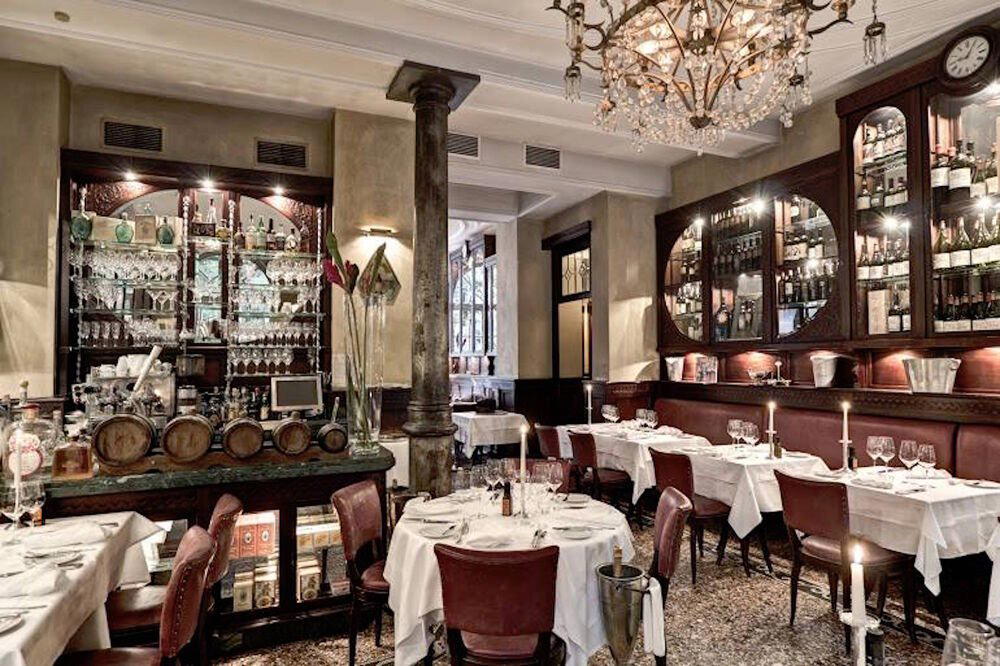
A Courtyard Table in Poststraße
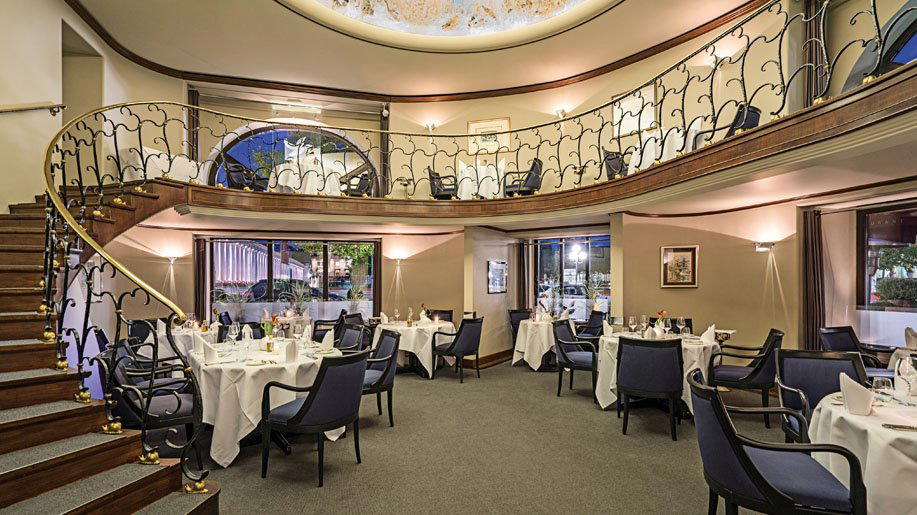
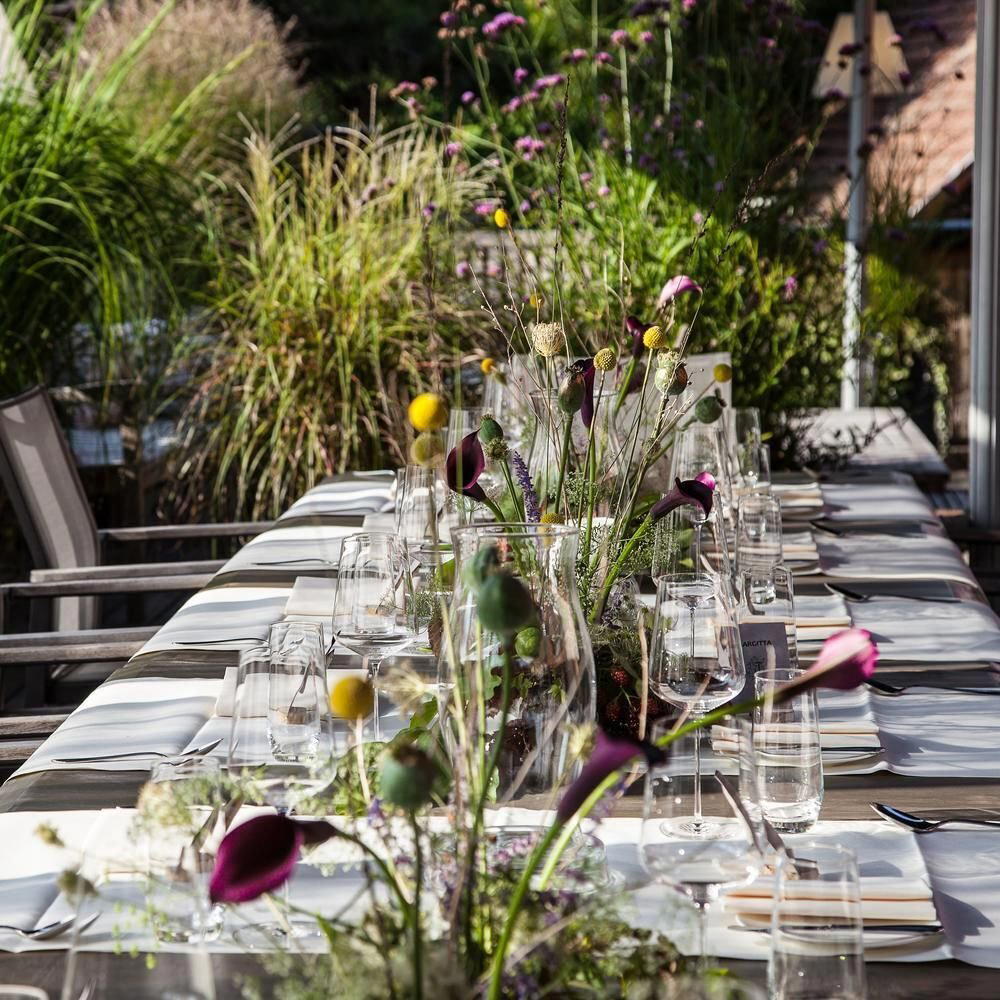
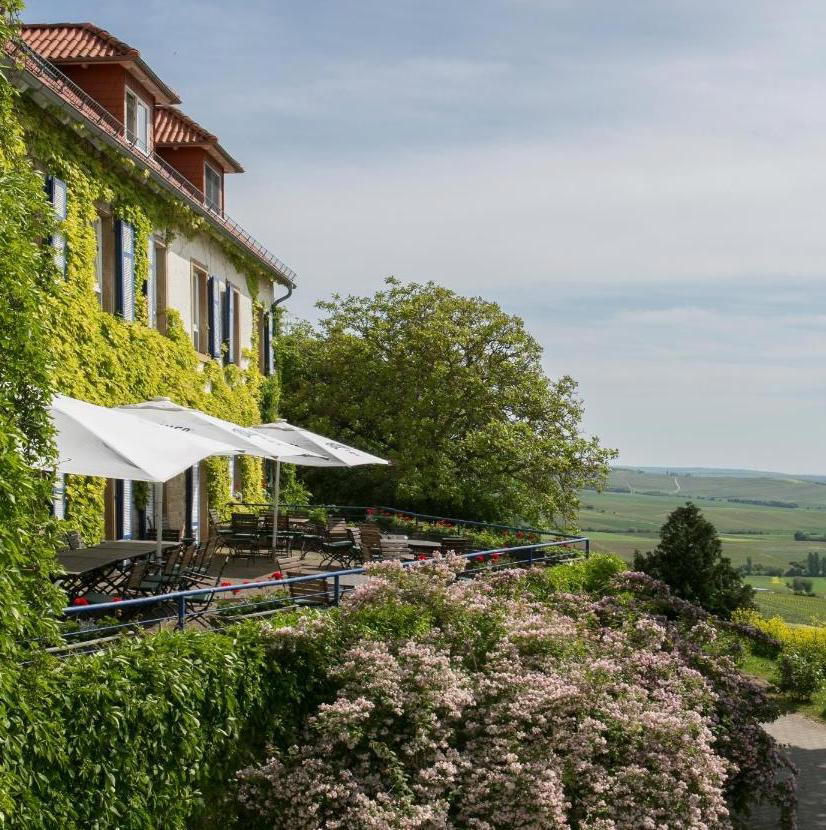
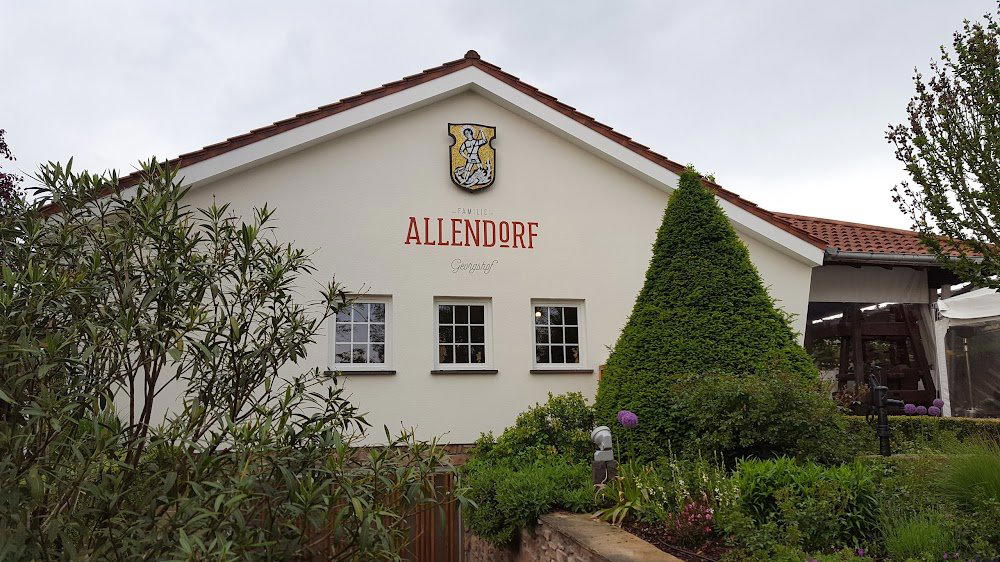
Arrive at Poststraße 4 on a warm evening and the choice is immediately apparent: the smart, modern interior with its cosy undertones, or the inner courtyard where light falls differently and the pace of the meal seems to slow accordingly. Neither is the wrong answer. What distinguishes Steins Traube from much of the Mainz dining scene is that both spaces feel genuinely considered rather than incidentally pleasant. The restaurant sits in the suburb of Bretzenheim, slightly removed from the old-town concentration where most visitors default.
Six Generations and What That Actually Means
Generational continuity in German restaurant families tends to follow one of two trajectories: preservation at the expense of progress, or reinvention that severs the connection to what came before. Steins Traube, which began as a village tavern in the early twentieth century, has followed a narrower path. The Stein family has held the kitchen through six generations, with Philipp Stein now at the helm as owner and head chef. What matters editorially is not the lineage itself but what it produces: a kitchen with deep roots in regional produce and a front-of-house, led by Alina Stein, that operates with the ease of people who have spent their lives reading dining rooms rather than learning to do so from a manual.
That kind of institutional knowledge shapes the pacing of a meal in ways that are difficult to manufacture in newer establishments. The transition between courses feels unhurried but not slow. The wine recommendation arrives before you have decided you need one. These are signals of a house that has internalised the rhythm of hospitality rather than executing it from a checklist.
The Cuisine: Restraint as a Technical Position
Farm-to-table as a marketing category has been diluted to near-meaninglessness across European dining, but at Steins Traube it functions as an actual production philosophy. The sourcing orientation means the menu responds to seasonal availability, which in the Rhine-Hesse region translates to a calendar shaped by asparagus in spring, game in autumn, and the agricultural output of one of Germany's most productive wine and produce corridors throughout the year.
Michelin, which awarded the restaurant a star in 2025, described the cooking in terms worth examining: what appears simple on the plate is, in technical terms, complex in flavour construction and harmonic structure, yet the result remains accessible. That is a precise description of a particular culinary position, one that requires more discipline than either direct rustic cooking or overt technique-forward modernism. The dishes demonstrate what the Guide calls restrained elegance, with a capacity for bolder innovation when the kitchen judges it appropriate. The result is a menu that does not announce its effort but rewards attention.
Within the Mainz restaurant tier, this places the restaurant in a distinct competitive bracket. The restaurant, at €€€ with a Michelin star from 2025, occupies the middle-premium tier where the cooking justifies the price without requiring the full ceremony of a formal tasting-format evening.
How the Meal Unfolds
The editorial angle here is ritual: the customs, pacing, and etiquette through which the restaurant experience takes shape. This is not a counter-seat omakase where the chef dictates every beat, nor a casual bistro where the meal is largely self-directed. It sits in the European restaurant tradition where a skilled front-of-house acts as an invisible guide, adjusting pace and suggesting courses without imposing a script.
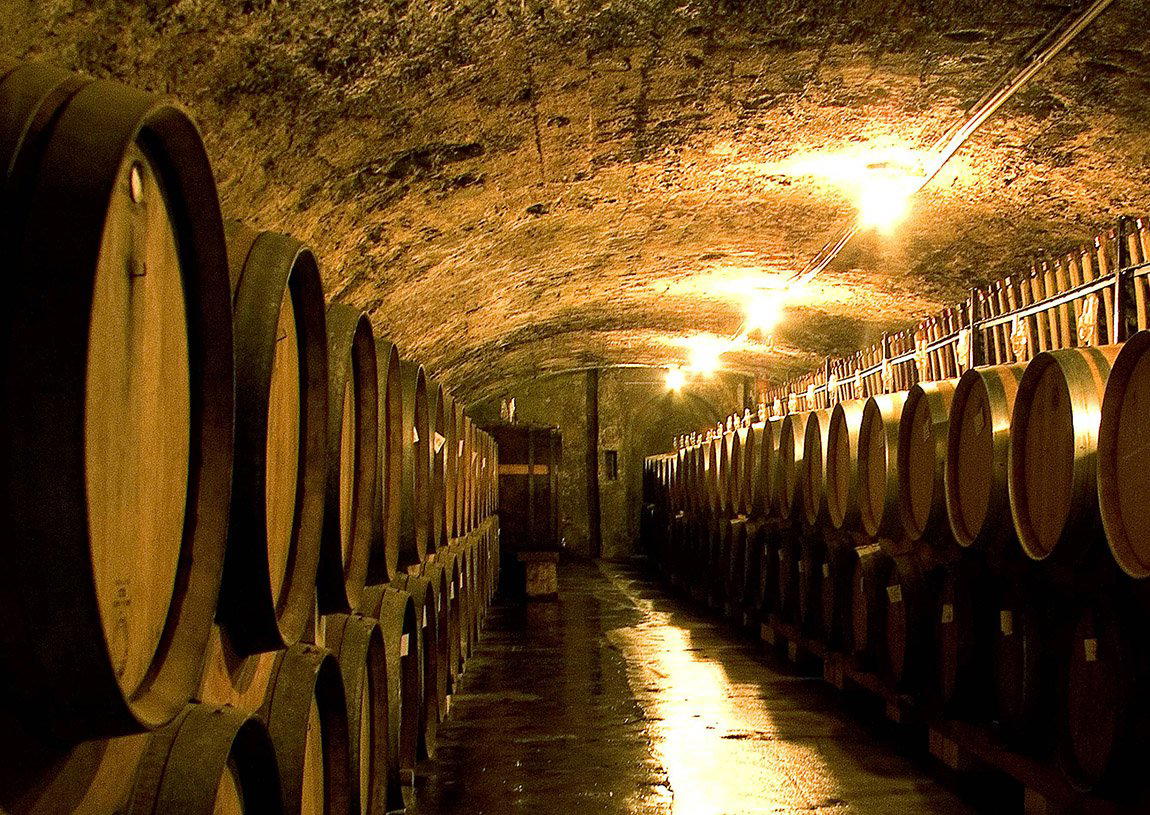
The wine list is the natural companion to that dynamic. Rhine-Hesse is Germany's largest wine-producing region by area, with Riesling and Silvaner among its principal varieties. A cellar built around regional production at a Michelin-starred address is not incidental context: it is part of the meal's logic. The wine service at this level of Rhineland-Palatinate dining typically reflects a serious engagement with local estates alongside international reference points, and the recommendation from Alina Stein is part of the dining ritual rather than a separate transaction.
For a meal of this calibre in Germany's starred restaurant tier, the practical parameters are worth stating plainly. The €€€ price range positions the restaurant as a considered dinner rather than an everyday choice, comparable in cost to starred addresses elsewhere in the country. JAN in Munich, Schwarzwaldstube in Baiersbronn, and Aqua in Wolfsburg represent the upper end of Germany's starred dining range; the restaurant, newly starred in 2025, sits in the entry tier of that recognition with a price point that reflects its position accurately.
Booking and Planning
The restaurant's address at Poststraße 4, 55126 Mainz places it in Bretzenheim, accessible from central Mainz by a short taxi or rideshare. For a newly Michelin-starred address, demand on weekend evenings will typically outpace capacity in the months following the Guide's announcement, making advance reservation advisable. The combination of courtyard seating and interior space suggests a preference for outdoor tables warrants specific mention at booking, particularly during summer months when the courtyard comes fully into use.
Farm-to-Table at the Starred Level Across Germany
The farm-to-table framework has produced a distinct cohort of German starred restaurants that operate outside the classic French-technique or modern avant-garde categories. BOK Restaurant Brust oder Keule in Münster and Clostermanns Le Gourmet in Niederkassel represent similar territory in the western part of the country. What connects these addresses is a sourcing discipline that makes the menu seasonally specific and region-dependent. The restaurant, with its Rhine-Hesse location and six-generation agricultural connection, sits naturally within that cohort, with the added continuity of family ownership giving the sourcing relationships a depth that newer farm-to-table entrants rarely achieve immediately.
For comparison with other recently recognised addresses elsewhere in Germany's starred circuit, CODA Dessert Dining in Berlin, Vendôme in Bergisch Gladbach, ES:SENZ in Grassau, and Restaurant Haerlin in Hamburg each occupy distinct positions in the country's high-end dining conversation. The restaurant's 2025 star places it in credible company, with a profile that is markedly different from urban fine-dining formats and rooted instead in a regional-agricultural tradition that the Guide has increasingly recognised across Germany in recent years.
The Short List
Comparable venues nearby, for context on price, style, and recognition.
| Venue | Cuisine | Price | Notes |
|---|---|---|---|
| Steins TraubeThis venue — the venue you are viewing | Farm to table | $$$ | Not listed |
| FAVORITE restaurant | Not listed | $$$$ | Stadtpark Mainz, Creative Mediterranean Fine Dining |
| Geberts Weinstuben | Not listed | $$ | near Old Town, Classic German with Seasonal Regional Cuisine |
| Pankratz | Seasonal Regional German | $$$ | Not listed |
| Persisches Restaurant Kababsara | Authentic Persian | $$ | Not listed |
| Il Forno a Legna | Italian Wood-Fired Pizza | $$ | Not listed |
Recognition history
Dated appearances from independent guides and award organizations, with the underlying list record or original source where available.
Falstaff Restaurant - 93 Falstaff Points
Falstaff
Michelin 1 Star
Michelin
Star Wine List
Star Wine List
Michelin 1 Star
Michelin
Michelin 1 Star
Michelin
Continue exploring
More in Mainz
Restaurants in Mainz
Browse all →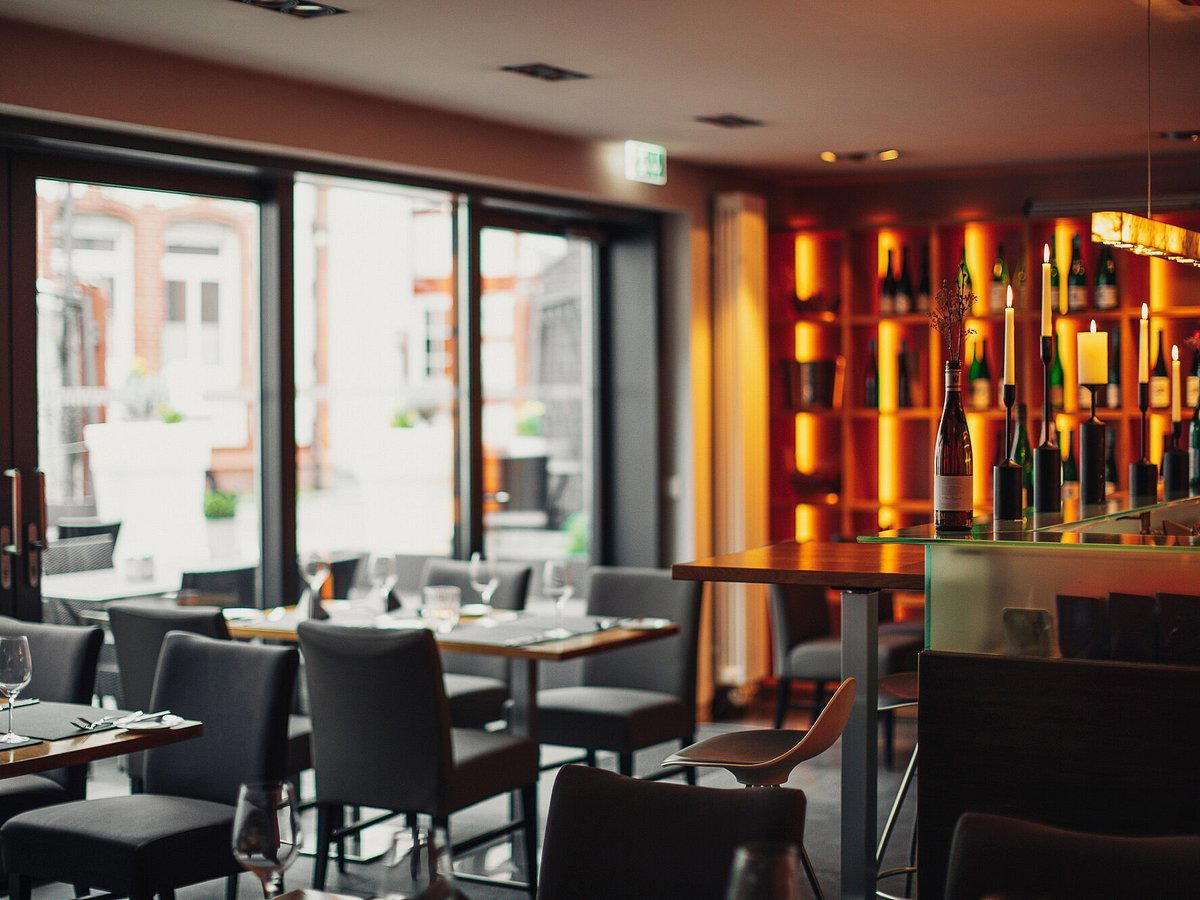
Bars in Mainz
Browse all →


Hotels in Mainz
Browse all →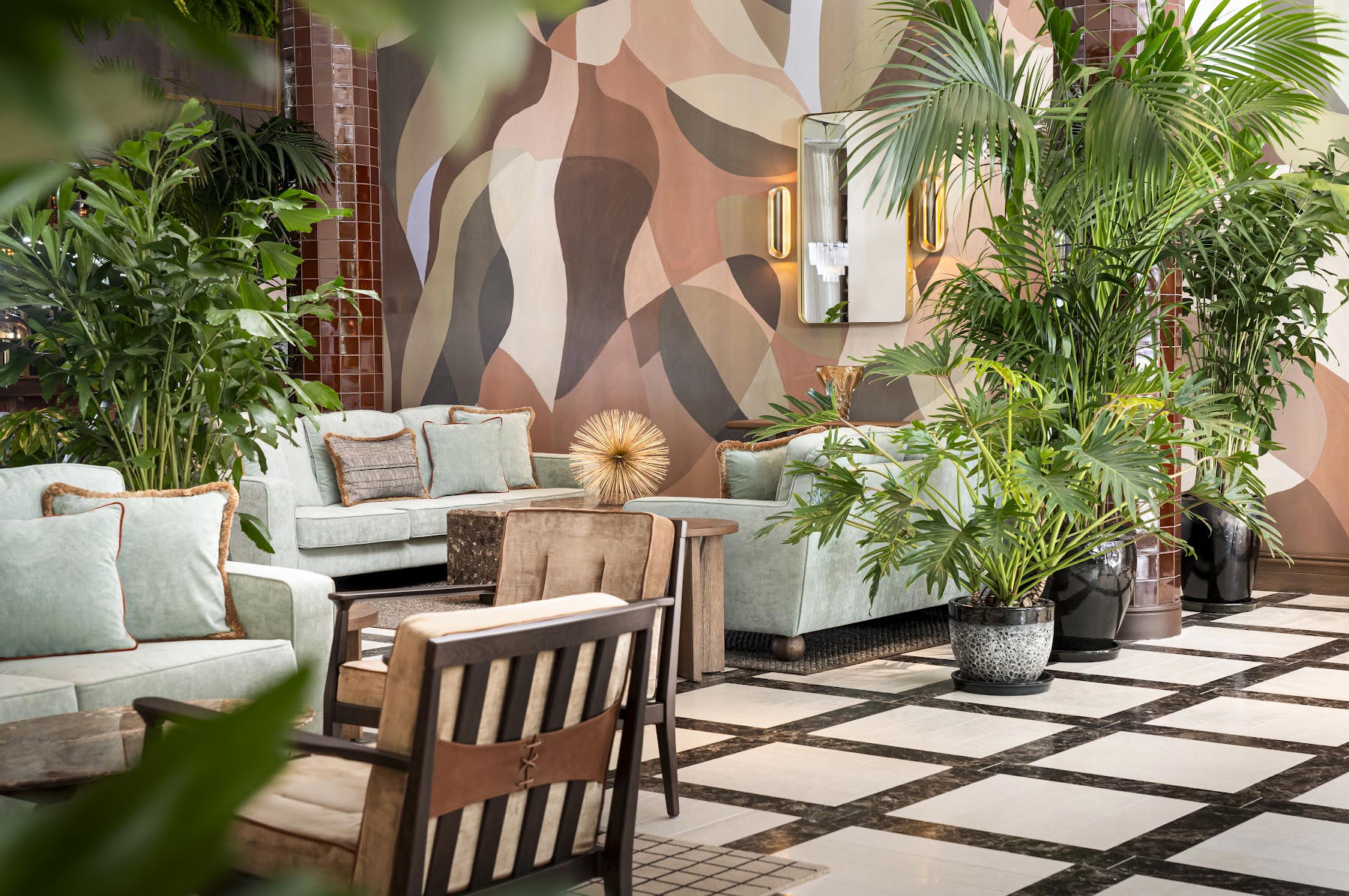
At a Glance
- Elegant
- Cozy
- Modern
- Intimate
- Date Night
- Special Occasion
- Business Dinner
- Courtyard
- Extensive Wine List
Current opening hours
- Monday
- Closed
- Tuesday
- 6–11 PM
- Wednesday
- 6–11 PM
- Thursday
- 12–2:30 PM, 6–11 PM
- Friday
- 12–2:30 PM, 6–11 PM
- Saturday
- 12–2:30 PM, 6–11 PM
- Sunday
- 12–2:30 PM, 5–10 PM
Hours can change for holidays and private events. Last verified .
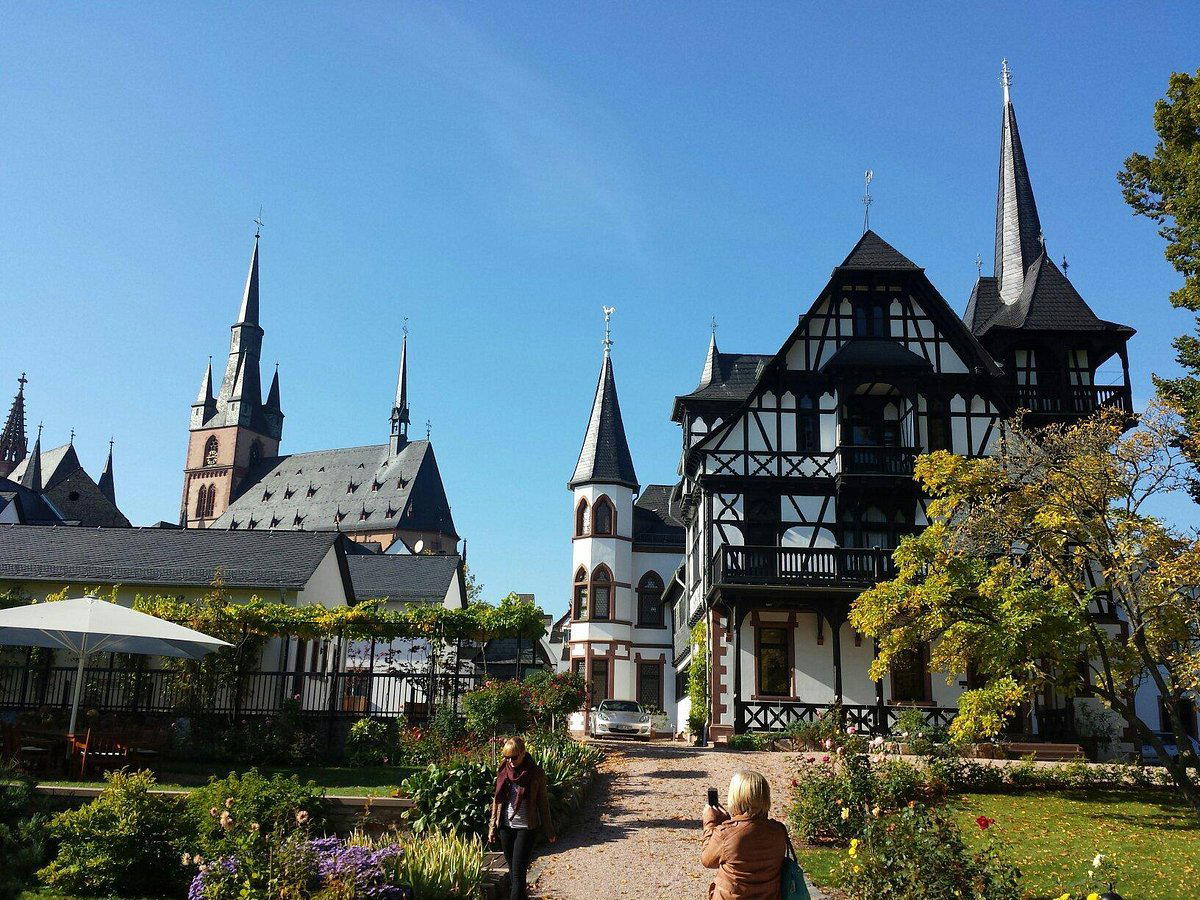
Smart, modern, and cozy interior with warm lighting, complemented by a beautiful and idyllic inner courtyard well-suited for al fresco dining.