Peppermint Bay & Peppermint Bay Cruises
Peppermint Bay sits along the Huon Channel south of Hobart, where the kitchen's connection to Tasmania's cold-water produce defines the experience as much as the water views do. The cruises that bring guests down from Hobart are part of the proposition, not just a transfer, framing the arrival in the broader rhythm of the Derwent estuary and D'Entrecasteaux Channel.
Pearl is the En Primeur Club membership app — saves, bookings, and concierge access live there. Same editors, same standards.
- Address
- 3435 Channel Hwy, Woodbridge TAS 7162, Australia
- Phone
- +61 3 6267 4088
- Website
- peppermintbay.com.au
- Directions
- Get directions
 Saves & bookings on Pearl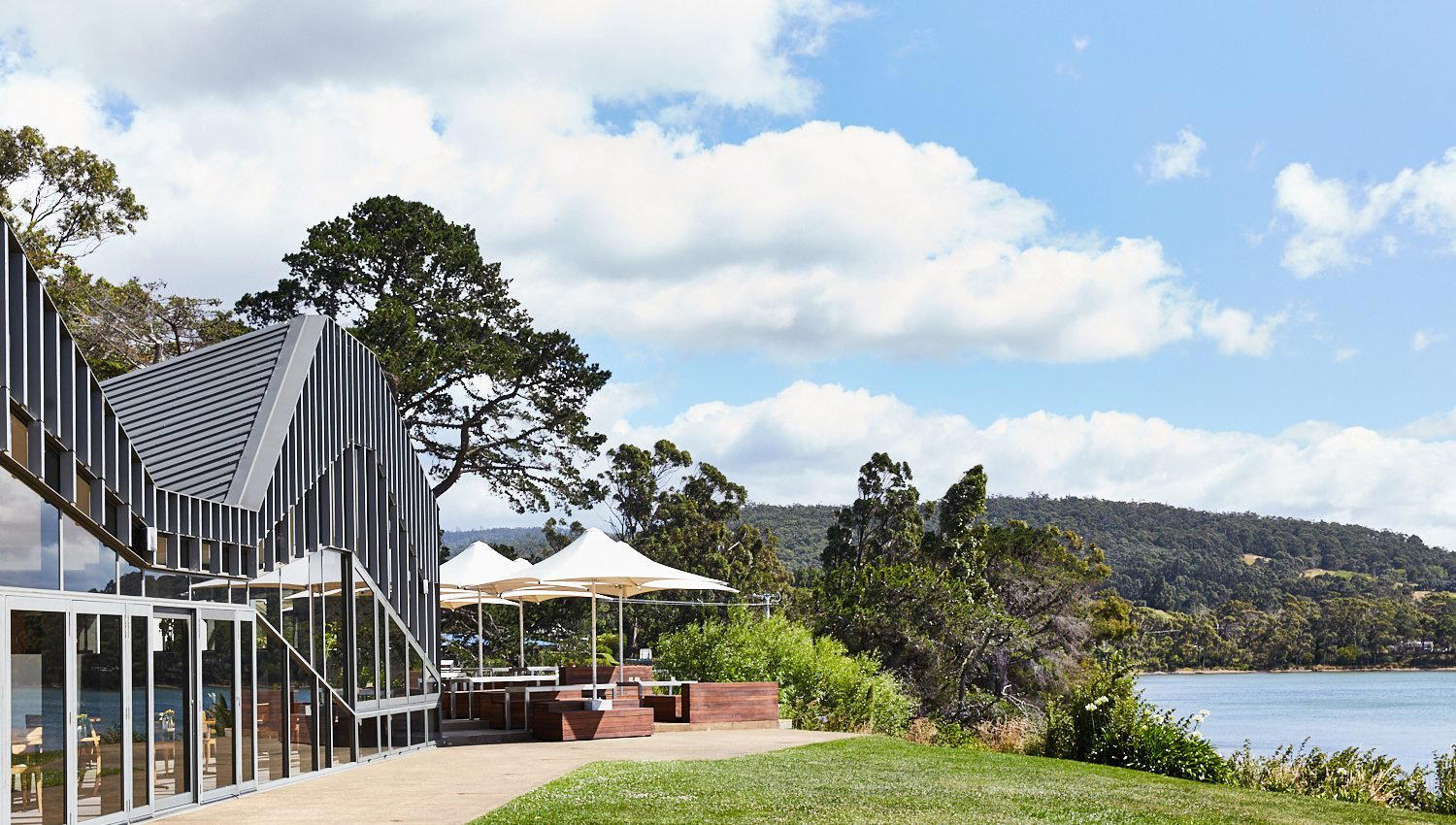
Where the Channel Sets the Table
The drive south from Hobart along the Channel Highway is one of those approaches that does the work before you arrive. Apple orchards give way to oyster leases, fishing sheds appear at the water's edge, and by the time you reach Woodbridge the Huon Channel is close enough to feel like a presence rather than a backdrop. Peppermint Bay sits at that threshold, at 3435 Channel Hwy, and the geography is not incidental: it is the organizing principle of what happens inside.
Tasmania's south has become one of Australia's more compelling arguments for place-driven dining. The cold, clean waters of the D'Entrecasteaux Channel and the Huon estuary produce oysters, abalone, Atlantic salmon, and flathead of a quality that restaurants further north spend considerable effort sourcing. The farms and fishing operations in this corridor do not need to travel far to reach a kitchen at Woodbridge, and that proximity matters in ways that show up on the plate rather than just in the menu copy. For context on how regional sourcing defines Australian restaurant identity at this level, consider the approaches taken at Brae in Birregurra or Hentley Farm in Seppeltsfield, both of which treat the land or water surrounding them as the primary creative constraint.
The Cruise as Context, Not Convenience
Peppermint Bay Cruises runs scheduled services between Hobart's Brooke Street Pier and Woodbridge, and the journey south through the Derwent and into the Channel takes roughly two and a half hours. That framing matters: arriving by water means the restaurant visit begins well before the first course. Guests who choose the cruise-and-lunch format are oriented toward the estuary, its working character, and the scale of the landscape by the time they sit down. It is a format with precedent in destination dining globally. Ormeggio at The Spit in Mosman operates within a similar logic, where the water sets a register that the food then has to meet.
The cruise also solves a practical problem specific to the Channel Highway corridor: Woodbridge is 35 kilometres from Hobart by road, close enough for a day trip but far enough that the journey becomes a consideration for visitors without a car. The boat removes that friction while adding experience. Guests who drive can simply reverse the equation and spend the full afternoon at the property.
Cold-Water Produce and Why This Region Produces It Well
Tasmania's southern waters sit between 12 and 16 degrees Celsius for much of the year, a temperature range that favours slow growth and high fat content in shellfish and finfish alike. Huon Valley Atlantic salmon have been produced commercially here since the 1980s and carry a different fat profile from warmer-water equivalents. Pacific oysters from the Huon estuary benefit from tannin-rich river runoff and tidal flushing that gives them a mineral quality associated more closely with French Atlantic oysters than with the cleaner, sweeter finish of oysters grown in calmer bays. Southern rock lobster, native to the southern Australian coast, is harvested commercially from waters that include the D'Entrecasteaux Channel and reaches restaurants in this region with a freshness that cannot be replicated when the product travels to Melbourne or Sydney first.
This is the broader context within which a kitchen at Woodbridge operates. The sourcing argument is structural, not aspirational. Restaurants elsewhere in Australia that pursue similar place-driven approaches, including Pipit in Pottsville and Provenance in Beechworth, work considerably harder to establish the same supply chain coherence that geography provides for free here.
The Property and Its Position in Tasmanian Dining
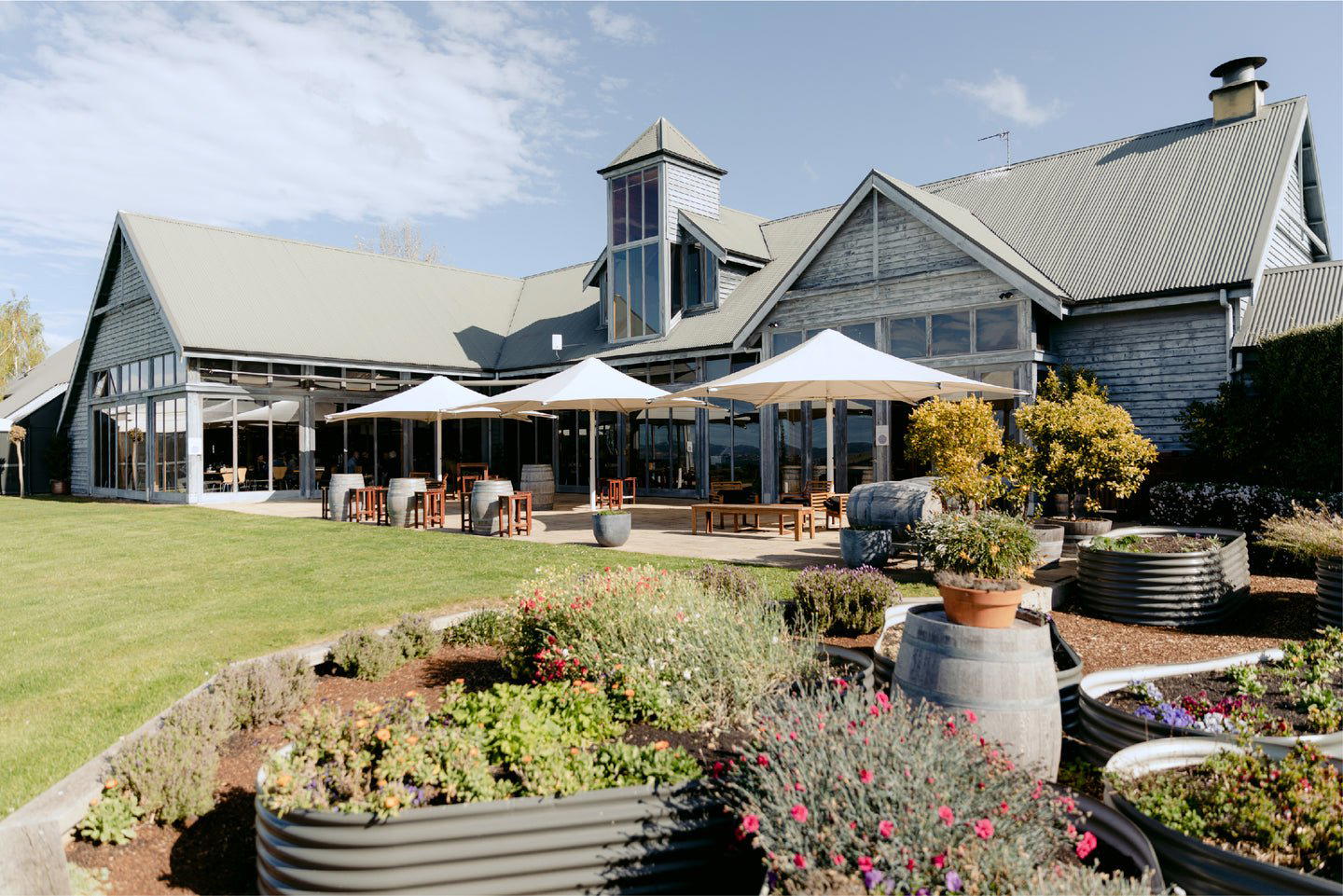
The venue occupies a waterfront site that includes a restaurant, a bar, and outdoor terrace space oriented toward the Channel. The format positions it within a tier of destination properties that have become a meaningful part of Tasmania's dining identity over the past two decades, a period that also saw Attica in Melbourne and Rockpool in Sydney sharpen national attention on Australian produce at a serious level.
Within Tasmania, properties that combine a strong sense of place with food and beverage programming have attracted growing international attention since the island gained traction as a short-break destination from the Australian mainland. The MONA effect, as it is sometimes described, shifted Hobart's cultural register in the early 2010s and generated downstream demand for the kind of experience that Peppermint Bay offers: a day out of the city that is coherent and considered rather than simply scenic. That positioning, combining water transport, Channel views, and produce-driven food, is specific enough to sit apart from the generalist restaurant trade in Hobart proper.
Planning the Visit
Visitors looking for reference points in the broader Australian destination dining conversation will find relevant comparisons at Laura at Pt Leo Estate in Merricks and Lizard Island Resort in Lizard Island, both of which operate at the intersection of location and serious food programming. For ocean-focused cooking at a high technical level, Salt Water Restaurant in Cairns and Le Bernardin in New York City offer a sense of where cold-water produce sits internationally. Lazy Bear in San Francisco and Botanic in Adelaide illustrate the format discipline that destination tasting experiences now require to sustain their position.
In Context: Similar Options
Comparable venues nearby, for context on price, style, and recognition.
| Venue | Cuisine | Price | Notes |
|---|---|---|---|
| Peppermint Bay & Peppermint Bay CruisesThis venue — the venue you are viewing | Modern Australian with Local Tasmanian Seafood | $$$ | Not listed |
| Centonove | Modern Italian with extensive wine cellar | $$$ | Kew |
| Bar Mary | Whisky Bar with Japanese-Style Drinking Snacks | $$$ | Stirling |
| Agnii | Modern Sri Lankan | $$$ | Windsor |
| Ananas | Modern French brasserie | $$$ | The Rocks |
| The Astor Grill | Contemporary Australian Grill | $$$ | Hobart CBD |
Continue exploring
More in Woodbridge
Restaurants in Woodbridge
Browse all →
Bars in Woodbridge
Browse all →
Hotels in Woodbridge
Browse all →



At a Glance
- Scenic
- Elegant
- Sophisticated
- Well Known
- Special Occasion
- Celebration
- Date Night
- Group Dining
- Waterfront
- Panoramic View
- Garden
- Live Music
- Standalone
- Extensive Wine List
- Beer Program
- Farm To Table
- Local Sourcing
- Sustainable Seafood
- Waterfront
- Garden
Current opening hours
- Monday
- Closed
- Tuesday
- Closed
- Wednesday
- Closed
- Thursday
- 10 AM–8 PM
- Friday
- 10 AM–8 PM
- Saturday
- 10 AM–8 PM
- Sunday
- 10 AM–4 PM
Hours can change for holidays and private events. Last verified .
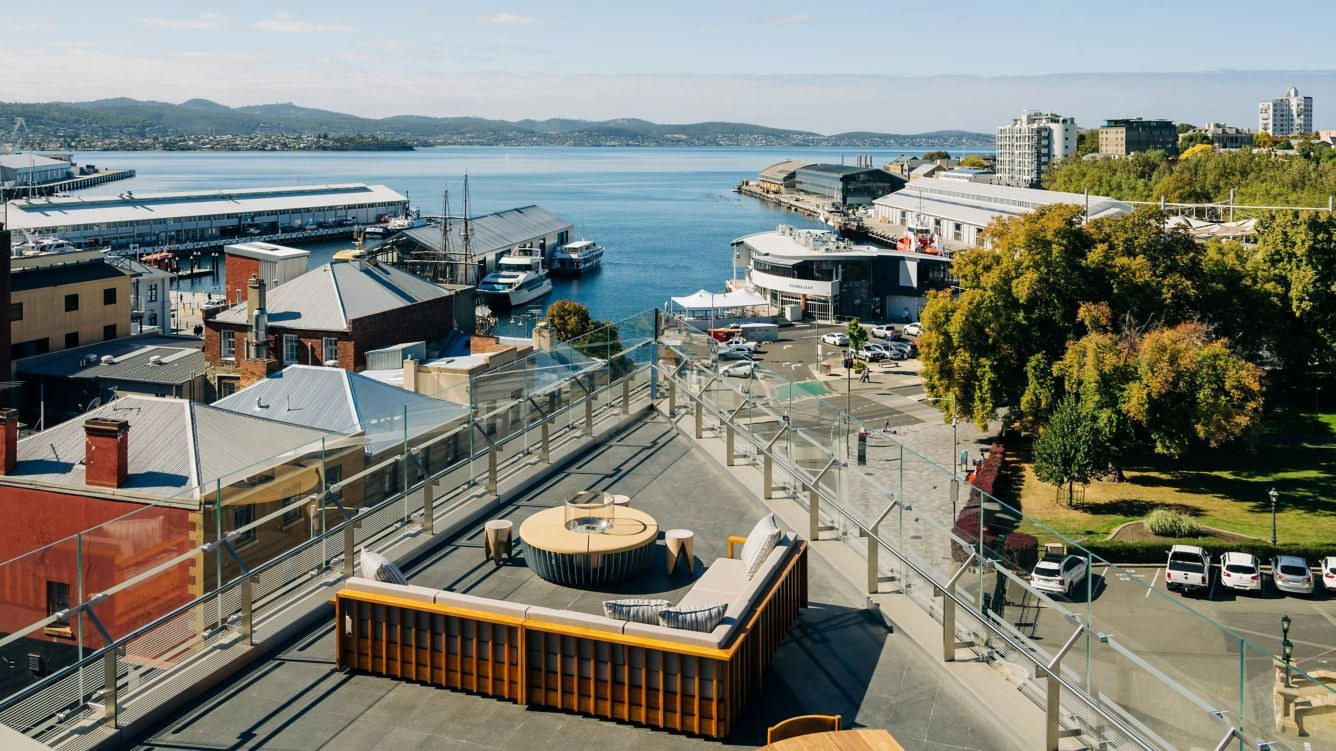
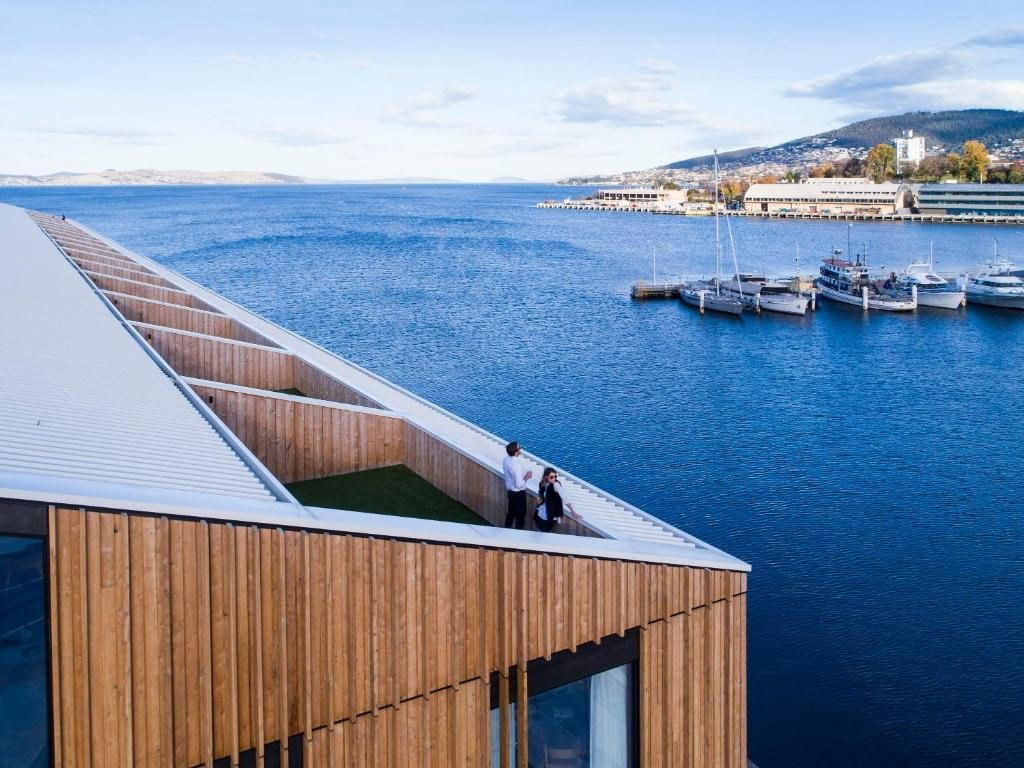
Sophisticated and elegant with relaxed undertones; panoramic waterfront views overlooking Bruny Island and the D'Entrecasteaux Channel create a refined yet approachable atmosphere.