Chatto

Falstaff Winery - Listed
Chatto sits at 68 Dillons Hill Road in Glaziers Bay, Tasmania. The property operates within one of Australia's most climatically distinct wine-growing pockets, where cool Huon Valley conditions shape everything on the table and in the glass. For serious wine travellers, this is a southern Tasmanian address worth planning a trip around.

Pearl is the En Primeur Club membership app — saves, bookings, and concierge access live there. Same editors, same standards.
- Address
- 68 Dillons Hill Rd, Glaziers Bay TAS 7109
- Phone
- +61 3 6114 2050
- Website
- chattowines.com
- Directions
- Get directions
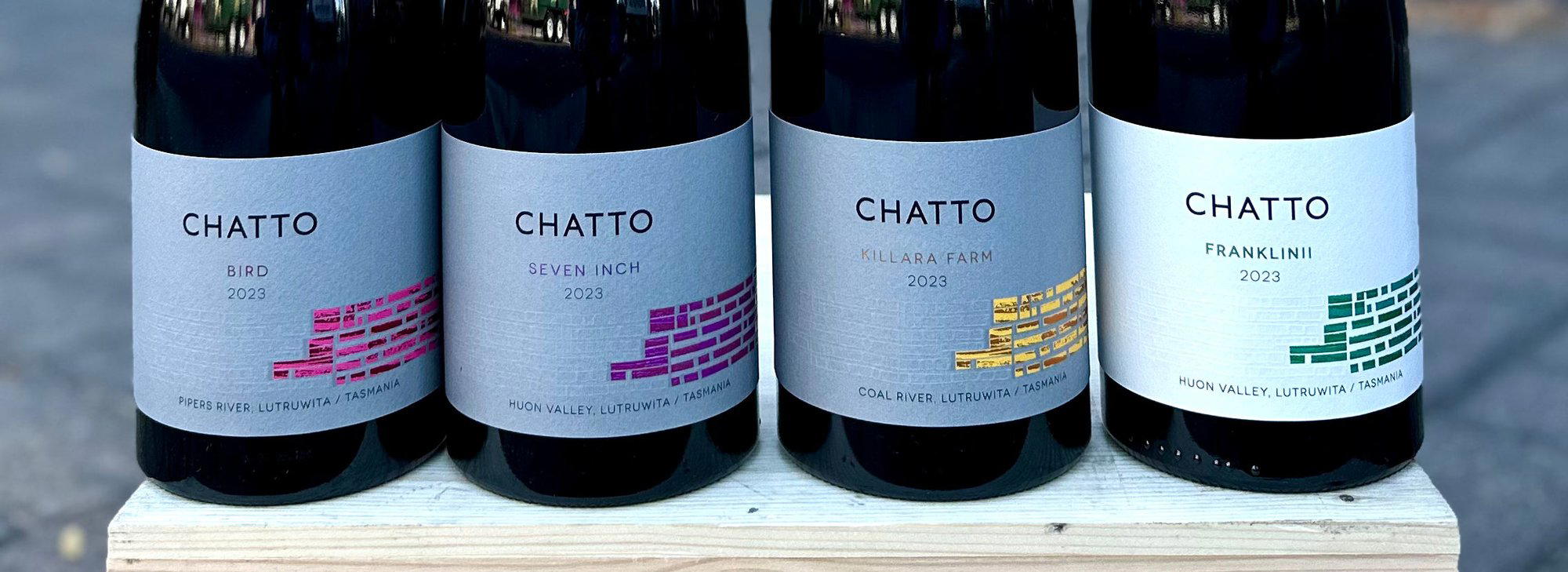
Southern Tasmania's Quiet Argument for Cool-Climate Seriousness
The drive to Glaziers Bay along the Huon Valley corridor does something that most wine country approaches do not: it removes you from the noise of the mainland wine conversation entirely. By the time you reach 68 Dillons Hill Road, the Channel country is visible in the distance, the air carries a particular salt-and-eucalyptus chill, and the premise of making wine this far south starts to feel less like an act of ambition and more like an obvious response to the land. Chatto operates inside that logic.
Tasmania's claim on serious wine has been building for decades, but it remains a smaller, more specialist conversation than the mainland's dominant regions. The island's cool-climate credentials are not a style choice — they are a geographic consequence. Average temperatures in the Huon Valley sit well below those of the Yarra Valley or Adelaide Hills, the harvest window is compressed, and the diurnal range produces the kind of acid retention that winemakers on the mainland spend considerable effort trying to replicate. That tension between ripeness and acidity is the defining character of Tasmanian wine at its finest, and it is the frame through which Chatto should be understood.
What the Land at Glaziers Bay Actually Produces
Glaziers Bay sits within the Huon and Channel subregion, one of the coolest and most southerly wine-growing zones in Australia. Viticulture here is not casual. The maritime influence from the Huon River estuary and the D'Entrecasteaux Channel moderates frost risk but also creates a long, slow ripening season that rewards varieties with a natural affinity for cold. Pinot Noir and cool-climate Chardonnay are the logical anchors of any serious operation in this geography, producing wines where site expression tends to be more legible than in warmer regions where fruit weight can flatten regional character.
For context, properties at this tier in comparable cool-climate regions — think Bass Phillip in Gippsland on the Victorian side of the cool-climate argument, are typically operating with serious intent around a small number of varietals that the site genuinely suits, rather than producing a broad commercial range. That focus is part of what the rating implies.
Tasmania in the Australian Premium Wine Picture
Australia's premium wine geography has never been a single story. The country's most recognised names, Penfolds with its Barossa-anchored Shiraz lineage, Henschke with Hill of Grace as a benchmark for old-vine Eden Valley expression, Clarendon Hills pushing McLaren Vale Grenache and Shiraz into a more European register, all operate from warmer continental or maritime-warm zones. Tasmania occupies a different tier of the conversation: cooler, more marginal, and in many ways closer in spirit to Burgundy or the northern Rhône than to the South Australian heartland.
That distinction matters for the wine traveller plotting an itinerary. A visit to Chatto is not a substitute for the Barossa or Hunter Valley experience (see Brokenwood in Hunter Valley for that particular tradition). It is a different kind of argument, about what happens when you push viticulture to its geographic limits and the vines respond not with difficulty but with precision. Other Australian regions make the case for warmth and generosity. Southern Tasmania, and Chatto within it, makes the case for tension, length, and site legibility.
For those whose wine reference points extend to Margaret River's Cabernet discipline (Cape Mentelle in Margaret River being one of the coastal benchmarks) or to the muscular fortified tradition that All Saints Estate in Rutherglen represents, Tasmania reads as a near-opposite proposition: high acid, restrained fruit, lower alcohol, and a cellar-worthiness that comes from structure rather than extraction.
The Glaziers Bay Experience: What to Expect in Practice
Glaziers Bay is not a wine region with high-volume tourism infrastructure. There are no cellar-door strips, no large-format visitor centres, and the surrounding area is defined more by apple orchards, fishing communities, and the slow character of deep southern Tasmania than by wine-tourism amenity. You come for the wine and the landscape, and the two are inseparable in a way that is harder to feel at more commercially developed properties.
Travel logistics require planning. Glaziers Bay is roughly 60 kilometres south of Hobart, accessible by car along the Huon Highway. There is no public transport option that makes sense for a wine visit, and accommodation in the immediate area is limited; most visitors base themselves in Hobart or the Huon Valley township of Huonville and make the drive south.
Our full Glaziers Bay restaurants guide covers the broader picture for planning a day or overnight in the region.
Where Chatto Sits Among Premium Australian Producers
Compare the scale and intent at a producer like Leading's Wines in Great Western, a historic operation with deep Grampians roots and a focused varietal range, or Bird in Hand in Adelaide Hills, which operates in another cool-climate zone with a comparable commitment to site. The thread connecting these operations is that the wine is expected to carry the argument, and the properties are sized and run to support that.
Chatto is not attempting to be Brown Brothers in King Valley or Casella Family in Griffith, large-scale operations with different commercial objectives. Nor does it occupy the distillery-adjacent space that Archie Rose Distilling Co in Sydney or Bundaberg Rum Distillery in Bundaberg represent. It sits in the quieter, more focused segment of Australian wine production: a small cool-climate estate making wines from a site that has something specific to say, at a level of quality that has attracted formal recognition. For wine travellers who have covered the obvious itinerary points, the Angove Family Winemakers operations in Renmark, the Blue Pyrenees Estate in the Victorian Pyrenees, even the Speyside benchmarks like Aberlour or Napa prestige addresses like Accendo Cellars, a detour to southern Tasmania to taste what happens at the cold edge of Australian viticulture is a worthwhile recalibration.
Side-by-Side Snapshot
| Venue | Price | Awards |
|---|---|---|
| ChattoThis venue — the venue you are viewing | Not listed | Falstaff Winery - Listed |
| Clarendon Hills | $10–20 | Falstaff Winery - Listed |
| Henschke | $30–50 | World's 50 Best #47 · Falstaff Winery - Listed |
| Penfolds | Not listed | World's 50 Best #37 · La Liste Top Restaurants |
| All Saints Estate | $50–100 | Falstaff Winery - Listed |
| Angove Family Winemakers | $10–20 | Falstaff Winery - Listed |
Recognition history
Dated appearances from independent guides and award organizations, with the underlying list record or original source where available.
Falstaff Winery - Listed
Falstaff
Continue exploring
More in Glaziers Bay
Wineries in Glaziers Bay
Browse all →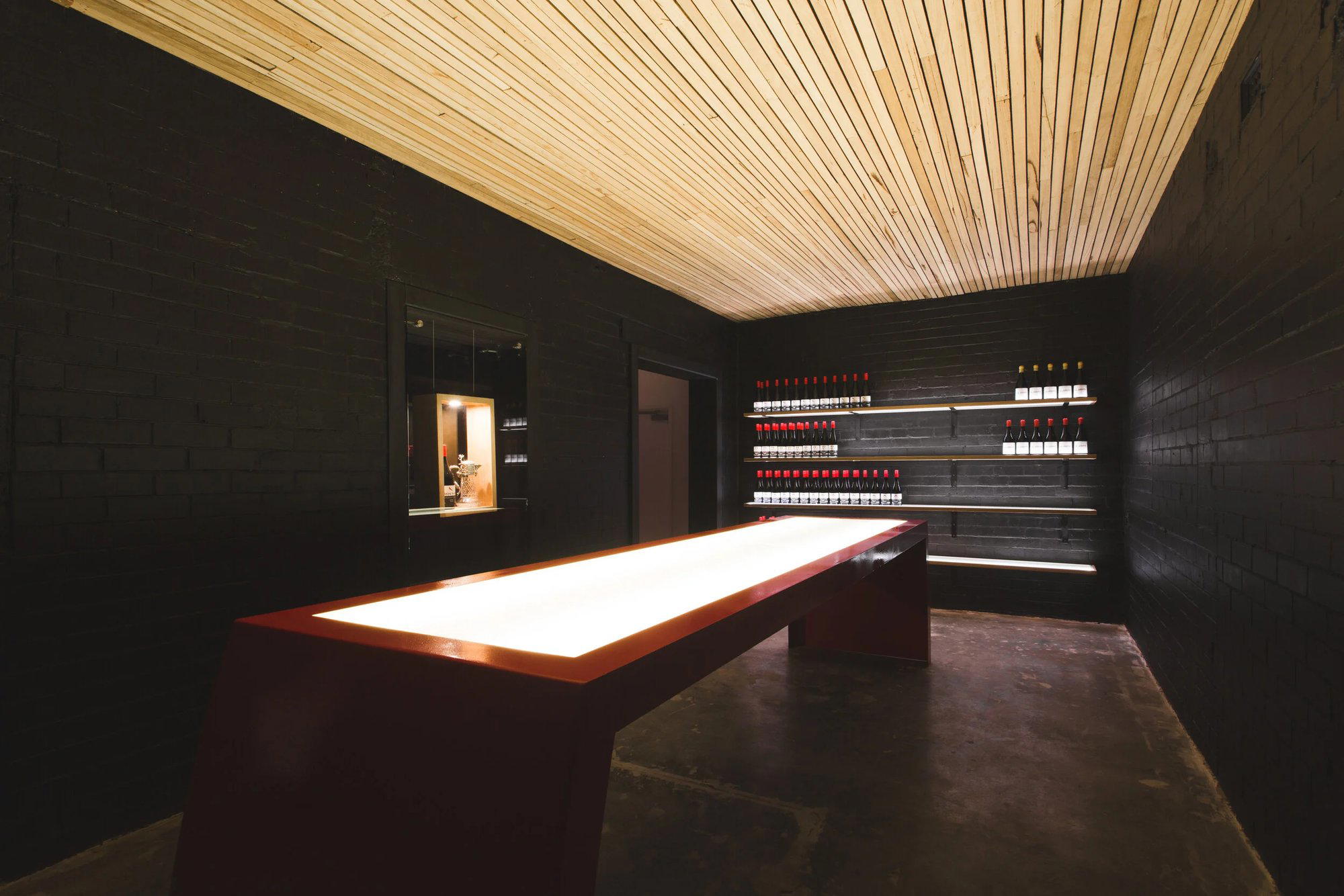
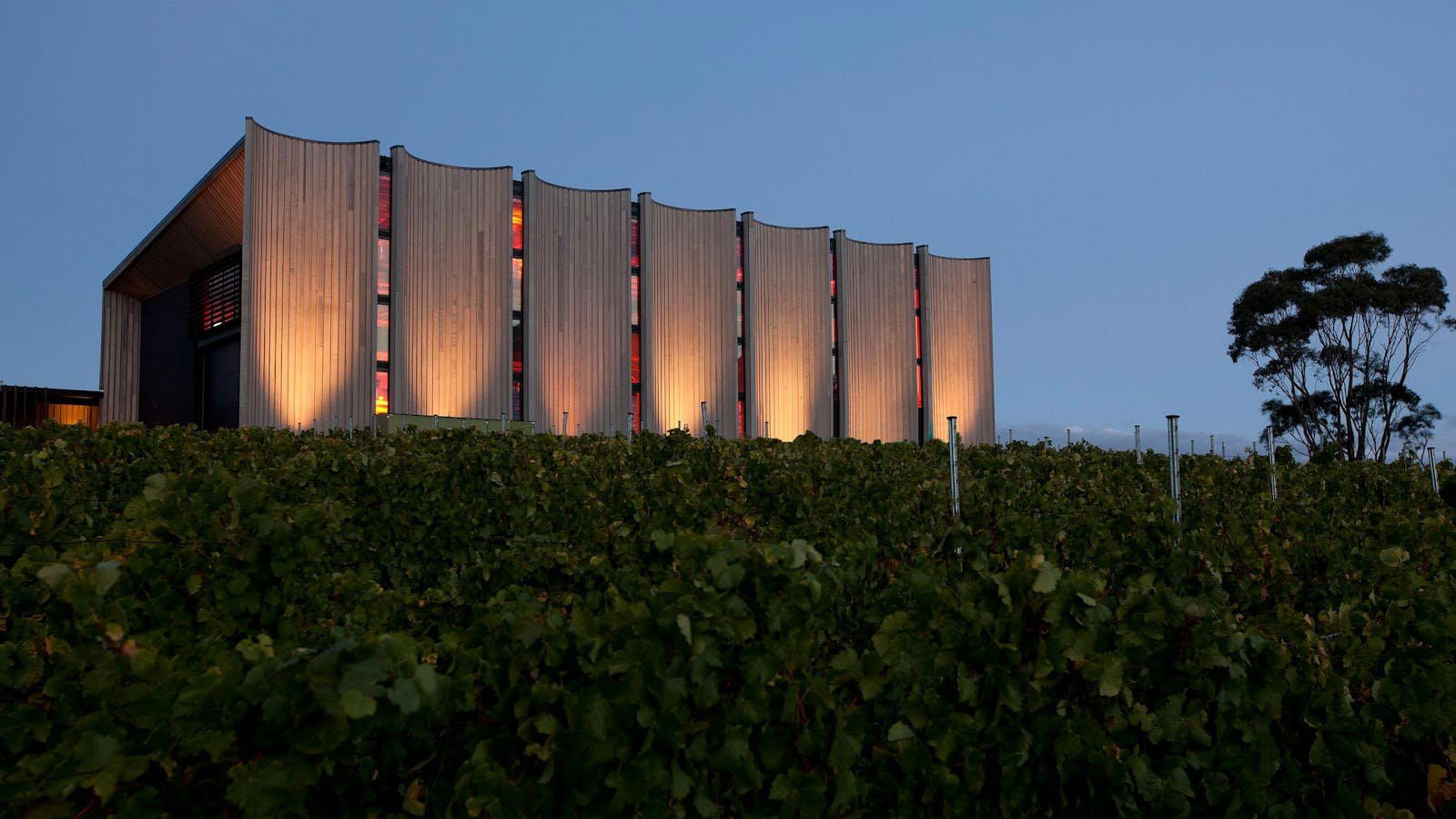
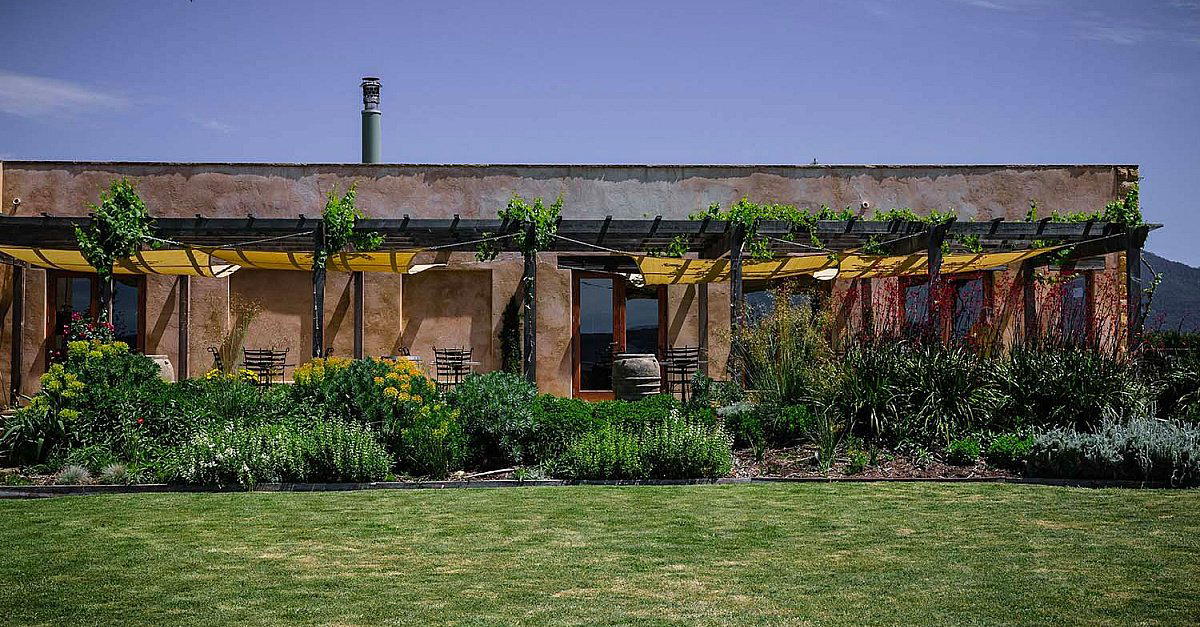
Bars in Glaziers Bay
Browse all →
Restaurants in Glaziers Bay
Browse all →

Details
- Rustic
- Scenic
- Intimate
- Elegant
- Wine Education
- Solo Exploration
- Special Occasion
- Vineyard Tour
- Estate Grounds
- Sustainable
- Waterfront
- Vineyard
- Pinot Noir
- Gewurztraminer
- Still Red
- Private Tasting
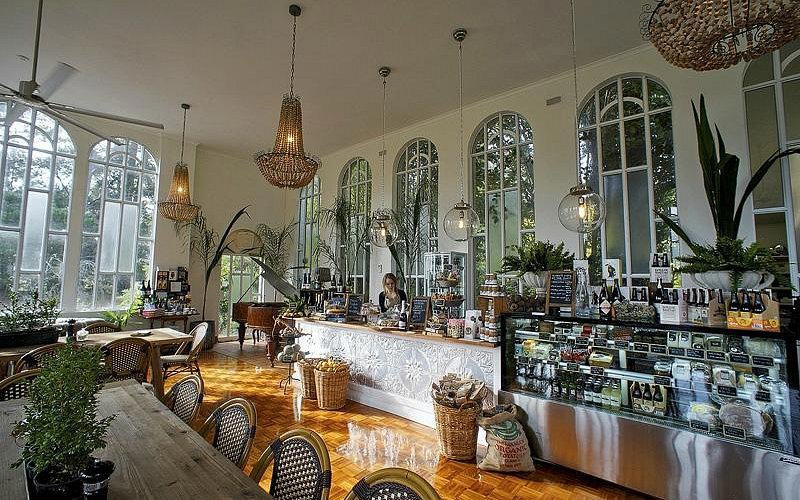
Precision and elegance in a rustic, scenic setting with maritime influence and ancient soils, focused on purity and fine structure.