On a quiet block in Budapest's fifth district, Parasztkonyha draws on the peasant-kitchen tradition that shaped Hungarian cooking long before the city's fine-dining scene arrived. The cooking here is grounded in rural sourcing and seasonal logic, placing it in a different register from the Michelin-chasing restaurants nearby. For visitors interested in how Hungarian food actually tastes when stripped of modernist ambition, it is a useful reference point.
Pearl is the En Primeur Club membership app — saves, bookings, and concierge access live there. Same editors, same standards.
- Address
- Budapest, Október 6. u. 3, 1051 Hungary
- Phone
- +36708588663
- Website
- parasztkonyha.com
- Directions
- Get directions
 Saves & bookings on Pearl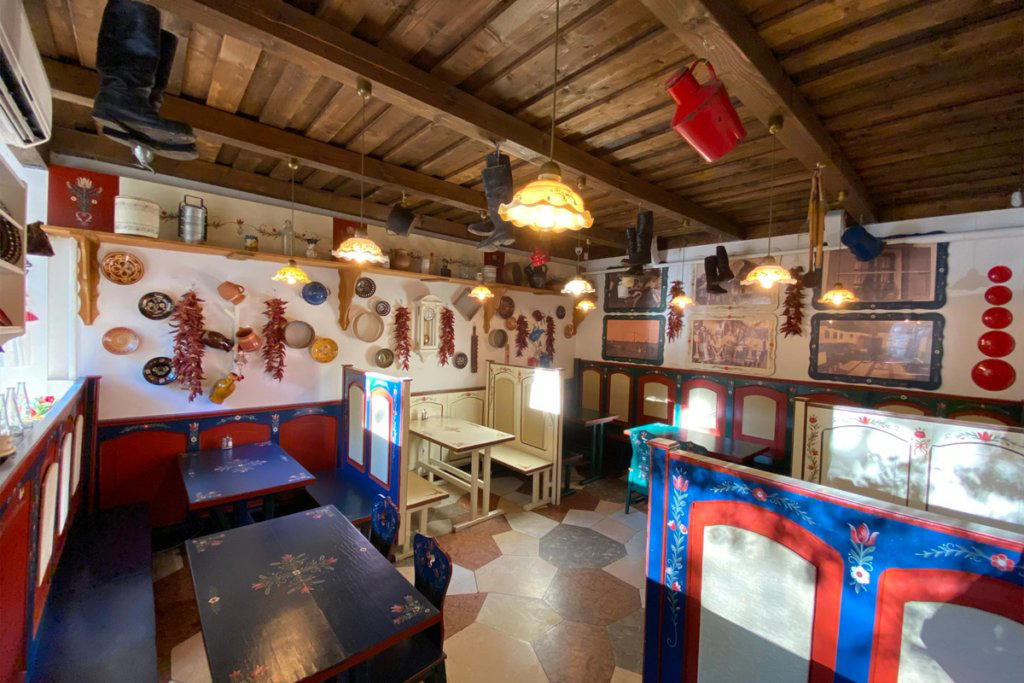
The Peasant Kitchen Tradition in a Fifth-District Address
Október 6. utca sits a short walk from the Danube embankment in Budapest's inner fifth district, a neighbourhood where Michelin-starred rooms and wine-forward bistros have steadily colonised the mid-range. Into that context, Parasztkonyha, the name translates directly as "peasant kitchen", inserts a different logic. Where the surrounding scene is largely organised around contemporary technique and wine-pairing credentials, the peasant kitchen tradition it references is built on something older: larder cooking, preserved ingredients, and a relationship to rural supply chains that predates the capital's current gastronomic moment.
That tradition matters as a reference point for anyone trying to understand Hungarian food beyond the tourist-menu version of goulash. The parasztkonyha canon draws on the Great Plain and the forested northern counties, where seasonal preservation, smoking, pickling, rendering, was not an aesthetic choice but a practical one. Fat, paprika, and dried legumes formed the structural base. Freshness, when it arrived, was tied to what the immediate land offered rather than to a curated supply network. That sourcing logic is the lens through which this restaurant positions itself.
Where It Sits in Budapest's Dining Structure
Budapest's restaurant spectrum in the fifth district runs from the highest-spend modern rooms, Stand (€€€€ · Modern Cuisine), Babel (€€€€ · Modern Cuisine), and Costes (€€€€ · Modern Cuisine) among them, through the mid-tier wine-kitchen format represented by Borkonyha Winekitchen (€€€ · Modern Cuisine), down to the traditional-cuisine bracket where Stand25 Bisztró operates at €€. Parasztkonyha is a casual, moderately priced restaurant focused on traditional Hungarian peasant cuisine.
That is not a criticism. The more technically ambitious rooms, essência (€€€€ · Modern Cuisine) being a recent example, are making arguments about where Hungarian cooking can go. Parasztkonyha is, at least nominally, making an argument about where it came from. Both positions are legitimate; they serve different readers.
The Sourcing Frame: What Peasant Kitchen Cooking Actually Implies
The ingredient sourcing that defines parasztkonyha cooking deserves direct attention, because it sets expectations that differ from a contemporary Hungarian tasting menu. Rural Hungarian cooking at its traditional leading relied on producers within a day's cart travel: pigs raised on the property or from a neighbouring farm, paprika dried and ground locally, lard rendered and stored, bread made from local wheat. The seasonality was not curated but imposed. What was available at a given time of year was what appeared on the table.
In a restaurant context, that tradition is inevitably reconstructed rather than practiced in its original form, supply chains are urban even when the ingredients are rural, but the framing still signals something meaningful about what to expect. Dishes built around goose fat, smoked pork, fresh curd cheese, and field-grown vegetables operate in a different register from those organised around precision cooking and imported technique. When that sourcing logic is followed seriously, it connects Budapest restaurants to a broader Hungarian food geography that includes places like Platán Gourmet in Tata, Pajta in Őriszentpéter, and Aranysárkány Vendéglő in Szentendre, all working within regional Hungarian traditions at varying price points and registers.
Context Beyond the Capital
Hungary's food geography outside Budapest adds necessary context. Wine-country cooking in Villány, as practiced at places like Halasi Pince Panzió in Villány, and the Northern Hungarian Kitchen represented by Forst-Ház Étterem és Kávézó in Eger and BoriMami in Gyöngyös share with the peasant kitchen tradition a grounding in local produce and preserved ingredients. The difference is that regional restaurants often have shorter supply chains in practice, not just in theory. A Budapest restaurant invoking the peasant kitchen tradition is making a curatorial argument; a restaurant in Őriszentpéter or Eger is often simply cooking with what is nearby.
That distinction does not undermine the urban version, but it is worth understanding when deciding where to spend an evening. For travellers who want to cover Hungarian food from its rural roots through to its current metropolitan ambitions, Parasztkonyha fits into a logical sequence, a grounding point before moving on to the contemporary rooms, or a palate reset after them. Our full Budapest restaurants guide maps that sequence across the city's different neighbourhoods and price tiers.
Planning a Visit
The address on Október 6. utca places the restaurant within walking distance of the Basilica of St. Stephen and the central Danube embankment, making it accessible from most fifth-district hotels and a short metro or tram ride from the sixth and seventh districts. Reservations are recommended. For a neighbourhood with this density of restaurants, a midweek visit typically offers more flexibility than weekends, when the area's tourist and local traffic converges on a relatively small number of blocks. Almalomb in Hosszúhetény and Classic Grill Serbian Restaurant Underground in Szeged illustrate how Hungary's regional dining operates outside the capital, worth considering for travellers with time to move beyond Budapest.
Recognition, Side-by-Side
Comparable venues nearby, for context on price, style, and recognition.
| Venue | Cuisine | Price | Notes |
|---|---|---|---|
| Parasztkonyha RestaurantThis venue — the venue you are viewing | Traditional Hungarian Peasant Cuisine | $$ | Not listed |
| Cafe Vian Gozsdu Udvar | Traditional Hungarian Bistro | $$ | Belvaros |
| MoszkvaTér | Russian & Eastern European Streetfood | $$ | Varhegy |
| Fat Mama | Hungarian BBQ Gastropub | $$ | Belvaros |
| Gléda Vendéglö | Modern Hungarian | $$ | Obuda |
| Belvárosi Disznótoros - Király utca | Traditional Hungarian Grilled Meats and Sausages | $$ | Belvaros |
Continue exploring
More in Budapest
Restaurants in Budapest
Browse all →
Bars in Budapest
Browse all →
Hotels in Budapest
Browse all →

At a Glance
- Cozy
- Rustic
- Classic
- Intimate
- Casual Hangout
- Family
- Group Dining
- Local Sourcing
Current opening hours
- Monday
- 5–11 PM
- Tuesday
- 5–11 PM
- Wednesday
- 5–11 PM
- Thursday
- 5–11 PM
- Friday
- 12–11 PM
- Saturday
- 12–11 PM
- Sunday
- 12–11 PM
Hours can change for holidays and private events. Last verified .
Warm, intimate, and charming atmosphere like eating in a favorite aunt's home, cozy and traditional.