Our verdict
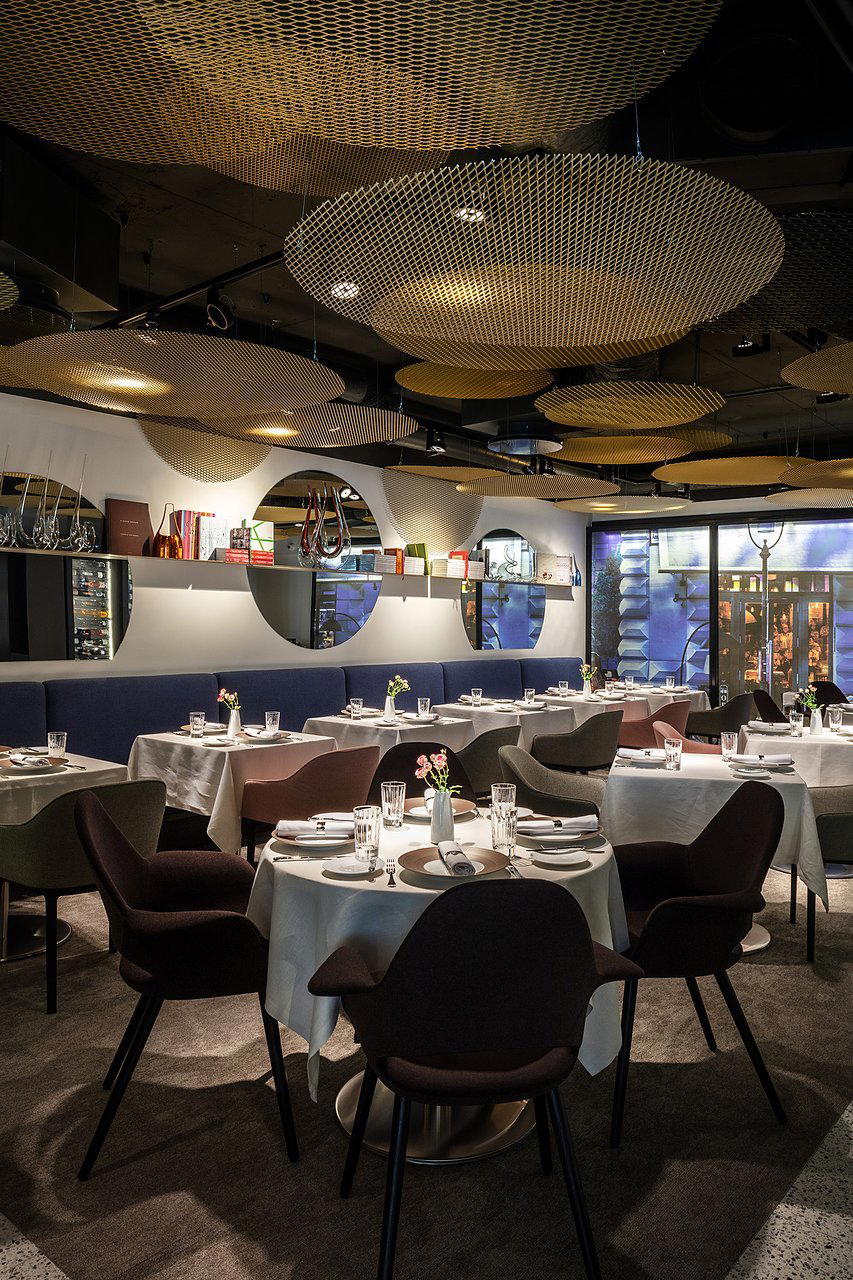
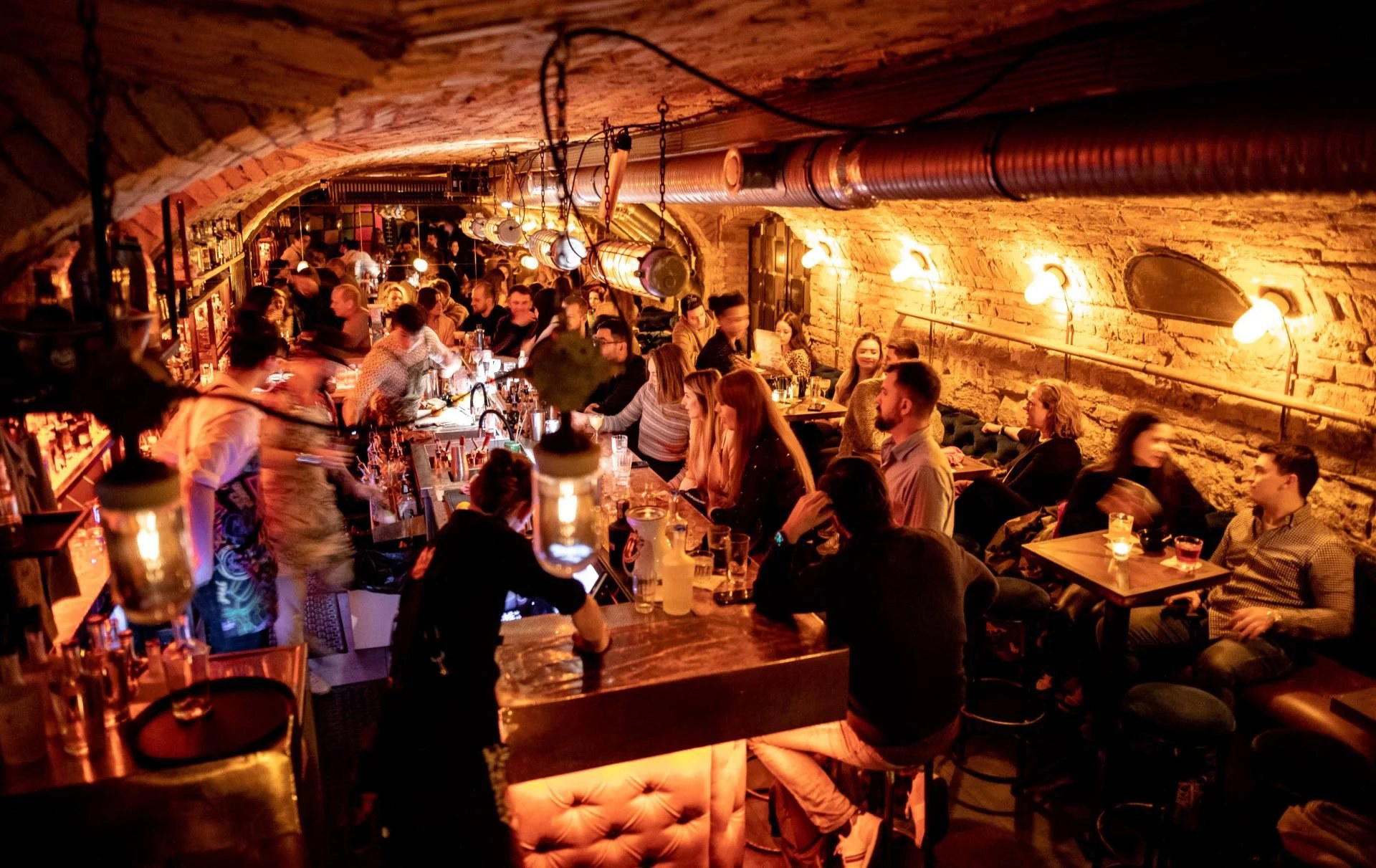
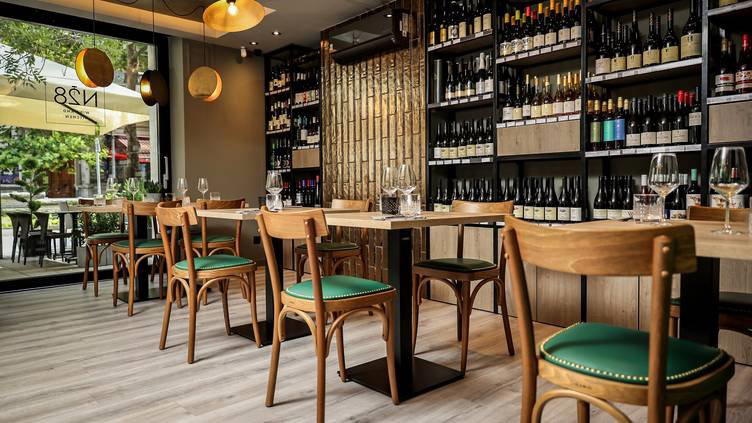
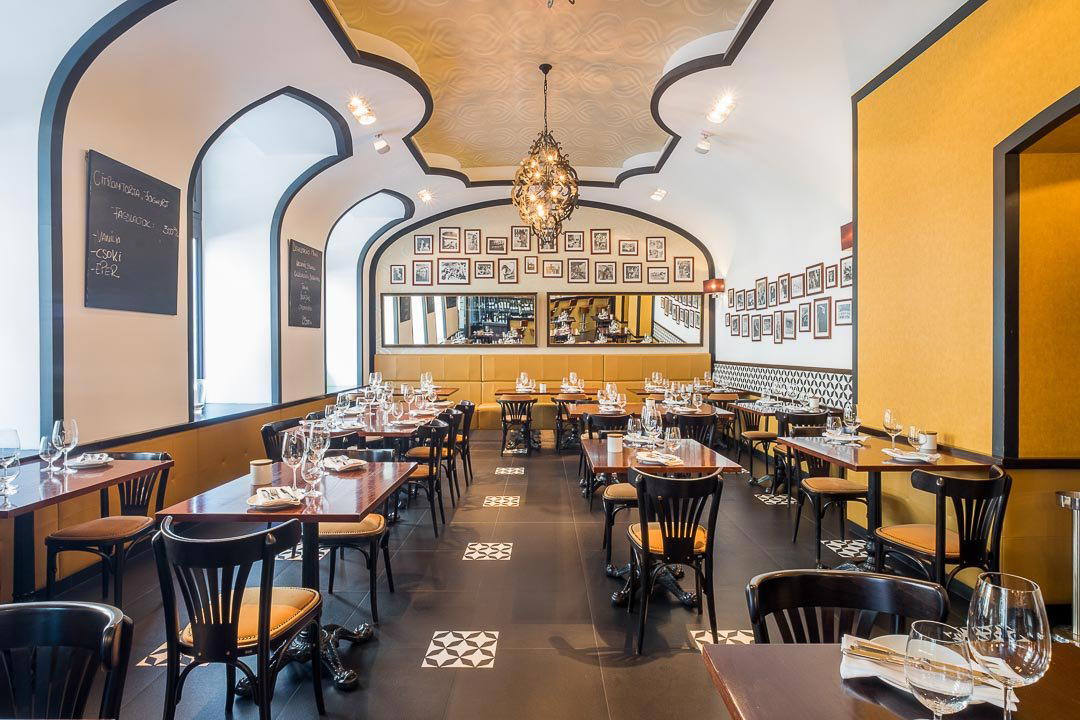
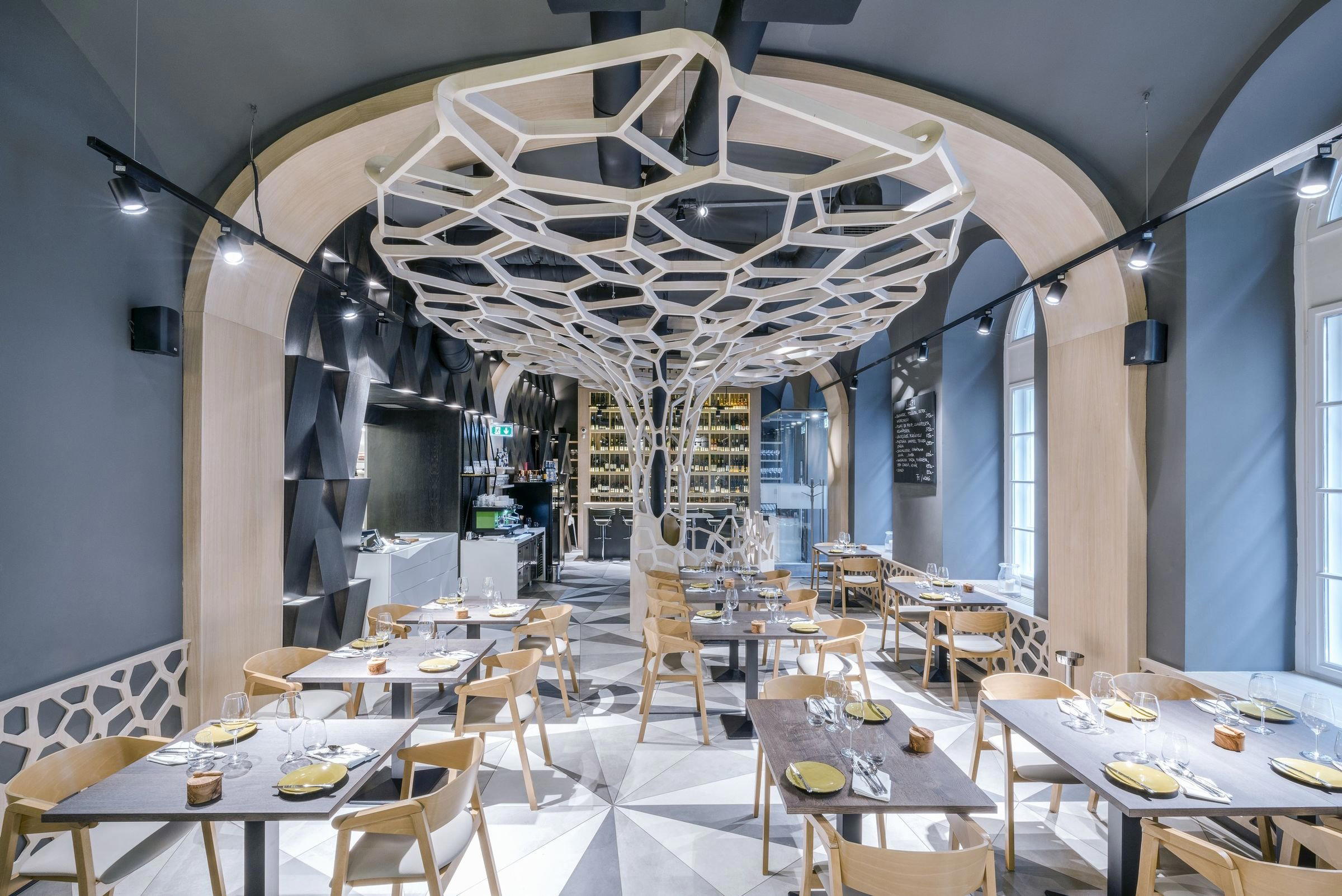
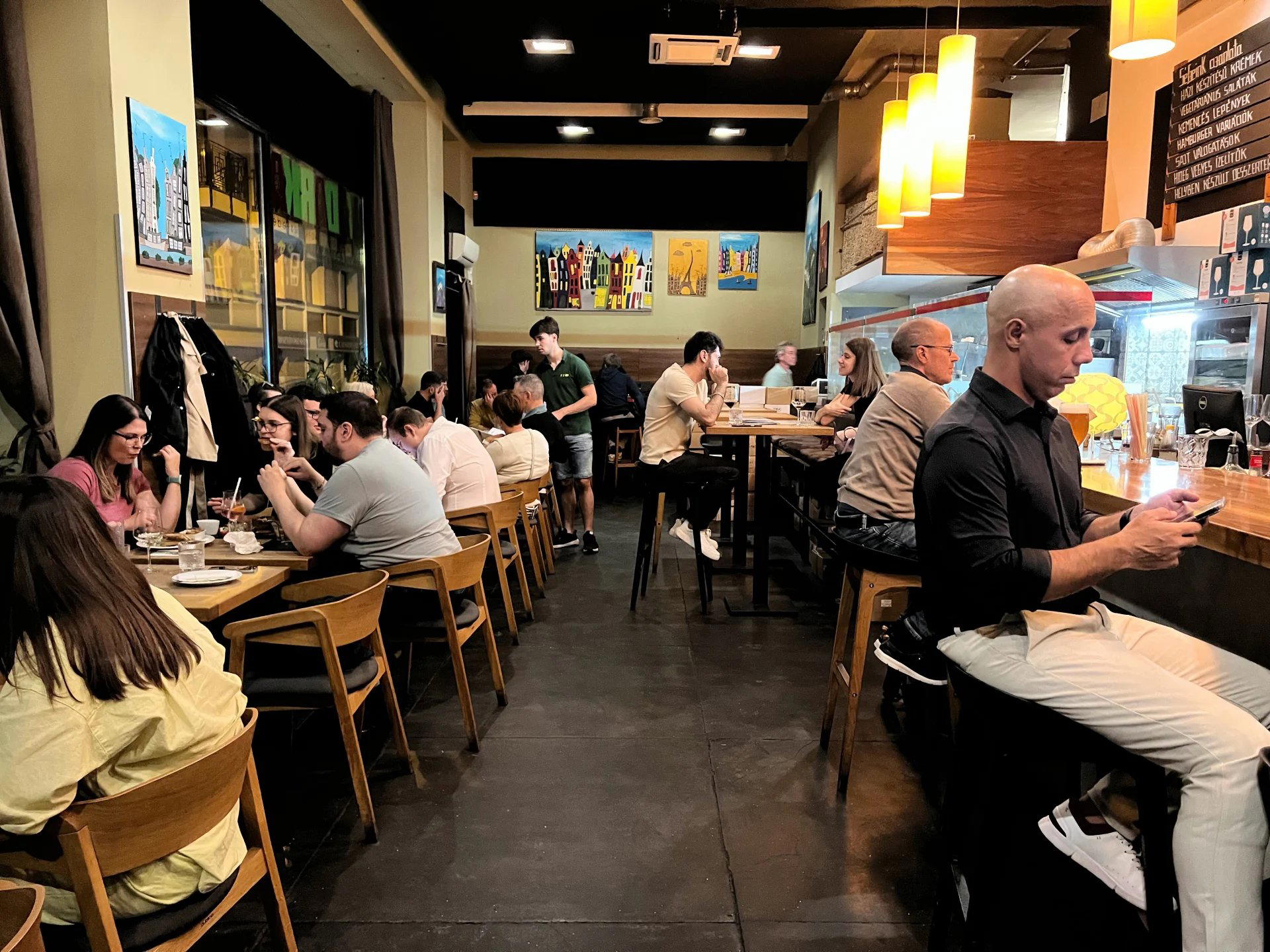
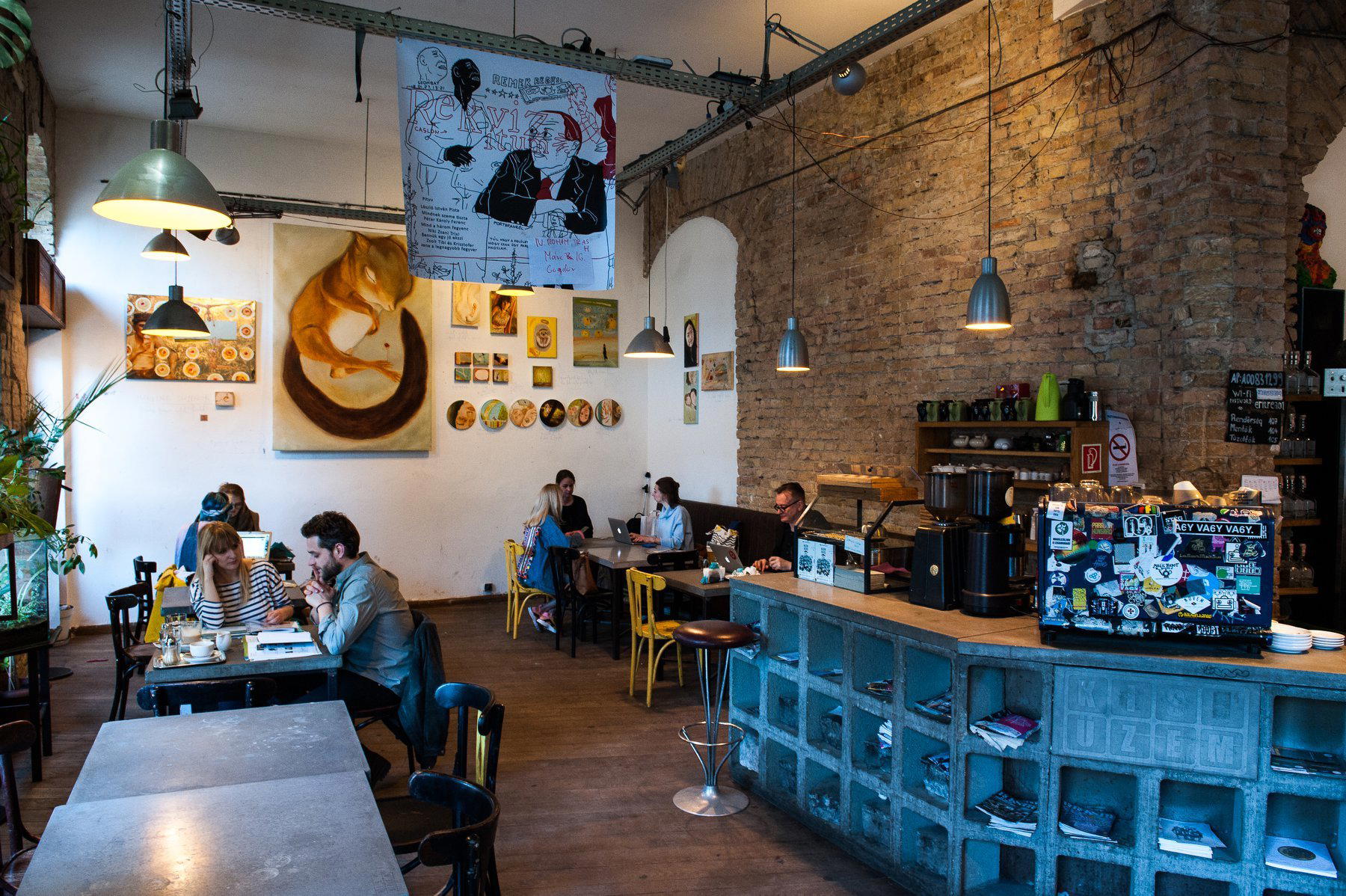
Cafe Vian sits inside Gozsdu Udvar, the covered passageway threading through the heart of Budapest's VII District Jewish Quarter. It occupies a tier of the city's café scene that prioritises extended stays and street-level energy over formal dining codes, making it a practical and atmospheric base for anyone spending serious time in the Erzsébetváros neighbourhood.

Pearl is the En Primeur Club membership app, where members save venues, book tables and use the concierge.

The menu
What to order
- Mushroom soup
- Steak with Hungarian lecso
- Mascarpone mousse
- Gulash
- Chicken paprika with Hungarian dumplings
- Mashed chestnuts with whipped cream
What Gozsdu Udvar Does to a Café
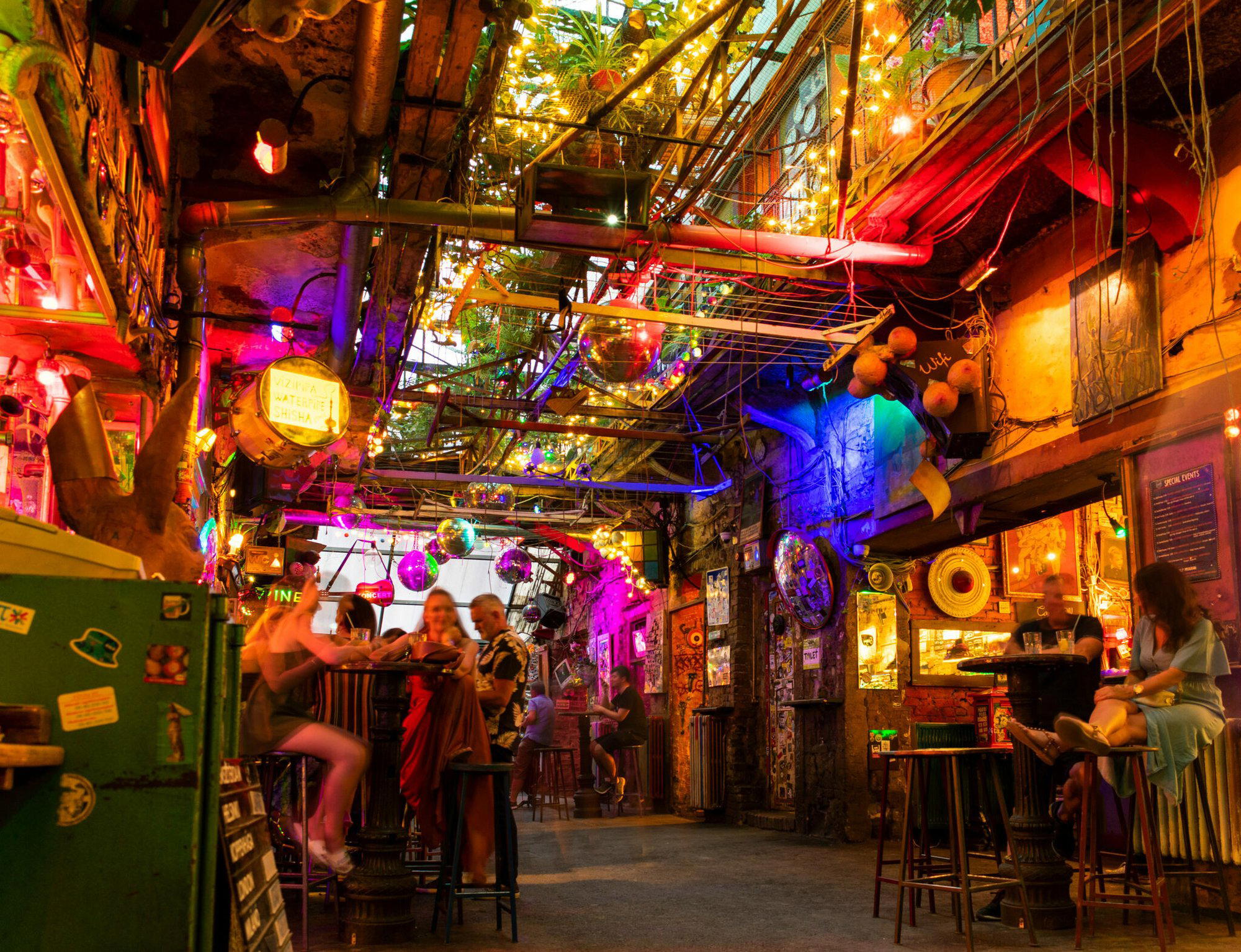
There is a particular architecture to covered passageways in Central European cities, the way they compress foot traffic into a channel, hold sound differently from an open street, and create a contained world with its own rhythm. Gozsdu Udvar, the six-courtyard arcade running between Király utca and Dob utca in Budapest's VII District, is one of the more convincing examples of this form. Café Vian sits within it, and the setting shapes everything about how the space feels and functions. The passageway structure means the café exists at the intersection of interior and exterior Budapest, sheltered from weather, but porous to the neighbourhood's noise and movement in a way that a fully enclosed room would not be.
The VII District, historically the city's Jewish Quarter and now its most internationally visited nightlife corridor, has developed a layered dining and drinking identity over the past two decades. The area contains everything from ruin bars with unfinished interiors to Michelin-starred modern cuisine. Café Vian occupies a middle position in that spread: a daytime café and evening social venue that does not compete with the fine-dining tier represented by places like Stand (€€€€ · Modern Cuisine) or Babel (€€€€ · Modern Cuisine), but which functions as the kind of all-hours anchor that a neighbourhood of this density requires.
The Physical Container
Gozsdu Udvar was built in the early twentieth century as a residential and commercial arcade, fell into disrepair during the Soviet period, and was extensively renovated in the 2000s. Its current incarnation is more polished than the district's famous ruin bars, which make a deliberate aesthetic of peeling paint and salvaged furniture, but less formal than the hotel lobbies and restaurant dining rooms that now compete for the same visitor spending. Café Vian's position within the arcade gives it frontage on one of the passage's open courtyards, which means the seating arrangement can extend outward during warmer months, with the courtyard functioning as a semi-outdoor terrace protected from direct street noise.
This spatial logic matters to how the café is used. Passageway venues attract a different sitting pattern than street-front or square-facing ones. Foot traffic is directional and purposeful, people moving through Gozsdu Udvar are generally going somewhere within the arcade rather than passing randomly, which gives the café a consistent audience without the exhausting churn of a venue on a major tourist thoroughfare. For visitors spending time in the VII District, Király utca 13 is direct to locate: the arcade entrance is marked and the address places it at the Király utca end of the passageway.
Where This Sits in Budapest's Café Tradition
Budapest has a documented grand café tradition, with the nineteenth-century coffeehouses of Pest functioning as literary and political gathering places. That tradition atrophied under state socialism and has been partially revived, partially reinvented, in the post-1989 period. The contemporary VII District café scene is not a direct continuation of that history, it draws more from the neighbourhood's ruin bar energy and its position as the city's primary hub for younger international visitors than from the velvet-and-marble coffeehouse model. Café Vian occupies this newer register.
For visitors who want to compare this end of the market with what the city's more ambitious kitchens are doing, Borkonyha Winekitchen (€€€ · Modern Cuisine) and Costes (€€€€ · Modern Cuisine) represent a different tier of Budapest dining entirely. So does essência (€€€€ · Modern Cuisine). The comparison is not a criticism of Café Vian, these venues serve different purposes in a city's hospitality ecosystem, and the arcade café format has its own legitimate claim on a visitor's time. Beyond Budapest, the broader Hungarian dining scene extends to places like Platán Gourmet in Tata, Pajta in Őriszentpéter, and Sauska 48 in Villány, all operating in very different formats and price tiers from what Gozsdu Udvar offers. For anyone building a wider picture of what Hungarian kitchens are doing right now, the full Budapest restaurants guide covers the range.
Internationally, the casual all-day café format that Café Vian represents has analogues in cities with strong café cultures, though the Gozsdu Udvar context gives it a Central European specificity that separates it from, say, the dining-destination format occupied by Le Bernardin in New York City or the communal supper-club model of Lazy Bear in San Francisco. These comparisons clarify what Café Vian is not, which helps define what it is.
Planning a Visit
The VII District is well-connected to the rest of Pest by metro and tram, with Astoria and Blaha Lujza tér serving as the closest major transit points. Gozsdu Udvar runs between Király utca and Dob utca, and the café's Király u. 13 address places it at the western entrance to the arcade. Because the venue operates in a high-footfall leisure corridor, the practical considerations that govern booking at places like Hosszú Tányér in Hosszúhetény or Kővirág in Köveskál, where reservation windows and seasonal closures matter considerably, apply less directly here. Weekend evenings in Gozsdu Udvar are busy by the nature of the arcade and district, and daytime visits on weekdays will be considerably calmer. For other regional options with a different pace and setting, Teyföl in Szentendre, Öreg Prés in Mór, Botanica in Dánszentmiklós, Old Kőrössy Fish Restaurant in Szegedin, and Petrányi Csopak in Csopak each offer a contrast to the city's pace.
Frequently asked questions
Is Cafe Vian Gozsdu Udvar okay with children?
Gozsdu Udvar is a pedestrian arcade on Király utca in Budapest's VII District, which means the surrounding environment is open, walkable, and low on vehicle traffic. Cafe Vian's position inside the passageway gives families space to settle without the pressure of a formal dining room. Daytime visits work well; evenings in the Udvar skew toward a bar-going crowd as the passage fills with foot traffic from surrounding venues.
How would you describe the vibe at Cafe Vian Gozsdu Udvar?
The atmosphere is shaped as much by the architecture as by the café itself. Gozsdu Udvar is a restored early-twentieth-century arcade, and sitting inside it places you inside a layer of Budapest history that newer venues in the district cannot replicate. Expect ambient noise from passing foot traffic, a mixed crowd of locals and visitors, and the particular light quality that covered courtyards hold through the afternoon.
How does Cafe Vian Gozsdu Udvar relate to Budapest's broader café history?
Budapest's café tradition stretches back to the nineteenth-century coffeehouses of Pest, which served as literary and political gathering spaces long before the Gozsdu Udvar arcade was constructed in the early twentieth century. Cafe Vian sits inside that inherited infrastructure at Király utca 13 in the VII District, a neighbourhood that has re-emerged as the city's most active social quarter following the arcade's post-Soviet restoration. The venue connects two layers of Budapest café culture: the architectural legacy of the passageway and the contemporary bar-and-coffee scene of Erzsébetváros.
What dish is Cafe Vian Gozsdu Udvar famous for?
Cafe Vian operates as a café within one of Budapest's most-frequented pedestrian passages, and its menu follows the broad Central European café format: coffee, drinks, and mid-range food rather than a single signature dish. No specific dish is documented as a standout. The draw here is the setting on Király utca, not a headline plate.
What's the address for Cafe Vian Gozsdu Udvar?
Cafe Vian Gozsdu Udvar is located at Budapest, Király u. 13, 1075 Hungary, Budapest.
How hard is it to get a table at Cafe Vian Gozsdu Udvar?
Gozsdu Udvar pulls consistent foot traffic year-round as one of Budapest's more visited covered arcades in the VII District, which means Cafe Vian fills quickly during weekend evenings and summer afternoons. Walk-in access is generally realistic outside peak hours. No reservation system is publicly documented, so arriving early or during weekday off-peak periods is the practical approach.
Cuisine and Awards Snapshot
Comparable venues nearby, for context on price, style, and recognition.
| Venue | Cuisine | Price | Notes |
|---|---|---|---|
| Cafe Vian Gozsdu UdvarThis venue (the venue you are viewing) | Traditional Hungarian Bistro | $10–20 | Not listed |
| Parasztkonyha Restaurant | Traditional Hungarian Peasant Cuisine | $20–30 | Varhegy |
| Franziska Pest | Healthy Brunch Cafe | $10–20 | Belvaros |
| Marumba | Modern Vegetarian Hungarian | $30–50 | Belvaros |
| Búsuló Juhász | Hungarian Bistro | $30–50 | Gellerthegy |
| Kispiac | Traditional Hungarian Bistro | $30–50 | Terézváros |