On the Buda side of the Danube, MoszkvaTér occupies a Fő utca address that puts it within walking distance of the Chain Bridge and the Castle District's dining circuit. The wine program is the organizing principle here, positioning it alongside Budapest's growing cohort of kitchen-forward wine destinations rather than the city's purely fine-dining tier.
Pearl is the En Primeur Club membership app — saves, bookings, and concierge access live there. Same editors, same standards.
- Address
- Budapest, Fő u. 30, 1011 Hungary
- Phone
- +36301851103
- Website
- moszkvaterbisztro.hu
- Directions
- Get directions
 Saves & bookings on Pearl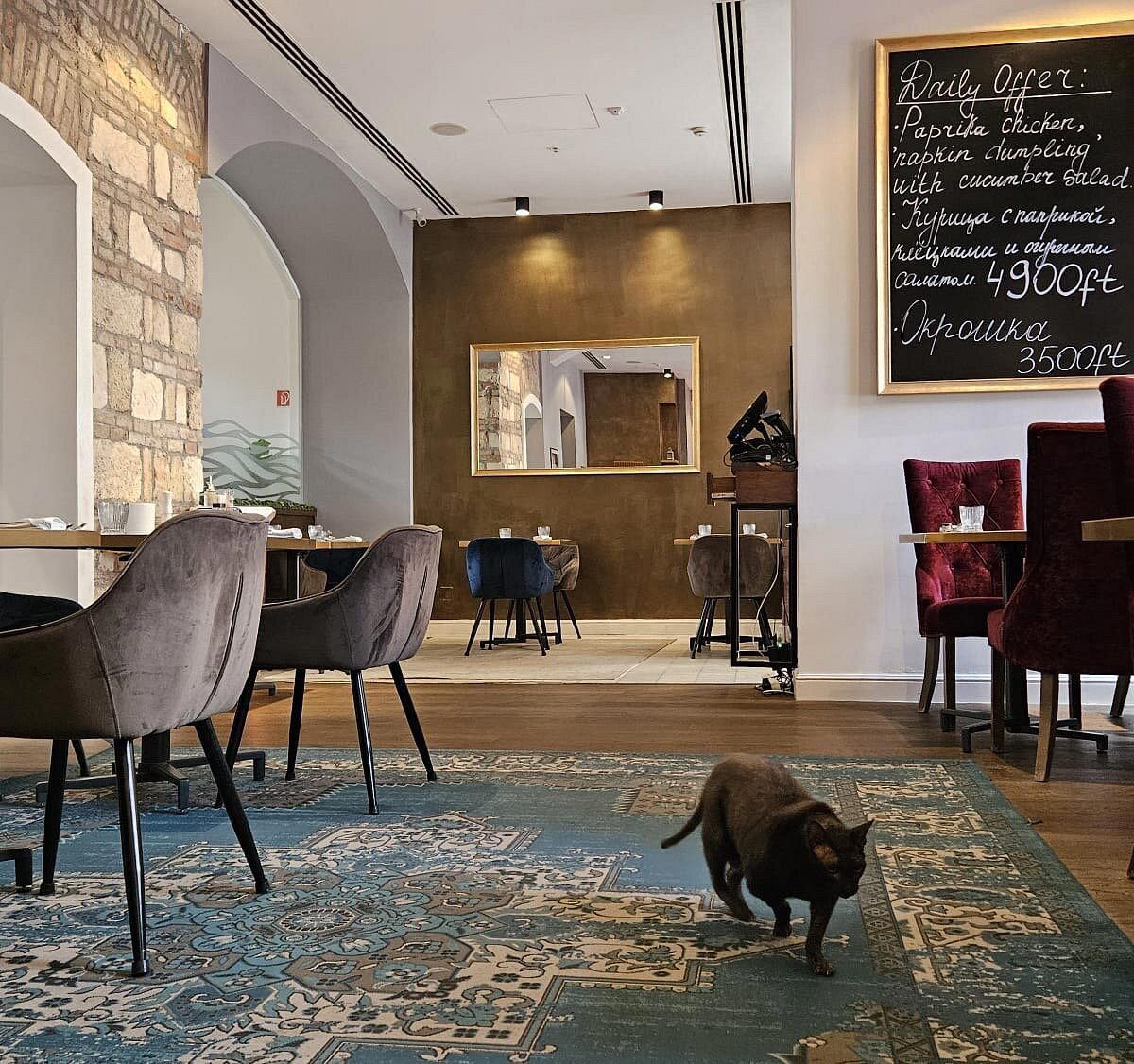
Fő Utca and the Buda Dining Register
Budapest's most-discussed dining addresses tend to cluster on the Pest side: the wine-kitchen format that Borkonyha Winekitchen (€€€ · Modern Cuisine) helped establish, and the tasting-menu tier represented by Costes (€€€€ · Modern Cuisine) and Stand (€€€€ · Modern Cuisine). The Buda bank operates at a quieter register. Fő utca, running parallel to the Danube through the first district, is a residential corridor with occasional destination spots rather than a consolidated dining strip. MoszkvaTér sits at number 30 on that street, drawing from a neighbourhood that rewards deliberate visitors over casual foot traffic.
The address matters because it shapes expectations. Diners arriving from across the river come with purpose, which tends to produce a more focused room. That dynamic is common to the better Buda addresses: less showcase, more substance. For the wine-led evening in particular, that atmosphere is an asset.
The Wine Program as Editorial Lens
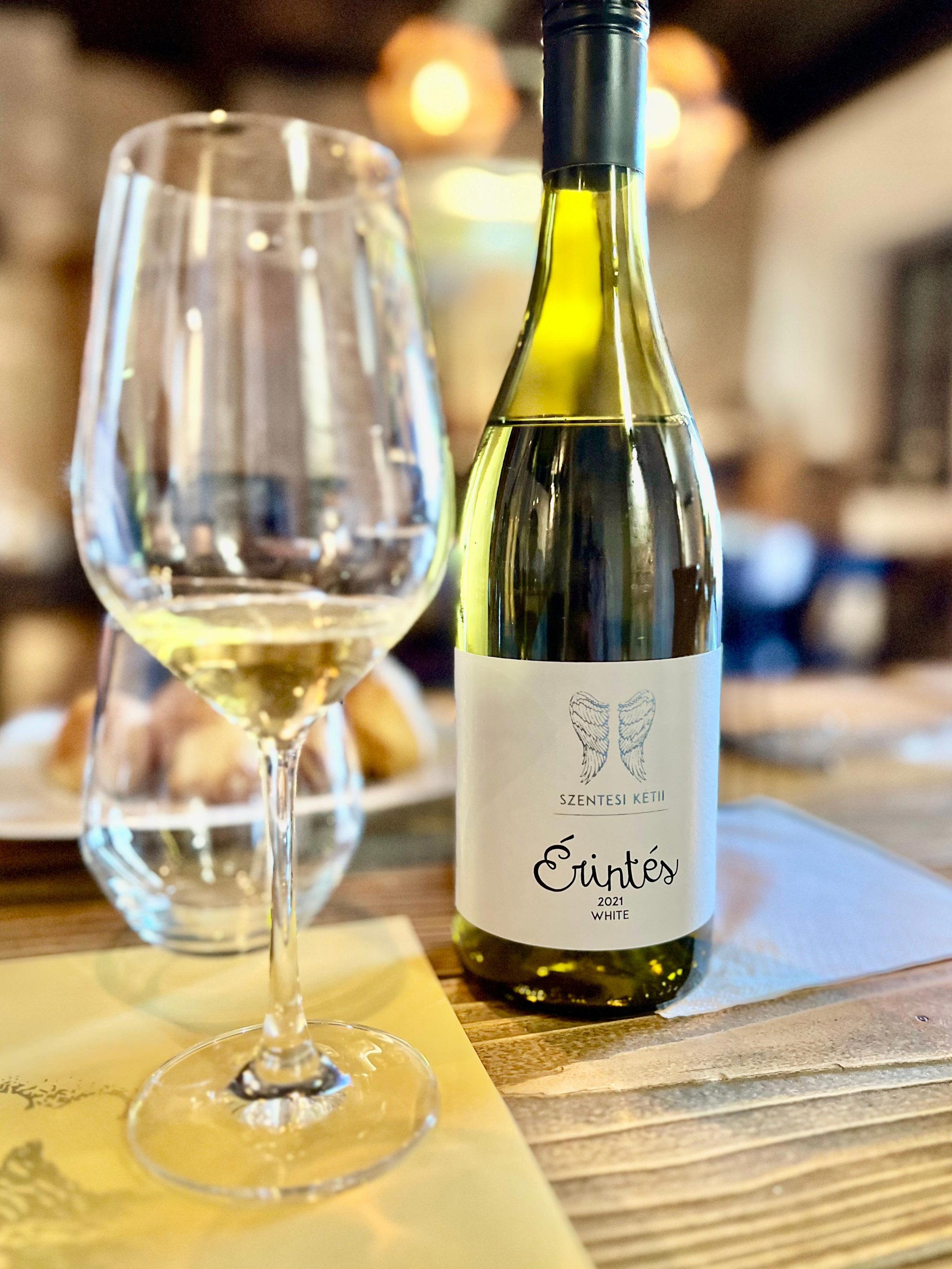
Hungary's wine geography is more complicated than its international reputation suggests. Tokaj commands the export narrative, but the country has twenty-two delimited wine regions producing everything from Egri Bikavér to the volcanic whites of the Somló plateau. A wine list in Budapest that engages seriously with this diversity is doing something editorially distinct from one that fills its pages with French and Italian imports alongside a token Tokaji Aszú.
The wine-led dining format has taken clearer shape in Budapest over the past decade. Borkonyha Winekitchen established the template at the €€€ tier: a program built around Hungarian producers, deep enough to function as the main attraction rather than a support act for the food. MoszkvaTér operates within that tradition, where the cellar's logic and the kitchen's output are meant to be read together. Visitors planning around this format should approach the wine list with the same attention they would give to a menu of dishes.
For context on what serious Hungarian wine exploration looks like outside the capital, the regional picture is instructive. Halasi Pince Panzió in Villány represents the producer-hospitality model in Hungary's southern red-wine country, while BoriMami in Gyöngyös anchors a different regional identity in the Mátra foothills. Budapest restaurants that curate well from across these zones are translating that geographic spread into a single sitting.
The Budapest Fine-Dining Frame
Understanding where MoszkvaTér sits requires a sense of the city's broader dining stratification. At the summit of the price register, Babel (€€€€ · Modern Cuisine) and essência (€€€€ · Modern Cuisine) operate tasting-menu formats with the kind of technical ambition that aligns them with the wider European fine-dining conversation. One bracket down, the wine-kitchen model treats the bottle list as the primary curatorial act, with cooking that complements rather than competes. MoszkvaTér's Fő utca address and its neighborhood positioning place it in the latter camp: a destination for the evening built around the glass rather than the plate, though neither should be an afterthought.
Budapest's dining scene has matured enough that these distinctions are now legible to regular visitors. A decade ago, the city had a handful of internationally recognized rooms and a large gap before the next tier. That gap has narrowed considerably, and the wine-kitchen format in particular has become a category rather than an exception. For a comparative read across the current Budapest roster,
Seasonal Timing and the First District
The first district runs on a different seasonal rhythm than Pest's restaurant-dense seventh and ninth. Summer brings Castle District tourism overhead, but Fő utca sits below the hill at river level, closer in character to a working residential street than a tourist corridor. Autumn is when the wine program at any serious Hungarian address shifts into more interesting territory: harvest-adjacent releases, older vintages being opened for comparison, and producers visiting the capital after their busiest months in the vineyard. For visitors timing a Budapest trip around wine, autumn offers one coherent entry point.
Spring is quieter and, in years with a mild March and April, the terrace-adjacent seating that defines many Buda addresses begins to function again. The January-February window is the period to avoid if you want the full room.
Wider Hungary: The Regional Picture
MoszkvaTér on Fő utca is one point in a much wider Hungarian dining geography that rewards exploration beyond the capital. The country's regional restaurant culture has developed unevenly but meaningfully: Platán Gourmet in Tata and Pajta in Őriszentpéter represent the farm-proximity model that Budapest kitchens draw from. Further afield, Aranysárkány Vendéglő in Szentendre and Forst-Ház Étterem és Kávézó in Eger anchor their respective towns' dining identities. The Classic Grill Serbian Restaurant Underground in Szeged and Astro Tea and Kávéház in Gyor mark the edges of the regional circuit. Even La Pizza Del Lupo in Onga and Almalomb in Hosszúhetény demonstrate how far the country's food culture now extends into smaller settlements.
Planning Your Visit
MoszkvaTér is located at Fő u. 30 in Budapest's first district, on the Buda bank of the Danube. The address is walkable from the Chain Bridge and within reach of the Castle District on foot. As with most Buda first-district addresses, public transport access is direct via the tram lines running along the embankment. Booking in advance is advisable, particularly for weekends and the autumn harvest season when Budapest's dining rooms fill with visitors combining the city with regional winery visits.
Similar Picks
Comparable venues nearby, for context on price, style, and recognition.
| Venue | Cuisine | Price | Notes |
|---|---|---|---|
| MoszkvaTérThis venue — the venue you are viewing | Russian & Eastern European Streetfood | $$ | Not listed |
| IDA Bistro | Austro-Hungarian Bistro | $$ | Tabán |
| Vadrózsa | Traditional Hungarian & International | $$ | Pasaret |
| Jardinette | Traditional Hungarian | $$ | Martonhegy |
| 21 Restaurant | Modern Hungarian Bistro | $$$ | Varhegy |
| Kacsa Étterem | Classic Hungarian Duck Specialties | $$$ | Varhegy |
Continue exploring
More in Budapest
Restaurants in Budapest
Browse all →
Bars in Budapest
Browse all →
Hotels in Budapest
Browse all →
At a Glance
- Cozy
- Casual
- Rustic
- Casual Hangout
- Group Dining
- After Work
- Brunch
- Standalone
- Beer Program
- Local Sourcing
Current opening hours
- Monday
- 12–10 PM
- Tuesday
- 12–10 PM
- Wednesday
- 12–10 PM
- Thursday
- 12–10 PM
- Friday
- 12–10 PM
- Saturday
- 12–10 PM
- Sunday
- Closed
Hours can change for holidays and private events. Last verified .
Warm and relaxed atmosphere with a contemporary take on traditional Eastern European charm; casual dining environment in a renovated marketplace.