Gléda Vendéglő sits on Mikoviny utca in Budapest's Óbuda district, where the city's most compelling dining conversation has quietly moved beyond the inner-ring institutions. The restaurant represents a strand of Hungarian cooking that takes the vendéglő format seriously as a culinary proposition rather than a nostalgia vehicle. For visitors oriented toward Budapest's contemporary dining scene, Óbuda's quieter addresses increasingly warrant the short journey north.
Pearl is the En Primeur Club membership app — saves, bookings, and concierge access live there. Same editors, same standards.
- Address
- Budapest, Mikoviny u. 2-4, 1037 Hungary
- Phone
- +36305750966
- Website
- gledavendeglo.eu
- Directions
- Get directions
 Saves & bookings on Pearl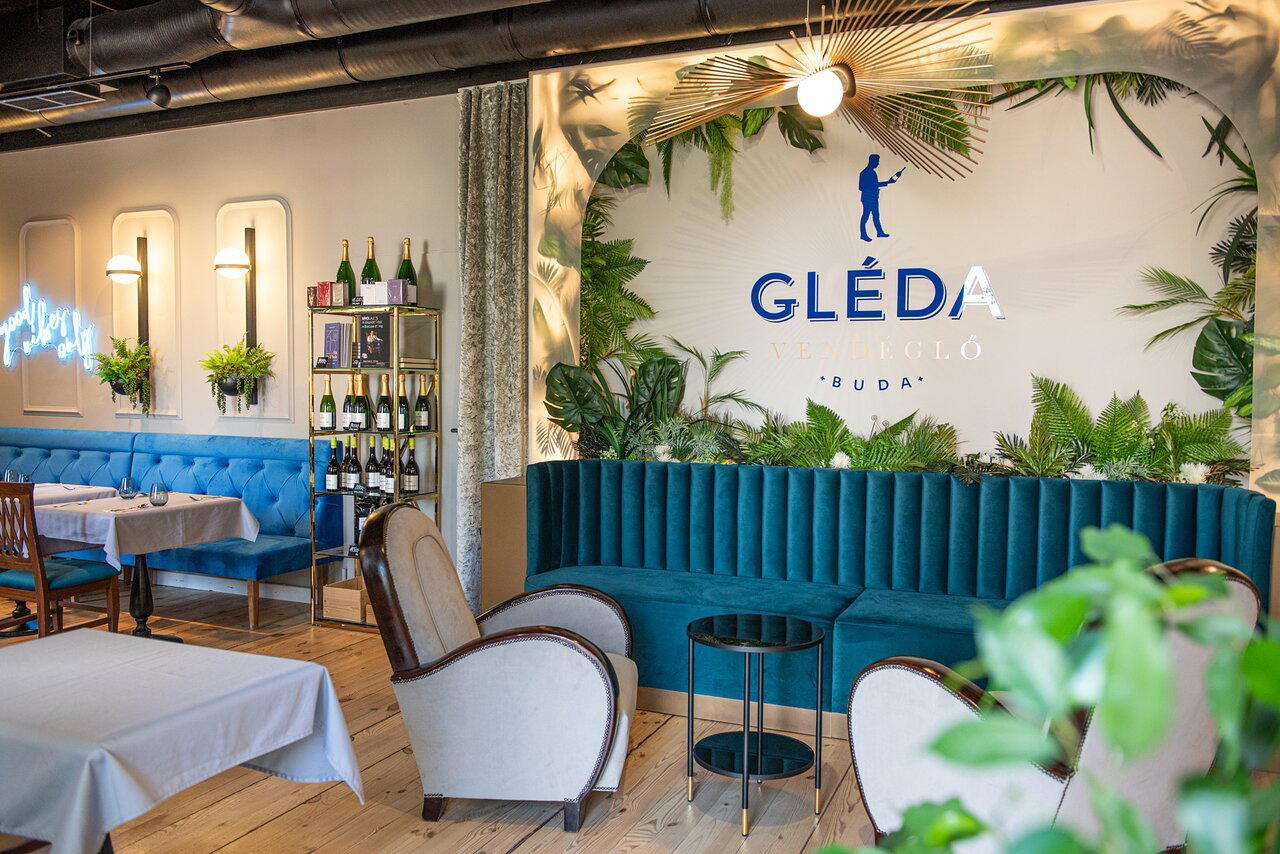
Óbuda and the Vendéglő Tradition Reconsidered
Budapest's dining geography has never been entirely centred on the fifth and sixth districts. The inner-city cluster of restaurants, places like Costes, Babel, and Stand operating at the €€€€ tier of modern Hungarian cuisine, captures most of the critical attention. But Óbuda, the oldest of Budapest's three historical towns, has maintained a quieter parallel dining culture rooted in the vendéglő format: smaller, more personal rooms, menus tied to Hungarian regional cooking rather than international tasting-menu conventions, and an atmosphere that reads as neighbourhood rather than destination. Mikoviny utca, where Gléda Vendéglő is addressed, sits inside this older, less-trafficked version of the city.
The vendéglő as a category sits between the formal étterem and the casual étkezde in Hungarian dining taxonomy. It implies a scale and informality that resists the omakase-style progression familiar from places like Lazy Bear in San Francisco or the rigorous sequencing of Le Bernardin in New York, while still operating with more ambition than a simple lunch counter. The leading examples of the format in Hungary, whether in Budapest or at regional addresses like Pajta in Őriszentpéter or Hosszú Tányér in Hosszúhetény, use that middle ground productively: there is enough structure to make the meal feel considered, and enough ease to make the room feel genuinely open.
The Arc of a Meal in This Format
Eating at a Hungarian vendéglő in this register has its own sequencing logic, and understanding it matters for setting expectations. The meal does not build through a chef's prescribed narrative in the way that a tasting menu at essência or Borkonyha Winekitchen might. Instead, the progression is driven by the table: a round of cold dishes or house-prepared smallplates to open, followed by a soup course that in Hungarian cooking carries more structural weight than it does in most European traditions, then a main that frequently centres on slow-cooked meat, braised game, or freshwater fish from the country's river system.
That soup moment is worth dwelling on. Hungarian cooking places lentil-based soups, bean stews, and game broths at a point in the meal where French or Italian traditions would put a pasta or risotto. The effect is that the middle of the meal has a gravity that changes how the main course lands. A well-executed gulyásleves or halászlé at this position in the meal means the protein that follows requires less architectural elaboration. The kitchen's skill is readable in how it calibrates that sequence. This is the kind of reading that regional Hungarian restaurants outside Budapest, places such as Old Kőrössy Fish Restaurant in Szegedin or Petrányi Csopak in Csopak, encourage naturally, because the format is not obscured by the architecture of fine dining. Gléda operates within this same structural tradition.
Óbuda as Context
The Óbuda address matters beyond postcode. The district retains a scale and street character distinct from Pest's inner-ring pressure: lower footfall, older residential blocks, fewer of the tourist-facing operations that compress the offer in central districts. Restaurants that locate here are, in most cases, making a deliberate argument about their intended audience. The trade-off is visibility; the benefit is that the room tends to fill with people who came specifically for the food rather than for proximity to the Chain Bridge.
That self-selection shapes the atmosphere. Óbuda addresses like Gléda exist inside a dining micro-ecology where the comparison set is not other destination restaurants but other neighbourhood rooms. The relevant peer context within Budapest is the tier of places that take Hungarian cooking seriously without dressing it in the vocabulary of contemporary European fine dining. Across Hungary more broadly, that conversation includes addresses like Platán Gourmet in Tata, Kővirág in Köveskál, and Öreg Prés in Mór, each of which has found a version of seriousness that does not require a tasting-menu price point to communicate it.
Where It Fits in Budapest's Broader Picture
Visitors building a Budapest dining itinerary who have already planned visits to one or two of the city's Michelin-tracked or award-adjacent restaurants should consider what a meal at a vendéglő like Gléda adds that those rooms cannot provide. The answer is proportion. A dinner at Stand or Babel is a constructed event; a dinner at a well-run Óbuda vendéglő is a meal in the older sense, where the calibration is between the table and the room rather than between the kitchen and a critical framework. Both are worth doing, and the contrast between them teaches more about Hungarian food culture than either does alone.
For visitors who have already explored Budapest's central offer and want to extend into the wider Hungarian dining conversation, the combination of an Óbuda address with day-trip proximity to places like Teyföl in Szentendre or Botanica in Dánszentmiklós maps out a coherent picture of where Hungarian cooking sits right now, across registers and distances. Sauska 48 in Villány represents the wine-country end of that spectrum, where Hungarian viticulture and table food converge.
Planning a Visit
Gléda Vendéglő is addressed at Mikoviny utca 2-4, Budapest 1037, in the Óbuda district. The restaurant recommends reservations, and its hours are Tuesday through Saturday, 9 AM to 5 PM, with Monday and Sunday closed. The vendéglő format in Budapest typically does not require the advance reservation window of the city's Michelin-registered rooms, but Óbuda addresses with a reputation tend to fill on weekend evenings.
What It’s Closest To
Comparable venues nearby, for context on price, style, and recognition.
| Venue | Cuisine | Price | Notes |
|---|---|---|---|
| Gléda VendéglöThis venue — the venue you are viewing | Modern Hungarian | $$ | Not listed |
| Parasztkonyha Restaurant | Traditional Hungarian Peasant Cuisine | $$ | Varhegy |
| Vadrózsa | Traditional Hungarian & International | $$ | Pasaret |
| Remiz | Traditional Hungarian Gourmet | $$ | Huvosvolgy |
| MoszkvaTér | Russian & Eastern European Streetfood | $$ | Varhegy |
| DiVino Wine Bar | Hungarian Wine Bar with Tapas | $$ | Belvaros |
Continue exploring
More in Budapest
Restaurants in Budapest
Browse all →
Bars in Budapest
Browse all →
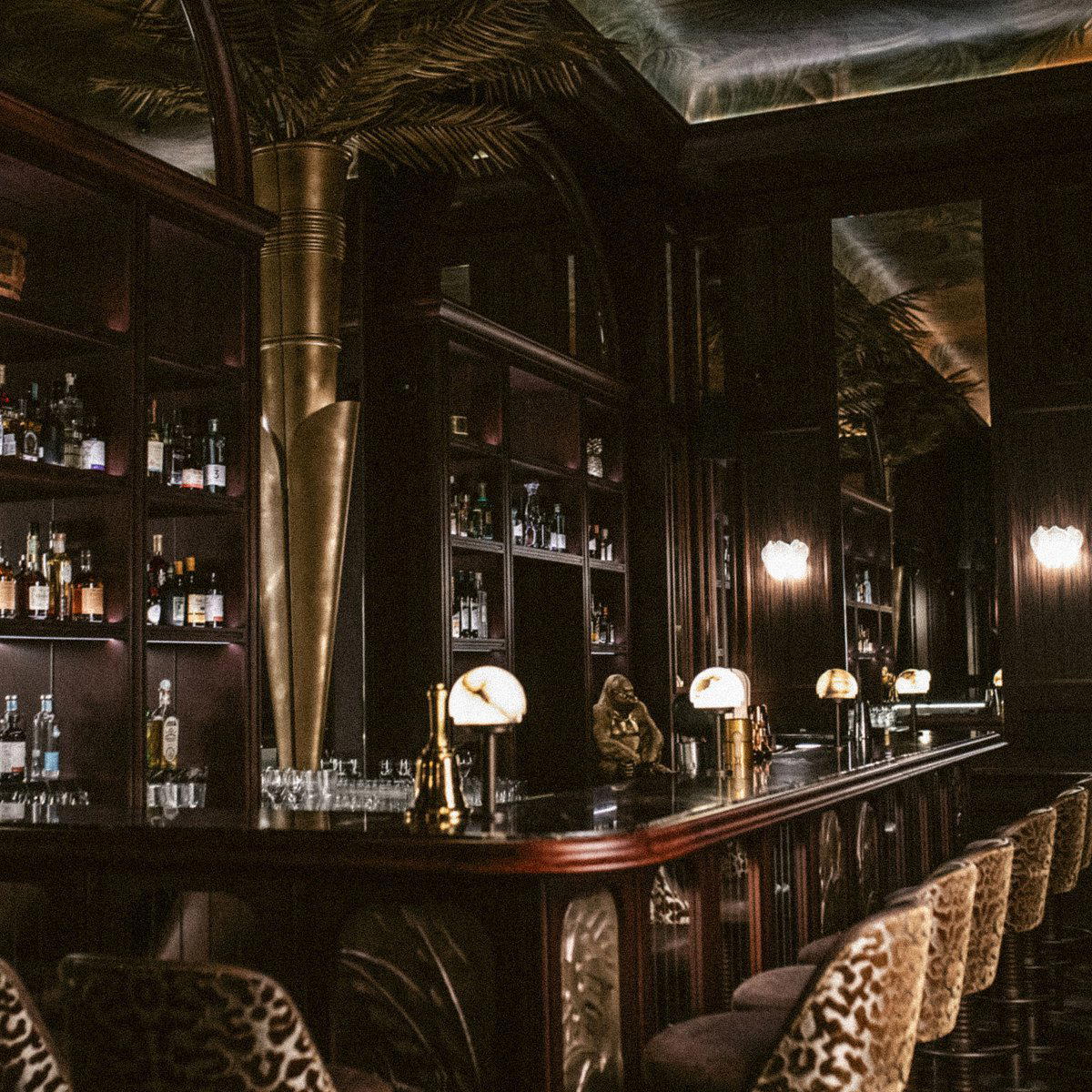
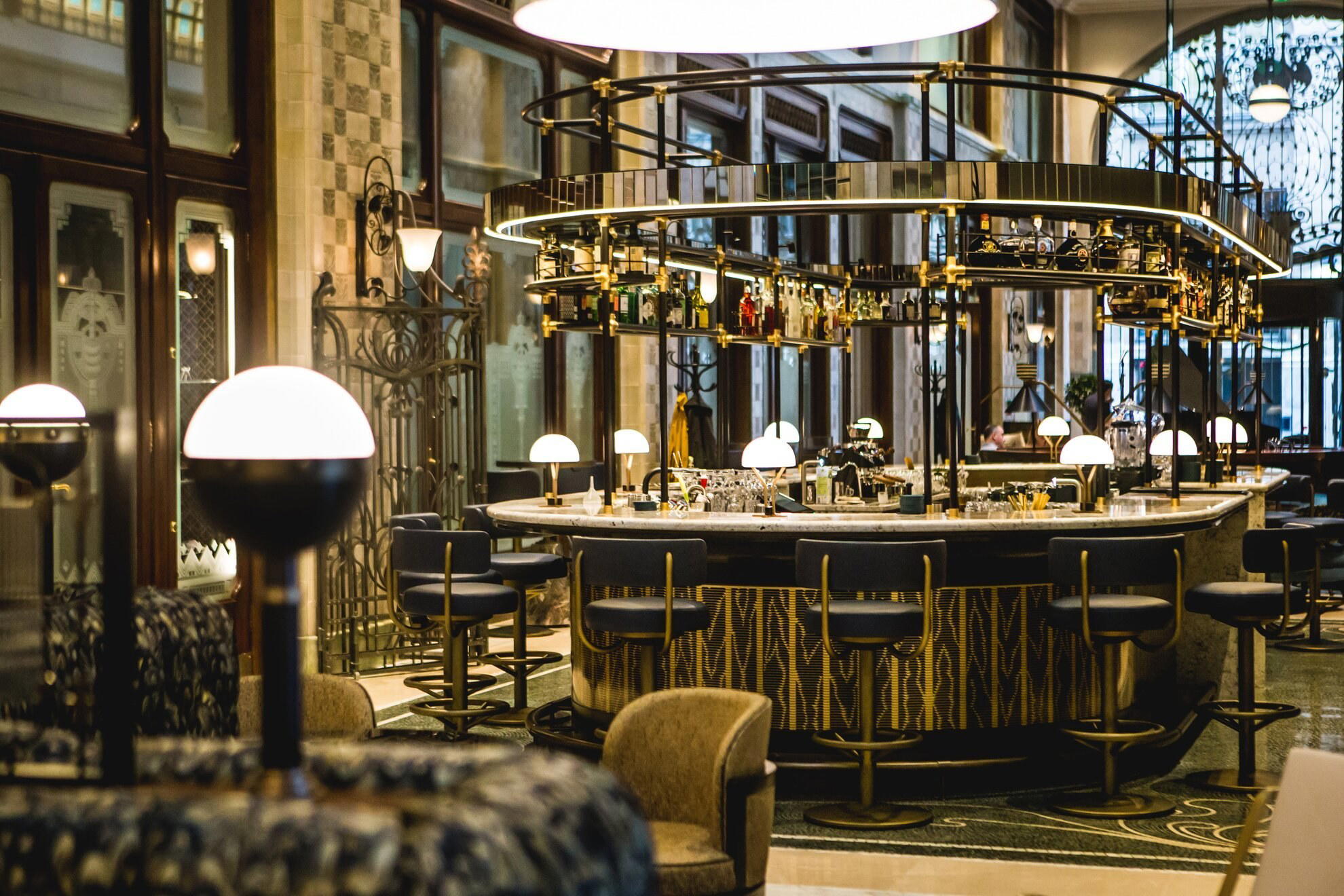
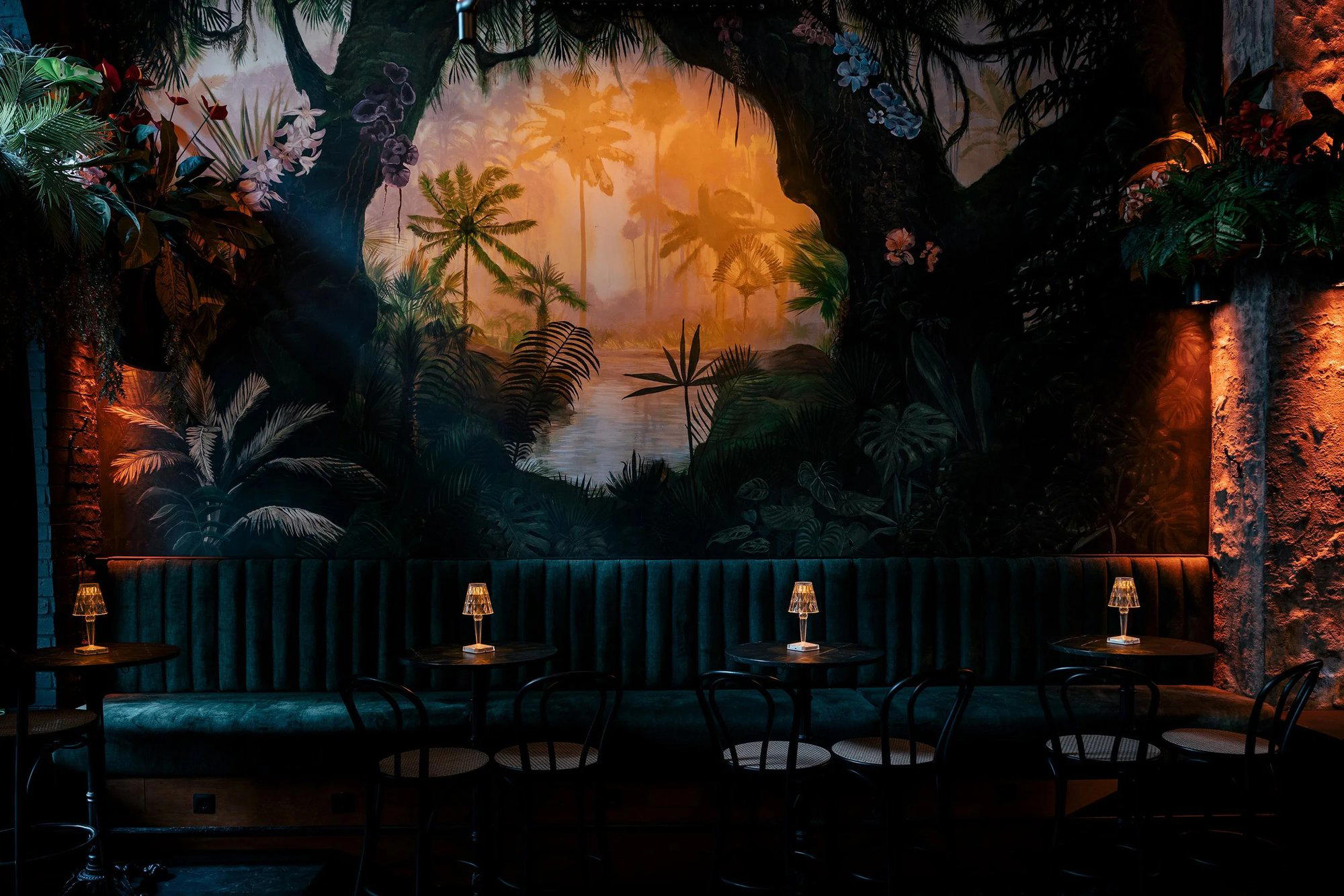
Hotels in Budapest
Browse all →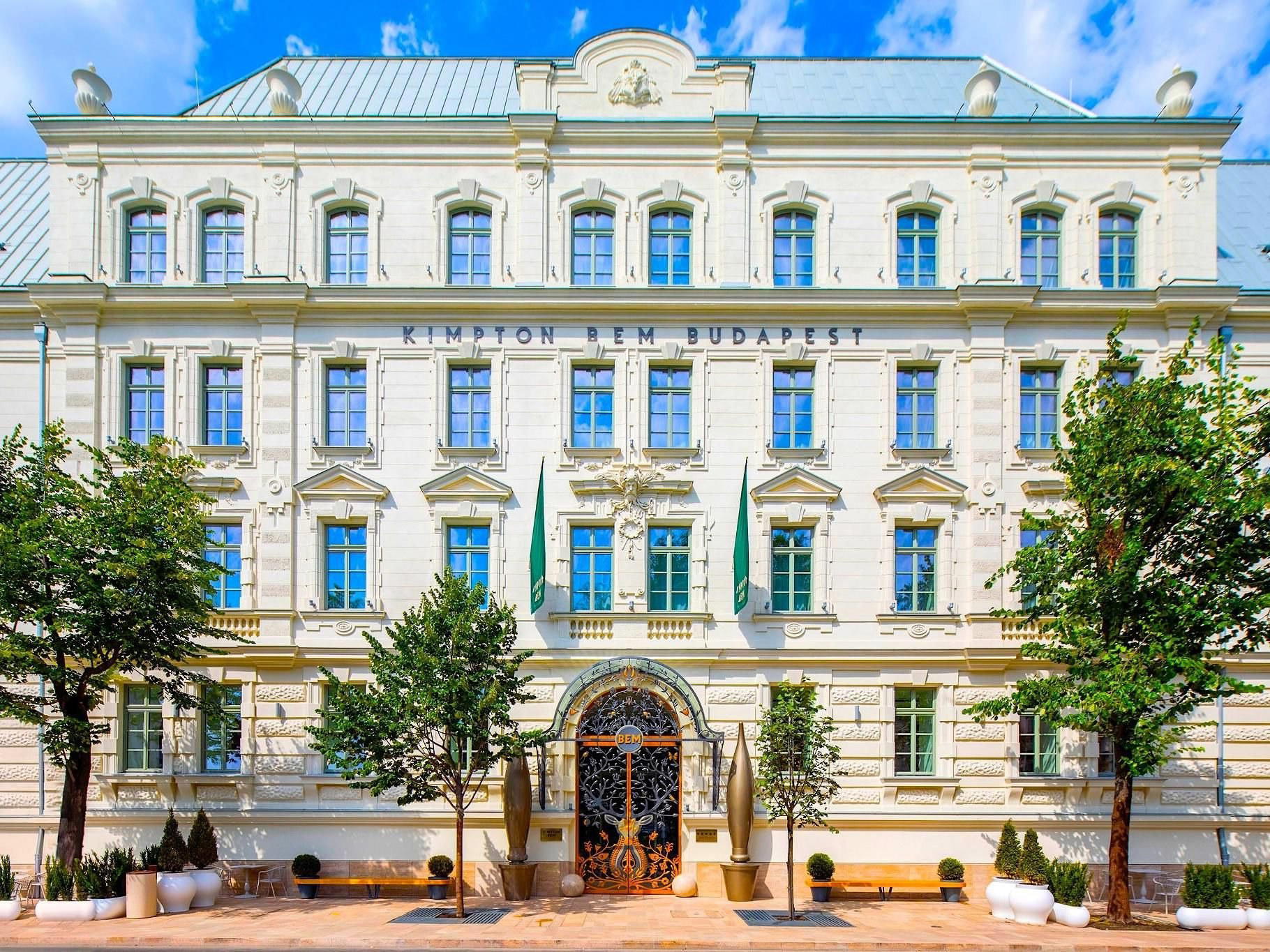

At a Glance
- Cozy
- Elegant
- Modern
- Family
- Date Night
- Casual Hangout
- Terrace
- Extensive Wine List
- Local Sourcing
Current opening hours
- Monday
- Closed
- Tuesday
- 9 AM–5 PM
- Wednesday
- 9 AM–5 PM
- Thursday
- 9 AM–5 PM
- Friday
- 9 AM–5 PM
- Saturday
- 9 AM–5 PM
- Sunday
- Closed
Hours can change for holidays and private events. Last verified .
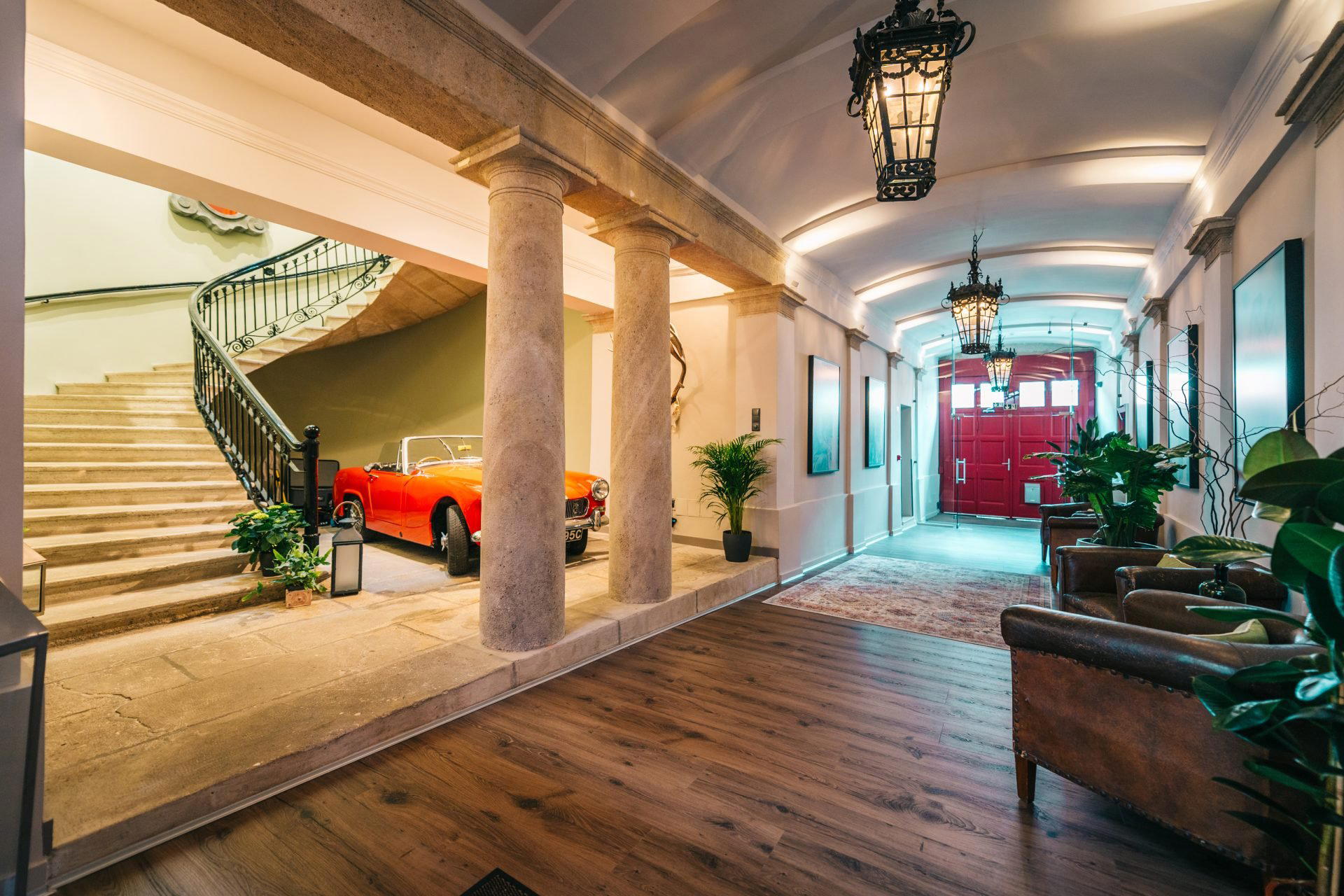
Cozy and refined atmosphere with modern touches, serene interior, and a nice quiet terrace.