Our verdict
In the basalt-hill villages of the Balaton Uplands, Mi a Kő occupies a quietly significant position in Köveskál's small but purposeful dining scene. The restaurant draws on the agricultural rhythms of this volcanic landscape, where proximity to Lake Balaton and the region's wine country shapes what arrives on the plate. For travellers willing to leave the lakeside resorts behind, it represents a more grounded way into Hungarian rural cooking.

Pearl is the En Primeur Club membership app, where members save venues, book tables and use the concierge.
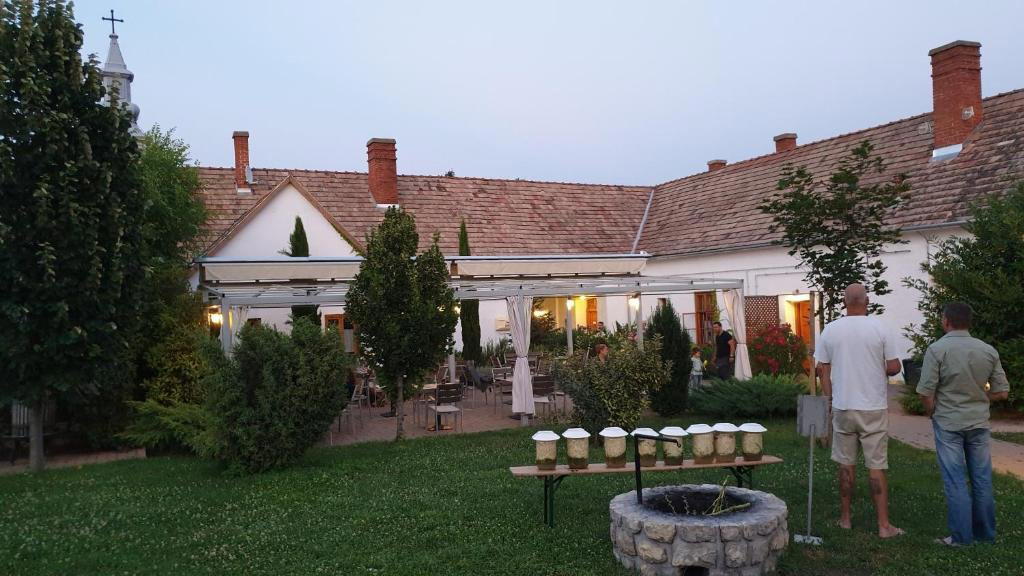
Where Basalt Country Meets the Table
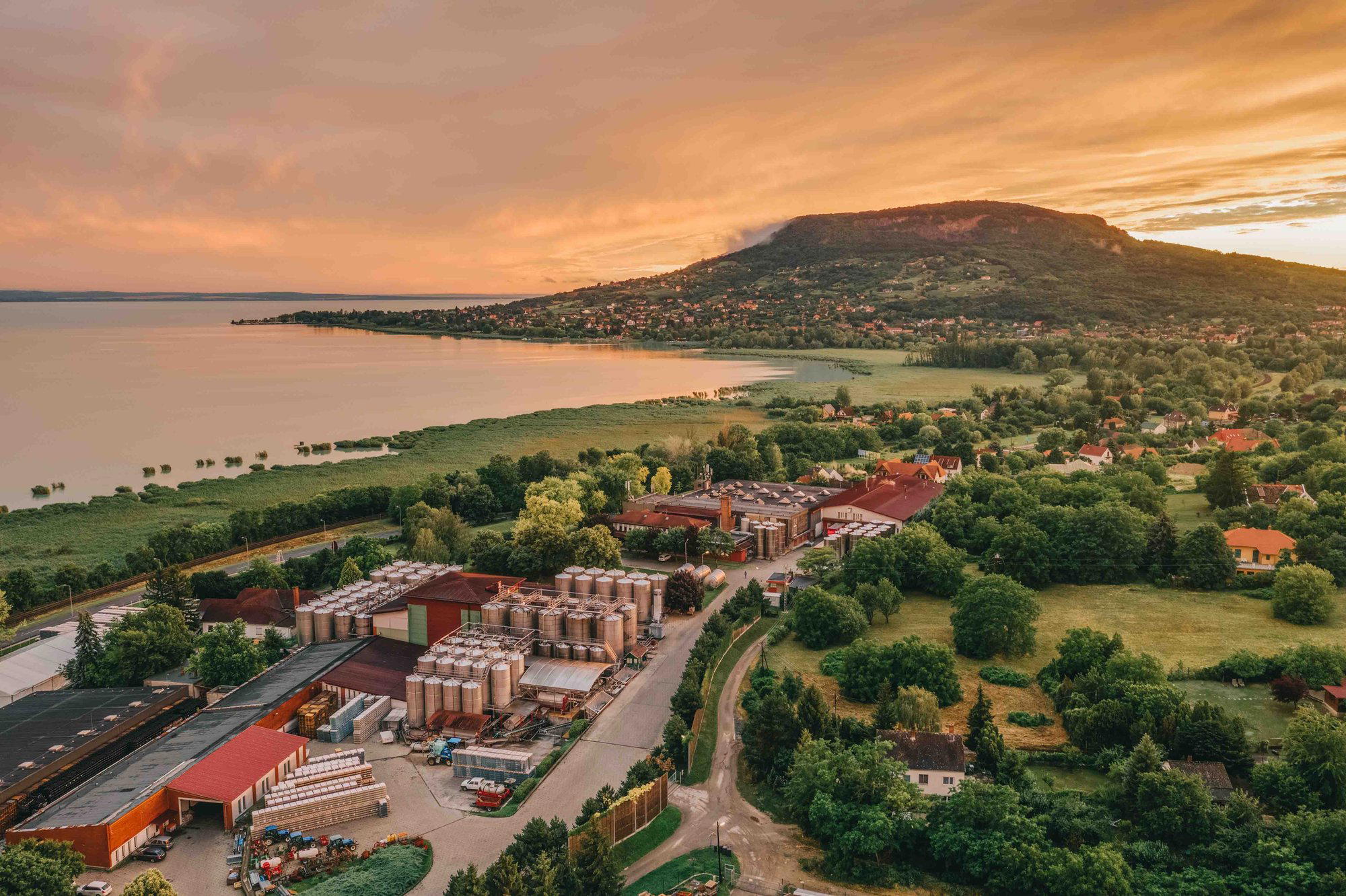
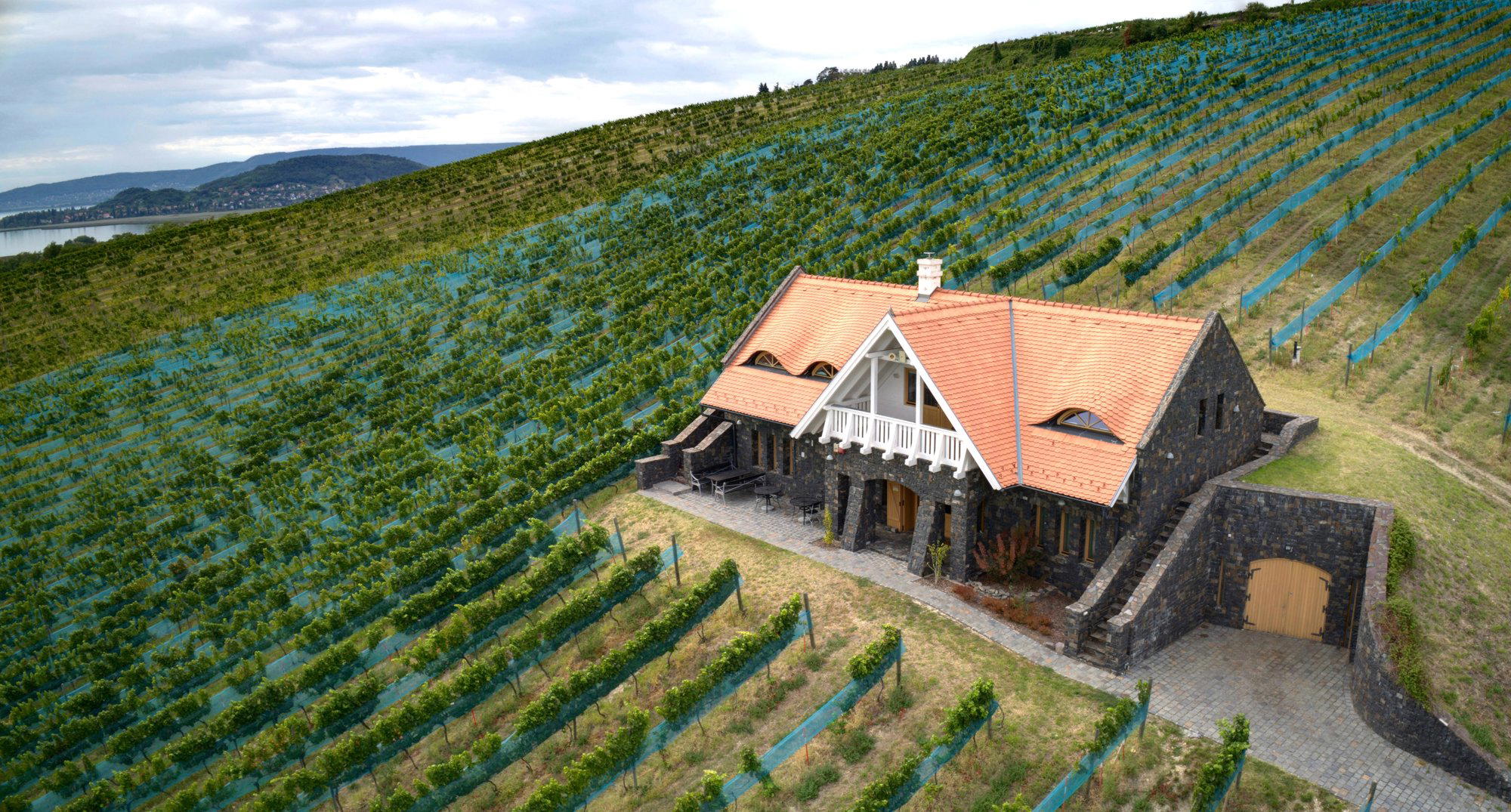
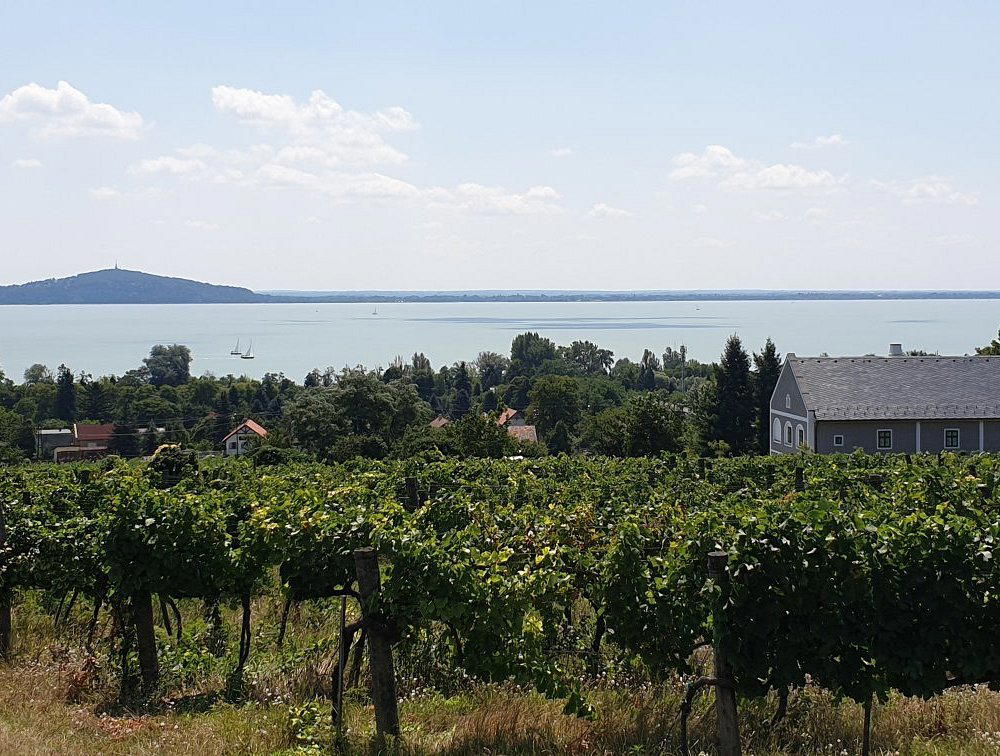
The Balaton Uplands carry a particular quality of light in the late afternoon, when the volcanic hills cast long shadows across the stone-walled villages between Tapolca and Veszprém. Köveskál sits inside this geography with a population measured in hundreds, not thousands, and a main street, Fő utca, that moves at the pace of the farming calendar. Mi a Kő, at number 25, belongs to this setting in a way that addresses rather than ignores it. The building's materials, the rhythm of the address, and the fact that this village receives visitors at all are inseparable from the broader story of how the Balaton Uplands have quietly repositioned themselves as a destination for travellers who arrive with an appetite shaped by place rather than prestige.
Köveskál is not a dining capital by volume. It has a small cluster of eating options, including the nearby Kővirág, and functions within a regional food culture that prizes seasonal supply chains and direct producer relationships over imported luxury. For a fuller picture of what the village offers visitors at the table, our full Köveskál restaurants guide maps the scene in more detail.
The Sourcing Logic of Volcanic Terroir
Hungarian rural kitchens at their most considered operate on a logic that European food media has only recently caught up with: the leading ingredients in a given region are usually already in that region, and the kitchen's job is proximity management rather than transformation. The Balaton Uplands support this argument more convincingly than most of Hungary's countryside. The volcanic basalt soil around Köveskál produces wine grapes with measurable mineral character, the same soil conditions that define Badacsony's Olaszrizling also shape what grows beside it. Vegetables, herbs, and raised animals from this microclimate carry a flavour lineage tied directly to altitude, drainage, and the lake's moderating effect on temperature extremes.
Restaurants working inside this logic, as Mi a Kő does by virtue of its address and context, function differently from city kitchens sourcing through central markets. Seasonal availability is less a marketing decision and more a physical constraint, which tends to produce menus with a narrower range and a higher ceiling on ingredient quality at any given moment. This is the structure behind much of what has made provincial Hungarian cooking interesting to a new generation of food-focused travellers. Properties like Pajta in Őriszentpéter and Almalomb in Hosszúhetény have developed followings through similar commitments to regional sourcing in undervisited rural settings.
Reading Mi a Kő Against the Hungarian Dining Spectrum
Hungary's restaurant culture spans a wide arc in 2024 and 2025. At one end, Budapest operates a tier of ambitious modern restaurants, Stand in Budapest and Platán Gourmet in Tata among them, where tasting menus, Michelin recognition, and international ambition define the register. At the other, village cooking houses in the countryside maintain traditions that city kitchens frequently reference but rarely replicate with the same material authenticity. Mi a Kő operates in the latter context, where the measure of quality is not awards density but fidelity to place.
This positions it differently from, say, BoriMami in Gyöngyös or Forst-Ház Étterem és Kávézó in Eger, which serve regional Hungarian food with different urban or semi-urban dynamics. The village scale of Köveskál means Mi a Kő is not competing for the same customer as a Eger wine-bar restaurant or a Szentendre heritage dining room like Aranysárkány Vendéglő. It is addressing a specific kind of traveller: one who has already found their way to the basalt villages and is looking for a meal that matches the quality of the surrounding wine country.
That wine country matters here. The Balaton Uplands produce some of Hungary's most geologically distinctive whites, and any serious table in the region should carry producers from the immediate volcanic zone. Restaurants like Első Mádi by BG in Mád and Erhardt in Sopron demonstrate how strongly regional wine pairing can anchor a restaurant's identity in Hungary's terroir-rich wine districts.
Planning a Visit
Köveskál is reachable by car from Tapolca in under fifteen minutes and from the northern shore of Lake Balaton in roughly the same time, making it a practical stop within a broader Balaton Uplands itinerary. Mi a Kő sits at Fő utca 25 in the village centre. Travellers exploring the region's broader dining options might also consider Apicius Étterem és Kávéház in Herend or Dűlő Étterem in Miskolc for a contrast in Hungarian regional cooking across different geographies.
Frequently asked questions
Would Mi a Kő be comfortable with kids?
Köveskál is a small, quiet village in the Balaton Uplands, and Mi a Kő reflects that pace, unhurried and rooted in the local rhythm. Whether the room accommodates young children comfortably depends on the style of service on a given evening; contacting the venue directly via their address at Fő u. 25 is the most reliable way to check. Nothing in the available information positions this as a family-format restaurant.
Is Mi a Kő formal or casual?
The setting in Köveskál, a village in Hungary's volcanic Balaton Uplands, points toward a relaxed, rural register rather than formal dining-room protocol. Stone, landscape, and local produce tend to set the tone in this part of Hungary, and Mi a Kő appears consistent with that sensibility. Dress expectations are not documented, but smart rural casual fits the context.
Is Mi a Kő worth visiting as a standalone destination from the Lake Balaton shore?
Köveskál sits within fifteen minutes of the northern Lake Balaton shore, placing Mi a Kő in reasonable range as a lunch or dinner detour rather than a significant diversion. Hungarian food media has increasingly tracked the Balaton Uplands as a region where rural kitchen cooking tied to volcanic terroir is producing results that Budapest restaurants cannot replicate by design. For anyone already touring the Badacsony wine area or passing through Tapolca, the case for a specific stop in Köveskál is grounded in that regional context.
What's the signature dish at Mi a Kő?
What is well-established about kitchens operating in Hungary's Balaton Uplands is that volcanic-soil produce, freshwater fish from the Balaton catchment, and foraged ingredients from the surrounding hills frequently anchor the menu logic. Reaching out to the venue directly at Fő u. 25, Köveskál is the only reliable way to confirm current dishes.
Where is Mi a Kő located?
Mi a Kő is located at Köveskál, Fő u. 25, 8274 Hungary, Köveskál.
Do they take walk-ins at Mi a Kő?
No booking policy is publicly documented for Mi a Kő. Given that Köveskál is a small village drawing visitors from the northern Lake Balaton shore and Tapolca, both within roughly fifteen minutes by car, weekend demand during the summer season can be meaningful for venues of this type. Attempting to reserve in advance is the prudent approach, though the practicalities are best confirmed with the restaurant.
What's Mi a Kő best at?
Based on its location in Köveskál and the culinary logic of the Balaton Uplands, Mi a Kő operates where volcanic terroir and Hungarian rural kitchen tradition intersect, a combination that Budapest's more ambitious modern restaurants, such as Stand, do not replicate. The strength appears to be ingredient proximity: the basalt hills, local farms, and Balaton catchment sit immediately outside the door. That sourcing relationship is what distinguishes a restaurant like this from anything operating in a city context.
In Context: Similar Options
Comparable venues nearby, for context on price, style, and recognition.
| Venue | Cuisine | Price | Awards | Notes |
|---|---|---|---|---|
| Mi a KőThis venue (the venue you are viewing) | Modern Hungarian | Not listed | Not listed | Not listed |
| Kővirág | Modern Hungarian | Not listed | Michelin Plate | Köveskál, Káli Basin |
| Kővirág | Modern Hungarian | Not listed | Michelin Plate | Köveskál |
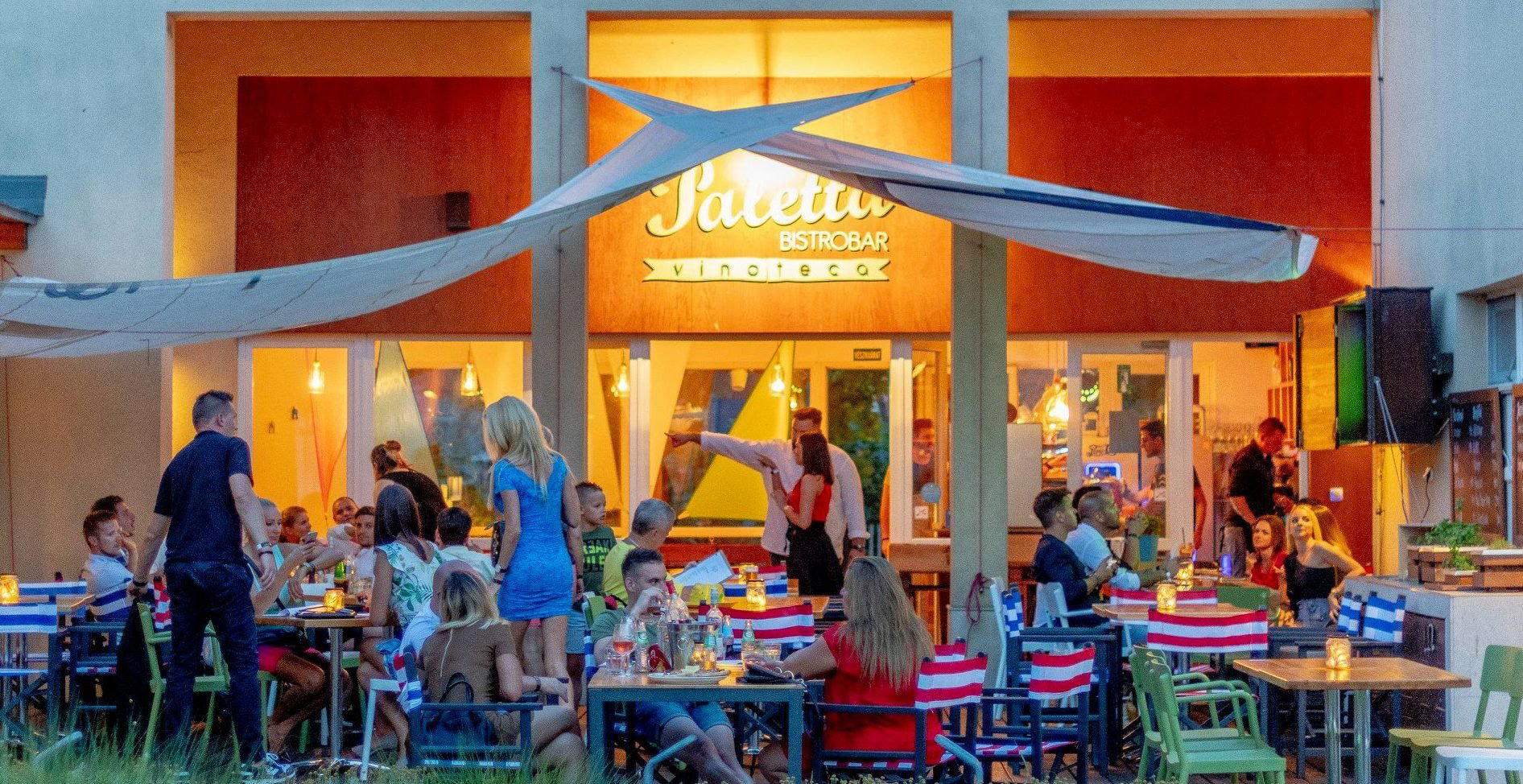
| Paletta Bistrobar | Modern Hungarian Bistro | Not listed | Not listed | Balatonboglar |
| Oportó Étterem | Modern Hungarian | $20–30 | Not listed | Villány center |
| Bagolyvár | Traditional Hungarian with Game Specialties | $20–30 | Not listed | Felsőhavi dűlő |
Continue exploring
More in Köveskál
Restaurants in Köveskál
All restaurants in Köveskál →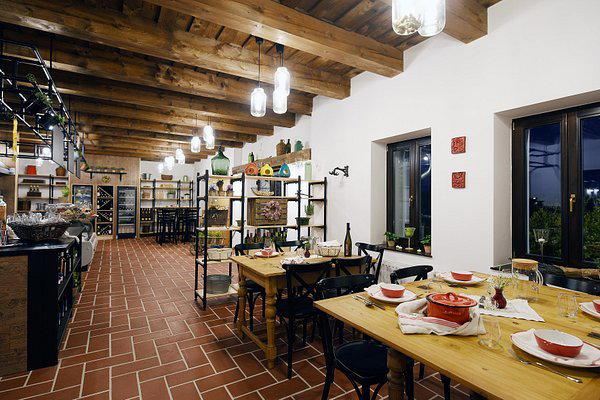

Details
- Cozy
- Rustic
- Scenic
- Family
- Date Night
- Casual Hangout
- Garden
- Terrace
- Garden
- A La Carte
- Vegetarian Friendly
- Vegan Options
- Gluten Free Options
Current opening hours
- Monday
- Closed
- Tuesday
- 12–8 PM
- Wednesday
- 12–8 PM
- Thursday
- 12–8 PM
- Friday
- 12–9 PM
- Saturday
- 10 AM–9 PM
- Sunday
- 10 AM–6 PM
Hours can change for holidays and private events. Hours as of .
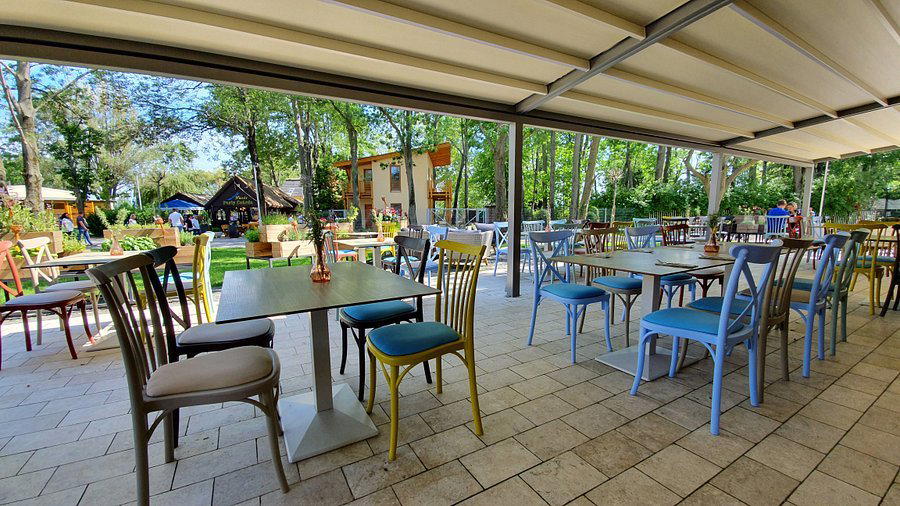
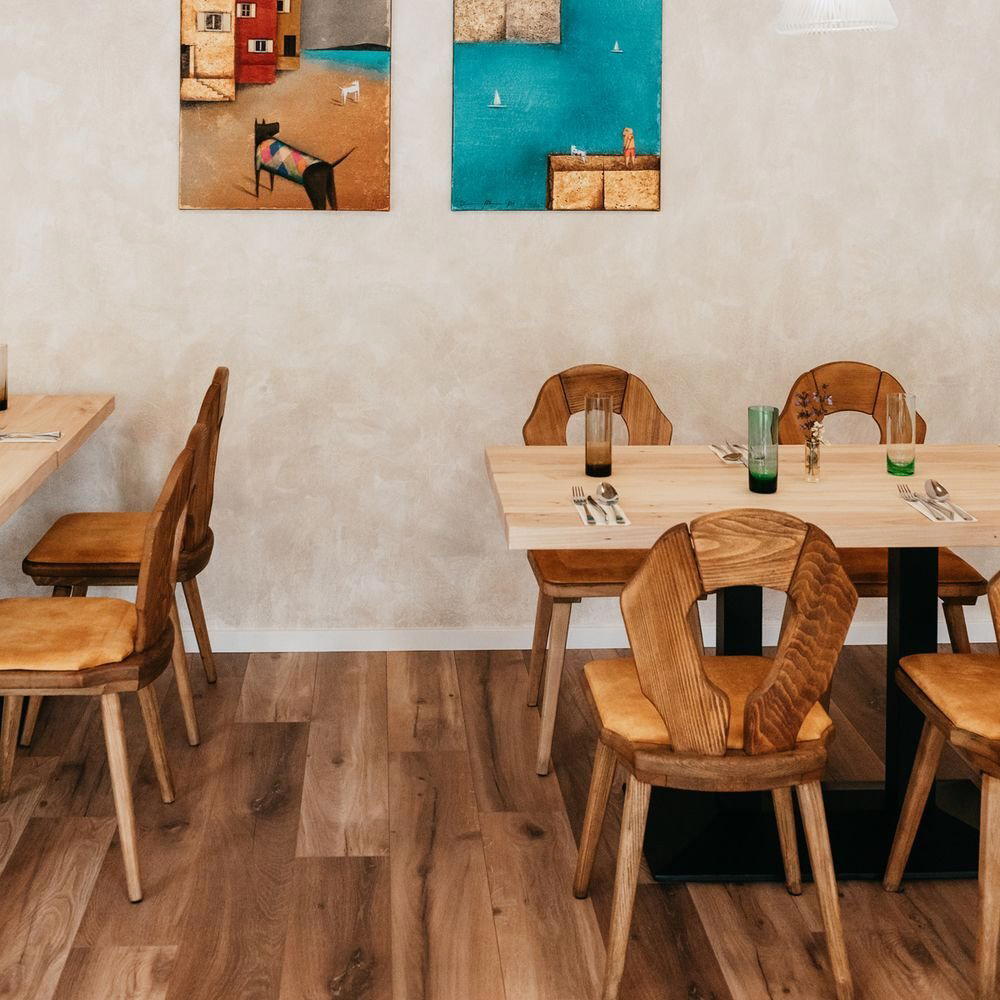
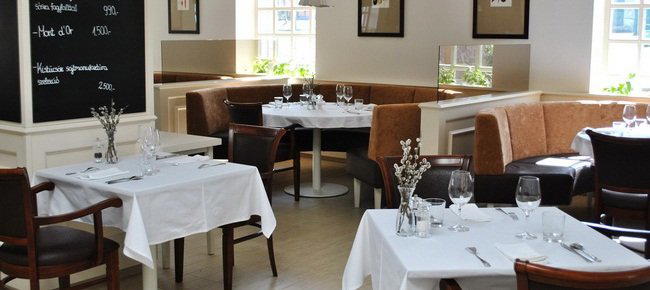
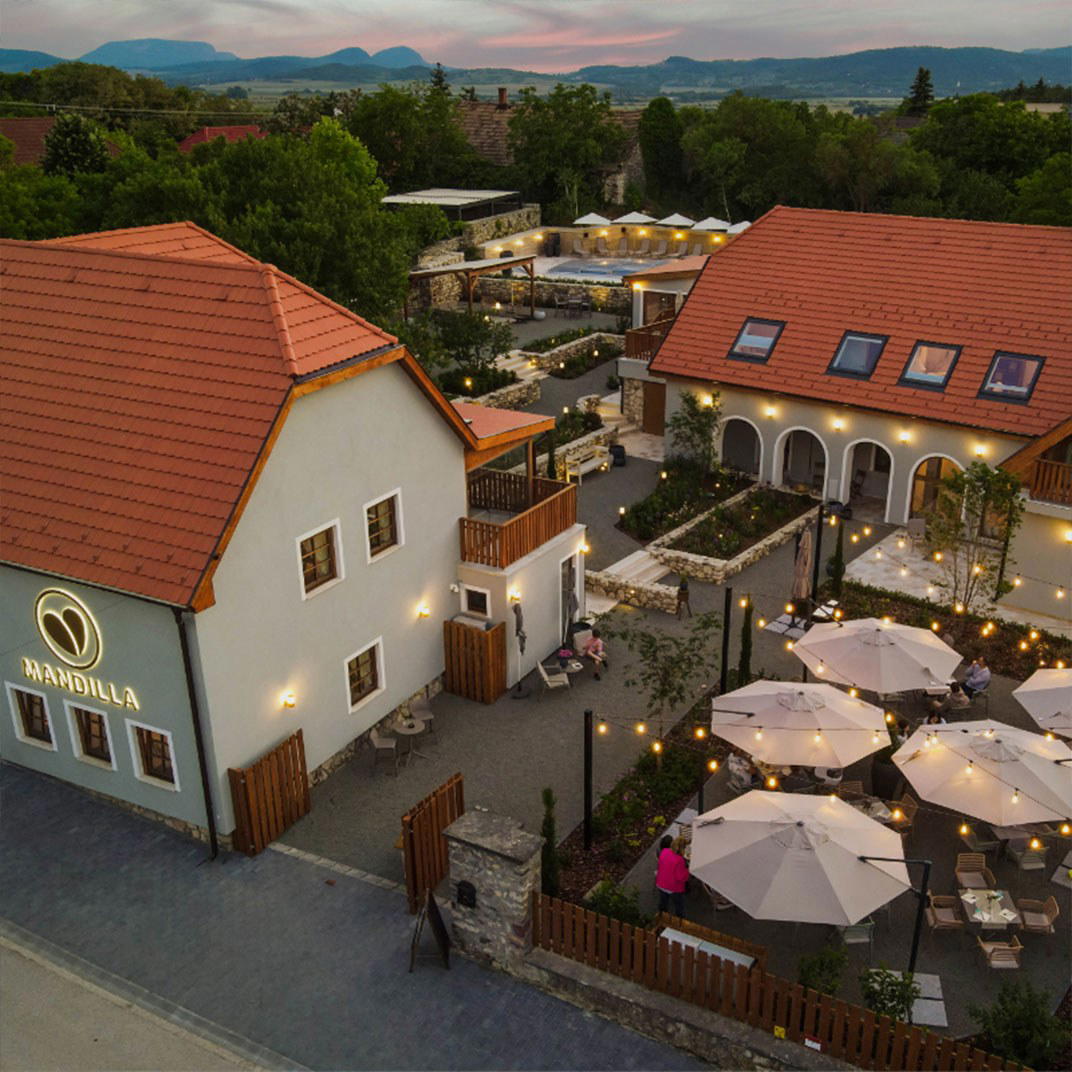
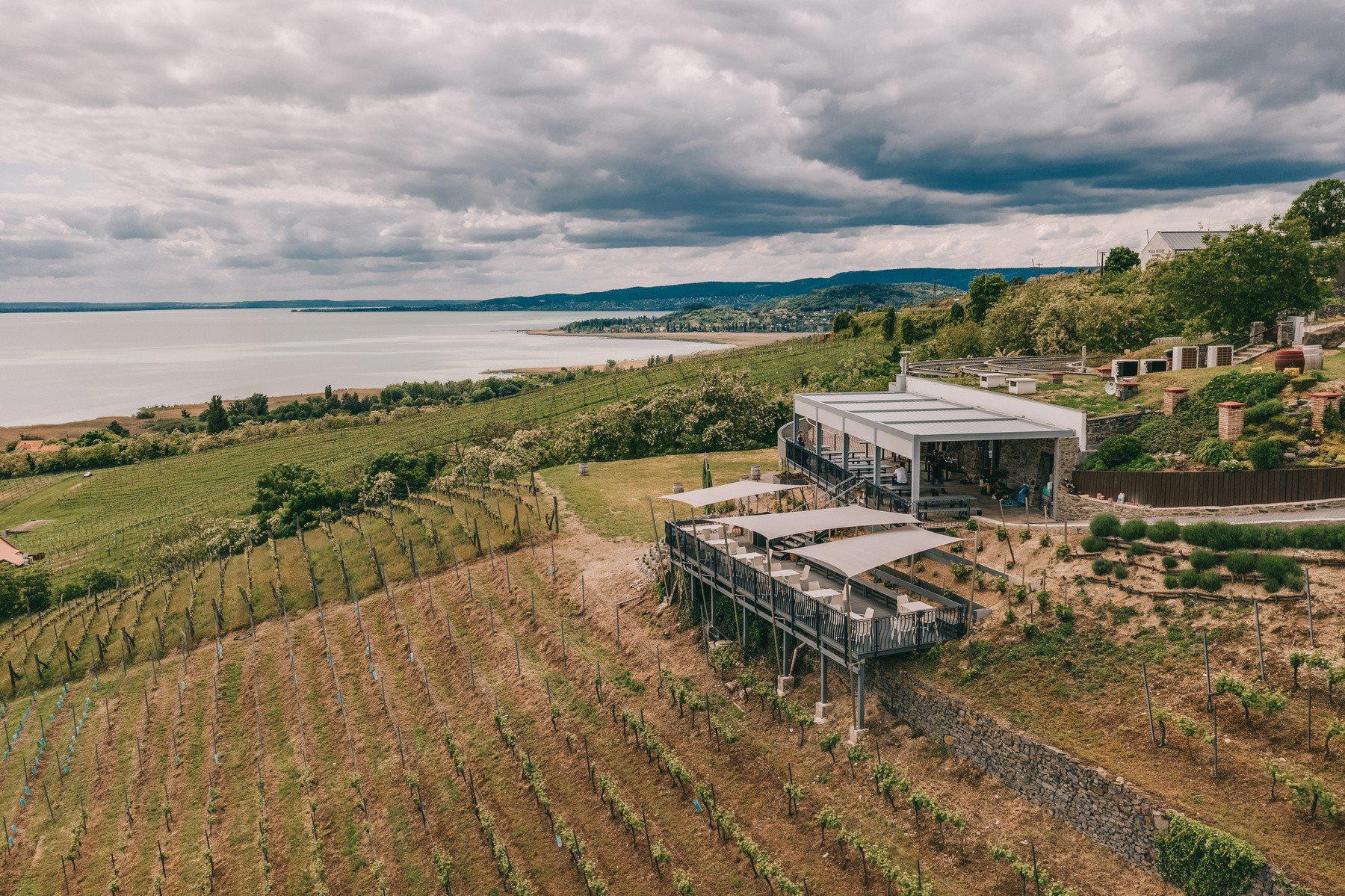
Relaxed garden terrace with covered seating, natural and easy-going atmosphere featuring lovely garden views and modern touches.