Panama occupies a considered position on Potsdamer Strasse, a stretch of Berlin that has become a reference point for the city's serious dining scene. The restaurant draws comparison with Berlin's most decorated addresses, operating in the tier where wine program depth and kitchen precision tend to define reputation as much as any single dish.
- Address
- Potsdamer Str. 91, 10785 Berlin, Germany
- Phone
- +4930983208435
- Website
- oh-panama.com
- Directions
- Get directions
Potsdamer Strasse and the Making of a Berlin Dining Address
Potsdamer Strasse has undergone a quiet but traceable transformation over the past decade. Once better known for furniture showrooms and mid-century transit infrastructure, the street running south from Potsdamer Platz has attracted a cluster of restaurants that collectively signal a shift in where Berlin's serious dining energy is settling. The neighborhood sits between Schöneberg and Mitte, positioned close enough to the gallery circuit around Neue Nationalgalerie that a pre-dinner vernissage is a realistic option, but removed enough from the tourist corridors that the crowd tends toward local and intentional. Panama, a modern German restaurant at Potsdamer Str. 91 in Berlin, is one of the addresses that helped define that shift.
Berlin's fine dining tier is smaller than its international reputation might suggest. The city has fewer Michelin stars per capita than Munich, Hamburg, or the Rhineland, but it has developed a distinct character: less formal than the German southwest, more product-focused than the capital's previous generation of continental cooking. Venues like Nobelhart & Schmutzig made the case for radical regionalism; Rutz built one of the country's most referenced wine programs alongside its modern European kitchen; FACIL demonstrated that contemporary European cooking could hold precision across a long tasting format. Panama operates inside that same conversation, on a street where the dining proposition has to do more than occupy an attractive room.
The Wine Argument on Potsdamer Strasse
In Berlin's current fine dining tier, the wine list has become a differentiating instrument rather than a supporting document. The shift mirrors what happened in London and Copenhagen over the previous decade: as kitchens converged on similar sourcing philosophies and tasting formats, the cellar became the point where one address could meaningfully separate itself from another. Depth across German producers, considered Austrian and Burgundian selections, and the willingness to hold back-vintage bottles rather than turning inventory quickly, these are the signals that separate a serious program from a decorative one.
Across Berlin's most-discussed addresses, that bar has risen. CODA Dessert Dining pairs its unconventional savory-sweet format with a beverage program that asks as much of the drinker as the kitchen asks of the palate. Rutz has long indexed toward an encyclopedic German list. Panama's position within this ecology is worth understanding as a question of curation philosophy: which producers does a restaurant choose to stand behind, how are those selections sequenced through a meal, and does the sommelier structure carry enough knowledge to make the list functional rather than merely impressive on paper?
These are not decorative questions. For a diner arriving from a reference point like Restaurant Tim Raue, where the beverage program is calibrated against an assertive, Asia-inflected kitchen, the expectations shift considerably. Panama's location and positioning suggest a different mode: more grounded in European cellar tradition, more attuned to the kind of wine list that rewards a guest who wants to work through a region rather than be guided through a narrative.
Berlin in the Broader German Fine Dining Picture
To place Panama accurately, it helps to hold the wider German scene in view. The country's most-decorated restaurants sit largely outside the capital. Aqua in Wolfsburg, Schwarzwaldstube in Baiersbronn, Vendôme in Bergisch Gladbach, and Victor's Fine Dining by Christian Bau in Perl operate in a different register: formal, destination-driven, often hotel-anchored, and calibrated for a guest who has traveled specifically to eat. Waldhotel Sonnora in Dreis and Schanz in Piesport are similarly rooted in rural or small-town contexts where the restaurant is the destination, not one stop on a city itinerary.
Berlin operates differently. Its fine dining addresses, including ES:SENZ in Grassau as a rural contrast, compete not just for food travelers but for a local professional class that can sustain a reservation pipeline through the week. That changes the pressure on the wine list: a program that rotates with enough intelligence to reward repeat visitors matters more here than in a destination restaurant that sees most guests once. The comparison also extends northward: Restaurant Haerlin in Hamburg and JAN in Munich each anchor their cities' upper dining tiers in ways that parallel what Berlin's Potsdamer Strasse cluster is attempting, with cellar programs that carry institutional weight. Bagatelle in Trier adds another data point on how German fine dining is dispersing geographically.
Internationally, the reference point for a wine-led restaurant at this tier is the kind of program found at Le Bernardin in New York City, where the cellar depth is calibrated to a kitchen with its own strong identity, or Atomix in New York City, where the beverage pairing is conceived as a parallel text to the menu rather than an accompaniment. Those are demanding benchmarks, but they clarify what a serious wine program at this level is expected to do.
Planning Your Visit
Panama sits on Potsdamer Strasse in the 10785 postcode, within walking distance of the Kurfürstenstrasse U-Bahn station and accessible from Potsdamer Platz by taxi or on foot. The street itself has enough adjacent gallery space and bar programming that an evening can be extended naturally in either direction.
Know Before You Go
- Address: Potsdamer Str. 91, 10785 Berlin, Germany
- Neighbourhood: Potsdamer Strasse, between Schöneberg and Mitte
- Nearest transit: Kurfürstenstrasse (U1/U3), Potsdamer Platz (S-Bahn, U2)
- Booking: Advance reservation recommended; check current availability directly with the venue
- Price tier: Around USD 50 per person
- Wine focus: Program positions within Berlin's cellar-serious dining addresses
Budget and Context
Comparable venues nearby, for context on price, style, and recognition.
| Venue | Cuisine | Price | Notes |
|---|---|---|---|
| PanamaThis venue — the venue you are viewing | Tiergarten, Modern German | $$$ | Not listed |
| Vorwerck Restaurant - Dine & Show | Not listed | $$$ | Neukolln, Modern Central European Fine Dining |
| Rutz Altes Zollhaus | Kreuzberg, Modern German | $$$ | Not listed |
| Schildkröte | Not listed | $$ | Charlottenburg, Traditional German Berliner Hausmannskost |
| Restauration 1840 | Mitte, Traditional German Cuisine | $$ | Not listed |
| Flemming´s | Not listed | $$ | Kreuzberg, German Steakhouse with Mediterranean Influences |
Continue exploring
More in Berlin
Restaurants in Berlin
Browse all →
Bars in Berlin
Browse all →
Hotels in Berlin
Browse all →

At a Glance
- Modern
- Trendy
- Elegant
- Date Night
- Special Occasion
- Group Dining
- Open Kitchen
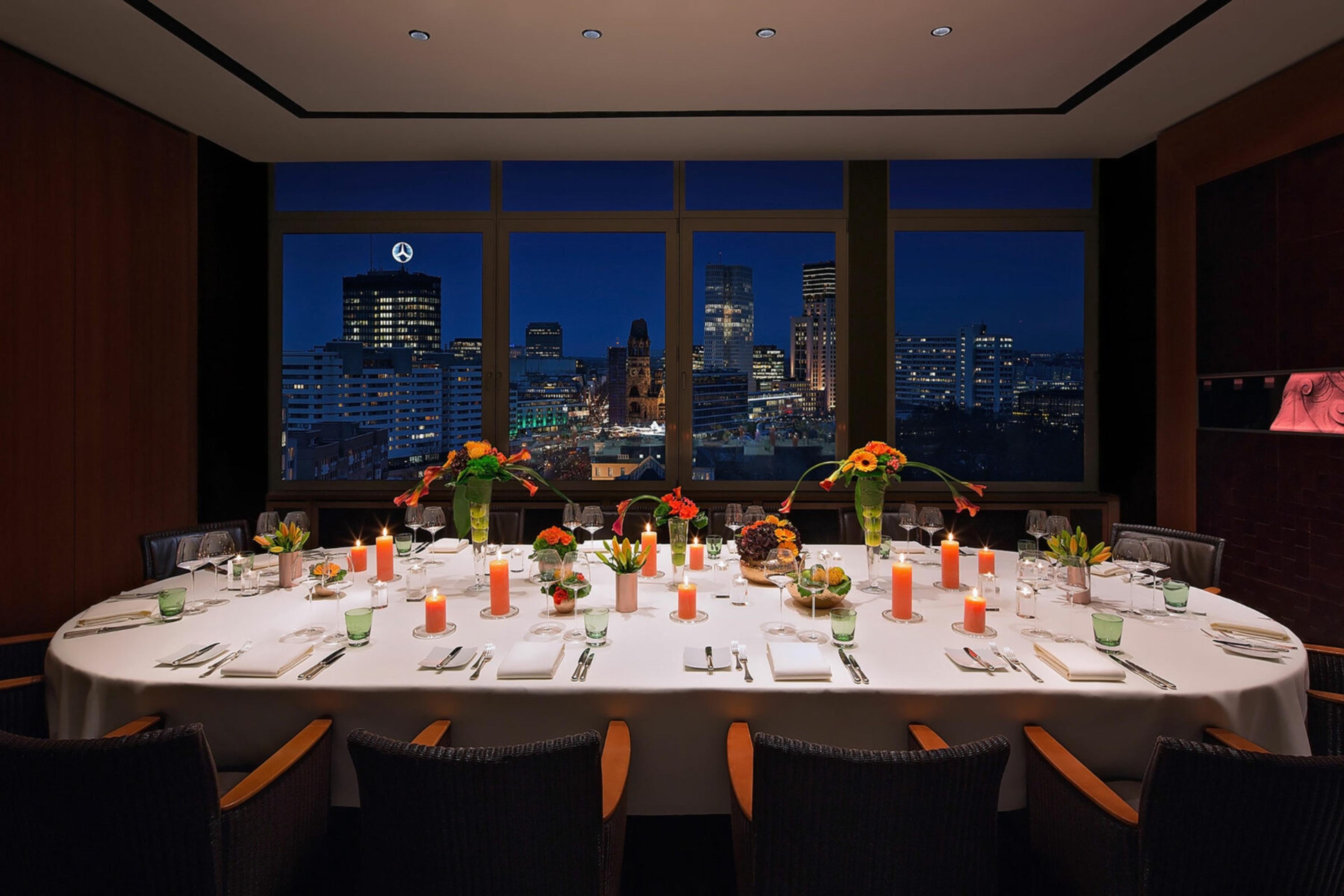
- Private Dining
- Courtyard
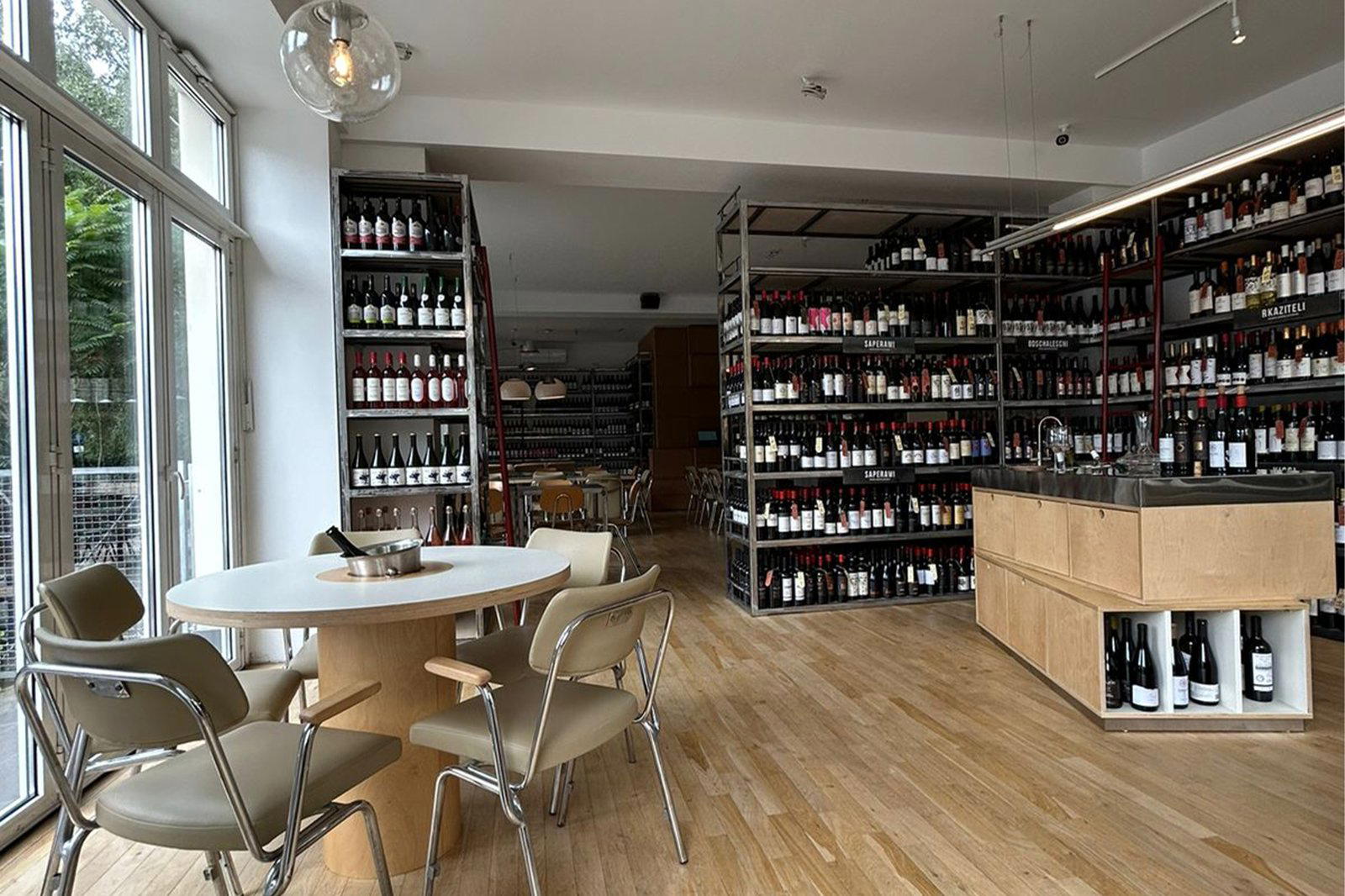
- Extensive Wine List
- Craft Cocktails
- Local Sourcing
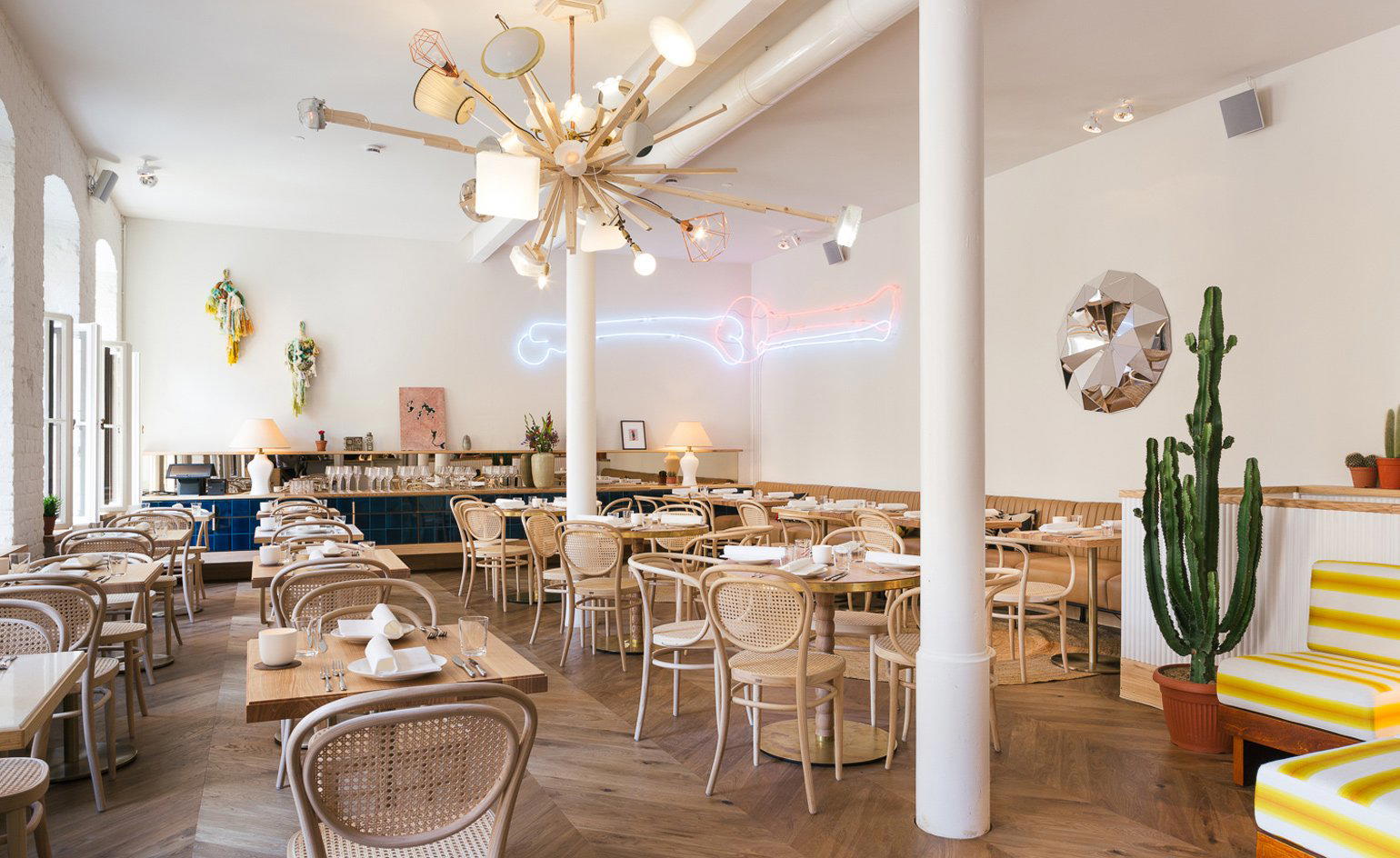
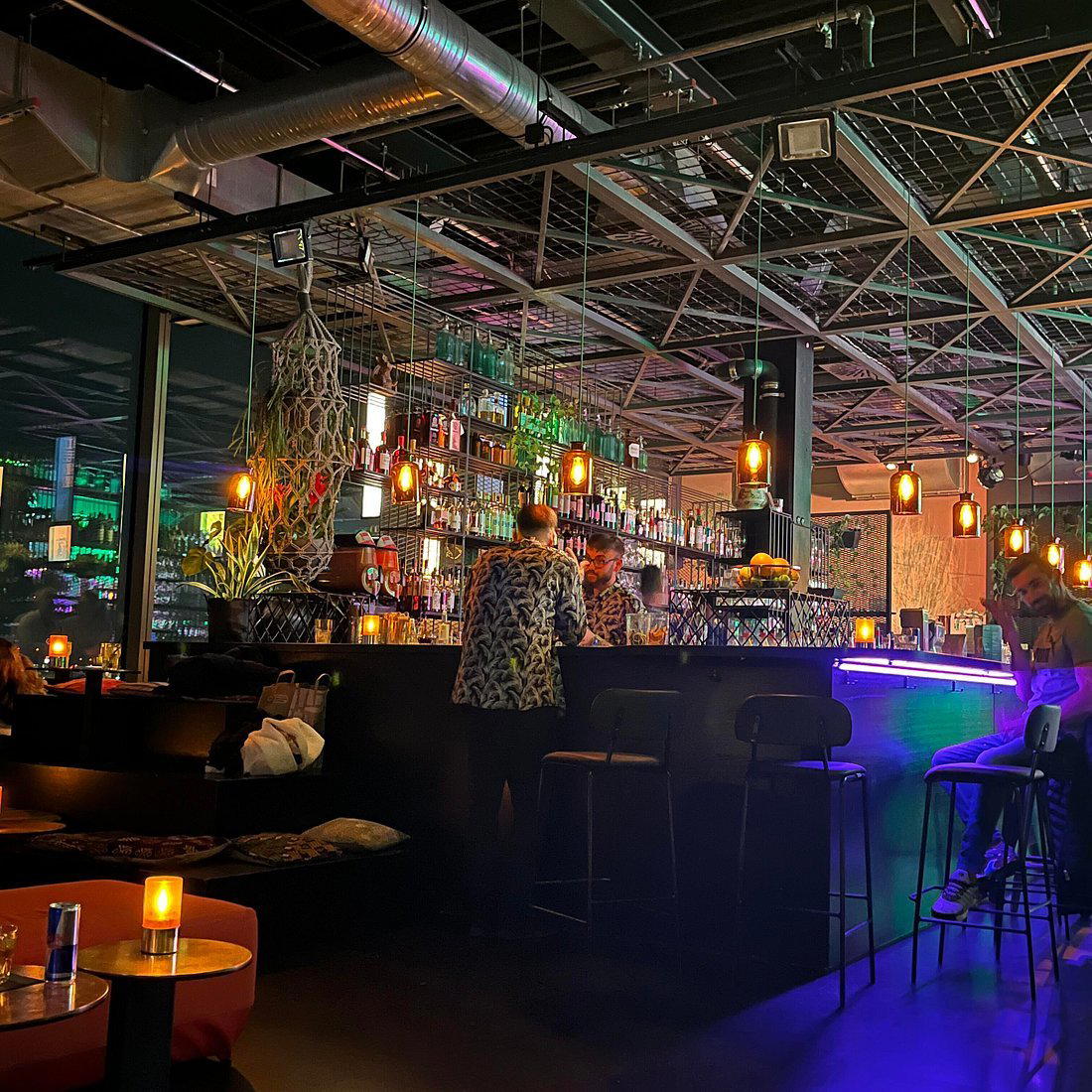
Modern, bright, and clean with Panamanian details, yellow-brown chairs, and a large ceiling light installation, offering a chic yet relaxed atmosphere.