


Michelin Plate · Star Wine List · Falstaff Restaurant - 87 Falstaff Points
Our verdict
Kurpfalz Weinstuben on Wilmersdorfer Strasse holds consecutive Michelin Plate recognition in 2024 and 2025, placing it among Berlin's more consistent addresses for regional German cooking at mid-range prices. In a city where the fine-dining tier skews heavily toward creative or international formats, this Charlottenburg address delivers grounded, regionally rooted cooking without the €€€€ price commitment.

Pearl is the En Primeur Club membership app, where members save venues, book tables and use the concierge.
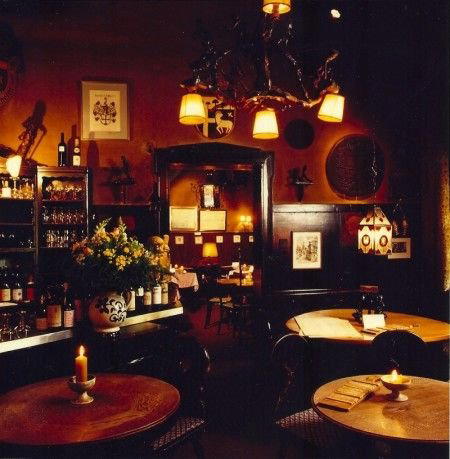
Charlottenburg's Regional Anchor
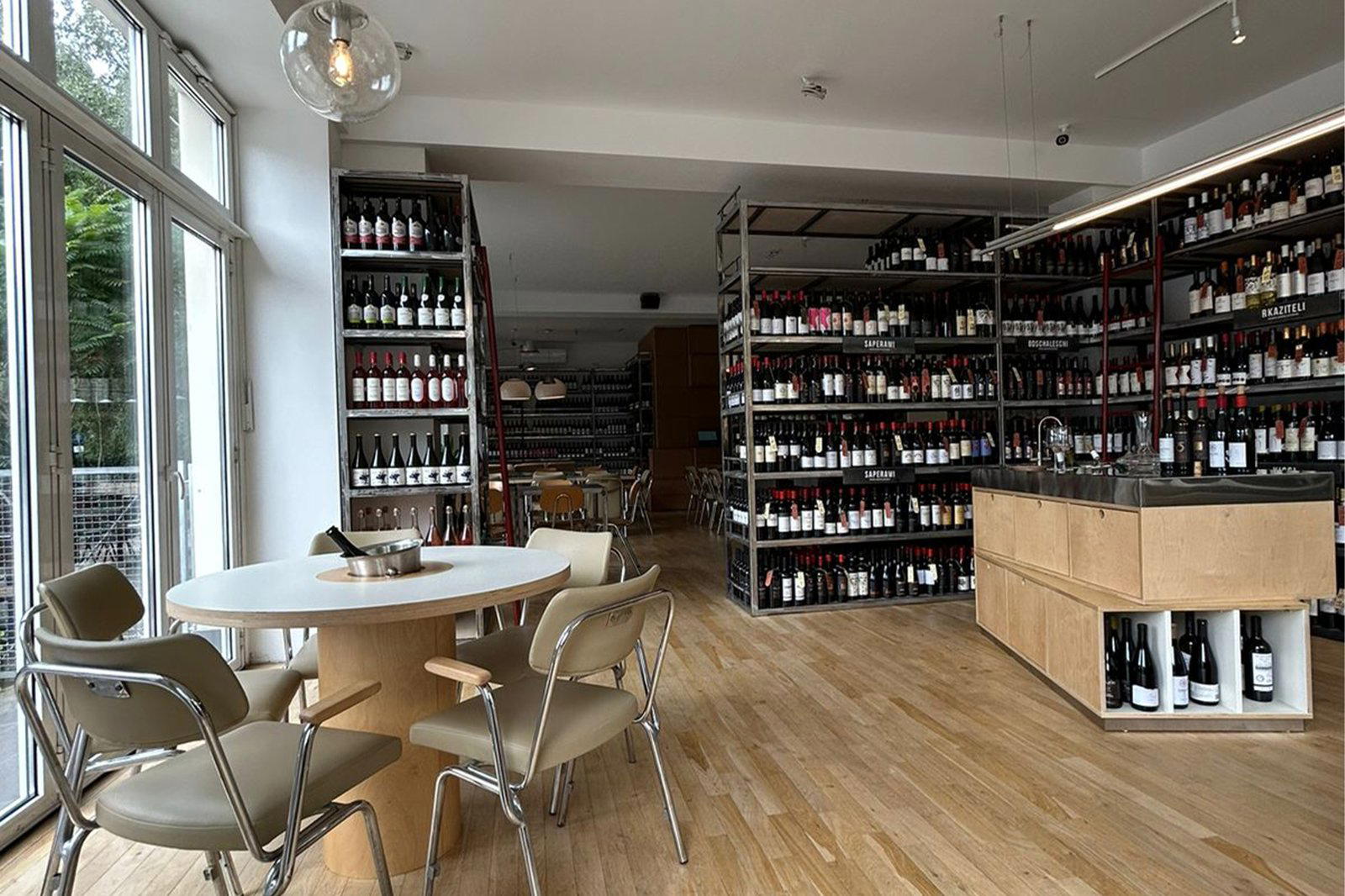
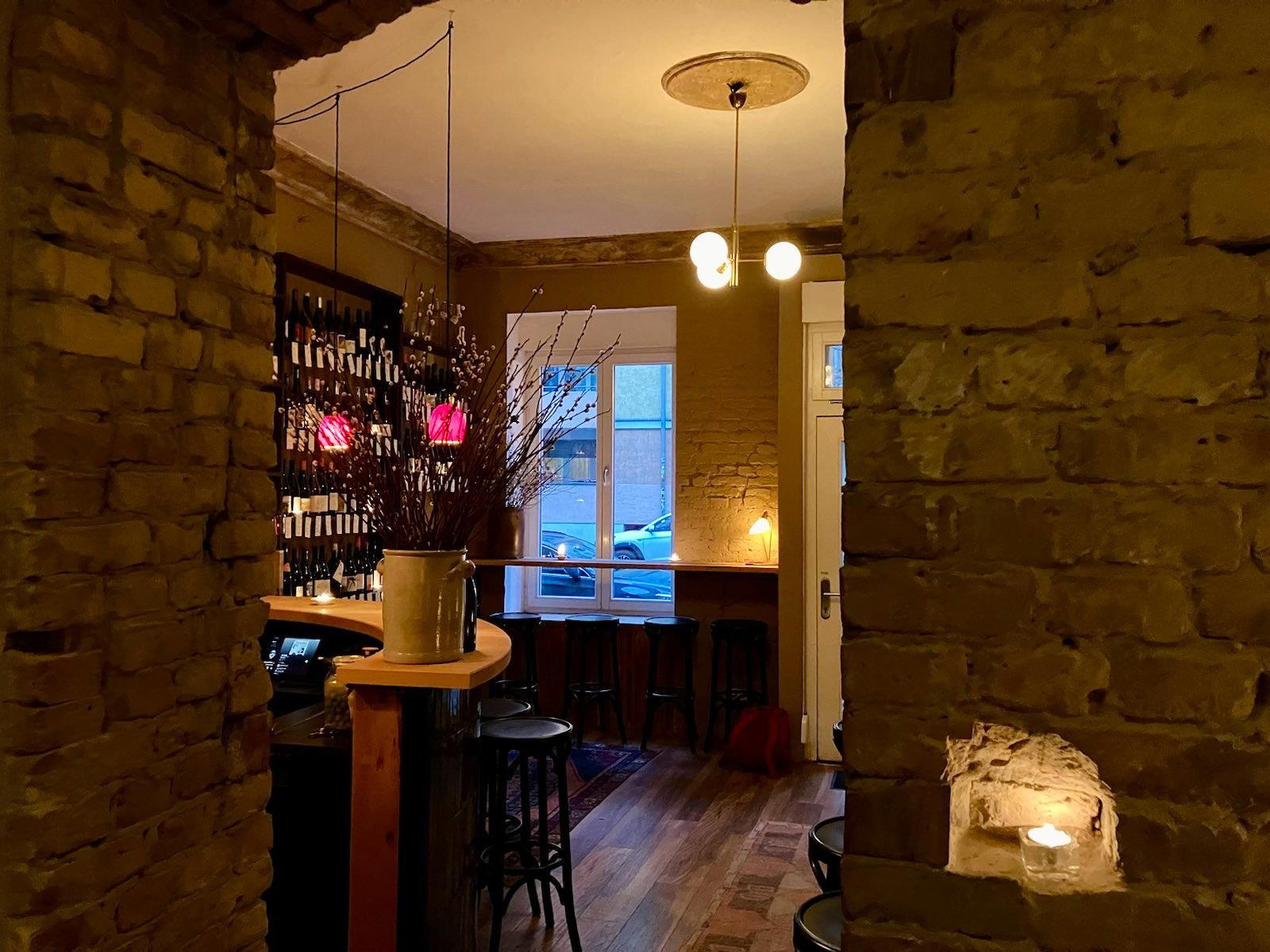
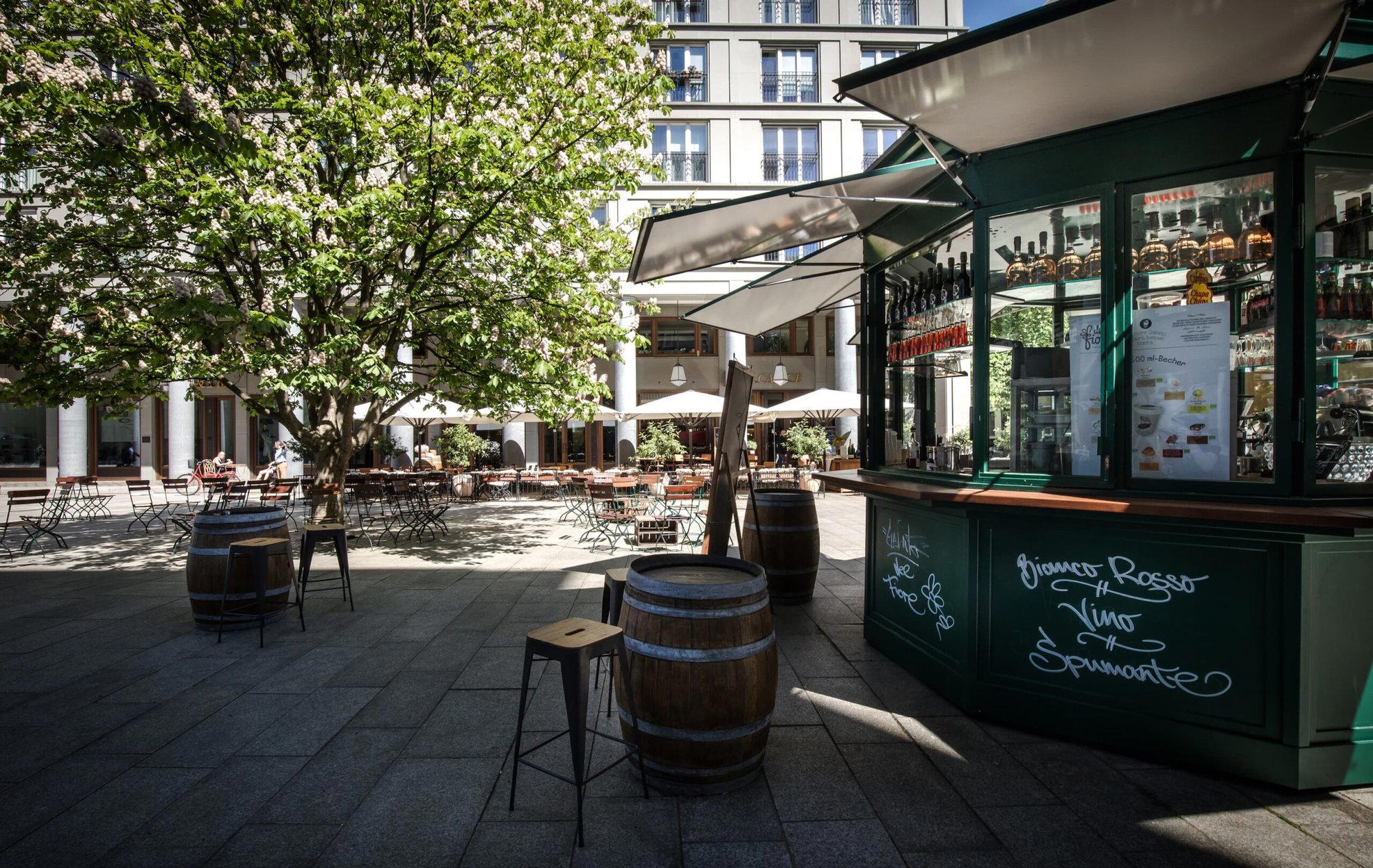
Wilmersdorfer Strasse in Charlottenburg sits at a remove from the galleries-and-galleries restaurant circuits of Mitte and Prenzlauer Berg. The street runs through a residential-commercial stretch where the buildings are older, the pace is quieter, and the dining rooms tend toward the established rather than the experimental. Kurpfalz Weinstuben occupies exactly that register: a room that reads as settled rather than designed, where the architecture of the evening is determined by what arrives on the table rather than what surrounds it. The physical environment signals commitment to a particular German hospitality tradition, the Weinstube format, which in its original Rhineland-Palatinate context combines wine service with hearty, place-rooted cooking in a setting that prioritises substance over staging.
That tradition carries specific expectations. A Weinstube is not a tasting-menu restaurant, not a cocktail-forward bar-dining hybrid, and not a modern bistro operating on contemporary European templates. It is a format with clear lineage, the Kurpfalz, or Electoral Palatinate, of the name refers to the historical region along the Rhine and Neckar that produced both the cooking style and the wine culture the format is built around. Bringing that format into the Berlin context is itself an editorial statement about what kind of restaurant this wants to be.
The Value Case, Made Clearly
Berlin's recognized dining tier splits sharply at the moment. The addresses that have earned Michelin stars, Rutz, with three stars for its modern European program, CODA Dessert Dining at two stars for its creative dessert-led format, and Nobelhart & Schmutzig at one star for its hyper-local modern German approach, all sit in the €€€€ bracket. Esszimmer and Restaurant Tim Raue operate in similar territory. The cost of entry to Michelin-recognized cooking in Berlin has risen in line with broader European fine-dining inflation.
Kurpfalz Weinstuben sits at €€, two price tiers below that cohort, and still carries consecutive Michelin Plate recognition for 2024 and 2025. The Plate designation, which Michelin awards to restaurants whose cooking is worth knowing about but that have not yet reached Bib Gourmand or star level, is a signal of quality within a price band rather than an absolute ranking. Here it means that the Michelin inspectors found the food worth documenting at a price point that most Berlin diners can access without advance financial planning. That combination, recognized quality at accessible pricing, is what makes the value argument at Kurpfalz Weinstuben worth making explicitly.
For context, €€ regional German cooking with two consecutive Michelin Plate recognitions in the same city that houses multiple three-star operations represents a genuinely different entry point into recognized dining. The question is not whether this restaurant competes with Rutz on terms of ambition or complexity. It does not, and it is not trying to. The question is whether the cooking delivers at its own price and format level, and the sustained Michelin attention suggests it does.
Regional German Cooking in a Creative City
Berlin's restaurant culture has spent the last decade orienting itself toward creative and international formats. The city's most discussed openings tend toward tasting menus, natural wine programs, and cross-cultural cooking that reflects the city's demographic mix rather than its geographic region. Regional German cooking, rooted in specific place traditions, ingredient cycles, and preparation methods, occupies a quieter position in that context. It is not the category that attracts trend coverage or generates social media momentum. What it offers instead is consistency, legibility, and a directness that more constructed formats sometimes sacrifice.
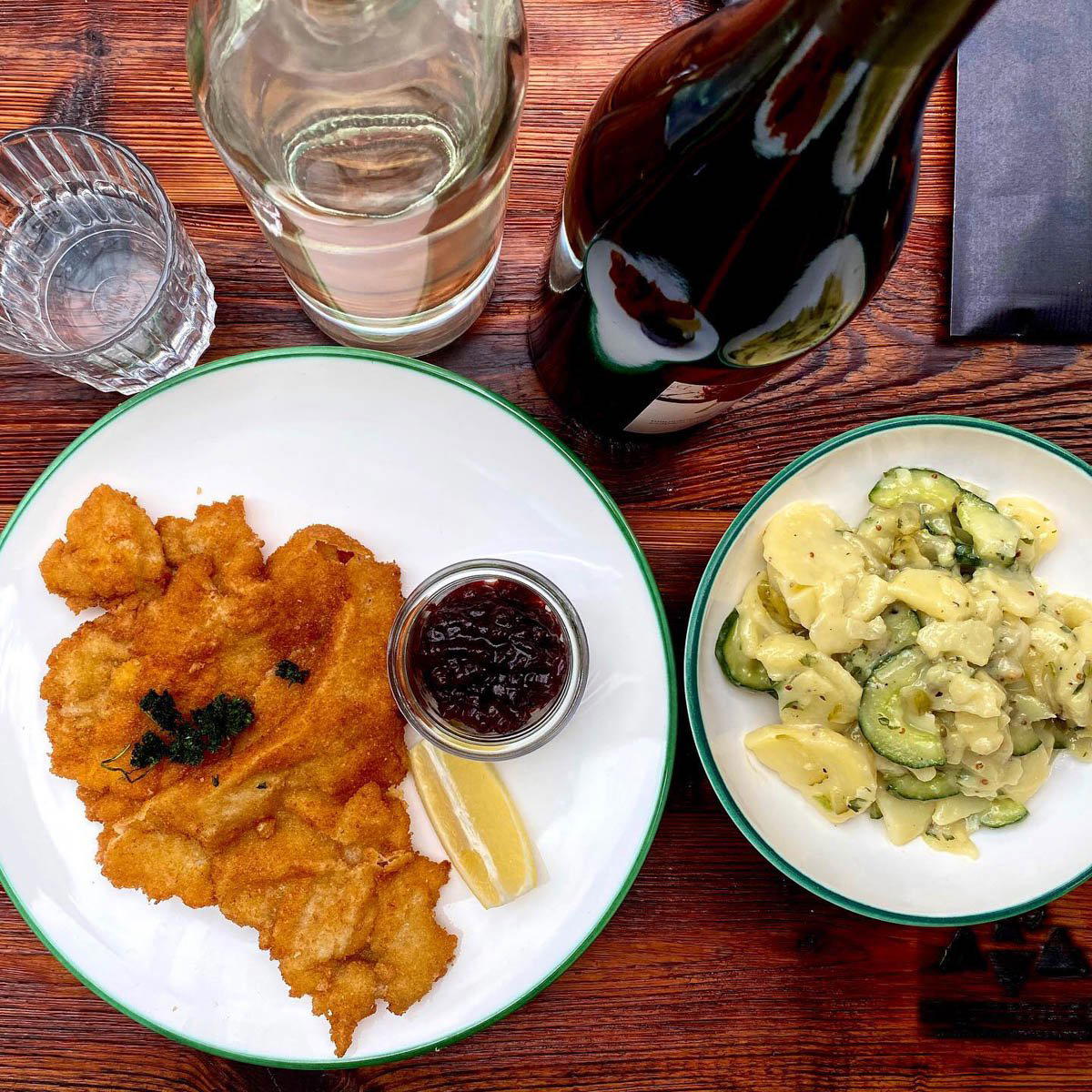
The Palatinate cooking tradition that the restaurant draws from is built on wine-country ingredients: pork preparations, river fish, seasonal vegetables from the Rhine plains, and the kind of cooking that evolved to accompany rather than compete with Riesling and Spätburgunder from the region. Whether the Berlin iteration holds close to those origins or adapts them for the city context is something the specific menu would clarify, but the format and name signal a particular culinary geography that is specific enough to be meaningful. Across Germany, regional cooking done carefully at this price tier can be found at addresses like Fahr in Künten-Sulz and Gannerhof in Innervillgraten, both of which represent the specialist regional format at different geographic and quality points.
Planning a Visit
Kurpfalz Weinstuben sits on Wilmersdorfer Strasse 93, 10629 Berlin, in the Charlottenburg district, a neighborhood well served by U-Bahn access via the Wilmersdorfer Strasse station on the U7 line. The area is more residential than the tourist-heavy zones near Alexanderplatz or Unter den Linden, which means the room tends to draw a local and repeat-visitor clientele rather than first-time Berlin tourists. That dynamic affects the atmosphere: the dining room behaves more like a neighbourhood institution than a destination restaurant performing for an audience that changes nightly.
Current booking details and hours are not available through this listing; contacting the restaurant directly or checking current availability is the recommended approach, particularly for weekend evenings when Charlottenburg's established dining rooms tend to fill early.
For readers building a wider Berlin itinerary, the city's dining scene extends well beyond regional German into the categories covered in our full Berlin restaurants guide. Overnight context is available in our Berlin hotels guide, the bar scene in our Berlin bars guide, and broader cultural programming in our Berlin experiences guide. Those planning travel elsewhere in Germany will find high-end reference points at Schwarzwaldstube in Baiersbronn, Aqua in Wolfsburg, JAN in Munich, Vendôme in Bergisch Gladbach, ES:SENZ in Grassau, and Restaurant Haerlin in Hamburg, useful benchmarks for the country's recognized fine-dining range. Wine-focused travel is covered in our Berlin wineries guide.
Frequently asked questions
What dish is Kurpfalz Weinstuben famous for?
How far ahead should I plan for Kurpfalz Weinstuben?
What's Kurpfalz Weinstuben leading at?
Quick Comparison
A quick peer list to put this venue’s basics in context.
| Venue | Cuisine | Price | Awards | Notes |
|---|---|---|---|---|
| Kurpfalz WeinstubenThis venue (the venue you are viewing) | Modern German Palatinate Wine Tavern | $30–50 | Michelin Plate · Star Wine List | Not listed |
| CODA Dessert Dining | Dessert-Inspired Fine Dining | $200–300 | 2 Michelin Stars · World's 50 Best #79 | Creative |
| Rutz | Modern German Fine Dining | $200–300 | 3 Michelin Stars · La Liste Top Restaurants | Modern European, Modern Cuisine |
| Nobelhart & Schmutzig | Hyper-Local Modern German Fine Dining | $100–150 | 1 Michelin Star · World's 50 Best #59 | Modern German, Creative |
| FACIL | Modern Fusion Fine Dining | $200–300 | 2 Michelin Stars · La Liste Top Restaurants | Contemporary European, Creative |
| Horváth | Modern Austrian Vegetable Cuisine | $200–300 | 2 Michelin Stars · La Liste Top Restaurants | Modern Austrian, Creative |
Recognition history
Dated appearances from independent guides and award organizations, with the underlying list record or original source where available.
Michelin Plate
Michelin · 2026 Michelin Plate
Star Wine List
Star Wine List
Falstaff Restaurant - 87 Falstaff Points
Falstaff
Full recognition history (5 entries)
Michelin Plate
Michelin
Michelin Plate
Michelin
Continue exploring
More in Berlin
Restaurants in Berlin
All restaurants in Berlin →
Bars in Berlin
All bars in Berlin →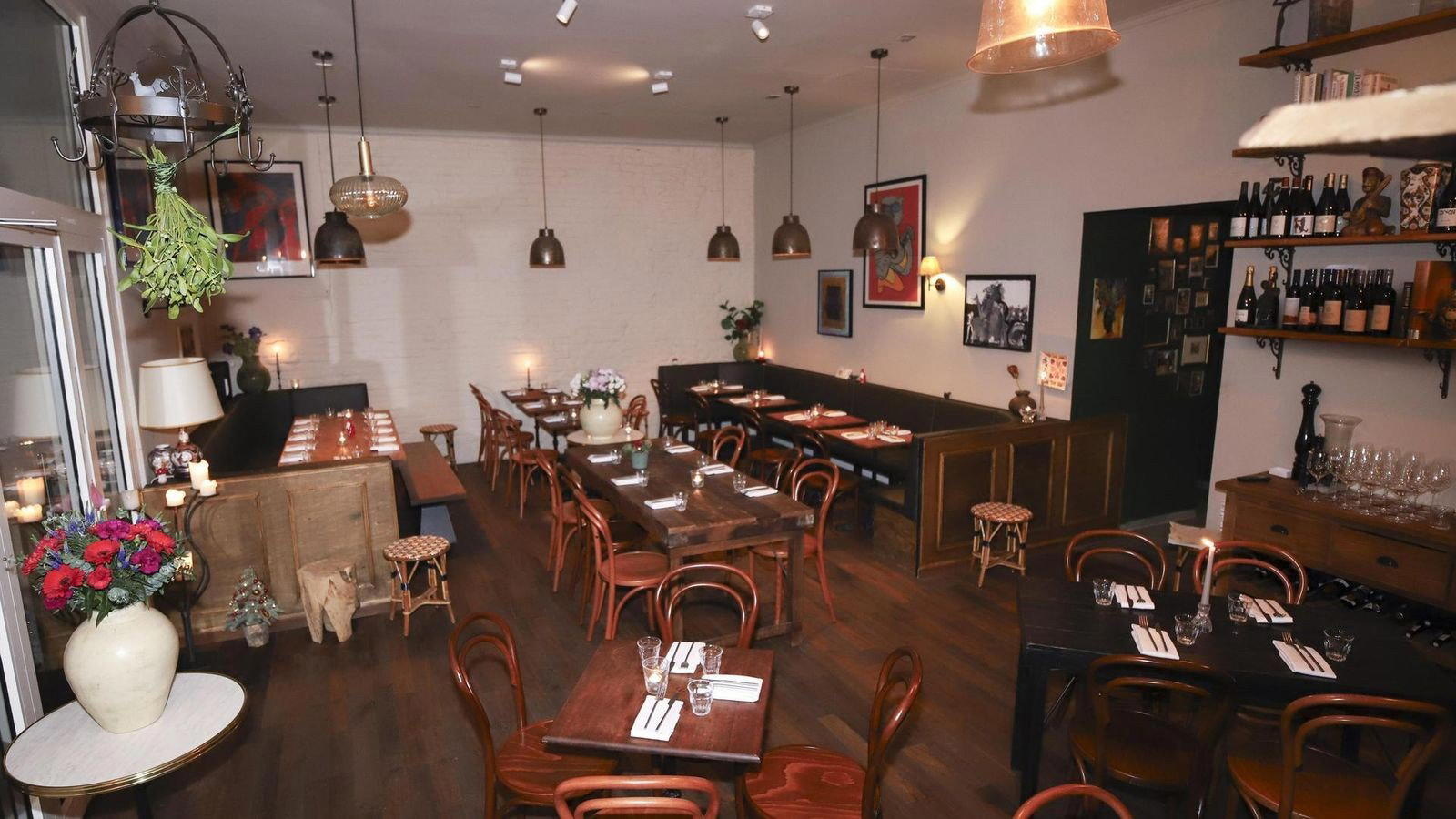

Kurpfalz Weinstuben
The wine
- Wine program
- Deep wine list
- Extensive wine list
Details
- Cozy
- Rustic
- Intimate
- Business Dinner
- Date Night
- Group Dining
- Wine Cellar
- Terrace
- Historic Building
- Extensive Wine List
- A La Carte
- German Wines
- Vegetarian Friendly
- Gluten Free Options
Current opening hours
- Monday
- Closed
- Tuesday
- 4 PM–12 AM
- Wednesday
- 4 PM–12 AM
- Thursday
- 4 PM–12 AM
- Friday
- 4 PM–12 AM
- Saturday
- 4 PM–12 AM
- Sunday
- Closed
Hours can change for holidays and private events. Hours as of .
Cozy and rustic with warm lighting, wooden beams, and a welcoming, authentic atmosphere.