

Few Berlin dining addresses carry as much continuity as Rutz Altes Zollhaus, a half-timbered house on the Landwehrkanal that has held its reputation for over thirty years. Now operating under the creative direction of Marco Müller, the three-Michelin-starred chef behind Rutz Restaurant, it occupies a specific tier in Berlin's fine dining conversation: heritage setting, serious kitchen lineage, and a postcode well outside the city's fashionable core.
Pearl is the En Primeur Club membership app — saves, bookings, and concierge access live there. Same editors, same standards.
- Address
- Carl-Herz-Ufer 30, 10961 Berlin, Germany
- Phone
- +49 30 233276670
- Website
- rutz-zollhaus.de
- Directions
- Get directions
 Saves & bookings on Pearl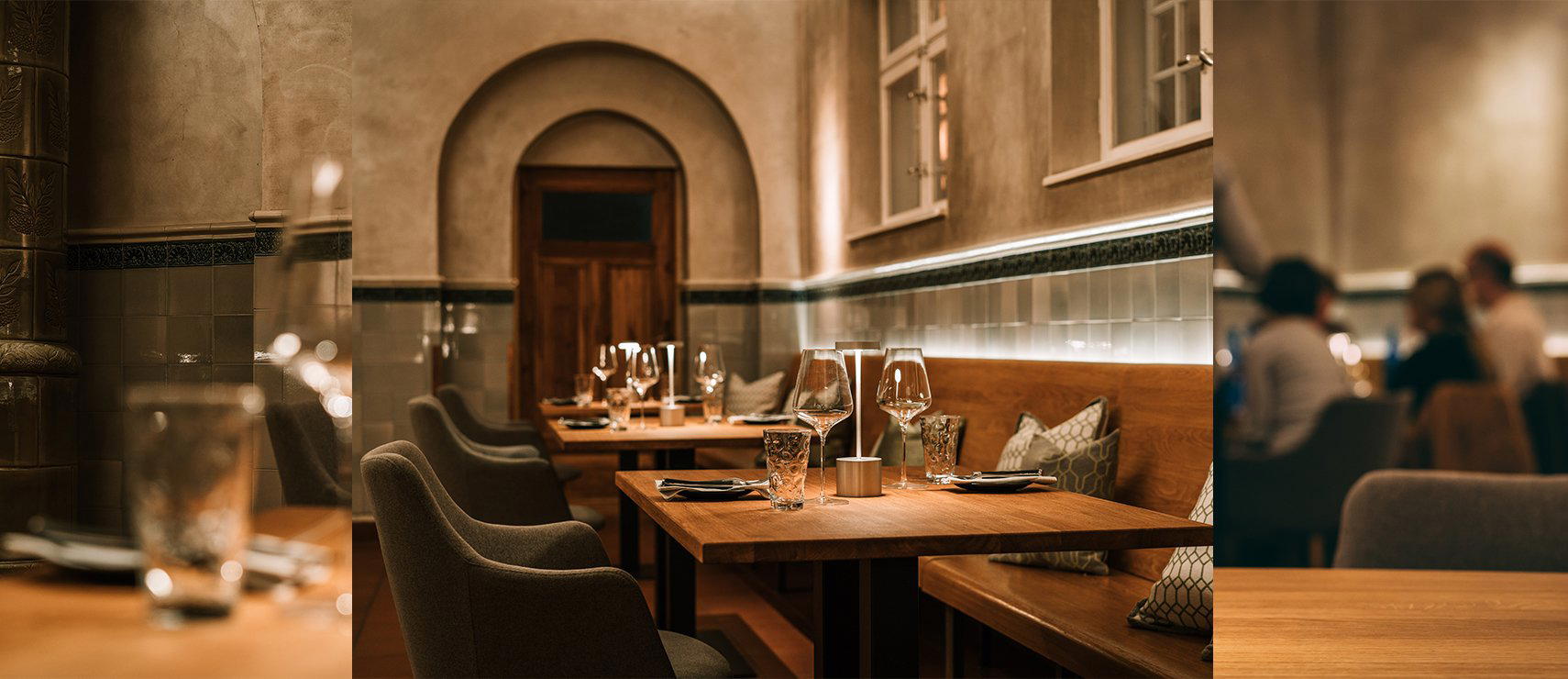
A Half-Timbered House on the Canal
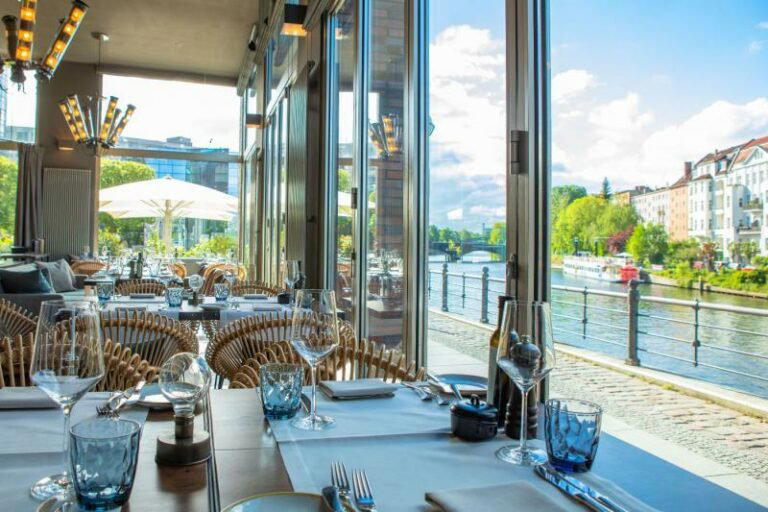
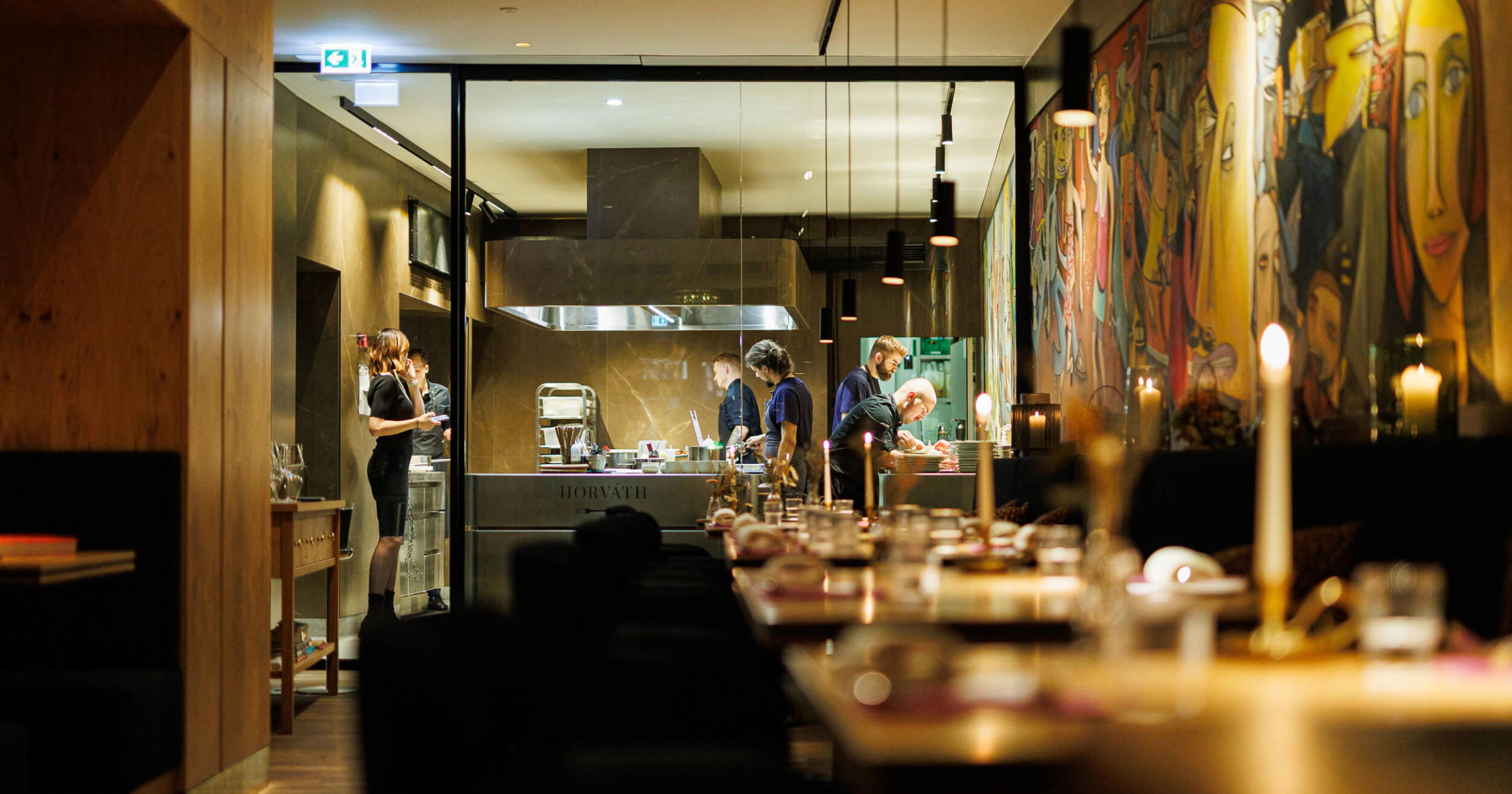
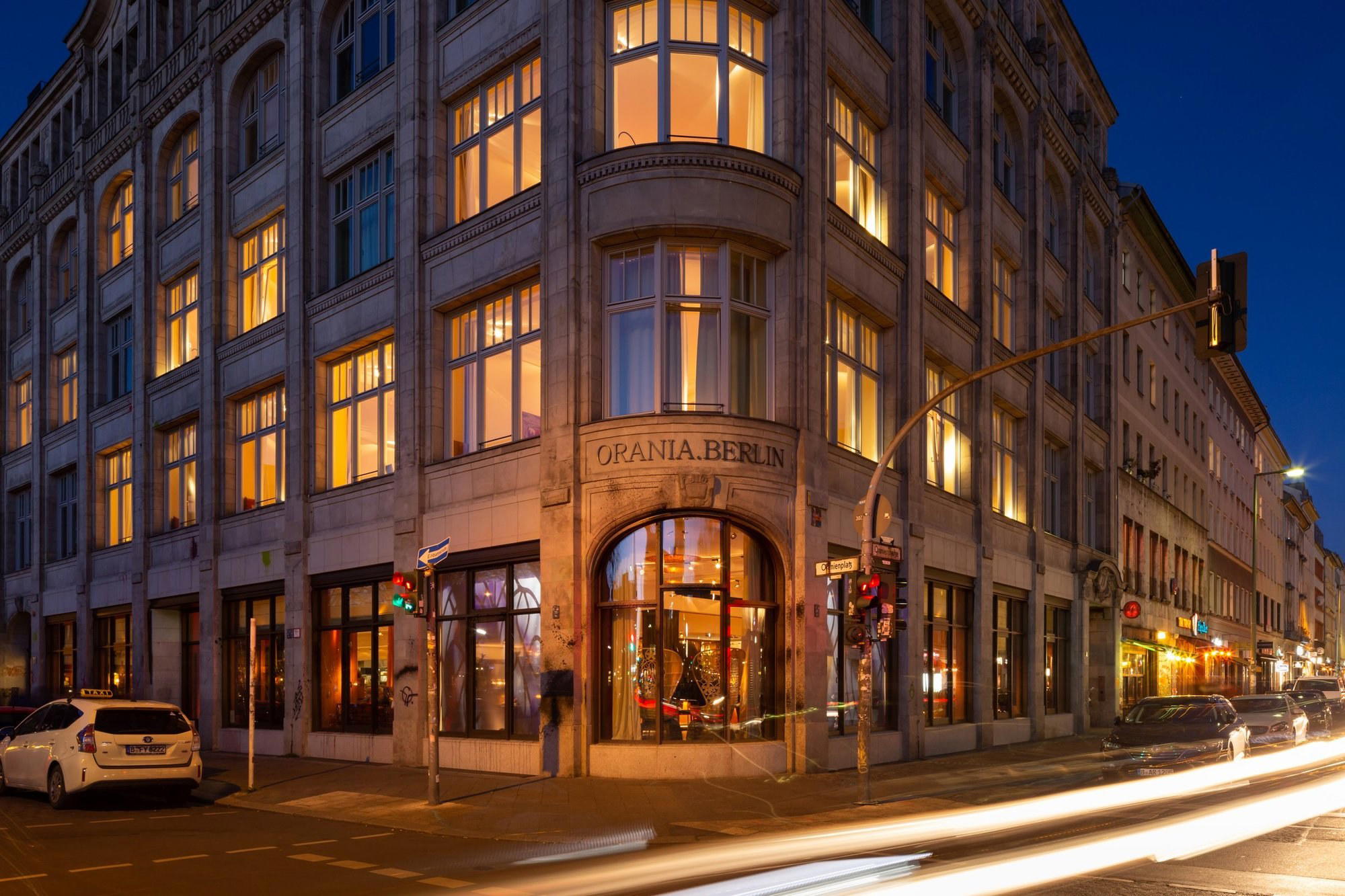
The approach to Rutz Altes Zollhaus along Carl-Herz-Ufer sets the tone before you reach the door. The Landwehrkanal runs quietly alongside, and the building itself, a half-timbered structure that once served as a customs house, sits with a kind of permanence rare in a city that has torn itself apart and rebuilt several times over. Berlin's fine dining scene tends to cluster around Mitte and Prenzlauer Berg, where hotel restaurants and high-footfall streets support the economics of ambitious cooking. Kreuzberg, where Altes Zollhaus sits, operates on different logic. The neighbourhood has long attracted the kind of institution that earns loyalty rather than passing trade, and a restaurant that has defended its standing for more than thirty years in that postcode has done so on repeat visits, not tourism cycles.
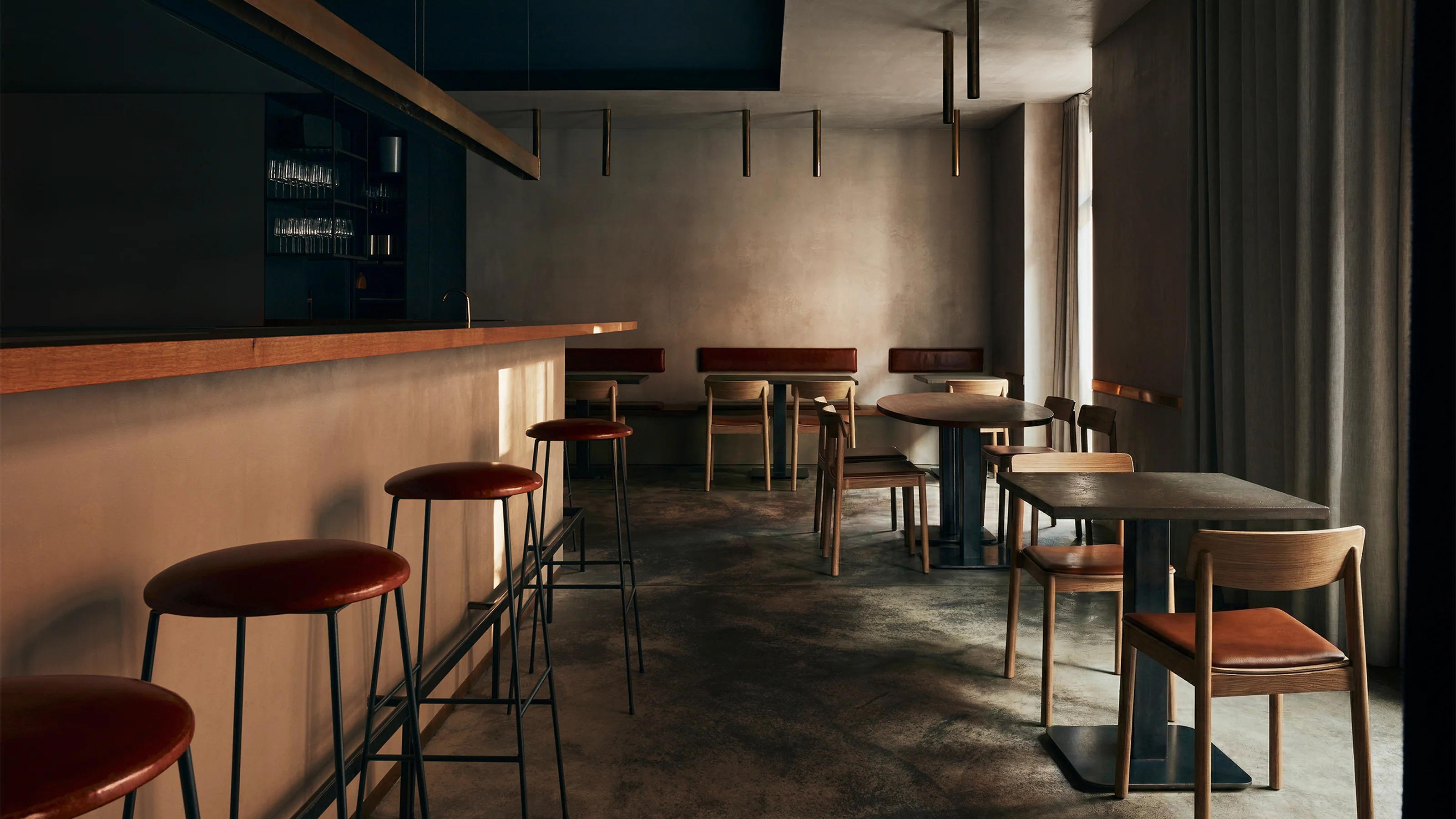
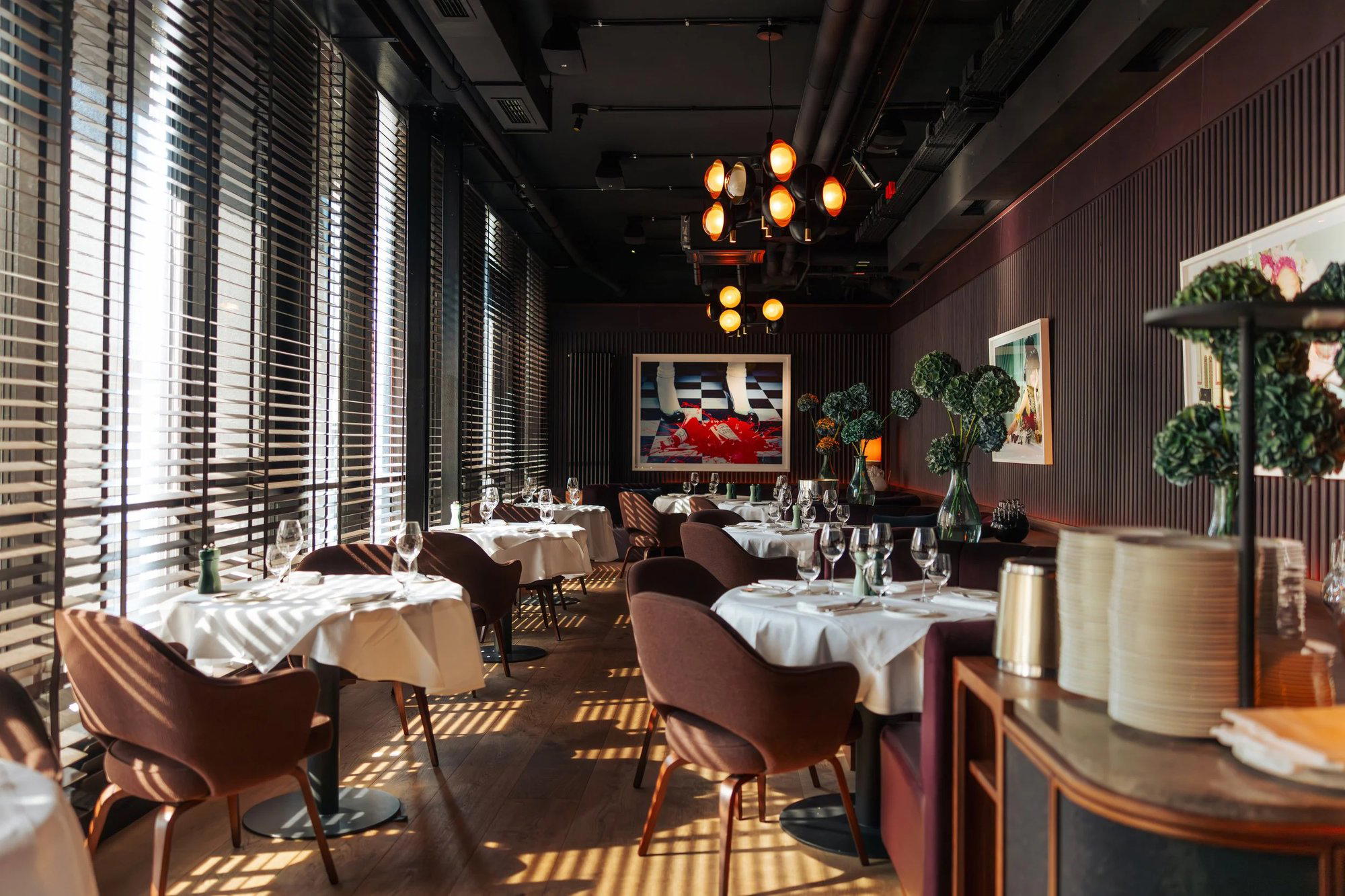
The building's exterior reads as deliberately quiet against Berlin's louder dining districts. There is no neon, no forecourt designed for photographs. What the location offers instead is a specific atmosphere: canal-side, residential-scale, and anchored in a physical history that most purpose-built dining rooms cannot manufacture. For the editorial context of the city's restaurant scene, this matters. Ambience in Berlin's upper tier has split between the stripped-back contemporary aesthetic of places like Nobelhart & Schmutzig and spaces that draw on pre-existing architectural character. Altes Zollhaus belongs firmly to the latter.
Kreuzberg's Place in Berlin's Fine Dining Geography
Berlin's Michelin-recognised restaurants distribute unevenly across the city's boroughs. Mitte contains the density, with hotel-backed rooms and the visitor-facing addresses that dominate shortlists. Kreuzberg's representation at the upper price tier is thinner, which makes Altes Zollhaus something of an outlier by postcode. For a reader mapping the city's dining geography, that positioning is worth understanding. The neighbourhood functions as a corrective to the idea that serious Berlin cooking only happens in the central tourist triangle. The Kreuzberg pocket anchored by Altes Zollhaus represents a strand of the city's restaurant culture that predates much of what is now considered contemporary Berlin dining.
Neighbouring addresses on the canal have changed hands repeatedly over thirty years. Altes Zollhaus has not, which in itself is an editorial data point about the kitchen's consistency and the loyalty of its clientele. Longevity at this level in Berlin requires the kind of repeat custom that depends on actual delivery, not reputation alone.
The Rutz Connection and What It Signals
The involvement of Marco Müller, the chef behind Rutz Restaurant on Chausseestraße, positions Altes Zollhaus within Berlin's most credentialed kitchen lineage. The venue is in Berlin and recommends reservations. Rutz holds three Michelin stars, placing it at the apex of the city's fine dining tier alongside a small peer group that includes FACIL and Restaurant Tim Raue. The transfer of Müller's team and approach to Altes Zollhaus is not a brand extension in the conventional sense. It is a kitchen takeover of a building with three decades of its own institutional weight, which creates a different kind of proposition from a new restaurant operating under the same chef's name.
Across Germany, the pattern of three-Michelin-starred chefs extending into secondary projects has produced varied results. Aqua in Wolfsburg, Schwarzwaldstube in Baiersbronn, and Vendôme in Bergisch Gladbach each represent different models of how elite German kitchens manage their footprint. The Müller-Altes Zollhaus combination is unusual in that the host venue carries its own pre-existing credibility rather than serving as a blank canvas. The result, at least in structural terms, is a dialogue between two established identities rather than a clean handover.
How Altes Zollhaus Sits Against Its Peers
Berlin's upper-tier creative restaurants now operate within a relatively coherent price and format band. CODA Dessert Dining occupies a specialist niche within that group; Nobelhart & Schmutzig enforces a rigidly local sourcing philosophy that shapes everything from the menu structure to the room's deliberate austerity. Altes Zollhaus differs in that its format is defined as much by the building as by the kitchen. The half-timbered room, the canal-facing position, and the thirty-year institutional continuity create a physical context that peer addresses in Mitte cannot replicate.
For readers comparing options across the city's upper tier, that distinction has practical weight. A reservation at Altes Zollhaus delivers a specific kind of Berlin evening, one rooted in a neighbourhood that functions independently of the fine dining circuit, inside a building with genuine material history. That is a different proposition from a technically equivalent meal served in a hotel restaurant or a converted industrial space, however well executed either might be.
Placing the Visit in Context
Internationally, the combination of heritage architecture and serious kitchen direction appears at addresses like Restaurant Haerlin in Hamburg and, at a different scale, Le Bernardin in New York City. What those rooms share with Altes Zollhaus is a physical setting that operates as a counterweight to the transience of contemporary dining trends. The building does not need to announce a concept because the structure itself is the concept.
For a city like Berlin, where culinary ambition and architectural drama have often been decoupled, a room that provides both within a single visit is a specific and relatively scarce offer. Readers planning a concentrated Berlin dining itinerary who want to cover the city's creative range can use Altes Zollhaus as the Berlin anchor that holds the longer end of the city's dining timeline. The Berlin hotels guide and wineries guide round out the planning picture for a multi-day visit.
Bookings are recommended in advance. Reaching out directly via the restaurant's own channels remains one reliable approach given the format and demand level.
At a Glance
Comparable venues nearby, for context on price, style, and recognition.
| Venue | Cuisine | Price | Notes |
|---|---|---|---|
| Rutz Altes ZollhausThis venue — the venue you are viewing | Kreuzberg, Modern German | $$$ | Not listed |
| Crafterie | Mitte, Modern German Crossover | $$$ | Not listed |
| Panama | Tiergarten, Modern German | $$$ | Not listed |
| Georgbraeu | Mitte, Traditional German Brewery | $$ | Not listed |
| Restaurant Jolesch | Not listed | $$$ | Kreuzberg, Traditional Austrian with Modern Twists |
| Gärtnerei | Mitte, Modern German-Austrian Gastropub | $$$ | Not listed |
Recognition history
Dated appearances from independent guides and award organizations, with the underlying list record or original source where available.
Michelin Plate
Michelin
Star Wine List
Star Wine List
At a Glance
- Classic
- Cozy
- Elegant
- Historic
- Scenic
- Date Night
- Special Occasion
- Business Dinner
- Waterfront
- Terrace
- Historic Building
- Private Dining
- Extensive Wine List
- Local Sourcing
- Waterfront
Current opening hours
- Monday
- Closed
- Tuesday
- 6–11 PM
- Wednesday
- 6–11 PM
- Thursday
- 6–11 PM
- Friday
- 6–11 PM
- Saturday
- 6–11 PM
- Sunday
- Closed
Hours can change for holidays and private events. Last verified .
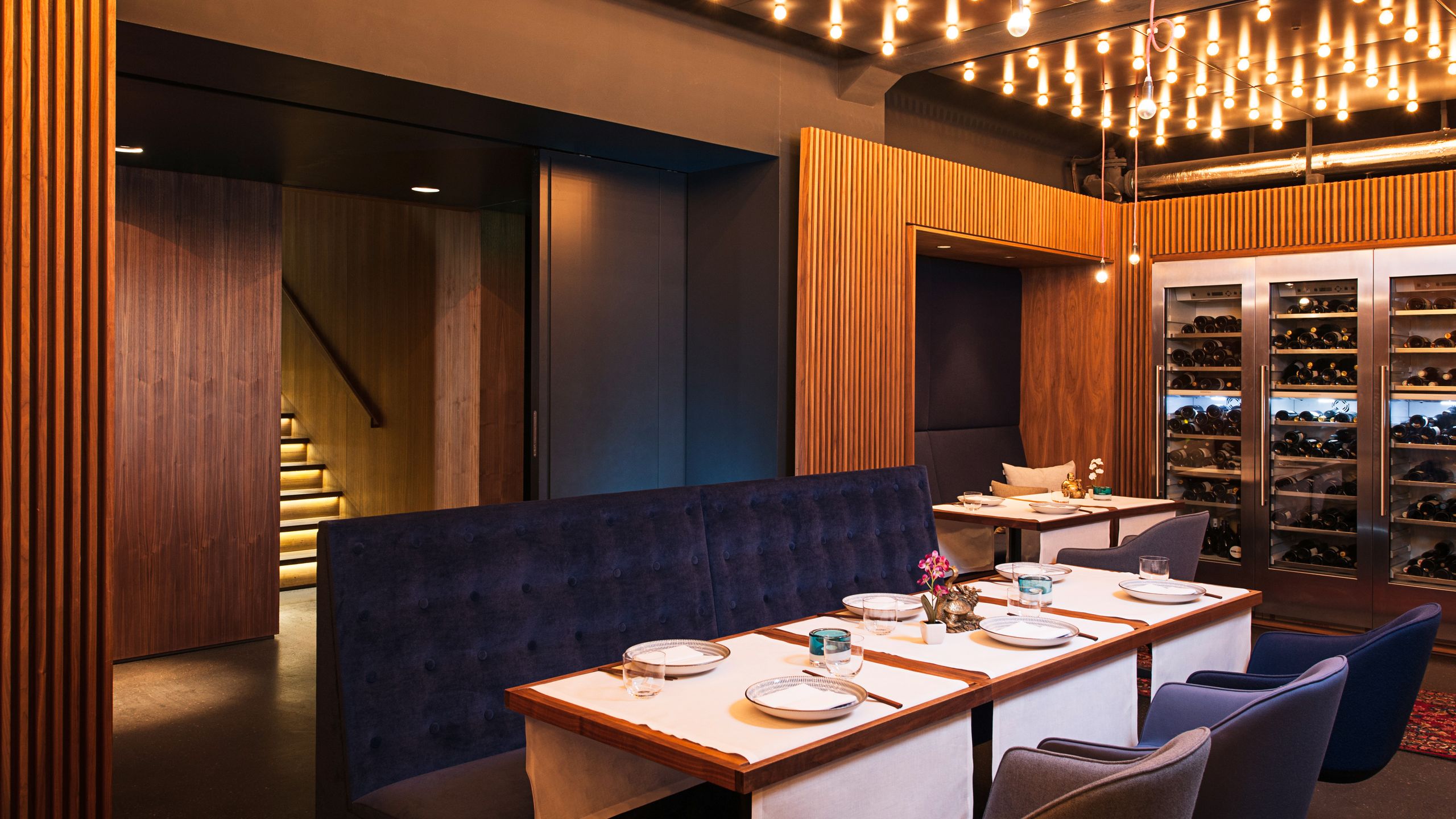
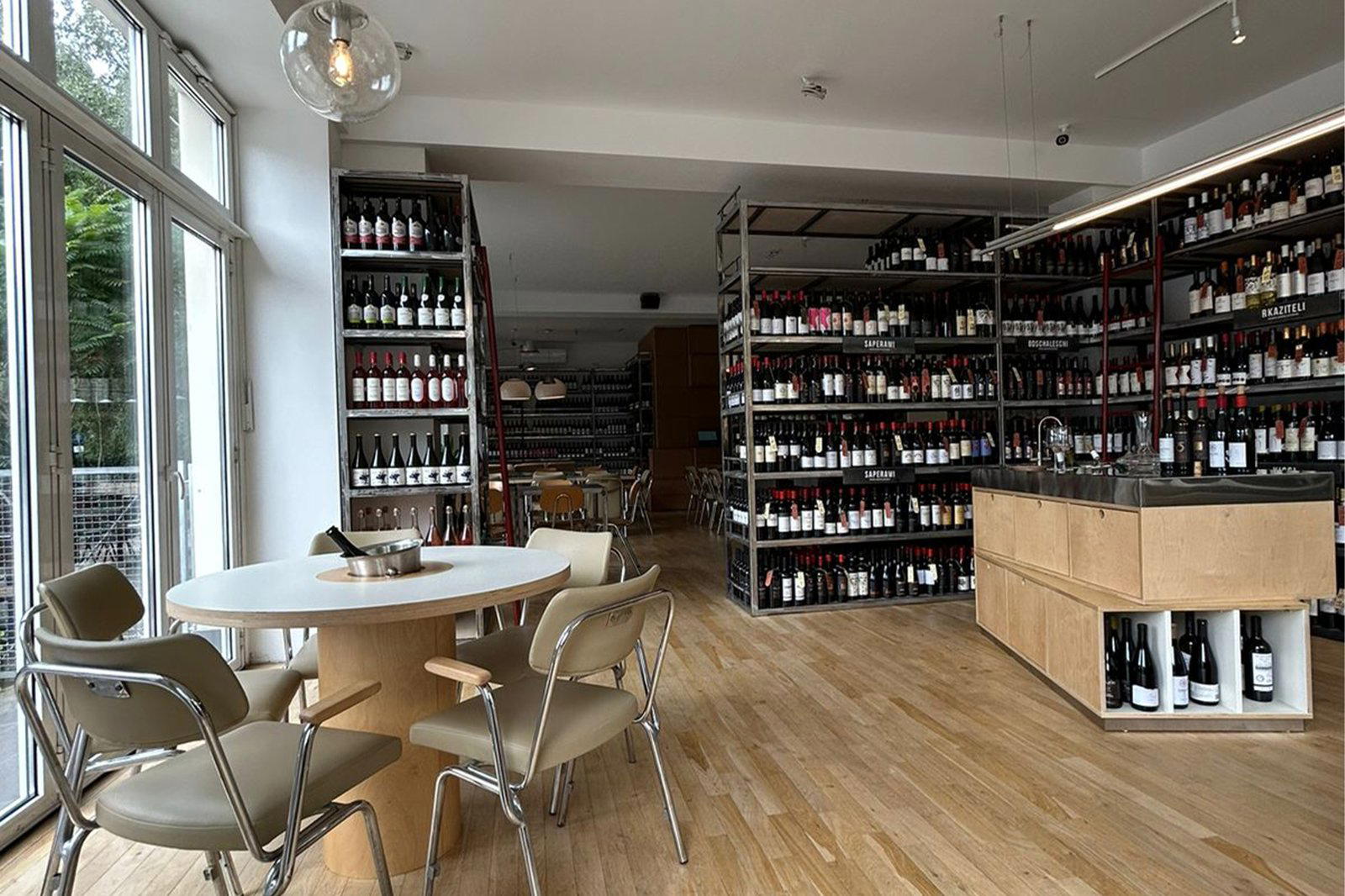
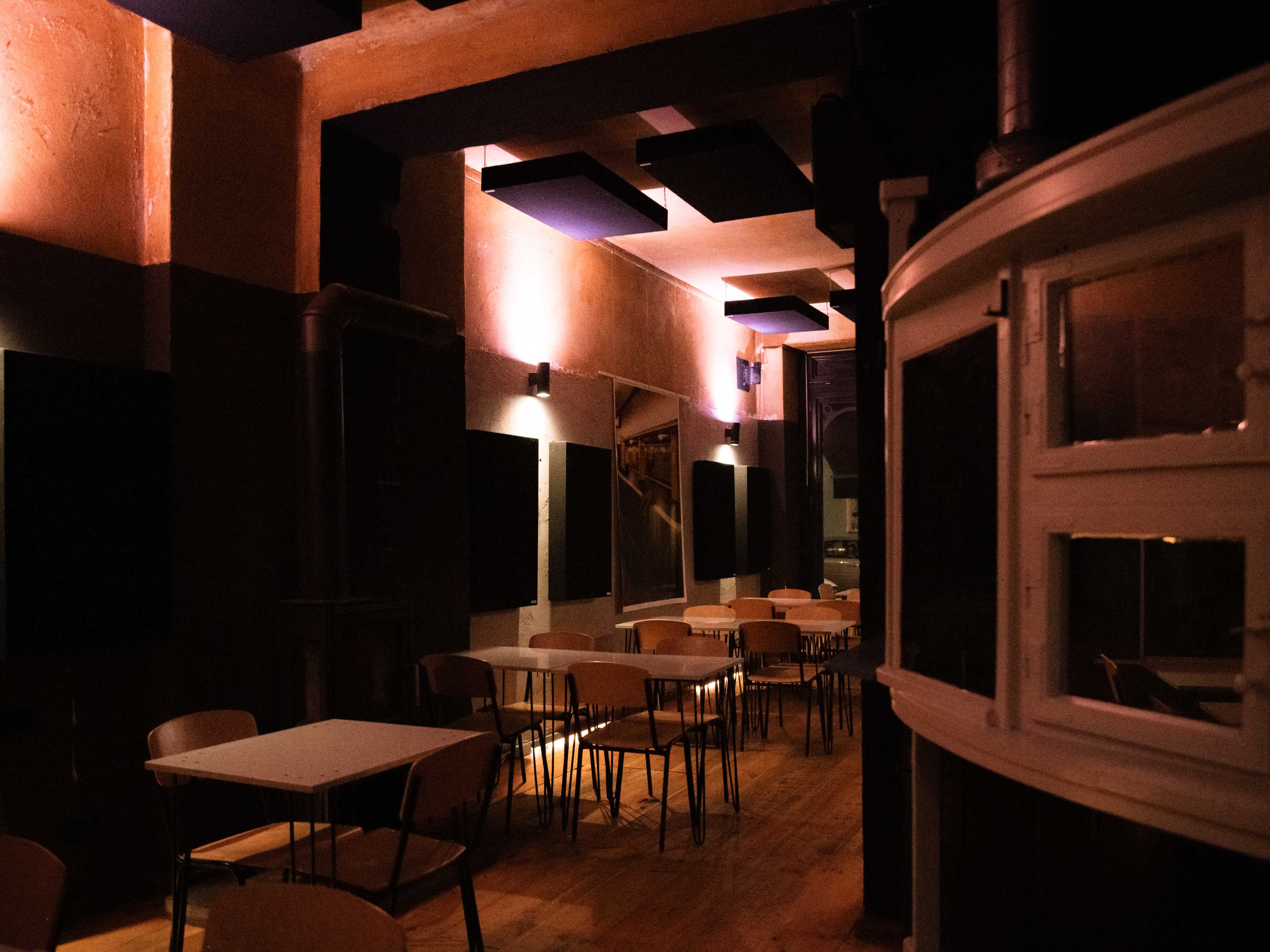
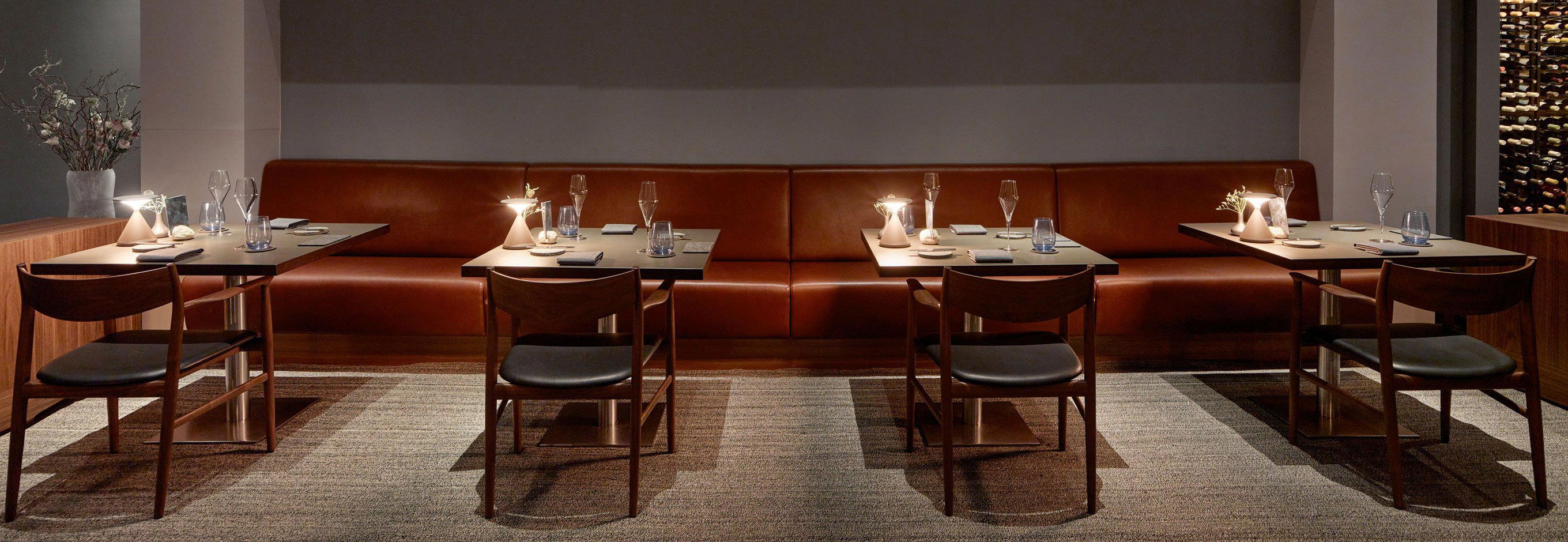
Relaxed atmosphere in a tastefully furnished former customs house with homely dining rooms, covered terrace, and waterfront views.