On the Kurfürstendamm, Schildkröte occupies a quieter corner of Berlin's fine-dining conversation than the Mitte heavyweights, yet sits comfortably within the city's upper tier.
Pearl is the En Primeur Club membership app — saves, bookings, and concierge access live there. Same editors, same standards.
- Address
- Kurfürstendamm 212, 10719 Berlin, Germany
- Phone
- +4949308816770
- Website
- restaurant-schildkroete.de
- Directions
- Get directions
 Saves & bookings on Pearl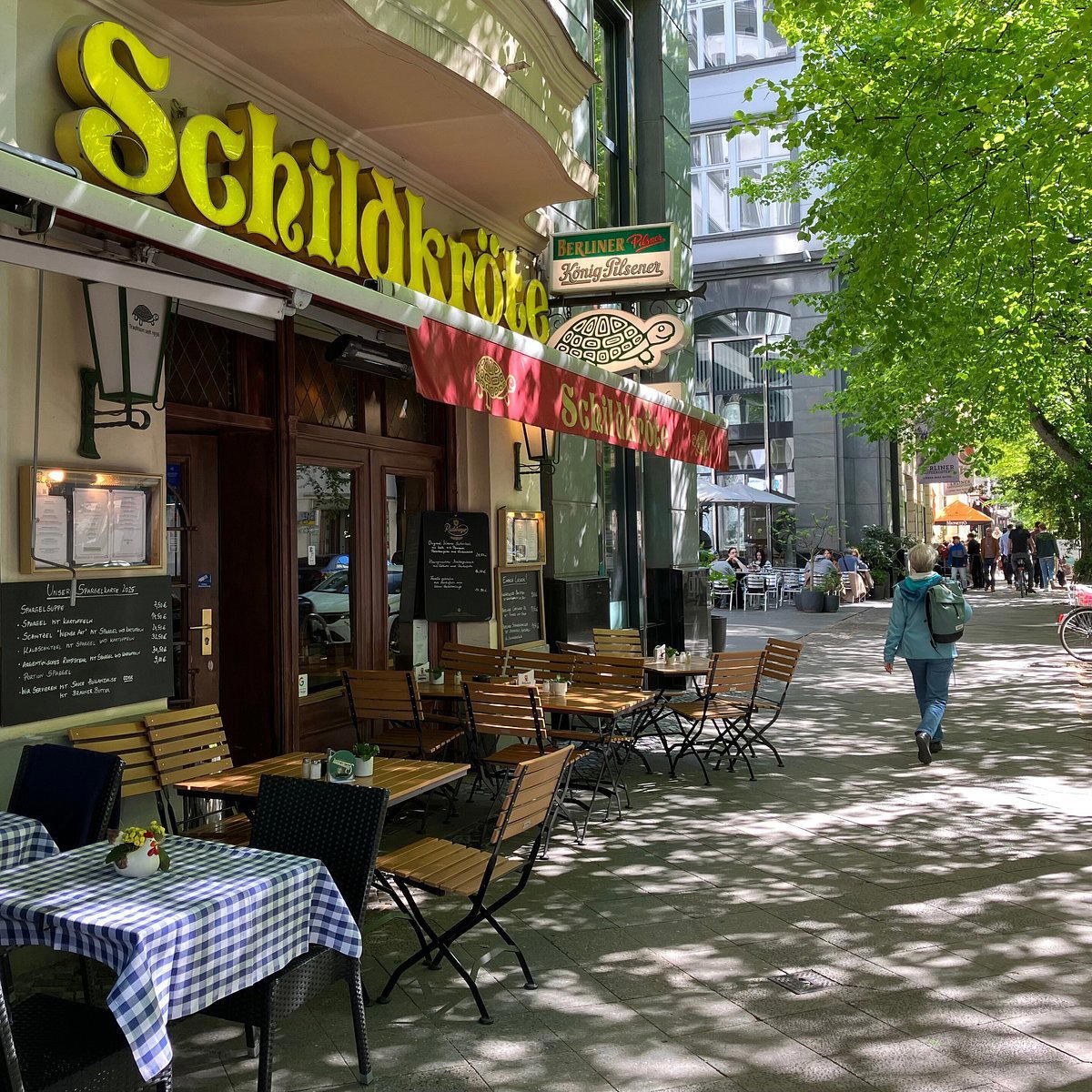
Kurfürstendamm and the Western Fine-Dining Circuit
Berlin's fine-dining attention has, for most of the past decade, concentrated in Mitte and Kreuzberg. The addresses that draw international visitors, venues like Rutz, Nobelhart & Schmutzig, and FACIL, tend to anchor themselves east of the Tiergarten or in the gallery-dense corridors of central Berlin. The Kurfürstendamm, once the commercial and cultural spine of West Berlin, has sat at a slight remove from that conversation. Restaurants on the Ku'damm operate in a district with a different guest profile: longer-stay visitors to the west of the city, residents of Charlottenburg-Wilmersdorf, and diners whose frame of reference is the boulevard's history rather than its trendability.
Schildkröte, at Kurfürstendamm 212, sits within that context. The address places it several blocks west of the Gedächtniskirche, in a stretch that runs quieter than the retail-heavy sections closer to Wittenbergplatz. For a fine-dining address, that relative quietude functions as an asset: the dining room is insulated from the foot traffic and ambient noise that affects restaurant positioning nearer the commercial centre.
The Service Triangle: How Front-of-House, Kitchen, and Floor Define the Experience
In Berlin's upper dining tier, the gap between technically accomplished kitchens and fully integrated dining experiences often comes down to the coordination between the kitchen, the sommelier, and front-of-house. At the category level where Schildkröte operates, this triad matters more than at any other price point. Guests arriving at an address on the Kurfürstendamm without the marketing apparatus of a Michelin listing or a celebrity chef attachment are, almost by definition, placing more trust in service and atmosphere to carry the experience.
The model that has succeeded elsewhere in Germany at this tier, seen at addresses like Restaurant Haerlin in Hamburg or Schanz in Piesport, involves a front-of-house function that actively interprets the kitchen's intent for guests, rather than simply presenting dishes. A well-calibrated sommelier programme deepens that function: when wine pairings are designed in dialogue with the kitchen rather than selected post-hoc, the result is a more coherent arc across the meal. Whether that level of integration is present at Schildkröte is something the room itself will signal on arrival, through the sequencing of the greeting, the way the menu is introduced, and whether the person pouring your wine can explain the kitchen's reasoning for a specific dish.
Berlin has produced some of Germany's most inventive food-and-drink pairings in recent years. CODA Dessert Dining built an entire format around that principle, and Restaurant Tim Raue has long maintained a wine and sake programme calibrated to its Asian-inflected cuisine. These examples set a reference point for what integration between kitchen and floor can achieve at the upper end of the city's dining market.
Where Schildkröte Sits in the Berlin comparable set
Berlin's fine-dining tier is not homogeneous. It contains formally decorated addresses with international profiles, neighbourhood-anchored creative restaurants with strong local followings, and a smaller group of addresses that operate at high quality levels with limited public documentation. Schildkröte belongs to the third category, at least in terms of what is traceable through the standard data channels.
That positioning has a parallel at the national level. Several of Germany's most respected tables, including Waldhotel Sonnora in Dreis and Victor's Fine Dining by Christian Bau in Perl, built reputations over years before their profiles matched their quality. The lesson from those trajectories is that absence from the loudest part of the conversation does not map cleanly onto quality. For the guest willing to investigate rather than rely on aggregate ranking signals, lower-profile addresses sometimes deliver the more considered experience precisely because they are not managing the throughput demands that come with heavy public attention.
For comparison across the broader German fine-dining circuit, Aqua in Wolfsburg, JAN in Munich, Schwarzwaldstube in Baiersbronn, Vendôme in Bergisch Gladbach, ES:SENZ in Grassau, and Bagatelle in Trier each illustrate different ways in which serious kitchens operate outside the major metropolitan noise. The diversity of that list matters: high-quality dining in Germany is more geographically distributed than in France or the UK, and Berlin's share of that landscape, while significant, does not dominate.
Internationally, the discipline of team-led fine dining, where the floor is as much an authorial voice as the kitchen, is well demonstrated at addresses like Le Bernardin in New York City and Atomix in New York City. Both are instructive not as direct comparisons to a Berlin address on the Kurfürstendamm, but as illustrations of what happens when the service function is given the same creative investment as the menu.
Planning Your Visit
Reservations are recommended. Dress code is casual. Expect about $25 per person.
The Quick Read
Comparable venues nearby, for context on price, style, and recognition.
| Venue | Cuisine | Price | Notes |
|---|---|---|---|
| SchildkröteThis venue — the venue you are viewing | Not listed | $$ | Not listed |
| BRLO Charlottenburg | Charlottenburg, Modern Brewery Gastropub | $$ | Not listed |
| Café Liebig | Grünau, Classic German Bistro | $$ | Not listed |
| Lindenbräu am Potsdamer Platz | Not listed | $$ | Tiergarten, Bavarian & Berlin Brewery Classics |
| Stulle mit Brot | Not listed | $$ | Charlottenburg, Berliner Stullen & Soup Shop |
| Chipperfield Kantine | Mitte, Sustainable Vegetarian Canteen | $$ | Not listed |
Continue exploring
More in Berlin
Restaurants in Berlin
Browse all →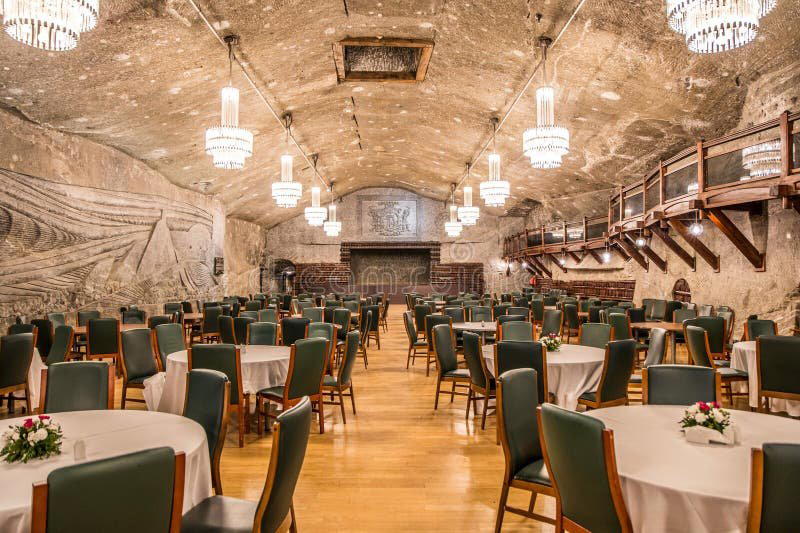
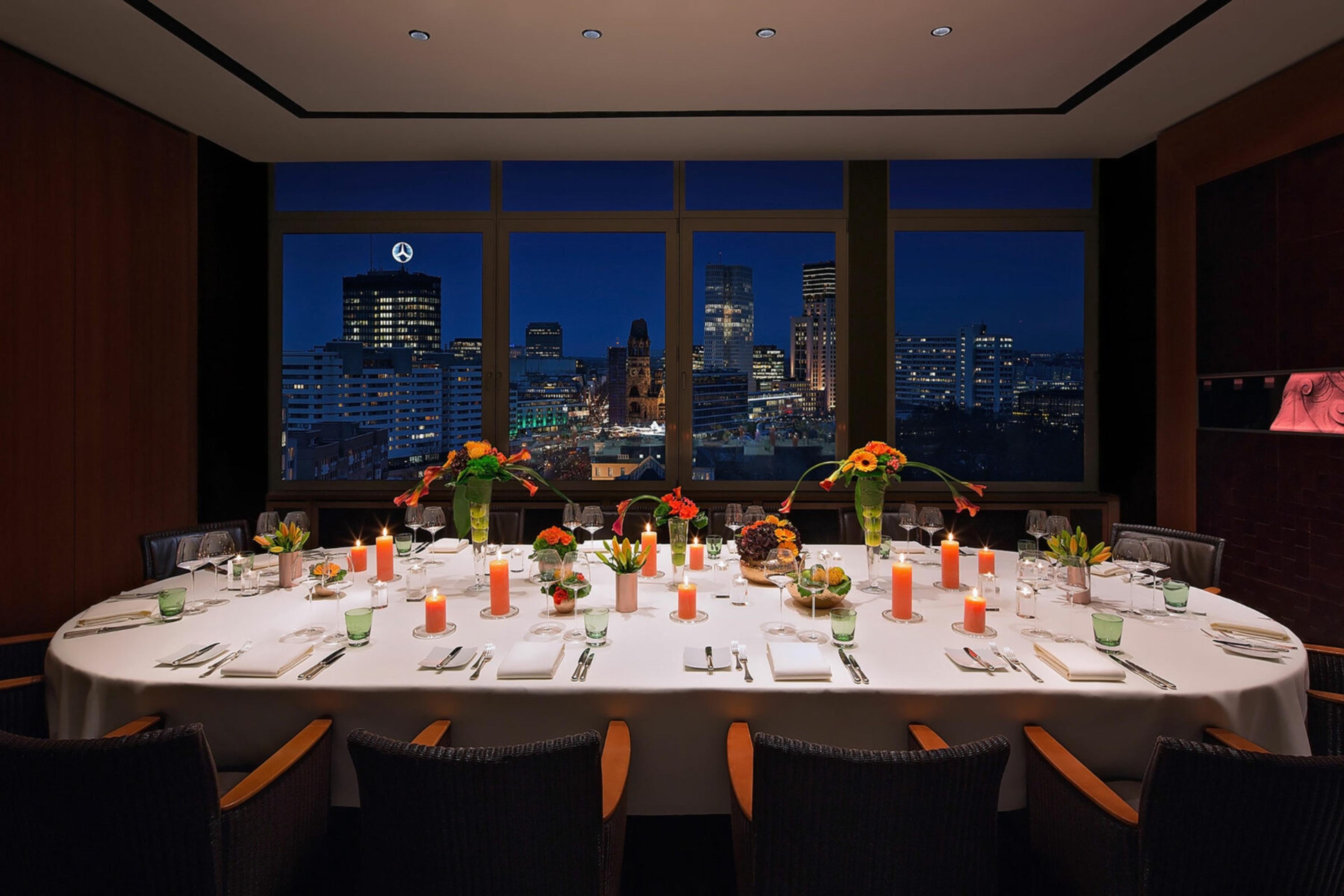
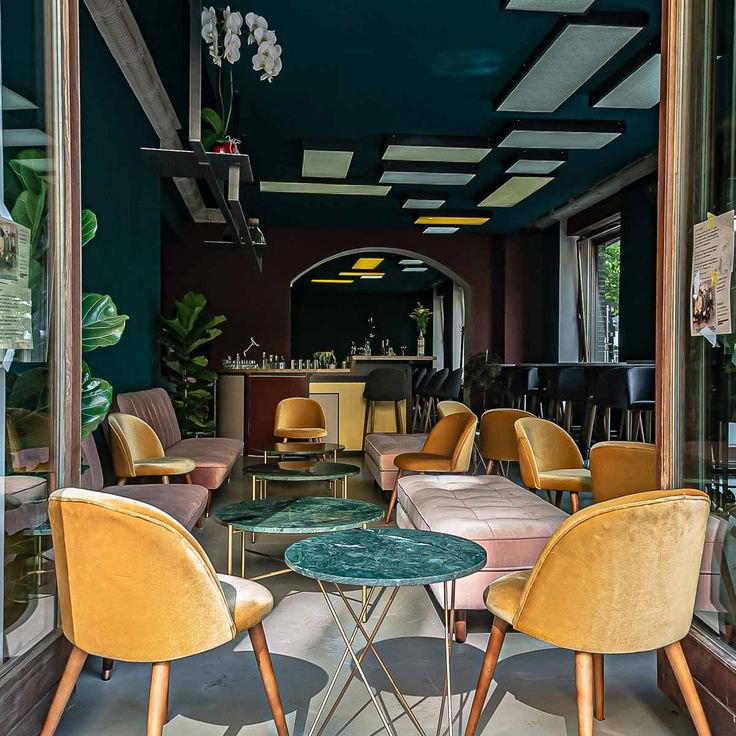
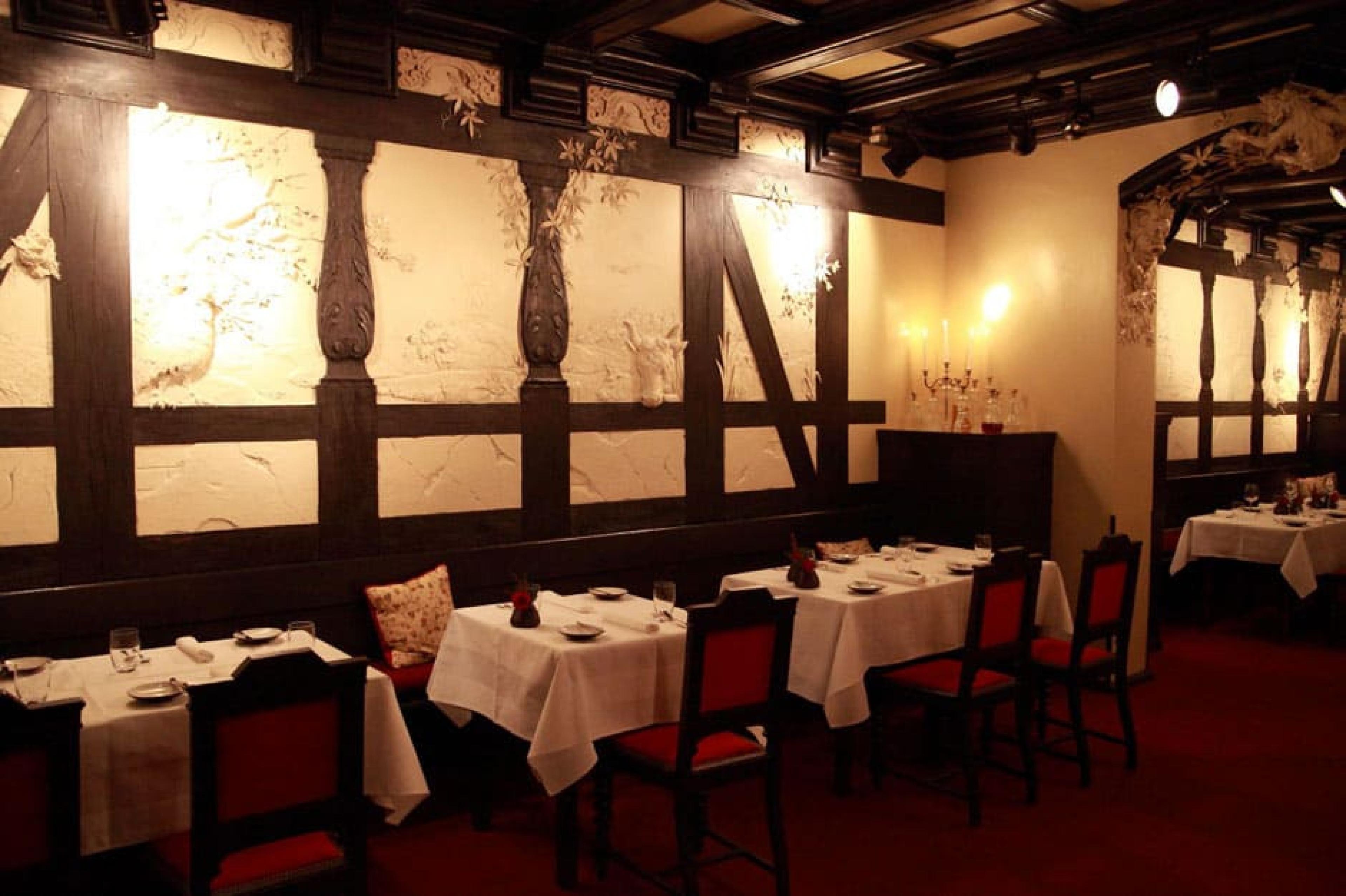
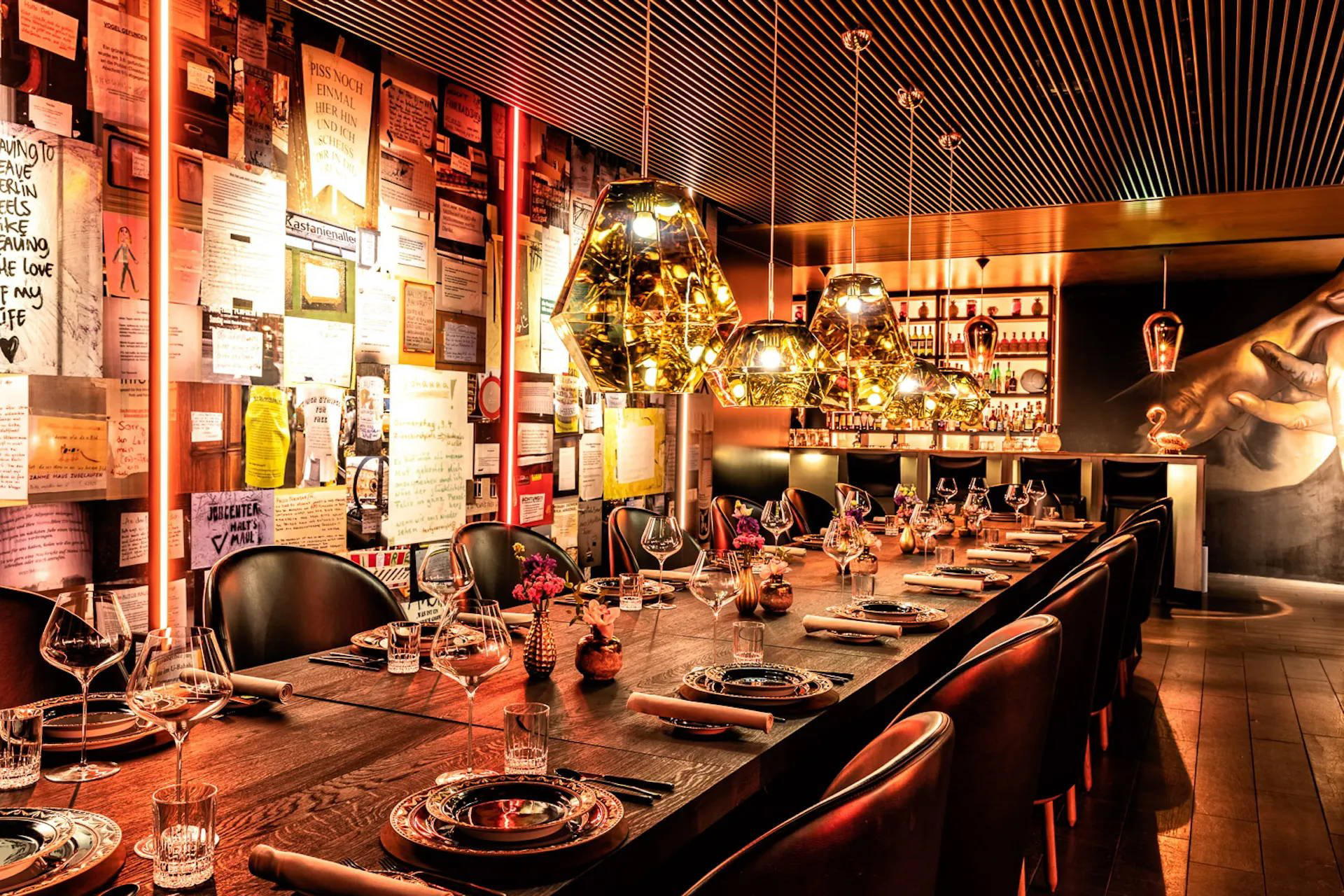
Bars in Berlin
Browse all →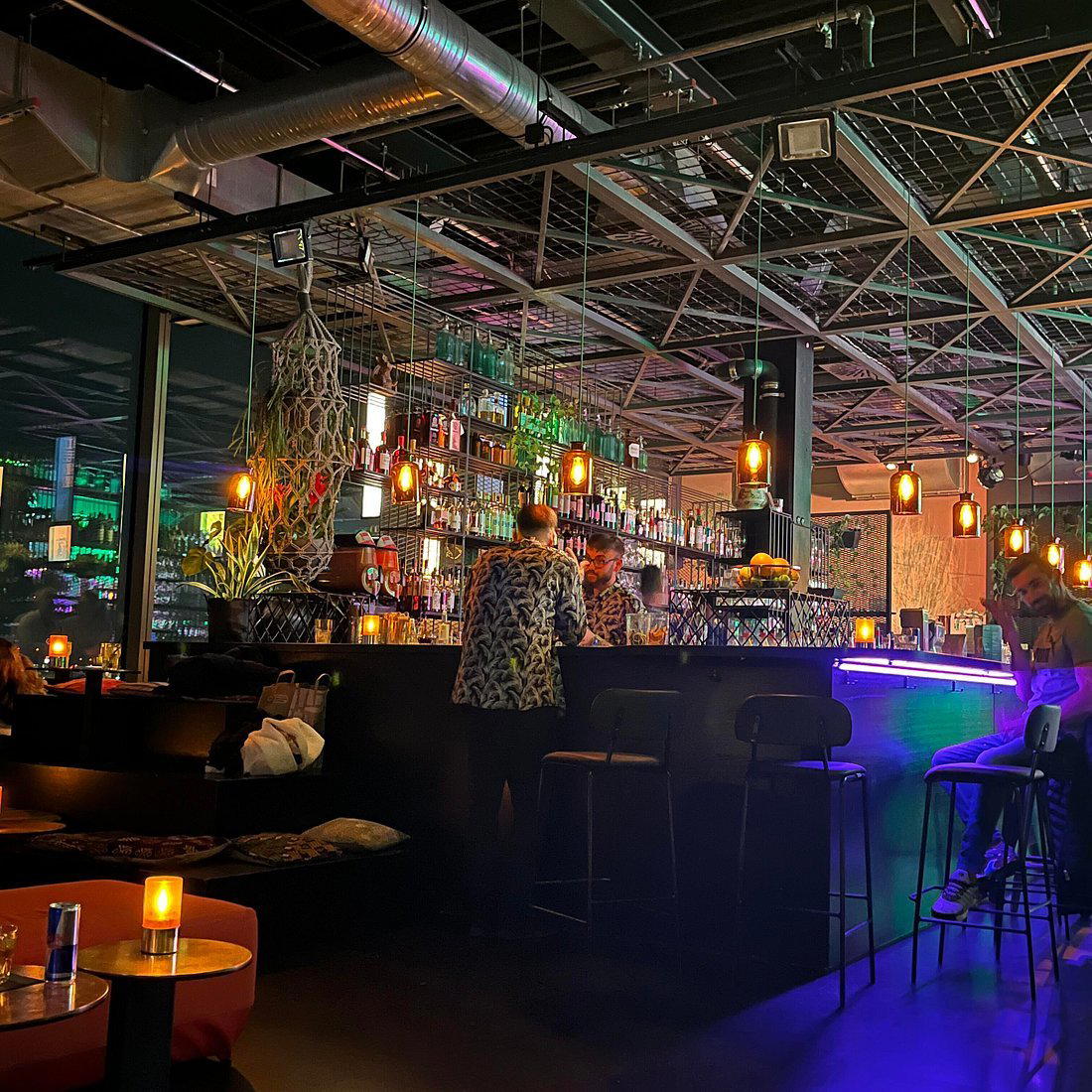
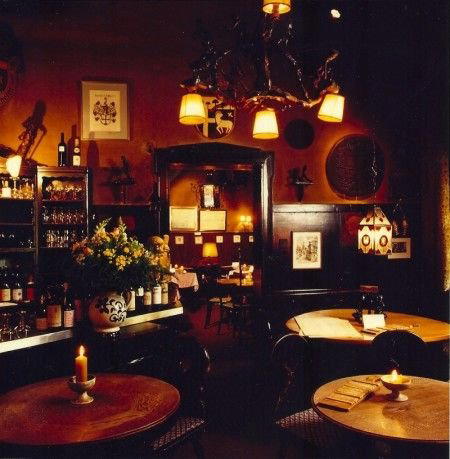
Hotels in Berlin
Browse all →

At a Glance
- Cozy
- Classic
- Rustic
- Casual Hangout
- Family
- Group Dining
- Historic Building
- Beer Program
- Local Sourcing
Current opening hours
- Monday
- 12–11 PM
- Tuesday
- 12–11 PM
- Wednesday
- 12–11 PM
- Thursday
- 12–11 PM
- Friday
- 12–11 PM
- Saturday
- 12–11 PM
- Sunday
- 12–11 PM
Hours can change for holidays and private events. Last verified .