Restauration 1840 occupies a corner of Berlin's Mitte district with an address that signals history before you've seen the menu. Located on Am Zwirngraben in the heart of the old city, it sits within a neighbourhood where nineteenth-century commercial architecture has been steadily reclaimed by contemporary hospitality. The restaurant's name anchors it to a specific historical moment, framing the dining experience through the lens of time and place.
Pearl is the En Primeur Club membership app — saves, bookings, and concierge access live there. Same editors, same standards.
- Address
- Am Zwirngraben 8-10, 10178 Berlin, Germany
- Phone
- +493024727401
- Website
- berlin-1840.de
- Directions
- Get directions
 Saves & bookings on Pearl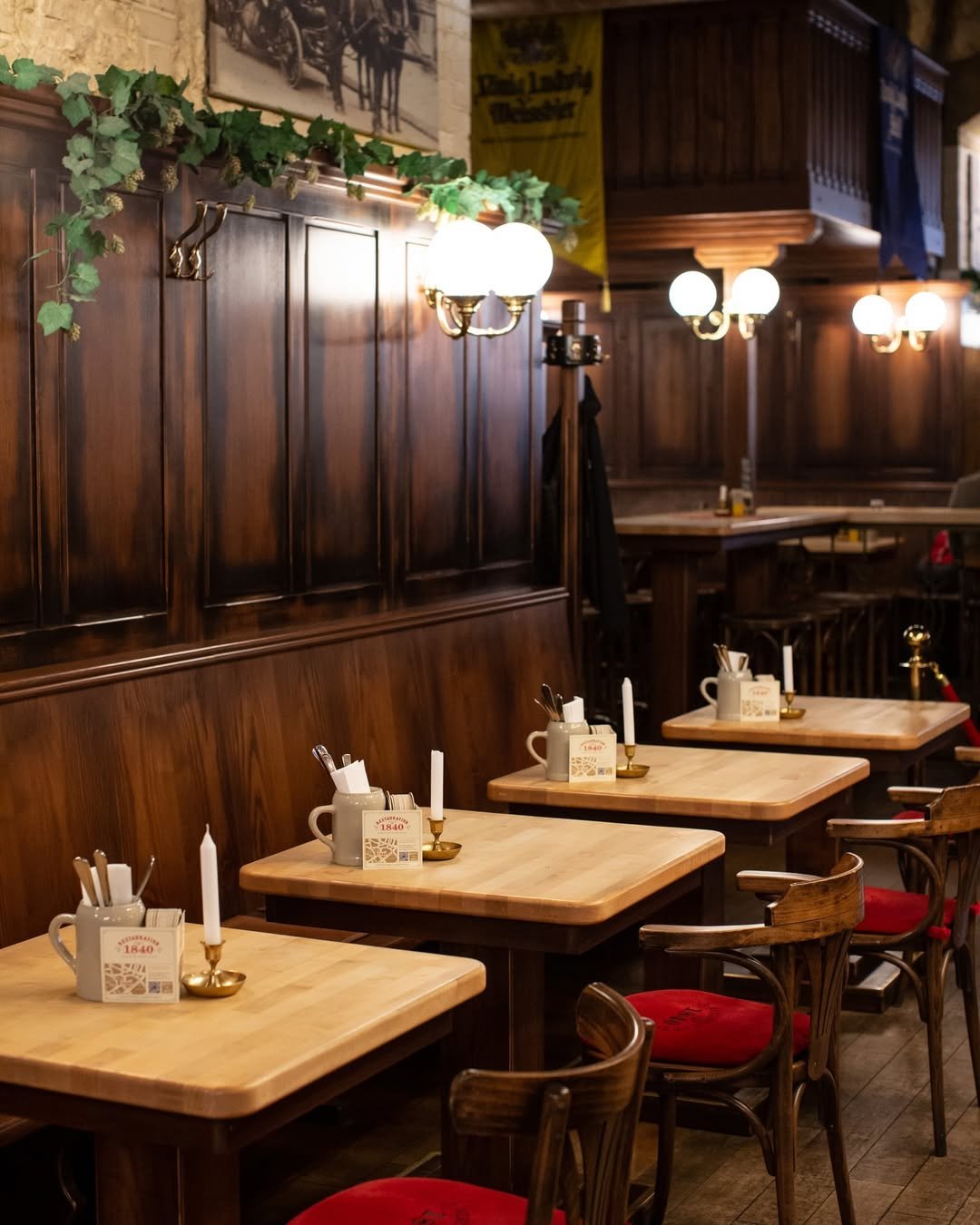
What Am Zwirngraben Tells You Before You Sit Down
Berlin's Mitte district has gone through more identities in the past century than most European capitals manage across their entire history. The stretch around Am Zwirngraben 8-10, where Restauration 1840 is located, belongs to the layer of the city that survived long enough to be repurposed: nineteenth-century merchant and warehouse architecture, heavy stone and brick, repurposed now for restaurants, galleries, and creative offices. When a restaurant names itself after a year rather than a person or a concept, it is making a spatial and historical argument. The year 1840 lands in the Biedermeier-to-Vormärz transition in German cultural history, a period when bourgeois eating culture was formalising, and the term Restauration itself carried both its literal meaning (a place of restoration) and a broader political resonance. That naming choice is not incidental to the dining experience here.
The Physical Container: Architecture as Editorial Statement
In a city where particularly talked-about restaurants of the last decade have largely operated in stripped-back industrial shells or deliberately lo-fi rooms, a space that draws on the vocabulary of nineteenth-century German hospitality architecture occupies a specific counterpoint. The address on Am Zwirngraben places the restaurant within walking distance of the Nikolaiviertel, Berlin's reconstructed medieval quarter, and adjacent to the older commercial fabric of Mitte that predates the GDR's postwar rebuilding campaigns. That context matters for how a room reads.
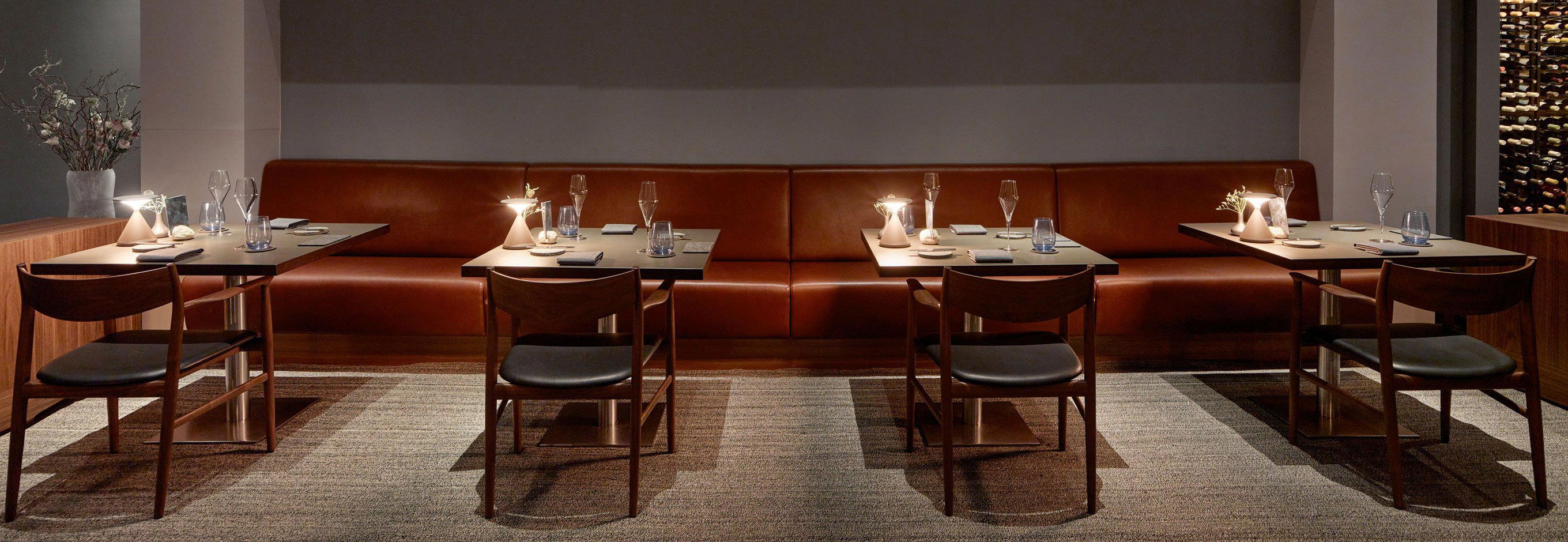
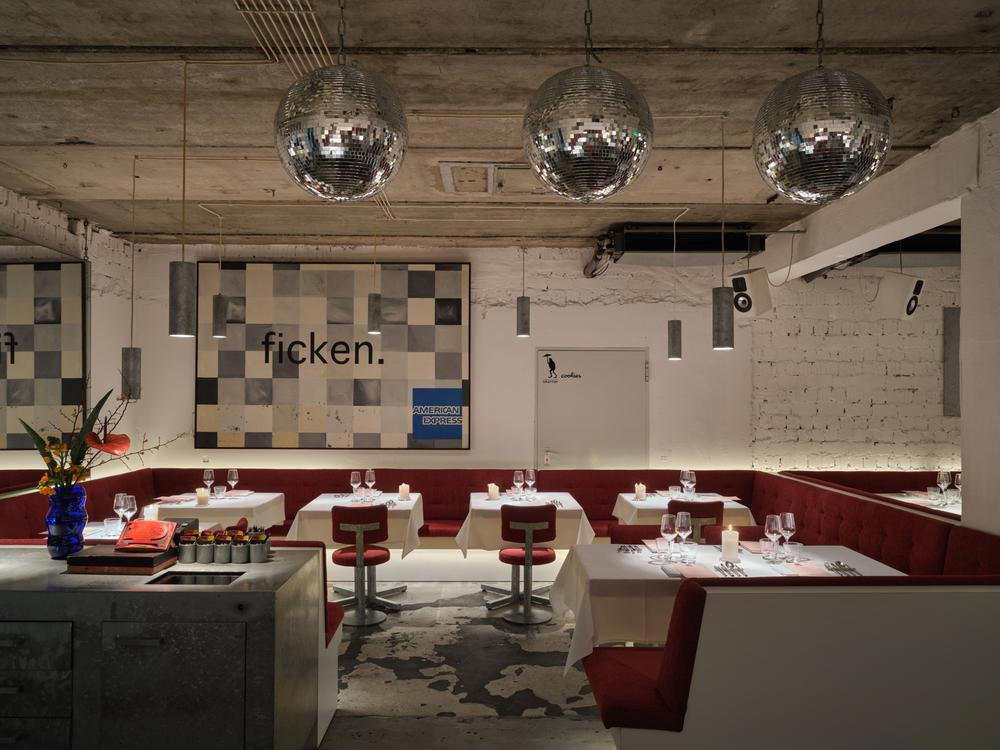
Across the broader Berlin dining scene, interior design decisions have increasingly become positioning tools. Venues like Nobelhart & Schmutzig use a counter-only, deliberately spare format to signal a specific relationship between diner and kitchen. FACIL deploys its greenhouse atrium within the Mandala Hotel to create a room that reads as an escape from the urban grid. Rutz uses a townhouse format across multiple floors, with the tasting menu counter separated from the wine bar below. In each case, the physical arrangement encodes a set of expectations that precede the food. Restauration 1840's name suggests it is working within a different set of spatial references altogether, reaching back to the period when the Restauration format as a social institution was being codified in German-speaking cities.
Situating the Restaurant in Berlin's Current Fine Dining Map
Berlin's upper dining tier has consolidated around a recognisable comparable set. The Michelin-starred restaurants operating in the city span formats from pure tasting-menu counters to more traditionally structured rooms, but the address at Am Zwirngraben positions Restauration 1840 geographically within Mitte rather than in Prenzlauer Berg or Kreuzberg, where many of the city's more recent additions have landed. Mitte, particularly the area between Alexanderplatz and the river, carries a different kind of cultural density: it is where the city's administrative and mercantile history is most legible in the built fabric.
For readers building a broader Germany itinerary, the context extends well beyond Berlin. Michelin-starred dining in Germany spans an unusually wide geographic range, from Aqua in Wolfsburg and JAN in Munich to rural destinations like Schwarzwaldstube in Baiersbronn, Waldhotel Sonnora in Dreis, and ES:SENZ in Grassau. Urban options include Vendôme in Bergisch Gladbach, Victor's Fine Dining by Christian Bau in Perl, Restaurant Haerlin in Hamburg, Schanz in Piesport, and Bagatelle in Trier. What distinguishes the Berlin options within that national picture is the city's particular appetite for restaurants that use their physical spaces and naming conventions to make cultural arguments, not just culinary ones.
Berlin's Broader Creative Dining Scene
Within Berlin itself, the creative dining tier includes several venues with clearly defined formats. CODA Dessert Dining has built a format around dessert-led tasting menus that has attracted consistent international attention. Restaurant Tim Raue operates at the intersection of German fine dining infrastructure and East Asian culinary vocabulary. These are restaurants that have defined their identity through format discipline as much as through the food itself. For readers comparing options in the city, the full Berlin restaurants guide maps the wider field across neighbourhoods and price tiers.
Internationally, readers who follow tasting-menu formats at the highest level will be familiar with reference points like Le Bernardin in New York City and Atomix in New York City, both of which demonstrate how rigorously considered spatial design functions as part of the overall dining proposition, not as decoration.
Planning Your Visit
The address at Am Zwirngraben 8-10 in the 10178 postcode places the restaurant in the eastern part of Mitte, accessible on foot from both Alexanderplatz (S-Bahn and U-Bahn) and Hackescher Markt. The Nikolaiviertel is directly adjacent. For visitors staying in central Berlin, this is a walkable location from most Mitte hotels. The restaurant is recommended for reservations, has a casual dress code, and is open Mon: 10 AM-11 PM; Tue: 10 AM-11 PM; Wed: 10 AM-1 AM; Thu: 10 AM-1 AM; Fri: 10 AM-1 AM; Sat: 10 AM-1 AM; Sun: 10 AM-11 PM.
How Restauration 1840 Compares on Logistics
| Venue | Format | Price Tier | Location |
|---|---|---|---|
| The restaurant | Traditional German Cuisine | €€ | Mitte, Berlin |
| Rutz | Tasting menu + wine bar | €€€€ | Mitte, Berlin |
| Nobelhart & Schmutzig | Counter tasting menu | €€€€ | Kreuzberg, Berlin |
| FACIL | Tasting menu, hotel setting | €€€€ | Mitte, Berlin |
| CODA Dessert Dining | Dessert-led tasting menu | €€€€ | Neukölln, Berlin |
Cuisine and Awards Snapshot
Comparable venues nearby, for context on price, style, and recognition.
| Venue | Cuisine | Price | Notes |
|---|---|---|---|
| Restauration 1840This venue — the venue you are viewing | Traditional German Cuisine | $$ | Not listed |
| Fischer & Lustig | Traditional German Fish & Meat | $$ | Mitte |
| Brauhaus Spandau | Traditional German Brewery | $$ | Spandau |
| Restaurant Hackescher Hof | Modern German Regional | $$ | Mitte |
| All in | German Schnitzel Diner | Not listed | Prenzlauer Berg |
| Schüsseldienst | Modern German Bowls | $$ | Schoneberg |
Continue exploring
More in Berlin
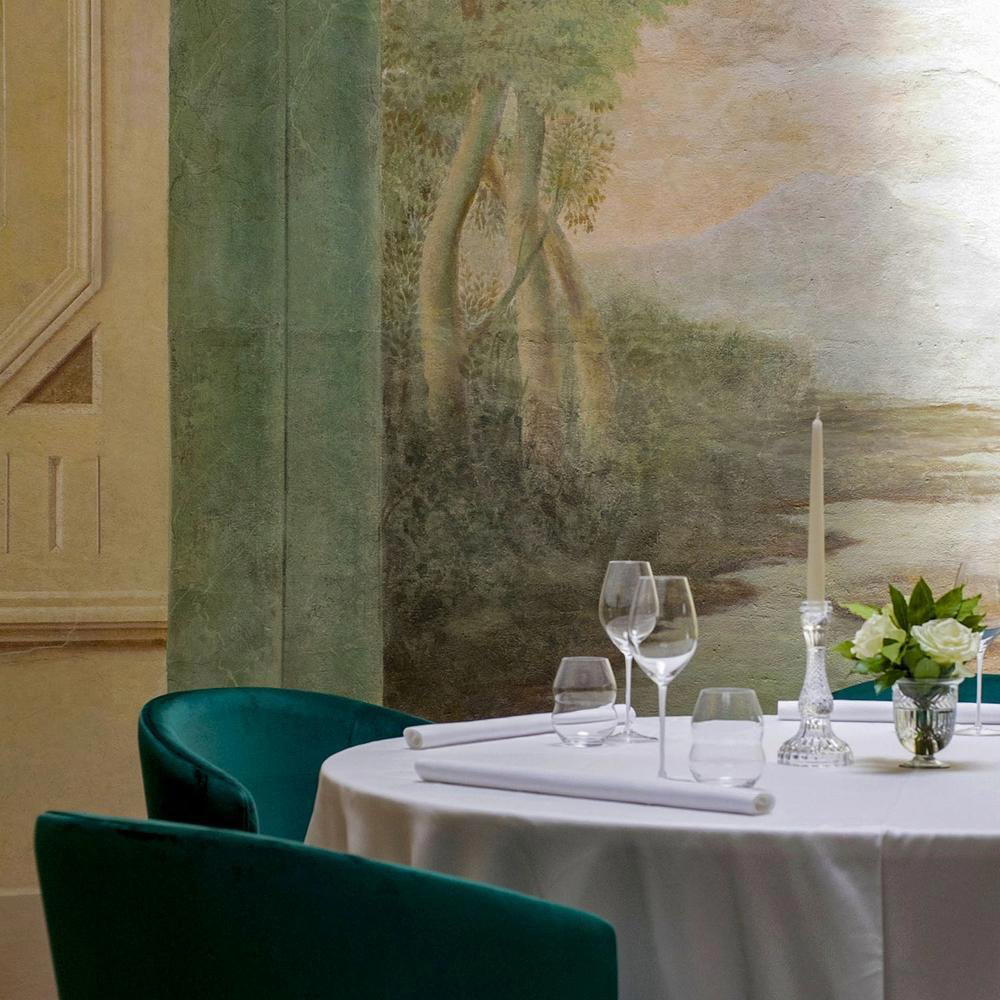
Restaurants in Berlin
Browse all →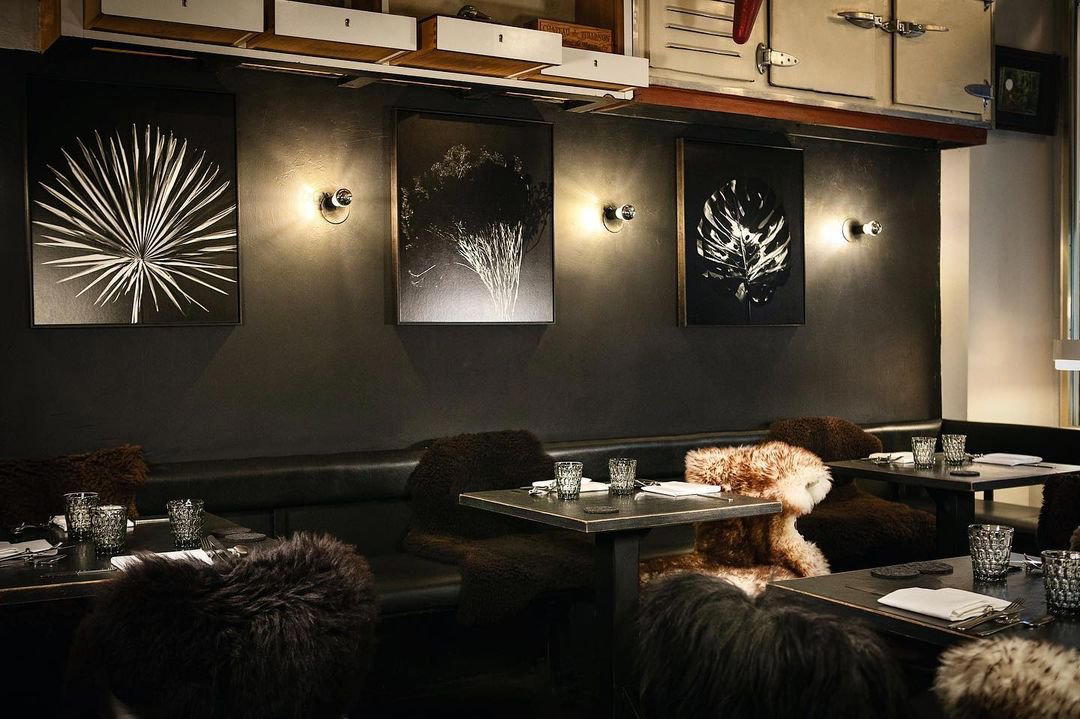
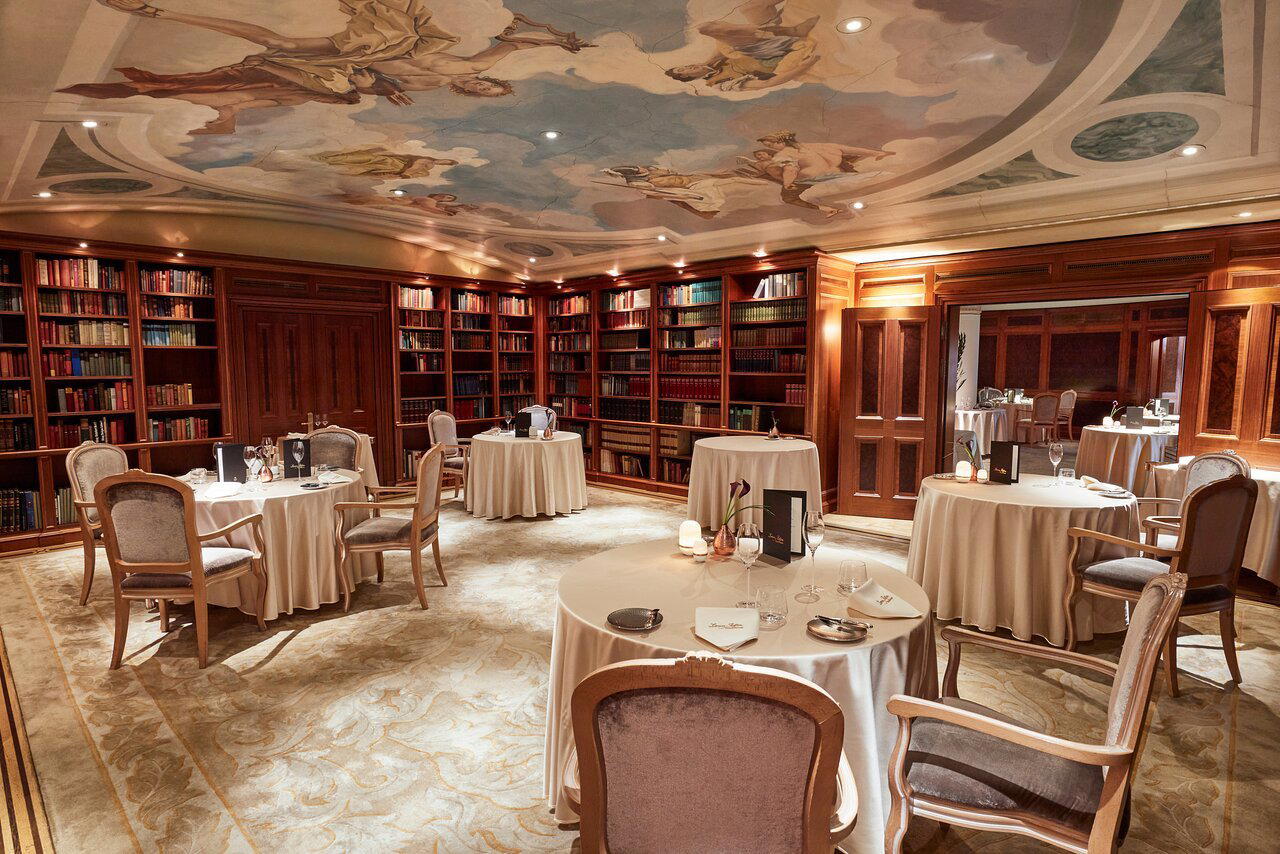
Bars in Berlin
Browse all →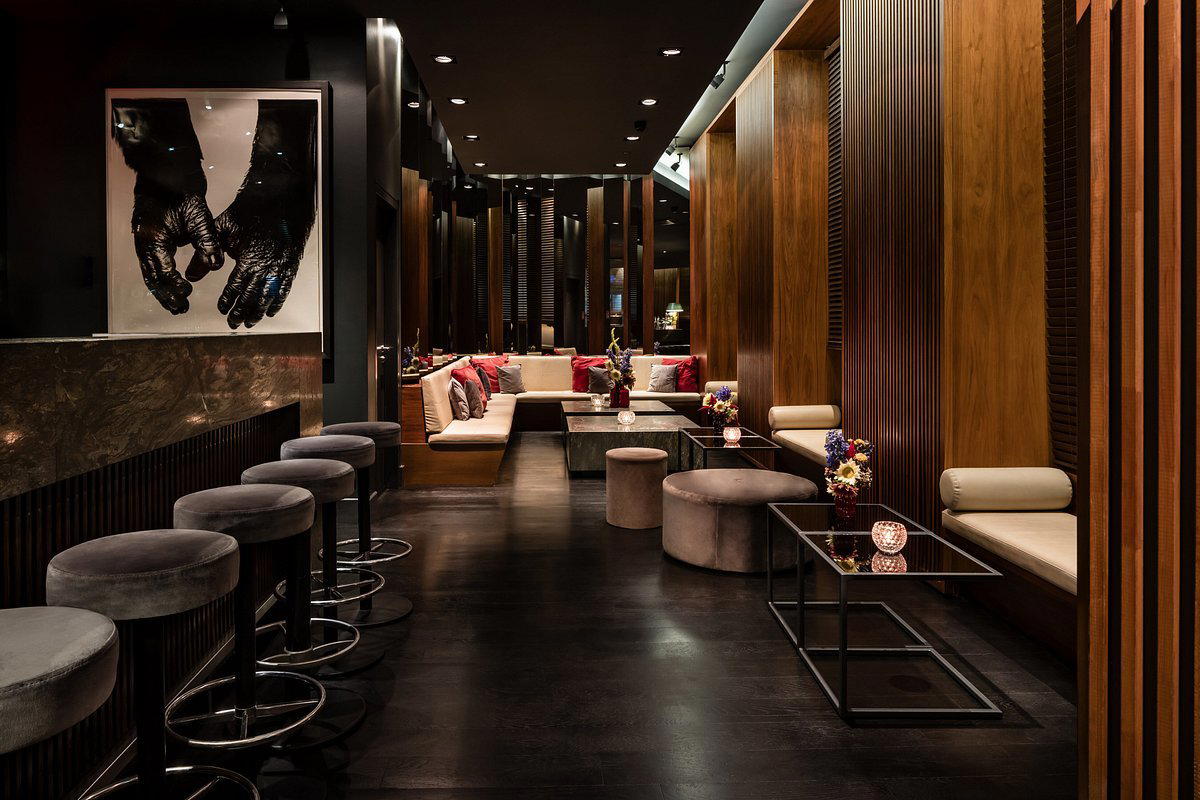
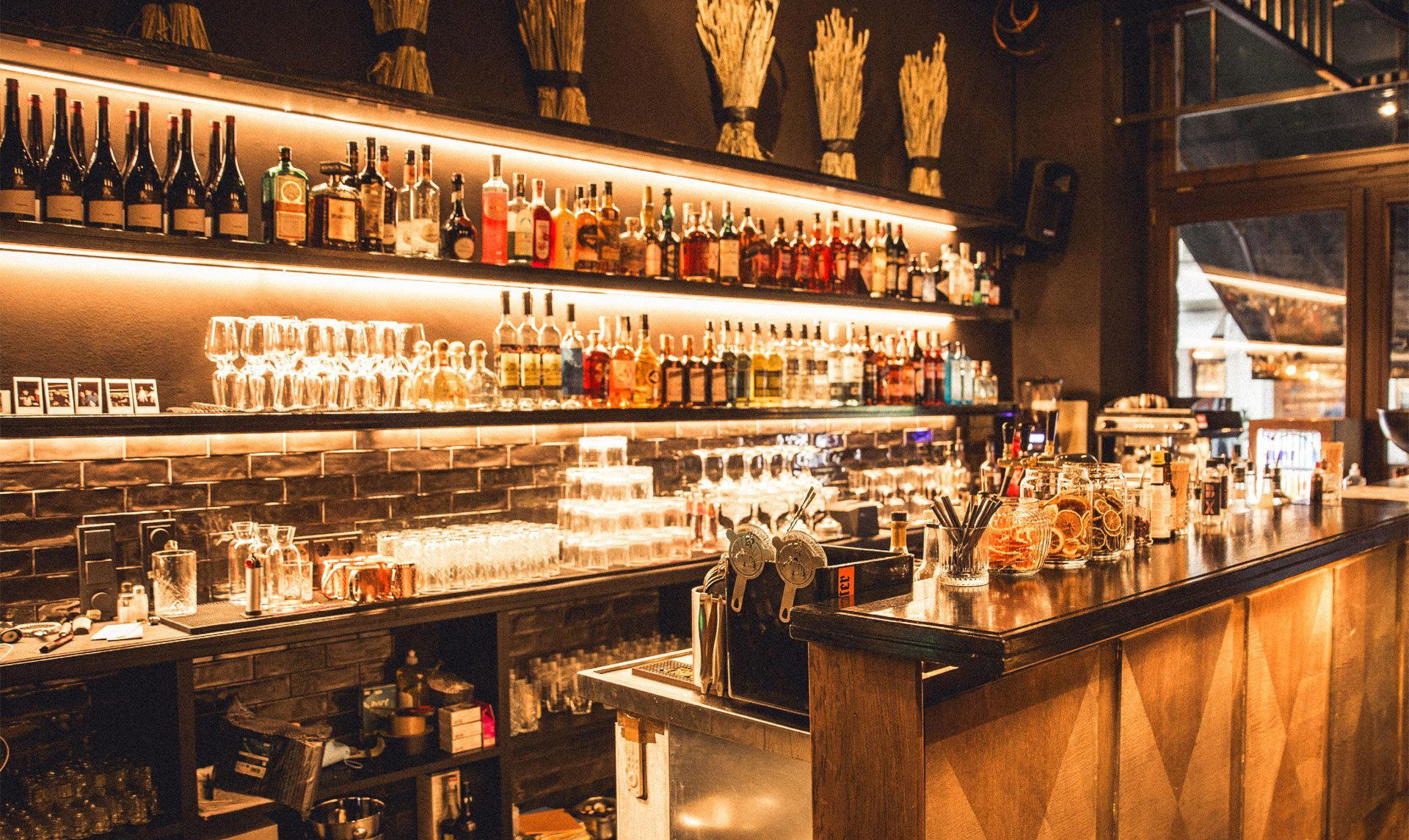
Hotels in Berlin
Browse all →
Wineries in Berlin
Browse all →
At a Glance
- Classic
- Rustic
- Well Known
- Cozy
- Group Dining
- Casual Hangout
- Celebration
- Historic Building
- Live Music
- Terrace
- Beer Program
- Local Sourcing
Current opening hours
- Monday
- 10 AM–11 PM
- Tuesday
- 10 AM–11 PM
- Wednesday
- 10 AM–1 AM
- Thursday
- 10 AM–1 AM
- Friday
- 10 AM–1 AM
- Saturday
- 10 AM–1 AM
- Sunday
- 10 AM–11 PM
Hours can change for holidays and private events. Last verified .
Charming and atmospheric dining room located under the train station arches with a traditional beer hall character; outdoor seating available on the bustling Hackescher Markt square during warmer months.