On the Tiber island between the two halves of ancient Rome, Sora Lella has anchored Roman trattoria cooking since the mid-twentieth century. The address at Via di Ponte Quattro Capi places it on one of the city's most historically loaded stretches, and the kitchen has long drawn both neighbourhood regulars and visitors who want Roman cuisine without the theatre of a tasting menu. Few spots in central Rome make that case as steadily.
Pearl is the En Primeur Club membership app — saves, bookings, and concierge access live there. Same editors, same standards.
- Address
- V. di Ponte Quattro Capi, 16, 00186 Roma RM, Italy
- Phone
- +393966861601
- Website
- trattoriasoralella.it
- Directions
- Get directions
 Saves & bookings on Pearl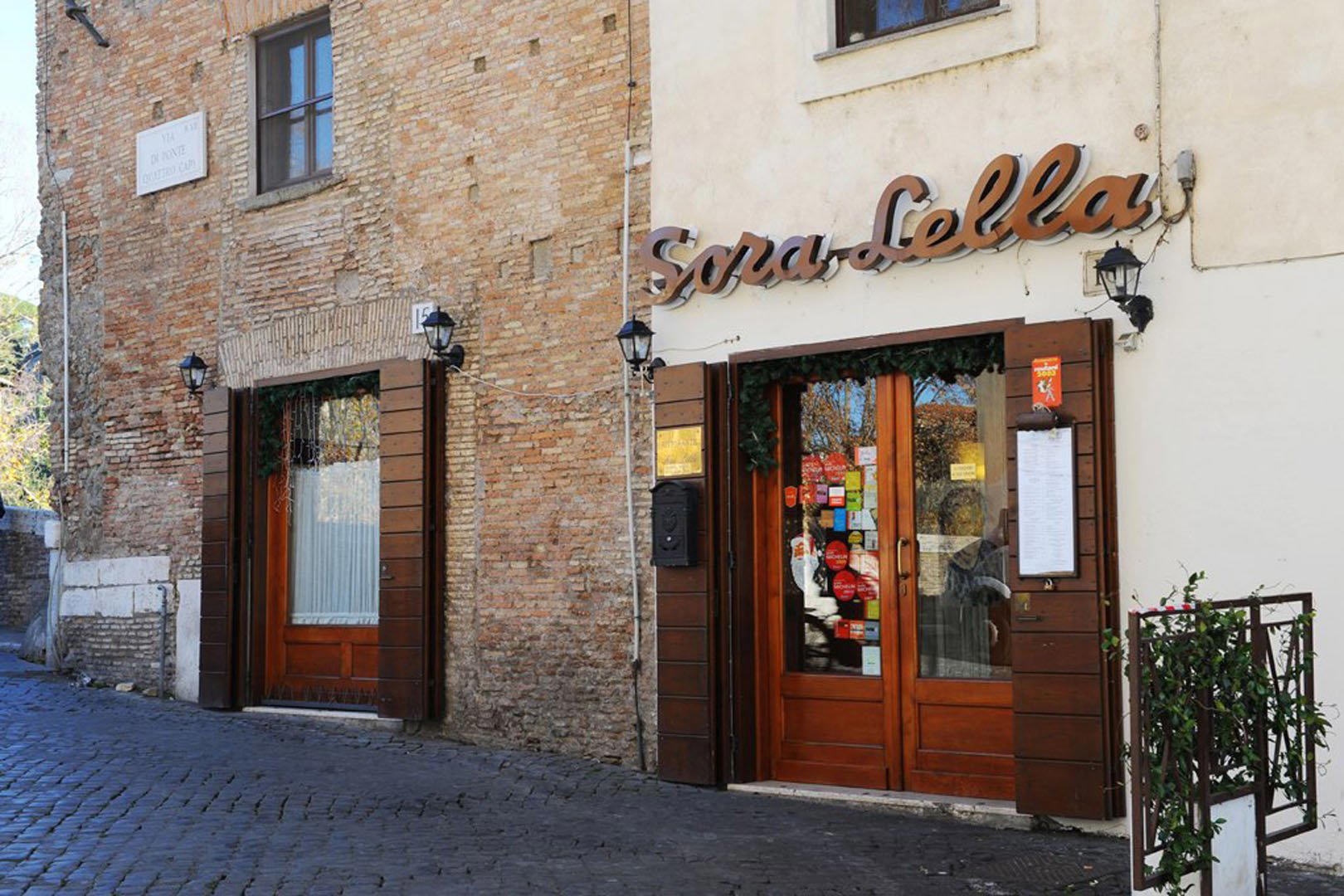
A Bridge Between Old Rome and the Table
Trastevere gets the headlines, the Prati gets the politicians, but the Isola Tiberina — the small island splitting the Tiber between Trastevere and the old Jewish quarter — occupies a category of its own. It is one of the few places in central Rome where the city's layers compress into a single block: ancient foundations, medieval churches, and a working neighbourhood that resisted gentrification longer than most. Via di Ponte Quattro Capi, where Sora Lella sits, runs along the island's edge and connects it to the mainland by one of Rome's oldest bridges. The address itself is an argument about place.
Roman trattoria cooking in this part of the city belongs to a tradition that predates the fine-dining conversation entirely. The cucina romana built around offal, slow-braised meats, pasta dressed simply, and seasonal vegetables from the Campo de' Fiori market a short walk away. In neighbourhoods like this one, that cooking was never nostalgic, it was just how people ate. The question worth asking about any established Roman table is whether it still follows that logic or whether it has drifted toward the kind of crowd-pleasing approximation that fills the tourist end of the market.
Lunch vs. Dinner: Two Different Propositions
In Roman trattoria culture, the divide between midday and evening service runs deeper than atmosphere. Lunch, historically, is the main event: slower, more deliberate, organised around a first course, a second, and the kind of lingering that a working city used to permit. Dinner is lighter in the traditional sense, though the pattern has shifted as Rome absorbed international dining habits over decades.
At an address like Sora Lella, that rhythm matters in practical terms. Lunch service at trattorie of this type tends to draw the neighbourhood alongside visitors, and the kitchen often expresses its most direct cooking midday, with pasta sauces tighter and braised dishes freshest after morning preparation. The early afternoon sun crossing the Tiber and hitting the island's stone walls gives lunch here a particular quality that evening service, however warm, cannot replicate.
Evening at this kind of Roman address shifts toward the ritual of the table as occasion: longer pacing, slightly more deliberate ordering. For visitors with a single visit to allocate, lunch typically offers stronger value in both price ratio and kitchen focus. That said, the island's relative quiet after the day-trip crowds thin out makes a dinner here less frantic than comparable trattorie closer to the Pantheon or Campo de' Fiori.
The Roman Table in Context
Rome's serious dining tier has broadened considerably in recent years. La Pergola anchors the city's Michelin ceiling; Il Pagliaccio and Enoteca La Torre operate the creative Italian tier; Achilli al Parlamento and Acquolina hold their own distinct positions. But the tasting-menu format that defines those rooms has little to do with the Roman trattoria tradition, which has always been about direct cooking, short menus, and the logic of the season rather than the ambition of the chef.
Sora Lella occupies the latter category, a table that competes not against the city's creative restaurants but against a specific comparable set of central-Rome trattatorie that have maintained their identity across decades of tourist pressure. That is a harder assignment than it sounds. The centro storico has seen numerous long-standing trattorie drift toward simplified, higher-margin menus aimed at visitors who will not return. The ones that hold their position do so through kitchen consistency and a local clientele that keeps standards honest.
Across Italy, the restaurants that have kept this kind of cooking credible operate in different registers. Osteria Francescana in Modena and Le Calandre in Rubano work the intellectual end of Italian cuisine; Dal Pescatore in Runate holds the tradition of the family-run institution at the highest tier. Uliassi in Senigallia and Piazza Duomo in Alba demonstrate how regional Italian cooking earns international recognition without abandoning its geography. Sora Lella's proposition is narrower and more local than any of those rooms, but it answers a different question: what does Roman cooking look like when it is not trying to be anything else.
What to Expect at the Table
The Isola Tiberina setting carries practical implications. The island is small, parking is not a realistic option, and one direct approach is on foot from either Trastevere or the Portico d'Ottavia end of the old Jewish quarter, both short walks across the bridge. The neighbourhood quiets quickly after the lunch hour and again by mid-evening, which makes the approach more pleasant than navigating the tourist-dense streets around the Forum or Navona.
Roman trattorie at this level of establishment typically operate without the advance booking window that defines the tasting-menu tier. Walk-in availability is more realistic at weekday lunches than at other times. For weekend lunch or Friday evening, a reservation is the safer call. The room is not large, and seats can fill quickly.
Know Before You Go
- Address: Via di Ponte Quattro Capi, 16, 00186 Roma, Italy
- Getting there: Via di Ponte Quattro Capi, 16, 00186 Roma, Italy
- Booking: Reservations recommended
- Leading time: Midday in spring and autumn, when the Tiber light is at its most direct and the island is quieter than summer peak
- Dress code: Smart casual is appropriate; the room does not require formality but the neighbourhood setting rewards a considered approach
- Context: This is traditional Roman trattoria cooking
Peers Worth Knowing
Comparable venues nearby, for context on price, style, and recognition.
| Venue | Cuisine | Price | Notes |
|---|---|---|---|
| Sora LellaThis venue — the venue you are viewing | Traditional Roman Trattoria | $$$ | Not listed |
| Fungo Rooftop | Italian Seafood Rooftop | $$$ | EUR |
| Contempo | Modern Roman Italian | $$$ | Trastevere |
| Ad Hoc | Refined Roman Truffle Cuisine | $$$ | Campo Marzio |
| Osteria La Gensola | Traditional Roman & Sicilian Seafood | $$$ | Trastevere |
| Romeo Chef & Baker | Modern Italian Bakery & Bistro | $$$ | Ripa |
Continue exploring
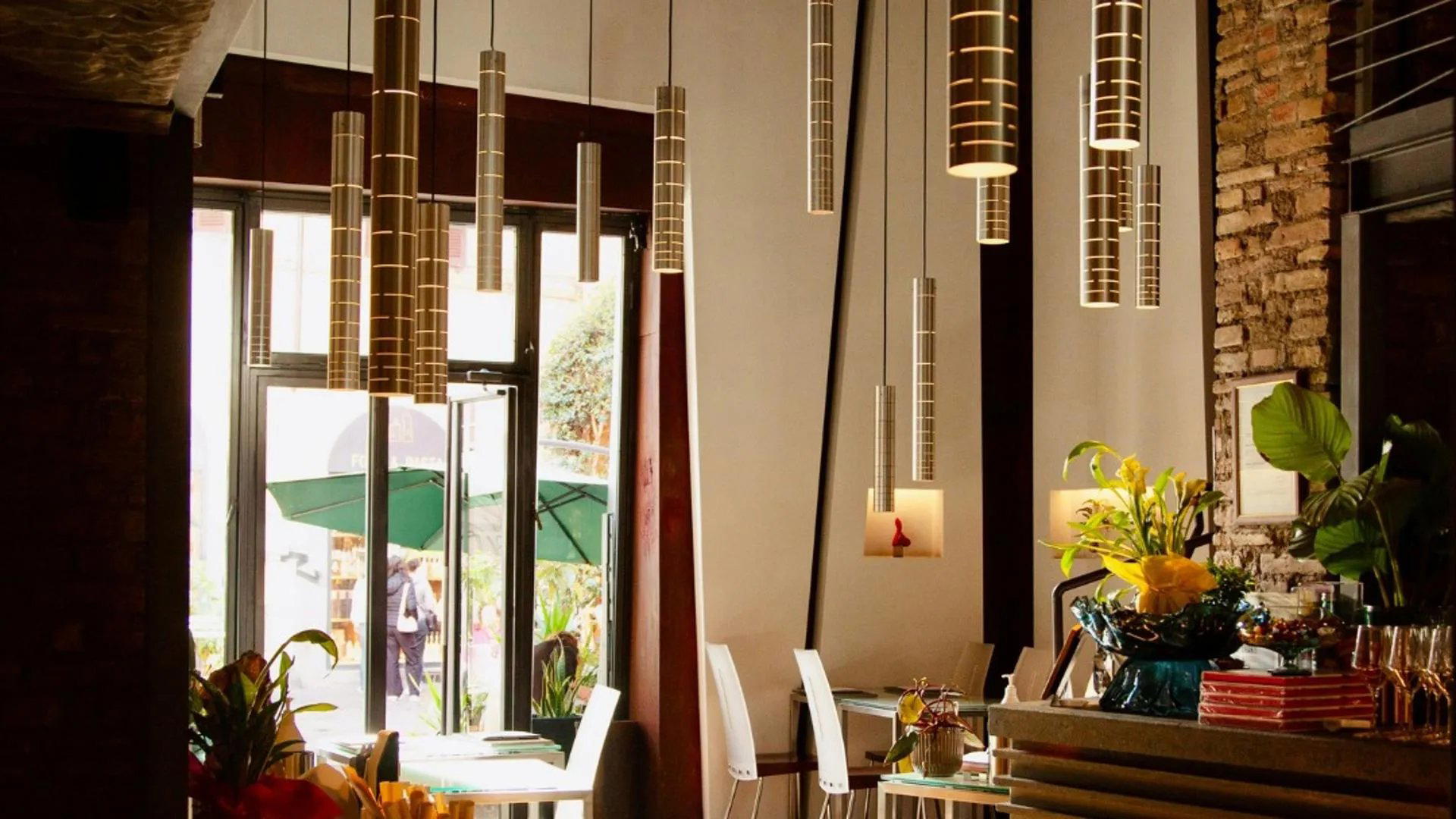
More in Rome
Restaurants in Rome
Browse all →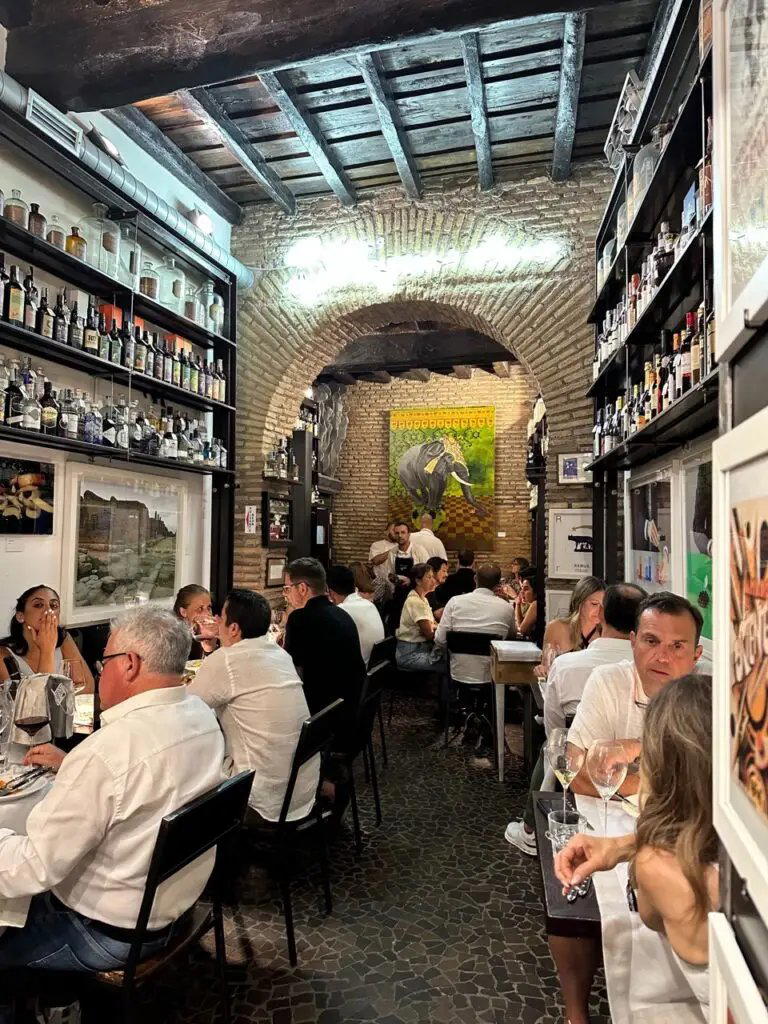
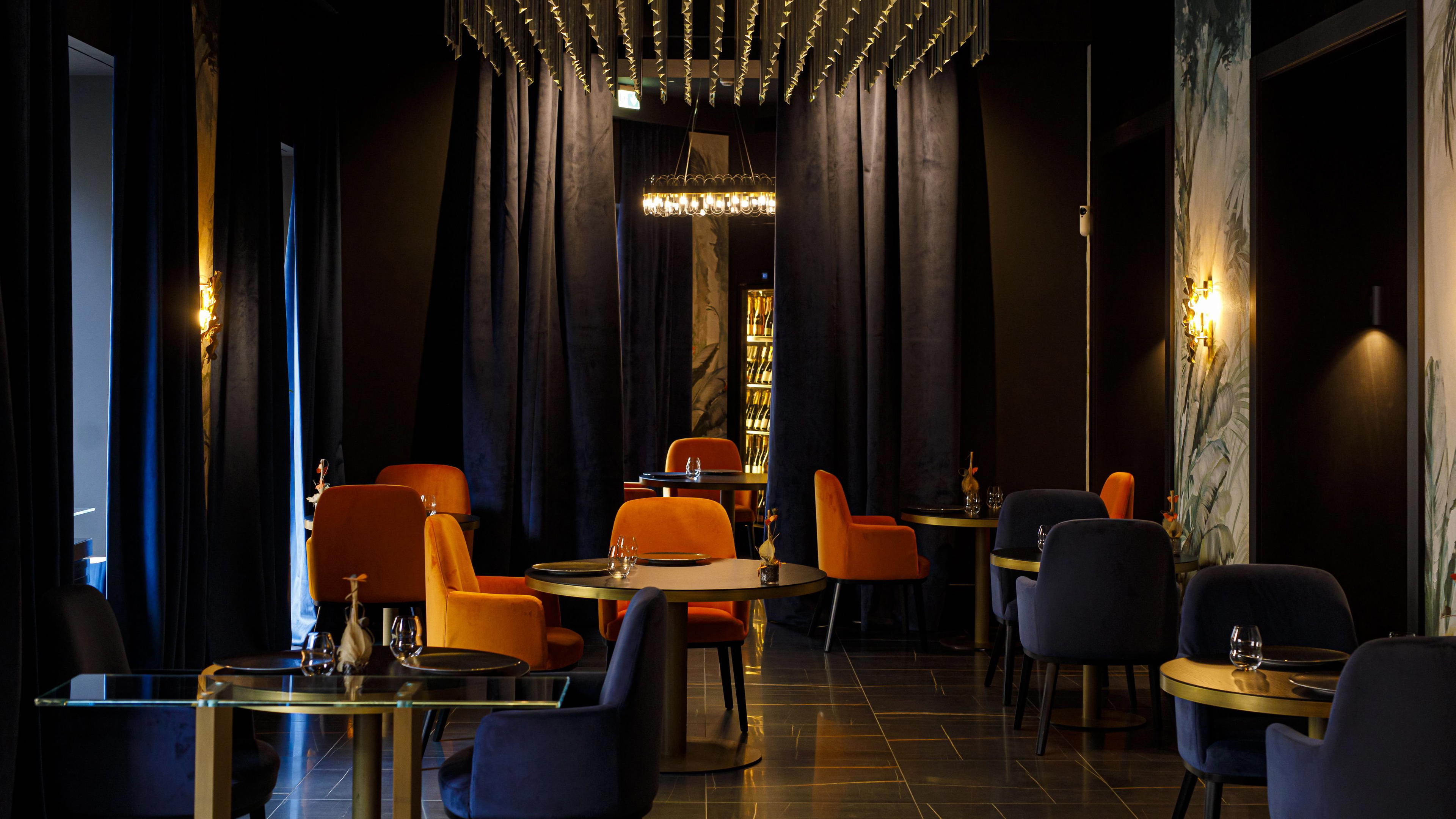
Bars in Rome
Browse all →
Hotels in Rome
Browse all →

At a Glance
- Classic
- Cozy
- Well Known
- Intimate
- Date Night
- Special Occasion
- Historic Building
- Standalone
- Extensive Wine List
- Local Sourcing
- Waterfront
- Street Scene
Current opening hours
- Monday
- 12:30–2:30 PM, 7:30–10:50 PM
- Tuesday
- 12:30–2:30 PM, 7:30–10:50 PM
- Wednesday
- 12:30–2:30 PM, 7:30–10:50 PM
- Thursday
- 12:30–2:30 PM, 7:30–10:50 PM
- Friday
- 12:30–2:30 PM, 7:30–10:50 PM
- Saturday
- 12:30–2:30 PM, 7:30–10:50 PM
- Sunday
- Closed
Hours can change for holidays and private events. Last verified .
Enveloping informal atmosphere with romantic lighting, small dining room, and a noisy, lively vibe evoking the Eternal City.