Our verdict
Few addresses in Rome carry the social weight of Dal Bolognese on Piazza del Popolo. For decades, this has been the city's most legible crossroads between serious Emilian pasta cooking and the kind of room where deals get made over tagliatelle. It sits in a different competitive tier from the capital's contemporary tasting-menu circuit, and that distinction is the point.

Pearl is the En Primeur Club membership app — saves, bookings, and concierge access live there. Same editors, same standards.

The menu
What to order
- Tagliatelle alla Bolognese
- Tortellini Bolognesi
- Lasagna Verde alla Bolognese
The Piazza as Context
Piazza del Popolo is one of Rome's most formally composed public spaces: twin baroque churches framing the southern entrance, the Egyptian obelisk at centre, the Pincian Hill rising to the east. The restaurants that have survived on this square over the decades have done so not merely on food alone but on the ability to hold a room that draws politicians, journalists, film industry figures, and the kind of Romans who treat lunch as a working institution. Dal Bolognese has occupied this position at Piazza del Popolo, 1 for long enough that the address has become inseparable from the restaurant's identity, and vice versa.
That kind of civic permanence is increasingly rare in European dining. Rome's restaurant scene has shifted considerably in the past decade, with a tier of creative and contemporary Italian kitchens pulling critical attention toward tasting menus and modern technique. Venues like Il Pagliaccio and Acquolina operate in that forward-facing register, as do Enoteca La Torre and Achilli al Parlamento. Dal Bolognese occupies a different position entirely: a restaurant whose longevity is itself the credential, and whose loyalty to the Emilian canon is a deliberate editorial choice rather than a failure of imagination.
Emilian Cooking in a Roman Setting
Bologna's culinary tradition travels poorly, not because the food is difficult to replicate technically, but because its authority depends on precision with a narrow set of preparations. Tagliatelle al ragù, tortellini in brodo, lasagne verde: these dishes have almost no margin for variation before they become something else entirely. The Bolognese kitchen is, by design, a conservative one, and the restaurants that carry it credibly outside Emilia-Romagna are fewer than the tourist menus across Italy would suggest.
That conservatism is worth understanding as a positive constraint. Where Rome's contemporary Italian kitchens draw on broader Italian regionalism or international technique, the Emilian-focused table operates within a tighter frame. The comparison set for a restaurant like Dal Bolognese is less La Pergola and more the great regional Italian houses that have built reputations on depth within a tradition: Dal Pescatore in Runate, Quattro Passi in Marina del Cantone, or the kind of institution-scale cooking found at Uliassi in Senigallia. The ambition is different in kind, not in seriousness.
Against Italy's broader high-end dining conversation, which includes the technical ambition of Osteria Francescana in Modena, the precision of Le Calandre in Rubano, or the ingredient-led philosophy of Piazza Duomo in Alba, Dal Bolognese represents the case for staying within the received tradition. That case is strongest when the cooking is as faithful as the setting demands.
The Booking Reality
This is where the editorial angle sharpens. Dal Bolognese is not a restaurant you book because a travel algorithm surfaced it. It is a restaurant you book because someone who knows Rome told you about it, or because you have been before and understand what you are returning to. The planning logic is different from that of a tasting-menu destination.
Securing a table here, particularly at lunch on a weekday when the political and media crowd converges, requires lead time and, ideally, some familiarity with the house. The piazza setting means the terrace is a premium in warmer months, and the interior fills on its own terms regardless of season. For international visitors, the booking window for prime lunch slots operates similarly to the better-known fine dining rooms in Rome, even though the format and price register differ. Contacting the restaurant directly and specifying the occasion is advisable; walk-in attempts at peak service are unlikely to produce a table.
The contrast with purely reservation-platform-driven rooms like some of the newer creative Italian addresses is instructive. A restaurant built on decades of local loyalty and a fixed social function operates on relationship capital as much as algorithmic availability. That is not an obstacle for the informed visitor; it is a signal about the nature of the place.
For those planning a broader Italian dining itinerary, it is worth noting that the institutional-classic model Dal Bolognese represents has equivalents at different price points across the country. Enoteca Pinchiorri in Florence and Enrico Bartolini in Milan both hold long-established positions in their respective cities, albeit in more technically ambitious registers. The through-line is the same: knowing why a room has lasted is part of knowing how to read the meal.
Outside Italy, the planning discipline required for a serious institutional table finds parallels in restaurants like Le Bernardin in New York City or the reservation-intensive format of Lazy Bear in San Francisco, though the cultural logic behind each is distinct. Dal Bolognese's claim is rooted in a specific Roman social function rather than tasting-menu scarcity. Reale in Castel di Sangro and Atelier Moessmer Norbert Niederkofler in Brunico demonstrate how Italian kitchens can operate with serious intent at geographic remove from the capital; Dal Bolognese makes the inverse argument, that the capital itself can sustain a kitchen of regional specificity. For a broader survey of where it fits among Rome's tables, see our full Rome restaurants guide.
What to Know Before Arriving
Know Before You Go
- Address: Piazza del Popolo, 1, 00187 Roma RM, Italy
- Setting: Ground-floor dining room with terrace facing Piazza del Popolo; terrace access is seasonal and fills quickly
- Booking: Contact the restaurant directly; reservation platform availability is limited for prime slots
- Leading timing: Weekday lunch is the historically dominant service; evenings are generally quieter and more accessible for visitors
- Dress: Smart casual is the minimum — the room's social character rewards dressing up slightly more than you think necessary
- Getting there: Flaminio metro station (Line A) exits directly onto Piazza del Popolo, making this one of the more accessible addresses among Rome's serious restaurants
Frequently asked questions
How do I find Dal Bolognese?
Dal Bolognese is located at Piazza del Popolo, 1, 00187 Roma RM, Italy, Rome.
Is Dal Bolognese the right choice for a long lunch in Rome?
It is one of the more coherent cases for a long Roman lunch: the Piazza del Popolo setting, Emilian pasta anchoring the menu, and a clientele that treats the midday meal as a proper sitting rather than a tourist interval. The format suits anyone who wants a room with a traceable identity rather than a concept that could exist in any city. Booking ahead for lunch is advisable given how the regulars use it.
What should I order at Dal Bolognese?
The pasta course is the kitchen's core argument. Tagliatelle al ragù and tortellini are the reference points for Emilian cooking in Rome, and ordering anything else before you've worked through those is misreading the menu. Dal Bolognese's address on Piazza del Popolo is part of the occasion, but the pasta is why the room has the regulars it does.
Do they take walk-ins at Dal Bolognese?
Walk-ins are possible but unreliable, particularly at weekday lunch when the dining room draws its established Roman clientele. Rome's better-known trattorias absorb tourist traffic more readily; Dal Bolognese on Piazza del Popolo operates closer to a reservation-first rhythm. Booking ahead is the practical default if the meal matters.
What's the standout thing about Dal Bolognese?
The address combined with the specificity of what it serves. A restaurant holding a position on Piazza del Popolo — one of Rome's most formally composed public spaces — while maintaining a focused Emilian identity rather than drifting into generic Roman or pan-Italian cooking is a harder proposition to sustain than it looks. That consistency over decades is the credential.
How does Dal Bolognese handle allergies?
Emilian pasta cookery is structurally wheat-dependent, so anyone with gluten requirements should check the venue's official channels before booking rather than assuming flexibility on arrival. The direct approach — reaching out ahead of time to confirm what the kitchen can accommodate — is the most reliable path for any specific dietary need.
Is Dal Bolognese good value for money?
Value depends on the comparison set. Against Rome's contemporary tasting-menu tier, Dal Bolognese sits at a different price register with no tasting-menu surcharge and no theatrical presentation costs built in. What you are paying for is a specific address on Piazza del Popolo, Emilian pasta cooked to a consistent standard, and a room with genuine social history in the city.
The Short List
Comparable venues nearby, for context on price, style, and recognition.
| Venue | Cuisine | Price | Notes |
|---|---|---|---|
| Dal BologneseThis venue — the venue you are viewing | Traditional Emilian | $50–100 | Not listed |
| Beppe and His Cheeses | Italian Cheese & Wine Bar | Not listed | Regola, Italian Cheese & Wine Bar |
| Osteria La Gensola | Traditional Roman & Sicilian Seafood | $50–100 | Trastevere, Traditional Roman & Sicilian Seafood |
| Pianostrada | Modern Italian Street Food & Small Plates | $30–50 | Trastevere, Modern Italian Street Food & Small Plates |
| Anima Ristorante Roma | Modern Italian - Roman & Neapolitan | $50–100 | Sallustiano, Modern Italian - Roman & Neapolitan |
Continue exploring
More in Rome
Restaurants in Rome
All restaurants in Rome →
Bars in Rome
All bars in Rome →

Dal Bolognese
The wine
- Wine program
- Curated wine list
- Extensive wine list
Details
- Elegant
- Classic
- Well Known
- Sophisticated
- Special Occasion
- Business Dinner
- Terrace
- Historic Building
- Extensive Wine List
- Street Scene
- A La Carte
- Vegetarian Friendly
- Gluten Free Options
Current opening hours
- Monday
- 12:45–3 PM, 7:45–11 PM
- Tuesday
- 12:45–3 PM, 7:45–11 PM
- Wednesday
- 12:45–3 PM, 7:45–11 PM
- Thursday
- 12:45–3 PM, 7:45–11 PM
- Friday
- 12:45–3 PM, 7:45–11 PM
- Saturday
- 12:45–3 PM, 7:45–11 PM
- Sunday
- 12:45–3 PM, 7:45–11 PM
Hours can change for holidays and private events. Last verified .
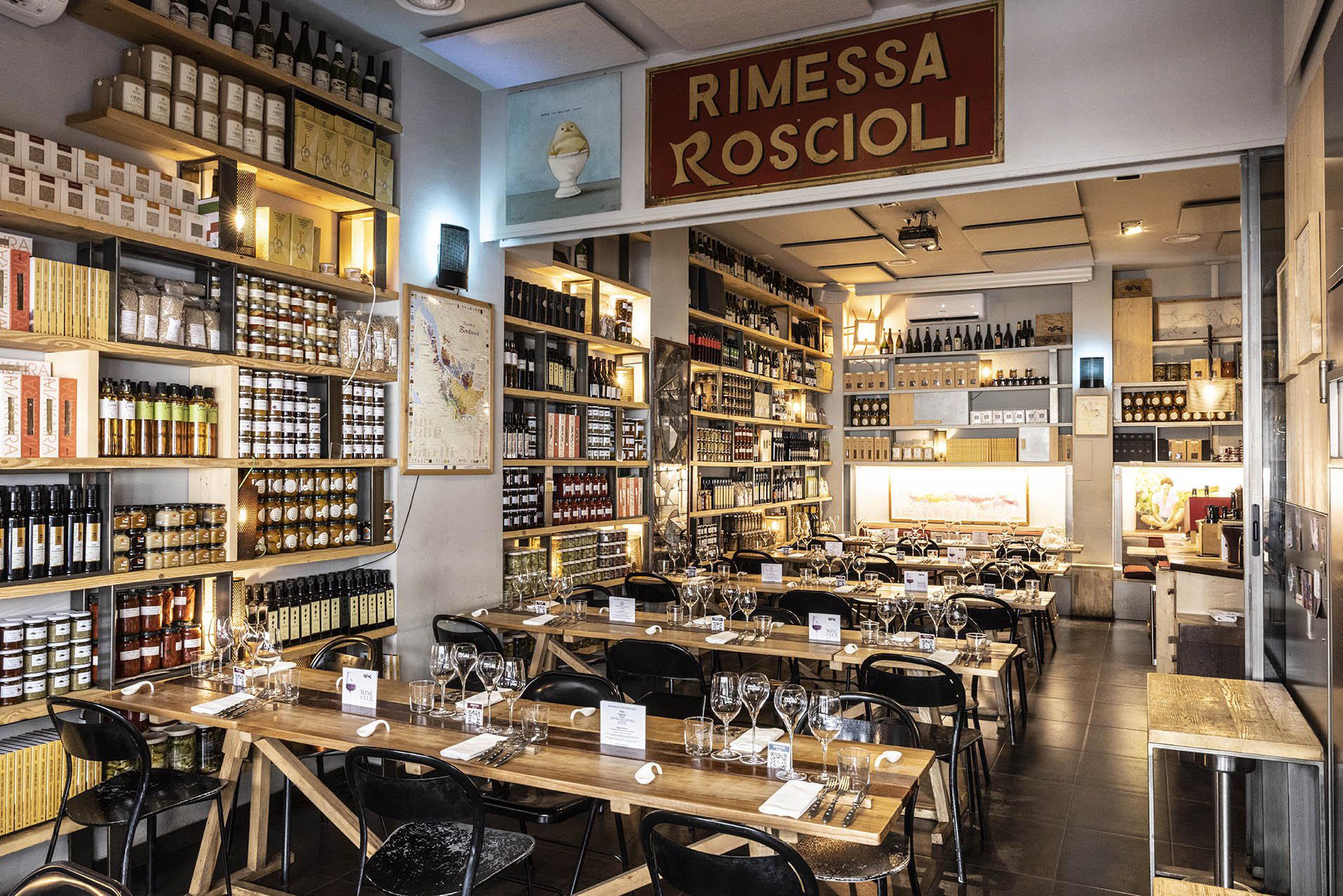
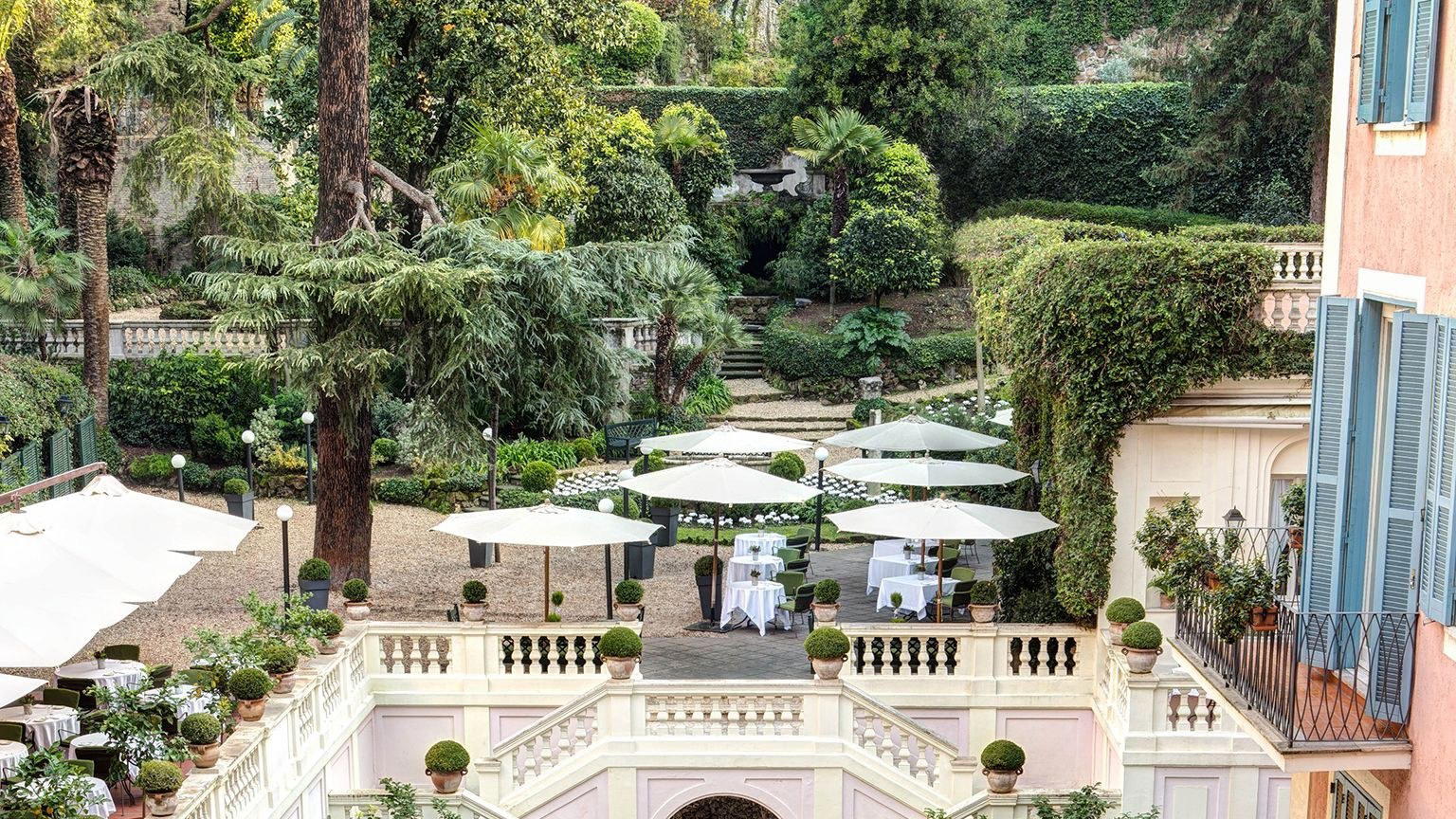
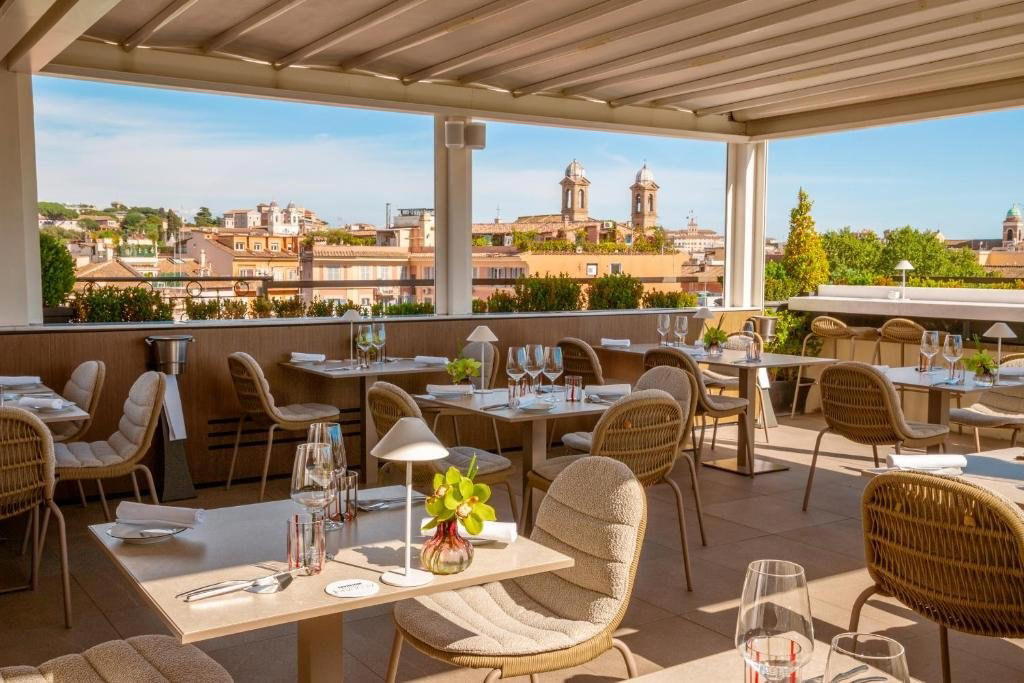
Elegant yet cosy atmosphere, refined and welcoming with terrace overlooking the historic square.