Michelin Plate
Our verdict
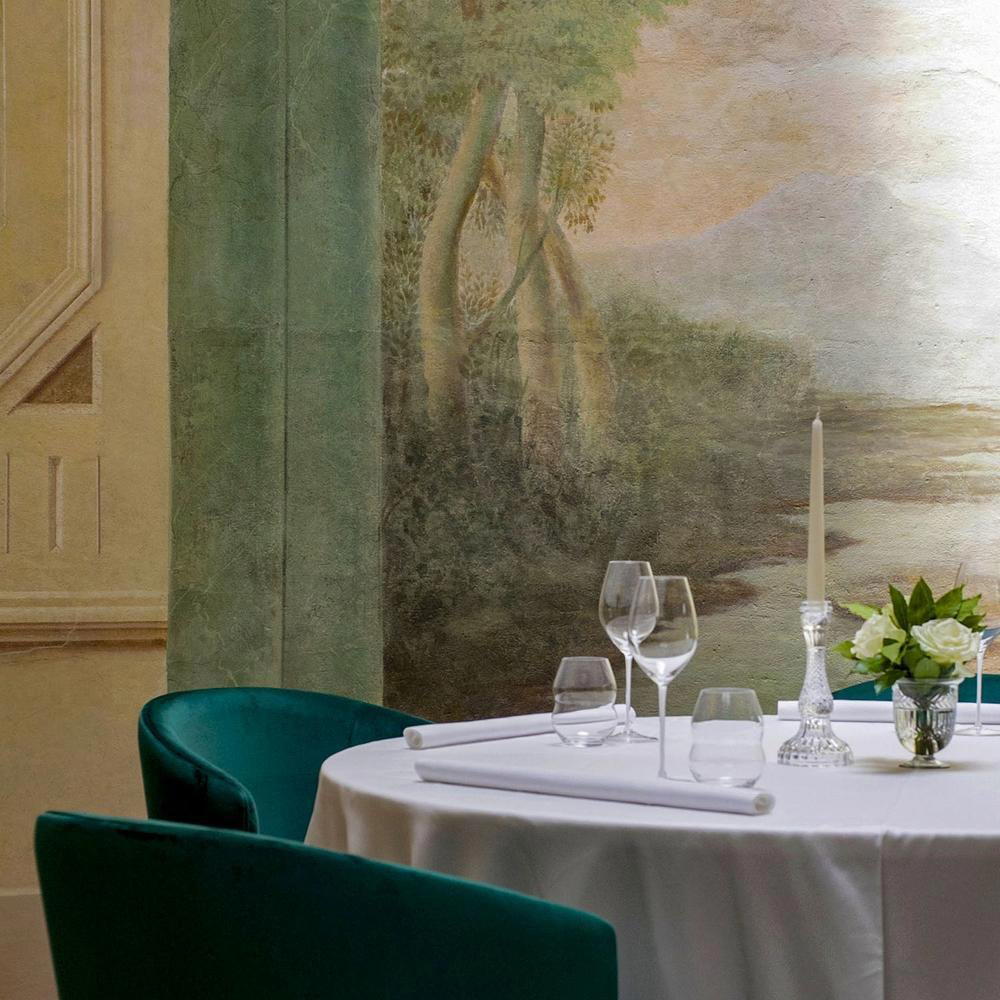
In Trastevere's Porta Portese quarter, Osteria Fernanda runs on a two-partner model that divides responsibility sharply: one managing a spare, minimalist dining room; the other directing a kitchen that applies creative technique to locally sourced ingredients. The result holds a Michelin Plate for 2024 and 2025, and an Opinionated About Dining recommendation, placing it firmly among Rome's serious mid-tier creative addresses.

Pearl is the En Primeur Club membership app, where members save venues, book tables and use the concierge.
The menu
What to order
- Spaghetti with burnt eggplant and red shrimp
- Pigeon with hazelnuts
- Buttons pasta with egg yolk and truffle
- Peppered mussels
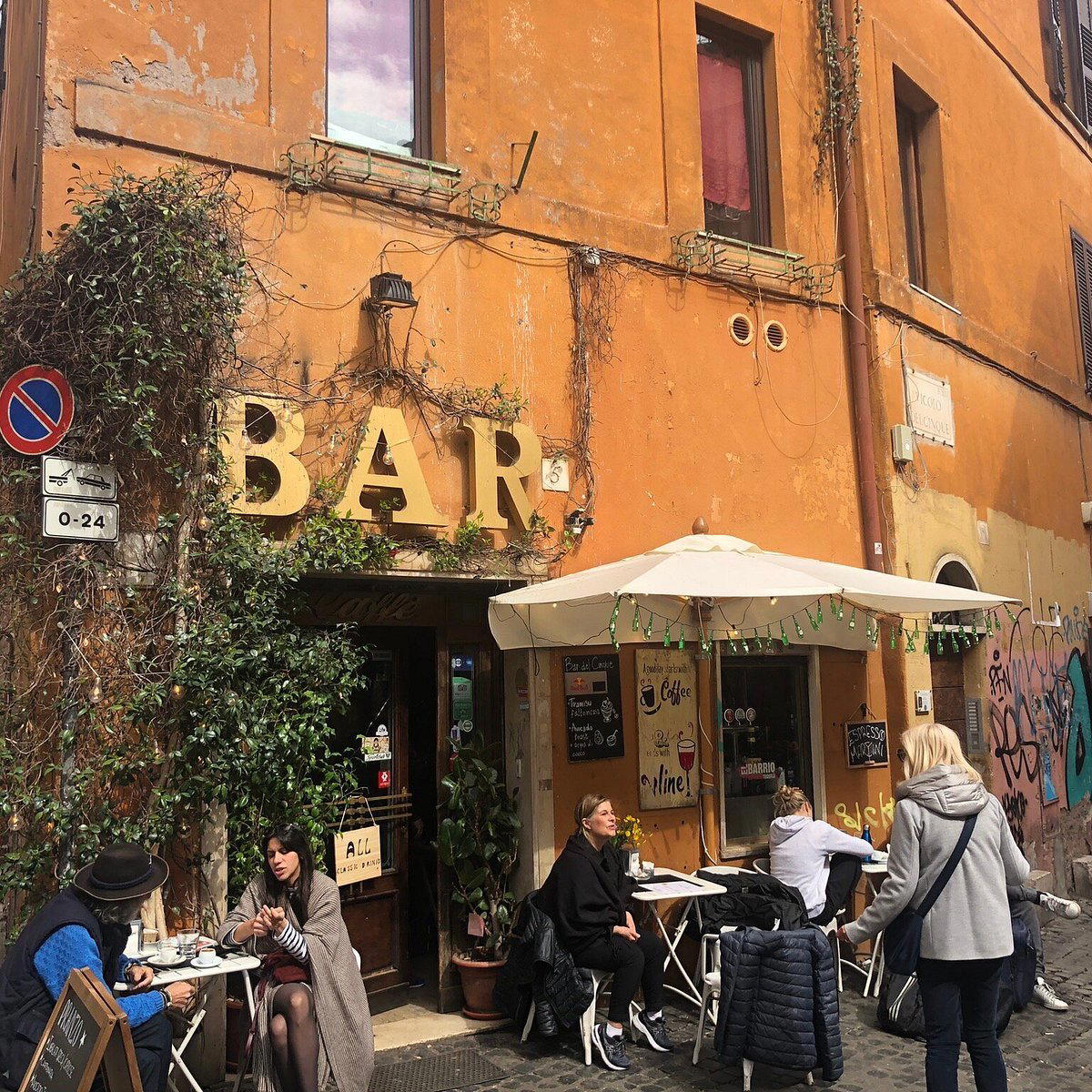
The Trastevere neighbourhood that borders the Porta Portese flea market has always operated at a different register from the tourist-facing restaurants clustered around the Tiber's more photographed bends. The streets here are quieter, the foot traffic less curated, and the buildings carry the scuffed dignity of a working Roman district. Arriving on Via Crescenzo del Monte in the evening, before the dinner service fills the room, gives you the unadorned version of what the neighbourhood actually is: residential, unhurried, and largely indifferent to the pressure of performing Rome for outsiders.
That context matters for understanding what Osteria Fernanda is doing, and why its model has attracted sustained critical attention. The restaurant holds a Michelin Plate for both 2024 and 2025, and appears on the Opinionated About Dining Casual in Europe recommended list for 2023. These are not the credentials of a destination restaurant chasing a star at maximum intensity; they signal a kitchen operating at a level of deliberate seriousness without the full theatrical apparatus of Rome's top-tier creative addresses. For comparison, Il Pagliaccio and Enoteca La Torre operate at the €€€€ tier with multi-star Michelin recognition. Osteria Fernanda sits at €€€, a price point that places it in a more accessible bracket while the kitchen output reads several tiers above the neighbourhood trattoria category.
A Room Built Around Division of Labour
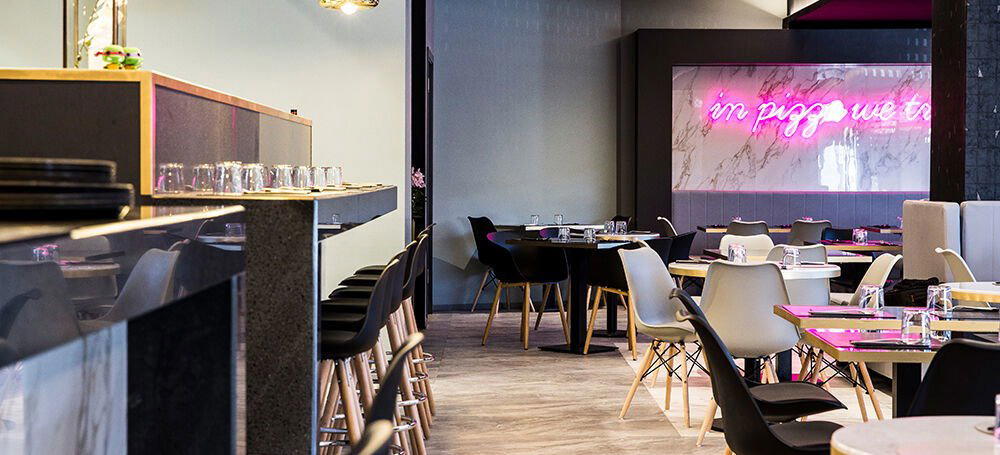
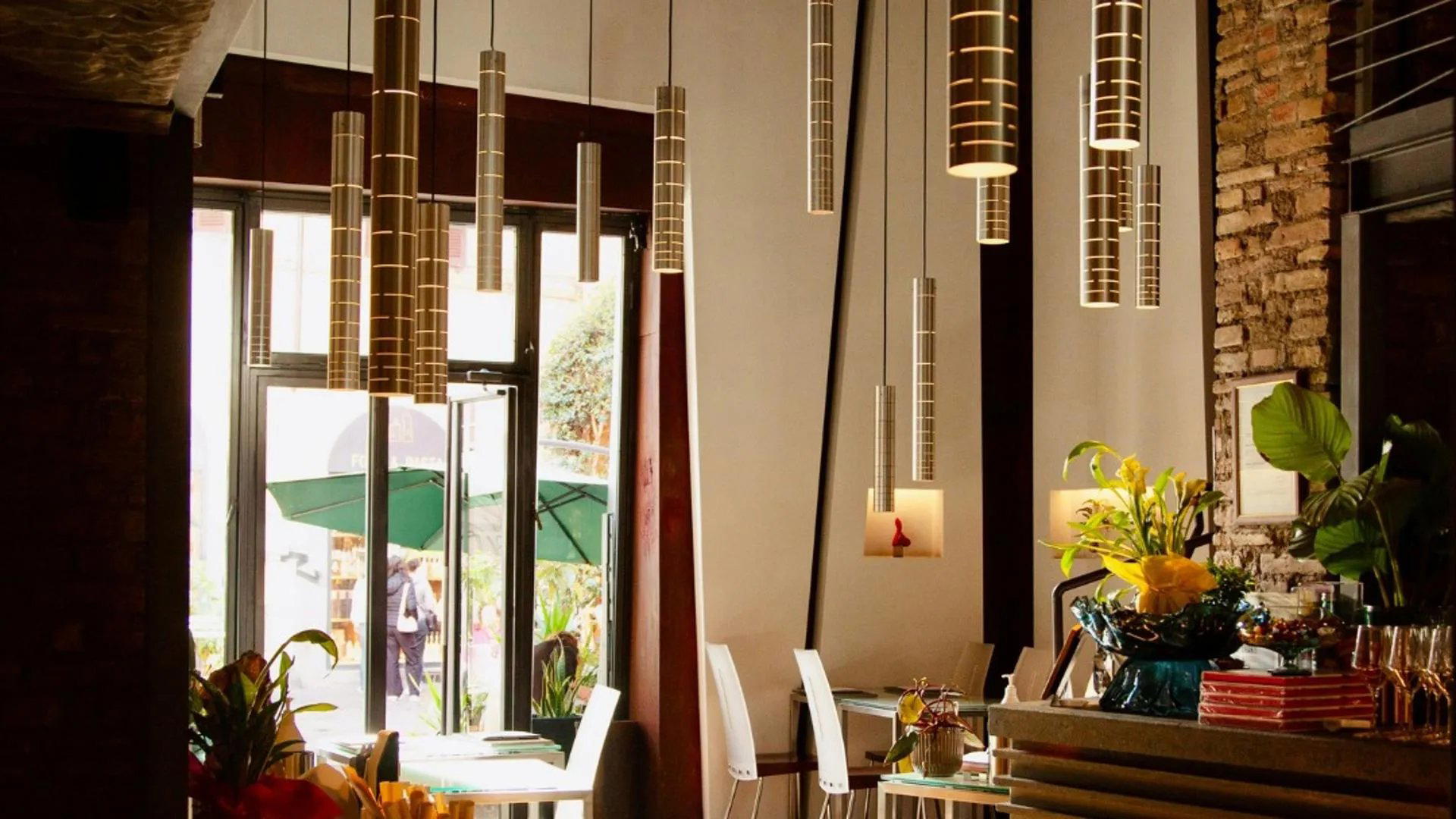
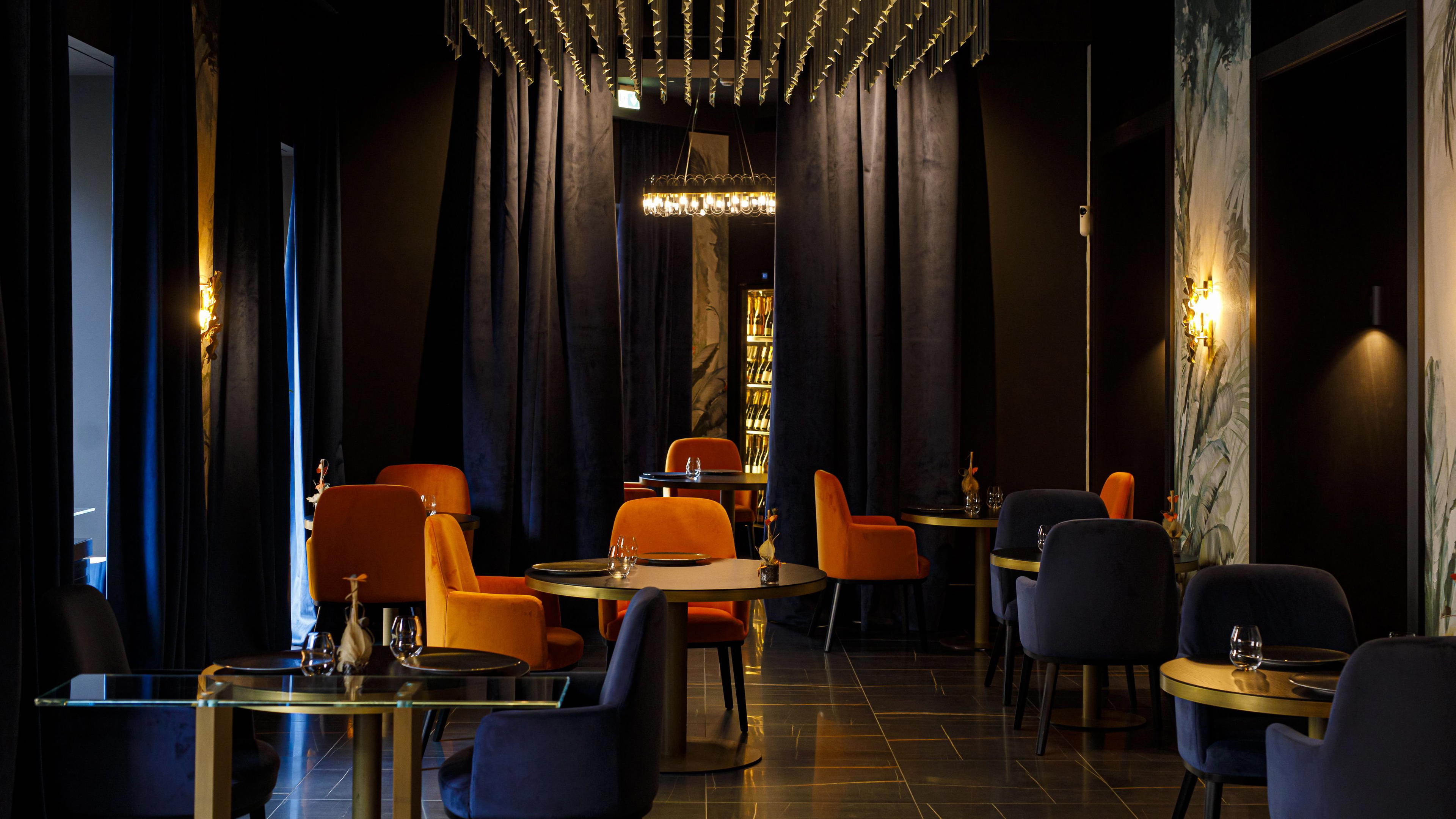
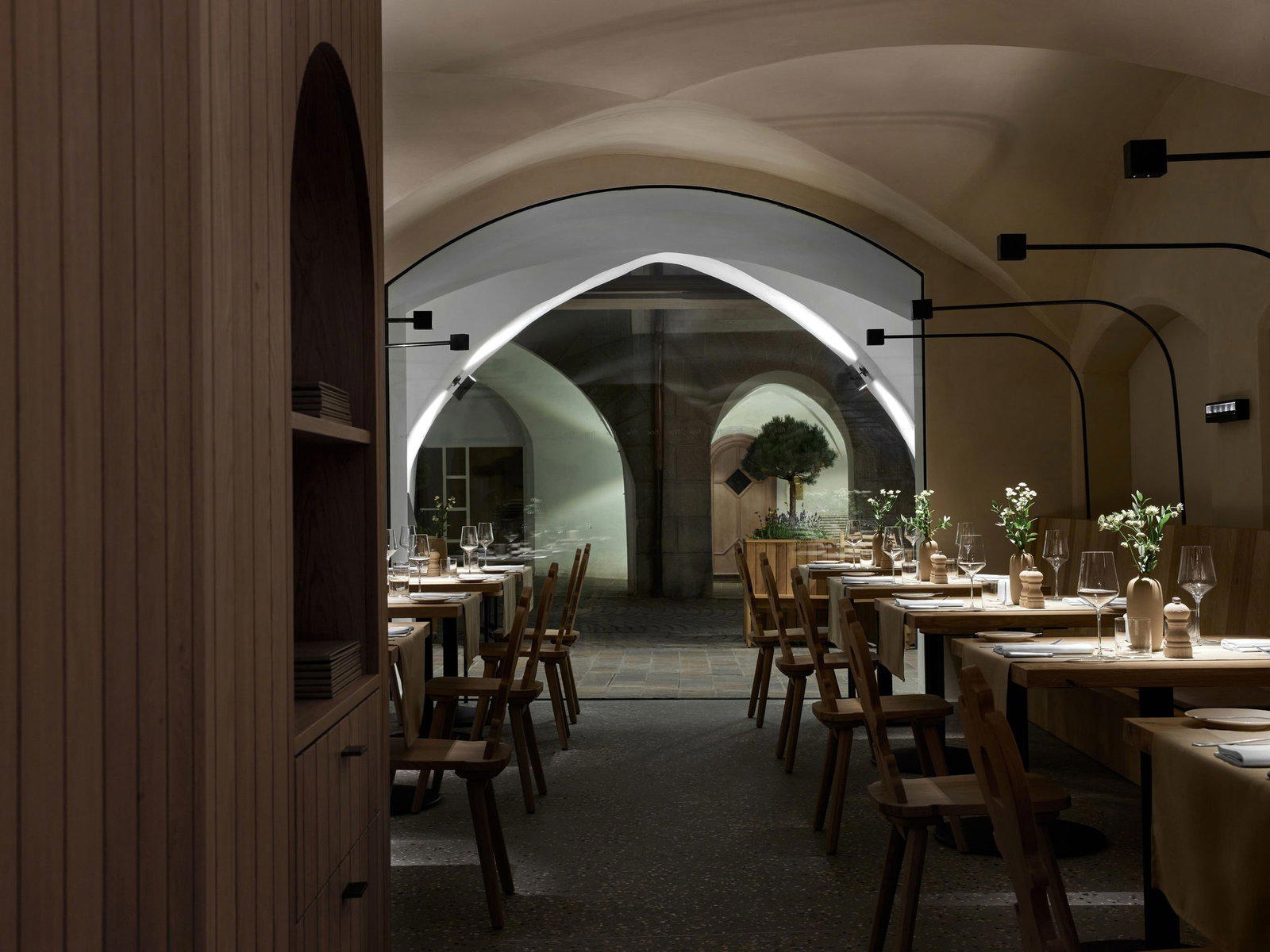
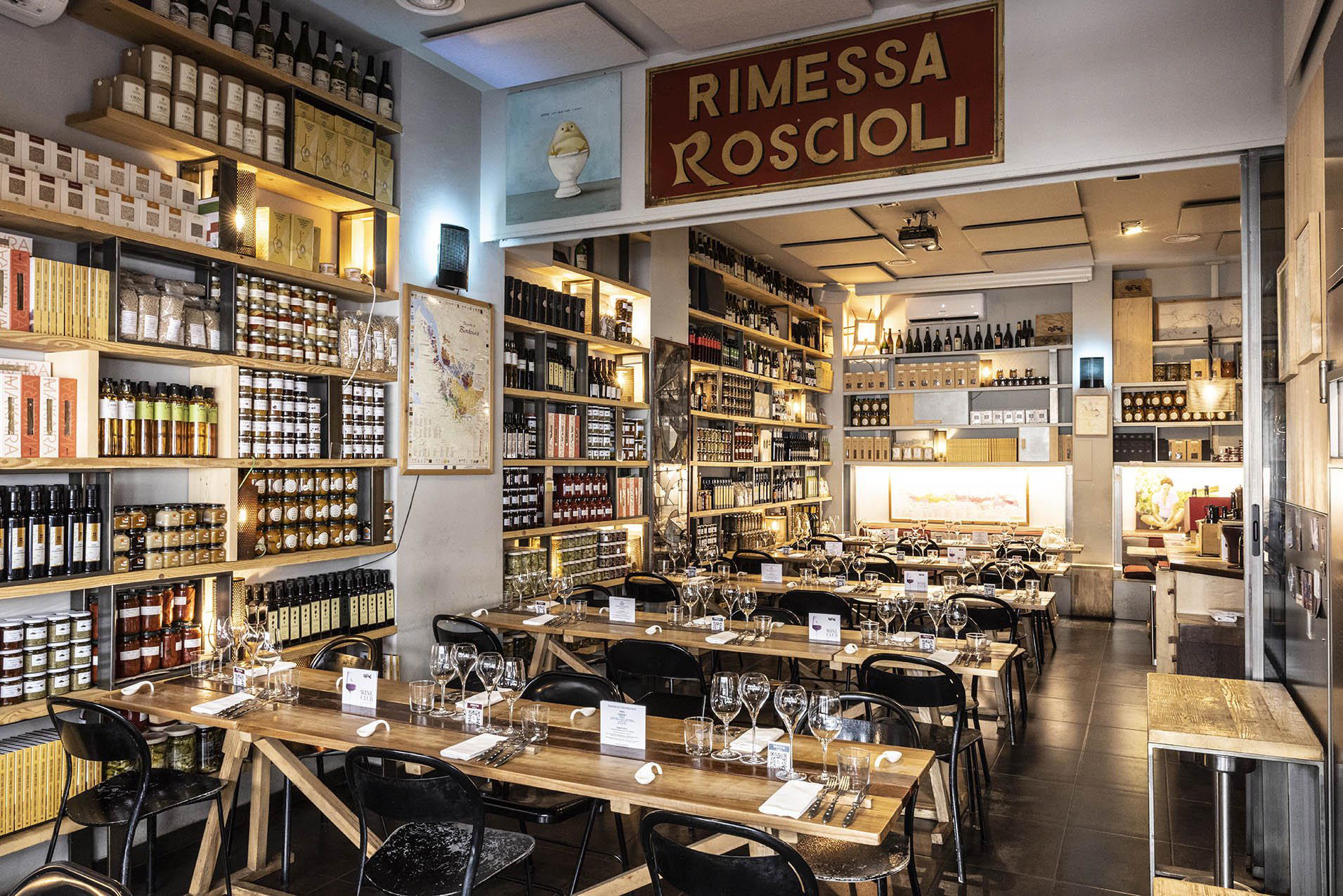
The two-partner structure at Osteria Fernanda is not a detail buried in the restaurant's biography. It is the operating logic that gives the space its character. Andrea holds the dining room, which Michelin describes as minimalist in style, and the effect of that choice is a room that does not compete with the food for attention. Walls, lighting, and table spacing are calibrated to keep focus on the plate rather than the surroundings. This is a deliberate editorial position in a city where many osterie lean on exposed brick and terracotta warmth as ambient reassurance.
Luca leads the kitchen, and the cooking described in Michelin's sourcing notes draws on locally sourced ingredients alongside produce from further afield, suggesting a sourcing philosophy that is Roman in orientation but not dogmatically so. Chef Davide del Duca directs the creative output of the kitchen, and the combination of Roman culinary grounding with creative technique places the menu in a specific and increasingly popular category: restaurants that take the traditions of a local cuisine seriously enough to use them as a structural base rather than a mood board.
This division of front-of-house and kitchen authority between clearly defined partners is more common in northern European restaurant cultures than in Rome, where the family-run osteria model often blurs those lines. When it works, it produces a coherence between what you experience walking in and what arrives at the table. The minimalist dining room and the creative-but-grounded kitchen are not in tension here; they are extensions of the same curatorial logic.
Creative Roman Cooking and Where It Sits in the City's Hierarchy
Rome's creative restaurant scene occupies a narrower band than its reputation might suggest. The city's culinary identity is anchored in a canon of dishes, from cacio e pepe to coda alla vaccinara, that reward precision and technique far more than invention. Restaurants that attempt to work within and beyond that tradition face a specific set of challenges that kitchens in Milan or Florence do not. The canonical dishes are too well-known for small deviations to pass unnoticed, and Roman diners tend to evaluate departures from tradition with particular scrutiny.
Against that backdrop, the Opinionated About Dining recognition carries real weight. OAD's recommendations in the Casual Europe category are generated from aggregated critic and informed diner votes, and an appearance on that list in 2023 indicates that the kitchen's creative approach has landed with the kind of audience that evaluates it critically rather than charitably.
The dessert course cited directly in Michelin's sourcing note, a Porter beer ice-cream with black garlic mousse, chocolate, and tuber peelings, is the kind of construction that tells you something specific about the kitchen's method. Each component has a textural or flavour function; the combination is counterintuitive enough to signal real creative thinking without reading as arbitrary. Black garlic's slow fermentation brings sweetness and depth without the raw sharpness of fresh allium; truffle-adjacent peelings ground the plate in something earthy and distinctly Italian. It is not a crowd-pleasing dessert. It is a statement of what the kitchen thinks a dessert can be.
The Trastevere Address in Context
Trastevere itself is worth placing correctly. The neighbourhood's restaurant density is high, but the quality distribution is uneven. The streets closest to the Piazza di Santa Maria in Trastevere attract volume tourism, and the menus in that zone reflect it. The Porta Portese end of Trastevere operates differently: fewer tourists, more neighbourhood regulars, and a restaurant selection that skews toward places run for diners who know what they are looking for. Osteria Fernanda's location on Via Crescenzo del Monte puts it squarely in that latter zone.
For anyone building a Rome dining itinerary that includes multiple evenings, the neighbourhood positioning matters practically. La Pergola sits across the river in the Monte Mario area at the top of the city's formal dining hierarchy. The creative mid-tier addresses like Il Pagliaccio and Enoteca La Torre are more central. Osteria Fernanda offers a different evening: Trastevere at the neighbourhood end of the district, a quieter approach, a room calibrated for conversation, and cooking that earns its creative description without abandoning what Rome's ingredients and traditions are actually good at.
For a broader look at what Rome's dining scene offers across tiers and categories, see our full Rome restaurants guide, alongside our full Rome bars guide, our full Rome hotels guide, our full Rome wineries guide, and our full Rome experiences guide. For comparable creative kitchens operating at different price points and geographies across Italy, Enoteca Pinchiorri in Florence, Enrico Bartolini in Milan, Quattro Passi in Marina del Cantone, and Atelier Moessmer Norbert Niederkofler in Brunico each represent different inflections of the tradition-and-technique argument. For international reference points in the creative-serious register, Le Bernardin in New York City and Atomix in New York City offer useful comparative anchors on what collaboration-driven kitchens produce at their most considered.
Know Before You Go
- Address: Via Crescenzo del Monte, 18, 00153 Roma, Italy
- Neighbourhood: Trastevere (Porta Portese end)
- Price range: €€€
- Cuisine: Roman, Creative
- Chef: Davide del Duca
- Awards: Michelin Plate 2024 and 2025; Opinionated About Dining Casual in Europe Recommended 2023
- Dinner hours: Monday to Friday, 7:30–11:30 pm
- Weekend hours: Saturday and Sunday, 12:30–3:30 pm and 7:30–11:30 pm
- Lunch service: Saturday and Sunday only
Frequently asked questions
What's the address for Osteria Fernanda?
Osteria Fernanda is located at Via Crescenzo del Monte, 18, 00153 Roma RM, Italy, Rome.
What's Osteria Fernanda known for in terms of accolades?
Osteria Fernanda has received recognition including: In the district famous for its Porta Portese market, this restaurant run by two talented business partners is definitely worth a visit. Andrea oversees the minimalist-style dining room, while Luca demonstrates real passion in his creative c….
What do people recommend at Osteria Fernanda?
Michelin's inspectors specifically flag the dessert course: a Porter beer ice-cream with black garlic mousse, chocolate, and tuber peelings, a combination that signals the kitchen's willingness to push beyond Roman convention. The broader programme draws on locally sourced ingredients alongside produce from further afield, reflecting chef Davide del Duca's creative approach to the city's culinary traditions. The restaurant holds a Michelin Plate for 2024 and 2025 and an OAD Casual recommendation for 2023.
Is Osteria Fernanda focused on a specific cuisine style?
Is Osteria Fernanda more mid-range or high-end?
Pricing at Osteria Fernanda is listed as €€€.
Comparison Snapshot
| Venue | Cuisine | Price | Awards | Notes |
|---|---|---|---|---|
| Osteria FernandaThis venue (the venue you are viewing) | Modern Italian Bistro | $50–100 | Michelin Plate | Not listed |
| La Pergola | Modern Italian Fine Dining | $500+ | 3 Michelin Stars · La Liste Top Restaurants | Italian, Mediterranean Cuisine |
| Enoteca La Torre | Modern Italian Fine Dining | $200–300 | 2 Michelin Stars · La Liste Top Restaurants | Creative |
| Il Pagliaccio | Modern Italian-Japanese Fusion Fine Dining | $150–200 | 2 Michelin Stars · La Liste Top Restaurants | Contemporary Italian, Creative |
| Aroma | Modern Roman Fine Dining | $200–300 | 1 Michelin Star · Falstaff Restaurant - 93 Falstaff Points | Modern Cuisine |
| Idylio by Apreda | Modern Mediterranean-Asian Fusion | $150–200 | 1 Michelin Star · La Liste Top Restaurants | Modern Italian, Italian Contemporary |
Recognition history
Dated appearances from independent guides and award organizations, with the underlying list record or original source where available.
Michelin Plate
Michelin
Opinionated About Dining Casual in Europe Recommended
Opinionated About Dining
Full recognition history (4 entries)
Michelin Plate
Michelin
Michelin Plate
Michelin