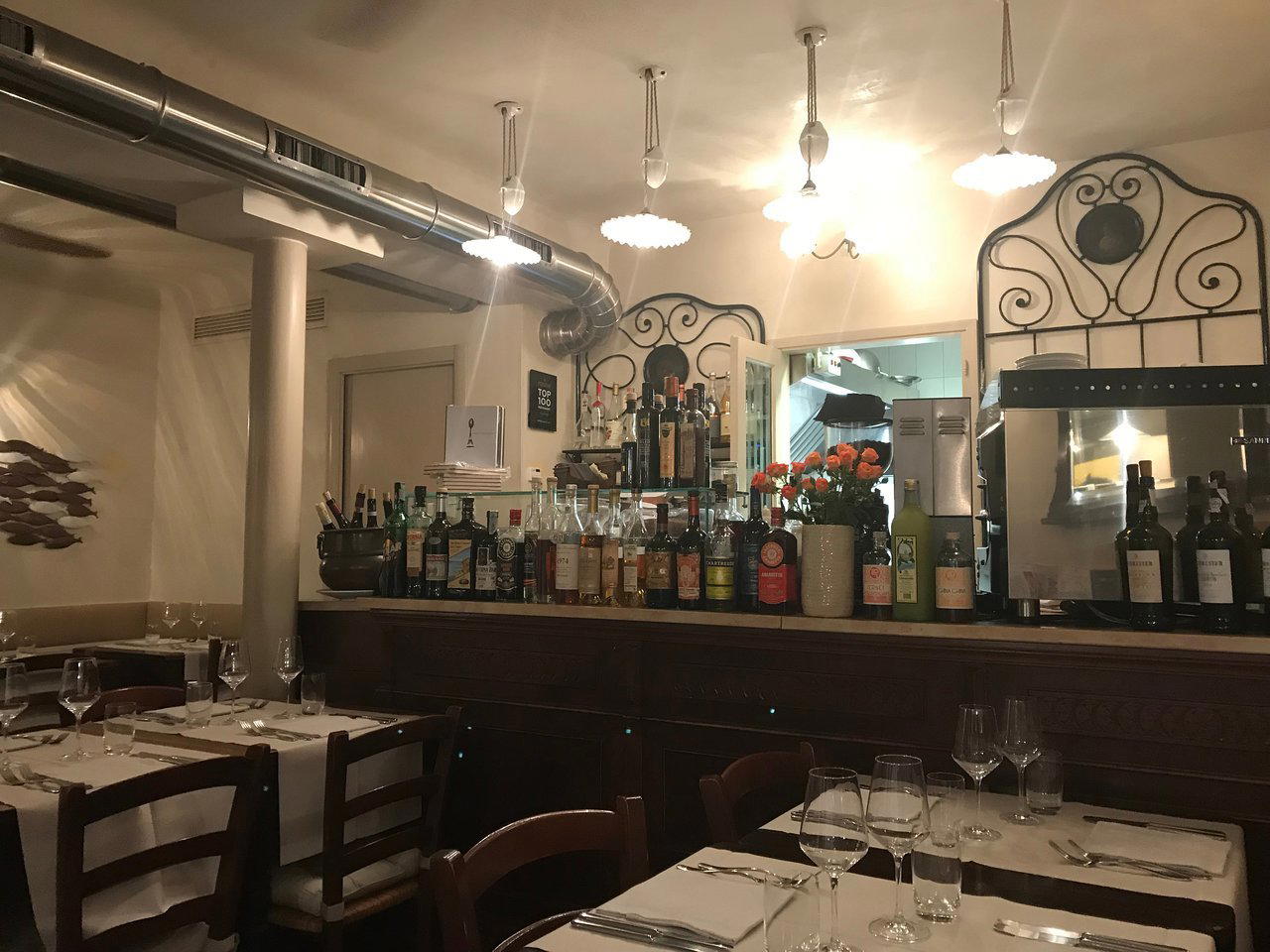
On the quieter reaches of the Santa Croce sestiere, Osteria Mocenigo sits closer to the working rhythms of Venice than the tourist circuits that dominate the San Marco waterfront. The kitchen operates in the tradition of Venetian osteria cooking, ingredient-led, seasonally structured, and pitched at a mid-tier price point that places it between the casual bacaro circuit and the city's formal contemporary rooms.
Pearl is the En Primeur Club membership app — saves, bookings, and concierge access live there. Same editors, same standards.
- Address
- Salizada San Stae, 1919, 30135 Venezia VE, Italy
- Phone
- +39415231703
- Directions
- Get directions
 Saves & bookings on Pearl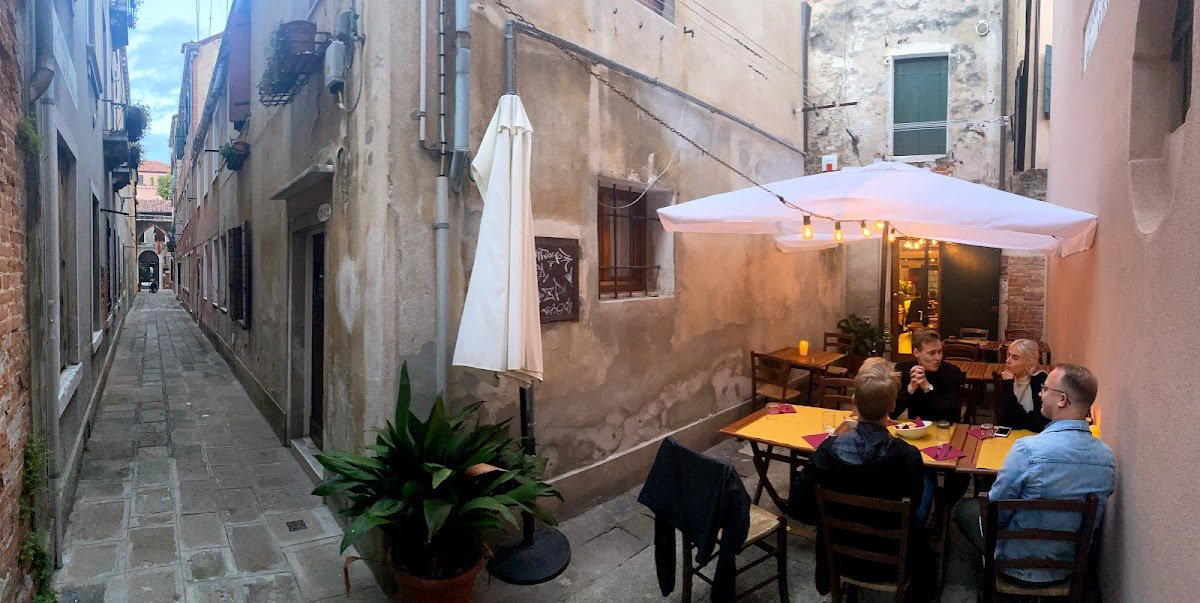
Santa Croce and the Osteria Tradition
Venice's dining culture has always run on two tracks: the grand ristorante built for ceremony, and the osteria built for the neighbourhood. A handful of places along the Santa Croce and Cannaregio sestieri have held that middle ground, where the cooking draws on Venetian lagoon produce without the tasting-menu architecture or Glam Restaurant by Enrico Bartolini or Oro Restaurant.
Osteria Mocenigo, on the Salizada San Stae in Santa Croce, sits in that middle register. The address is telling: Salizada San Stae is one of the broader pedestrian streets in this sestiere, close enough to the Rialto markets to access the morning's catch but removed from the San Marco crowds that compress restaurant choices into a narrower, more expensive bracket. The street-level entrance signals a place that competes on cooking rather than setting.
The Venetian Meal Structure and Where This Kitchen Fits
Understanding an osteria meal in Venice requires a different frame than the one most visitors carry in from elsewhere in Italy. The Venetian tradition runs through cicchetti at the bar, then into primi built around risotto and pasta, then secondi that lean heavily on the lagoon's output: sarde in saor, baccalà mantecato, cuttlefish, razor clams. The sequencing is slower than a trattoria in Rome or a coastal restaurant in Naples, the lagoon's flavours are subtle and cumulative rather than emphatic, and the kitchen's job is to honour that register rather than amplify it.
Osteria Mocenigo operates within this structure. The meal unfolds in the conventional Venetian arc, beginning with the kind of antipasti that function as a calibration point for the kitchen's sourcing, the quality of the oil, the freshness of the seafood, the balance of acidity in whatever preserved element anchors the dish. Venice's leading casual kitchens, including addresses like Wistèria and Local, treat this opening sequence as one honest part of the meal, because it has nowhere to hide behind technique or presentation.
The Progression: From Antipasto to the Close
Venetian risotto deserves specific attention as a course type. The city's version, particularly risi e bisi in spring, or the black risotto built on cuttlefish ink, differs from the Milanese model in texture and finish. The risotto here is looser, closer to what Venetians call all'onda (wave-like), and it is this quality that separates a kitchen with genuine regional grounding from one following a generic northern Italian template. The risotto course in the middle of a Venetian meal is also where pacing becomes visible: a correctly made risi e bisi cannot be hurried.
The secondi course in this tradition tilts toward the lagoon's more assertive flavours. Baccalà mantecato, salt cod whipped with olive oil into a smooth paste, appears as both antipasto and secondo depending on the kitchen's reading of the menu. Sarde in saor, the sweet-sour sardine preparation that relies on onions, vinegar, pine nuts, and raisins, carries Venetian cooking's most distinctive flavour signature: the agrodolce balance that distinguishes the city's food from the rest of the Veneto. These are the dishes against which any osteria kitchen is implicitly measured.
The dessert register in this category tends toward simpler preparations: tiramisù, which has genuine Venetian roots (the dish was created in the Veneto), or seasonal fruit-based closings that step back from richness after a seafood-heavy progression. The overall arc of the meal is disciplined rather than expansive, a sequence that accumulates rather than escalates.
How Osteria Mocenigo Positions Against the Venice Mid-Range
Mid-range osteria tier in Venice is more compressed than in other Italian cities. Addresses at the €€€ level, comparable in price to Osteria alle Testiere or Corte Sconta, both benchmarks in the Venetian seafood casual segment, face consistent pressure from tourist-oriented operations that maintain similar pricing while working from lower-quality supply chains. The distinction, in this tier, comes from sourcing discipline and kitchen consistency rather than from format innovation.
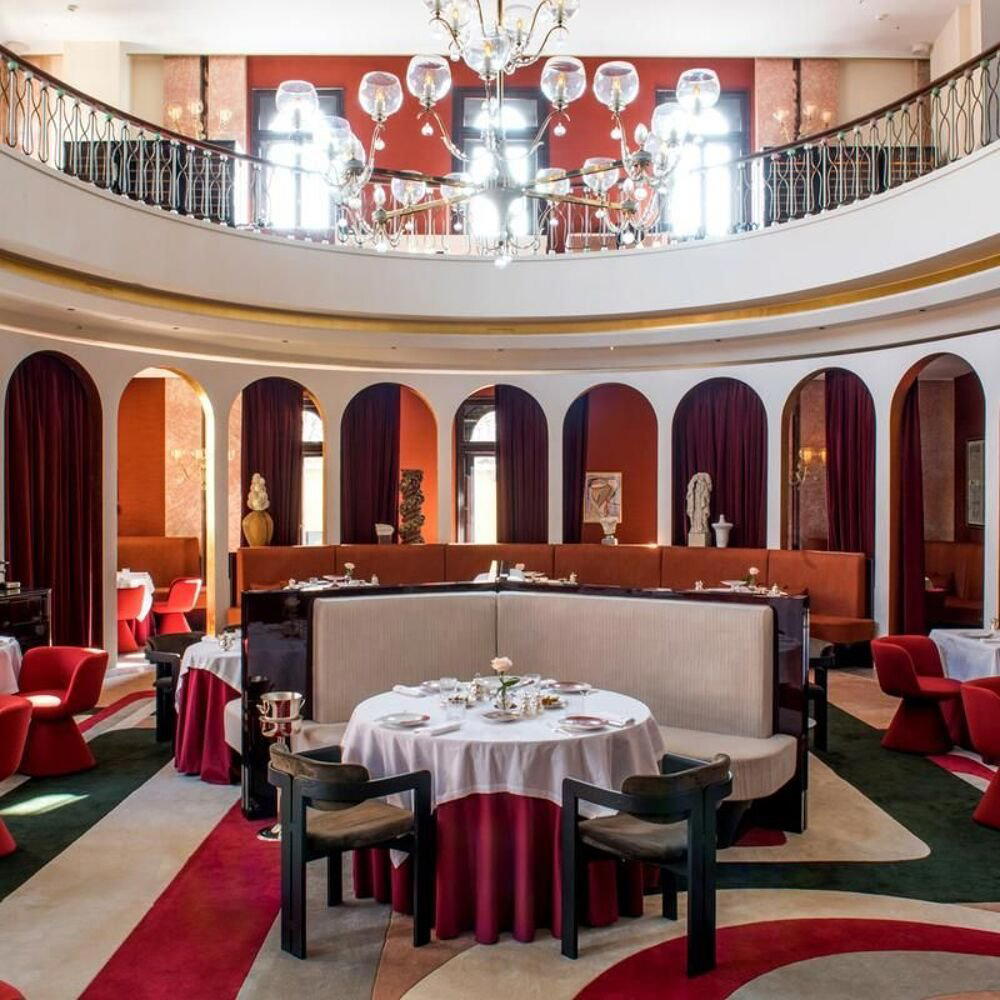
At the formal end of the Venice spectrum, Ristorante Quadri represents the white-tablecloth contemporary room with the prestige of the Piazza San Marco address. The gap between that tier and the osteria register is not simply price, it is format, scale of kitchen brigade, and the degree to which the cooking departs from the Venetian regional tradition in favour of a contemporary Italian idiom. The osteria format resists that departure by design.
Nationally, the kitchens that have most successfully theorised what Venetian or regional Italian cooking at this level should look like include Osteria Francescana in Modena and Uliassi in Senigallia at the high end of the spectrum, both of which have pushed regional ingredient traditions into formally ambitious territory. The osteria format makes no such claim, and should not be judged by that standard. The comparable set for Mocenigo is the Venetian mid-range, not the three-star national circuit that also includes Le Calandre in Rubano, Piazza Duomo in Alba, or Dal Pescatore in Runate.
Planning a Visit: Practical Orientation
The Salizada San Stae address in Santa Croce is accessible on foot from the Santa Croce vaporetto stop or from the Rialto area via a fifteen-minute walk through the less-trafficked calli north of the Grand Canal. Venice's smaller osterie in this sestiere tend to fill on weekend evenings through a combination of local regulars and visitors who have done enough research to move past the immediate surrounds of San Marco. Booking ahead by several days is advisable for dinner; lunch seatings in this category are typically more available.
The Quick Read
Comparable venues nearby, for context on price, style, and recognition.
| Venue | Cuisine | Price | Notes |
|---|---|---|---|
| Osteria MocenigoThis venue — the venue you are viewing | Not listed | $$ | Not listed |
| La Calcina | Dorsoduro, Traditional Venetian Seafood | $$ | Not listed |
| Venchi Cioccogelateria | San Marco, Italian Chocolate Gelateria | $$ | Not listed |
| Trattoria Ca' D'Oro - Cucina Tipica Veneziana | Not listed | $$ | Cannaregio, Traditional Venetian Trattoria |
| Enoteca Al Volto | Not listed | $$ | San Marco, Traditional Venetian Cicchetti and Wine Bar |
| Trattoria da Romano | Not listed | $$ | Burano, Traditional Venetian Seafood Trattoria |
Continue exploring
More in Venice
Restaurants in Venice
Browse all →
Bars in Venice
Browse all →

Hotels in Venice
Browse all →

At a Glance
- Cozy
- Intimate
- Rustic
- Classic
- Date Night
- Special Occasion
- Historic Building
- Extensive Wine List
Current opening hours
- Monday
- 12–3 PM, 6–10:30 PM
- Tuesday
- 12–3 PM, 6–10:30 PM
- Wednesday
- 12–3 PM, 6–10:30 PM
- Thursday
- 12–3 PM, 6–10:30 PM
- Friday
- 12–3 PM, 6–11 PM
- Saturday
- 12–3 PM, 6–11 PM
- Sunday
- 12–3 PM, 6–10:30 PM
Hours can change for holidays and private events. Last verified .
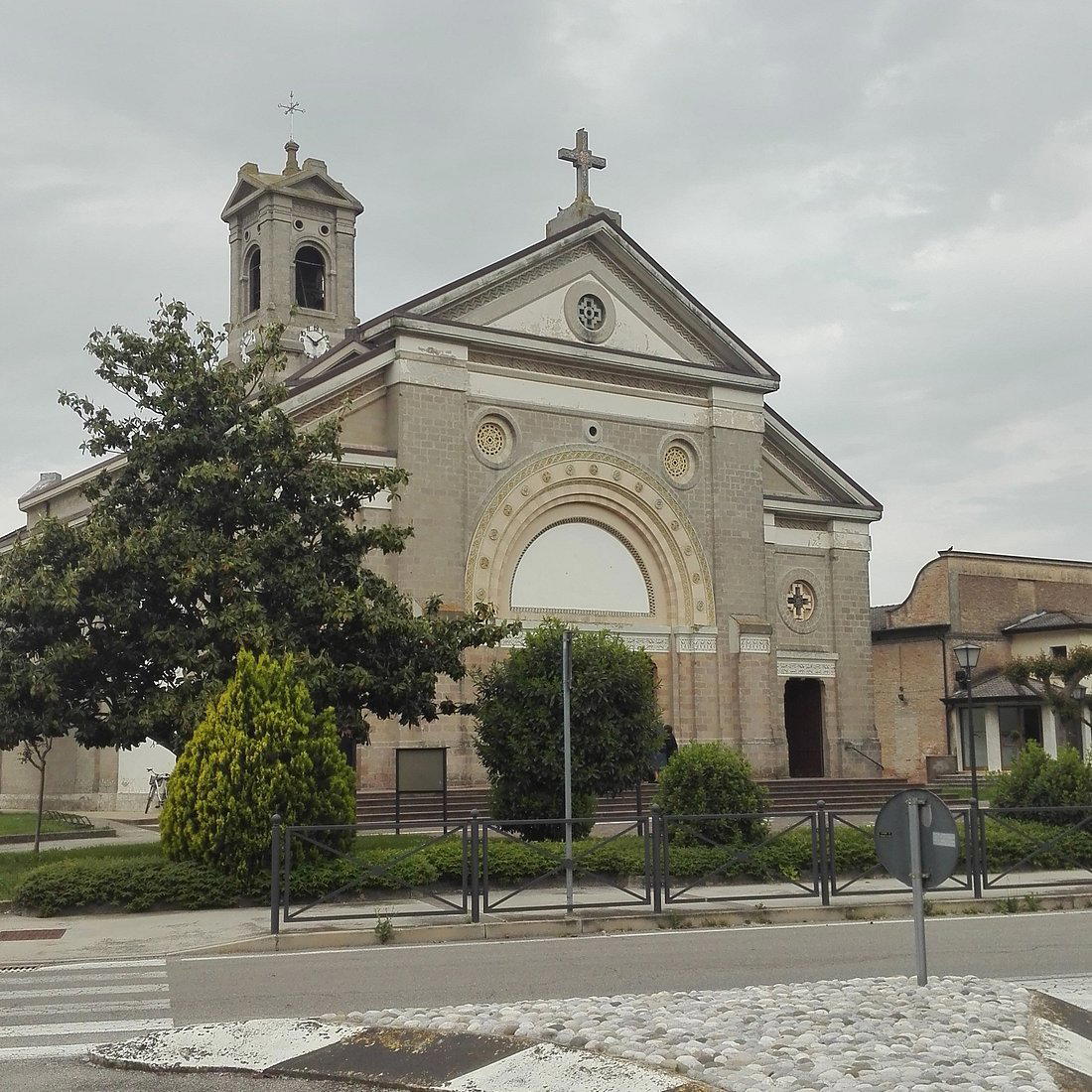
Charming interior with brick-fronted facade, tiny rear patio, cozy and refined rustic atmosphere with intimate lighting.