On Campo Santo Stefano, one of Venice's few genuinely walkable squares, Guna occupies a position at the intersection of neighbourhood life and the city's broader dining conversation. The square itself sets the tone: less trafficked than San Marco, more local in its rhythms. For visitors attuned to where a city actually eats rather than where it performs, this address rewards attention.
Pearl is the En Primeur Club membership app — saves, bookings, and concierge access live there. Same editors, same standards.
- Address
- Campo Santo Stefano, 2801, 30124 Venezia VE, Italy
- Phone
- +39415274879
- Website
- gunarestaurant.it
- Directions
- Get directions
 Saves & bookings on Pearl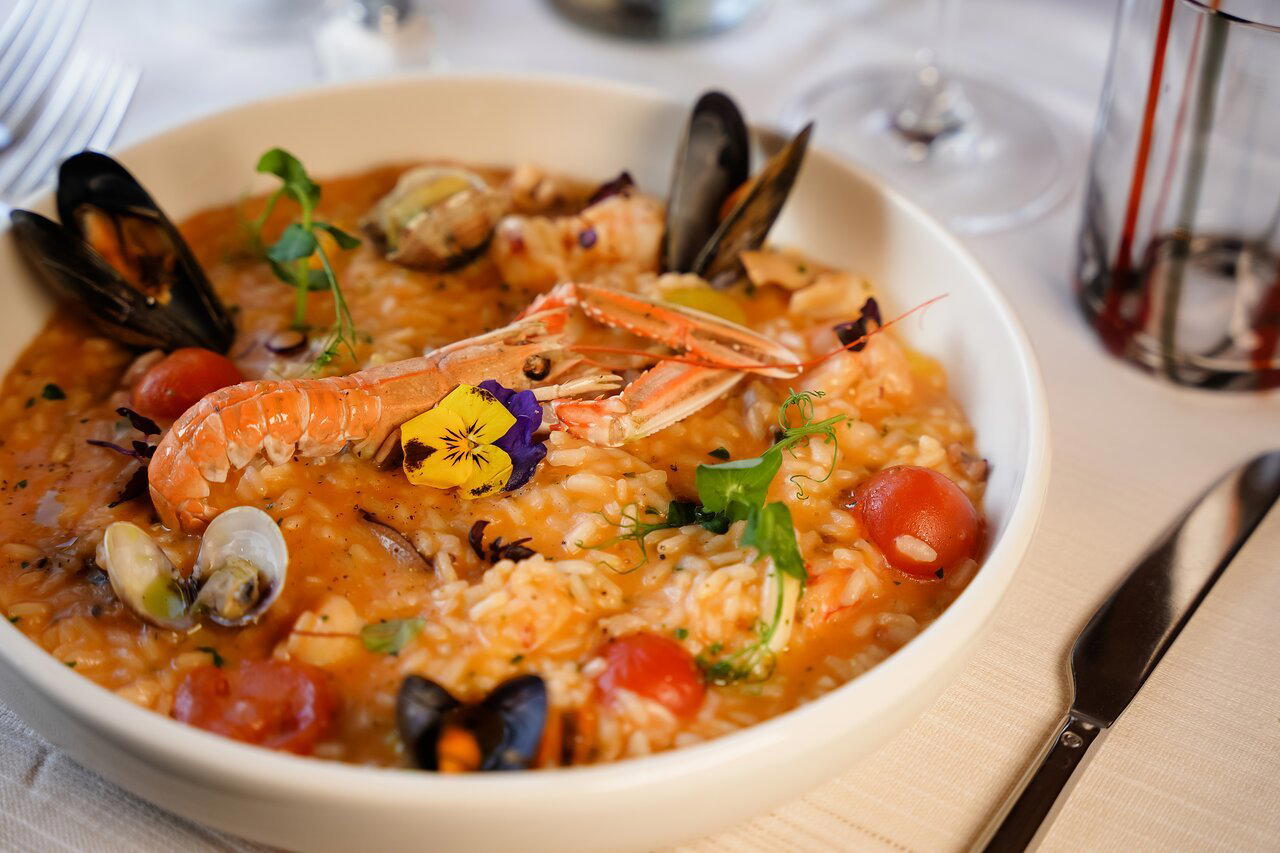
Campo Santo Stefano and What It Signals
Campo Santo Stefano is one of the few squares in Venice large enough to breathe in. Unlike the compressed tourist circuits around San Marco or the Rialto, it functions as an actual neighbourhood anchor: children cycle across it in the evening, residents cross it on the way to the market, and the restaurants that line it serve a clientele that includes people who live within walking distance. In a city where the line between a dining room for visitors and one for locals is often one meaningful quality signal, the setting at Campo Santo Stefano 2801 carries its own weight before you reach the menu.
Guna sits within this context. The address alone places it in the sestiere of San Marco, south of the Accademia bridge and well within reach of Dorsoduro, which gives it a catchment area that spans two of the city's more residential quarters. That geography matters for what ends up on the plate: kitchens in this part of Venice have historically relied on the Rialto fish market and the mainland growing regions of the Veneto, rather than the supply chains that serve the hotel restaurants further east. The sourcing logic, in other words, tends to follow the neighbourhood.
The Ingredient Question in Venice
Venetian cooking is more precisely sourced than most of its Italian regional counterparts. The lagoon contributes specific shellfish, small crabs, and varieties of fish that do not travel well and therefore rarely appear outside the city. The Rialto market, open in the mornings on the San Polo side of the Grand Canal, is the clearing point for much of what distinguishes a locally-grounded kitchen from one that could operate anywhere. Moeche (soft-shell crabs, seasonal and highly perishable), schie (tiny grey shrimp from the lagoon), and the particular clams found in the shallow waters around the islands represent a supply chain that is both genuinely local and genuinely narrow in its seasonal window.
Kitchens that take this sourcing seriously operate differently from those that do not. The menu changes according to what the market has, not according to what a fixed printed card requires. That operational discipline is a meaningful differentiator in a city where many restaurants run identical menus year-round regardless of what is actually in season. Autumn brings spider crab and branzino from the open Adriatic; winter narrows the field but deepens it; spring reopens the lagoon's softer, more delicate register. Restaurants in the Campo Santo Stefano area with genuine ties to the Rialto supply tend to follow these rhythms in ways that hotel dining rooms with centralized purchasing cannot easily replicate.
Uliassi in Senigallia and Quattro Passi in Marina del Cantone represent what rigorous coastal sourcing looks like when it meets technical ambition. In Venice, the tradition predates that kind of formal ambition but has its own accumulated logic.
Where Guna Sits in the Venice Dining Map
Venice's restaurant scene operates across several distinct tiers. Glam Restaurant by Enrico Bartolini and Ristorante Quadri represent the city's Michelin-recognised fine dining offer, with the price points and booking lead times that come with that recognition. Local and Oro Restaurant operate in the contemporary Italian register with a similarly refined price bracket. Wistèria adds another contemporary reference point in the city's mid-to-upper tier.
The more interesting comparison set for a Campo Santo Stefano address like Guna's, however, is the neighbourhood-anchored middle tier: places that are not chasing guide recognition but are genuinely embedded in how Venice eats day to day. Osteria alle Testiere in Castello, which seats roughly 24 across two sittings and books weeks in advance without a single award to explain it, is the clearest example of what local trust looks like when it operates independently of formal recognition. Corte Sconta in Arsenale performs a similar function for a slightly different audience. These restaurants set the standard against which Campo Santo Stefano addresses are reasonably measured.
Osteria Francescana in Modena, Dal Pescatore in Runate, Le Calandre in Rubano, and Piazza Duomo in Alba each approach the ingredient question differently but share a seriousness about provenance that defines the upper end of Italian dining. Internationally, Le Bernardin in New York City offers the clearest parallel for what happens when a kitchen treats seafood sourcing as the primary editorial decision. Atomix in New York City demonstrates a different approach: sourcing as cultural argument rather than market habit.
Seasonal Timing and What to Know Before You Go
Venice in late autumn and winter operates at a different pace from the summer city. The crowds thin significantly after October, prices at neighbourhood restaurants tend to reflect actual local demand rather than peak-season positioning, and the cold months are precisely when the lagoon's most distinctive ingredients are at their most available. If the sourcing argument matters to how you choose where to eat, the October-to-March window is when it pays off most clearly in what appears on plates across the city.
Campo Santo Stefano itself is a 10-minute walk from the Accademia vaporetto stop on the Grand Canal, and roughly 15 minutes on foot from San Marco. The square is accessible without navigating the narrower calli that characterise much of Venice, which makes it a practical base for an evening that starts with an aperitivo in the square and moves into dinner. Booking ahead is advisable for any restaurant in this area during the Carnival period in February and the Biennale months, when demand across the city compresses availability at every level. Outside those windows, the neighbourhood rewards spontaneity more than most of Venice does.
For the regional context that shapes northern Italian fine dining more broadly, Atelier Moessmer Norbert Niederkofler in Brunico and Enrico Bartolini in Milan anchor the upper end of what the north is doing, while Enoteca Pinchiorri in Florence and Reale in Castel di Sangro extend that conversation south.
Nearby-ish Comparables
Comparable venues nearby, for context on price, style, and recognition.
| Venue | Cuisine | Price | Notes |
|---|---|---|---|
| GunaThis venue — the venue you are viewing | Contemporary Venetian & Mediterranean | $$$ | Not listed |
| Osteria Bancogiro | Modern Venetian Osteria | $$$ | San Polo |
| Alla Rivetta | Traditional Venetian Seafood Trattoria | $$$ | Castello |
| Impronta Restaurant Venice | Contemporary Venetian Italian | $$$ | San Polo |
| Alla Madonna | Traditional Venetian Seafood | $$ | San Polo |
| Osteria Mocenigo | Authentic Venetian Seafood Trattoria | $$ | Santa Croce |


At a Glance
- Romantic
- Elegant
- Scenic
- Sophisticated
- Date Night
- Group Dining
- Special Occasion
- Terrace
- Courtyard
- Standalone
- Extensive Wine List
- Local Sourcing
- Street Scene
Current opening hours
- Monday
- 11:30 AM–11 PM
- Tuesday
- 11:30 AM–11 PM
- Wednesday
- 11:30 AM–11 PM
- Thursday
- 11:30 AM–11 PM
- Friday
- 11:30 AM–11 PM
- Saturday
- 11:30 AM–11 PM
- Sunday
- 11:30 AM–11 PM
Hours can change for holidays and private events. Last verified .
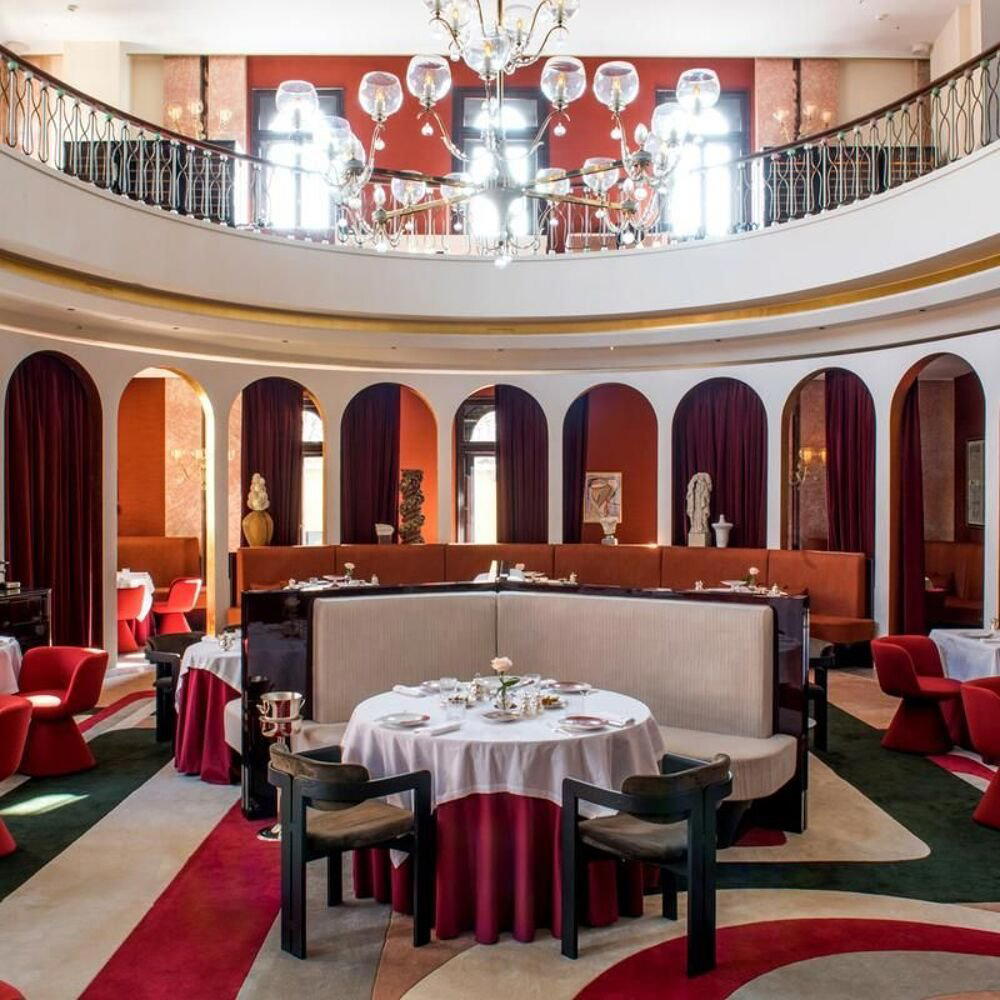
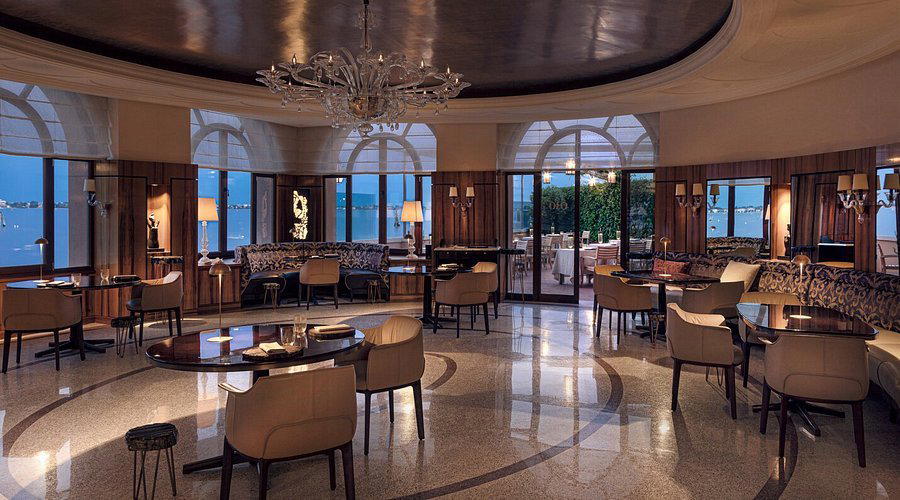
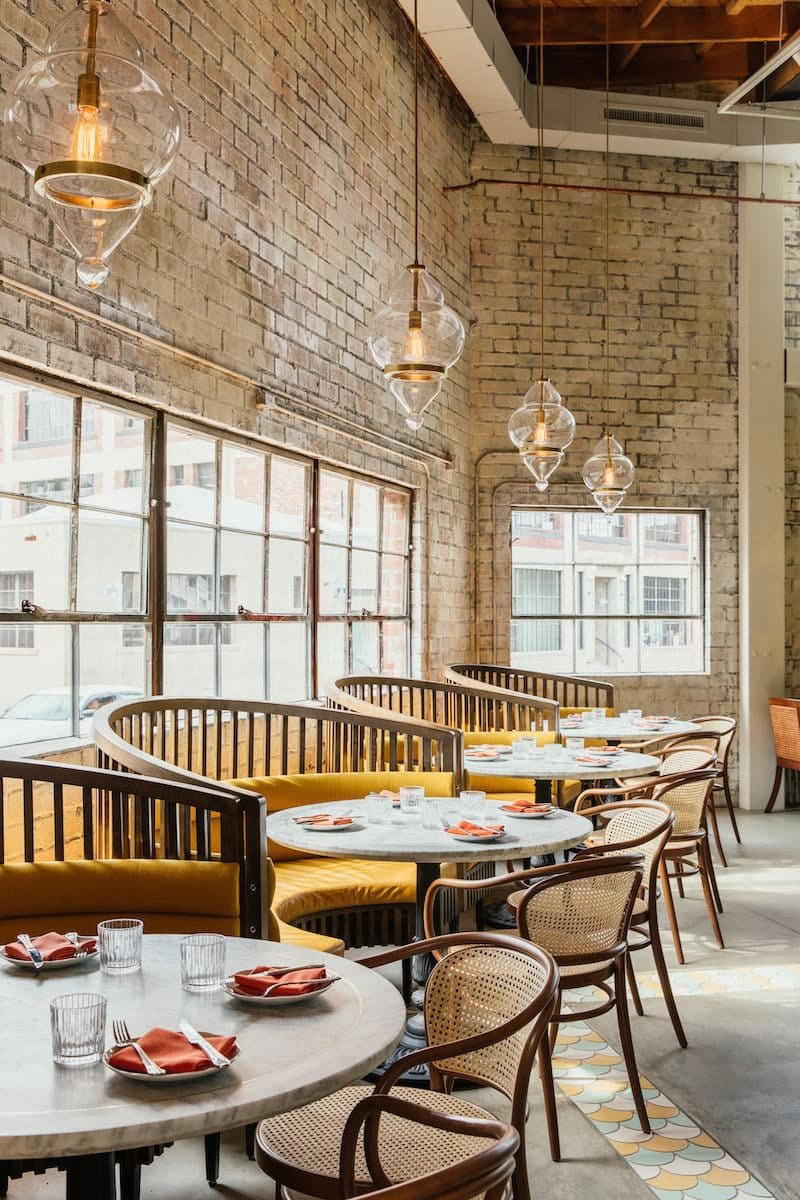
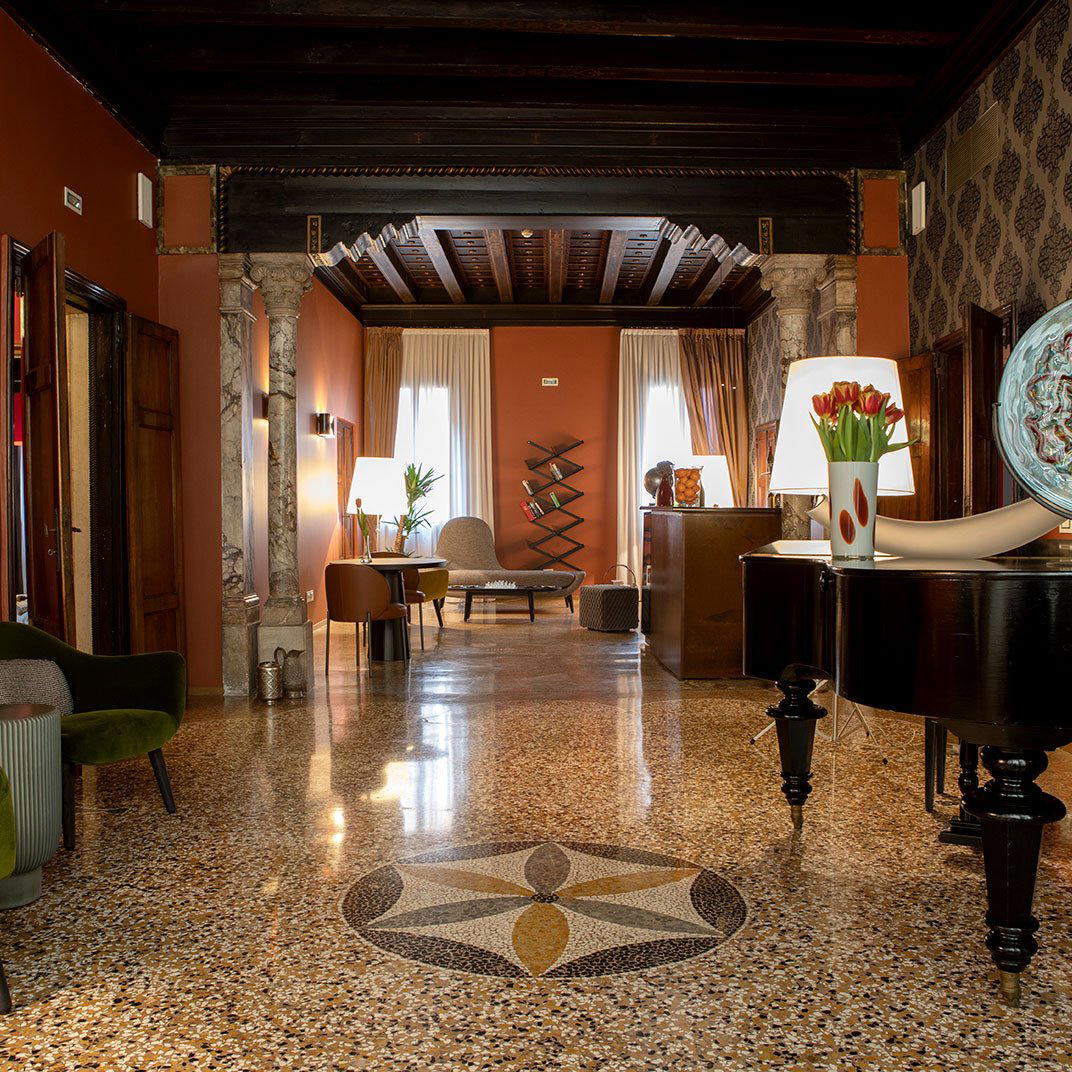
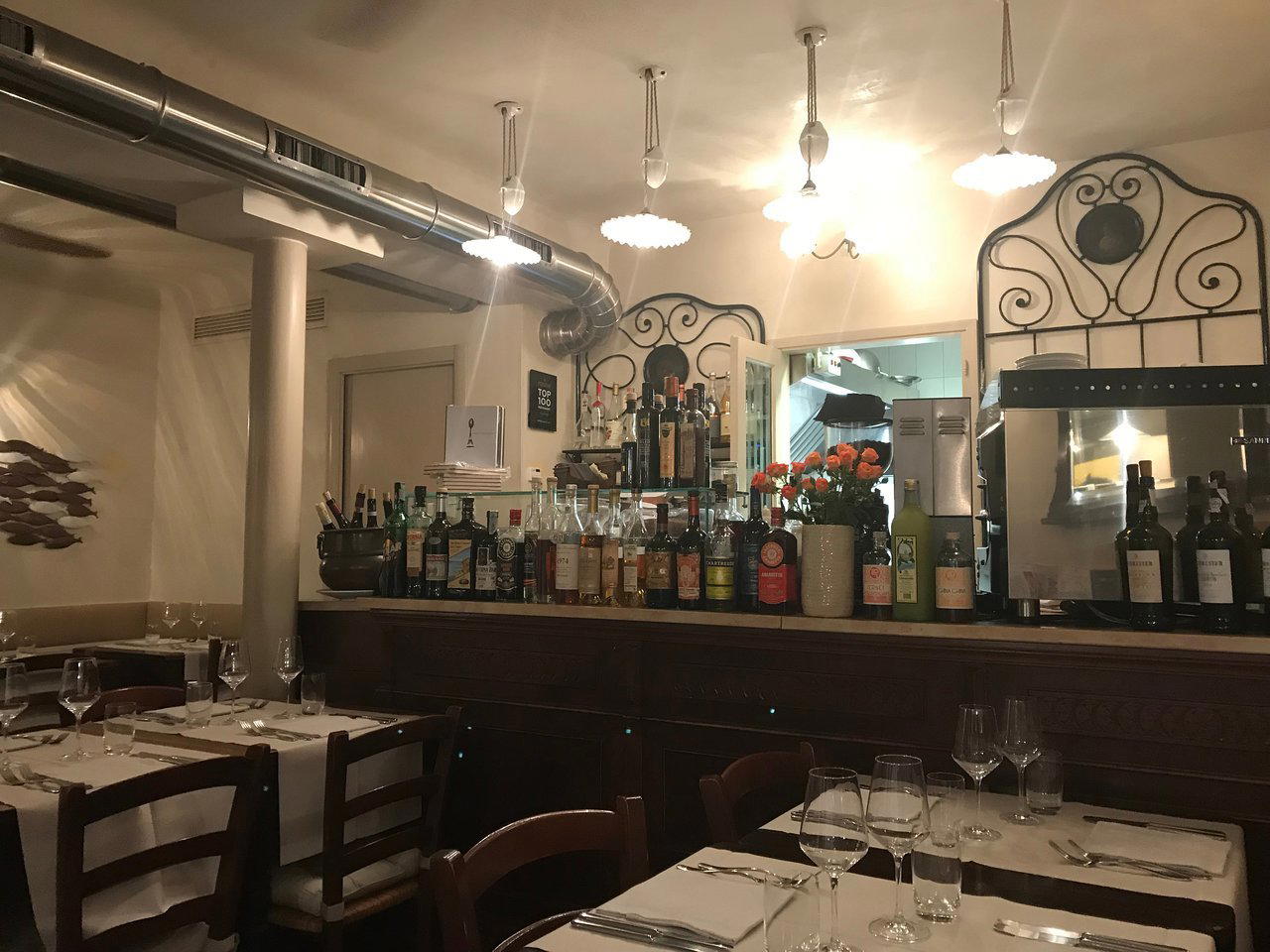
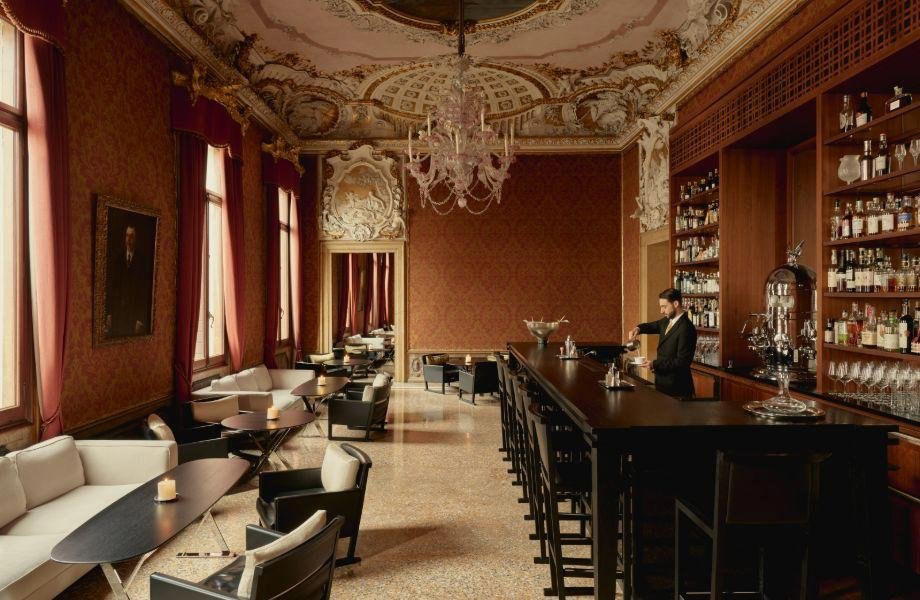
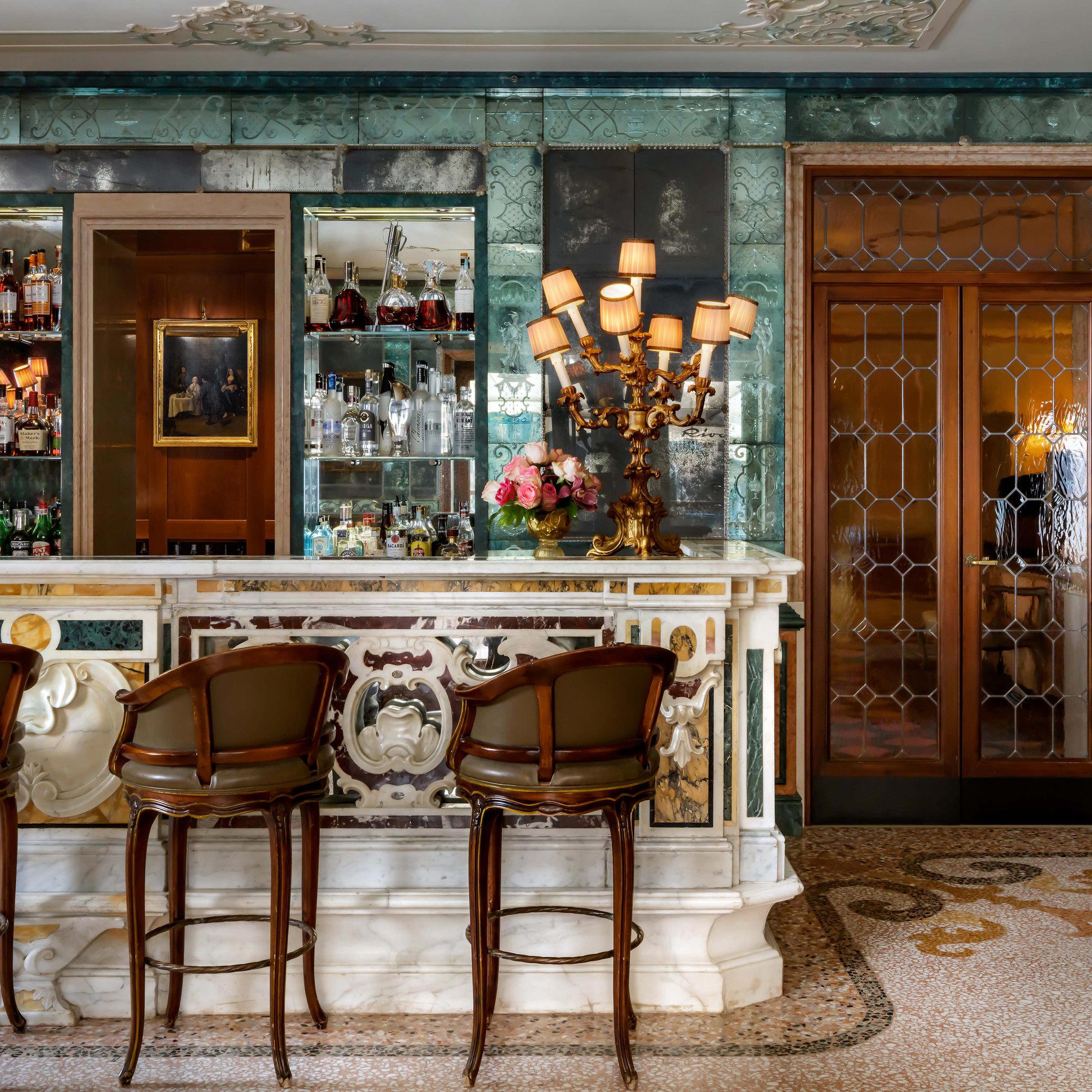
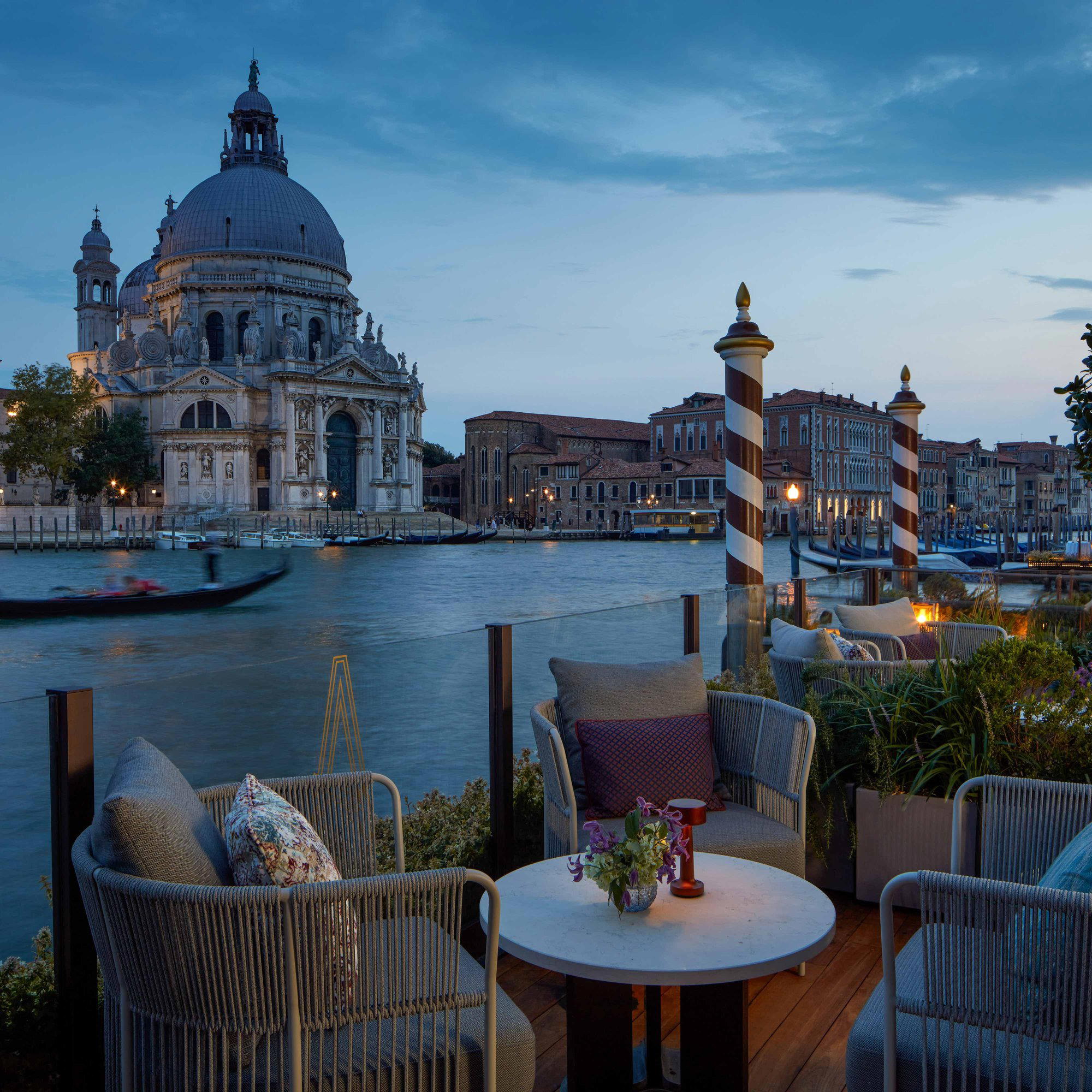
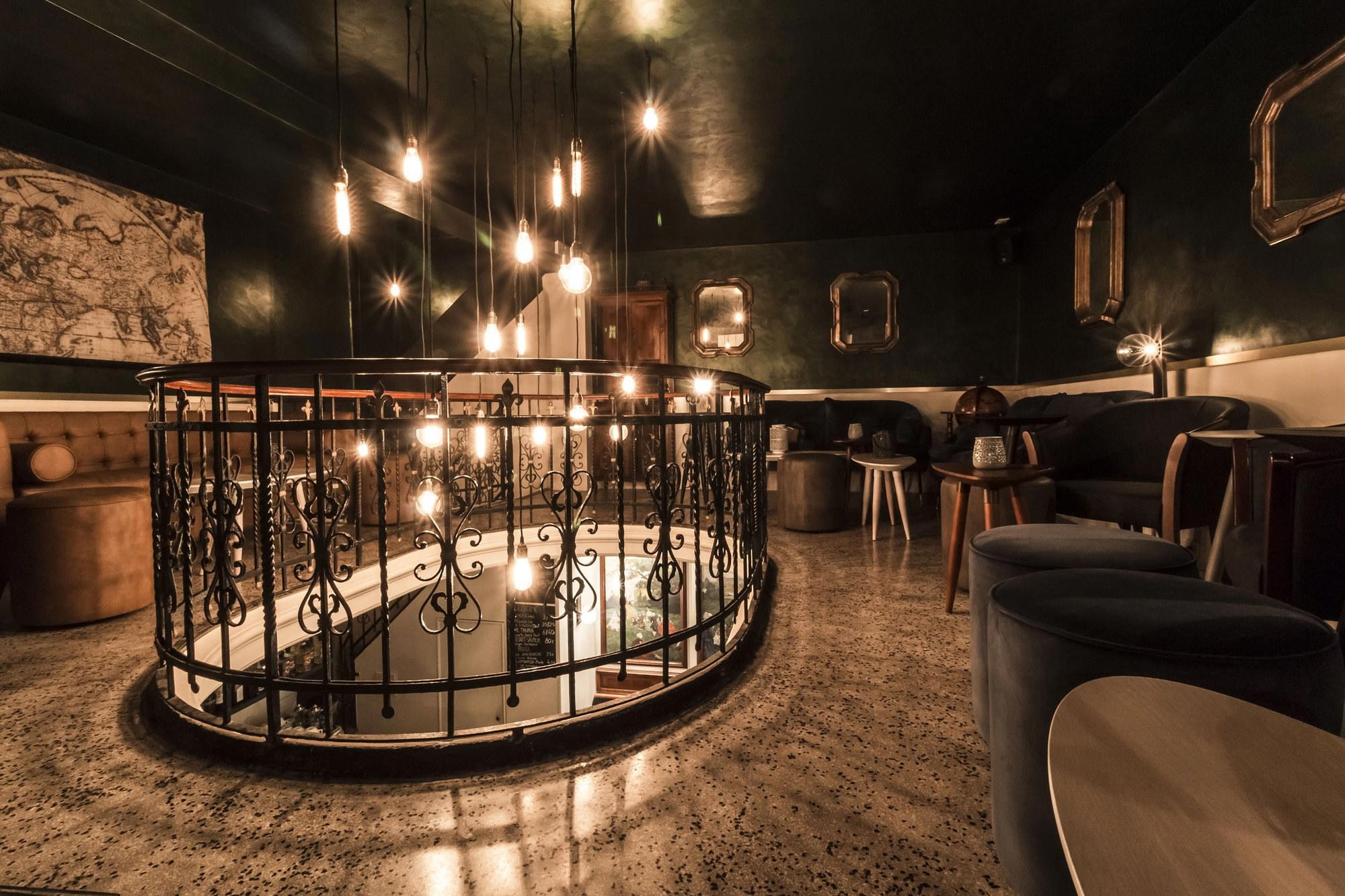
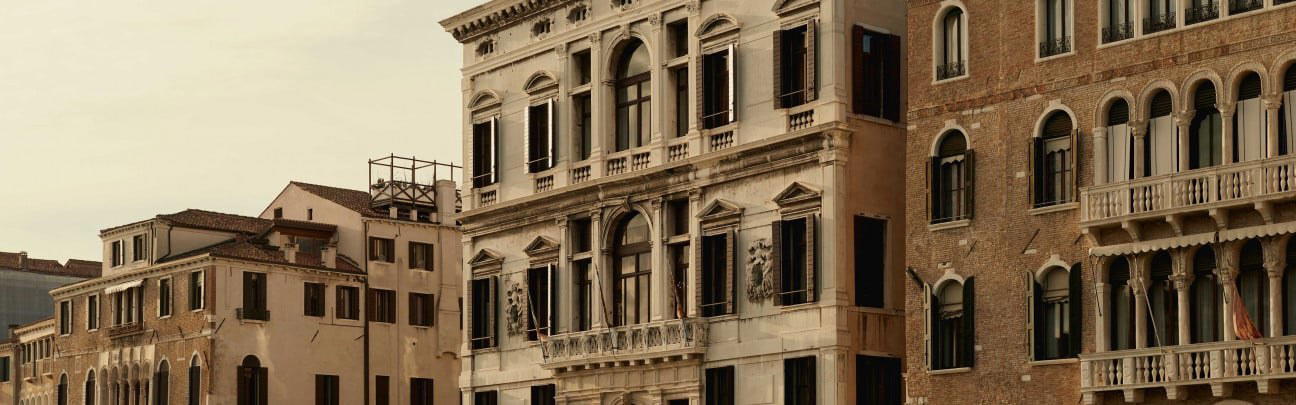
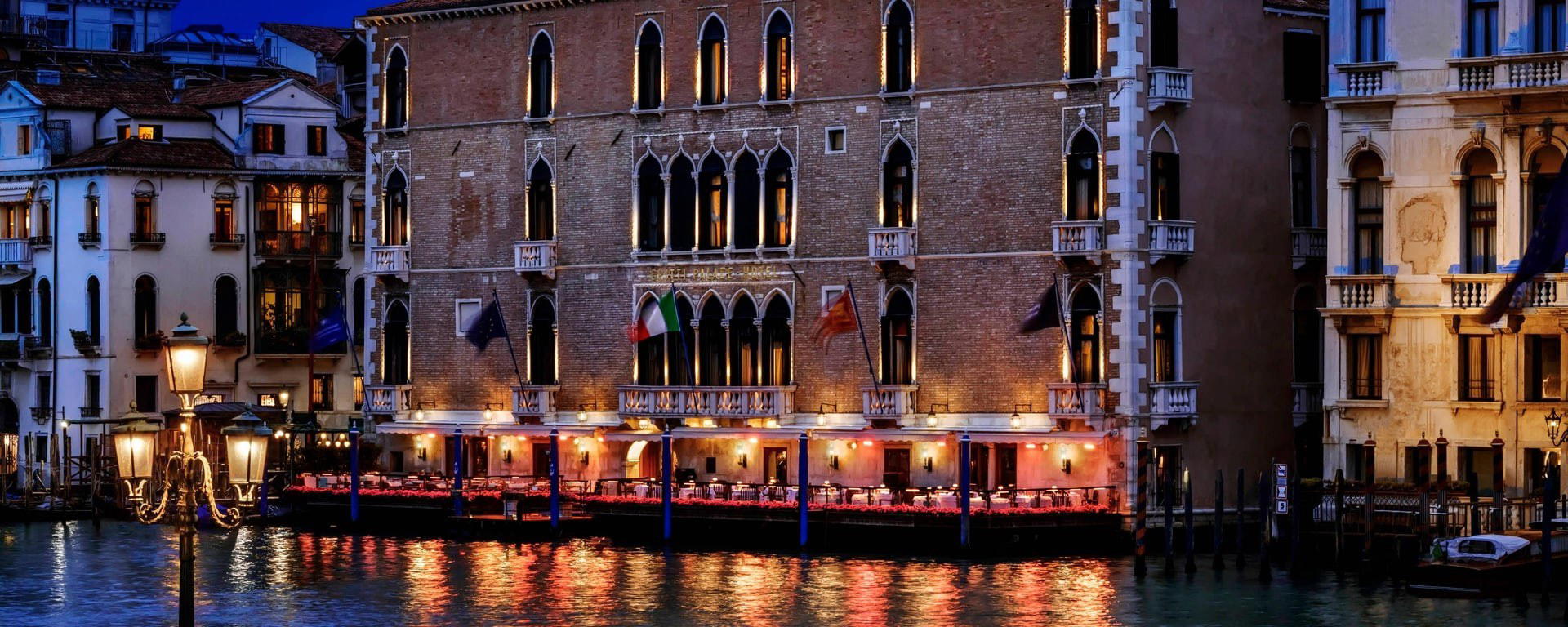
Sunlit courtyard setting with refined, contemporary atmosphere overlooking the historic Campo Santo Stefano square.