Ostabúðin occupies a quietly prominent address on Skólavörðustígur, Reykjavik's most characterful shopping street. The name translates simply as 'the cheese shop,' pointing to a culinary identity rooted in Nordic larder thinking: quality ingredients, restrained preparation, and a strong sense of place. For visitors working through Reykjavik's tighter, more considered dining tier, it sits alongside venues where the room and the sourcing do most of the talking.
- Address
- Skólavörðustígur 8, 101 Reykjavík, Iceland
- Phone
- +354 562 2772
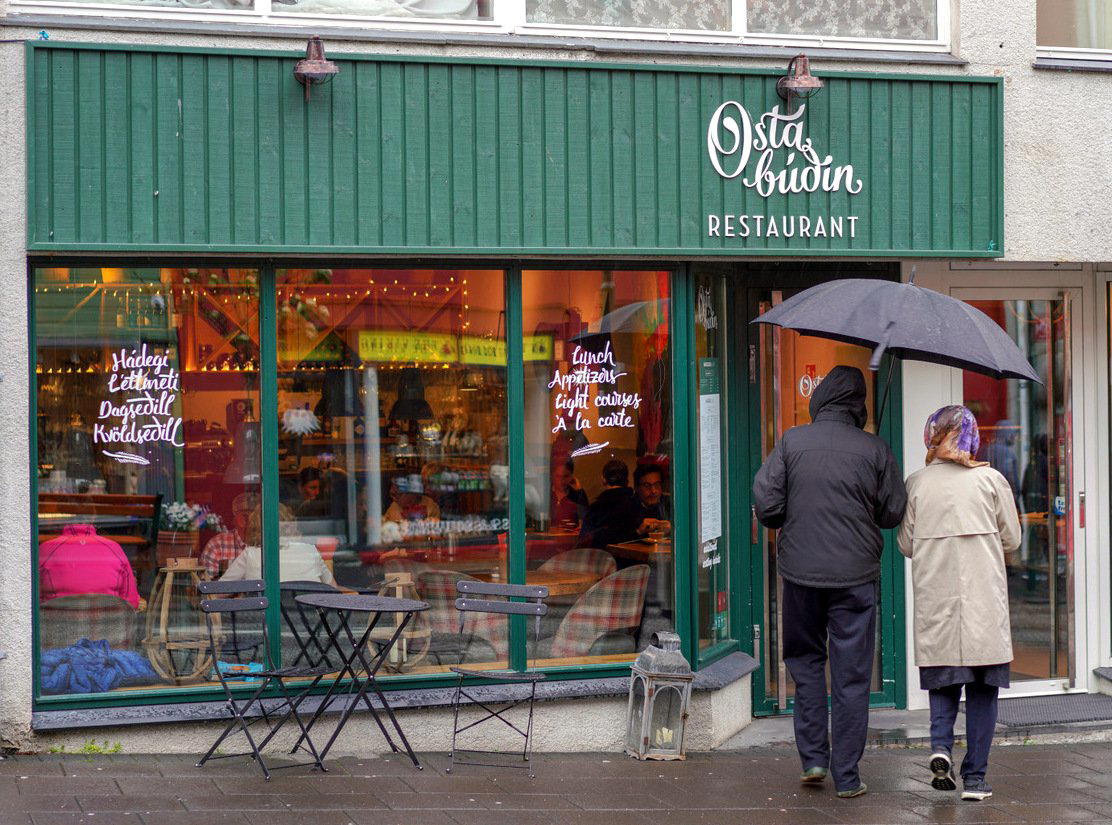
Skólavörðustígur and the Case for Slow Streets
Ostabúðin is a casual Icelandic deli in Reykjavík at Skólavörðustígur 8, 101 Reykjavík, Iceland. Skólavörðustígur draws a particular kind of foot traffic: people looking at ceramics in gallery windows, picking up Icelandic wool, stopping for coffee that costs more than it should but arrives better than expected. Ostabúðin sits at number 8 on this street, which places it at the bottom of the hill, close enough to the old harbour district to catch spill from the tourist core but far enough up the slope to feel like a deliberate find rather than an accidental one.
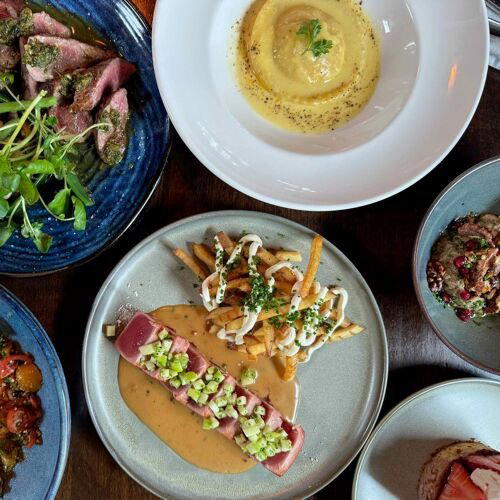
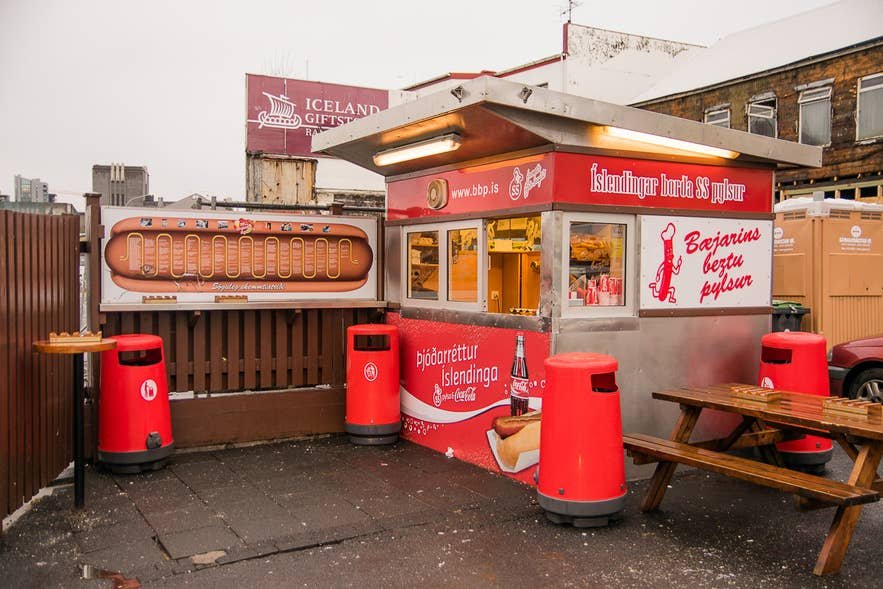
Reykjavik's dining scene has split in the past decade along lines familiar to anyone who follows Nordic food cities: there is a formal, tasting-menu tier that draws international attention, and a looser, ingredient-led middle ground that residents actually use week to week. Ostabúðin operates in that second tier. The name translates directly as 'the cheese shop,' and the identity it signals is less about spectacle and more about a specific Nordic larder philosophy: start with the ingredient, let preparation stay in the background. That positioning sits somewhere between the ambition of DILL in Reykjavík, which holds a Michelin star and represents the formal apex of Icelandic fine dining, and the casual end of the market represented by spots like Bæjarins Beztu Pylsur.
What the Room Does
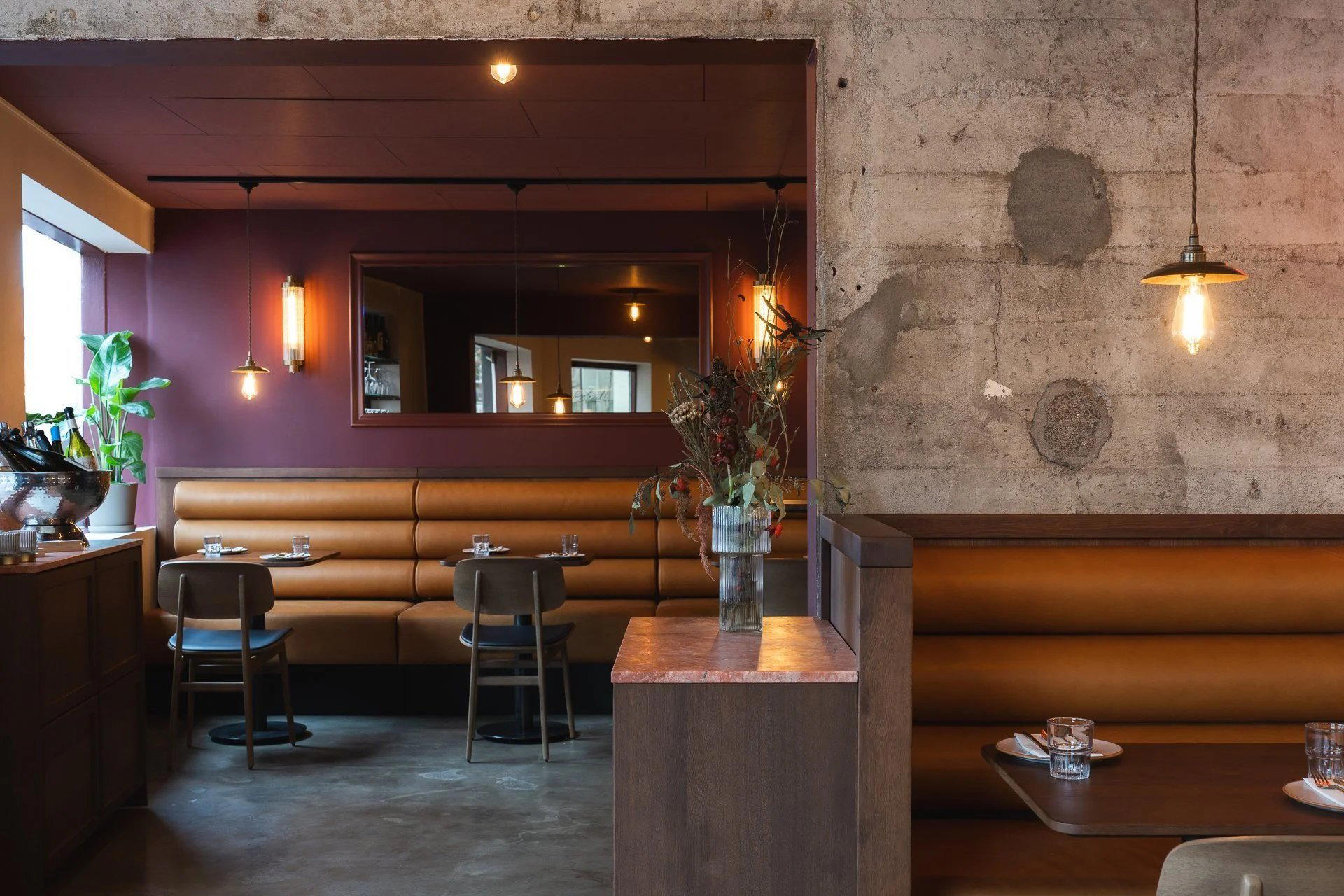
Nordic restaurant interiors of this type tend to work with a familiar vocabulary: pale wood, natural light where the latitude allows it, materials that reference landscape without illustrating it. The physical setting on Skólavörðustígur fits a pattern seen across Reykjavik's mid-tier independent venues, where the room is considered but not theatrical. Dining here is closer in spirit to Bergsson Mathús, which occupies a similar position as a trusted neighbourhood fixture, than to the destination-format premises built specifically around the dining event itself.
That distinction matters for how you plan the evening. Venues that compete on atmosphere and spectacle reward early arrivals and deliberate seating requests. Venues that compete on food and ingredient quality reward different planning: you arrive having thought about what you want to eat, not how you want to be seated. Ostabúðin belongs in the latter category, which makes the logistics of visiting it relatively uncomplicated by Reykjavik standards, where some of the city's more ambitious rooms require planning weeks or months ahead.
Timing and the Reykjavik Calendar
Iceland's travel calendar creates asymmetric demand across the restaurant sector. The summer months, when daylight runs through the night and visitor numbers peak, put pressure on every well-regarded address in the capital. Winter draws a different traveller: someone chasing the Northern Lights, often more focused and willing to spend, but working with shorter days and a city that operates at a different rhythm. Venues that read as neighbourhood anchors rather than tourist destinations tend to hold their character across both seasons more consistently than places built around the high-summer surge.
Ostabúðin's address on Skólavörðustígur places it on one of the city's most walked routes in both seasons. The practical question for visitors is whether the kitchen has seasonal variation built into what it offers. Nordic ingredient-led kitchens typically do: lamb arrives in autumn after summer grazing, skyr and dairy products shift through the year, and the availability of certain fish species follows its own calendar. If you are visiting between September and November, you are likely landing during the period when Icelandic larder thinking is at its most coherent: the growing season has just closed, root vegetables and preserved items carry the weight that greens do in summer, and the cooking tends to be more direct.
For visitors planning a broader circuit of the country's food scene beyond Reykjavik, the comparison set extends geographically. Moss in Grindavík and the Chef's Table at Moss Restaurant represent the destination end of the Icelandic dining spectrum, where landscape and experience architecture carry as much weight as what is on the plate. Friðheimar in Reykholt is a different register entirely: a working geothermal greenhouse that has become a food stop in its own right. Fjöruborðið in Stokkseyri anchors the south coast with its lobster focus. Ostabúðin fits into a Reykjavik-based itinerary rather than a countryside circuit, which shapes when and why you would choose it.
Planning the Visit
Most independent mid-tier restaurants on Skólavörðustígur and the streets around it accept reservations online or by phone, with walk-in availability more likely at lunch than dinner. Given its address and the type of operation the name and positioning suggest, this is not a venue where you need to be planning three months ahead as you would for a tasting-menu counter; the planning horizon is closer to one to two weeks during peak season and same-week during the winter months.
Reykjavik dining prices sit at a level that surprises many first-time visitors: even mid-tier independent restaurants operate at a price point that reflects Iceland's cost of living and import costs for anything not produced locally. Budget accordingly.
For those building a wider Iceland itinerary, the regional comparison set is worth noting: Strikið in Akureyri represents the north's most prominent dining address, while Nesjavallavirkjun in Selfoss and Malai-Thai in Keflavik anchor specific stops along the routes in and out of the capital. Von Mathús-Bar in Hafnarfjörður is a short drive from the city centre and represents a different kind of local institution. None of these displace a visit to Ostabúðin; they serve different points in an itinerary. International reference points like Le Bernardin in New York City, Lazy Bear in San Francisco, or Emeril's in New Orleans sit in a different tier entirely, but they share the principle that an address becomes legible through its context as much as its menu.
Comparable Spots
Comparable venues nearby, for context on price, style, and recognition.
| Venue | Cuisine | Price | Notes |
|---|---|---|---|
| OstabúðinThis venue — the venue you are viewing | Icelandic Deli | $$ | |
| Kröst | Modern Icelandic Grill & Wine Bar | $$ | Reykjavíkurborg |
| Salka Valka eldhús/kitchen | Traditional Icelandic Seafood | $$ | Reykjavíkurborg |
| DILL Restaurant | New Nordic Fine Dining | $$$$ | Reykjavíkurborg |
| Hverfisgata 12 | Modern Icelandic Cuisine | $$$ | Reykjavíkurborg |
| Smakkbarinn | Icelandic Tapas | $$ | Reykjavíkurborg |
Continue exploring
More in Reykjavík
Restaurants in Reykjavík
Browse all →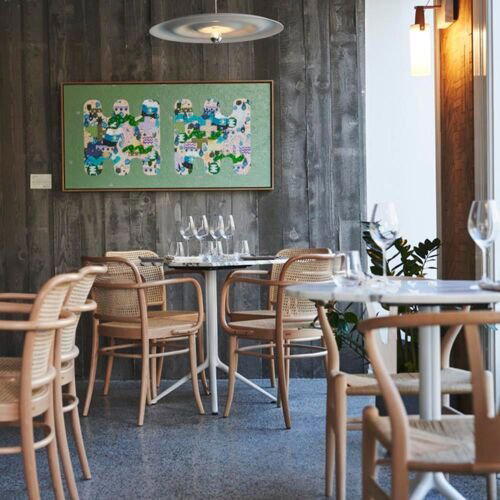
Bars in Reykjavík
Browse all →

Hotels in Reykjavík
Browse all →

Wineries in Reykjavík
Browse all →
At a Glance
- Cozy
- Intimate
- Casual Hangout
- Standalone
- Local Sourcing
Cozy and charming atmosphere in a small, gleaming space off the main shopping street.