
Star Wine List
Kramber occupies a sharp position in Reykjavík's drinking culture: part café, part wine bar, operating from Bergstaðastræti in the 101 postal district, steps from Hallgrímskirkja. The format rewards those who want something more considered than the city's louder bar scene — a place where the glass in hand matters as much as the room around it.

Pearl is the En Primeur Club membership app — saves, bookings, and concierge access live there. Same editors, same standards.
- Address
- Bergstaðastræti, 101 Reykjavík, Iceland
- Phone
- +354 869 7020
- Hours
- Mon ClosedTue–Thu 3–11 PMFri–Sat 3 PM–1 AMSun Closed
- Website
- facebook.com
- Directions
- Get directions
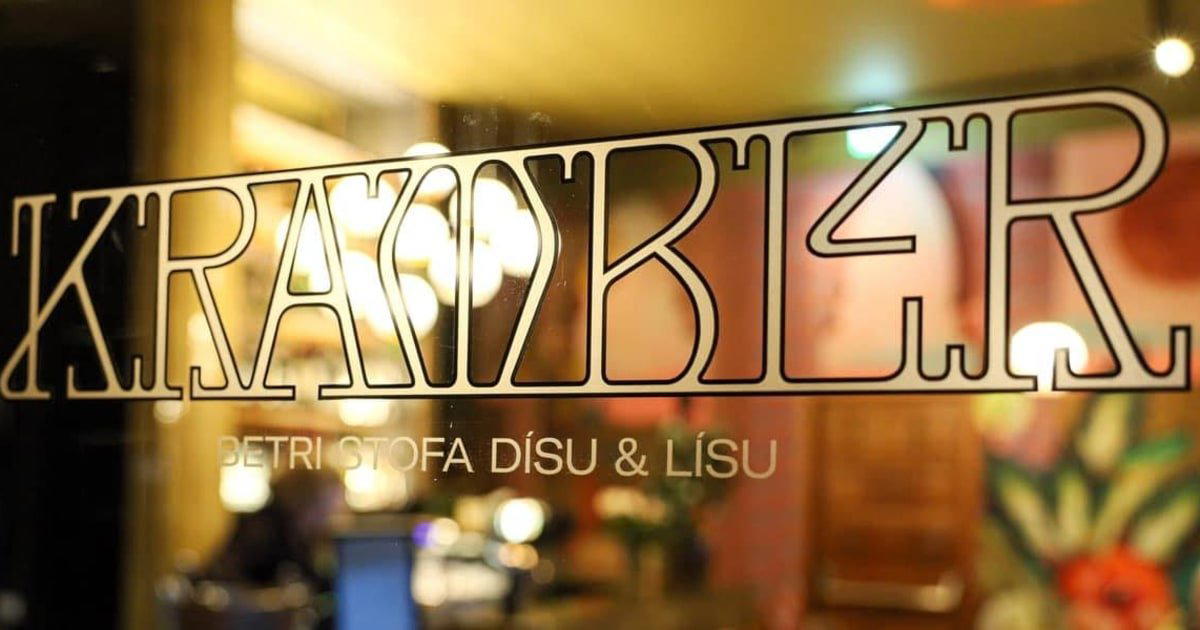
A Street Corner That Earns Its Reputation
Bergstaðastræti runs through one of Reykjavík's most-walked stretches of the 101 district, the address where the city's cultural institutions, independent restaurants, and neighbourhood bars compete for the same narrow pavements. Hallgrímskirkja's concrete spire dominates the skyline at one end of the street, functioning less as a postcard backdrop and more as a genuine orientation point for the neighbourhood's daily life. In a city where the gap between a tourist-facing bar and a locally-anchored one can be measured in a single block, Kramber lands firmly in the latter category.
The hybrid café-wine bar format has become one of the more interesting structural experiments in northern European drinking culture. Rather than committing to the daytime-only logic of a café or the after-dark rhythm of a dedicated bar, these spaces ask something different of a room: it has to hold a morning espresso as credibly as an evening glass of skin-contact white. Kramber operates within that format, and the address on Bergstaðastræti puts it at the intersection of foot traffic from the church district and the density of eating and drinking options that the 101 postal code has accumulated over the past decade.
The Wine Bar Argument in Reykjavík
Iceland's bar scene has gone through a recognisable phase shift over the past several years. The city once sorted neatly into late-night venues built around the rúntur tradition, the progressive pub crawl that still defines weekend evenings in parts of the old centre, and daytime cafés that closed before the drinking started. The middle tier, the early-evening wine-forward space where the point is the glass rather than the hour, was thin on the ground. That gap has narrowed, and Kramber sits inside the category that filled it.
Wine bars in small northern cities operate under particular pressures that their counterparts in Paris, Copenhagen, or London rarely face. Import costs are steep, the customer base is smaller, and the margin between a well-curated list and an unwieldy one is less forgiving. The venues that hold their ground tend to do so through specificity: a focused list, a clear point of view on what belongs on the shelves, and a format that makes the room feel intentional rather than provisional. These are the signals that separate a bar with wine from a wine bar in any market, and they matter more in Reykjavík than in cities where the supply chain is shorter and the competition is thicker. For a broader read on where Kramber fits within Iceland's evolving drinking culture, see Uppi and our full Iceland restaurants guide.
The Café Register and What It Changes
The café half of a café-wine bar isn't decoration. It changes the pace of the room, the type of guest who walks in before six, and the way staff build a relationship with the neighbourhood over months rather than just weekends. Reykjavík has a café culture that predates its bar scene in terms of social function: the city's long winters made the warm interior, the slow drink, and the newspaper or conversation across a small table into something close to infrastructure. A space that carries both registers is making a claim about continuity across the day, not just offering two menus.
Bergstaðastræti benefits from this logic. The street draws a mix of locals using it as a cut-through between neighbourhoods and visitors working their way up toward Hallgrímskirkja, which means the foot traffic is less seasonal and more varied in intention than addresses closer to the harbour. A café-wine bar on this block can plausibly fill a Tuesday afternoon and a Friday evening with different crowds and different drinks without repositioning its identity between them.
Drink First, Then Everything Else
In the café-wine bar format, the drink programme carries most of the editorial weight. The kitchen, where there is one, tends toward small plates or pastries that support rather than compete with the glass. That orientation places the emphasis on sourcing, on how the list is structured, and on whether the staff can actually talk about what they're pouring. These are the differentiators that determine whether a venue in this category builds a following or cycles through tourists without accumulating regulars.
Across the broader range of serious wine bars in small European capitals, the lists that hold attention tend to skew toward producers working with minimal intervention, often from lesser-known appellations that reward the curious rather than the credential-conscious. Whether Kramber's list follows that pattern or takes a more conventional route is a question worth putting directly to whoever is behind the bar. The answer will tell you whether this is a room with a point of view or simply a room with a reasonable selection. For reference points on what technically ambitious drink programmes look like in different formats and cities, Jewel of the South in New Orleans, Kumiko in Chicago, and Bar Leather Apron in Honolulu each represent different versions of how a focused programme earns its authority.
101 Reykjavík in Context
The 101 postal district covers a small area with high venue density by Icelandic standards. Hotel Borg by Keahotels anchors one end of the district's formal hospitality offer. Independent venues occupy most of the middle. The competition for attention is real, and the venues that have built durable reputations in this area tend to be the ones that commit to a format rather than hedging against every demographic. Beyond Reykjavík, Iceland's bar culture extends to interesting pockets in Akureyri, where Götubarinn holds its own, and to the Vestmannaeyjar archipelago, where Gott and Prýði serve smaller, more concentrated local scenes. Náttúrufræðistofnun represents another variation on the independent format worth tracking.
Kramber's positioning on Bergstaðastræti gives it proximity to the church and the residential streets behind it, which matters because that part of the 101 district retains a neighbourhood feel that the streets closer to the harbour have largely traded away. That geography is not a minor detail: it shapes who walks past, who becomes a regular, and what kind of room the space becomes over time. For those building a picture of what the New York equivalent of this format looks like, Superbueno in New York City and Julep in Houston offer useful contrast points from a different market entirely.
Planning Your Visit
Kramber sits at Bergstaðastræti in the 101 district of Reykjavík, within walking distance of Hallgrímskirkja and the majority of the city's central hotels and guesthouses. For a city this compact, the address is as central as it gets. Given the dual café and wine bar function, the space operates across a wider window of the day than a dedicated evening bar would, which gives some flexibility on timing. Booking specifics, current hours, and any reservation requirements are best confirmed directly with the venue, as the available public record does not include those details. The same applies to pricing: Iceland's import costs mean wine bar pricing runs above European averages, and arriving with that expectation set is simply practical.
Comparison Snapshot
Comparable venues nearby, for context on price, style, and recognition.
| Venue | Cuisine | Price | Awards | Notes |
|---|---|---|---|---|
| KramberThis venue — the venue you are viewing | wine_bar | Not listed | Star Wine List | Not listed |
| Uppi | wine_bar | $50–100 | Star Wine List | Reykjavik |
| Microbar Reykjavík | beer_bar | $20–30 | Not listed | Reykjavíkurborg |
| 12 Tónar | lounge | $10–20 | Not listed | Reykjavíkurborg |
| Kíkí Queer Bar | lounge | $20–30 | Not listed | Reykjavíkurborg |
Recognition history
Dated appearances from independent guides and award organizations, with the underlying list record or original source where available.
Star Wine List
Star Wine List
Continue exploring
More in Reykjavík
Bars in Reykjavík
Browse all →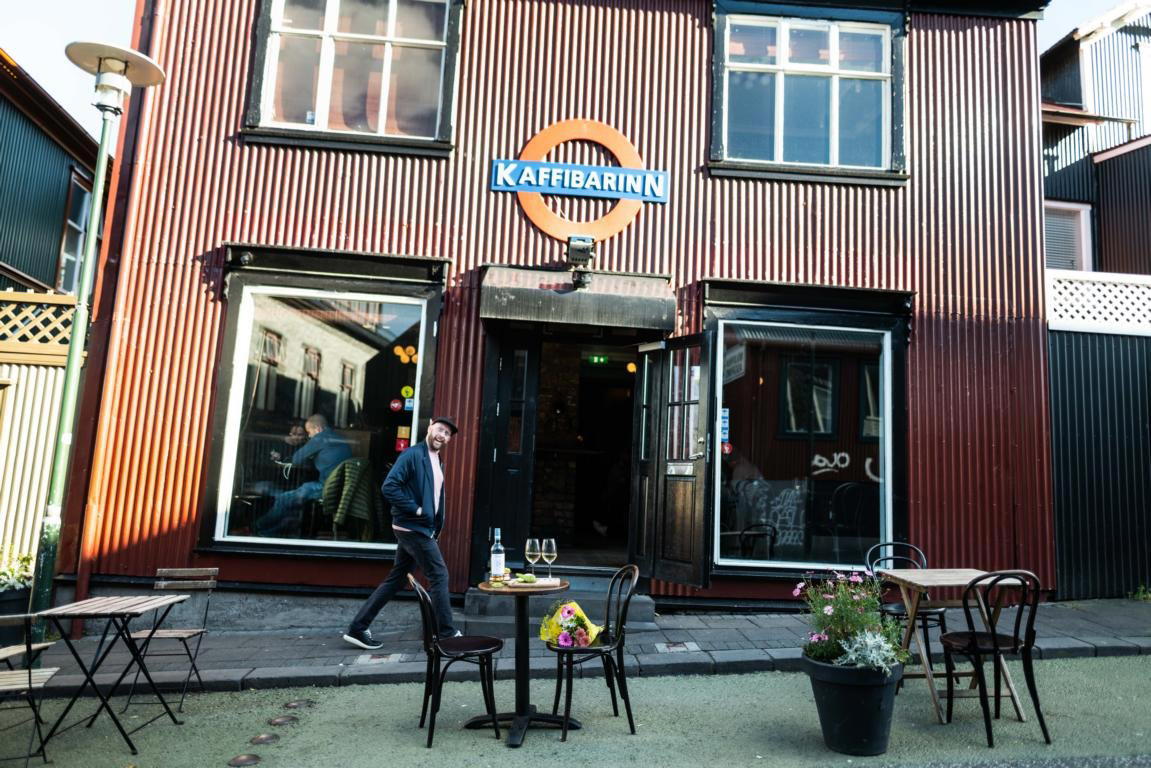
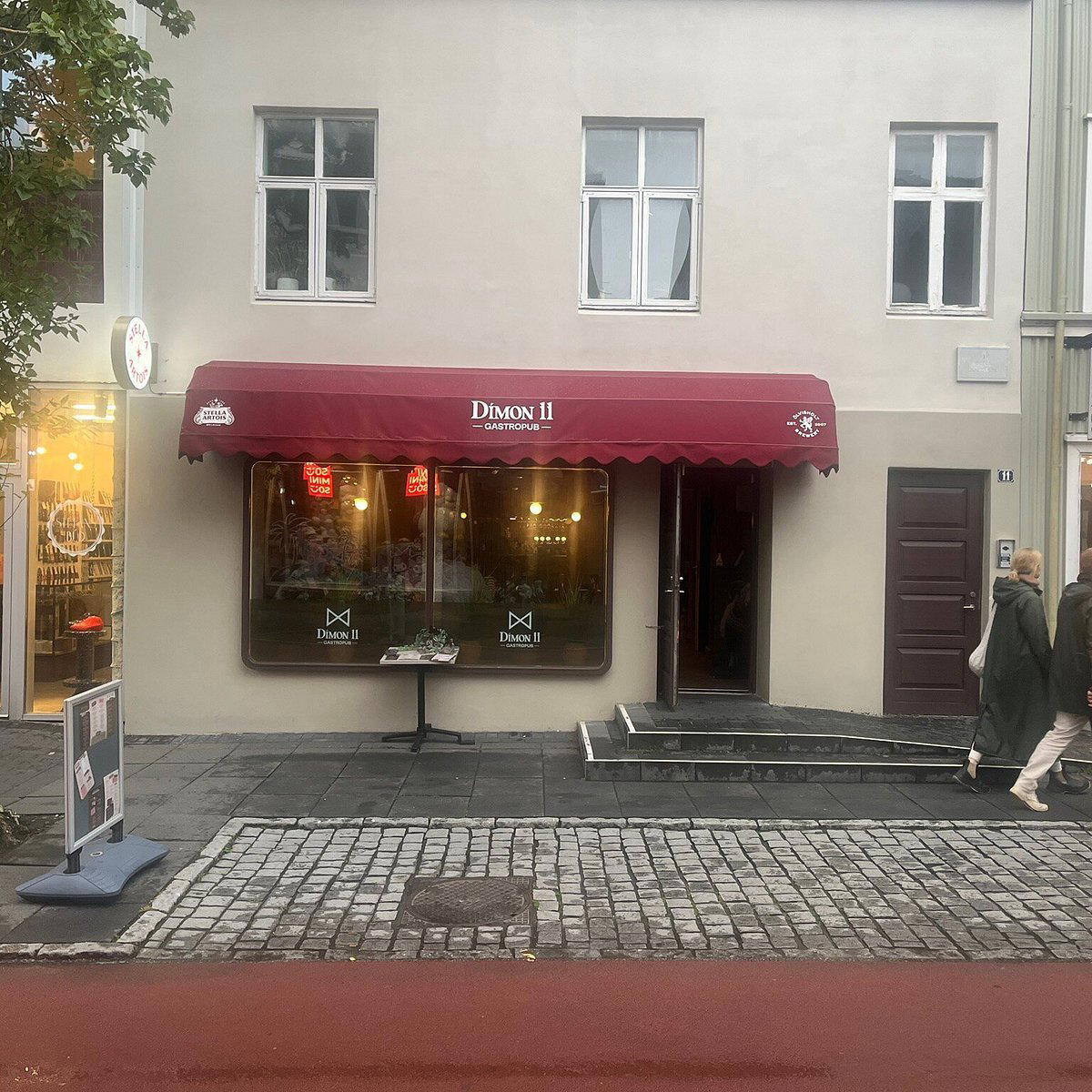
Restaurants in Reykjavík
Browse all →
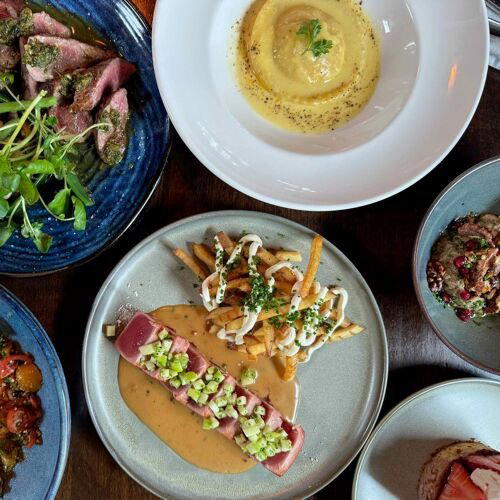
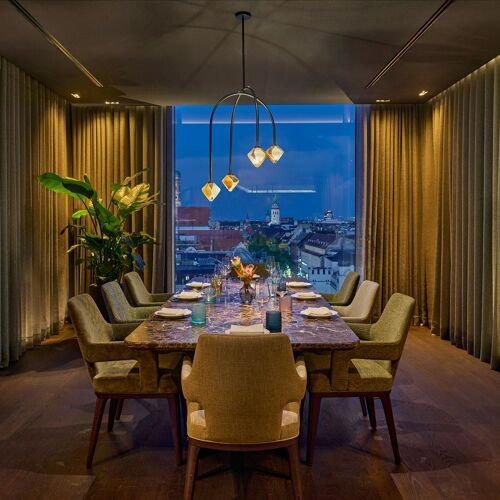
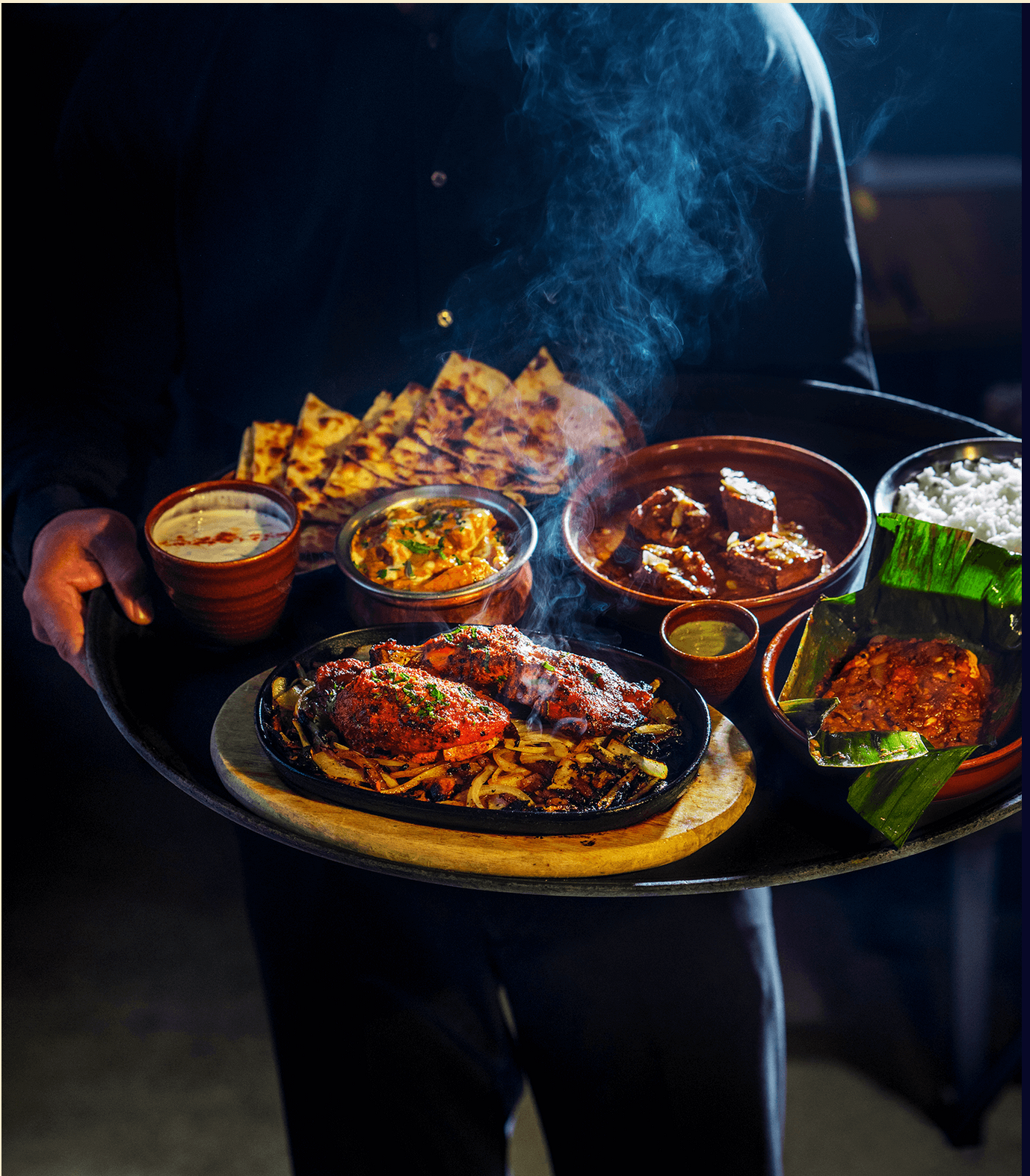
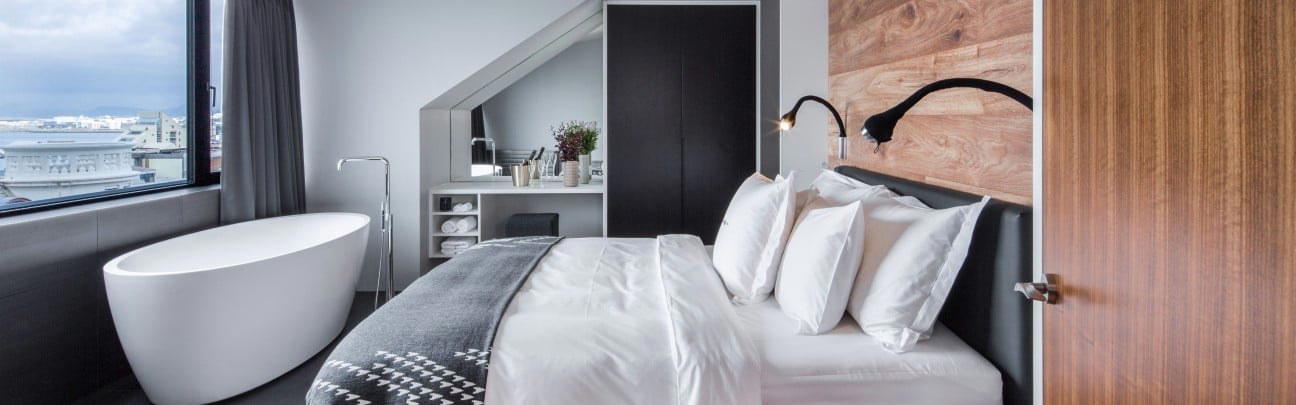
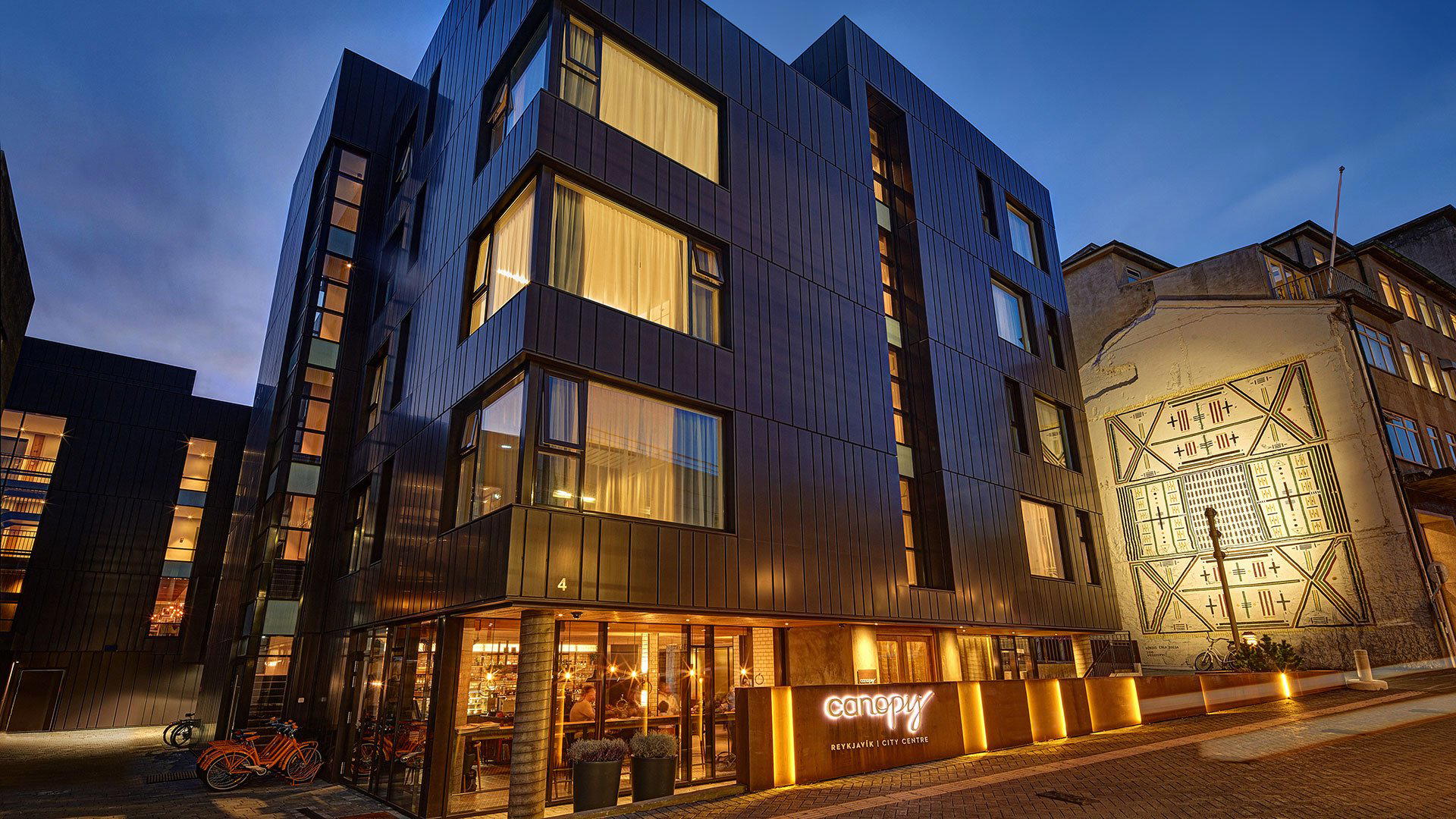
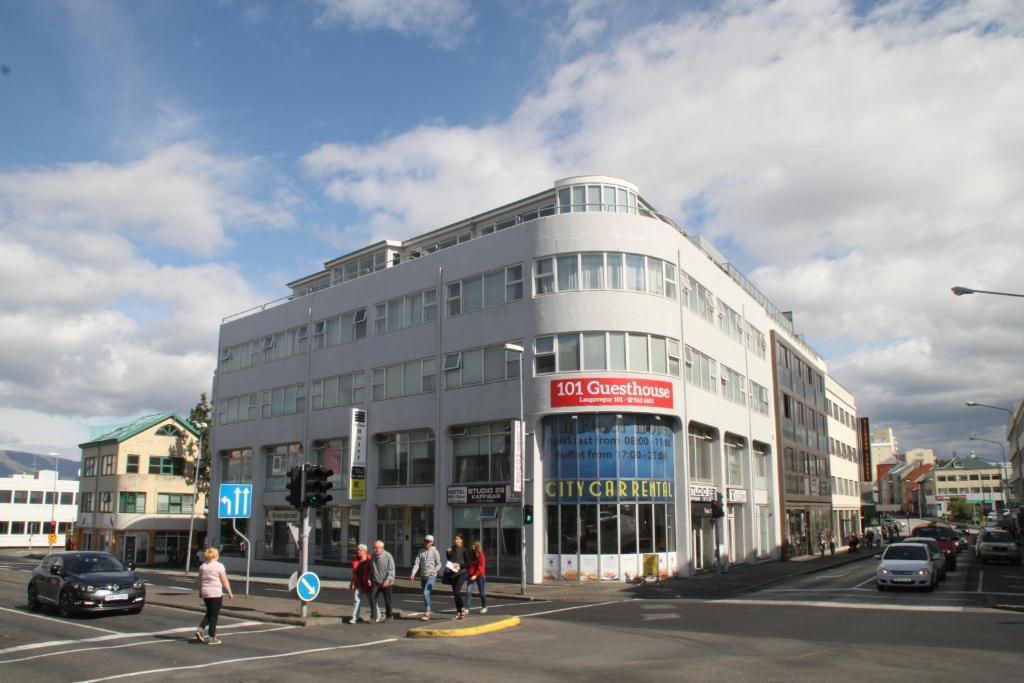
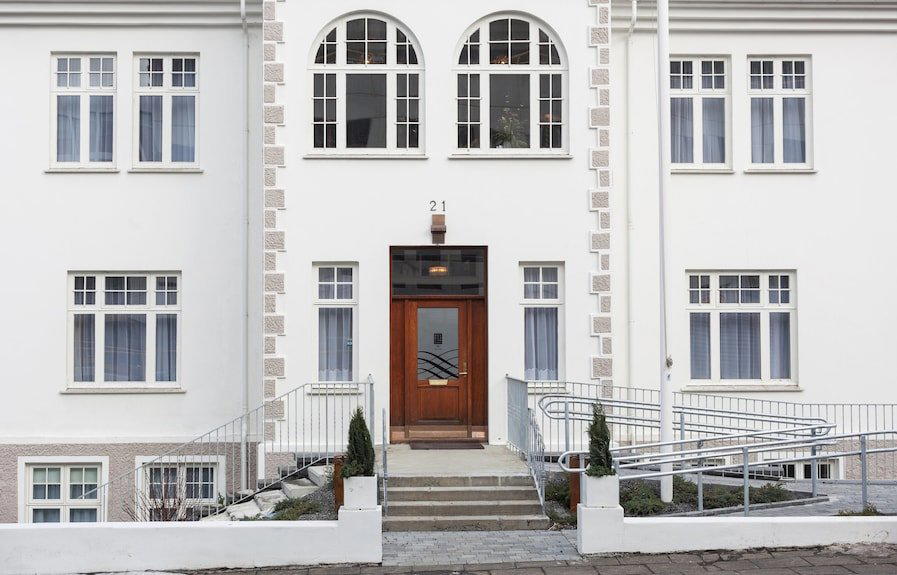
Kramber
The wine
- Wine program
- Curated wine list
- Craft cocktails
Signature drinks: signature cocktails.
Details
- Cozy
- Intimate
- Trendy
- Date Night
- Casual Hangout
- Standalone
- Seated Bar
- Craft Cocktails
Current opening hours
- Monday
- Closed
- Tuesday
- 3–11 PM
- Wednesday
- 3–11 PM
- Thursday
- 3–11 PM
- Friday
- 3 PM–1 AM
- Saturday
- 3 PM–1 AM
- Sunday
- Closed
Hours can change for holidays and private events. Last verified .
Inviting and warm with an intimate, laid-back atmosphere ideal for relaxing evenings.