
DILL Restaurant on Sturlugata 5 is Reykjavík's reference point for New Nordic cooking built around Icelandic ingredients. The kitchen draws from geothermal-grown produce, North Atlantic seafood, and highland lamb to construct a menu that reads as a precise argument for what Icelandic terrain can deliver on a plate. For visitors tracking serious tasting-menu dining in the North Atlantic, DILL belongs in the first conversation.
Pearl is the En Primeur Club membership app — saves, bookings, and concierge access live there. Same editors, same standards.
- Address
- Sturlugata 5, 102 Reykjavík, Iceland
- Website
- dillrestaurant.is
- Directions
- Get directions
 Saves & bookings on Pearl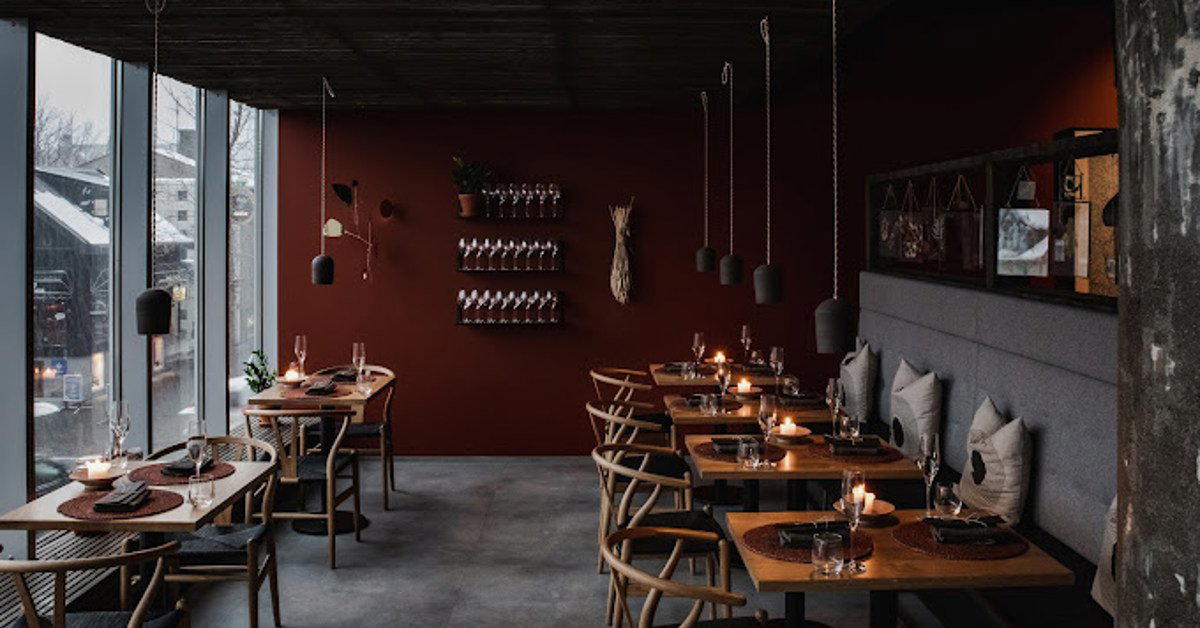
Where the Plate Begins: Icelandic Terrain as the Kitchen's Foundation
Reykjavík's serious dining scene is smaller than its international reputation might suggest. A handful of restaurants operate at the level where sourcing, technique, and format cohere into something worth planning a trip around, and DILL Restaurant on Sturlugata 5 has held a consistent place in that group. The physical approach is quiet: an address in the 102 postal district, away from the loudest stretches of Laugavegur, with an interior that signals restraint before the first course arrives. What drives the reputation here is not spectacle but specificity, specifically the argument that Icelandic ingredients, treated with the discipline of New Nordic methodology, constitute a cuisine worth serious attention on a global scale.
That argument is not distinctive to DILL, but few restaurants in Iceland have pressed it as consistently or at the same level of formal ambition. Across the North Atlantic dining tier, a small number of kitchens, including Moss in Grindavík and the Chef's Table at Moss Restaurant in Iceland, are making comparable cases for ingredient-led Icelandic cooking. DILL's position is that of the capital's anchor for this approach: the restaurant that established a reference point others in the country respond to.
The Sourcing Logic: What Iceland Provides and Why It Matters
Iceland's ingredient geography is genuinely unusual. The island sits on an active volcanic system, which means geothermal energy is cheap and abundant enough to heat greenhouses year-round at latitudes where outdoor growing is impossible for much of the year. Tomatoes, herbs, cucumbers, and root vegetables grown in geothermal greenhouses, most famously at operations like Friðheimar in Reykholt, supply Reykjavík kitchens with produce that would otherwise require import. The cold, clean water of the North Atlantic produces cod, haddock, arctic char, and langoustine of a quality that serious fish-focused kitchens internationally, including Le Bernardin in New York City, have long recognized as reference-grade. Icelandic lamb, grazed on highland pasture without supplementary feed through the summer months, carries a flavour profile markedly different from lowland European equivalents.
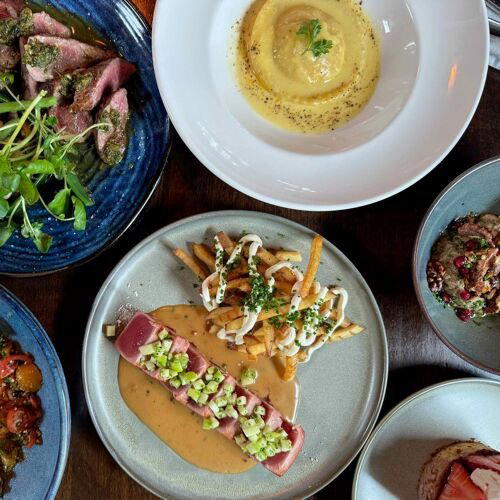
DILL's kitchen is built around these supply chains. The menu functions less as a list of dishes and more as a seasonal inventory of what Icelandic terrain can yield at a given point in the year. That framing is common to New Nordic restaurants across the region, but Iceland's particular combination of geothermal agriculture, clean-water seafood, and highland protein gives its version a distinct character. The cold climate compresses the growing season into intensity: ingredients harvested in a short window often carry concentration that milder climates don't produce. Kitchens that understand this work with the compression rather than against it, using preservation techniques including fermentation, curing, and smoking that extend the short-season character across the full calendar.
Format and Register: Where DILL Sits in Reykjavík's Dining Tier
Reykjavík's restaurant tier has broadened considerably over the past decade. The city now supports everything from the casual counter of Bæjarins Beztu Pylsur to the all-day neighbourhood cooking of Bergsson Mathús and the more formal contemporary register of places like Bon Restaurant and Brút. DILL operates at the formal end of that range. The format is a tasting menu, which places it in a comparable set that is small in Reykjavík and requires advance booking.
The tasting-menu format is the right vehicle for ingredient-led cooking at this level of ambition. It allows the kitchen to sequence sourcing arguments across multiple courses, moving through seafood, vegetable, and protein chapters in a way that builds a cumulative picture of what the Icelandic supply chain produces. Restaurants in other cities working to similar briefs, including Lazy Bear in San Francisco with its collaborative dinner-party format, have demonstrated that the tasting-menu structure amplifies sourcing narratives more effectively than à la carte. At DILL, that logic applies directly.
Within Reykjavík, the comparison set for this kind of formal, sourcing-driven cooking is limited. Amma Don and Bon Restaurant operate in adjacent registers, but DILL's tenure and sustained recognition place it at a distinct point in the city's dining structure. Beyond Reykjavík, the restaurants making particularly comparable arguments about Icelandic ingredients are distributed across the country: Nesjavallavirkjun in Selfoss and Fjöruborðið in Stokkseyri each represent regional approaches to Icelandic seafood and produce, while Strikið in Akureyri anchors the north.
The New Nordic Frame: What It Means in an Icelandic Context
New Nordic as a culinary movement originated in Copenhagen in the mid-2000s and has since been absorbed, adapted, and in some cases diluted across the Nordic region. Its core principles, seasonal sourcing, preservation technique, minimal intervention on quality primary ingredients, and cooking rooted in a specific geography, are more straightforwardly applicable in Iceland than in many places that claim the label. Iceland has fewer competing culinary traditions to reconcile. The island had a centuries-long tradition of necessity cooking, salting, drying, and fermenting to survive long winters, and that tradition maps directly onto the fermentation and preservation methods that New Nordic technique formalised. DILL works within this inheritance rather than importing a foreign framework and applying it artificially.
The result is a kitchen where technique is in service of ingredients rather than the reverse. That discipline is harder to maintain at the formal end of the market, where diners arrive with expectations shaped by international fine dining, than it sounds. Restaurants that lose the thread tend toward elaboration for its own sake. The ones that hold it, including DILL at its leading, produce menus where the sourcing story is legible on the plate.
Planning Your Visit
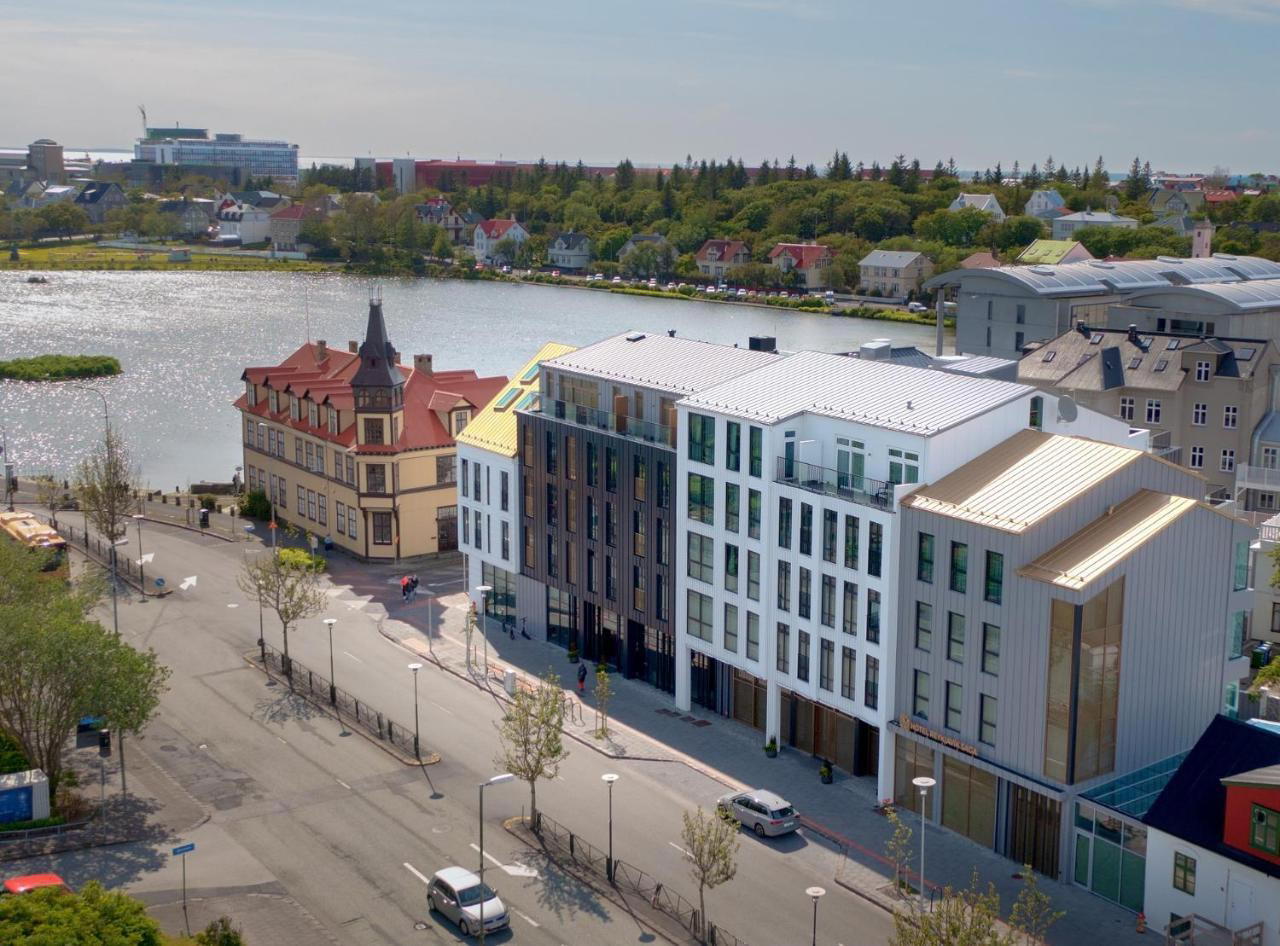
DILL Restaurant is located at Sturlugata 5 in the 102 district of Reykjavík, within walking distance of the city centre. The format is a tasting menu, so reservations are strongly advisable and should be made well ahead for weekend sittings and during peak summer travel months, when Reykjavík sees its highest visitor numbers. The capital's other formal dining options, listed in our full Reykjavík restaurants guide, can help structure a broader dining itinerary across a multi-day visit. Visitors combining DILL with a trip to the wider country might also consider Malai-Thai in Keflavik or Von Mathús-Bar in Hafnarfjörður for more casual meals on arrival or departure days. For those treating DILL as one stop on a wider Icelandic dining itinerary, the page for DILL in Reykjavík consolidates the key details.
Fast Comparison
Comparable venues nearby, for context on price, style, and recognition.
| Venue | Cuisine | Price | Notes |
|---|---|---|---|
| DILL RestaurantThis venue — the venue you are viewing | New Nordic Fine Dining | $$$$ | Not listed |
| Fiskmarkaðurinn / Fish Market | Modern Icelandic Seafood with Asian Fusion | $$$$ | Reykjavíkurborg |
| Bergsson Mathús | Healthy Icelandic Bakery Café | $$ | Reykjavíkurborg |
| Three coats | Traditional Icelandic Seafood | $$$ | Reykjavíkurborg |
| Hjá Jóni | Contemporary Icelandic with International Influences | $$$ | Reykjavíkurborg |
| Skál | Modern Scandinavian Small Plates | $$$ | Reykjavíkurborg |
Recognition history
Dated appearances from independent guides and award organizations, with the underlying list record or original source where available.
World Culinary Awards Iceland's Best Restaurant 2025 #1
World Culinary Awards
Continue exploring
More in Reykjavík
Restaurants in Reykjavík
Browse all →
Bars in Reykjavík
Browse all →
At a Glance
- Intimate
- Elegant
- Modern
- Sophisticated
- Date Night
- Special Occasion
- Open Kitchen
- Extensive Wine List
- Natural Wine
- Farm To Table
- Local Sourcing
Current opening hours
- Monday
- Closed
- Tuesday
- 6 PM–12 AM
- Wednesday
- 6 PM–12 AM
- Thursday
- 6 PM–12 AM
- Friday
- 6 PM–12 AM
- Saturday
- 6 PM–12 AM
- Sunday
- Closed
Hours can change for holidays and private events. Last verified .
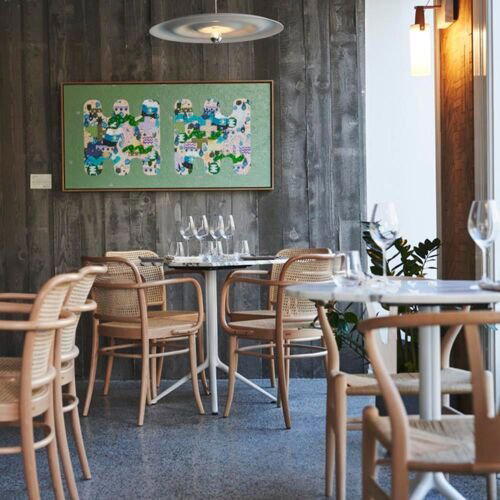
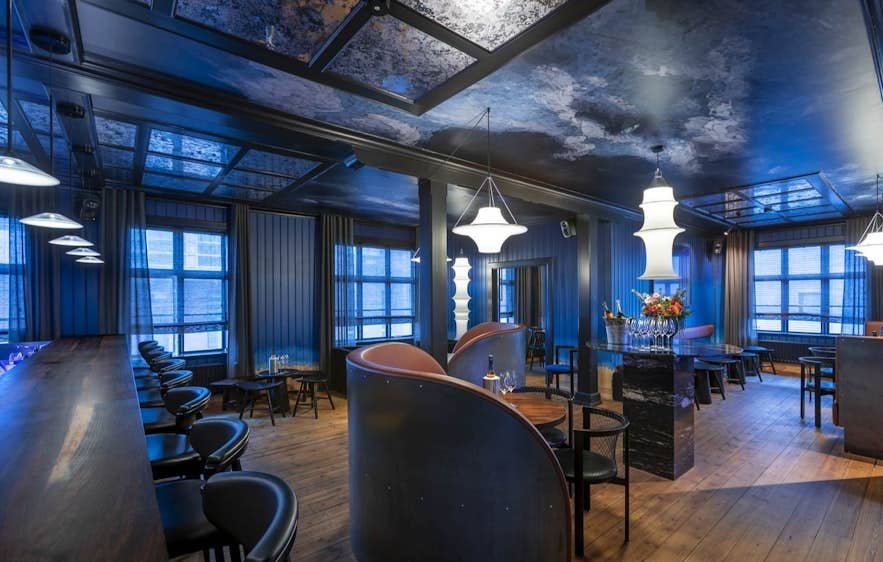
Moody hues and industrial decor create a dark, enveloping atmosphere that transports guests from the bustling street into an intimate menu progression.