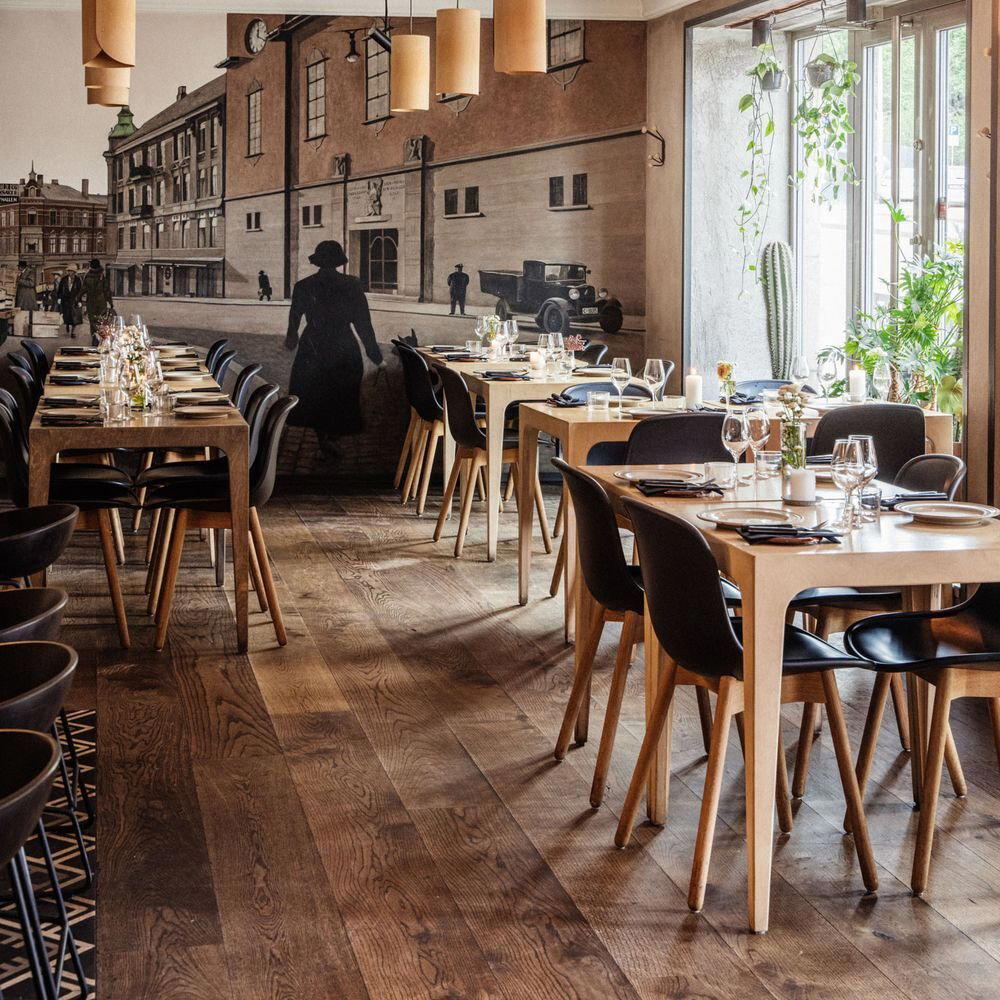
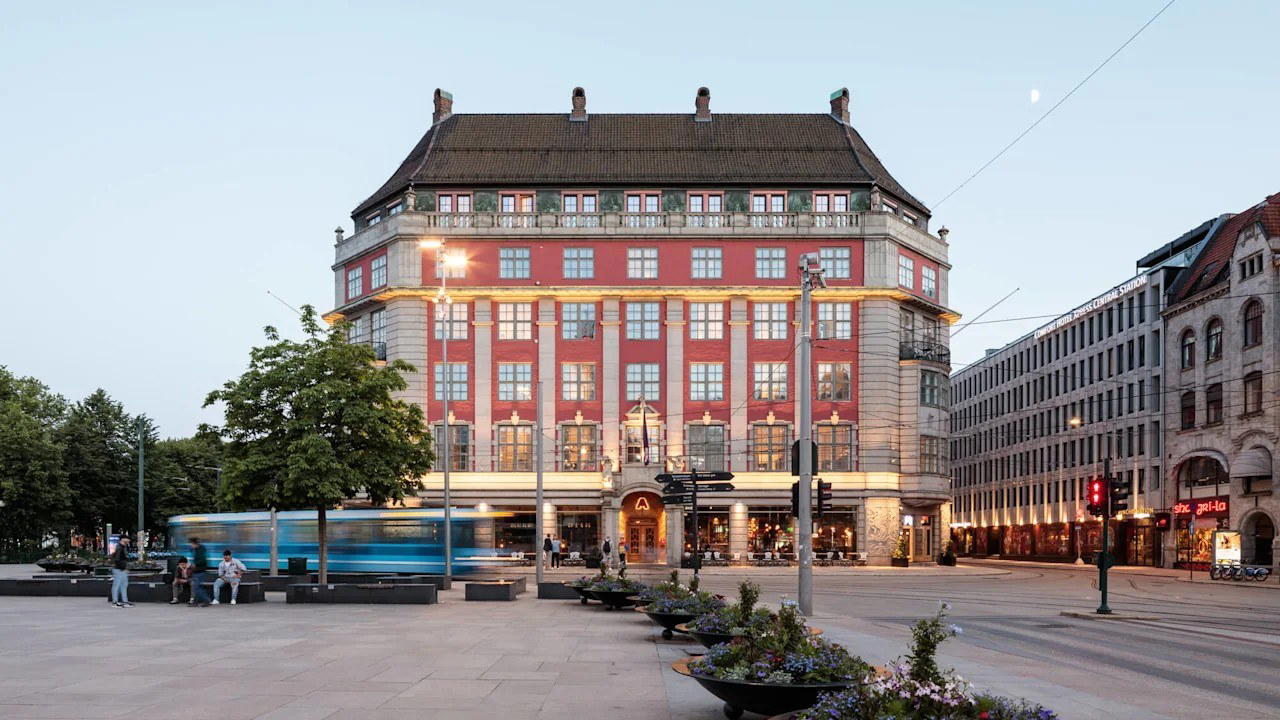
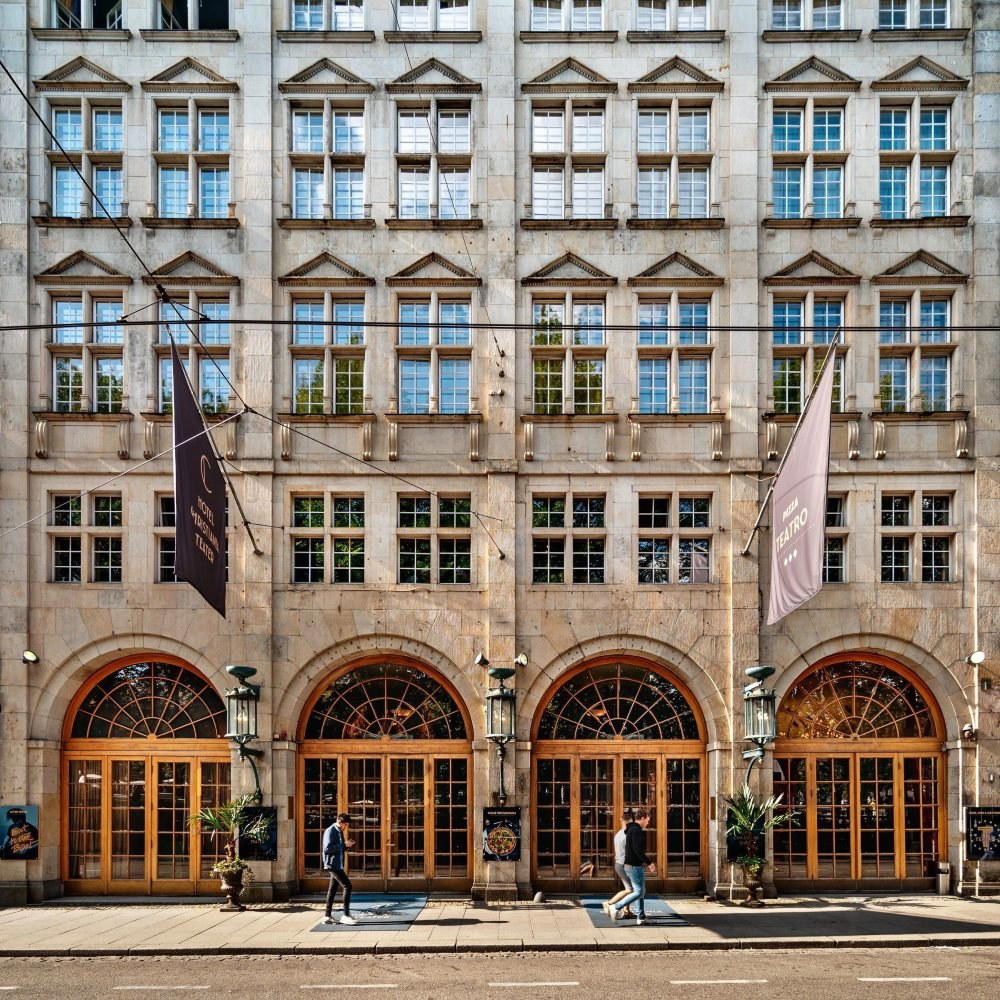
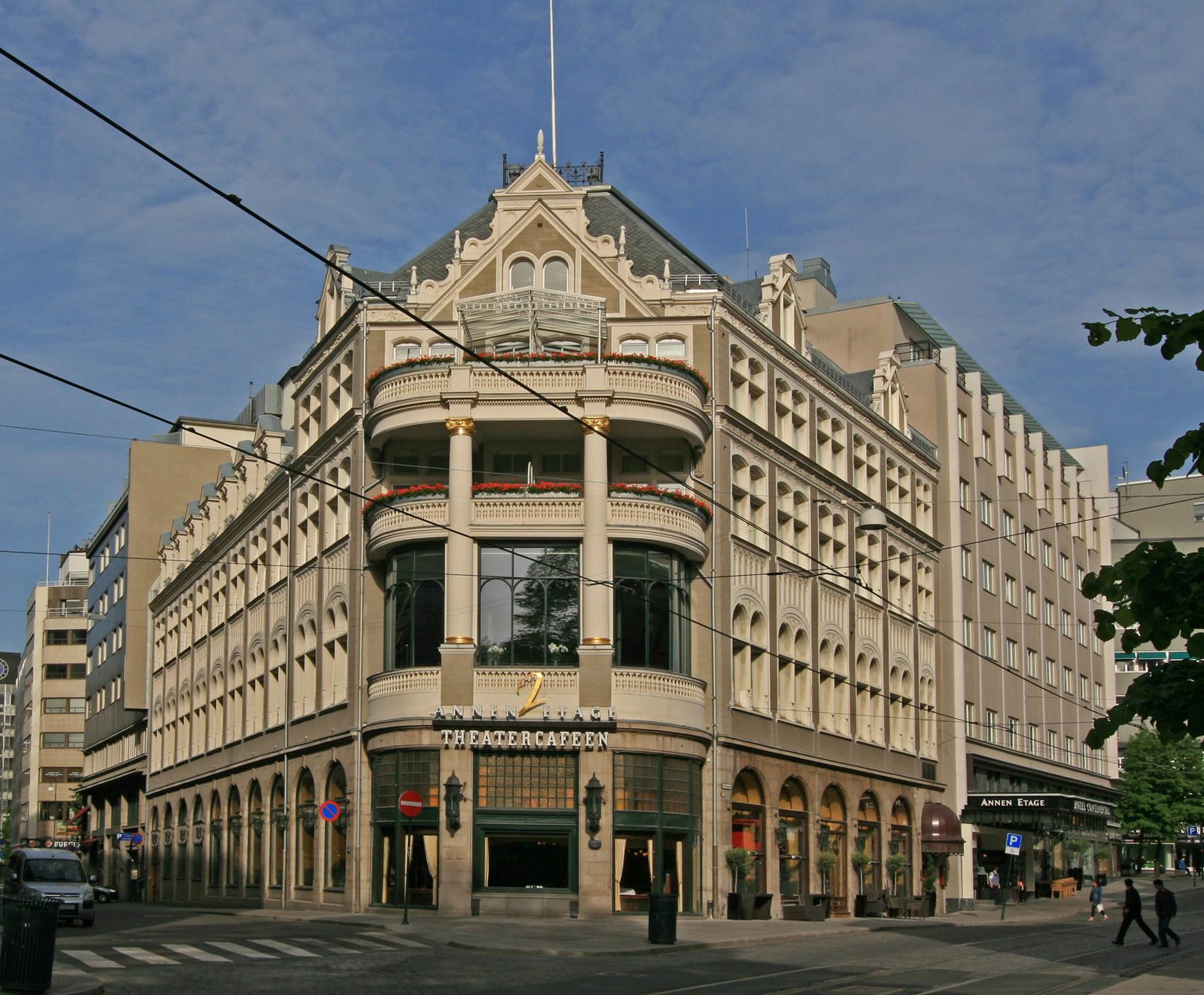
Oslo Street Food occupies a converted warehouse on Torggata 16b, placing it at the centre of Oslo's casual-dining shift away from white-tablecloth formality. The hall format draws together multiple kitchen concepts under one roof, reflecting a wider European trend toward democratic eating in cities where fine dining still dominates the conversation. It sits at a different price register from neighbours like Maaemo and Kontrast, making it a practical entry point into Oslo's food scene.
Pearl is the En Primeur Club membership app — saves, bookings, and concierge access live there. Same editors, same standards.
- Address
- Torggata 16b, 0181 Oslo, Norway
- Phone
- +4722040044
- Website
- oslo-streetfood.no
- Directions
- Get directions
 Saves & bookings on Pearl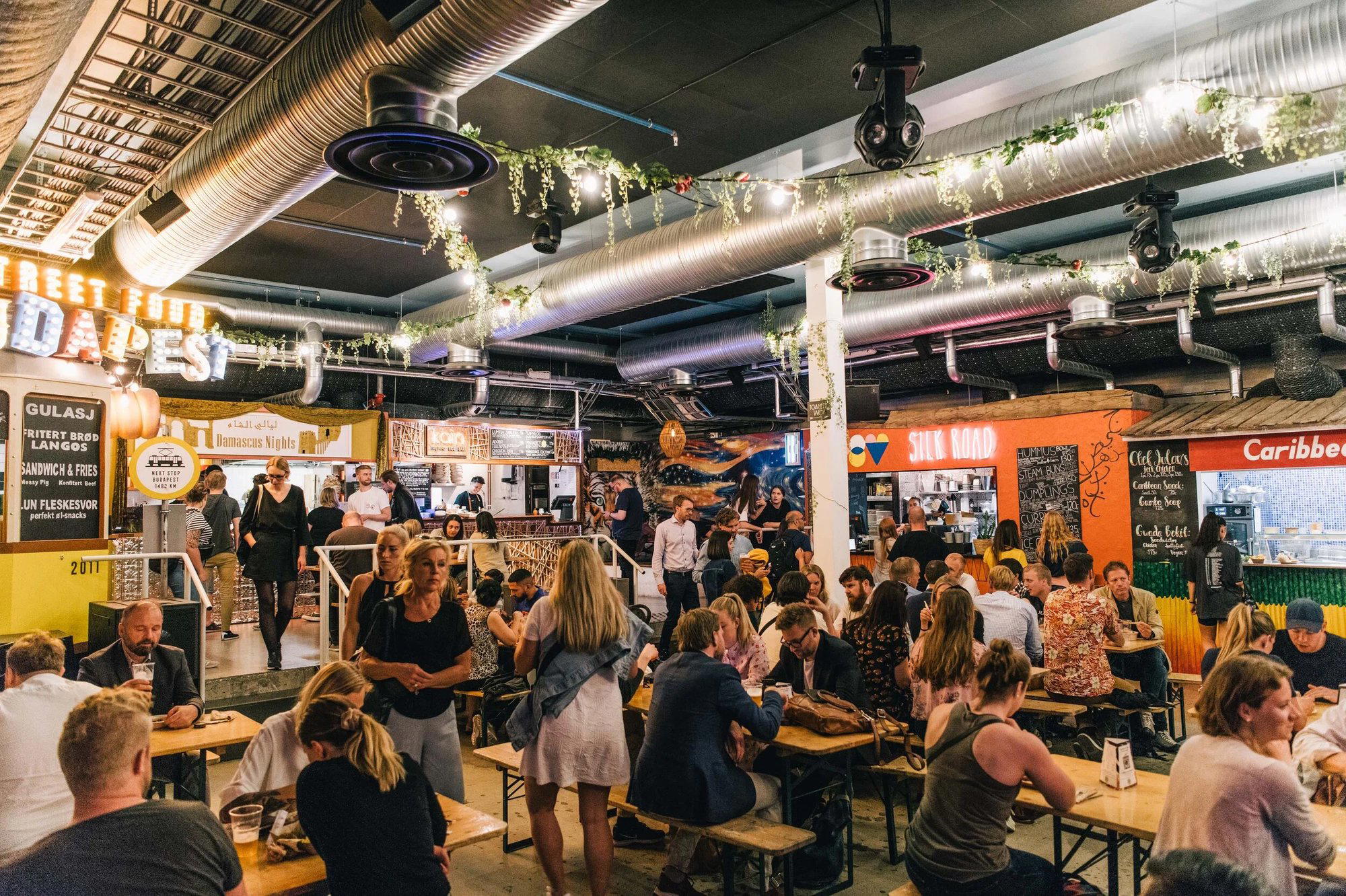
Torggata and the Casual Turn in Oslo Dining
Oslo's dining identity has long been defined by its fine-dining ambition. Maaemo and Kontrast anchor the city's reputation internationally, and the broader New Nordic movement gave Norwegian cuisine a seriousness it had rarely commanded before. But a parallel shift has been underway in the neighbourhoods east of the city centre, where the conversation around food has become less ceremonial and more immediate. Torggata, the street running through Oslo's Grünerløkka-adjacent district, sits at the heart of that shift. The buildings here are older and less precious, the foot traffic more mixed, and the tolerance for informality considerably higher than in Aker Brygge or Tjuvholmen. Oslo Street Food is a Global Street Food Hall at Torggata 16b, Oslo, with a casual dress code and a walk-in-friendly setup.
Oslo Street Food at Torggata 16b is a product of that context rather than an exception to it. The warehouse-style hall format it occupies has become one of the defining models for urban casual dining across Northern Europe: multiple independent kitchens sharing a single space, with communal seating, variable queuing, and a drink-while-you-browse logic that borrows more from market culture than from the restaurant tradition. In Oslo, where eating out has historically been expensive at every tier, the hall format carries particular weight. It changes the economic calculus for the diner and lowers the threshold for exploration.
The Hall Format and What It Does to Drinking
One of the less-discussed consequences of the food-hall model is what it does to beverage service. In a conventional restaurant, the drinks list is curated by a single team for a single menu, and the sommelier or bar lead shapes every pairing decision. In a multi-kitchen hall, that architecture breaks down. Drinks operate either as a centralised function or as an afterthought, and the difference matters considerably to anyone who thinks about what they're eating and drinking as a connected experience.
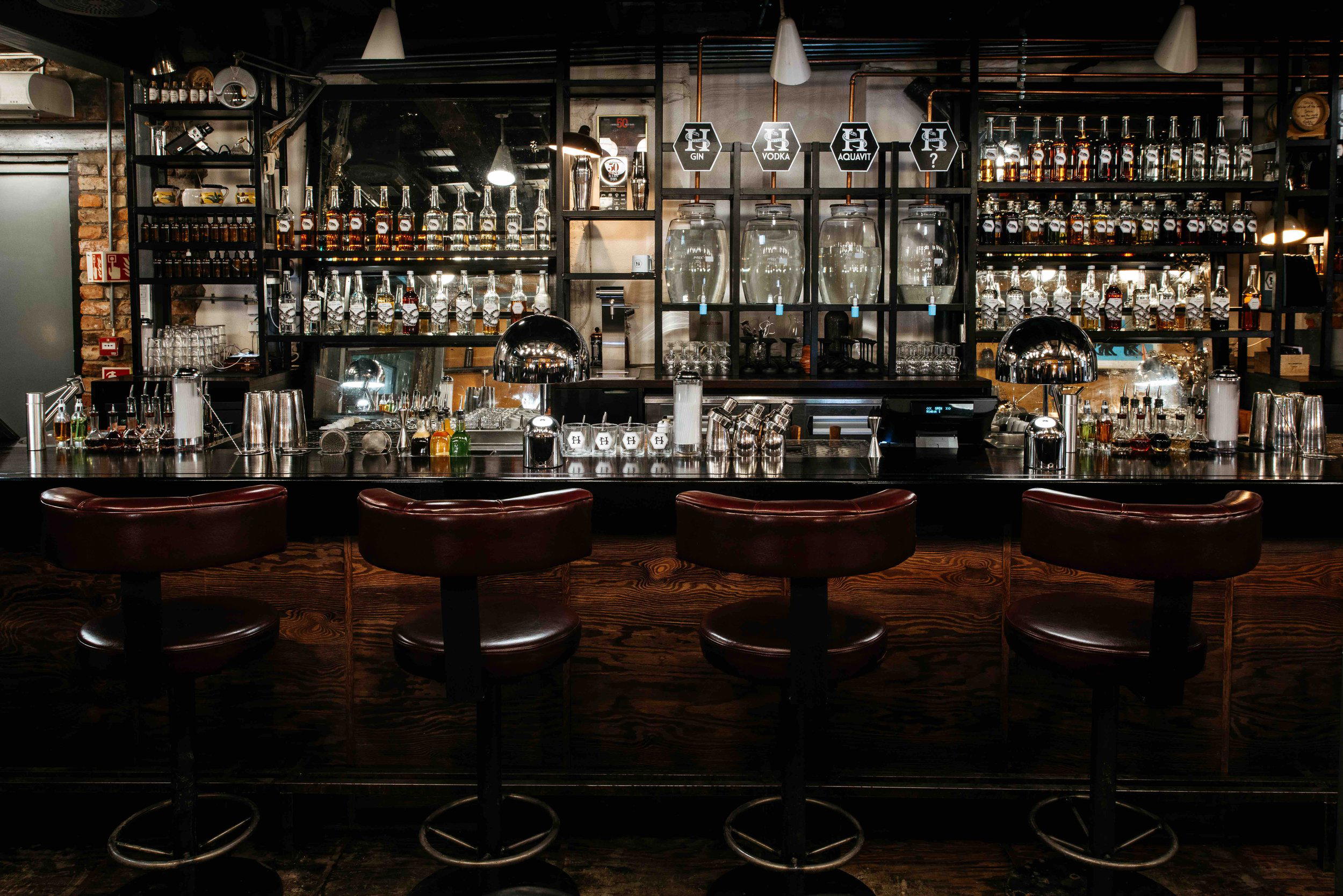
Food halls that take their drink offering seriously tend to position a central bar as the gravitational point of the space, separating the beverage programme from the individual kitchens and giving it an independent identity. This approach works well in markets where natural wine, craft beer, and Nordic spirits have developed visible followings, and Oslo qualifies on all three counts. The city's bar scene, represented by venues like Bar Amour, has pushed in a direction that values provenance, minimal intervention, and a certain deliberate roughness of flavour. A hall setting in this city can either align with that sensibility or ignore it entirely.
The broader context for drinking in Oslo's casual tier sits between the Scandinavian craft beer tradition, which is well-established, and a growing interest in low-intervention wines from producers across Europe. At the fine-dining level, places like Hot Shop and Mon Oncle have shown that Oslo diners will engage with considered, sometimes unconventional lists when the framing is right. The question for a hall format is always whether it can transfer any of that rigour to a setting where the primary draw is food variety and informality.
Price, Access, and the Oslo Cost Problem
Norway's cost of eating out is a structural reality rather than a venue-specific decision. At the leading end, tasting menus at Maaemo or RE-NAA in Stavanger or FAGN in Trondheim price against international peers and require that commitment. The mid-market in Oslo, by contrast, can feel compressed: the gap between a casual meal and a tasting menu is sometimes narrower in relative terms than in comparable European cities. Food halls address this partly by disaggregating the meal: a visitor can spend what they choose, moving between stalls, eating smaller portions, and drinking by the glass rather than committing to a bottle.
For visitors arriving from outside Norway, including those who have eaten at Under in Lindesnes or plan to visit Hardanger House in Jondal, Torggata 16b offers an entry into Oslo's food culture at a register that doesn't require the planning and commitment of a tasting menu booking. That accessibility is genuinely useful in a city where the high end is well documented and the casual tier is less clearly mapped for international visitors.
Where Oslo Street Food Sits in the City's Wider Food Map
Oslo's seafood culture runs through the country at every price point, from the counter simplicity of Anita's Sjomat in Lofoten to the more composed plates at Fiskekrogen in Henningsværr and the Arctic-adjacent menu at Aurora Restobar in Kirkenes. In a hall setting in Oslo, fish-forward stalls fit naturally into that tradition. The same applies to smoked and cured formats, open-faced sandwich traditions, and the kind of fermented and pickled accompaniments that the New Nordic movement codified but that existed in Norwegian domestic cooking long before chefs gave them editorial framing.
Multi-kitchen halls also let individual operators specialise more narrowly than a full restaurant permits, which means the range across stalls in a well-run hall can cover more culinary ground than a single kitchen menu. For a city with a relatively concentrated fine-dining scene, this variety has genuine value. It also makes the hall format a reasonable first stop for visitors who want orientation before committing to a longer, more expensive evening. Diners planning itineraries that include Børsen Spiseri in Svolværr or Underhuset Restaurant in Reine will find the contrast with Oslo's more urban, multi-cuisine offering instructive. Those who have visited high-concept counters abroad, including Le Bernardin in New York City or Atomix in New York City, will recognise how different the organisational logic of a food hall is from the single-vision tasting format, and will calibrate expectations accordingly.
Planning a Visit
Torggata 16b sits in central Oslo, which makes it an easy stop without advance planning. The hall format is walk-in friendly: arrival, selection, and informal seating govern the experience rather than a booked time slot. The restaurant works as a standalone visit or as a low-commitment first meal before a longer evening nearby.
Comparison Snapshot
Comparable venues nearby, for context on price, style, and recognition.
| Venue | Cuisine | Price | Notes |
|---|---|---|---|
| Oslo Street FoodThis venue — the venue you are viewing | Global Street Food Hall | $$ | Not listed |
| Arno | Authentic Italian | $$ | Fredensborg |
| Posthallen Drinkhub | Bar Snacks and Cocktails | $$ | St. Hanshaugen |
| Svanen | Cocktail Bar | $$ | St. Hanshaugen |
| Ahaan | Thai Street Food | $$ | Ruselokka |
| Stranden 30 | Nordic Fusion with Asian and Mediterranean Influences | $$$ | Aker Brygge |
Continue exploring
More in Oslo
Bars in Oslo
Browse all →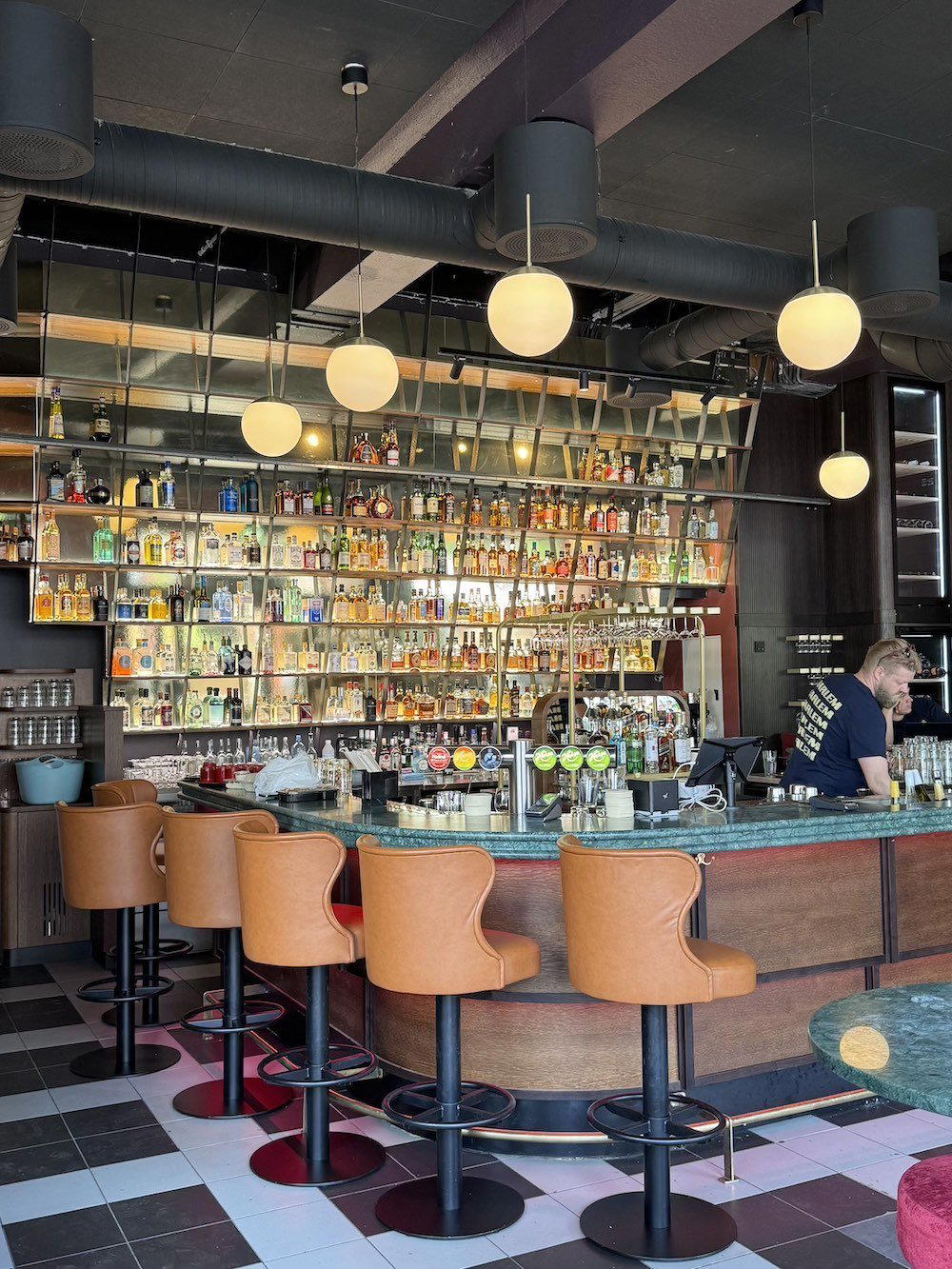
At a Glance
- Lively
- Trendy
- Energetic
- Industrial
- Casual Hangout
- Group Dining
- Late Night
- Open Kitchen
- Craft Cocktails
- Beer Program
- Street Scene
Current opening hours
- Monday
- 11 AM–11 PM
- Tuesday
- 11 AM–11 PM
- Wednesday
- 11 AM–11 PM
- Thursday
- 11 AM–11 PM
- Friday
- 11 AM–3 AM
- Saturday
- 11 AM–3 AM
- Sunday
- 12–9 PM
Hours can change for holidays and private events. Last verified .