Our verdict
The restaurant's cultural framing sets it apart from the New Nordic canon that dominates the city's fine-dining conversation. For visitors mapping Oslo's dining scene beyond the Scandinavian mainstream, Ahaan represents a different point on the compass.

Pearl is the En Primeur Club membership app — saves, bookings, and concierge access live there. Same editors, same standards.
- Address
- Sommerrogata 1, 0255 Oslo, Norway
- Phone
- +4722564300
- Hours
- Mon–Wed 4 PM–12 AMThu–Fri 4 PM–1 AMSat 12 PM–1 AMSun Closed
- Website
- ahaan.no
- Directions
- Get directions
The menu
What to order
- Prawn Crackers with Nahm Prik Plah
- Famous Pork Knuckle
- Watermelon salad
Oslo's restaurant conversation has been dominated for well over a decade by the New Nordic framework. Maaemo and Kontrast anchor the high end of that tradition, with multi-course formats, Michelin recognition, and menus built around Norwegian geography. That framework has been enormously productive, but it has also created a gravitational pull that makes any restaurant operating outside it more visible by contrast. Ahaan is one of those restaurants.
Cultural Roots as the Editorial Point
The name Ahaan is a transliteration of the Thai word for food, and that etymology carries editorial weight in an Oslo context. Thai cuisine in Scandinavia has a complicated history: it arrived in large volumes through the 1980s and 1990s as casual, affordable dining, and the category spent years being associated with standardised menus and low price points. The shift happening in several Northern European cities now — where Thai cooking is being examined at a more serious technical and cultural level, is exactly the kind of category repositioning that produces interesting restaurants worth watching.
What makes that repositioning meaningful is the depth of the source tradition. Thai cuisine draws on regional variation across north, northeast, central, and southern zones, each with distinct flavour profiles, ingredient sets, and cooking techniques. The central plains tradition that most Europeans recognise, the curries, the stir-fries, the rice dishes built around coconut milk and fish sauce, represents only one strand of a much wider culinary system. Restaurants that take those distinctions seriously tend to produce food that reads differently from the category average, because they are drawing on a richer reference pool.
Where Ahaan Sits in Oslo's Wider Map
Oslo's dining scene has matured considerably since the early New Nordic wave. The city now has a mid-tier that includes places like Hot Shop and Bar Amour, which operate with creative energy and lower formality than the tasting-menu flagships. There is also a French strand, represented by Mon Oncle, that appeals to diners who want classical reference points rather than Scandinavian foraging narratives. Ahaan occupies a different niche from all of these: a cuisine with deep cultural specificity, housed in a residential neighbourhood, away from the tourist circuit.
That positioning has parallels elsewhere in Norway. The country's more interesting dining moments are often found at a remove from the obvious centres. RE-NAA in Stavanger, Speilsalen in Trondheim, and Lysverket in Bergen all demonstrate that Norway's culinary ambition is not exclusively an Oslo phenomenon. Even further afield, Under in Lindesnes, Glime Restaurant in Hardanger Fjord, and MiraBelle by Ørjan Johannessen in Bekkjarvik show that the country's most considered dining can happen in dramatically non-urban settings. Within Oslo itself, a restaurant that draws on a non-Scandinavian culinary tradition with genuine depth is a meaningful addition to that map. For more on how Oslo's scene fits together, see our full Oslo restaurants guide.
The Frogner Context
Frogner is not a dining district in the way that Grünerløkka or Aker Brygge are, it does not have the density of openings or the foot traffic that generates buzz through volume. What it has instead is a resident clientele that eats out regularly and takes food seriously without needing theatrics. Restaurants that succeed here tend to do so on repeat custom and word-of-mouth rather than tourist flow or social media spillover. That dynamic rewards consistency and precision over novelty and spectacle, which is a meaningful filter for any restaurant trying to establish itself in the space.
Planning a Visit
What the address and neighbourhood context do suggest is that Ahaan operates in a part of the city where advance planning pays off: Frogner restaurants at the more serious end of the market tend to fill on weekend evenings several weeks out, particularly during the autumn and winter months when Oslo's dining season intensifies. Arriving without a reservation on a Friday or Saturday is a risk that the neighbourhood's dining patterns do not recommend. For visitors building an Oslo itinerary around food, pairing Ahaan with one of the city's New Nordic tasting menus gives a more complete picture of what Oslo is doing with food right now, across both the home tradition and the traditions it is beginning to engage with from elsewhere.
For broader context on how Norwegian fine dining is distributed across the country, from the Lofoten archipelago's Restaurant 1893 in Stokmarknes to Vianvang in Vågå, Buer Restaurant in Odda, or Lily Country Club in Kløfta, Norway's dining geography rewards curiosity beyond the capital. And for readers mapping international reference points, the technical precision that serious Asian cuisine demands at the leading end has been demonstrated by restaurants as different in format as Le Bernardin in New York City and Lazy Bear in San Francisco, both of which show how cuisine with deep cultural specificity can be handled with the same rigour applied to European classical traditions.
Frequently asked questions
Is Ahaan a family-friendly restaurant?
Frogner's residential character, where Ahaan sits at Sommerrogata 1, suggests a quieter dining room than Oslo's more tourist-facing areas like Aker Brygge.
What is the atmosphere like at Ahaan?
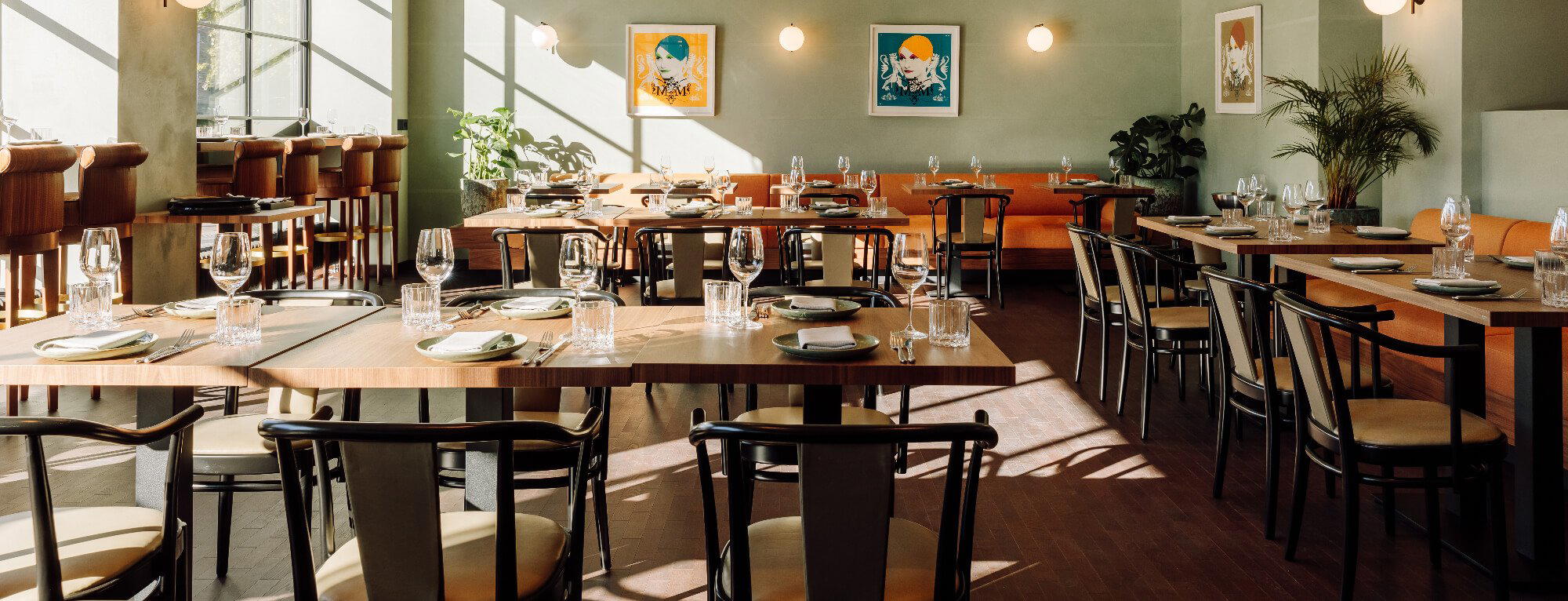
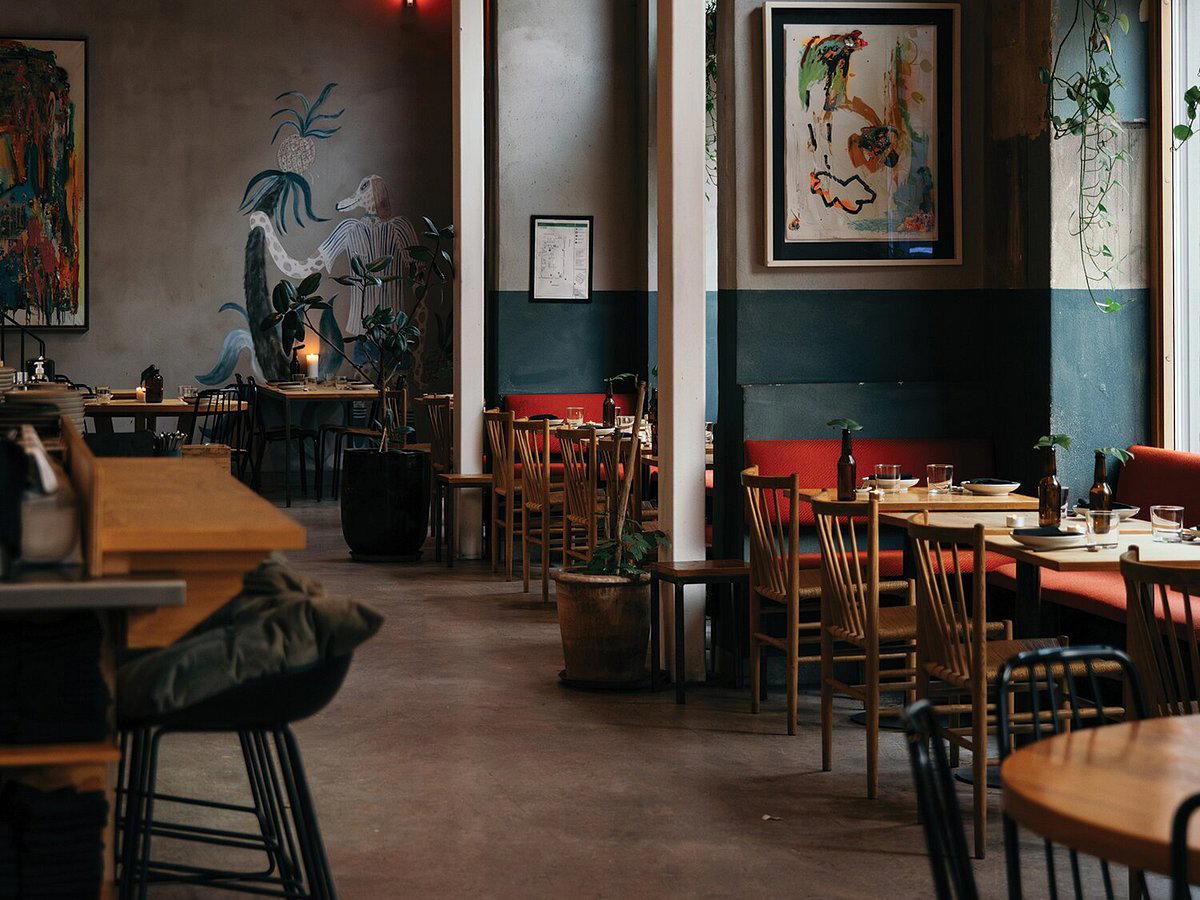
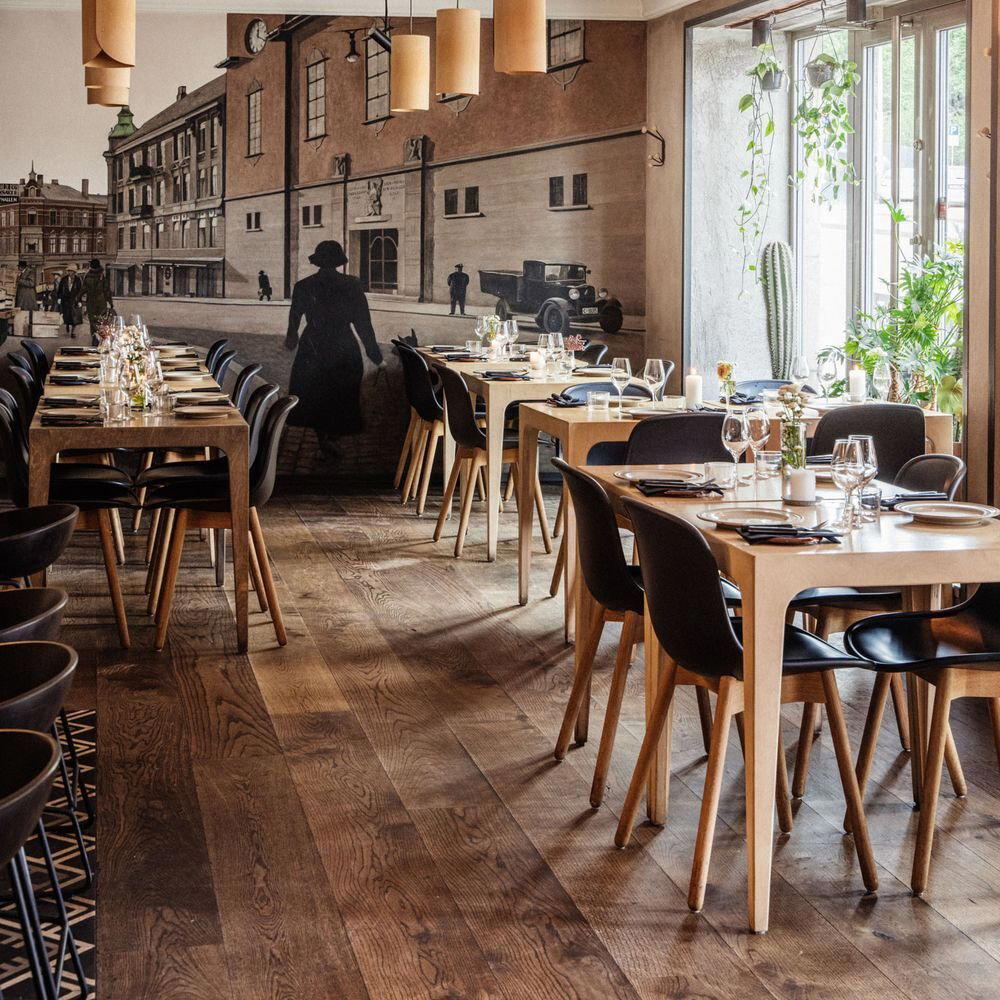
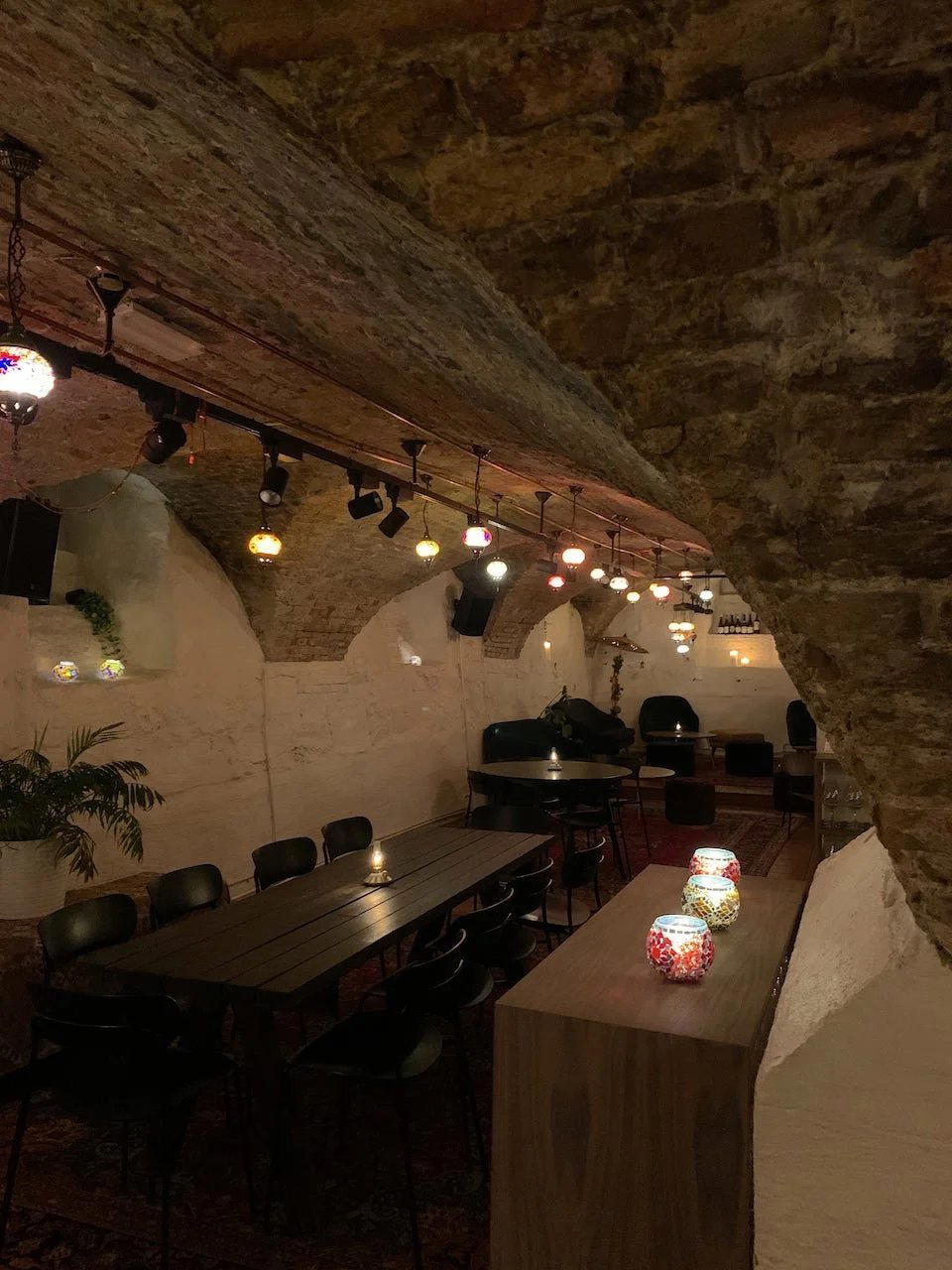
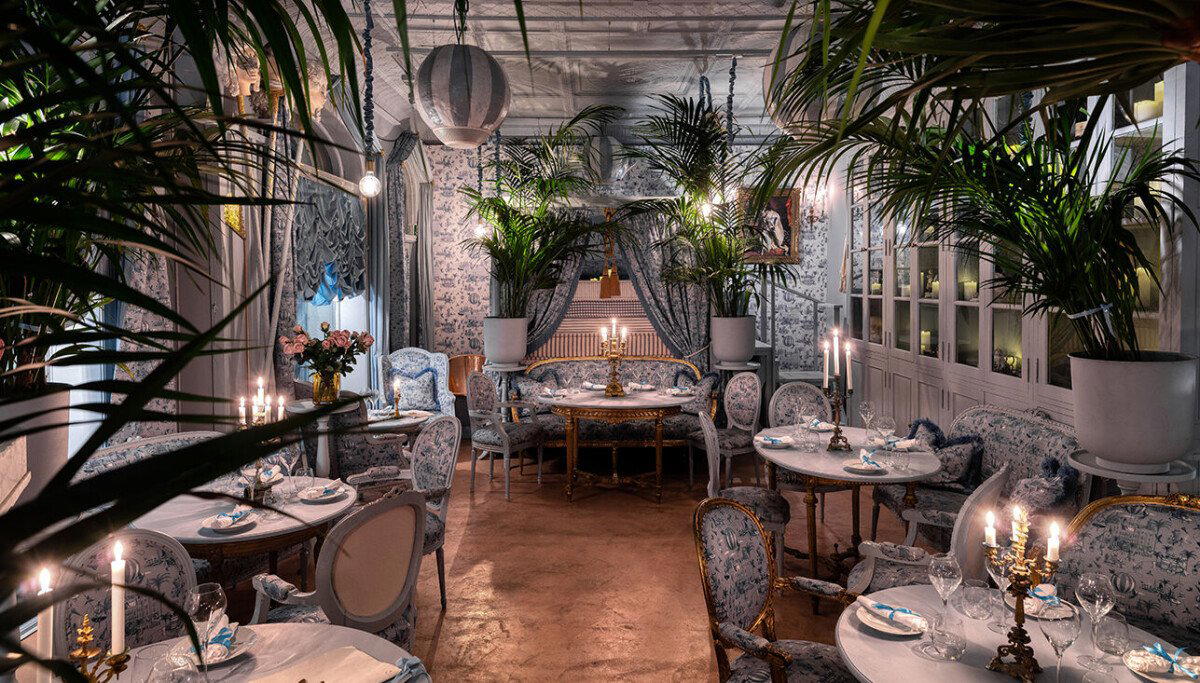
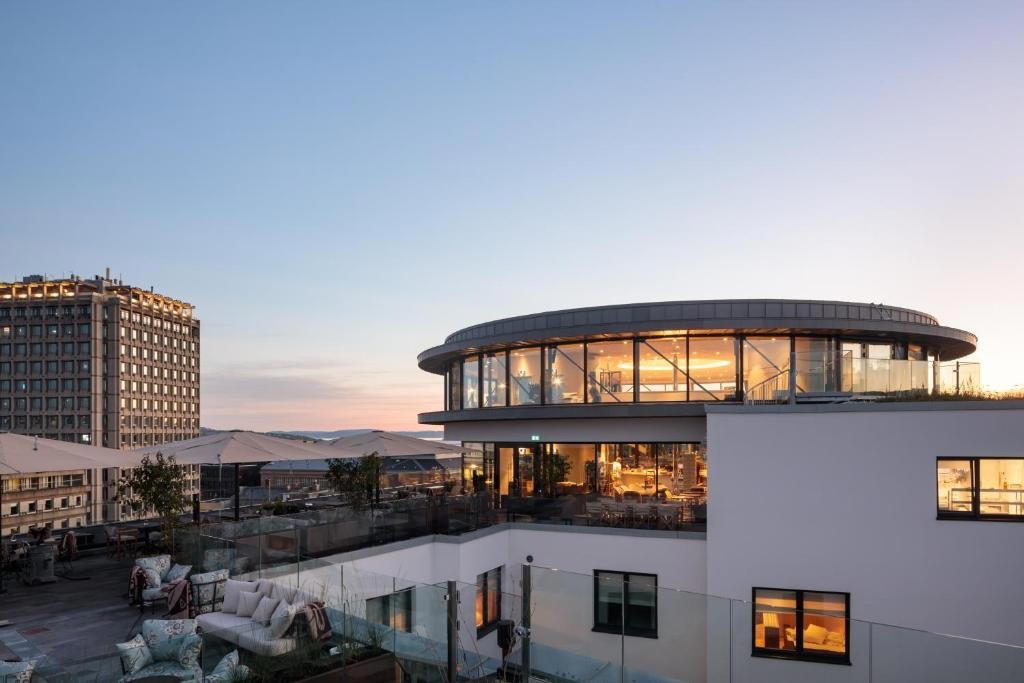
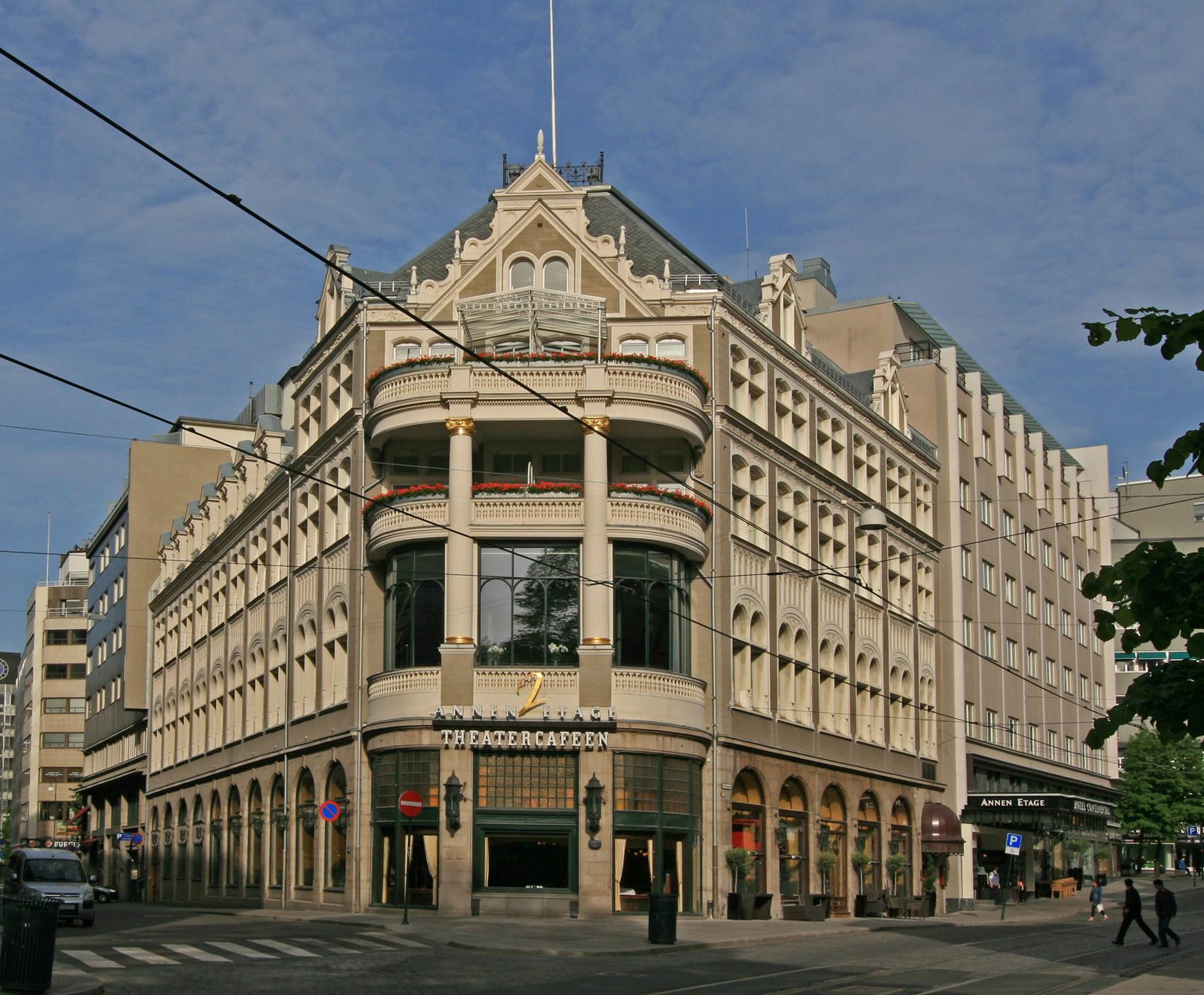
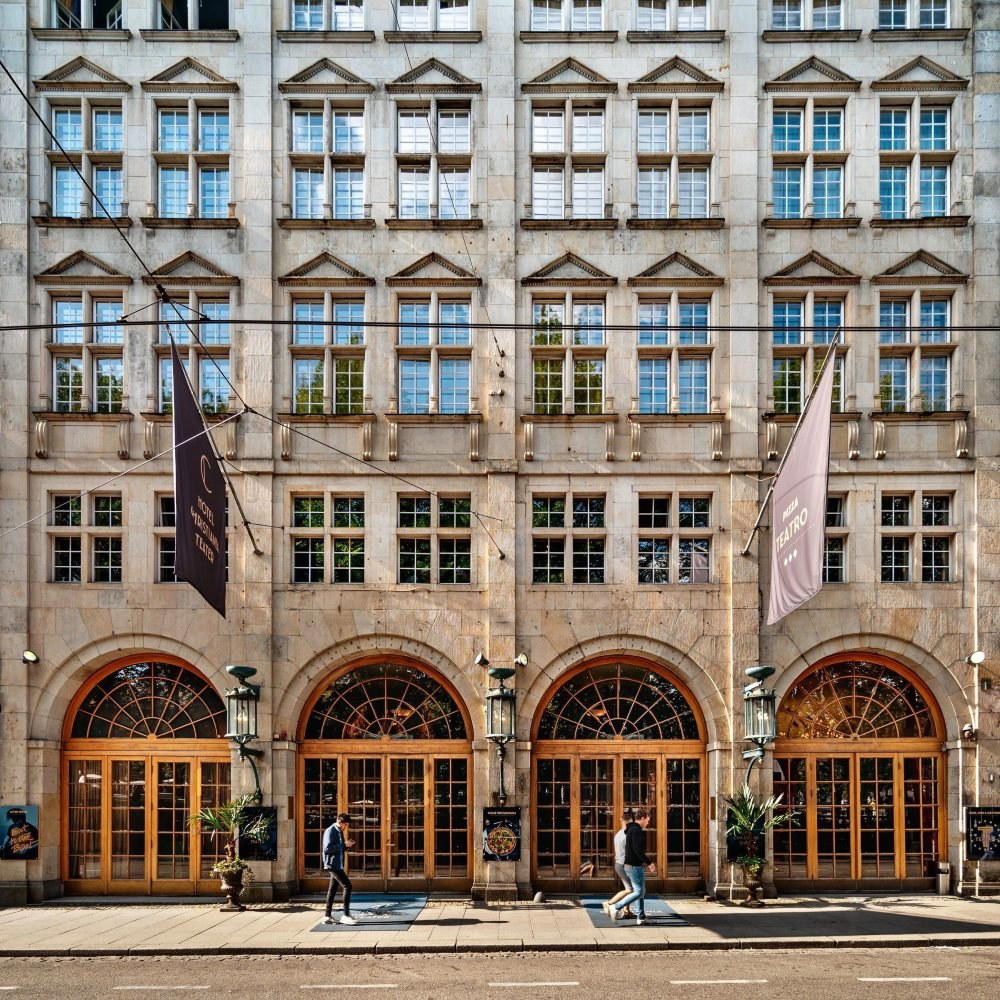
Sommerrogata 1 is in Frogner, a district defined by wide pavements and early-twentieth-century residential architecture rather than the high foot traffic of Grünerløkka. That address points toward a composed, neighbourhood-scale room rather than a high-energy city-centre setting.
Is Ahaan one of the few dedicated Thai restaurants in Oslo's west-end Frogner district?
Frogner is not a district with high restaurant density, making a Thai venue at Sommerrogata 1 a notable presence in that part of Oslo's west end. Oslo's Thai restaurant scene is spread unevenly across the city, with most options concentrated in more central or eastern neighbourhoods. Whether Ahaan holds a singular position in Frogner specifically is worth verifying on the ground, but the address alone places it outside the usual clusters.
What's the must-try dish at Ahaan?
Ahaan's name translates directly from Thai as 'food', which frames the menu as rooted in Thai culinary tradition rather than a fusion departure.
Where is Ahaan in Oslo?
Ahaan is located at Sommerrogata 1, 0255 Oslo, Norway, Oslo.
How far ahead should I plan for Ahaan?
Given that Frogner has fewer dining options than denser Oslo districts, demand at a well-positioned Thai restaurant in the area can be meaningful. Contacting Ahaan directly is the only confirmed route to securing a table.
Pricing, Compared
A quick peer reference to anchor this venue in its category.
| Venue | Cuisine | Price | Awards | Notes |
|---|---|---|---|---|
| AhaanThis venue — the venue you are viewing | Thai Street Food | $50–100 | Not listed | Not listed |
| Maaemo | New Nordic Fine Dining | $300–500 | 3 Michelin Stars · World's 50 Best #47 | New Nordic, Modern Cuisine |
| Kontrast | Modern Nordic Fine Dining | $200–300 | 2 Michelin Stars · La Liste Top Restaurants | New Nordic, Scandinavian |
| Hot Shop | Modern Nordic Tasting Menu | $100–150 | 1 Michelin Star · Star Wine List | New Nordic, Modern Cuisine |
| Statholdergaarden | Classic Norwegian-French Fine Dining | $200–300 | 1 Michelin Star · La Liste Top Restaurants | Modern European, Classic Cuisine |
| Arakataka | Modern Nordic | $50–100 | Michelin Plate · Star Wine List | Nordic, Norwegian |
Details
- Lively
- Modern
- Trendy
- Date Night
- Group Dining
- Open Kitchen
- Hotel Restaurant
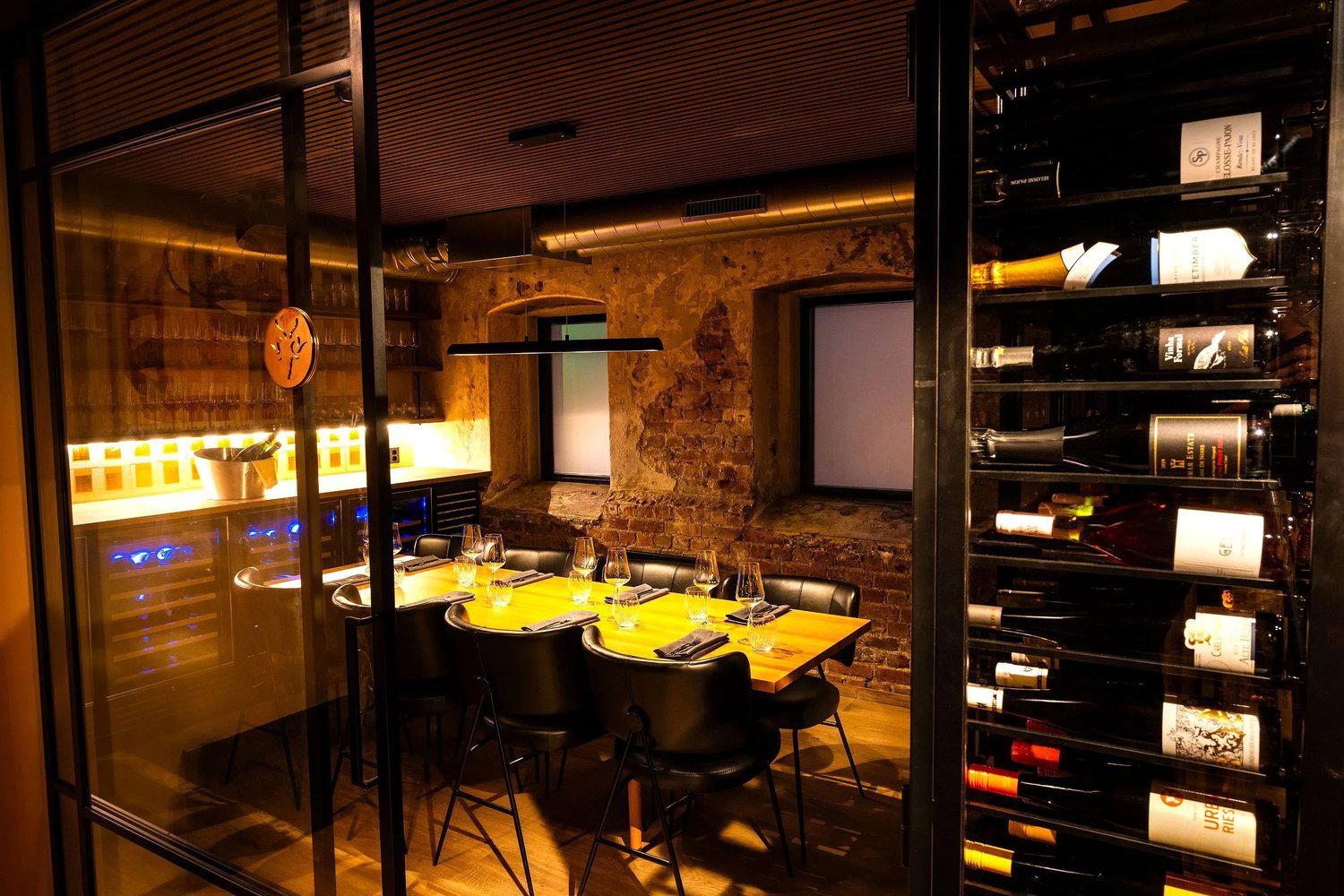
- Extensive Wine List
- Local Sourcing
- Street Scene
- Family Style
- A La Carte
- Small Plates
Current opening hours
- Monday
- 4 PM–12 AM
- Tuesday
- 4 PM–12 AM
- Wednesday
- 4 PM–12 AM
- Thursday
- 4 PM–1 AM
- Friday
- 4 PM–1 AM
- Saturday
- 12 PM–1 AM
- Sunday
- Closed
Hours can change for holidays and private events. Last verified .
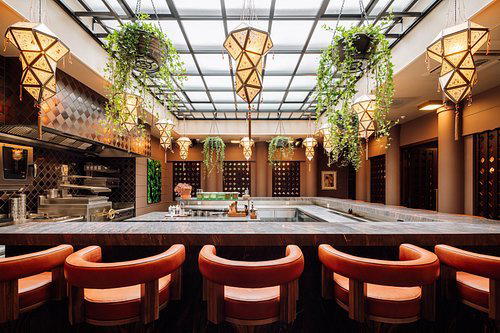
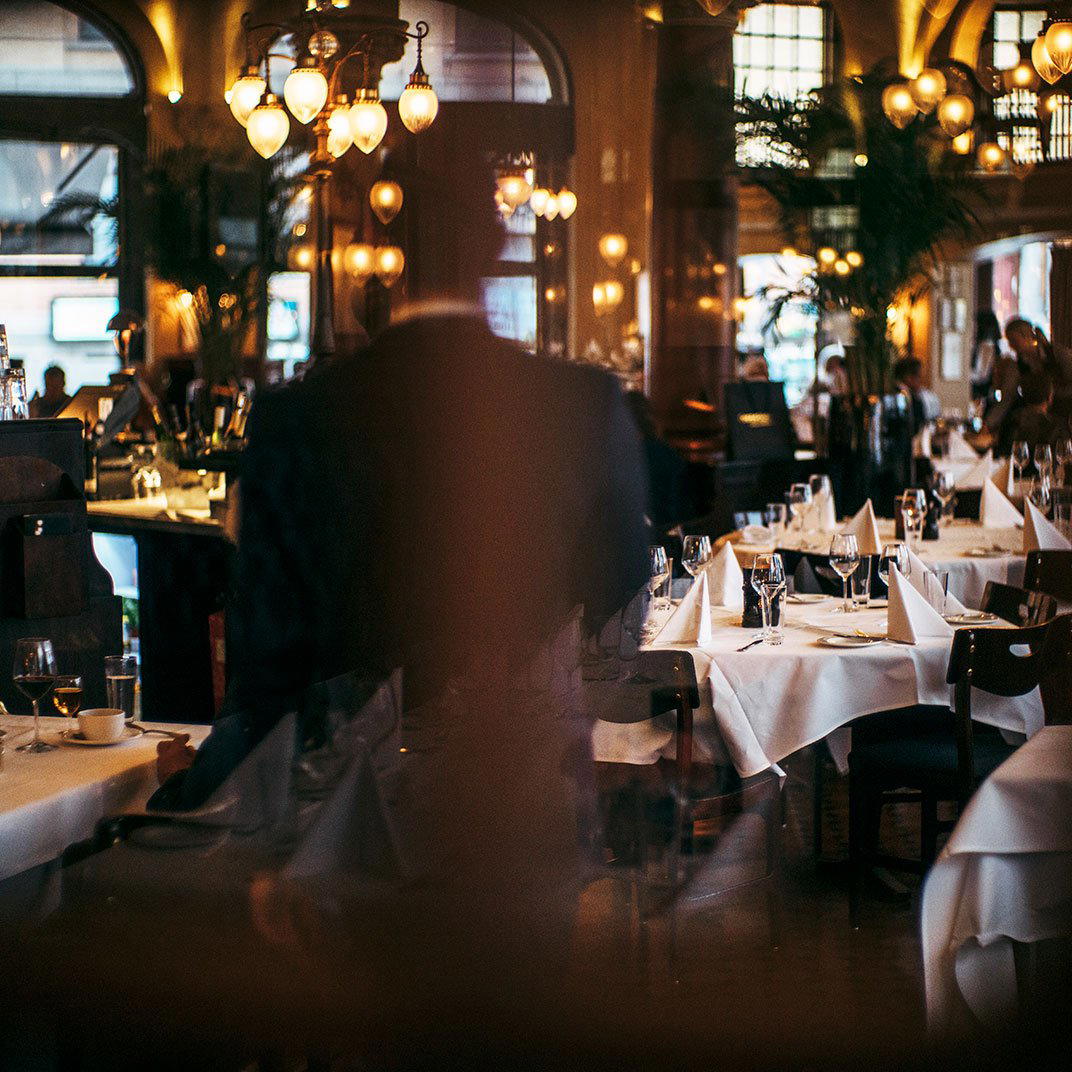
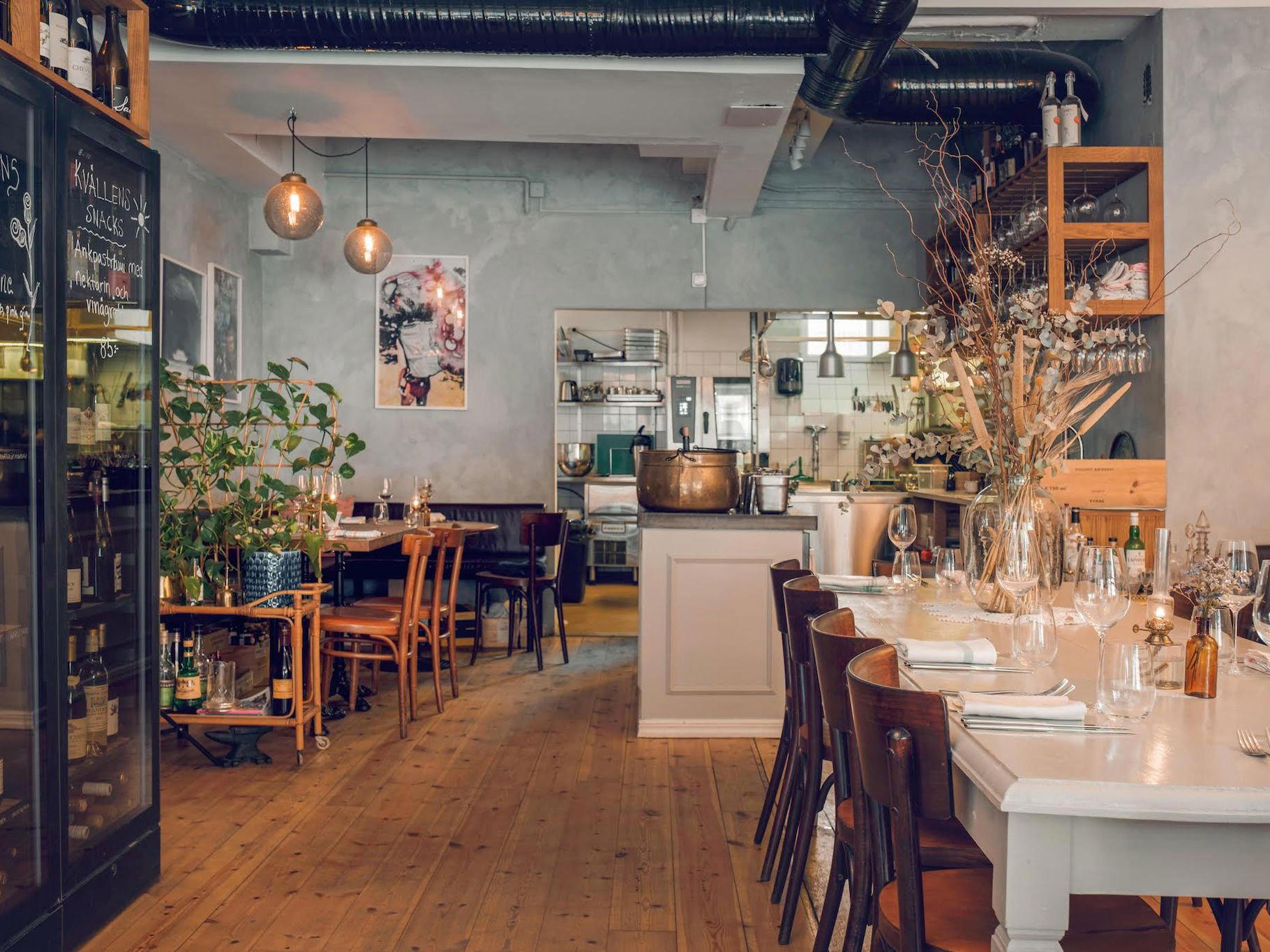
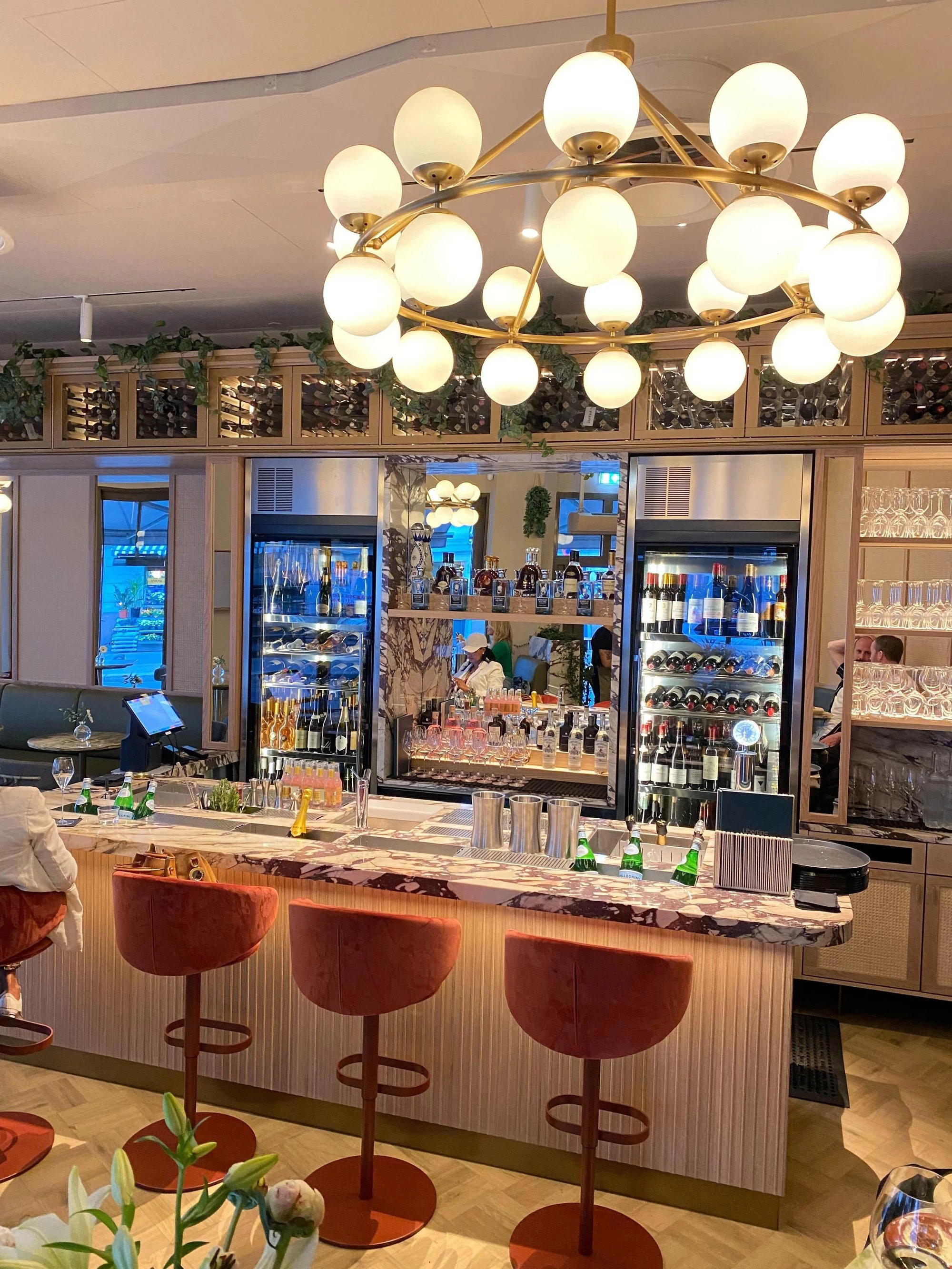
Pleasant and lively atmosphere with an open kitchen.