Our verdict
Arno sits on Fredensborgveien in Oslo's Grünerløkka-adjacent Sagene district, a neighbourhood that has drawn a younger, locally-focused dining crowd away from the city centre. Against Oslo's upper tier of tasting-menu destinations, Arno occupies a more neighbourhood-scaled register, making it a reference point for how the city's less-formal dining scene has matured alongside its Michelin-tracked counterparts.

Pearl is the En Primeur Club membership app — saves, bookings, and concierge access live there. Same editors, same standards.
- Address
- Fredensborgveien 30B, 0177 Oslo, Norway
- Phone
- +4741628379
- Hours
- Mon ClosedTue–Sat 5–10 PMSun Closed
- Website
- arnoristorante.no
- Directions
- Get directions
- Booking
- Book on the venue's website
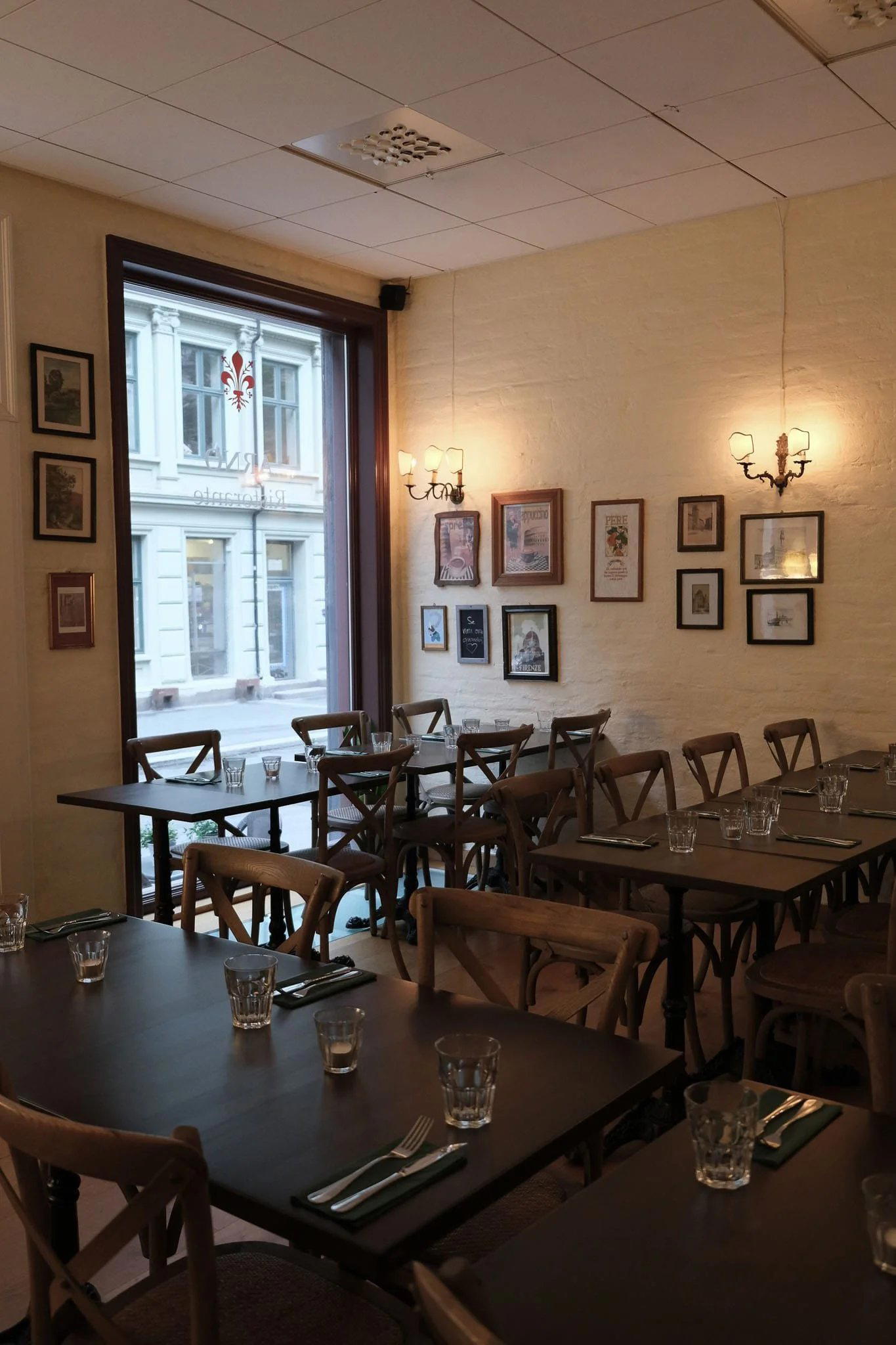
A Street Address That Tells Half the Story
Fredensborgveien runs through one of Oslo's quieter residential corridors, connecting the density of Grünerløkka to the calmer streets of Sagene. It is not the address you expect to find serious cooking. That gap between expectation and reality is precisely what defines a certain tier of Oslo restaurant that has emerged over the past decade: places that draw a neighbourhood crowd first and a destination crowd second, and are better for it. Arno, at number 30B, belongs to that pattern.
Oslo's dining geography has fractured in useful ways. The city's headline restaurants, including Maaemo and Kontrast, operate in a formal, internationally-oriented register with prices and booking lead times to match. Below that tier sits a less-discussed but increasingly confident cohort of neighbourhood restaurants that have borrowed the rigour of the tasting-menu format without the ceremony. Arno occupies space in that cohort. The address on Fredensborgveien is not incidental; it shapes the register of the entire experience.
The Neighbourhood and What It Demands
Sagene and its adjoining streets are predominantly residential. The dining room here draws a local crowd that returns regularly rather than one that arrives for a single occasion. That dynamic changes how a kitchen operates. Menus need to refresh, cooking needs to hold up across multiple visits, and the room needs to function on a Tuesday as well as a Saturday. Oslo's most formally celebrated restaurants face none of those pressures in the same way. Venues like Bar Amour and Hot Shop have navigated similar neighbourhood dynamics in Oslo's inner-east precincts, developing voices that feel rooted in a specific street rather than in a broader aspirational category.
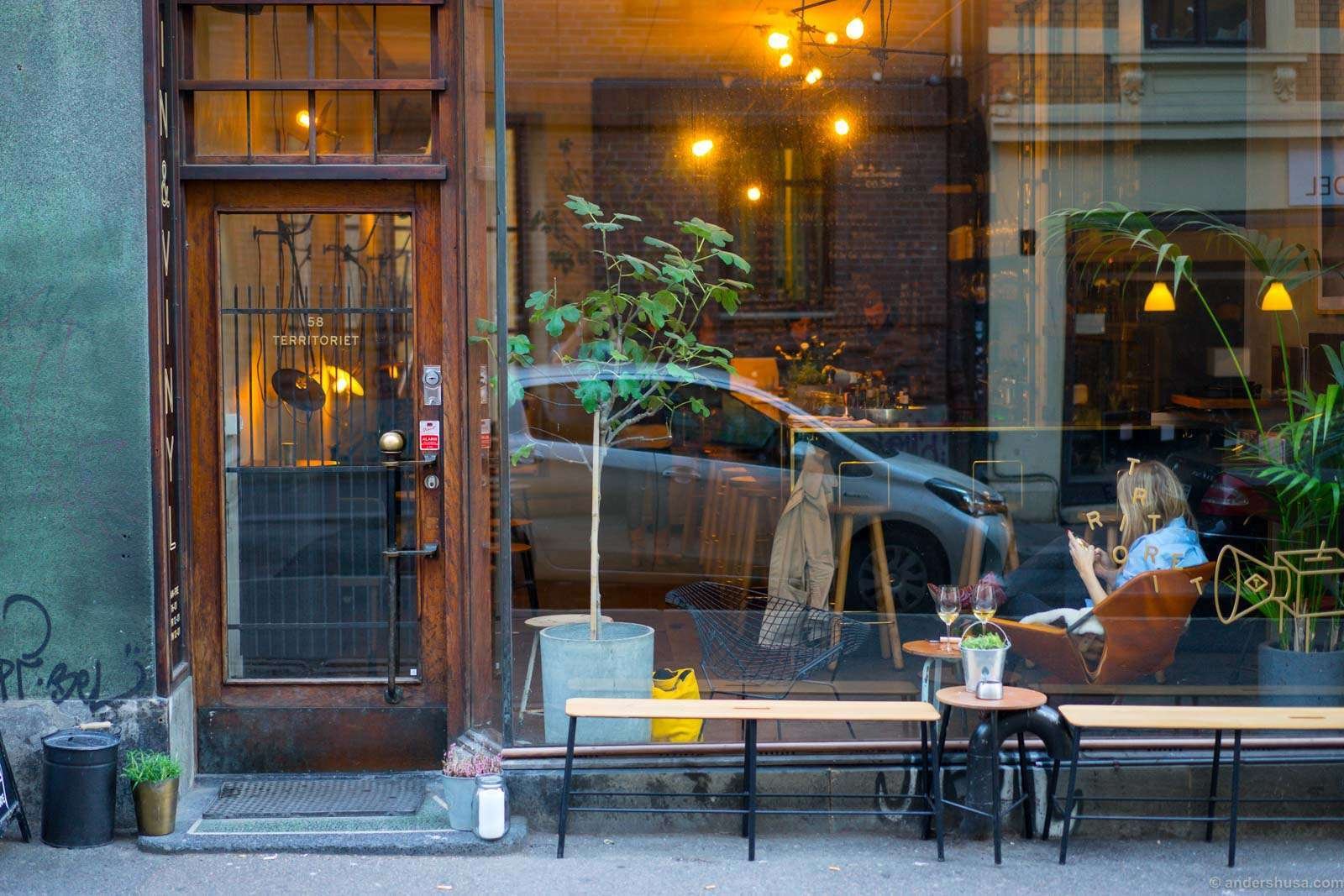
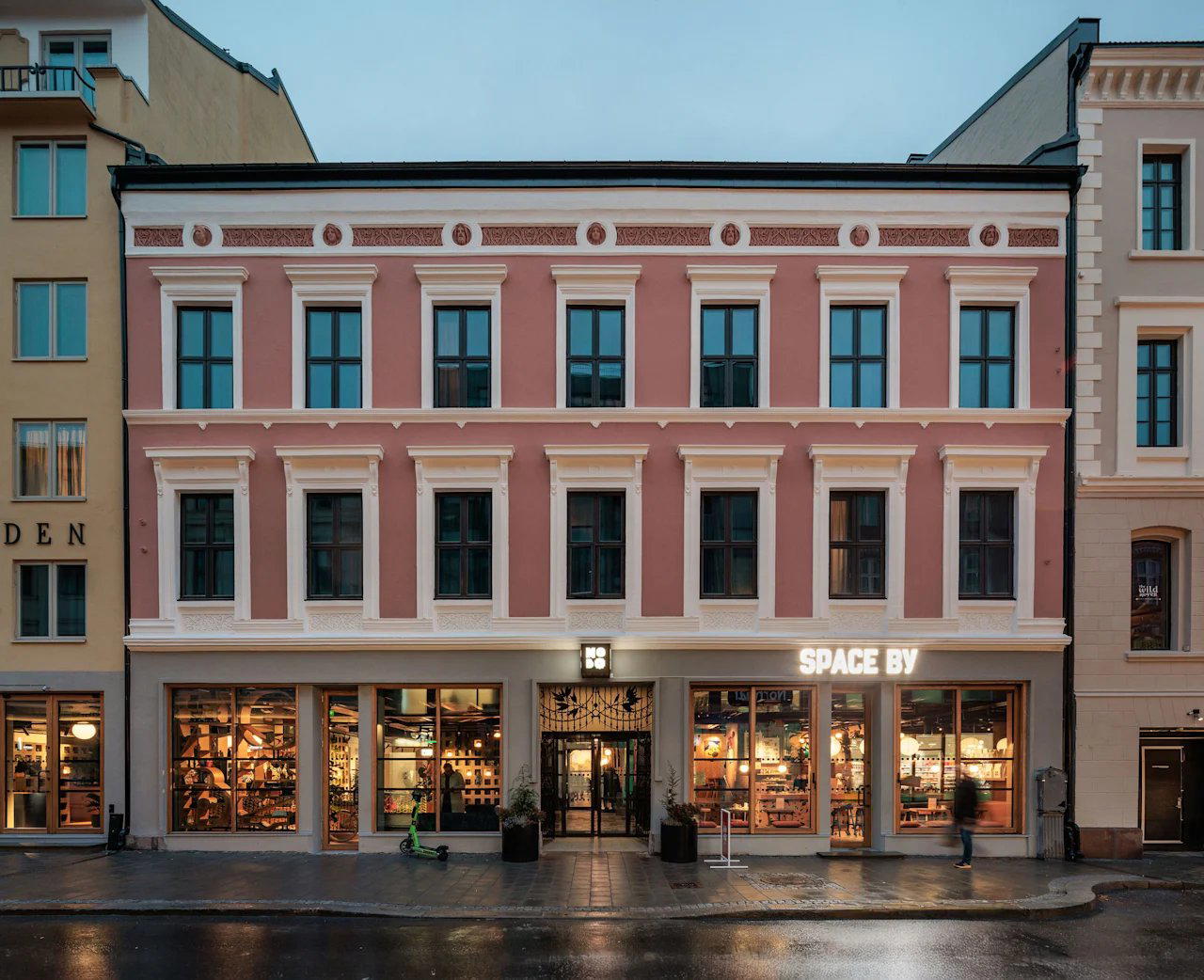
The physical approach to Arno reinforces this. Fredensborgveien is wide enough to feel unhurried; the buildings along it are low-rise and domestic in scale. Arriving here does not feel like arriving at a destination in the promotional sense. It feels like arriving at the right place on the right street, which is a subtler and more durable quality.
Where Arno Sits in Oslo's Dining Spread
Oslo has developed a more layered restaurant scene than its international reputation suggests. The city is frequently read through the lens of New Nordic, a movement that Maaemo's three Michelin stars and Kontrast's sustained recognition have defined in their respective ways. But that framing misses a significant portion of where Oslo actually eats. French-inflected neighbourhood cooking, as practised at Mon Oncle, sits alongside Nordic-rooted approaches at the mid-tier, and the division between those influences has become increasingly porous.
Arno operates in the part of the market that is not anchored to a single culinary identity. This is neither a weakness nor an evasion; it reflects a broader shift in how ambitious neighbourhood restaurants now position themselves across Scandinavian cities. The goal is not to represent a movement but to cook at a level that justifies the visit, night after night. That approach has analogues internationally: Lazy Bear in San Francisco built its reputation on a similar premise of disciplined informality, where the format is relaxed but the execution is not. Oslo's neighbourhood tier is developing the same logic.
Norway Beyond Oslo: The Wider Context
Understanding what Oslo's neighbourhood restaurants are doing requires some awareness of how serious cooking is distributed across Norway more broadly. RE-NAA in Stavanger holds two Michelin stars and operates at the formal end of the country's dining spectrum. Speilsalen in Trondheim and Lysverket in Bergen have developed strong regional identities that draw on local ingredients and coastal proximity. Further afield, Under in Lindesnes has taken a conceptually distinct path, with its submerged structure and marine-focused menu generating sustained international attention.
These venues define the upper range of Norwegian fine dining, and their existence creates useful pressure on Oslo's neighbourhood tier. A restaurant like Arno does not need to compete with a three-Michelin-star operation on ambition or complexity, but it does benefit from a dining population that has been educated by those venues, that knows what precise cooking feels like and notices when it is absent. The same dynamic plays out in other Norwegian cities where serious destination restaurants have raised the baseline of what local diners expect from a neighbourhood meal. Restaurants like Glime in the Hardanger Fjord, MiraBelle by Ørjan Johannessen in Bekkjarvik, Restaurant 1893 in Stokmarknes, Vianvang in Vågå, and Buer in Odda each represent a version of this: serious cooking in non-destination addresses, sustained by a local audience that takes food seriously. Lily Country Club in Kløfta extends that logic to Oslo's commuter belt.
Planning a Visit to Arno
Fredensborgveien 30B is reachable from central Oslo in under fifteen minutes by tram, with the Sagene and Grünerløkka tram lines providing the most direct access. The neighbourhood does not have the concentration of adjacent restaurants and bars that makes Grünerløkka proper a natural evening circuit, so Arno tends to anchor rather than supplement an evening in this part of the city. Given the residential character of the street, the practical approach is to arrive with the restaurant as the specific destination rather than as one stop among several.
This is standard practice for Oslo's neighbourhood tier, where formats and seasonal rhythms change without always being reflected in third-party listings.
Frequently asked questions
Does Arno work for a family meal?
Arno's location on Fredensborgveien 30B in a predominantly residential Oslo neighbourhood suggests a format that draws regulars rather than occasion-driven crowds.
Is Arno formal or casual?
Arno sits on Fredensborgveien in one of Oslo's quieter residential corridors, a street that doesn't attract the kind of foot traffic that typically sustains formal destination dining. The local repeat-visitor crowd described in the neighbourhood context points toward an unpretentious register, though confirmed dress code details aren't publicly documented.
What kind of diner makes the trip to Fredensborgveien specifically for Arno?
Arno at Fredensborgveien 30B sits off the main routes that Oslo visitors typically follow, placing it firmly in the residential stretch between Grünerløkka and Sagene. The diner making a deliberate trip here is generally someone already embedded in Oslo's local food conversation rather than a first-time visitor following a conventional city guide. That positioning, in a city where serious cooking is increasingly distributed across neighbourhood addresses rather than concentrated in the centre, gives Arno a particular kind of credibility with Oslo's regular dining public.
What do people recommend at Arno?
Specific dish recommendations aren't documented in available editorial records for Arno. Given that the restaurant draws a regular local clientele in Oslo's Sagene and Grünerløkka corridor, the menu is likely shaped by that returning crowd rather than a tourist-facing format.
How do I find Arno?
Arno is located at Fredensborgveien 30B, 0177 Oslo, Norway, Oslo.
Is Arno reservation-only?
Booking policy for Arno at Fredensborgveien 30B in Oslo hasn't been formally documented in editorial sources. Restaurants in Oslo's residential northern neighbourhoods frequently operate with limited covers, which tends to make advance reservations advisable regardless of stated policy.
What has Arno built its reputation on?
Arno's address on Fredensborgveien 30B positions it within Oslo's residential dining tier rather than the city's more internationally profiled restaurant corridor. Its reputation appears rooted in neighbourhood consistency, drawing a local crowd that returns regularly rather than one driven by awards or destination coverage. No Michelin recognition or major industry awards are currently attached to the venue.
A Tight Comparison
| Venue | Cuisine | Price | Awards | Notes |
|---|---|---|---|---|
| ArnoThis venue — the venue you are viewing | Authentic Italian | Not listed | Not listed | Not listed |
| Maaemo | New Nordic Fine Dining | $300–500 | 3 Michelin Stars · World's 50 Best #47 | New Nordic, Modern Cuisine |
| Kontrast | Modern Nordic Fine Dining | $200–300 | 2 Michelin Stars · La Liste Top Restaurants | New Nordic, Scandinavian |
| Hot Shop | Modern Nordic Tasting Menu | $100–150 | 1 Michelin Star · Star Wine List | New Nordic, Modern Cuisine |
| Statholdergaarden | Classic Norwegian-French Fine Dining | $200–300 | 1 Michelin Star · La Liste Top Restaurants | Modern European, Classic Cuisine |
| Arakataka | Modern Nordic | $50–100 | Michelin Plate · Star Wine List | Nordic, Norwegian |



Continue exploring
More in Oslo
Bars in Oslo
Browse all →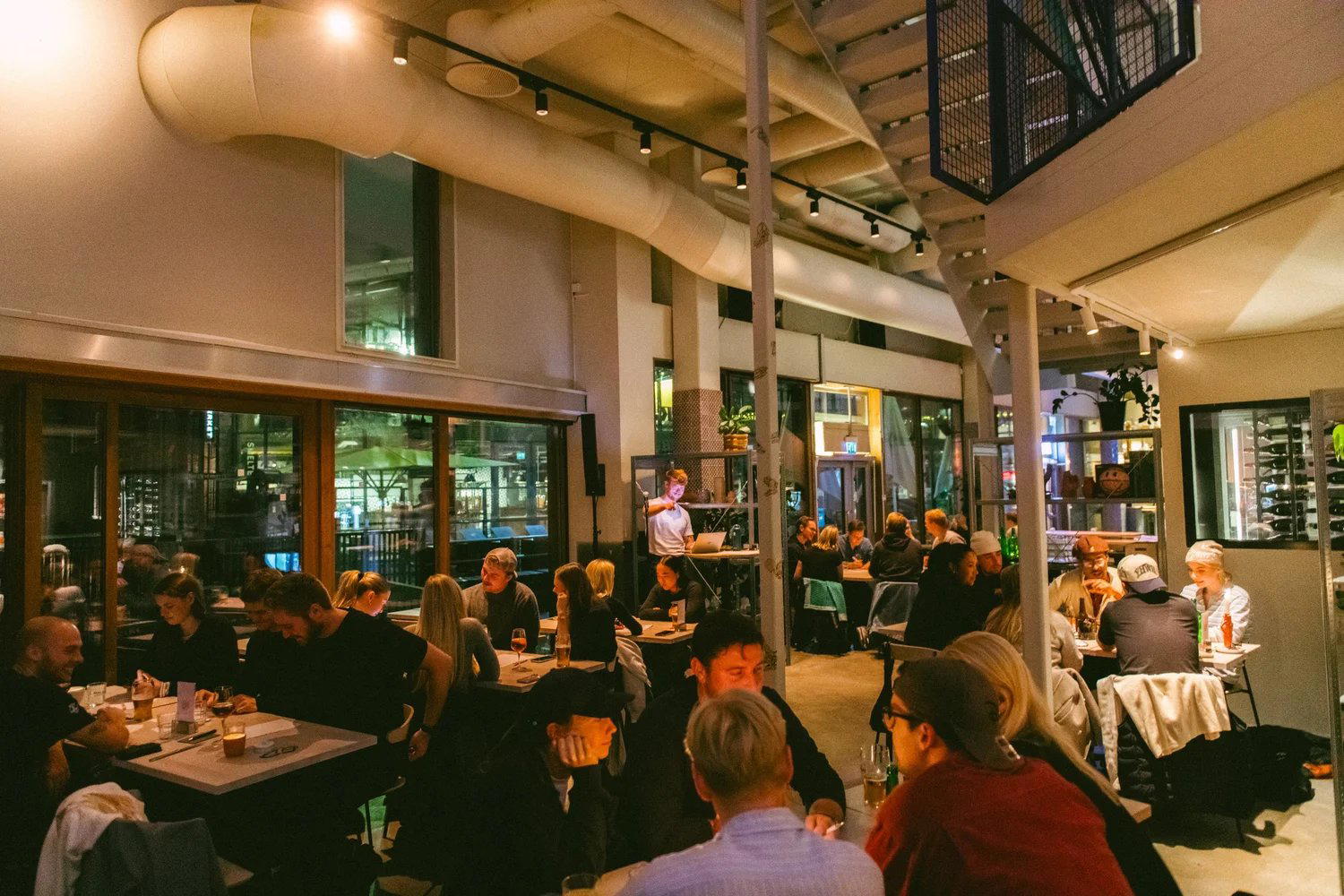
Details
- Cozy
- Intimate
- Date Night
- Family
- A La Carte
- Vegetarian Friendly
Current opening hours
- Monday
- Closed
- Tuesday
- 5–10 PM
- Wednesday
- 5–10 PM
- Thursday
- 5–10 PM
- Friday
- 5–10 PM
- Saturday
- 5–10 PM
- Sunday
- Closed
Hours can change for holidays and private events. Last verified .
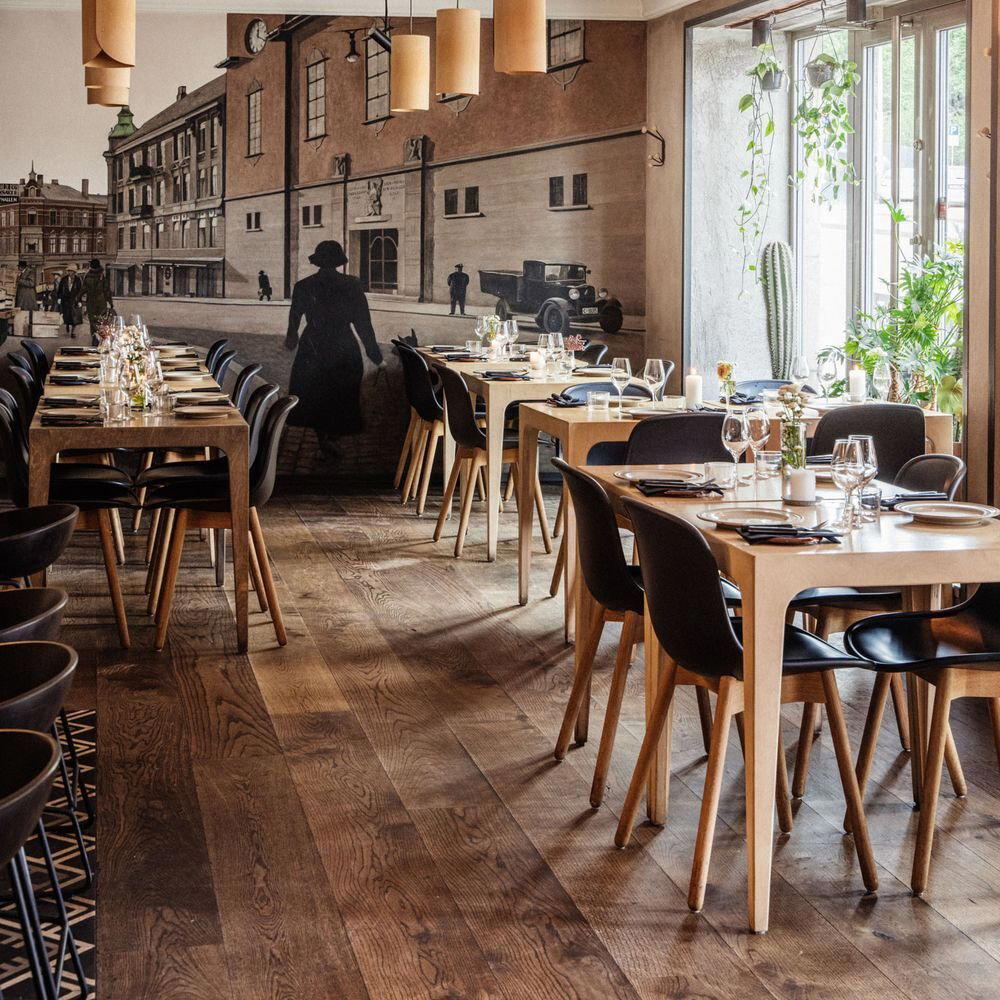
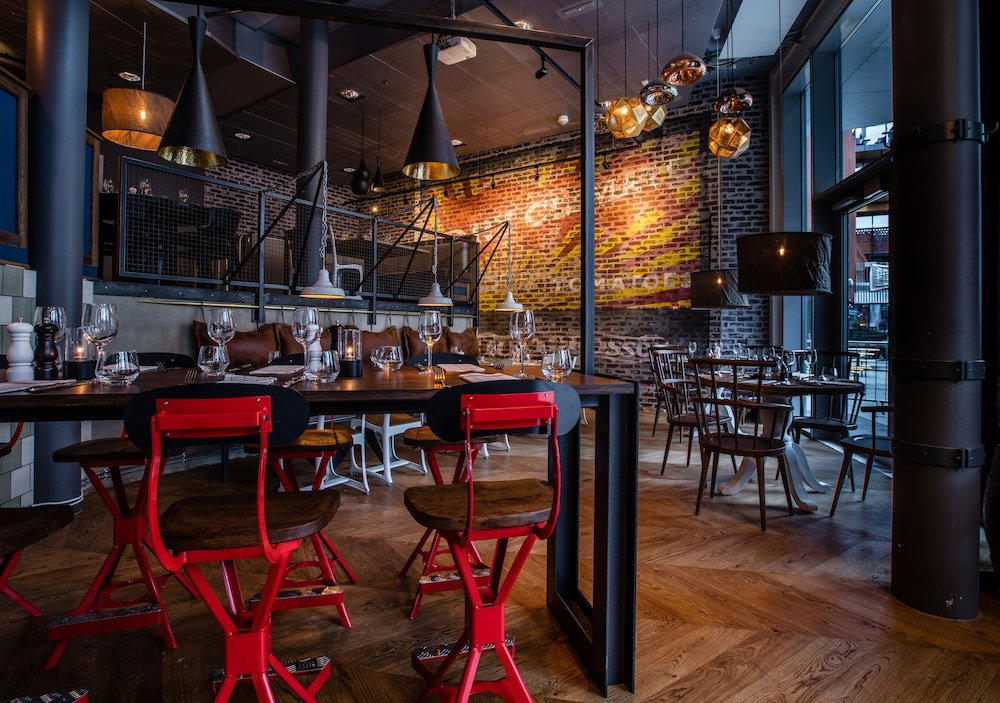
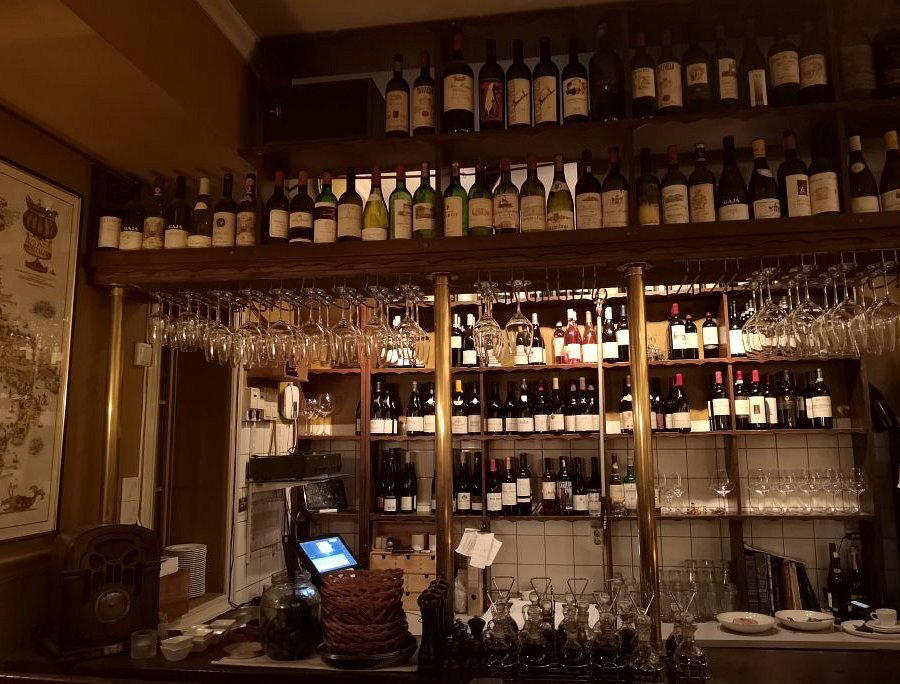
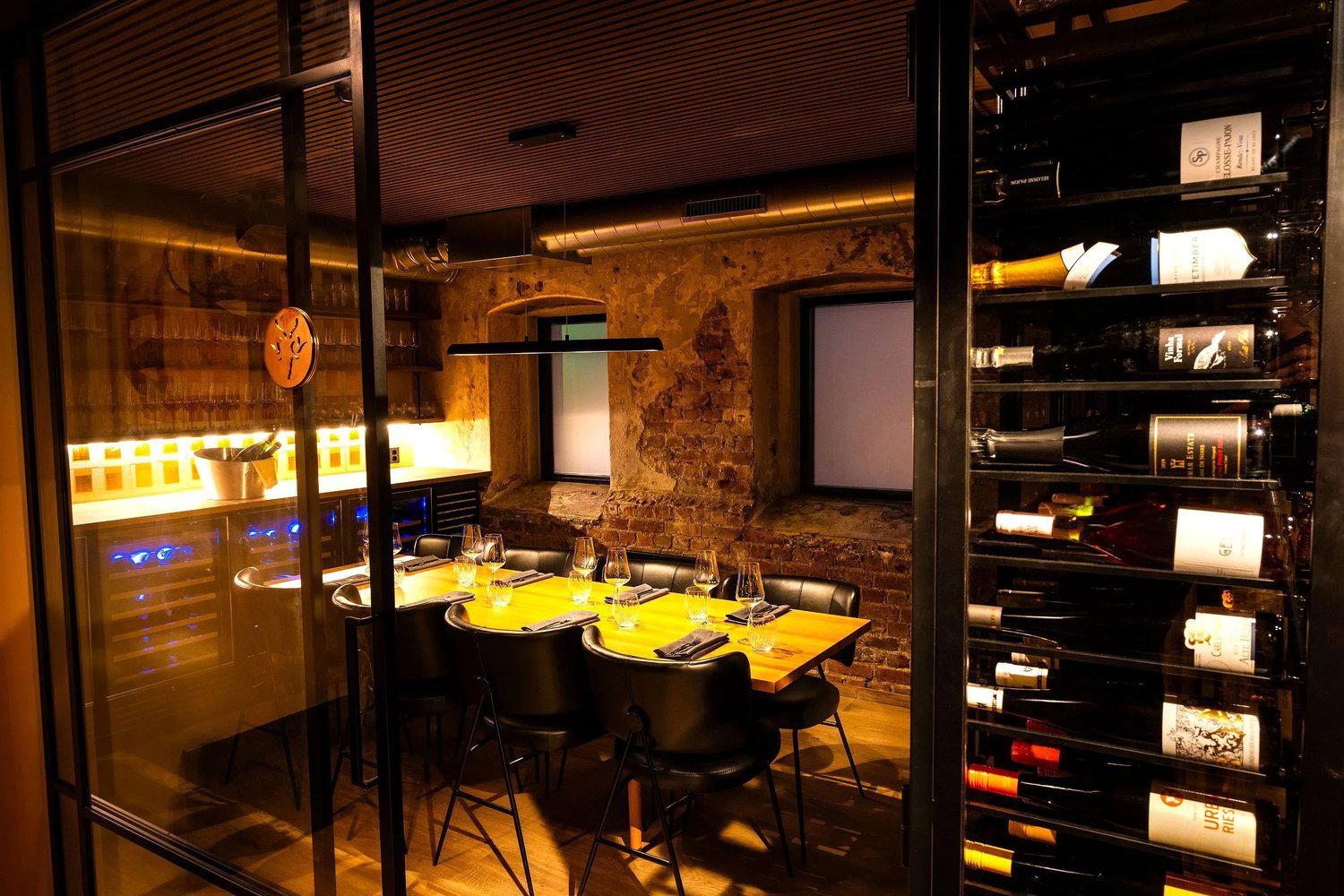
Warm, cozy, and intimate with a welcoming family atmosphere.