


La Liste Top Restaurants · Tabelog Silver #86
Our verdict
Sushi Namba puts Hibiya’s polished, central Tokyo dining culture into a 12-seat sushi format, with an eight-seat counter and a four-person private room inside Tokyo Midtown Hibiya. Its credibility is unusually well signposted: Tabelog Award Silver in 2026, earlier Gold recognition from 2020 to 2024, a 4.54 Tabelog score, La Liste 87 points in 2026, and a ranked place on OAD’s 2026 Japan list.

Pearl is the En Primeur Club membership app — saves, bookings, and concierge access live there. Same editors, same standards.
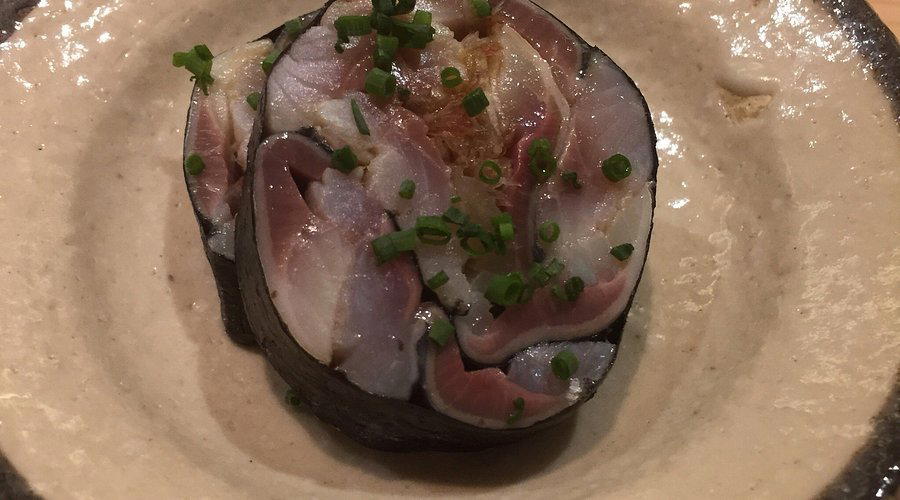
The menu
What to order
- Ankimo (Monkfish Liver)
- Kinki (Channel Rockfish) in Dashi
- Tamago (Egg) topped with Shrimp Chips
- Maguro Maki (Tuna Roll)
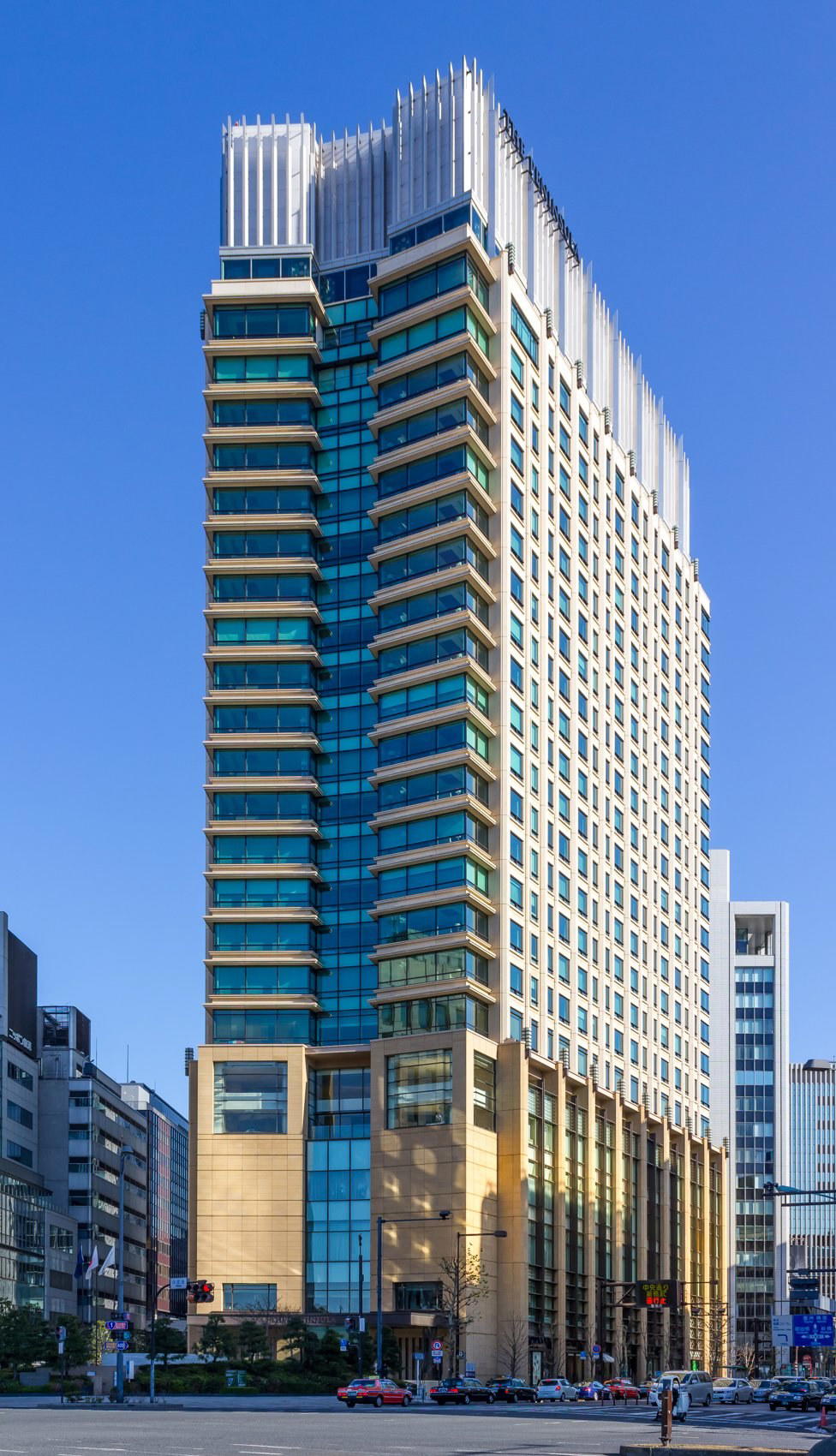
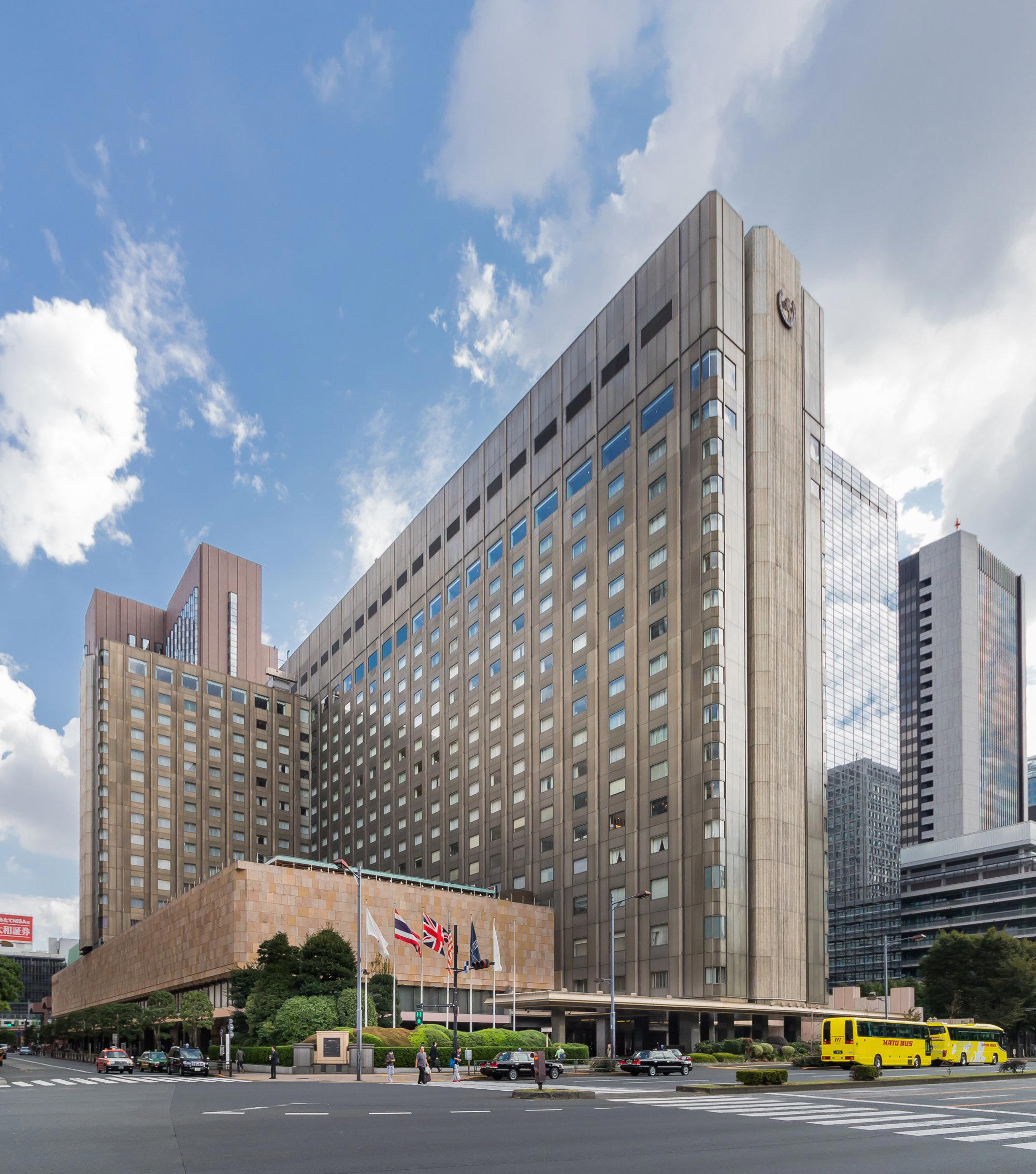
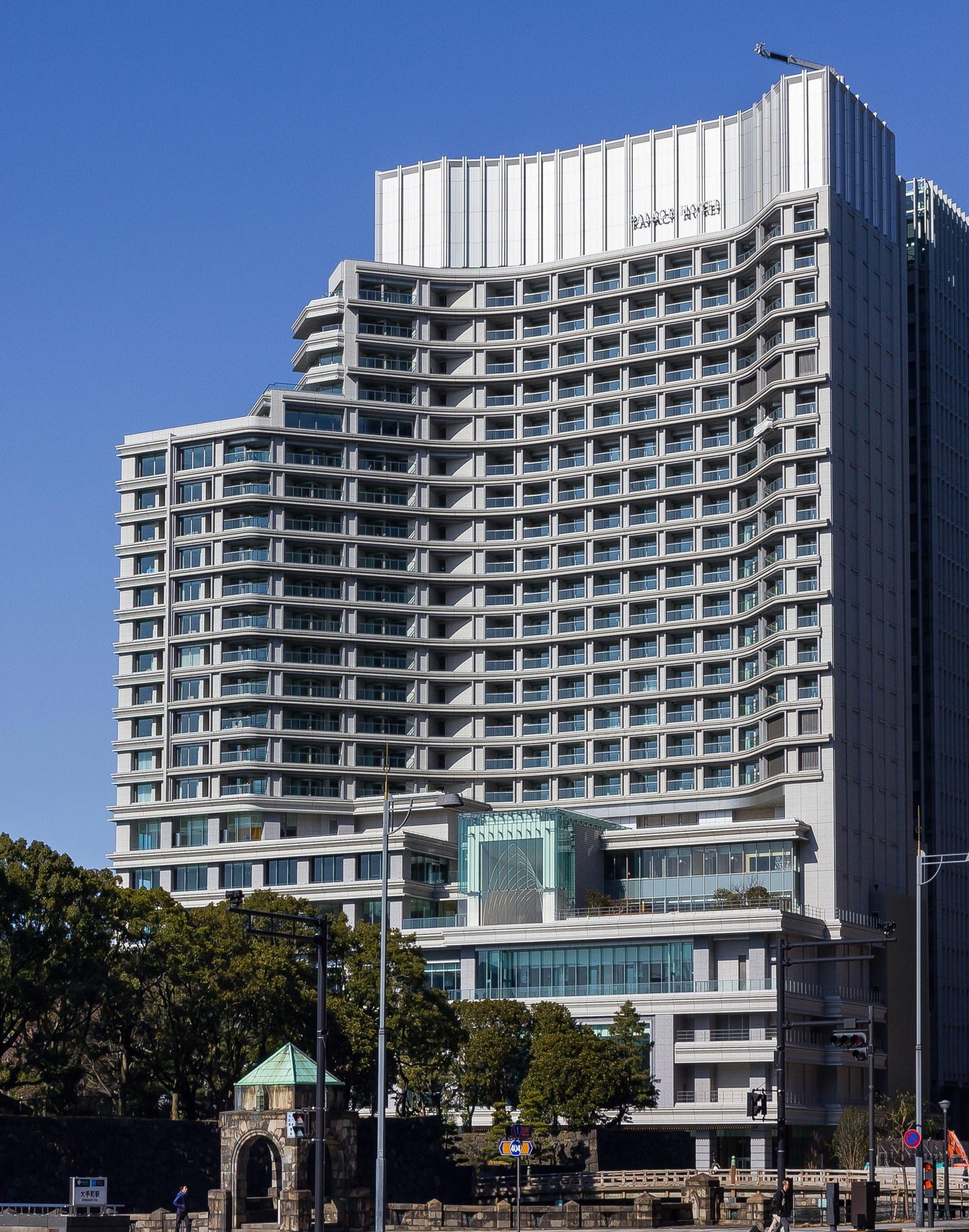
Tokyo Midtown Hibiya sets the mood before the first sushi appears. Between theatre-district formality, Marunouchi office gravity, and Ginza luxury retail, it draws a different audience from hushed destination counters in residential lanes. The approach is public, polished, and central: escalators, glass, hotel-lobby calm, then a compact 12-seat sushi room compressing the city’s high-precision dining culture.
That location matters. Hibiya is not the old Ginza sushi stage, though it borrows expectations of punctuality, tight pacing, and clientele fluent in serious counter etiquette. Nor is it Roppongi, where international hotel traffic can soften Japanese dining codes. Sushi Namba belongs to a newer Tokyo luxury-sushi category where a mall address does not dilute seriousness; the room can sit above boutiques and cinemas and still be judged against the city’s established counters.
Hibiya gives Tokyo sushi a sharper urban frame
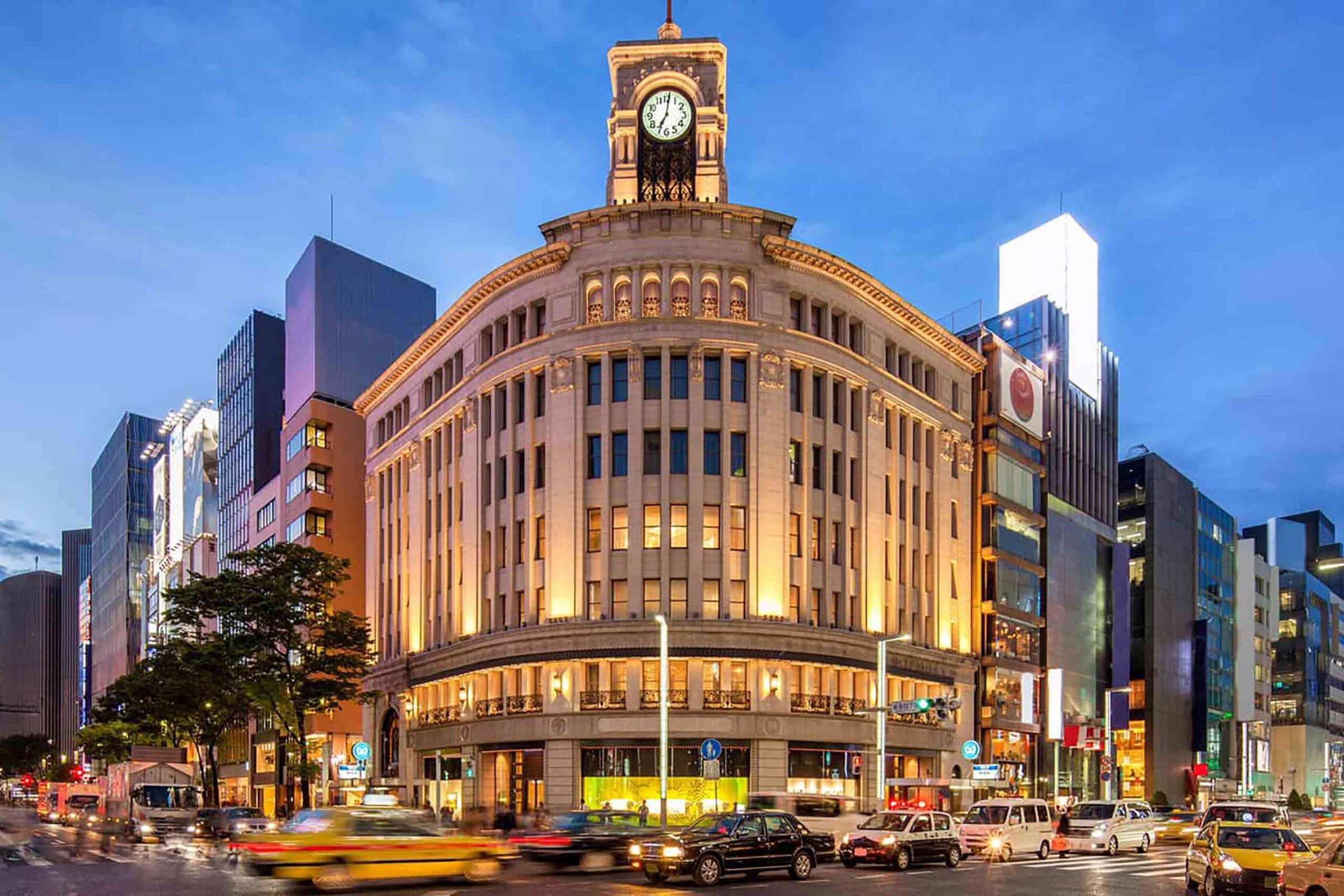
Tokyo’s sushi hierarchy has long been mapped by neighbourhood. Ginza carries expense-account counters and old clientele networks; Nihonbashi and Kyobashi lean toward merchant history; Ebisu and west-side districts feel looser, with more hybrid formats. Hibiya is cleaner: central, theatrical, businesslike, close enough to Ginza to inherit its standards yet new enough to avoid old-room nostalgia.
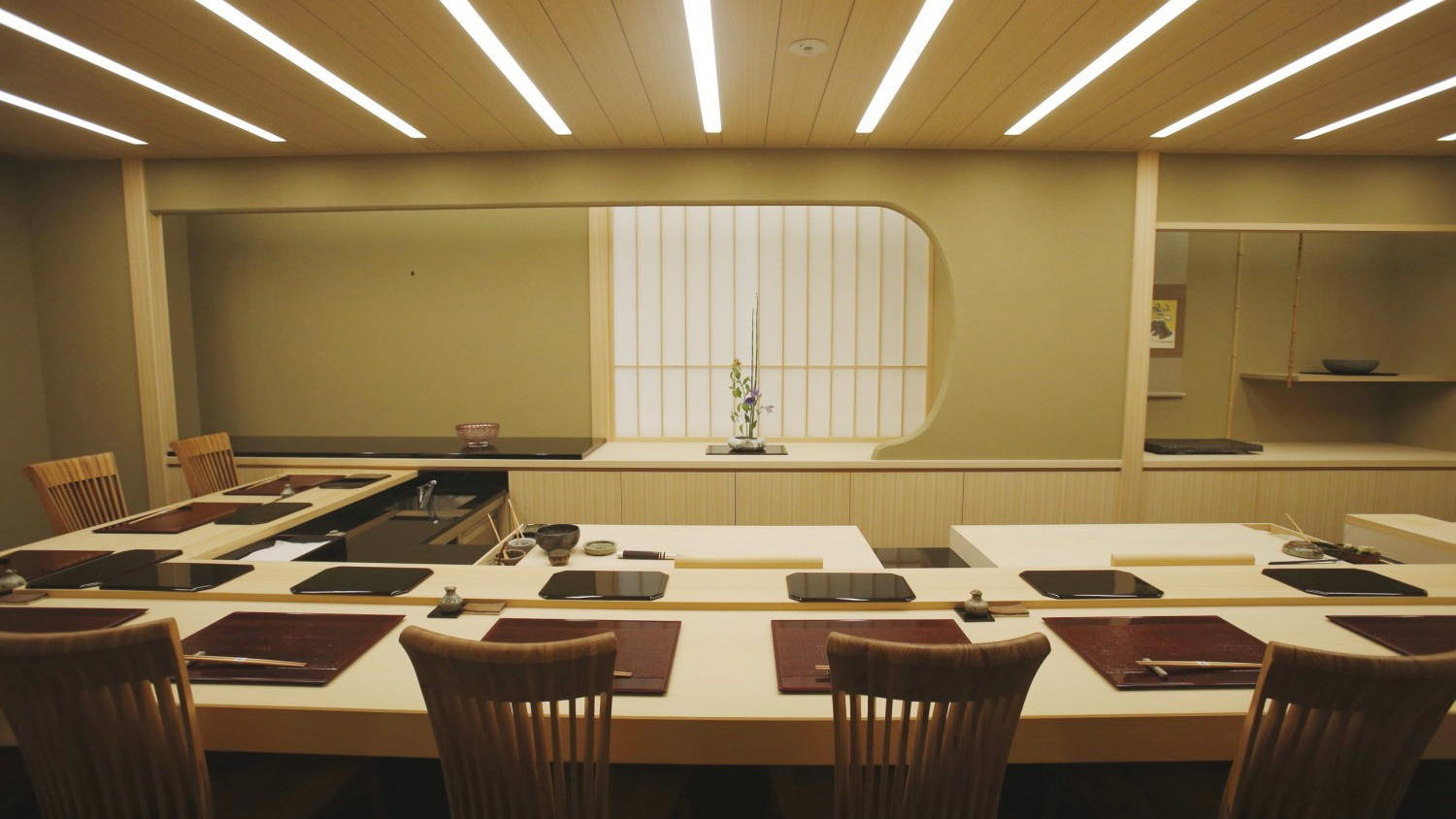
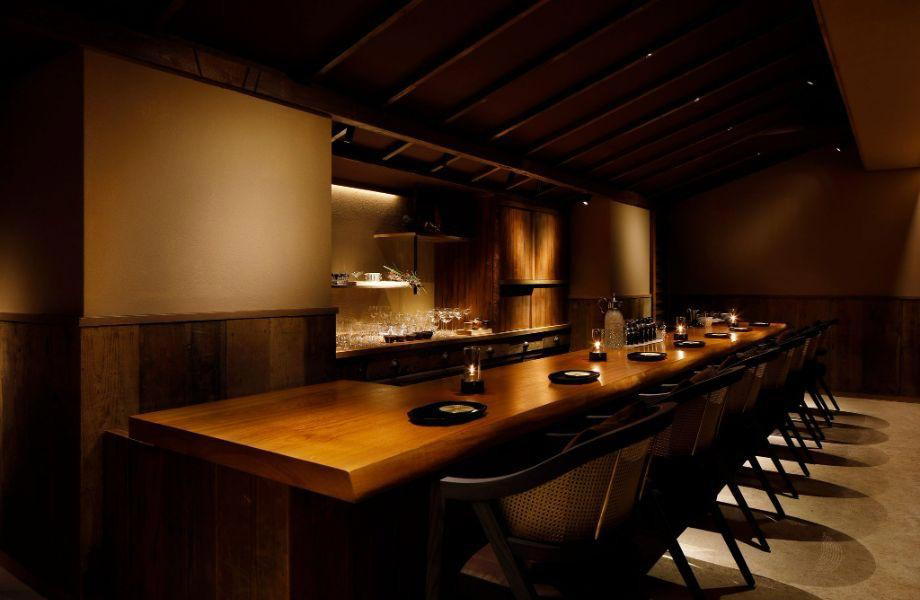
That is the lens for Sushi Namba. Inside Tokyo Midtown Hibiya, it sits where convenience and ceremony coexist. It is not a casual sushi stop in luxury materials; it remains reservation-only, non-smoking, and built around a small counter. The main counter has eight seats, plus a separate four-person private room, a split that says much about contemporary Tokyo sushi: counter intimacy remains the prize, while private dining accommodates guests who want the genre without full public scrutiny.
The competitive context is severe. Ginza names such as Sushi Saeki Ginza, Kiyota, Ginza Sushi Ko Honten, Sushi Taichi, and Sushi Suzuki define Tokyo sushi grammar from heritage to modern precision. Hibiya’s advantage is not romance but central access without surrendering high-end sushi codes. Compared with older Ginza rooms, it feels more contemporary and less clubby; compared with farther-west neighbourhood counters, it reads more formal, appointment-driven, and tied to the Tokyo business-and-theatre evening.
Precision, temperature control, and the counter as proof
The critical signal is not a named signature dish but method. Tabelog highlights adjustment of rice and toppings by 1°C increments, matching a wider Tokyo sushi obsession: temperature is structure, not garnish. At serious counters, rice warmth, fish temperature, seasoning, and service rhythm decide whether a meal feels alive or merely expensive. That technical emphasis places Sushi Namba in the city’s precision-led sushi camp rather than its more theatrical luxury school.
Chef Hidefumi Namba’s name is attached to the room, but the stronger point is how chef-led sushi works in Tokyo. A small counter turns authorship into pacing: diners read the meal through sequence, temperature, and handoff rather than lengthy explanation. The format needs no visual excess. It rewards attention to rice condition, neta handling, and timing between pieces. For travellers used to tasting menus that announce technique, Tokyo sushi can feel severe. In Hibiya, that severity is sharpened: a high-functioning commercial district outside, a controlled counter inside.
Recognition supports the positioning. Sushi Namba was a Tabelog Award Silver winner in 2026 and 2025, after Tabelog Award Gold recognition from 2020 through 2024, with earlier Silver recognition in 2019. It appears in Tabelog Sushi TOKYO 100 selections for 2021, 2022, and 2025, holds a Tabelog score of 4.54 in the 2026 listing, carries 87 points from La Liste in 2026, and is ranked in Opinionated About Dining’s 2026 Japan restaurants list. These signals do not make a meal self-explanatory, but they show sustained attention across Japanese user-review culture, international aggregation, and opinionated restaurant ranking.
For a Tokyo dining itinerary, the restaurant is a precise fit, not a universal answer. It suits diners wanting a compact, formal sushi experience in central Tokyo, with fewer atmospheric cues than older Ginza rooms. It is less compelling for relaxed à la carte grazing, late-night looseness, or a room where social scene overwhelms counter. The value is controlled concentration: 12 seats, a defined sushi category, and a district that pairs easily with a serious Tokyo evening without a cross-city expedition.
How to place it within a Tokyo itinerary
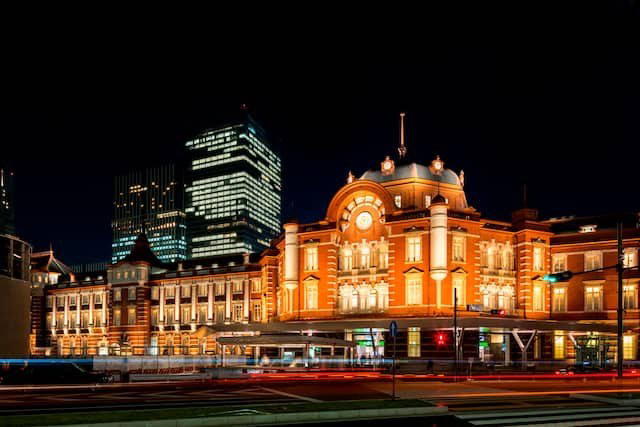
Tokyo rewards sequencing. A Hibiya sushi counter fits naturally within a Chiyoda, Marunouchi, or Ginza day rather than as an isolated pilgrimage. Travellers comparing styles could place it beside Edomae-focused rooms such as Edomae Sushi Hanabusa, or contrast it with a different central-city mood at 3110. West-side dining tells another story: Ebisu Endo, Daikanyama Ogawaken, and Bistrot Dia show how Tokyo’s restaurant culture changes outside the Ginza-Hibiya-Marunouchi axis.
The practical reading is simple: this is a plan-ahead sushi counter, not an improvisation. Reservation-only policy, set entry times, counter scale, and guest rules on perfume and photography point to a room where collective discipline shapes the experience. Credit cards are accepted; electronic money and QR payments are not; the restaurant is listed as not family friendly. These details are not decorative: they define expected guest behaviour as much as the food.
For a broader Tokyo map, use Our full Tokyo restaurants guide alongside Our full Tokyo hotels guide, Our full Tokyo bars guide, Our full Tokyo wineries guide, and Our full Tokyo experiences guide. For contrast outside the capital, the wider Japan file runs from -Grilled beef Sukiyaki- KAMAKURA TANUKIAN 鎌倉 たぬき庵 in Kamakura and.cafe in Osaka to.know in Kumamoto, (Shoku) Vietnam in Kawasaki, [Curry Senmon Ten] Maruyama Kyoju. in Sapporo, [ki:] in Kyoto, AKA to SHIRO, Sushi in Osaka, and Akikos, Sushi in San Francisco.
Frequently asked questions
What's the address for Sushi Namba?
Sushi Namba is located in Tokyo.
When is Sushi Namba open?
Hours at Sushi Namba: Hours: Monday Closed Tuesday 5–11 pm Wednesday 5–11 pm Thursday 5–11 pm Friday 5–11 pm Saturday 5–11 pm Sunday Closed.
What cuisine category does Sushi Namba fall under?
Sushi Namba serves Sushi cuisine.
Who is the chef connected to Sushi Namba?
The chef associated with Sushi Namba is Hidefumi Namba.
What's Sushi Namba best at?
Sushi Namba is strongest on the omakase counter format in Tokyo, with just 8 counter seats and reservation-only service. Its credentials are clear: Tabelog 2026 Silver, a place in Tabelog Sushi TOKYO 100 for 2025, and OAD ranking in Japan.
Comparable venues nearby, for context on price, style, and recognition.
| Venue | Cuisine | Price | Awards | Notes |
|---|---|---|---|---|
| Sushi NambaThis venue (the venue you are viewing) | Modern Japanese Omakase | $300–500 | La Liste Top Restaurants · Tabelog Silver #86 | Not listed |
| Wagyumafia | Modern Wagyu Steakhouse | $300–500 | The Best Chef One Knife | Toshima |
| Makimura | Kappo Kaiseki | $300–500 | La Liste Top Restaurants · Tabelog Silver #72 | Shinagawa |
| Sushi Kobayashi | Traditional Edomae Omakase | Not listed | Michelin Plate | Chūō |
| Oryori Kokoroba | Kaiseki with Oyakodon | $150–200 | Michelin Plate | Chūō |
| Seki Hanare | Modern Kaiseki with Sake Pairings | $50–100 | Michelin Bib Gourmand | Setagaya |
Recognition history
Dated appearances from independent guides and award organizations, with the underlying list record or original source where available.
La Liste Top Restaurants
La Liste
Opinionated About Dining Top Restaurants in Japan Ranked #33
Opinionated About Dining
Tabelog Silver #86
Tabelog
Full recognition history (9 entries)
La Liste Top Restaurants
La Liste
Opinionated About Dining Top Restaurants in Japan Ranked #31
Opinionated About Dining
Tabelog Silver
Tabelog
Tabelog 100 #31 · No. 31
Tabelog · Tabelog 100 - Sushi - TOKYO - 2025
Opinionated About Dining Top Restaurants in Japan Ranked #35
Opinionated About Dining
Opinionated About Dining Top Restaurants in Japan Ranked #31
Opinionated About Dining
Continue exploring
More in Tokyo
Restaurants in Tokyo
All restaurants in Tokyo →

Bars in Tokyo
All bars in Tokyo →

Details
- Minimalist
- Elegant
- Intimate
- Sophisticated
- Special Occasion
- Celebration
- Chefs Counter
- Open Kitchen
- Sake Program
- Sustainable Seafood
- Local Sourcing
- Omakase
- Counter Dining
- Sake
- Pescatarian Friendly
- Allergy Accommodating
Current opening hours
- Monday
- Closed
- Tuesday
- 5–11 PM
- Wednesday
- 5–11 PM
- Thursday
- 5–11 PM
- Friday
- 5–11 PM
- Saturday
- 5–11 PM
- Sunday
- Closed
Hours can change for holidays and private events. Last verified .
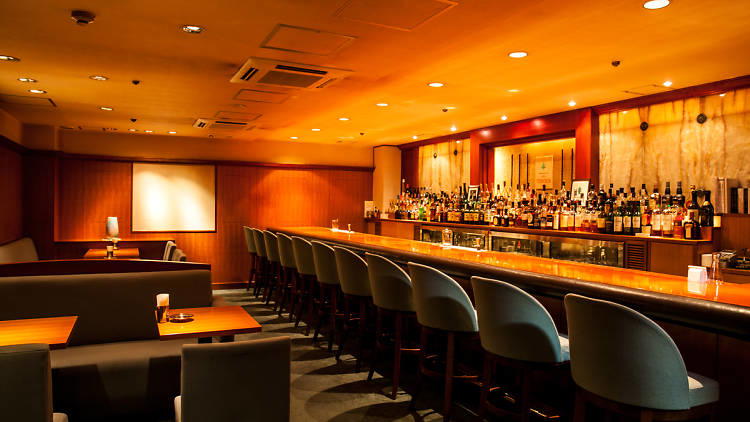
Minimalist, focused setting with a relaxed Japanese aesthetic centered on the chef's craftsmanship; counter seating emphasizes direct interaction with the artisan.