

Skip to Main Content
Contemporary Fine Dining With Italian Influences

Google: 4.5 · 68 reviews

← Collection
CuisineContemporary
Price₩₩₩
Dress CodeSmart Casual
ServiceUpscale Casual
NoiseConversational
CapacitySmall
Michelin
Wine Spectator
Star Wine List

OPNNG sits at the intersection of wine culture and contemporary Franco-Italian cooking in Gangnam, anchored by a 1,310-bottle cellar with particular depth in Burgundy, Italy, and California. A 2025 Michelin Plate recognition places it within the mid-to-upper tier of Seoul’s serious wine-dining scene, where the list and the kitchen are weighted equally rather than one serving the other.

Pearl is the En Primeur Club membership app — saves, bookings, and concierge access live there. Same editors, same standards.

OPNNG restaurant in Seoul, South Korea
About

Where the Wine List Is the Menu Architecture

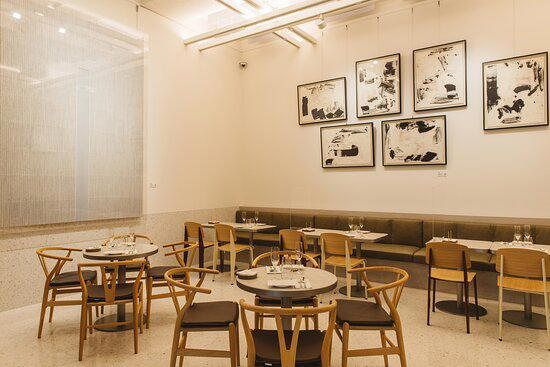
In Seoul’s Gangnam district, the most telling signal about a restaurant is often what comes before the food: the wine list. At OPNNG, on Dosan-daero 34-gil, the list is not an appendage to the kitchen’s ambitions. With 1,310 bottles in inventory and a cellar priced at the $$$ tier — many bottles clearing the $100 threshold — wine is the organisational logic around which everything else is arranged. The room’s stated concept of “wine and art” is not decorative language. It describes a specific editorial decision about what kind of restaurant this is and who it is designed for.

That decision separates OPNNG from much of the contemporary dining field in Gangnam, where tasting menus frequently deploy wine pairings as a finishing touch rather than a structural commitment. Here, the selection of 400 labels across Burgundy, Italy, France, and California positions the list as a destination in itself, with depth sufficient to reward a guest returning on multiple occasions with no overlap. Burgundy leads the strengths column, which aligns OPNNG with a small cohort of Seoul wine rooms where Old World restraint and terroir-driven choices frame the table before a dish arrives.

Franco-Italian Cooking Inside a Wine-Forward Framework

The kitchen operates in French and Italian registers, serving dinner at a mid-range price point for the cuisine tier: a two-course meal lands in the $40–$65 bracket, which in Gangnam’s contemporary dining context represents an accessible entry point relative to peers. That positioning is deliberate. A lower food price threshold allows the wine to occupy the premium end of the spend without the combined check becoming prohibitive. It is a menu architecture choice that mirrors the approaches taken at serious wine bars and bistros in Lyon, Milan, and parts of lower Manhattan: the kitchen is the anchor, the cellar is the ascent.

The French-Italian axis is well-worn in the global contemporary dining space, but Seoul’s version of it carries specific local inflections. The city’s ingredient sourcing, service tempo, and plating sensibility have evolved through a decade of chefs training abroad and returning to apply European technique to Korean produce and dining rhythms. Chef Juyoung Yang and Wine Director Danbi Kim work within this broader Seoul context, where the Franco-Italian tradition is understood not as pastiche but as a precise technical framework that the kitchen accepts on its own terms. The 2025 Michelin Plate recognition confirms that the kitchen’s output meets the guide’s base threshold for culinary quality, placing OPNNG within the larger group of Seoul restaurants the guide tracks without elevating it to the starred cohort , a distinction that matters for calibrating expectations.

Gangnam’s Wine-Dining Tier: Where OPNNG Sits

Seoul’s contemporary restaurant scene has stratified sharply over the past several years. At the upper end, multi-starred counters such as Jungsik and destination venues like Eatanic Garden and Solbam command long advance booking windows and premium check sizes. A step below, a productive middle tier has developed around restaurants that lead with wine programs and position food as a serious but secondary draw. OPNNG operates in this middle tier, where the corkage fee of $69 per bottle and the breadth of the in-house list signal that the venue is built for guests who arrive with an opinion about what they want to drink.

Peers in the broader Gangnam contemporary field, including Restaurant Allen and Exquisine, tend to operate with tighter wine programs or higher food price floors. OPNNG’s structure , large cellar, moderate food pricing, $69 corkage for those who bring their own bottles , is a more explicit invitation to the guest who treats the wine as the occasion and the food as its most informed accompaniment. Internationally, this model has precedents at venues like Orfali Bros in Dubai and Alo in Toronto, where contemporary kitchens and serious cellar depth operate as a combined proposition rather than separate offerings.

Korea’s Broader Wine Restaurant Moment

The emergence of wine-first contemporary restaurants in Seoul is part of a structural shift in how the city’s dining culture has developed. A generation ago, the dominant high-end format was Korean fine dining, represented today by places like Gaon and Kwon Sook Soo, where the beverage program is secondary to the ritual of the Korean table. The current wave of venues with deep Western wine programs signals a different dining public: one that has built familiarity with Burgundy and Barolo through travel and a maturing domestic wine retail market, and now wants restaurants capable of meeting that knowledge at the table.

OPNNG’s Burgundy and Italy strengths are not accidental. They are the two regions that have absorbed the most sustained attention from Seoul’s serious wine community, with Burgundy commanding particular collector energy across the Asia-Pacific market. A 1,310-bottle inventory with depth in those regions tells you something about the intended guest and the conversations Wine Director Danbi Kim expects to have across the table during a dinner service.

Planning a Visit

OPNNG is located at 22 Dosan-daero 34-gil in Gangnam District. The restaurant serves dinner and holds a 4.5 Google rating across 60 reviews, with a 2025 Michelin Plate on the record. For context on how it compares logistically with other venues at this tier, the table below positions it within a short peer set.

VenueCuisinePrice Tier (Food)Wine DepthRecognition
OPNNGFrench, Italian$$1,310 bottles, $$$ listMichelin Plate 2025
SolbamContemporary$$$$Not specifiedMichelin recognition
L’AmitiéFrench$$$Not specifiedMichelin recognition
Restaurant AllenContemporary$$$Curated listMichelin recognition

For guests who plan to bring a bottle, the $69 corkage fee is consistent with comparable wine-forward rooms in Seoul. The house list’s $100+ bottle concentration means that guests at the upper end of the wine budget are better served by the in-house cellar than by bringing their own, unless the specific bottle has personal or collector significance.

Advance reservations are recommended given the venue’s Michelin standing and limited public profile, which tend to concentrate demand from wine-aware diners looking for a room that takes both sides of the table seriously.

Further Reading

For the broader Seoul dining context, see our full Seoul restaurants guide. For drinking in the city, our Seoul bars guide covers the cocktail and wine bar landscape. Accommodation options across price tiers are covered in our Seoul hotels guide. If you are extending a trip south, Mori in Busan and Baegyangsa Temple in Jangseong-gun represent distinct regional experiences worth considering. For a comparable contemporary dining format in New York, César operates in a similar wine-and-kitchen register. Elsewhere in Korea, The Flying Hog in Seogwipo offers a more casual counterpoint on Jeju Island. Our Seoul wineries guide and experiences guide round out the city picture for those spending more than a night in Gangnam.

Signature Dishes
handmade pasta
Frequently asked questions

A Quick Peer Check

A quick comparison pulled from similar venues we track in the same category.

At a Glance
Vibe
  • Elegant
  • Sophisticated
  • Modern
Best For
  • Date Night
  • Special Occasion
Experience
  • Wine Cellar
Drink Program
  • Extensive Wine List
Dress CodeSmart Casual
Noise LevelConversational
CapacitySmall
Service StyleUpscale Casual
Meal PacingLeisurely

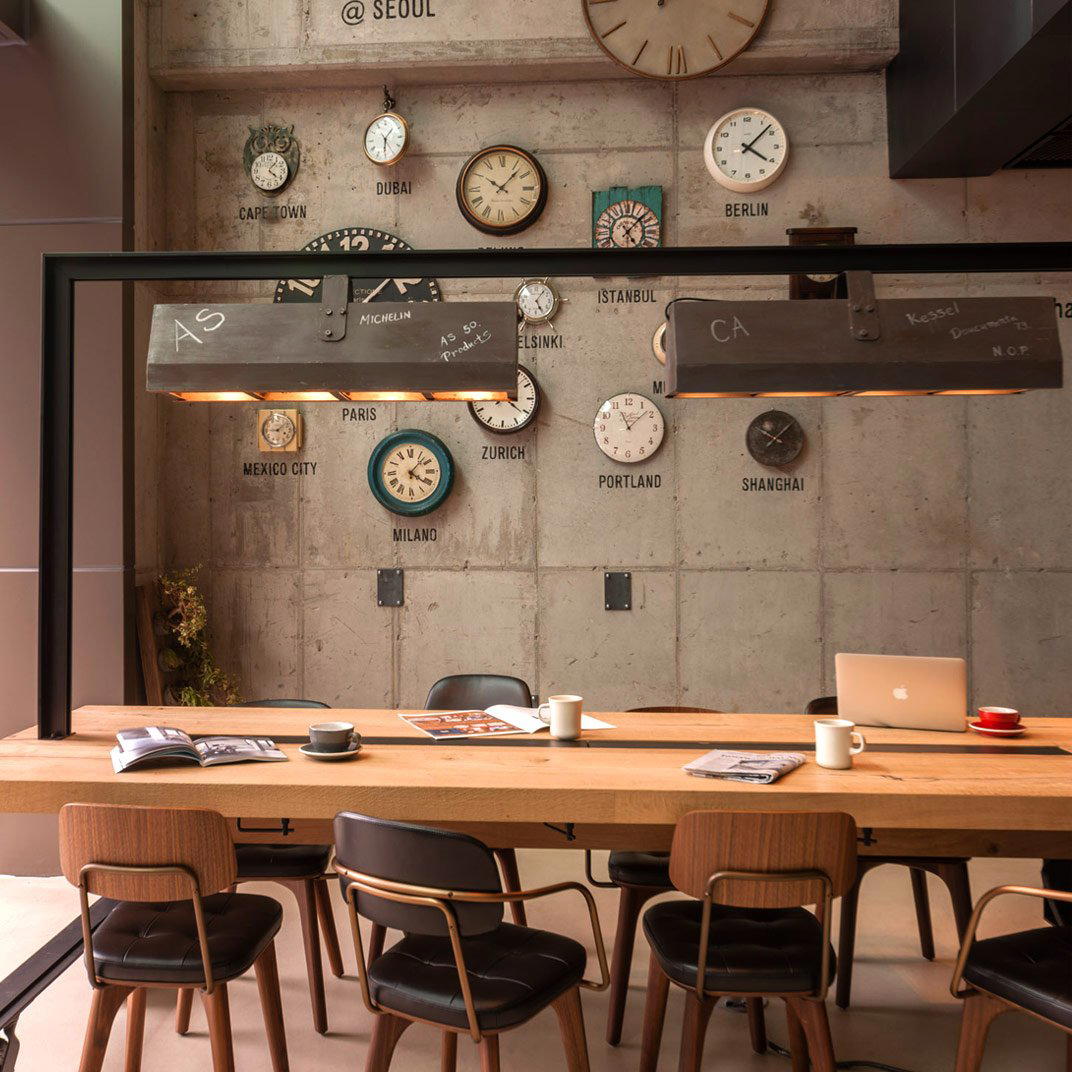
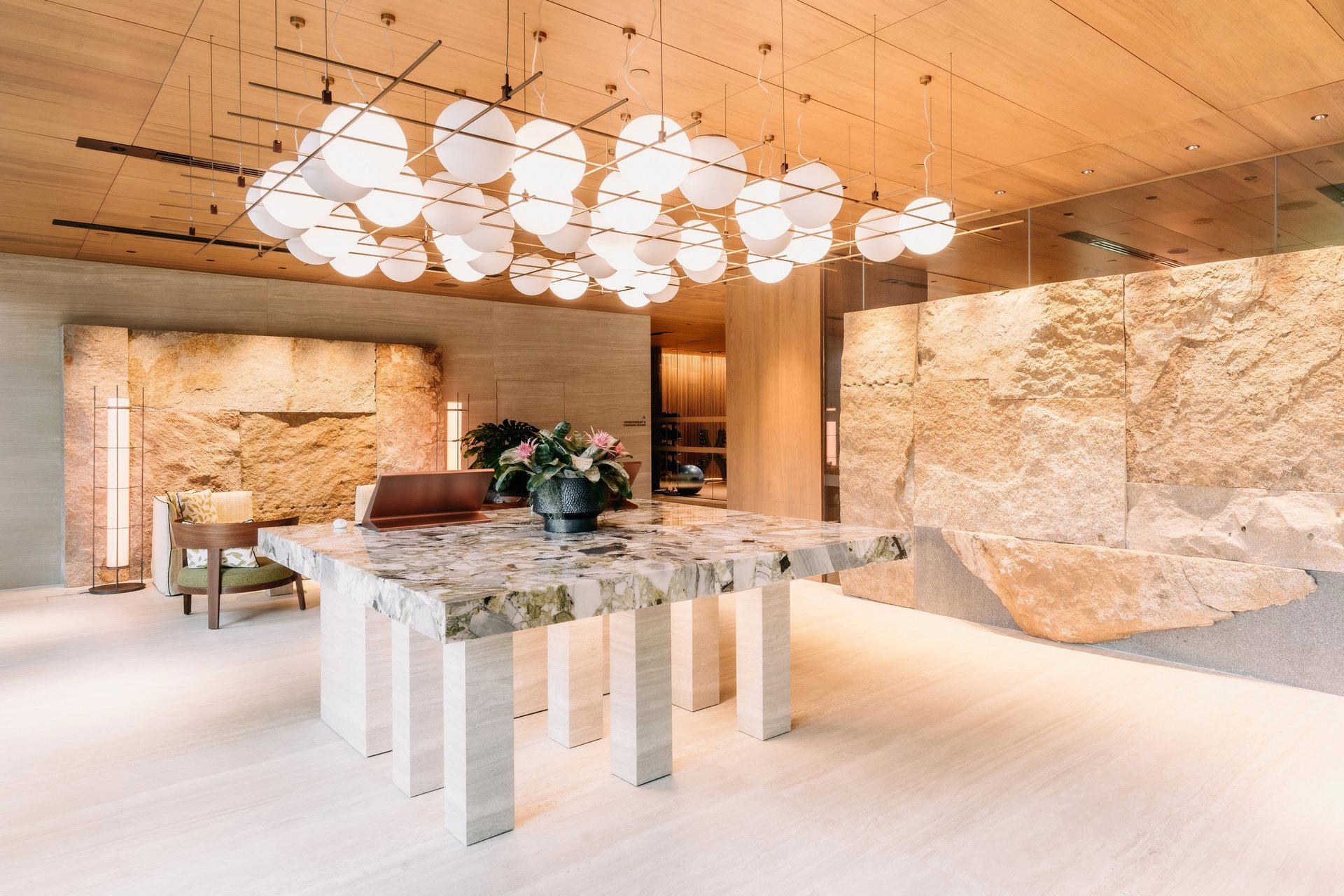
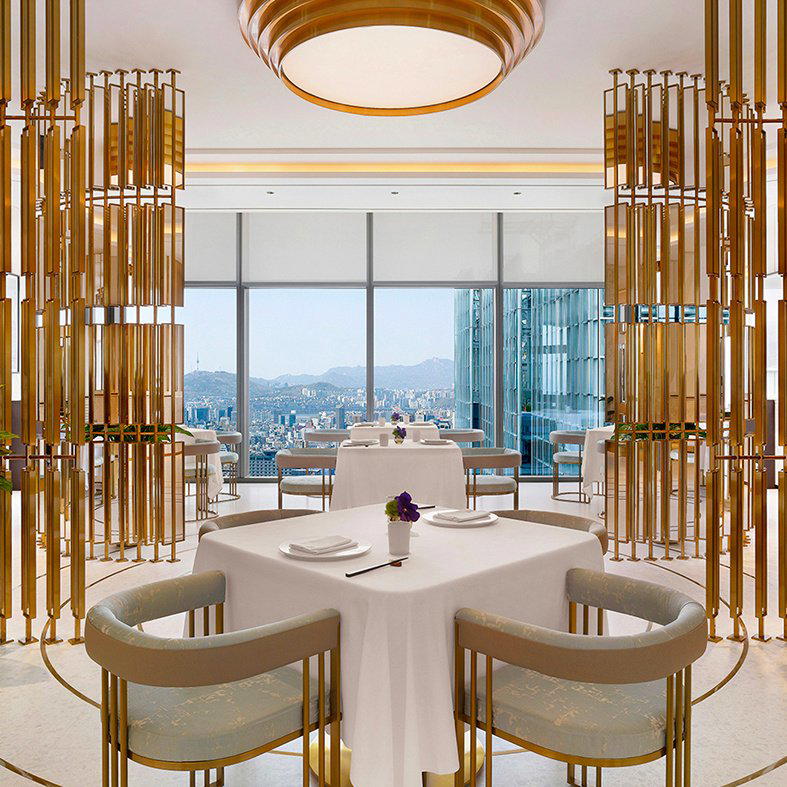
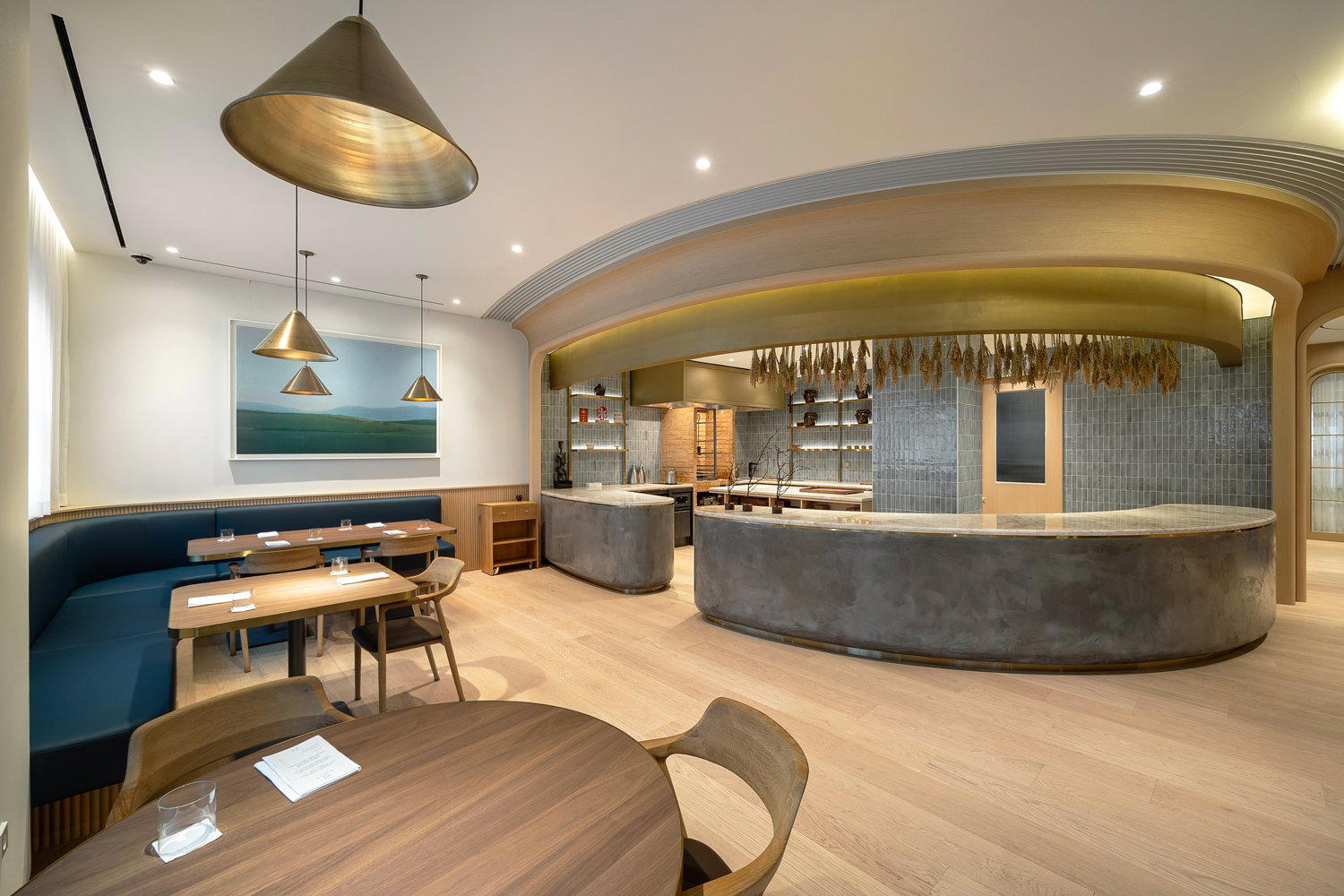
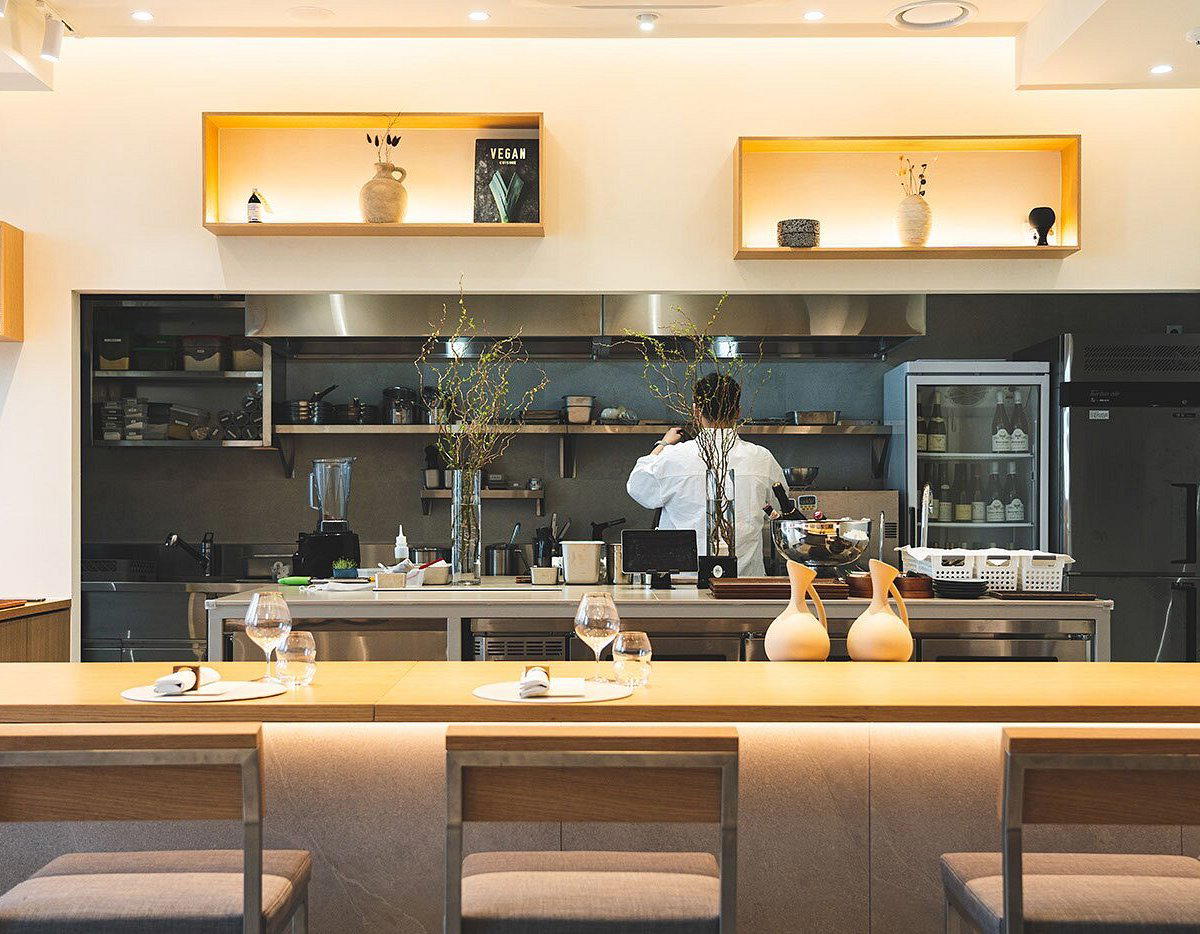
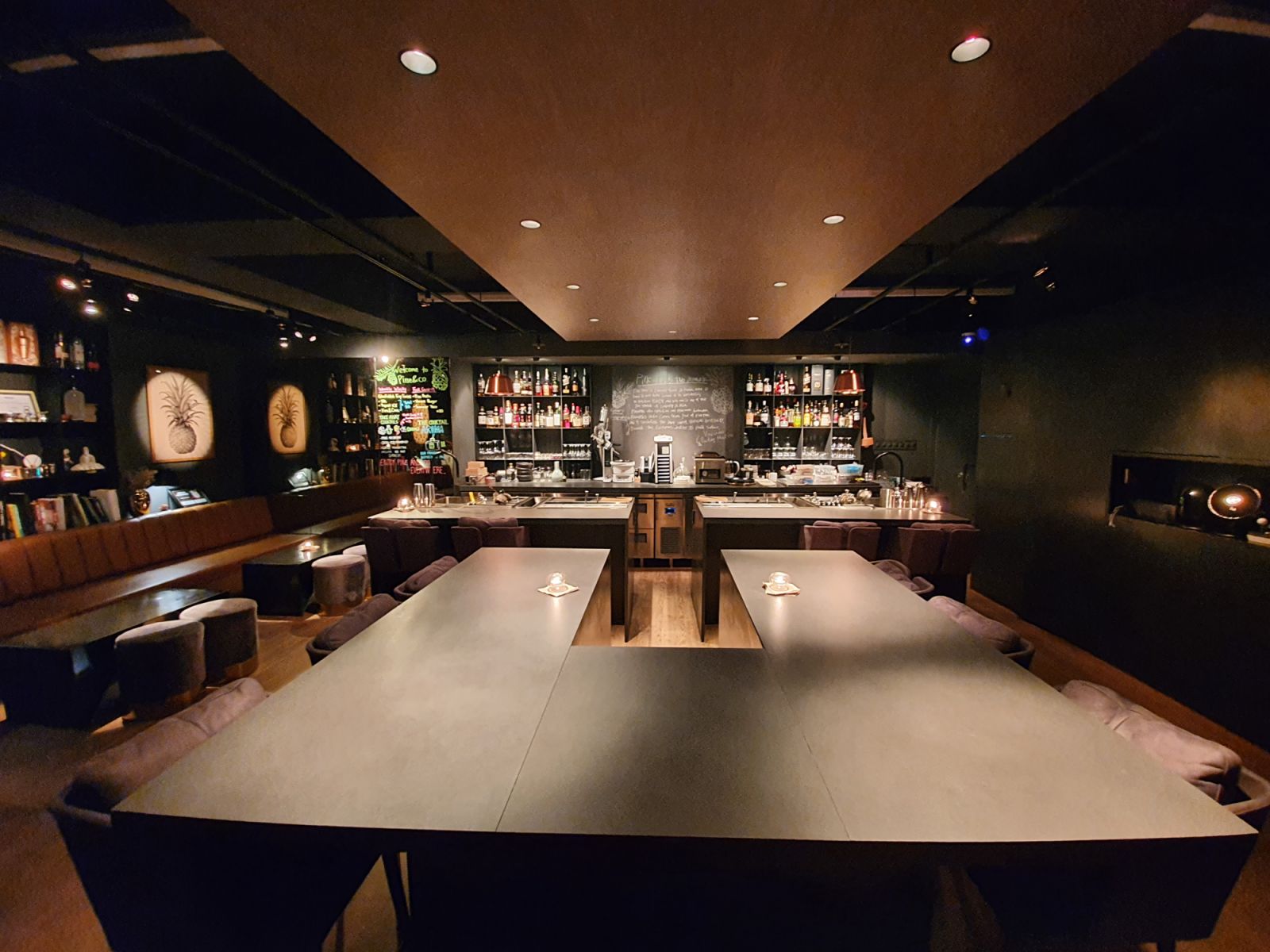
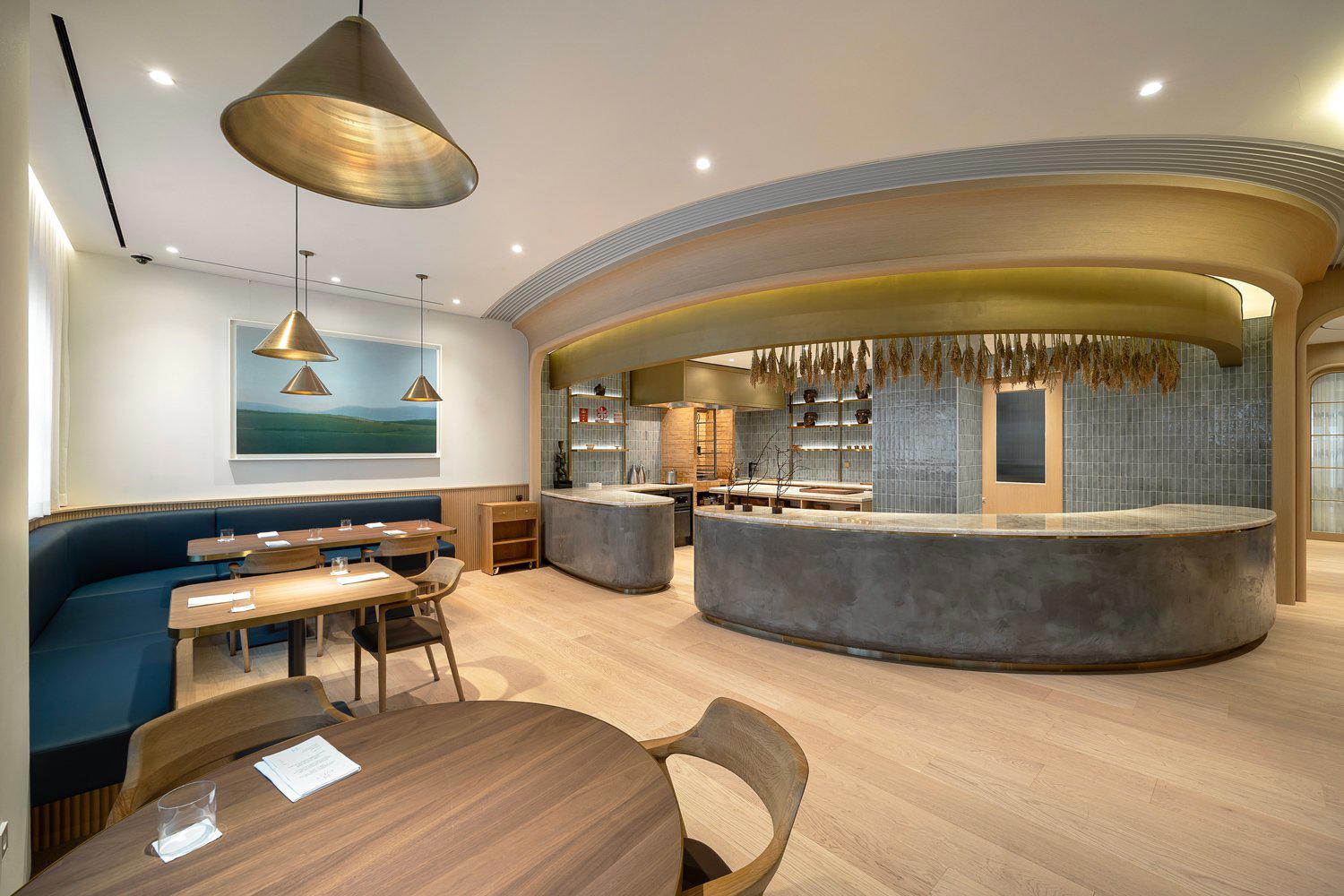
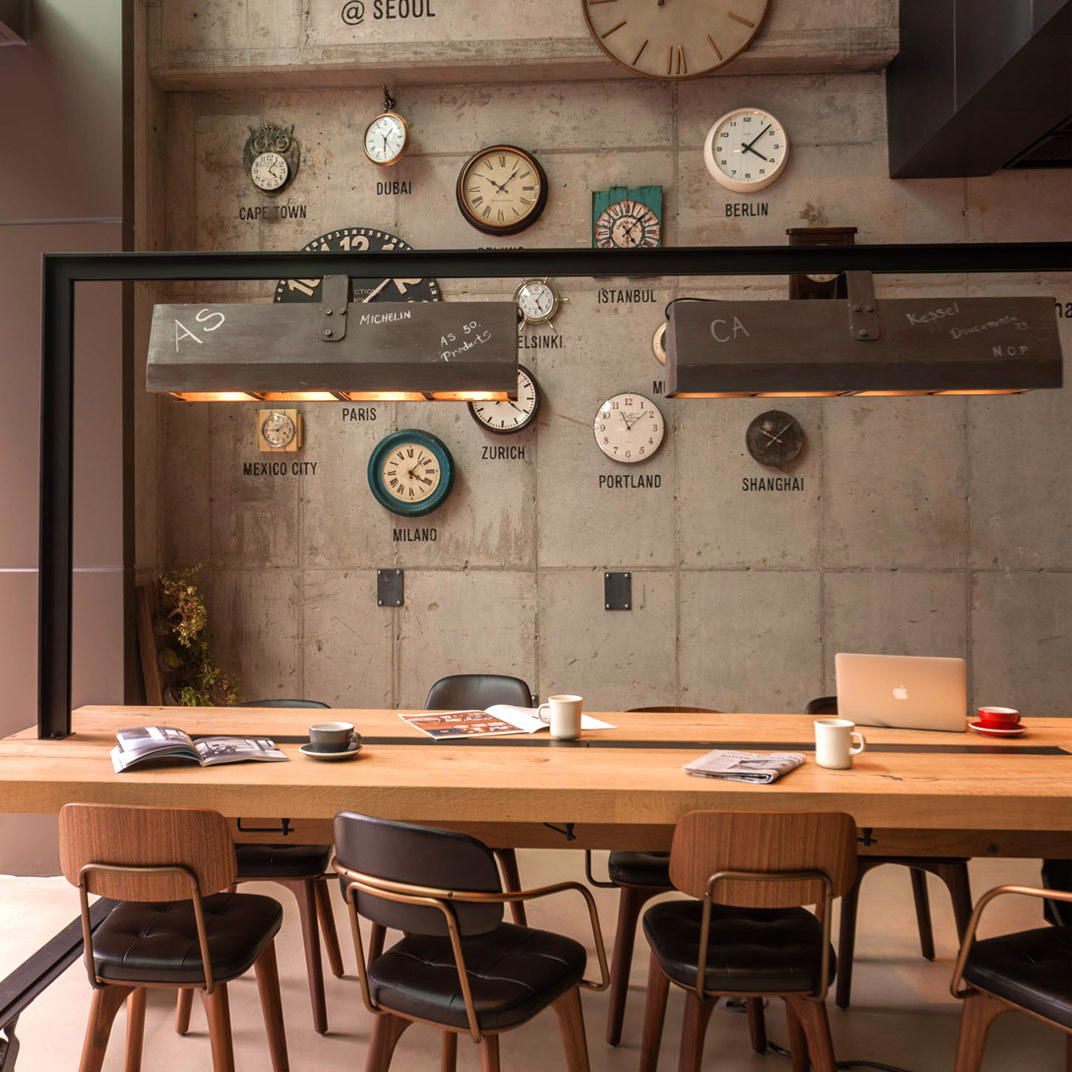
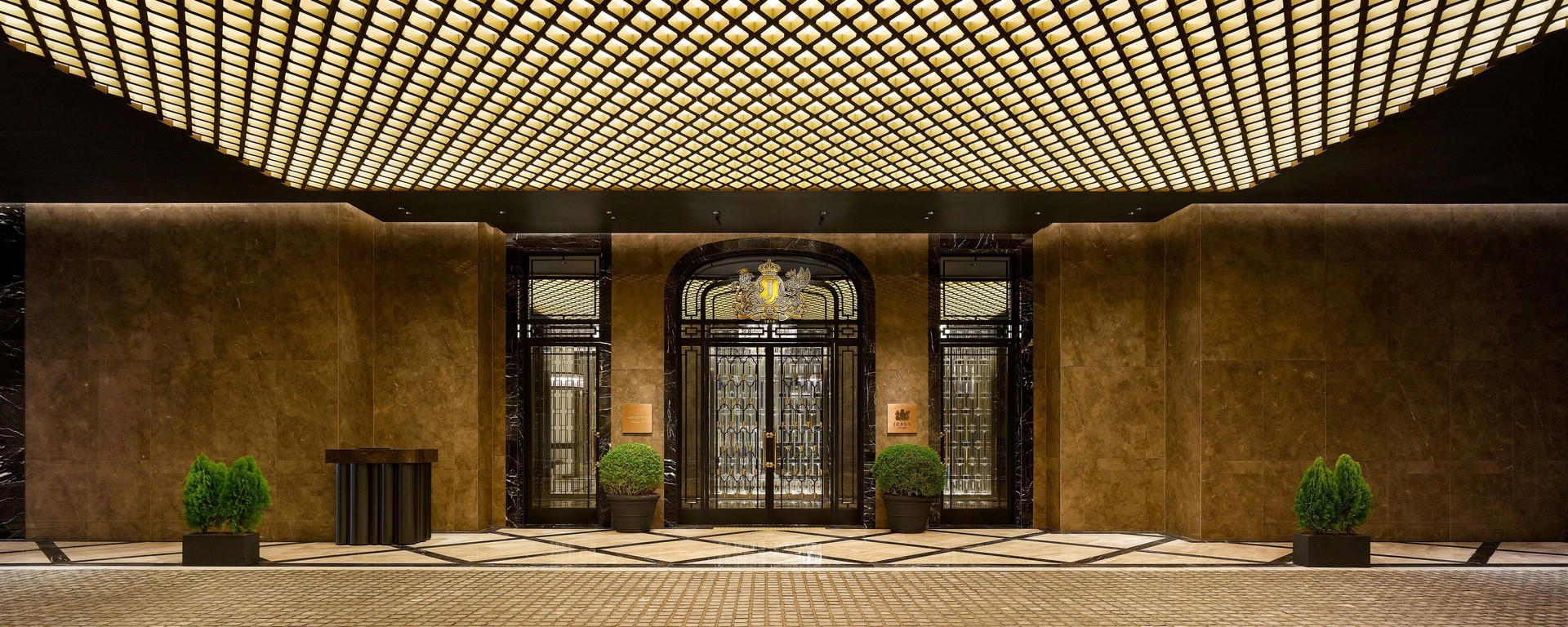
Sophisticated gallery-like atmosphere with art exhibitions, designer furniture, and refined lighting creating an elegant and artistic dining experience.

Signature Dishes
handmade pasta