Open Baladin on Via degli Specchi positions itself within Rome's small but growing craft beer scene, offering an extensive tap selection in a neighbourhood where wine has historically dominated. Compared to the city's Michelin-weighted dining circuit, it operates at a different register entirely: informal, beer-forward, and oriented around ethical Italian producers. The address, steps from Campo de' Fiori, makes it a practical stop for afternoon or evening drinking in the historic centre.
Pearl is the En Primeur Club membership app — saves, bookings, and concierge access live there. Same editors, same standards.
- Address
- Via degli Specchi, 6, 00186 Roma RM, Italy
- Phone
- +39 06 683 8989
- Website
- baladin.it
- Directions
- Get directions
 Saves & bookings on Pearl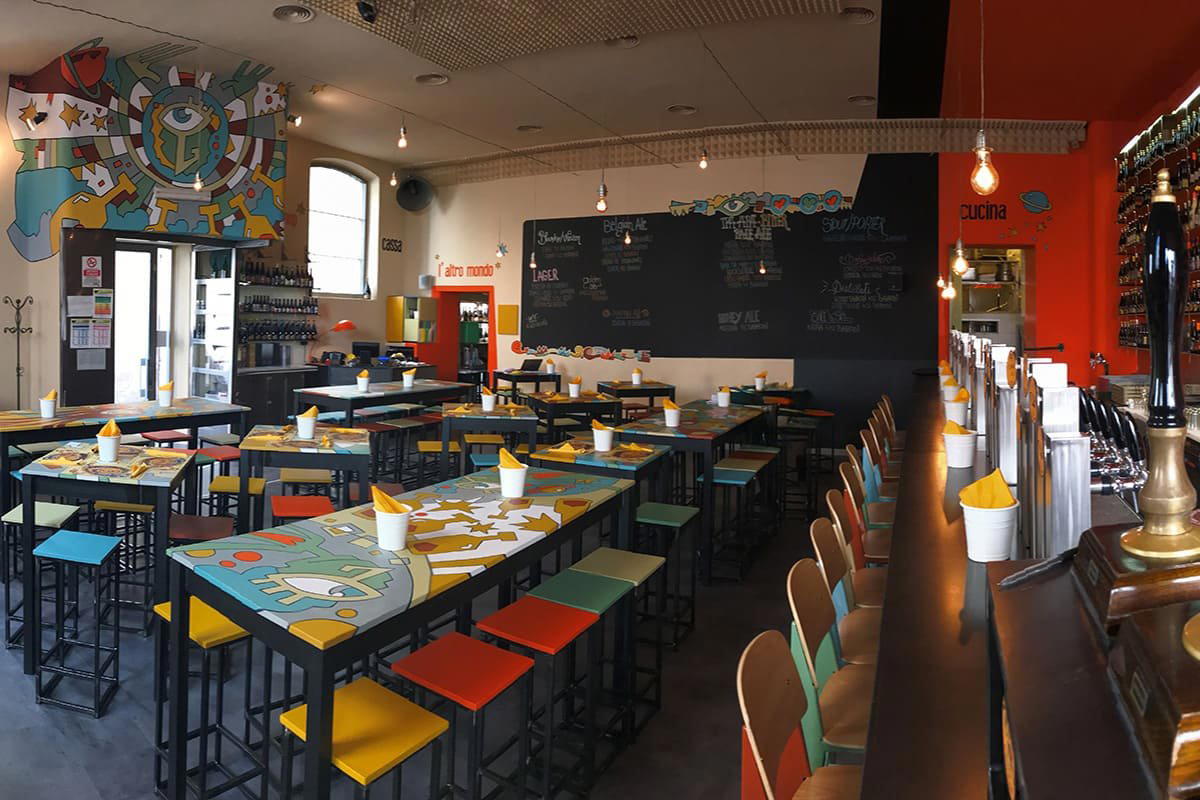
Craft Beer in a Wine City: Where Open Baladin Sits in Rome's Drinking Order
Rome has never been a beer town. The city's drinking culture runs deep on wine, from the house carafes of Trastevere to the natural wine lists that have proliferated across Prati and Pigneto over the past decade. Open Baladin sits at a deliberately different point on that axis. It is a craft beer bar and kitchen in the historic centre, and it does not pretend to be anything else. That clarity of purpose is, in a city prone to tourist-trap hedging, more useful than it sounds.
The address on Via degli Specchi, a short walk from Campo de' Fiori and the Jewish Quarter, places it in the historic centre. The area absorbs enormous foot traffic, and most of the bars and restaurants along that corridor manage it badly, prioritising throughput over quality. Open Baladin's affiliation with the Baladin brewery, one of the producers credited with building Italy's craft beer category from the mid-1990s onward, gives it a different foundation. The bar draws from a production philosophy rooted in Italian ingredients, small-batch brewing, and a traceable supply chain, principles that have become standard language in fine dining but remain genuinely less common in the beer world.
The Ethical Sourcing Thread Running Through Italian Craft Beer
Italy's craft beer movement developed later than its equivalents in the United Kingdom, Belgium, or the United States, but it arrived with a particular preoccupation with provenance. Producers like Baladin were early in insisting on Italian-grown hops and heritage grains at a time when most European craft brewers were sourcing commodity ingredients from a handful of international suppliers. That orientation toward local and traceable materials connects the craft beer scene to the same broader conversation happening across Italian food culture, from the slow food movement's roots in Bra (less than an hour from Baladin's original Piozzo base) to the farm-to-table sourcing arguments playing out in kitchens like Reale in Castel di Sangro and Atelier Moessmer Norbert Niederkofler in Brunico.
Open Baladin in Rome functions as the urban retail expression of that production philosophy. A large tap selection, reported to run across multiple rotating lines, gives drinkers access to the range without travelling to Piedmont. The format also allows the kind of side-by-side comparison that communicates provenance arguments more effectively than any label copy: different grain profiles, different hop origins, different fermentation approaches, presented in sequence at a bar rather than as abstractions on a brewery website.
Sustainability in hospitality often gets reduced to packaging choices or carbon offset language. The more substantive version, the kind that connects to how ingredients are grown, who grows them, and how supply chains are structured, is harder to communicate in a bar setting. The Baladin model attempts the harder version, and the restaurant's Rome location is where that attempt meets a general audience that may or may not be looking for it.
Atmosphere and What to Expect on Arrival
The bar occupies a space that reads as industrial-rustic in the register common to serious craft beer venues across Europe: exposed materials, high ceilings in the Roman palazzo style adapted for a casual drinking environment, a long bar as the functional and visual anchor. The room is louder than a wine bar and less formal than any of Rome's creative restaurant tier, which includes addresses like Acquolina, Enoteca La Torre, and Achilli al Parlamento. It is, in the plainest sense, a bar with food rather than a restaurant with a drinks list.
The food offer runs toward items designed to pair with beer: burgers, bar snacks, and kitchen output that prioritises ingredient sourcing over technical complexity. This is not the place to benchmark Roman cooking against what Osteria Francescana or Le Calandre represent nationally. It is the place to eat well without ceremony, in a neighbourhood where that combination is harder to find than the density of restaurants suggests.
Practically speaking, the restaurant operates in a part of Rome that rewards afternoon visits before the Campo de' Fiori evening crowd peaks. The bar sits within walking distance of several of the city's significant historical sites, making it a logical stop for travellers moving between the Jewish Quarter and the Campo. The restaurant occupies a different slot entirely: the informal, low-stakes session between more considered meals.
How It Compares in the Italian Beer and Dining Context
Within Italy's hospitality geography, interesting food and drink work is often happening outside Rome. Piazza Duomo in Alba, Dal Pescatore in Runate, and Uliassi in Senigallia represent the technical and sourcing ambitions of Italian fine dining more completely than anything in the capital's restaurant scene. Rome's strength has historically been in trattoria cooking and neighbourhood wine culture rather than in the kind of ingredient-forward innovation that earns international attention. The craft beer category offers Rome a different entry point into that conversation, one where the sourcing argument is embedded in the production method rather than in the kitchen.
The restaurant is not the only place in Rome to drink well-made Italian craft beer, but it carries the institutional weight of the Baladin name and the tap depth that smaller independents cannot match. For travellers already familiar with what places like Enoteca Pinchiorri in Florence or Enrico Bartolini in Milan represent in their categories, the restaurant is not a comparable register. It addresses a different need: accessible, ethically grounded drinking in a city that has historically offered tourists few options between mass-market lager and serious wine.
Planning Your Visit
The restaurant is on Via degli Specchi 6, in the historic centre between Campo de' Fiori and the Portico d'Ottavia. The location is walkable from most of Rome's central accommodation and accessible via tram or bus from Trastevere and Prati. Given its bar format and central position, walk-ins are the standard mode of entry, though weekend evenings in the Campo de' Fiori corridor draw significant crowds, and earlier arrival gives better access to the full tap selection before high-demand lines run low. Current hours and tap lists can change, so check before visiting.
A Minimal comparable set
Comparable venues nearby, for context on price, style, and recognition.
| Venue | Cuisine | Price | Notes |
|---|---|---|---|
| Open BaladinThis venue — the venue you are viewing | Regola, Italian Craft Beer Gastropub | $$ | Not listed |
| La Reginella d'Italia | San Angelo, Roman-Jewish Trattoria | $$ | Not listed |
| Bottega Ciccone | Trastevere, Traditional Roman Italian | $$ | Not listed |
| Marigold Roma | Not listed | $$ | Ostiense, Italian Farm-to-Table Bakery Cafe |
| Pane e Tempesta | Not listed | $$ | Gianicolese, Roman Pizza al Taglio and Tonda |
| Trattoria Settimio | Regola, Traditional Roman Trattoria | $$ | Not listed |
Continue exploring
More in Rome
Restaurants in Rome
Browse all →
Bars in Rome
Browse all →
Hotels in Rome
Browse all →

At a Glance
- Lively
- Trendy
- Energetic
- Casual Hangout
- Late Night
- Group Dining
- Open Kitchen
- Beer Program
- Natural Wine
- Local Sourcing
Current opening hours
- Monday
- 12 PM–1 AM
- Tuesday
- 12 PM–1 AM
- Wednesday
- 12 PM–1 AM
- Thursday
- 12 PM–1 AM
- Friday
- 12 PM–2 AM
- Saturday
- 12 PM–2 AM
- Sunday
- 12 PM–1 AM
Hours can change for holidays and private events. Last verified .
Convivial and inviting with deep red walls, warm ivory tables, and a long counter featuring a wall of hundreds of beer bottles, creating a warm, party-like atmosphere.