One Night In Beijing sits in Vienna's 19th district, where Chinese cooking tradition meets a city better known for Wiener Schnitzel and grand café culture. In a dining scene dominated by Modern Austrian and creative European formats, this address occupies a different register entirely, bringing techniques and flavour logic from one of the world's most codified culinary traditions to an audience largely shaped by Central European palates.
Pearl is the En Primeur Club membership app — saves, bookings, and concierge access live there. Same editors, same standards.
- Address
- Nußdorfer Pl. 8, 1190 Wien, Austria
- Phone
- +434313185303
- Website
- onenightinbeijing.at
- Directions
- Get directions
 Saves & bookings on Pearl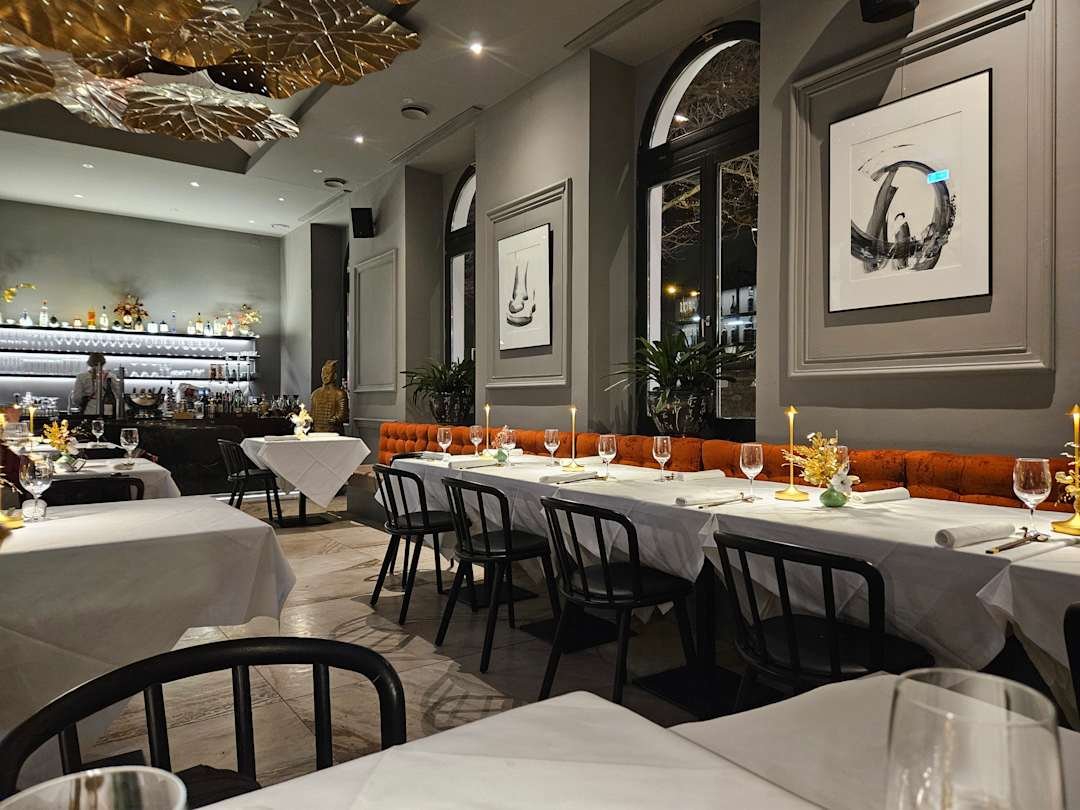
A Different Register in the 19th District
Vienna's fine dining conversation is, by reflex, a Central European one. One Night In Beijing is a restaurant in Vienna serving traditional Chinese with Pan-Asian accents, at Nußdorfer Platz 8 in the 19th district. The restaurants that draw international attention, from Steirereck im Stadtpark to Mraz & Sohn and Amador, operate within a broadly modern European idiom, even when they push hard against convention. The 19th district, Döbling, is quieter than the first: residential, tree-lined, oriented around the Nußdorf neighbourhood and the Danube Canal rather than the Ringstrasse. It is not where you expect to find a serious Chinese kitchen. One Night In Beijing, at Nußdorfer Platz 8, is precisely that displacement, a restaurant whose name signals intent clearly and whose location in a non-tourist arrondissement suggests it is not performing Chineseness for the uninitiated.
That kind of geographical remove from Vienna's inner-city dining cluster is, in itself, an editorial signal. Restaurants in Döbling earn their customers through word of mouth and repeat visits rather than foot traffic. The address implies a self-selecting audience.
Why Chinese Technique Reads Differently in Vienna
The intersection of imported culinary method and local or regional ingredient sourcing is one of the more productive tensions in contemporary dining, and it plays out differently in Vienna than it would in, say, London or New York, where Chinese cooking traditions have had decades to establish a broad public literacy. In Vienna, that literacy is thinner. The city's Chinese restaurant history leans toward Cantonese-inflected adaptations built for Central European palates, which makes any kitchen operating from a more rigorous technical base relatively unusual.
Chinese cooking encompasses particularly technically demanding traditions in the world: the breath of the wok, the precise temperature management of Cantonese roasting, the fermentation logic of Sichuan cuisine, the knife discipline of northern Chinese dumpling and noodle work. A kitchen that applies those methods seriously, in a city where the dominant fine dining frame is Modern Austrian, occupies an editorial position worth examining. Compare this to venues like Atomix in New York City, where Korean technique has been refined into tasting-menu format for a highly literate audience, or Le Bernardin in New York City, where French classical method shapes every decision. The question One Night In Beijing raises is similar: which tradition is driving the kitchen, and how does that tradition negotiate with local supply and local expectation?
Placing One Night In Beijing in Vienna's Broader comparable set
Vienna's premium dining tier clusters at the €€€€ price point, with restaurants like Konstantin Filippou and Doubek operating long tasting menus in that bracket. The restaurant's positioning is defined by its accessible pricing and reservation recommendation.
That positioning places it in a different competitive tier from the Michelin-flagged Modern European houses. Its nearest comparable set, in spirit if not geography, might include the mid-market Chinese kitchens that have begun to close the quality gap with their formal European neighbours in cities like Vienna, or the more ambitious suburban addresses that operate outside the critical spotlight. For Austrian fine dining context beyond Vienna, the creative and technically serious kitchens at Döllerer in Golling an der Salzach, Obauer in Werfen, and Ikarus in Salzburg demonstrate how seriously Austria takes cooking outside its capital, and frame the ambition that is increasingly visible at addresses across the country.
Local Ingredients, Global Technique: The Core Editorial Question
The more productive frame for thinking about the restaurant is not where it sits in a Michelin ranking, but how it handles the tension between Chinese culinary logic and Austrian ingredient reality. Central European Chinese kitchens have historically resolved this tension by abandoning the technique: swapping wok-breath for gentle stir-frying, substituting local pork cuts for specific regional breeds, omitting fermented ingredients that Austrian supply chains don't reliably stock.
A kitchen that holds the technique and adapts the ingredient sourcing faces a different problem, and a more interesting one. Austrian duck, pork, and freshwater fish are excellent. Alpine vegetables have genuine character. If a Chinese kitchen in Vienna is sourcing regionally and applying classical methods, it belongs to a small category of restaurants doing genuinely productive work at that intersection. This is the editorial question the venue raises, and the answer depends on which direction the kitchen has chosen to face.
For readers interested in how other Austrian regions approach the relationship between local product and imported technique, Kräuterreich by Vitus Winkler in Sankt Veit im Pongau, Griggeler Stuba in Lech, and Landhaus Bacher in Mautern an der Donau each show how regional ingredient identity and cooking ambition can coexist. Restaurant 141 by Joachim Jaud in Mieming, Schwarzer Adler in Hall in Tirol, and Ois in Neufelden extend that pattern into Tyrolean and Upper Austrian territory. Gourmetrestaurant Tannenhof in Sankt Anton am Arlberg represents the alpine resort end of that spectrum.
Planning Your Visit
The restaurant is at Nußdorfer Platz 8, 1190 Wien, in the Döbling district of Vienna's 19th arrondissement. The area is accessible by U-Bahn (U4 to Heiligenstadt, then tram or a short walk) and sits well outside the tourist centre, which means arrivals by public transport from the first district take approximately 25 to 30 minutes. The restaurant is recommended for reservations and follows these hours: Mon: 5-11 PM; Tue: 5-11 PM; Wed: Closed; Thu: 5-11 PM; Fri: 5-11 PM; Sat: 12-11 PM; Sun: 11 AM-11 PM.
Quick Comparison: Chinese and Creative Restaurants in Vienna
| Venue | Cuisine | Price Tier | Awards | District |
|---|---|---|---|---|
| The restaurant | Chinese (Beijing) | Not confirmed | Not confirmed | 19th (Döbling) |
| Steirereck im Stadtpark | Creative | €€€€ | Michelin-starred | 3rd (Stadtpark) |
| Konstantin Filippou | Modern European | €€€€ | Michelin-starred | 1st |
| Mraz & Sohn | Modern Austrian, Creative | €€€€ | Michelin-starred | 20th (Brigittenau) |
The Minimal Set
Comparable venues nearby, for context on price, style, and recognition.
| Venue | Cuisine | Price | Notes |
|---|---|---|---|
| One Night In BeijingThis venue — the venue you are viewing | Not listed | $$$ | Not listed |
| Chili & Pfeffer | Josefstadt, Szechuan Chinese Fusion | $$ | Not listed |
| China Kitchen | Wieden, Authentic Sichuan Chinese | $$ | Not listed |
| Jinco | Margareten, Authentic Shanghai Chinese | $$ | Not listed |
| Chen's | Not listed | $$ | Staatsoper, Authentic Chinese Noodle House |
| Hu | Staatsoper, Chinese Dumpling House | $$ | Not listed |
Continue exploring
More in Vienna
Restaurants in Vienna
Browse all →
Bars in Vienna
Browse all →
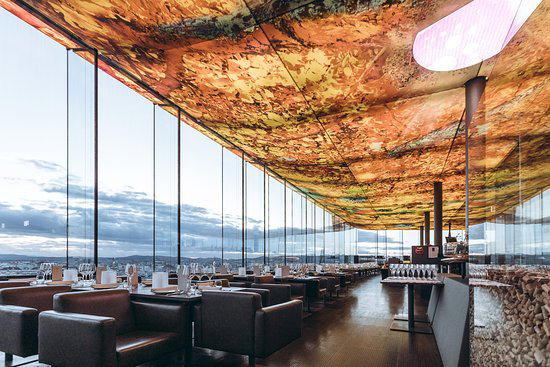
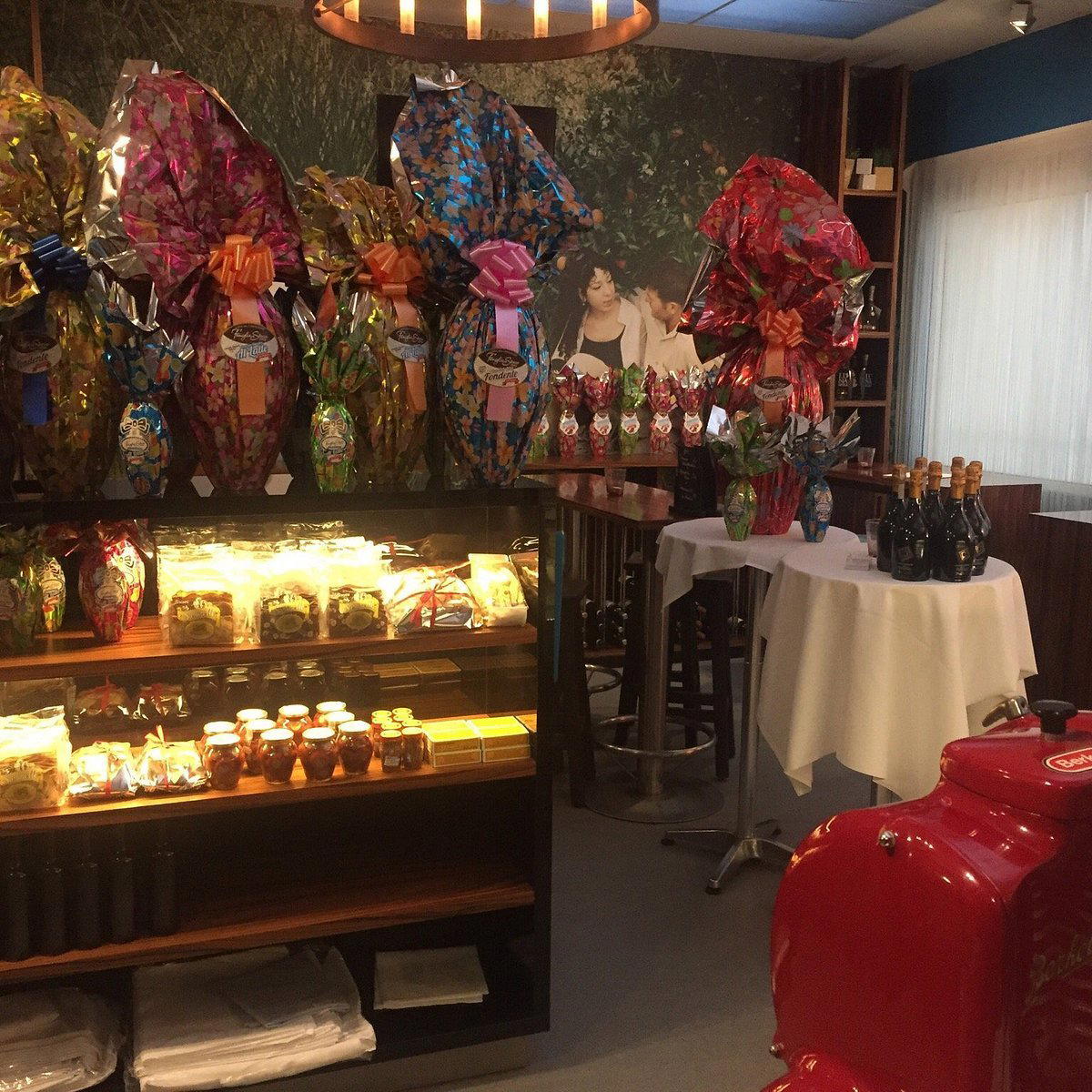
Hotels in Vienna
Browse all →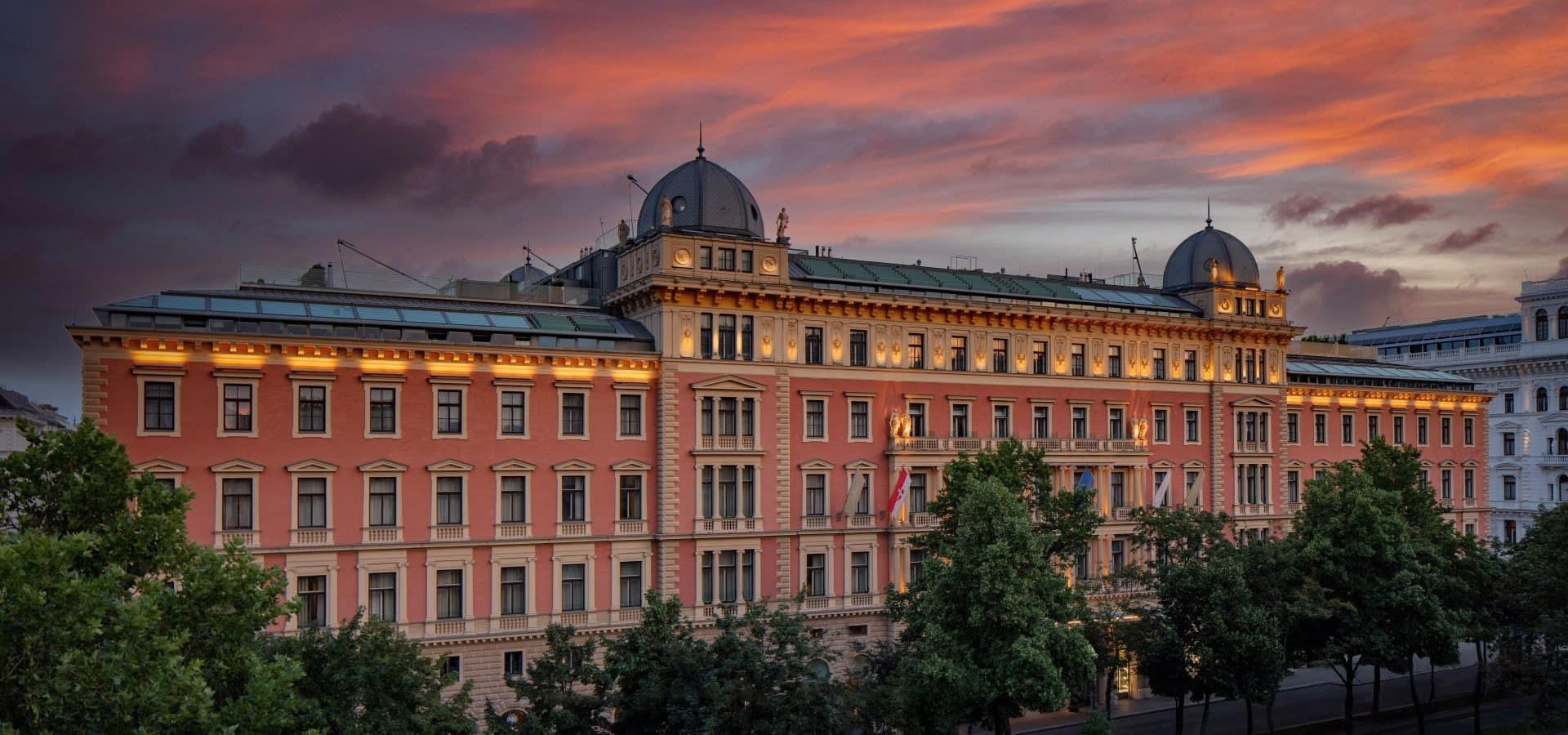
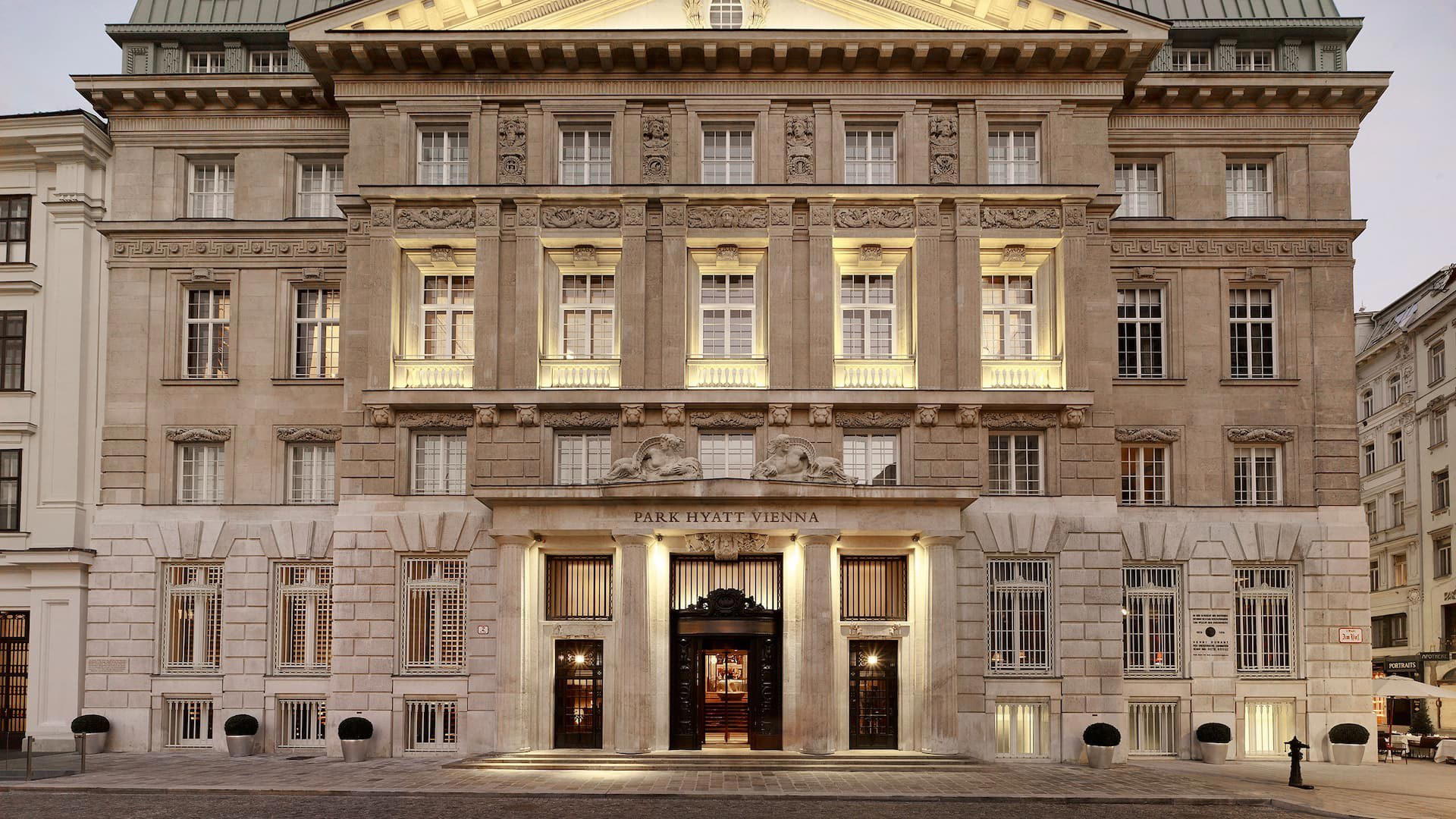

At a Glance
- Elegant
- Romantic
- Sophisticated
- Date Night
- Special Occasion
Current opening hours
- Monday
- 5–11 PM
- Tuesday
- 5–11 PM
- Wednesday
- Closed
- Thursday
- 5–11 PM
- Friday
- 5–11 PM
- Saturday
- 12–11 PM
- Sunday
- 11 AM–11 PM
Hours can change for holidays and private events. Last verified .
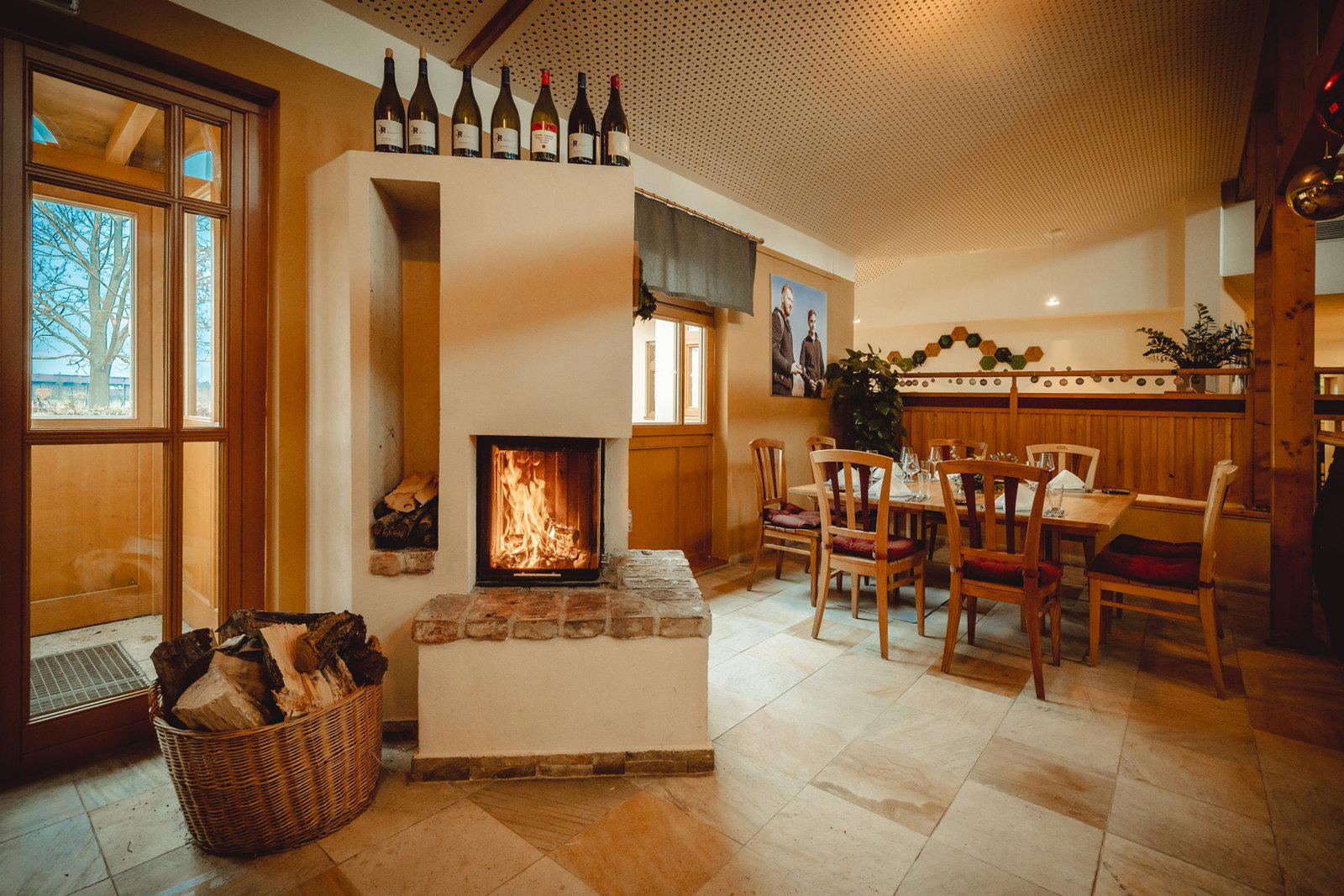
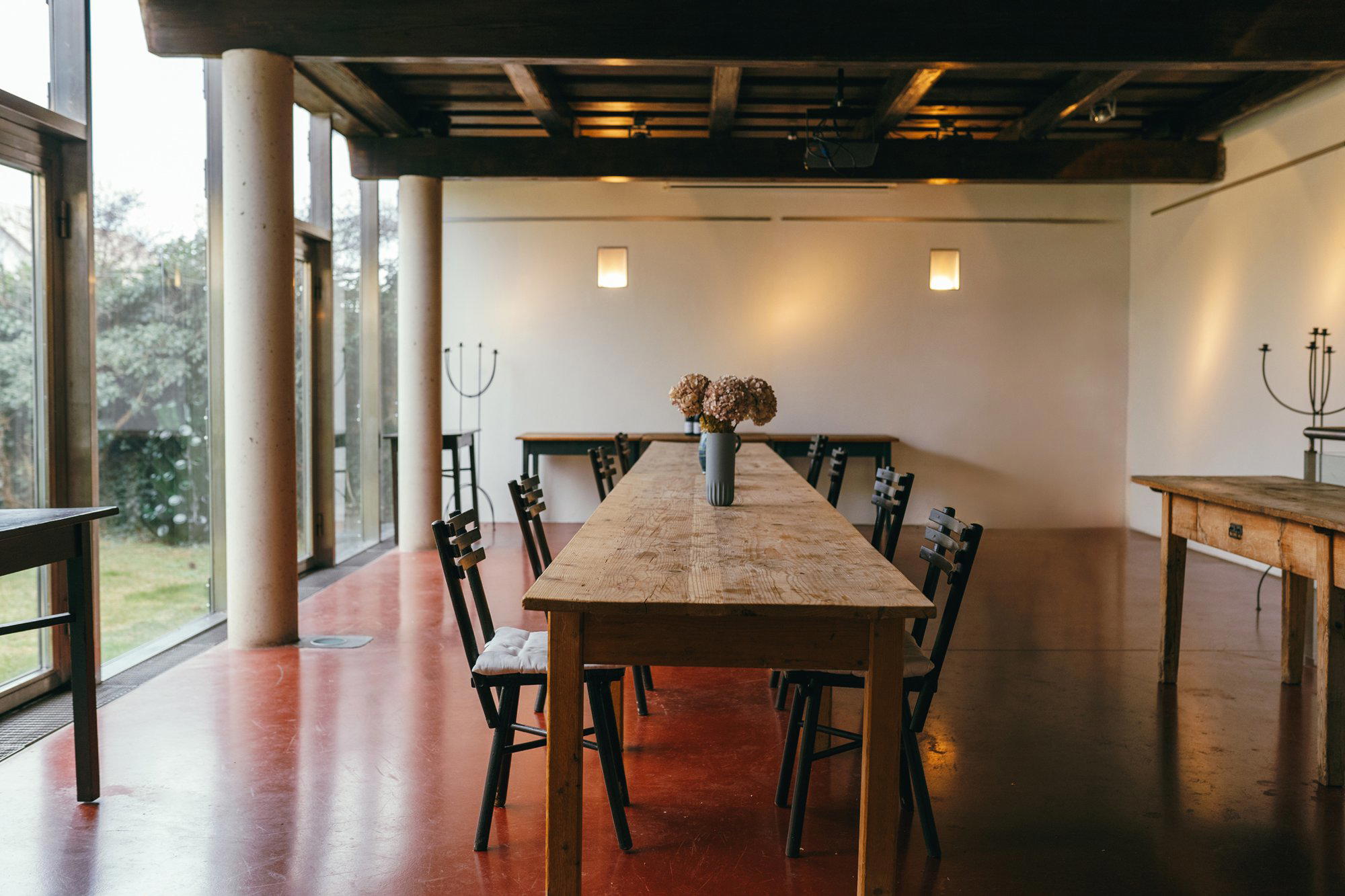
Sophisticated and elegant atmosphere with a special romantic vibe, praised for its delightful and enchanting setting.