On Salesianergasse in Vienna's Third District, Hu occupies a position among the capital's quieter fine-dining addresses, away from the well-mapped Innere Stadt circuit. Where the city's highest-profile creative restaurants cluster around established prestige postcodes, Hu operates from a residential stretch that rewards deliberate navigation. The address alone signals a different set of priorities.
Pearl is the En Primeur Club membership app — saves, bookings, and concierge access live there. Same editors, same standards.
- Address
- Salesianergasse 20, 1030 Wien, Austria
- Phone
- +434318908982
- Website
- restaurant-hu.at
- Directions
- Get directions
 Saves & bookings on Pearl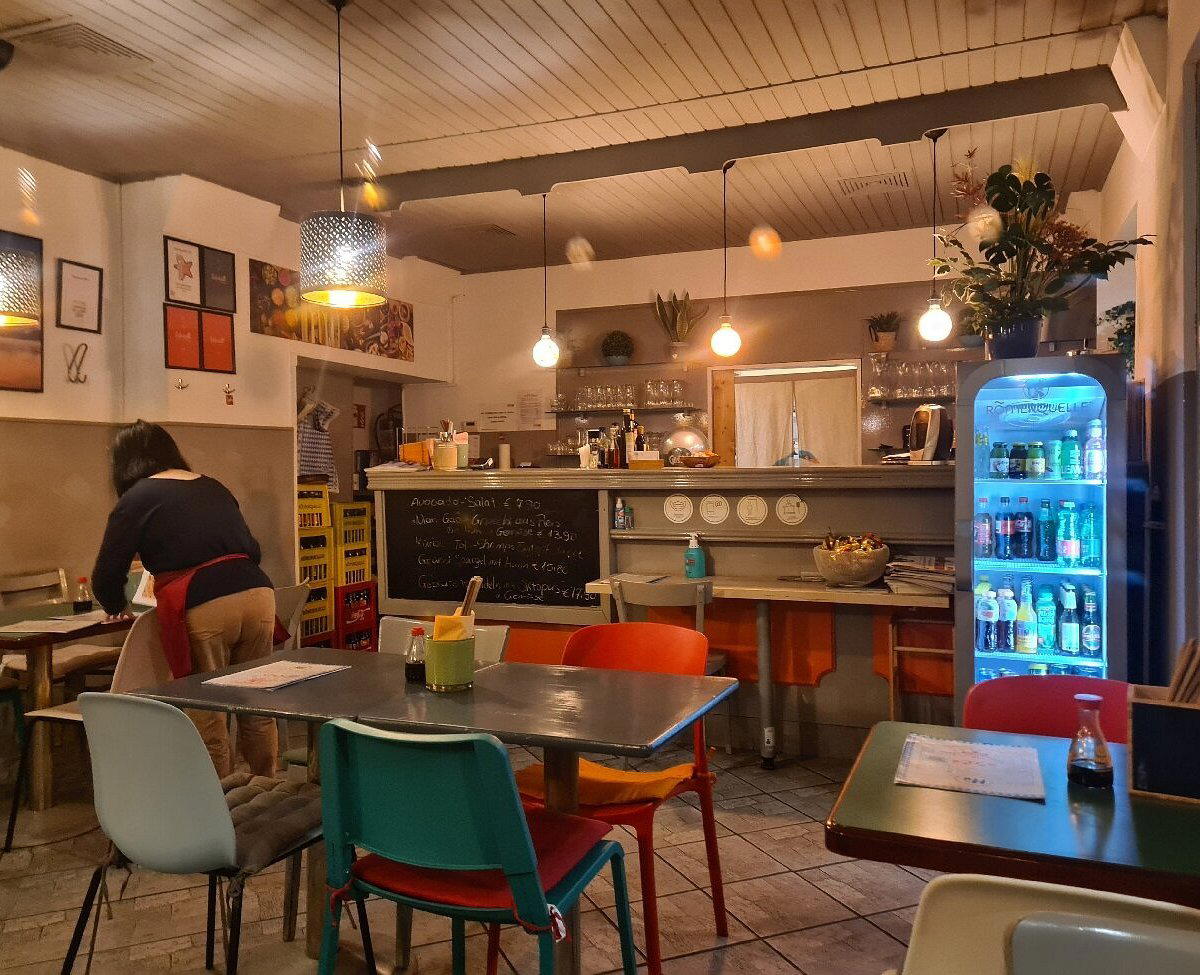
Third District Fine Dining: Where Vienna's Restaurant Scene Spreads Beyond the Centre
Vienna's serious restaurant circuit has long been anchored to a handful of well-worn coordinates: the park-side grandeur of Steirereck im Stadtpark, the technically dense tasting menus at Amador, the precise modern European work at Konstantin Filippou. These are the addresses that appear on every informed shortlist, and for good reason. But Vienna's dining geography has been quietly redistributing. The Third District, Erdberg and the streets running south from the Belvedere gardens, now holds a cluster of independent restaurants that operate outside the gravitational pull of those flagship names. Hu, at Salesianergasse 20, is a Chinese Dumpling House in Vienna's Third District.
The street itself is residential in character, the kind of address where a restaurant must earn its audience through reputation rather than foot traffic. In cities where premium dining is increasingly concentrated in high-visibility corridors, a location like this functions as a quality signal in its own right: the clientele who find it have looked for it.
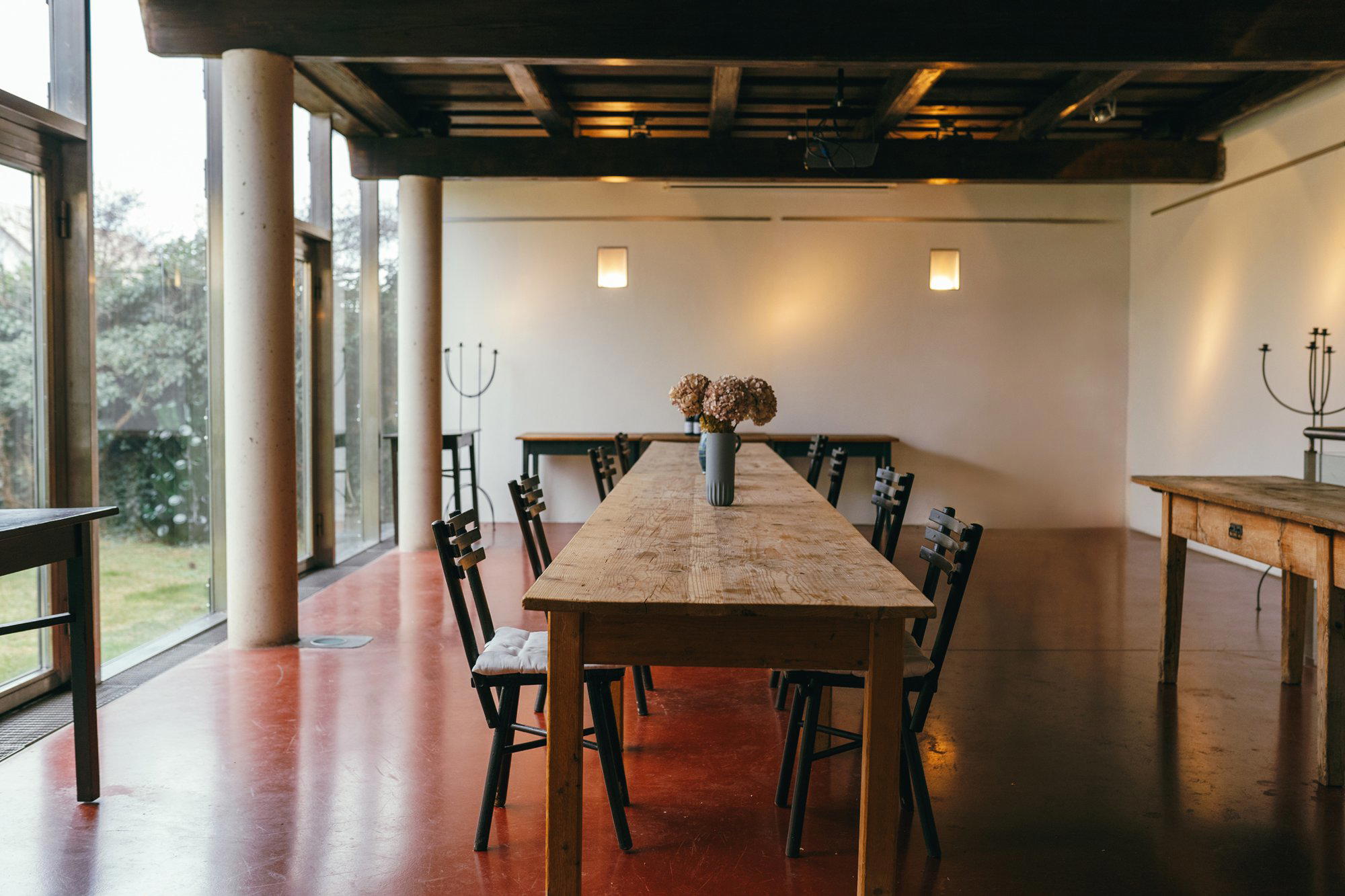
The Physical Container: Reading the Space at Salesianergasse
Vienna's fine-dining interiors tend toward two modes. The first is the grand bourgeois room, all dark wood panelling, substantial glassware, and the particular hush that comes from thick carpet and high ceilings. The second, more recent mode, is the pared-back counter or minimal dining room that foregrounds the food rather than the architecture. Hu sits in that second tradition, where the spatial decisions are subtractive: what has been removed or restrained communicates as much as what is present.
In rooms of this type, seating arrangements carry editorial weight. A smaller dining room in a residential address on the Third District tends to run with limited covers, which shapes the service rhythm and the noise level simultaneously. The intimacy that comes from a compact room is not incidental to the experience; it is the experience, structuring everything from the pace of service to the audibility of conversation at adjacent tables. Against the larger, more theatrical rooms that characterise Vienna's top tier, such as the multi-room complexity of Mraz and Sohn, a contained space like Hu's operates on different terms.
Interior architecture at this level of dining also intersects with menu logic. Kitchens in compact rooms are typically closer to the dining space, which affects the temperature at which plates arrive and the visibility of pass dynamics. The Salesianergasse address frames a room where the relationship between cook and diner is compressed rather than ceremonially separated.
Situating Hu in Vienna's Competitive Tier
Among Vienna's €€€€-tier creative restaurants, the competitive set is well-defined. Steirereck represents the institution, running at the intersection of Austrian produce and ambitious technique for decades. Konstantin Filippou operates in a modern European idiom with significant critical recognition. Mraz and Sohn has built a reputation on creative Austrian with sustained Michelin attention. Doubek and Amador each occupy distinct positions within the city's premium tier.
Where Hu sits within this set is a question the address helps answer. Salesianergasse is not the address of a restaurant chasing mainstream recognition; it is the address of one operating on a different logic, closer in spirit to the approach taken by destination restaurants in smaller Austrian towns, addresses like Döllerer in Golling an der Salzach or Obauer in Werfen, where the guest makes a deliberate journey and the room reflects that intentionality.
The comparison extends to the Austrian Alpine fine-dining circuit more broadly. Restaurants like Griggeler Stuba in Lech, Gourmetrestaurant Tannenhof in Sankt Anton, and Kräuterreich by Vitus Winkler all demonstrate that serious Austrian cooking increasingly happens in spaces designed around intimacy and intention rather than scale. Hu's Third District address places it in a similar conceptual bracket within the capital, a city address that operates with the focused energy more typical of a destination outside it.
How Hu Fits the Broader Austrian Fine-Dining Narrative
Austrian fine dining has, over the past fifteen years, developed a more confident and specific identity. The Austrian produce narrative, centred on dairy, game, freshwater fish, and Alpine herbs, has given chefs a framework that sits distinct from the French-influenced tasting menu tradition that previously dominated central European fine dining. Restaurants like Landhaus Bacher in Mautern an der Donau and Ikarus in Salzburg each represent different expressions of this maturation: one rooted in regional produce and long continuity, the other in a rotating guest-chef format that treats Austria as a platform for global technique.
Vienna's own restaurants have developed a parallel strand. The city's creative restaurants now tend to occupy a clear position relative to this produce-led tradition, either working within it or consciously positioning against it. For restaurants without substantial public documentation of their menu direction, the address and format offer particularly reliable orientation signals. A compact room on Salesianergasse suggests a kitchen working at close range with its ingredients and its guests, which aligns with the produce-first mode rather than the spectacle-forward alternative.
For readers planning a broader Austrian fine-dining itinerary, other addresses worth tracking include Schwarzer Adler in Hall in Tirol, Ois in Neufelden, and Restaurant 141 by Joachim Jaud in Mieming.
Planning a Visit
Salesianergasse 20 sits in Vienna's Third District. Advance booking is recommended. Reaching out directly ahead of travel is advisable. Dress expectations at Vienna's serious independent restaurants tend toward smart rather than formally prescribed, though the room's character should inform the call.
For comparable reference points at the international level, the focused counter-and-room model Hu's address suggests has parallels in the concentrated tasting-menu formats at Atomix in New York City or the produce-forward precision of Le Bernardin, both operating at the level where spatial restraint and culinary intention reinforce each other.
The Minimal Set
Comparable venues nearby, for context on price, style, and recognition.
| Venue | Cuisine | Price | Notes |
|---|---|---|---|
| HuThis venue — the venue you are viewing | Staatsoper, Chinese Dumpling House | $$ | Not listed |
| Feine Sichuan Küche | Inner City, Authentic Sichuan Chinese | $$ | Not listed |
| Jin's | Breitensee, Chinese Ramen and Dumplings | $$ | Not listed |
| Kiang Wine & Dine | Not listed | $$ | Franz Josefs Bahnhof, Modern Chinese Wine Bar |
| Chili & Pfeffer | Josefstadt, Szechuan Chinese Fusion | $$ | Not listed |
| LiuLiu | Wahring, Asian Fusion | $$ | Not listed |
Continue exploring
More in Vienna
Restaurants in Vienna
Browse all →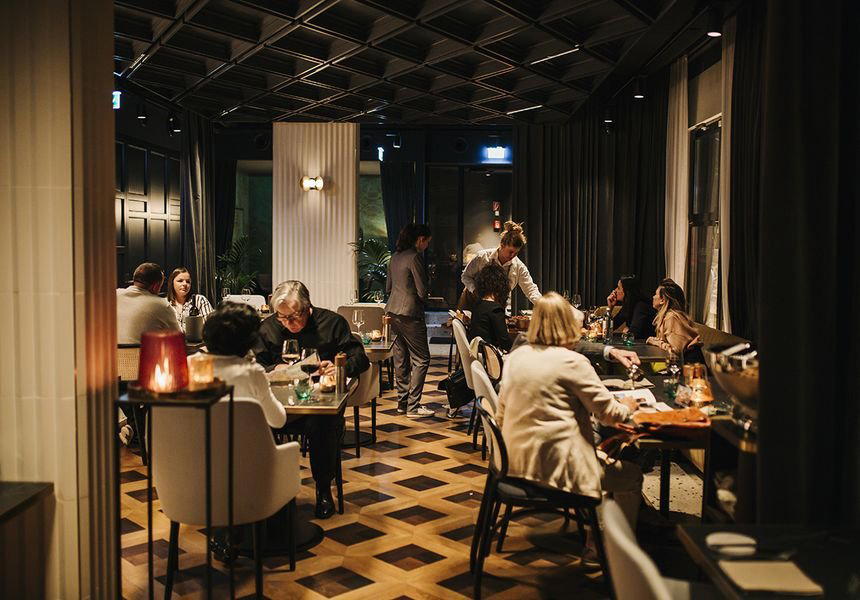
Bars in Vienna
Browse all →
Hotels in Vienna
Browse all →
At a Glance
- Cozy
- Casual Hangout
- Date Night
Current opening hours
- Monday
- 11 AM–3 PM, 5–9 PM
- Tuesday
- 11 AM–3 PM, 5–9 PM
- Wednesday
- 11 AM–3 PM
- Thursday
- 11 AM–3 PM, 5–9 PM
- Friday
- 11 AM–3 PM, 5–9 PM
- Saturday
- Closed
- Sunday
- 12–9 PM
Hours can change for holidays and private events. Last verified .
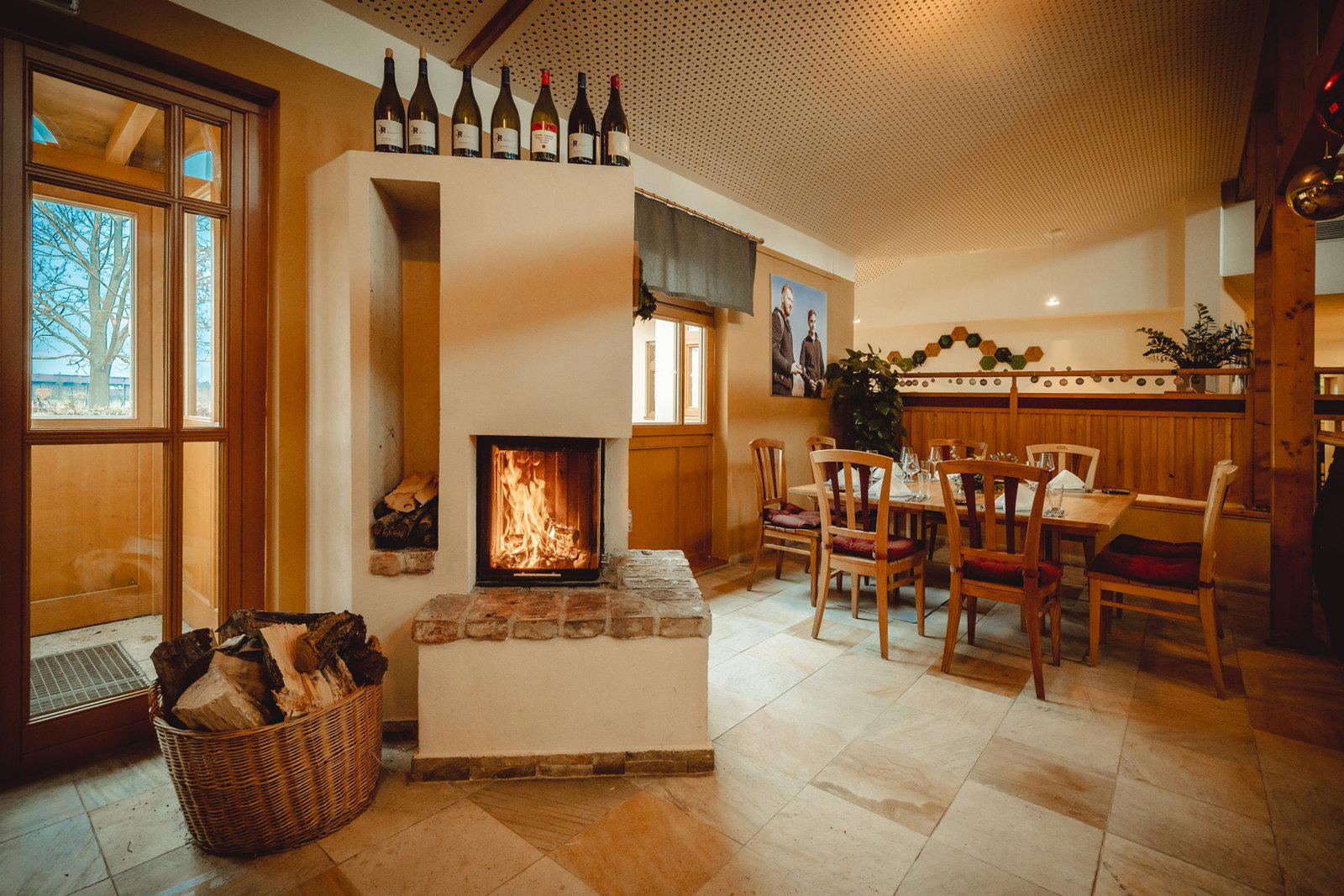
Cozy and home-like atmosphere in a small, no-frills setting with about 15 tables.